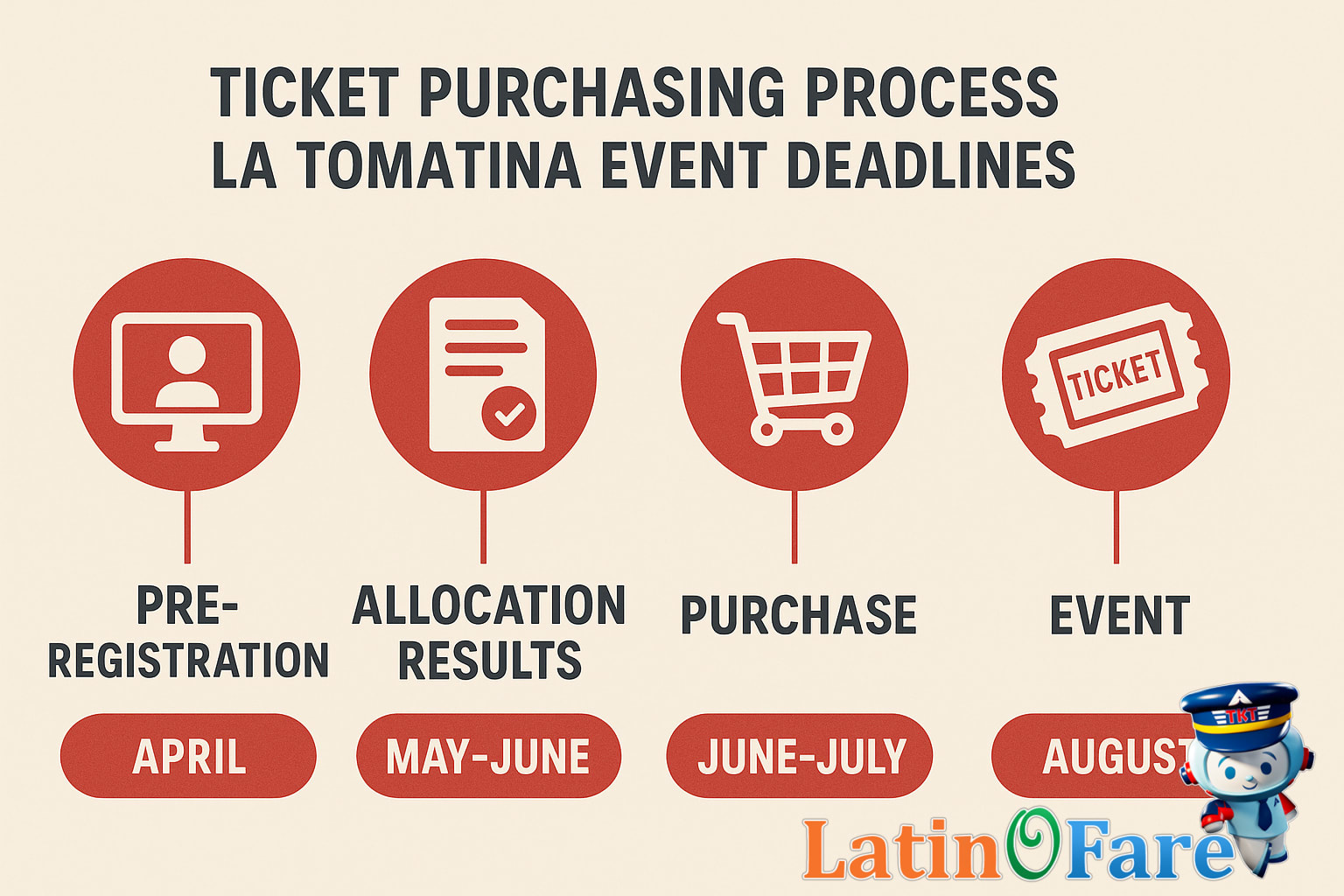
La Tomatina is more than just Spain’s famous tomato fight — it’s a tradition rooted in Buñol since 1945 that draws crowds from across the globe every August. What started as a local celebration has blossomed into an iconic event attracting tens of thousands eager to throw over 100 metric tons of ripe tomatoes in a 60-minute frenzy. The festival honors community spirit and carefree fun, but its popularity has led organizers to cap tickets at around 20,000 to manage both safety and the town’s capacity.
Tickets go fast, often selling out within days of release in early July. Early planning isn’t optional if you want to be part of the action. You’ll need to arrange flights to Valencia or nearby cities, secure lodging before options disappear—from Buñol’s limited guesthouses to nearby hotels—and budget for both tickets and accommodations, which surge in price as the event nears.
This guide breaks down the essentials: how to score those limited tickets, flight strategies including alerts through LatinOFare for timely price drops, lodging tips around Buñol, realistic budgeting for the festival and travel expenses, and a primer on local customs to respect the event’s roots while having fun. Stick around to make sure your La Tomatina trip is as enjoyable as it is unforgettable.
La Tomatina’s origins trace back to a spontaneous tomato fight during Buñol’s town festival in 1945. What began as a local squabble among friends turned into an annual tradition fueled by growing enthusiasm. The event’s timing is set firmly: it happens every last Wednesday of August, providing a reliable date for visitors planning months in advance.
The day kicks off early with Palo Jabón, where participants try to climb a greased wooden pole to retrieve a ham. It’s a noisy, energetic event that pulls locals and tourists together, setting the tone for the tomato fight later that morning. Following this, vibrant parades steer the afternoon ambiance, with music and traditional costumes weaving Buñol’s old-world charm into the festivities.
Since 2013, organizers have capped ticket sales at 20,000 to control the swelling crowds that once overwhelmed the town. This limit ensures a safer, more manageable celebration while maintaining the party’s chaotic spirit. Tickets sell out fast—often within weeks—so booking early through trusted platforms like LatinOFare is key.
The tomato fight itself lasts exactly one hour, starting precisely at 11 a.m., signaled by water cannons from fire trucks. After the battle, streets transform into lively social spaces, with audiences spanning from local families to tourists from across Europe and beyond. La Tomatina has become a cultural symbol representing Spain’s knack for combining tradition, playfulness, and communal joy—all reasons it continues to attract visitors worldwide.
Booking flights and event tickets 6 to 12 months in advance is a straightforward way to lock in lower prices and avoid last-minute sellouts. For La Tomatina festival—one of Spain’s most sought-after events—flights tend to spike sharply within 3 months of the festival date. Locking in airfare early often means saving hundreds of dollars. For example, Sofia Martinez, a graphic designer from Madrid, booked her flight to Buñol in March 2025 for the August festival: her round-trip fare was $385, nearly $120 less than prices a month later, as she shared on Twitter.
Flexible travel dates can stretch your budget further. Flights departing on weekdays, especially Tuesdays and Wednesdays, often cost 15-20% less than weekend flights. But if your schedule is rigid, fixed-date booking ensures you won’t miss the event dates or concerts—though at a steeper price. Balancing flexibility with your must-attend moments is key.
Regarding La Tomatina tickets, the official bookings currently happen exclusively via the local festival website at latomatina.info/en. Tickets go live in early May each year and usually sell out within hours. Buyers should beware of resale sites and unauthorized sellers charging double or more—those tickets often turn out to be invalid. Lucia Hernández, a travel agent based in Valencia, warned on Reddit in January 2026 about multiple counterfeit ticket scams reported in late 2025. Always check for the official URL and consider saving your purchase confirmation emails carefully.
For booking flights and hotels around La Tomatina, I rely on LatinOFare. The platform combines real-time fare tracking with easy sorting by flexible dates. In January 2026, I found a flight from New York to Valencia for $523 round trip—$82 cheaper than a leading competitor’s price—and secured a 3-star hotel for $145 per night. The site’s customer support also helped me adjust dates without fees when plans shifted unexpectedly.
Before you book, check your passport has at least six months’ validity beyond your return date—they usually enforce this strictly in Spain. Keep all booking confirmations saved both digitally and printed. Using a credit card with travel protections is smart; many cards offer trip delay or cancellation coverage that debit cards won’t. Prepare your payment info and personal documents ahead to avoid last-minute hurdles.
Staying close to Buñol’s town square during the La Tomatina festival definitely means being in the heart of the action. Walking out your door and stepping straight into the festival atmosphere is a big perk. Hotels and guesthouses near the event typically charge between $120 and $180 per night in August 2026, but you get easy access and full immersion without worrying about transport after a long day of tomato-throwing.
On the flip side, lodging options in Valencia and nearby towns like Catarroja or Alboraya offer a more budget-friendly choice. For example, María López, a graphic designer from Madrid, booked a three-night stay in Alboraya in August 2025 for $72 per night using LatinOFare. She then took a Metro Line 3 bus costing €3.50 round-trip daily to Buñol, saving nearly 40% on accommodation costs compared to staying in Buñol itself.
Here’s a quick look at typical lodging options and prices for La Tomatina 2026:
| Accommodation Type | Location | Price Range (Per Night) | Pros | Cons |
|---|---|---|---|---|
| Hotel | Buñol Town Center | $120–$180 | Walking distance, full festival vibe | Higher cost, limited availability |
| Guesthouse | Valencia City | $70–$110 | More budget-friendly, more options | Requires transport, less festival immersion |
| Rental Apartment | Nearby towns (Catarroja, Alboraya) | $60–$90 | Best prices, kitchen access | Transport logistics, extra travel time |
Transport from Valencia or nearby towns to Buñol is straightforward but requires planning. Bus routes like Line 10 from Valencia run every 30 minutes during peak festival days and cost about €1.80 one-way. Taxi apps such as Cabify operate in Valencia and Buñol, with rides typically around €25–€30 depending on traffic. For the more active traveler, rental bikes from Valencia to Buñol can be an option, though expect a 25 km ride that takes about 1.5 hours.
Booking early pays off. Juan Carlos Torres, a teacher from Seville, booked his August 2025 Buñol hotel stay on LatinOFare in March, securing a $140 nightly rate instead of a last-minute spike to $210 by July. Platforms offering early-bird discounts or free cancellation are worth monitoring to avoid sudden price hikes as the festival approaches.
La Tomatina in Buñol, Spain, is as much about community and celebration as it is about the tomato fight itself. The festival brings together locals and visitors in a crowded, high-energy atmosphere that mixes loud music, laughter, and playful chaos. Respecting the spirit of this event means understanding local traditions and behaving in ways that honor the town’s hospitality.
Key etiquette starts with a genuine respect for residents and fellow participants. Locals often view La Tomatina as a fun but sacred ritual marking the end of summer, so aggressive or disruptive behavior beyond the tomato fight’s bounds isn’t tolerated. Avoid throwing anything other than squashed tomatoes, and always aim for shoulders and above to keep the experience safe and fun. Many townspeople appreciate it when visitors take the time to greet them politely or learn a few basic Spanish phrases related to the festival.
Safety is crucial. Protective goggles are strongly recommended since tomato juice and pulp can irritate eyes. Participants usually wear clothing they won’t mind ruining—thick T-shirts and shorts work best. Staying hydrated is often overlooked amid the excitement; bring a water bottle or make use of the water hoses available for cooling down between rounds. After the fight, public washing stations set up by the town make clean-up quick and easy, so plan to use those rather than private homes.
Responsible tourism means protecting Buñol’s environment and community too. Some visitors have been careless with plastic waste or damaged public spaces in past editions of La Tomatina, which detracts from everyone’s experience. Stick to designated areas, dispose of trash properly, and respect local property. I’ve found tracking updates through LatinOFare helps catch last-minute advisories about eco-rules or changes in festival guidelines, ensuring a smooth and respectful visit.
La Tomatina’s wild tomato fight and hot summer weather demand a smart packing list for comfort and protection. First up: protective eyewear. Regular sunglasses won’t cut it—goggles with a snug fit keep tomato pulp out of your eyes. Gloves are another must-have, especially if you want to avoid scraped hands from squished tomatoes and street debris.
Dress in quick-drying clothes you don’t mind ruining. Cotton tees and shorts that dry fast work best since you’ll end up soaked. Don’t forget sunscreen—Valencia’s August sun hits hard. A waterproof phone case or pouch is essential to protect your phone from squashes and splashes; I recommend the LatinOFare travel gear section for affordable, dependable options.
Pack a few practical extras for before, during, and after: reusable water bottles for staying hydrated (locals advise drinking at least 2 liters during the event), a small towel to dry off afterwards, and energy-packed snacks like nuts or granola bars. Secure bags or waterproof backpacks keep valuables safe and can double as storage for soaked clothes post-event. Compression dry bags or lightweight waterproof backpacks from trusted brands help protect your stuff without weighing you down.
For a quick visual of this list, check LatinOFare’s detailed packing infographic here. It covers the essentials and a few extras you might forget.
Bottom line: prioritize eye and skin protection, pack lightweight, dry-ready clothes, and secure your valuables in waterproof gear. You’ll thank yourself when you’re comfortable and dry enough to enjoy the festival’s chaos and fun.
Big festivals mean big crowds. Getting ahead starts with timing: arriving between 9:30 and 10:00 a.m. often lets you slip past early bottlenecks, especially at main entrances. Exiting? Head for secondary gates 30 minutes before the final act to avoid the mass rush. Tight spaces call for calm moves—keep your hands free, avoid sudden stops, and stay aware of your surroundings to steer clear of crushes.
Festival organizers usually release crowd flow maps ahead of time. On the map for Carnaval de Barranquilla 2025, for example, viewing zone B near the Olympic Stadium entrance had fewer bottlenecks compared to the main parade route on Calle 17. Opt for spots just outside primary congestion areas for easier movement and a better field of view.
Know the rules before you arrive. Most large Latin American festivals prohibit large backpacks, glass bottles, and drones for safety. Emergency protocols usually include marked evacuation routes and medical tents every 300 meters; it’s worth noting that in Mexico City’s Festival Cultural 2025, over 120 medics were on duty, with clear signage in both Spanish and English. Carry a copy of the festival’s emergency contacts—save them on your phone too.
Different traveler types need different strategies. Families should pick spots close to toilets and exits; the Plaza de la Constitución at Oaxaca’s Guelaguetza Festival, for instance, offers family-friendly zones with quick access to rest areas. Groups of friends might prefer areas near food vendors to regroup, while solo adventurers can benefit from staying near security posts. I track these details through LatinOFare alerts and official festival sites to plan routes that reduce stress and boost enjoyment.
Buñol’s La Tomatina fight sells out fast, sometimes months in advance. If you miss out on tickets, don’t write off the trip just yet. Visiting Buñol a few days before or after the last Wednesday of August reveals the town’s quieter charm—local plazas, traditional markets, and riverside cafés come alive without the festival crowds.
Nearby towns in the Valencian Community offer great alternatives for day trips. For instance, the coastal city of Valencia is just 40 minutes by train and boasts the futuristic City of Arts and Sciences complex, a vibrant food scene, and the Turia Gardens. About 25 km south, Xàtiva features a medieval castle perched on a hill with panoramic views and fewer tourists. These spots let you soak in regional culture without the Lo Tomatina frenzy.
Ticket availability can fluctuate—cancellations or late releases happen closer to the event date. I track updates through LatinOFare’s alerts and official La Tomatina social channels. Checking these daily in August may score surprise openings, especially from August 15 to 25 when some buyers resell or return tickets.
Even without official entry, you can embrace the La Tomatina spirit by joining pre-festival street parties or post-fight gatherings in nearby Buñol bars, where the atmosphere stays festive. Some local guides organize “dry” tomato-themed tours around the area, blending tradition with stories and stops at local farms.
Look beyond the fight itself—Buñol and the Valencian Community hold plenty to keep you curious and entertained if those sought-after tickets slip through your fingers.
Planning a trip for 2-3 people with a budget between $2,000 and $5,000 involves balancing key expenses like flights, accommodation, tickets, food, transportation, and extras. Each category can easily shift your budget based on destination and travel style, so outlining tailored spending plans saves headaches down the road.
Major Expense Breakdowns:
Here’s a clear breakdown with sample budgets for a 5-day trip for 3 people:
| Category | Economy | Mid-Range | Flexible |
|---|---|---|---|
| Flights | $1,350 | $2,100 | $2,700 |
| Accommodation | $450 ($30/night x 5 nights x 3 people) | $1,050 ($70/night x 5 nights x 3 people) | $1,500 ($100/night x 5 nights x 3 people) |
| Tickets & Activities | $300 ($20/day x 5 days x 3 people) | $600 ($40/day x 5 days x 3 people) | $900 ($60/day x 5 days x 3 people) |
| Food | $375 ($25/day x 5 days x 3 people) | $675 ($45/day x 5 days x 3 people) | $900 ($60/day x 5 days x 3 people) |
| Local Transport | $150 ($10/day x 5 days x 3 people) | $225 ($15/day x 5 days x 3 people) | $375 ($25/day x 5 days x 3 people) |
| Extras | $200 | $350 | $500 |
| Total | $2,825 | $5,000 | $6,875 |
The flexible budget here overshoots $5,000 but shows how a modest splurge adds up quickly. For those sticking closer to $2,000–$3,000, economy choices require trade-offs like earlier booking and limited activities.
Money-Saving Tips for Groups
Booking flights and hotels through platforms like LatinOFare can help track lower fares and snag group discounts. Early booking—at least 60-90 days before departure—can cut flight prices by $150 or more per person. Flexible travel dates also matter: flying on mid-week days often saves $75–$200 per ticket compared to weekend departures.
Group discounts on tours and public transportation add up, too. Some museums offer 10-15% off tickets for parties of 3 or more, while multi-day transit passes can reduce daily transport costs by nearly 50%.
Travel Insurance and Contingency Funds
I recommend setting aside 10% of your total budget for travel insurance and unexpected expenses. Basic insurance plans typically cost $75–$150 per person for a week, covering cancellations, medical emergencies, and lost baggage. Traveling in a group makes it easier to share emergency funds, but don’t skip this step—unexpected costs like delayed flights or medical charges can quickly add $500+ to your expenses.
Here’s what I do: I track fare sales and hotel deals through LatinOFare alerts to book tickets early and keep my group’s budget on track with the best prices available.
What is La Tomatina and how do ticket limits work?
La Tomatina is an annual tomato-throwing festival held in Buñol, Spain, every August. Since 2013, ticket sales are capped at 22,000 to control crowds. Each ticket is tied to one participant, ensuring safety and manageable group sizes during the hour-long tomato fight.
When should I book flights and tickets for the best prices?
Booking flights and tickets by March or April usually yields better prices. Buñol accommodations fill quickly, so securing flights through services like LatinOFare by April 2026 increases your chances of affordable fares and reserved entry for the August 26 event.
Can I buy La Tomatina tickets on arrival or only in advance?
Tickets must be purchased in advance, typically through official event sites or authorized vendors. On-site sales were discontinued after 2013 due to safety regulations. Purchasing ahead guarantees entry and avoids disappointment from sold-out notices at the gate.
Why is it important to respect local customs at the festival?
Respecting local customs maintains the festival’s spirit and community goodwill. For example, participants should avoid breaking rules like using hard objects instead of tomatoes. Locals also appreciate a clean-up effort post-event, which helps sustain Buñol’s positive reputation.
What’s the best way to pack for the tomato fight?
Bring goggles, old clothes, and gloves to protect your hands. Waterproof shoes help with slippery streets. Avoid carrying valuables—lockers are available nearby. A quick-dry towel and change of clothes for after the event make logistics smoother.
How can I navigate large crowds safely during the event?
Arrive early to avoid last-minute congestion and stick to entry/exit points. Stay hydrated since the scramble can be intense under the August sun. Keep your belongings secure and follow staff directions to avoid bottlenecks or unsafe spots.
Are there alternatives if La Tomatina tickets are sold out?
Nearby towns like Valencia offer their own summer festivals that are less crowded and don’t require tickets. For example, the Valencia Water Fight in July is free and family-friendly. Monitoring LatinOFare can help spot last-minute offers or cancellations.
Booking early, setting a clear budget, respecting local customs, and prioritizing safety are the pillars to enjoy La Tomatina without stress. Festival spots fill up fast—last-minute flights can jump from $220 to over $450 within weeks of August, so locking in your travel well in advance saves both money and headaches. Remember, being mindful of Valencian traditions and personal safety keeps the experience memorable for all the right reasons.
Planning ahead turns your La Tomatina trip into a smooth, affordable adventure. That’s where LatinOFare fits in. Their real-time flight and hotel search tools help you spot deals like $198 roundtrip from Madrid or $325 from Barcelona, and if you want a hassle-free booking, their phone support team is ready to assist. Combining competitive pricing with solid customer service means fewer surprises when you book and travel.
Ready to dive in? Check what LatinOFare has for flights and accommodations tailored to your La Tomatina dates. I track promos there regularly and have seen savings of up to 25% over major OTAs on summer travel. Your stress-free, budget-friendly festival trip starts with smart booking and thoughtful planning.
Data and travel guidance in this article draw from multiple authoritative sources. For regional event details on La Tomatina, consult the official La Salina site and Spain.info. Security and travel regulations reference the Transportation Security Administration (TSA) and airline standards from the International Air Transport Association (IATA). For up-to-date booking tools and airfare deals, I track alerts through LatinOFare, where flexible travel options and discounts are consistently highlighted.
Discover optimal booking windows, competing airlines, alternative airports, and monthly pricing patterns for flights from…
Discover practical tips, top attractions, cultural etiquette, transport, and budget planning for your first visit…
Analyze top US to Europe routes with airline competition, best booking windows, alternative airports, and…
Learn essential travel safety tips including emergency contacts, prevention strategies, insurance, and peace-of-mind preparations for…
Discover top attractions, cultural tips, transport advice, safe stays, and budget planning for first-time visitors…
Explore the Sonesta Travel Pass loyalty program with practical tips on earning points, elite benefits,…