
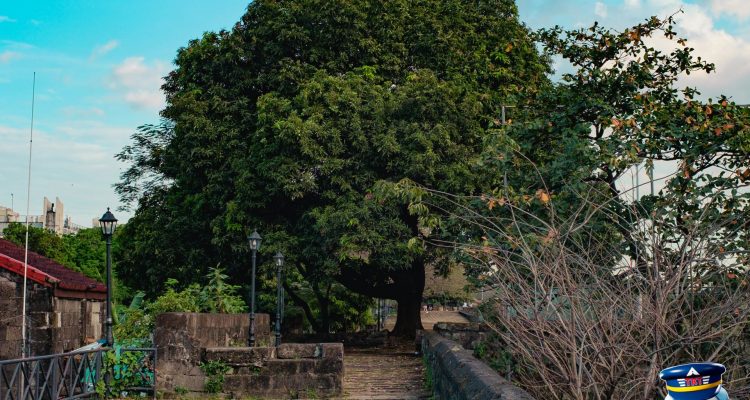
Starting Your Manila Adventure Right
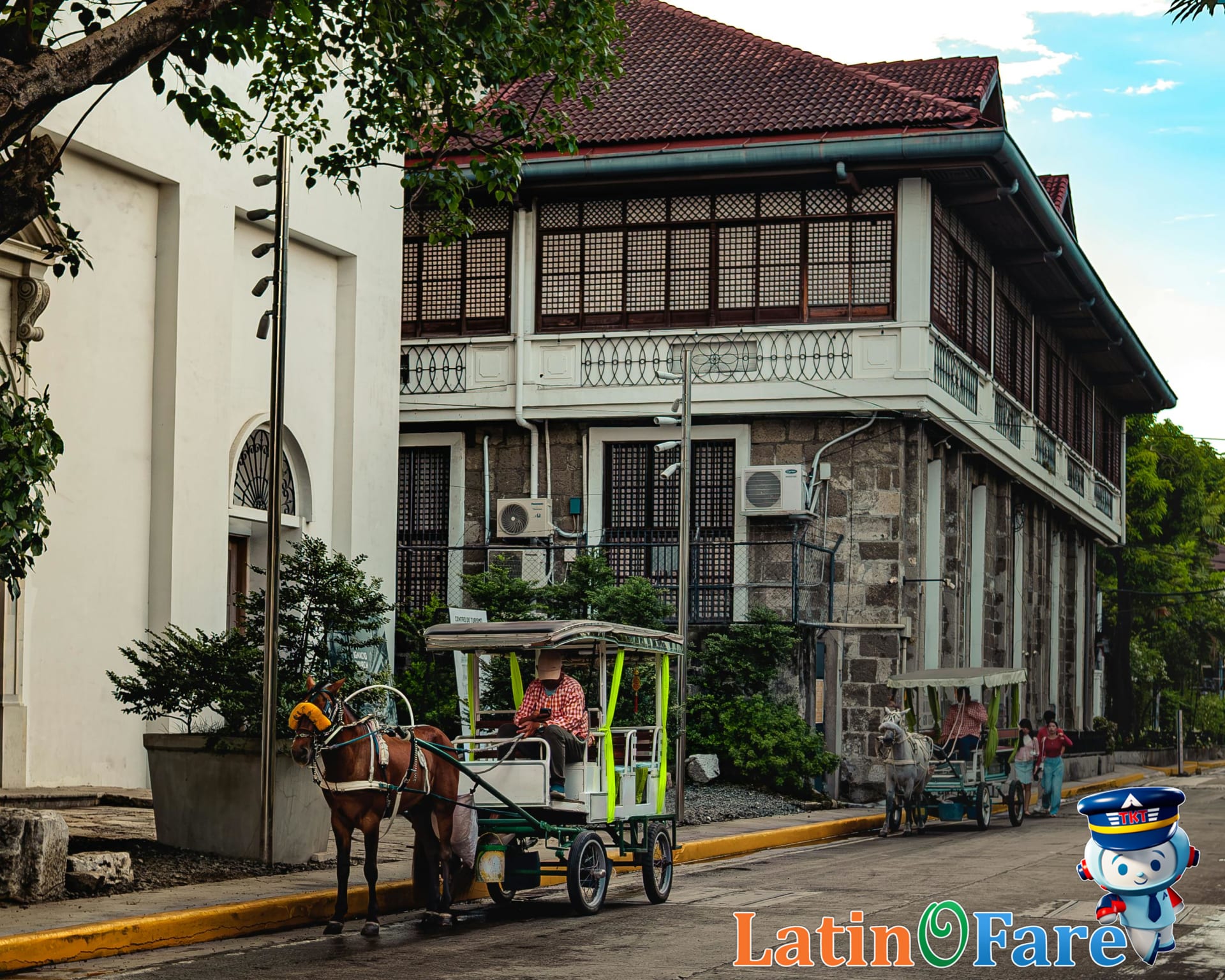
Manila is a city that’s always in motion—where Spanish colonial churches stand next to gleaming malls, and jeepneys weave through the traffic with a kind of organized chaos. For first-time visitors, Manila can feel overwhelming at first, but it’s exactly this mix of history, modernity, and vibrant street life that gives the city its magnetic energy. The best approach is to arrive with curiosity, patience, and a willingness to see both the big sights and the everyday moments that make Manila unique.
When I touched down at Ninoy Aquino International Airport (NAIA) for the first time, I was struck by the thick, warm air and the steady buzz of activity even late at night. Getting through immigration was straightforward, but finding my way out of the terminal could have been tricky if I hadn’t pre-arranged my ride. I’d recommend every traveler do the same—navigating Manila’s airport arrivals can be confusing, especially after a long flight. Booking a Grab car, hotel shuttle, or reputable taxi in advance made my transition into the city much smoother, and I was able to take in those first glimpses of Manila’s neon-lit streets without worrying about transportation.
Keep an open mind, and don’t be afraid to wander a little off the main path—whether that means exploring the historic walls of Intramuros or sampling street food in Binondo. If you’re still in the planning phase, check out this guide on latinofare.com for practical tips on booking flights to Manila and other Asian destinations. A little research before you go can help you make the most of your arrival and first days in the city.
Choosing Your Metro Manila Base
Metro Manila is a patchwork of neighborhoods, each offering a distinct vibe, history, and pace. On my first day, moving from the centuries-old walls of Intramuros to the glassy towers of BGC felt like stepping between two different worlds. The contrast is real: cobblestone streets and horse-drawn carriages in one moment, then bustling coffee shops and rooftop bars the next. Here’s a quick overview of the main districts you’ll want to know about as you plan your stay.
Intramuros: Manila’s Historic Heart
If you love history and old-world charm, Intramuros is a must. This walled city is packed with Spanish-era churches, leafy plazas, and museums. It’s quieter at night, so it’s great for daytime exploring but less ideal as a nightlife base.
Ermita and Malate: Classic Urban Manila
These neighboring districts blend old Manila with a lively, sometimes gritty energy. Ermita and Malate are known for museums, Rizal Park, and a nightlife scene ranging from karaoke bars to casual cafes. I usually recommend these areas if you want affordable accommodation and don’t mind a bit of city bustle.
BGC: Sleek and Modern
Bonifacio Global City (BGC) is Manila’s answer to modern urban living—think wide sidewalks, art installations, and international dining. The skyline here surprised me the most on my first visit. It’s popular with expats and travelers who want comfort, safety, and easy access to shopping and nightlife.
Makati: Business Meets Nightlife
Makati is Manila’s business hub, but it’s also packed with restaurants, bars, and malls. It’s a favorite for first-timers who want a safe, central location with lots of amenities. I’d compare Makati and BGC before choosing, as they offer similar conveniences with slightly different feels.
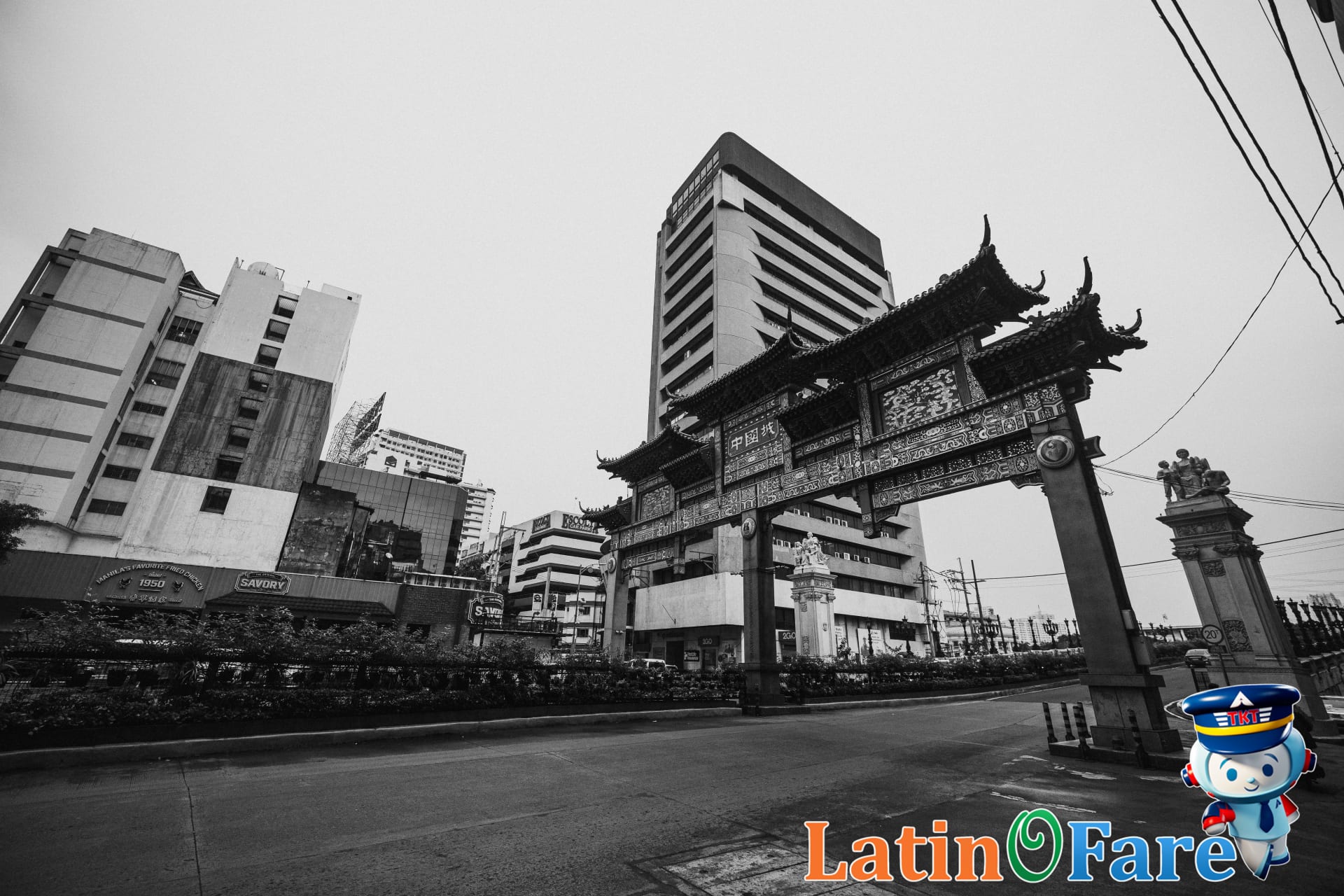
Binondo: World’s Oldest Chinatown
For food lovers, Binondo is all about bustling markets and legendary Chinese-Filipino eateries. Walking its streets is a sensory overload—noisy, colorful, and delicious. Accommodation is more basic, but it’s a fantastic spot for a daytime food crawl.
Quezon City: Youthful and Expansive
Quezon City is the largest district, home to universities, indie art scenes, and a growing nightlife. It’s less touristy, making it good for longer stays or travelers who want to see a different side of Manila. The distances here can be big, so check transport options before booking.
For first-time visitors, I’d start by deciding what matters most: history, nightlife, food, or convenience. If you want to be in the thick of things, Makati or BGC are safe bets. If you’re after culture and don’t mind a slower pace, Intramuros or Binondo might be your pick. For more on getting around, check out our Manila airport arrival tips for practical transport info.
Exploring Intramuros: Manila’s Historic Core
Intramuros, Manila’s centuries-old walled city, is the kind of place where history feels close enough to touch. As you step onto its cobblestone streets, you’re surrounded by Spanish colonial walls, baroque churches, and leafy plazas that tell the story of the Philippines’ colonial past. The atmosphere here is both peaceful and lively—horse-drawn carriages pass by, and you’ll hear church bells echoing between stone facades.
One of the highlights for me was Fort Santiago, a fortress with mossy ramparts and dungeons that once held national hero José Rizal. Walking through its imposing gates, I found myself lingering at the tranquil gardens and imagining the centuries of stories within those walls. Just a short stroll away, San Agustin Church—recognized as a UNESCO World Heritage Site—caught my eye with its intricate stonework and ornate interiors. I remember pausing under its soaring arches, feeling the weight of history in the cool, dim light. The nearby museums, like Casa Manila, showcase colonial furnishings and daily life, while street vendors and local guides bring the area’s vibrant present to life.
If you’re planning your visit, I’d recommend arriving in the late afternoon. The golden hour gives the stone buildings a warm glow, and the crowds thin out as the sun sets. Guided walking tours are available and can help you spot details you might otherwise miss—like hidden courtyards or centuries-old murals. In my experience, booking a tour right before sunset made for the most memorable photos and a quieter, more atmospheric walk.
If you’re interested in more historical destinations beyond Manila, check out our internal guide to heritage sites across the Philippines for more travel inspiration.
BGC and Makati: Modern Manila Essentials
If you want to experience Manila’s modern pulse, Bonifacio Global City (BGC) and Makati are where the city’s energy really comes alive. Both neighborhoods are packed with high-rise towers, sprawling malls, and lively open-air spaces—but each has its own personality. BGC is ultra-contemporary, with wide, walkable streets, bold street art, and landscaped parks. Makati, meanwhile, is Manila’s long-standing business hub, blending sleek skyscrapers with leafy avenues and a cosmopolitan dining scene.
When I’m in BGC, I always make time for a stroll through High Street, where you can spot colorful murals, browse indie shops, or grab coffee at one of the many stylish cafés. My favorite public artwork is the “BGC Art Mart” installation near the amphitheater—there’s just something about the mix of creativity and open space that feels refreshing compared to Manila’s older, busier quarters. Makati’s Greenbelt Park is another highlight, especially if you want to relax under the trees after exploring the high-end malls nearby.
Compared to the historic streets of Intramuros or Quiapo, BGC and Makati feel organized and spacious, making them easy to explore on foot. I’d suggest visiting in the late afternoon, when the heat eases and the city lights start to flicker on. Both districts offer fantastic nightlife: BGC has rooftop bars with sweeping city views, while Makati’s Poblacion area is known for its eclectic mix of speakeasies and live music. If you’re looking for more city highlights or want to plan a shopping day, check out our guide to Manila’s best malls for more ideas.
Manila Street Food Beginner’s Guide
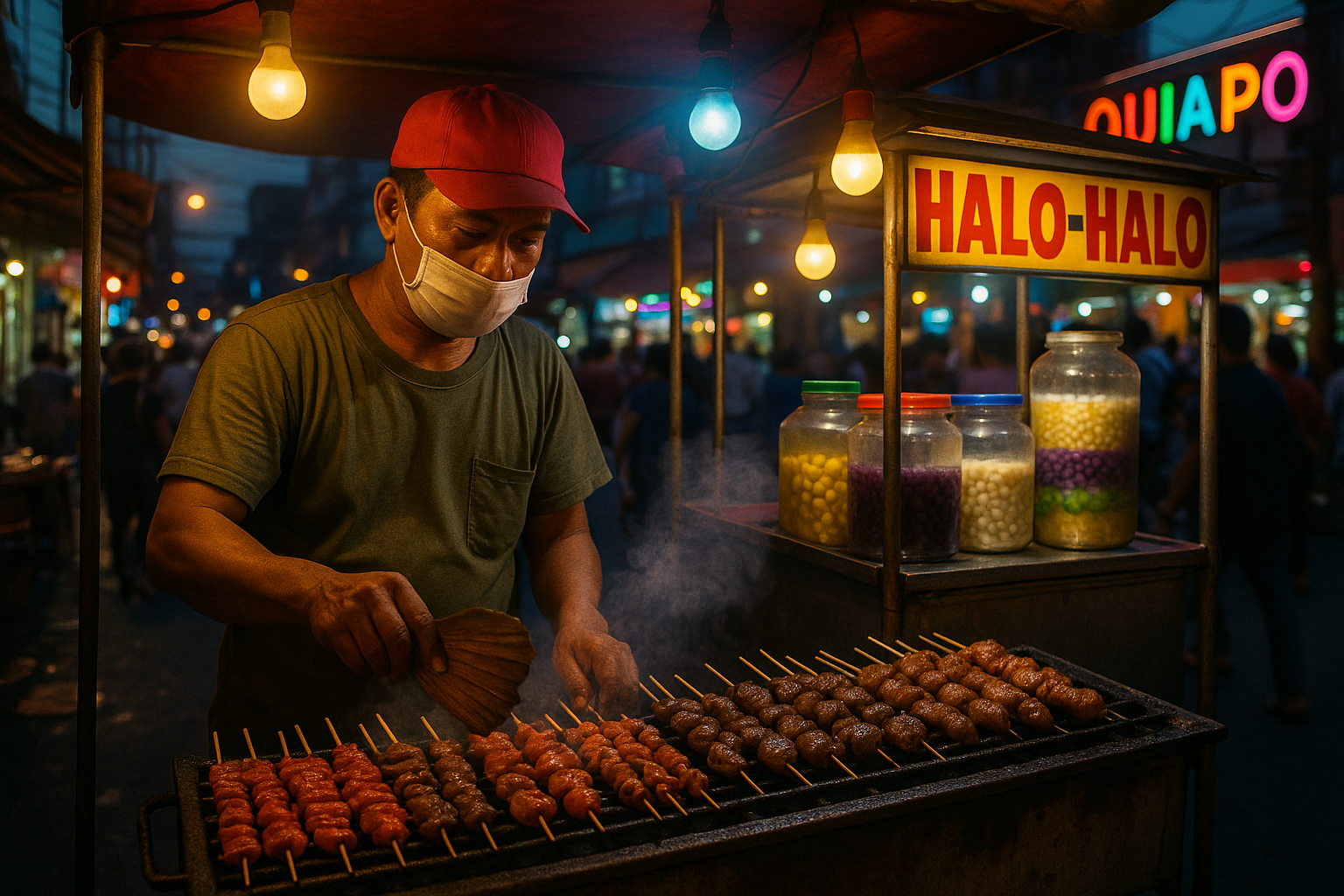
Manila’s street food scene is a feast for the senses and a rite of passage for any traveler who wants to eat like a local. The city’s busiest markets and roadside stalls come alive at dusk, with clouds of smoke, sizzling grills, and the tempting aroma of sweet, salty, and tangy snacks. For first-timers, it’s easy to feel both excited and a little hesitant — that’s exactly how I felt standing in front of a stall grilling isaw (chicken intestines) for the first time. The smoky, slightly charred flavor was surprisingly delicious, and I quickly understood why locals keep coming back for more.
If you’re new to Manila’s street eats, here are a few staples you’ll spot almost everywhere:
- Isaw: Grilled chicken or pork intestines, skewered and basted in a sweet-salty marinade. Crisp on the outside, chewy on the inside — a classic for adventurous eaters.
- Balut: A fertilized duck egg with a developed embryo, usually eaten with a pinch of salt and a dash of vinegar. It’s a local favorite and a true test of culinary bravery.
- Kwek-Kwek: Quail eggs coated in bright orange batter and deep-fried. These are crispy, bite-sized, and best dipped in spicy vinegar or sweet sauce.
- Barbecue: Skewers of marinated pork, chicken, or even hotdog, grilled over charcoal. The smoky-sweet glaze makes this a crowd-pleaser.
- Halo-Halo: A vibrant dessert of shaved ice, evaporated milk, sweet beans, jellies, fruits, and leche flan. It’s cold, colorful, and the perfect way to cool off after a spicy snack run.
Where To Find Street Food
Some of the best places to sample Manila’s street food are its bustling markets. Divisoria is chaotic but unbeatable for sheer variety — you’ll find everything from grilled seafood to sticky rice treats. Quiapo offers old-school Filipino snacks near the church, while Binondo (Manila’s Chinatown) is the go-to for Chinese-Filipino fusion eats and classic lumpia. Wandering these markets, you’ll hear vendors calling out, see locals clustered around their favorite stalls, and catch the irresistible scent of food grilling over open flames.
If you’re nervous about food safety, I usually recommend reading a food safety guide for travelers before you dive in. The Philippine Department of Tourism also publishes updated official food guides for visitors, which can be handy for first-timers.
For your first taste, I’d suggest starting with kwek-kwek or barbecue — both are approachable, flavorful, and widely loved by locals. Don’t be afraid to ask the vendor for their dipping sauce recommendation; it’s often what transforms a good snack into a great one.
Getting Around Manila Like a Pro
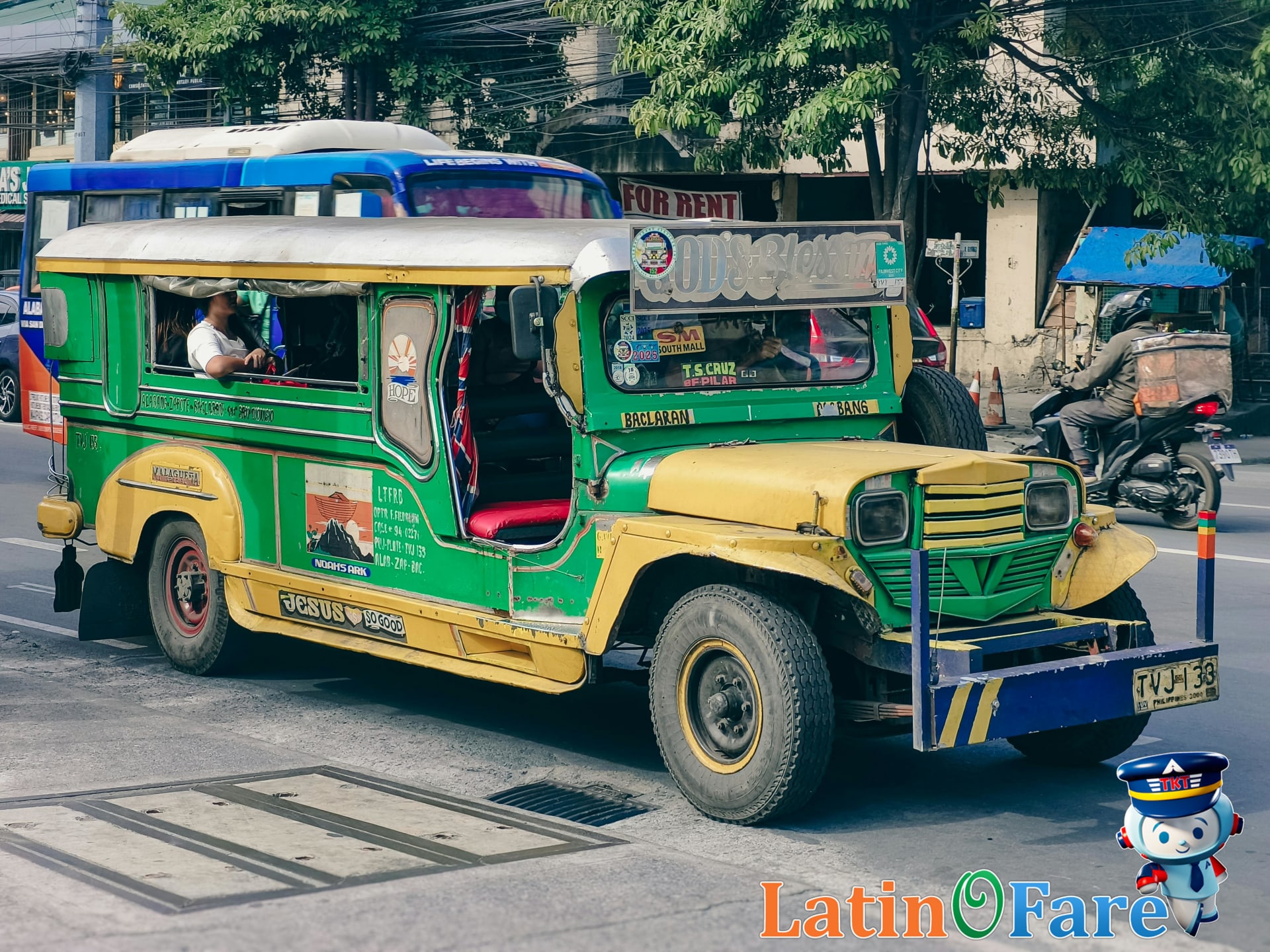
Manila’s transport system can feel overwhelming at first, but once you break it down, you’ll find ways to get around that fit your style and budget. The city’s main options are the Metro (LRT/MRT), jeepneys, tricycles, and taxis or Grab. Each comes with its own quirks, etiquette, and tricks for getting from A to B without too much stress—or sweat.
Metro, Jeepney, and Tricycle Basics
The Metro is your best bet for avoiding Manila’s infamous traffic jams, especially during rush hour. Stations are easy to spot, but expect crowds and standing room only during peak times. Jeepneys are the classic local ride—colorful, cheap, and often packed. You’ll need small bills (about $0.20 per ride) and a bit of confidence: just say “para po” to signal your stop. Tricycles are handy for short hops around neighborhoods, and fares usually start around $1.00, but always agree on the price before you hop in.
What Surprised Me Most
On my first Manila visit, I squeezed into a jeepney during a humid afternoon, wedged shoulder-to-shoulder with locals and clutching coins for the fare. The heat was intense, and the driver’s route changed mid-ride due to traffic. That experience taught me to carry water, keep small bills handy, and always double-check my route before boarding.
Pros, Cons, and Staying Safe
Metro rides are fast but crowded. Jeepneys are a cultural experience, but expect variable routes and close quarters. Tricycles get you off the main roads but can be pricey for tourists. Taxis and Grab offer air-conditioning and door-to-door service; Grab is app-based and reliable, while regular taxis may require some negotiation. I’d compare both options before choosing, especially if you’re traveling with luggage or during the rainy season.
Fares, Apps, and Cash Tips
Always carry small bills—drivers rarely have change. Jeepneys and tricycles are cash-only, while the Metro uses stored-value cards you can top up as needed. Grab and Google Maps are lifesavers for route planning and fare estimates. Download and set up these apps before you arrive to avoid the hassle of spotty Wi-Fi or SIM card issues. If you want more practical advice for transit abroad, check out our getting around abroad guide for extra tips.
Top Sights and Experiences in Manila
Manila is a city where centuries-old history meets vibrant modern energy, and you can feel that mix in the sights scattered across its neighborhoods. If you’re planning your first visit, here’s my practical checklist of must-see attractions—plus a few tips to help you balance your days and avoid the crowds.
Historic and Cultural Landmarks
- Rizal Park: This iconic green space honors national hero José Rizal. It’s ideal for a morning stroll or picnic before the midday heat sets in. Don’t miss the monument and the nearby gardens.
Tip: Arrive early to catch locals exercising and to enjoy a quieter atmosphere. - National Museum Complex: Home to the National Museum of Fine Arts, Anthropology, and Natural History, this trio is a treasure trove of Filipino art and heritage. I usually recommend checking museum websites for updated hours before heading out.
Tip: Weekday afternoons are usually less crowded, making it easier to appreciate the exhibits at your own pace. - Ayala Museum: Located in Makati, this modern museum is known for its engaging dioramas and rotating contemporary art shows. It’s a good option if you want a break from the heat or a rainy-day activity.
Tip: Combine your visit with a meal or coffee in the Greenbelt area nearby.
Outdoor and Local Experiences
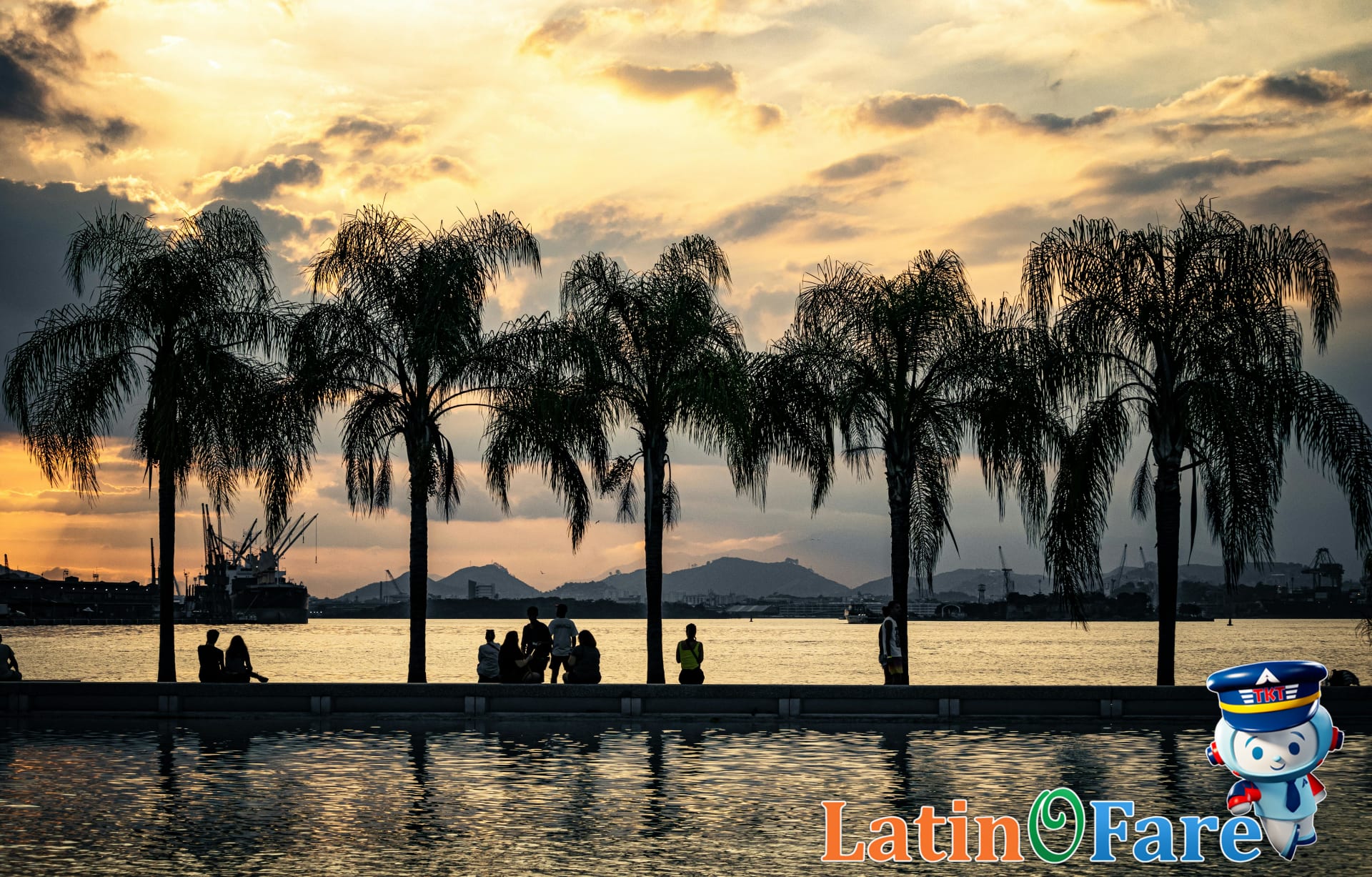
- Manila Bay Sunset: Watching the sun dip over Manila Bay is a classic experience. I consider it a must-see—my favorite memory is sitting on the seawall, cold drink in hand, as the sky turned gold and pink over the water. It’s a simple moment, but it captures the city’s spirit.
Tip: Aim to arrive about 30 minutes before sunset to find a good spot along Roxas Boulevard. - Binondo Walking Tour: Explore the world’s oldest Chinatown, sampling dim sum, pastries, and local delicacies as you wander through narrow streets. It’s a feast for your senses and a great way to see Manila’s multicultural roots.
Tip: Bring cash for small food stalls and try hopia from a local bakery. - Manila Ocean Park: This family-friendly aquarium and marine park offers indoor fun and interactive exhibits. It’s a nice way to balance outdoor sightseeing, especially if you’re traveling with kids or need a break from the heat.
Tip: Tickets are usually available at the door, but booking online can save time during busy weekends.
To get the most out of your Manila days, I’d suggest mixing indoor museums with outdoor walks or sunset views. This keeps your itinerary flexible, especially with the city’s unpredictable weather. For even more inspiration, check out my Philippines highlights guide for top things to do beyond Manila.
Smart Budgeting for Your Manila Trip
Manila surprised me with how affordable it can be if you know where to look—and where you might want to splurge. I found street food and local transport to be especially budget-friendly, while spending a little more on a comfortable hotel was worth it for peace of mind. Here’s a snapshot of typical daily costs you can expect in Manila, whether you’re traveling on a shoestring or ready to treat yourself:
| Budget | Mid-range | Luxury | |
|---|---|---|---|
| Accommodation | $18.00 | $65.00 | $170.00 |
| Food | $7.00 | $22.00 | $60.00 |
| Transport | $3.00 | $12.00 | $35.00 |
| Activities | $8.00 | $30.00 | $90.00 |
For me, the best value was in local eateries and jeepney rides, which let me stretch my budget without missing out on the city’s energy. If you’re looking to save even more, I’d compare hotel and flight options using fare tools on latinofare.com—it’s a practical way to spot deals before they disappear.
Manila First-Timer FAQ Guide
- What’s the best way to get from Manila airport to the city?
The most convenient way is to use an official airport taxi or book a ride via app-based services like Grab. I usually recommend double-checking your pickup point, as Manila’s terminals are spread out. For budget travelers, the airport bus is a reliable option, connecting terminals to major transit hubs downtown.
- What are must-try Manila street foods?
Don’t miss out on trying “isaw” (grilled chicken intestines), “kwek-kwek” (deep-fried quail eggs), and “taho” (sweet silken tofu with syrup). You’ll find these at street stalls and local markets. I always make time for “balut” if I want to experience a truly unique Filipino snack.
- Is Metro Manila safe for tourists?
Metro Manila is generally safe for tourists, especially in popular areas like Makati and Bonifacio Global City. However, petty theft can happen, so keep valuables secure and stay alert in crowded places. Stick to well-lit streets at night and use official transport options for getting around the city.
- What are top cultural sites for first-timers?
First-time visitors should explore Intramuros, Manila’s historic walled city, including Fort Santiago and San Agustin Church. The National Museum Complex offers insights into Filipino art and history. Rizal Park and Quiapo Church are also worthwhile stops for a deeper look at the city’s culture and heritage.
- How can travelers find cheap flights to Manila?
Start by searching flexible dates and comparing fares on platforms like latinofare.com, which specializes in discounted flights. Booking several weeks in advance can help. For more detailed strategies, check out our guide to finding cheap flights to Manila for step-by-step tips.
- How many days should I spend in Manila as a first-time visitor?
For a first visit, I’d suggest spending about three days. This gives you time to see key historical sites, sample local food, and explore a few neighborhoods. If you’re planning day trips or want to enjoy Manila’s nightlife, consider adding an extra day to your itinerary.
- What are the best markets for souvenirs in Manila?
Greenhills Shopping Center is famous for pearls and handicrafts, while Divisoria Market offers bargain finds on almost everything. Salcedo and Legazpi weekend markets are great for artisanal goods and unique food items. For a more relaxed experience, visit Kultura stores inside major malls for curated Filipino souvenirs.
Final Thoughts for Manila First-Timers
Manila has a way of surprising new visitors with its mix of energy, warmth, and layered history. The best experiences come from balancing a sense of adventure with a little patience—embracing the city’s lively pace, sampling its food, and being open to unexpected moments. Manila rewards travelers who go beyond the surface.
After my first visit, I learned that the most memorable parts weren’t always on my itinerary—sometimes it was a spontaneous street snack or a friendly chat that made the day. If you’re ready to start planning, I’d suggest browsing the Manila flight deals on latinofare.com when you’re ready to take the next step.
Wherever your Manila journey takes you, stay flexible and let the city surprise you—it’s part of what makes travel here so rewarding.