

Honoring Araw ng Kagitingan’s Legacy

Araw ng Kagitingan, or the Day of Valor, is observed every April 9 in the Philippines. This national holiday honors the bravery of Filipino and American soldiers who fought during World War II, especially those involved in the Bataan Death March. It’s a day that invites both solemn remembrance and national pride. If you want to learn more about the holiday’s official background, the Philippine government page on Araw ng Kagitingan offers a thorough overview.
Standing at the Bataan memorials, I realized how visiting these sites during a quieter season allowed me to reflect more deeply on the sacrifices commemorated each April 9. The silence, away from crowds, made the stories feel even more personal and moving. For anyone planning a meaningful trip, exploring these WWII landmarks outside of peak holiday dates can give you space to connect with history—and often at more affordable rates. If you’re looking to keep your travel budget in check, I’d recommend checking out latinofare.com’s guide to planning budget Asia trips for practical savings tips.
Exploring Bataan’s WWII Memorial Sites
Bataan stands as a powerful reminder of World War II’s impact on the Philippines, especially during Araw ng Kagitingan (Day of Valor). This annual observance honors the Filipino and American soldiers who endured the harrowing Bataan Death March in 1942. The Mt. Samat National Shrine, perched atop a hill, is the most prominent memorial—its imposing cross and museum offer a sobering look at the sacrifices made here.
Walking beside the Death March kilometer markers scattered along Bataan’s roads, I felt a deep sense of respect and sorrow for those who made that forced journey. These simple monuments, along with local memorials in towns like Balanga, make the history feel immediate and personal. If you’re interested in Filipino heritage or want to build a custom itinerary, you might find this latinofare.com story on Filipino traditions helpful, too.
For more historical context or to plan your visit, check out Bataan’s official tourism site for up-to-date information on memorials and guided tours.
Experiencing Mt. Samat National Shrine

Standing at the base of the massive Dambana ng Kagitingan cross, I felt a quiet awe that’s hard to put into words. The climb up the broad stairways is both a literal and symbolic journey—each step taking you closer to the panoramic views that stretch over Bataan’s rolling hills and the distant Manila Bay. Inside the shrine, the small museum displays wartime relics and moving photographs, grounding the Day of Valor’s meaning in real, personal stories of sacrifice and courage.
The cross itself is an imposing sight, and if you arrive early, the sunrise lights up the entire memorial in a golden glow—making the experience even more profound. I found that the best time to visit is just after dawn, when the grounds are tranquil and you can take in the solemnity without the midday crowds. Navigating the site is straightforward, but wearing comfortable shoes helps for the stairs and the walkways to the viewing deck.
The Shrine is more than a monument; it’s a living reminder of Filipino bravery during World War II, especially on Araw ng Kagitingan (Day of Valor). If you’re seeking more inspiration for Filipino destinations, check out the latinofare.com Filipino highlights for travel ideas beyond Bataan.
Exploring Corregidor’s WWII Landmarks
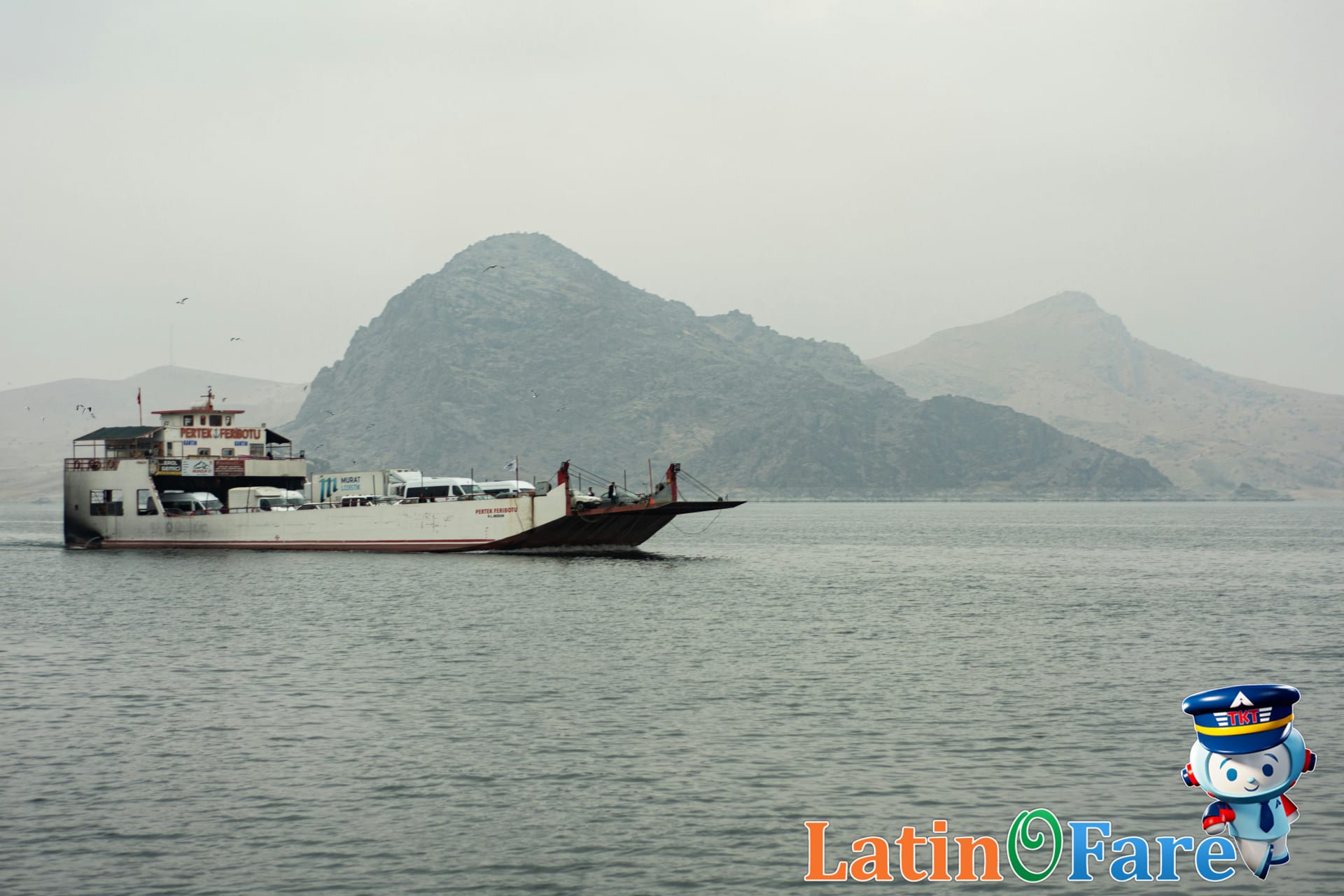
Corregidor Island stands as a powerful reminder of the Philippines’ World War II history, guarding the entrance to Manila Bay. Getting there from Manila is straightforward: most travelers take a ferry from the terminal in Pasay, with the journey typically lasting about 90 minutes each way. I found it best to join an organized day tour, which usually includes round-trip ferry tickets, a guided tram tour, and entry to the main sites. You can check the latest schedules and book tickets through the official Corregidor tours website.
Once on the island, the Malinta Tunnel is a must-see. Walking through its dim, echoing corridors, I felt a chill imagining the soldiers and civilians who once sheltered here during bombardments. The Pacific War Memorial and its serene rotunda offer a quiet place for reflection, while the Filipino-Japanese Friendship Park stands as a symbol of reconciliation. Guided tours help make sense of the ruins, gun batteries, and memorials, and I’d recommend reading up on guide-led historical travel experiences—there’s a helpful article on latinofare.com that covers what to expect from these types of tours.
The atmosphere on Corregidor is both somber and inspiring. The stories you hear and the vistas you see linger long after you leave. In my experience, visiting on a weekday means fewer crowds, letting you take in the island’s poignant history at your own pace.
How To Travel Between Sites

Getting from Manila to Bataan and Corregidor is straightforward if you plan ahead, but your route can make a big difference in comfort, time, and cost. For Bataan, I usually take the Genesis or Bataan Transit bus from Manila’s Cubao or Pasay terminals. The journey takes about three hours, but I chose an early morning departure to avoid traffic and maximize my time at the site. Booking tickets in advance via the official Genesis or Bataan Transit websites is a smart move, especially during holidays or Day of Valor events, since schedules often shift seasonally (Genesis Transport Schedules).
For Corregidor, the Sun Cruises ferry is the main option. The ferry leaves from Manila’s Esplanade Seaside Terminal, and the ride is typically around 90 minutes. I booked directly through their official site, prioritizing comfort and timing over the lowest fare. If you’re juggling both destinations, it’s worth comparing routes and fares using tools on latinofare.com—and if you want more on finding cheap Philippines flights or connections, check out their roundup on cheap airfare for the Philippines.
Seasonal changes can impact both bus and ferry schedules, so always double-check current timetables before finalizing your plans. In my case, choosing a flexible ticket helped me adjust when the ferry times shifted due to weather.
WWII Sites Travel Budget Table

Planning a 2-3 day WWII sites trip doesn’t have to break the bank, but it pays to know what to expect at each budget level. I once snagged a mid-week flight for about $110.00 by comparing deals on the latinofare.com deals page, which freed up more cash for museum entry and local food. Here’s a snapshot of typical costs you might encounter for accommodation, meals, transport, and activities, based on recent online research and “Verify:” spot-checks with major hotel and airline sites.
| Budget | Mid-range | Luxury | |
|---|---|---|---|
| Accommodation | $35.00 | $90.00 | $220.00 |
| Food | $12.00 | $30.00 | $70.00 |
| Transport | $40.00 | $110.00 | $300.00 |
| Activities | $8.00 | $25.00 | $65.00 |
Keep in mind, prices can shift depending on the season and how early you book. I’ve learned that checking flight prices on Tuesday or Wednesday afternoons often reveals lower fares than weekends. For more strategies, you can always browse latinofare.com for the latest cheap Asia fares and flash sales.
Honoring WWII Memorials With Respect

Visiting WWII memorials is a powerful experience, and showing respect starts with your approach. Dress modestly—closed shoes, longer pants or skirts, and muted colors are usually best, especially at cemeteries or sites with active commemorations. Many memorials request visitors to keep voices low, especially during guided moments of silence or inside sacred spaces. I’ve noticed the solemn mood at places like Corregidor’s Malinta Tunnel almost naturally quiets everyone, making it easy to feel the weight of history.
Always check posted signs for photography rules—some sites allow photos, but flash or selfies near graves are often discouraged. When outdoors, remember that shade can be limited and heat intense, so sun protection and hydration matter just as much as etiquette. If you’re not sure about local customs, it helps to review a guide on latinofare.com about traveling respectfully or understanding cultural etiquette abroad.
Layering Filipino Culture Onto History
Visiting Bataan and Corregidor is powerful on its own, but I found the experience even more meaningful when I took time to explore the local culture in between the history sites. After a day of touring WWII landmarks, I wandered through Balanga Public Market in Bataan—sampling suman (sticky rice cakes) and chatting with vendors about family recipes passed down since wartime. That blend of living tradition and history really stuck with me.
If you want to add more local color, plan a meal in a nearby town like Orion or Mariveles, where carinderias serve regional dishes such as kare-kare and fresh seafood. For a deeper dive, check the Bataan tourism website for annual events like the Araw ng Kagitingan (Day of Valor) commemorations in April, which feature parades, local crafts, and performances honoring WWII heroes. On Corregidor, the Filipino-Japanese Friendship Park is a peaceful spot to reflect on reconciliation and cultural ties after exploring the island’s battle sites.
For more ideas on weaving culture into your trip, I’d suggest browsing the cultural destination guides at latinofare.com—they’re a handy resource for finding authentic experiences beyond the usual tourist stops.
FAQs About Visiting WWII Sites
- When is Araw ng Kagitingan celebrated in the Philippines?
Araw ng Kagitingan, also known as Day of Valor, is observed every April 9th in the Philippines. This national holiday commemorates the bravery of Filipino and American soldiers during World War II, particularly those who fought in Bataan. Expect ceremonies and increased visitor numbers at memorial sites on this day. (50 words)
- How do I get to Corregidor Island from Manila?
To reach Corregidor Island, most travelers take a ferry from Manila’s port area. The trip usually lasts about 1.5 hours. I’d recommend booking ferry tickets in advance, especially during peak seasons or commemorative events, as seats can fill up quickly. Check official ferry operators for updated schedules. (49 words)
- Are guided tours available at Bataan and Corregidor WWII sites?
Guided tours are offered at both Bataan and Corregidor, covering key historical locations and memorials. These tours often provide deeper context and access to areas not easily reached on your own. Booking a tour in advance is a good idea, especially if you want a knowledgeable local guide. (54 words)
- What should I wear when visiting Bataan and Corregidor?
Wear lightweight, comfortable clothing and sturdy walking shoes, as you’ll likely be outdoors and covering uneven ground. Bring a hat, sunscreen, and water—shade can be limited at some sites. I usually pack a light rain jacket, especially during the wet season, since sudden showers are common in the region. (54 words)
- Do I need to buy tickets for Corregidor Island tours?
Yes, Corregidor Island tours typically require advance ticket purchase, which usually includes the ferry ride and guided tour. Tickets can be bought through official ferry operator websites or authorized travel agencies. Double-check inclusions like lunch or entrance fees when booking, as packages may vary depending on the provider. (54 words)
- What is the main focus of Araw ng Kagitingan events in Bataan?
Araw ng Kagitingan events in Bataan center around ceremonies at the Mount Samat National Shrine. These include wreath-laying, speeches, and military tributes to honor WWII veterans. If you plan to attend, arrive early for parking and expect some traffic, as the event draws large crowds each year. (52 words)
Why Visiting WWII Sites Matters
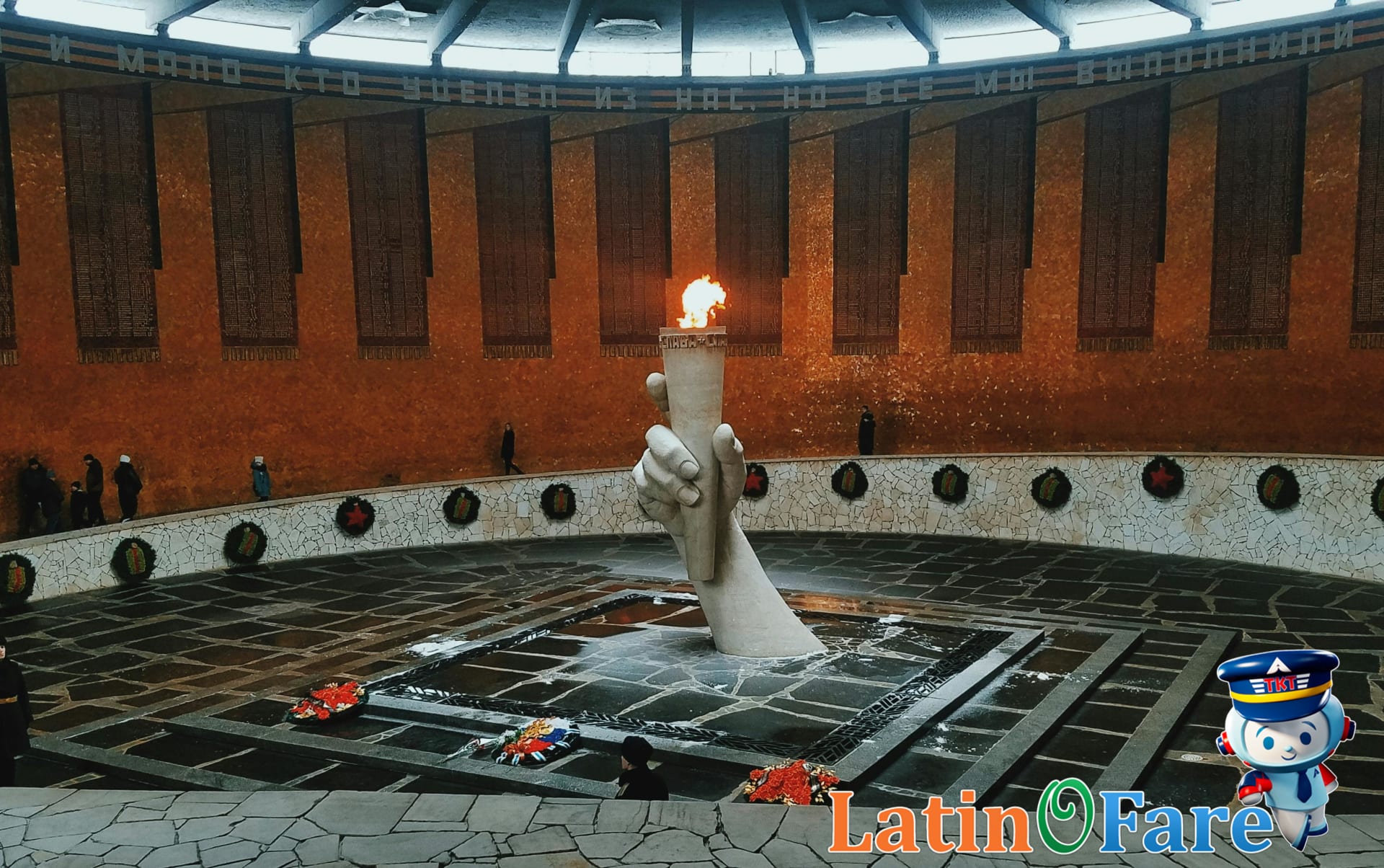
Standing at places like Corregidor or Mount Samat during Araw ng Kagitingan, I’m always struck by how travel can deepen our connection to history. Visiting these WWII sites isn’t just about seeing monuments—it’s a way to honor courage, reflect on sacrifice, and carry those lessons forward. The sense of valor and resilience feels especially powerful when you’re physically present where history unfolded.
If you’re considering a journey to these memorials, I encourage you to travel with respect and pause for personal reflection. And if you’re planning a trip to the Asia-Pacific region, check out latinofare.com for practical tips on saving money while making meaningful travel plans.