
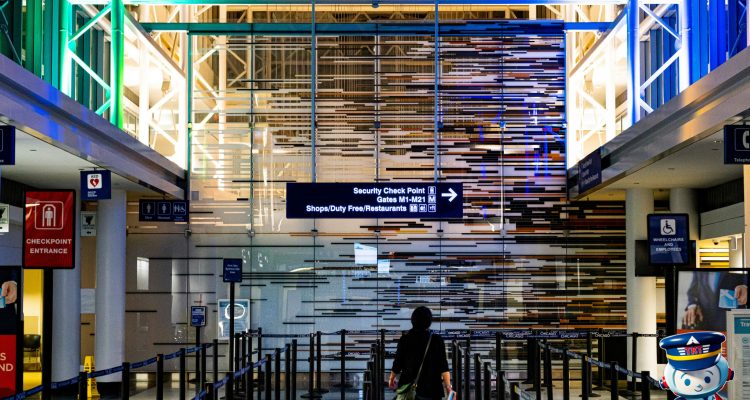
Why TSA Security Matters
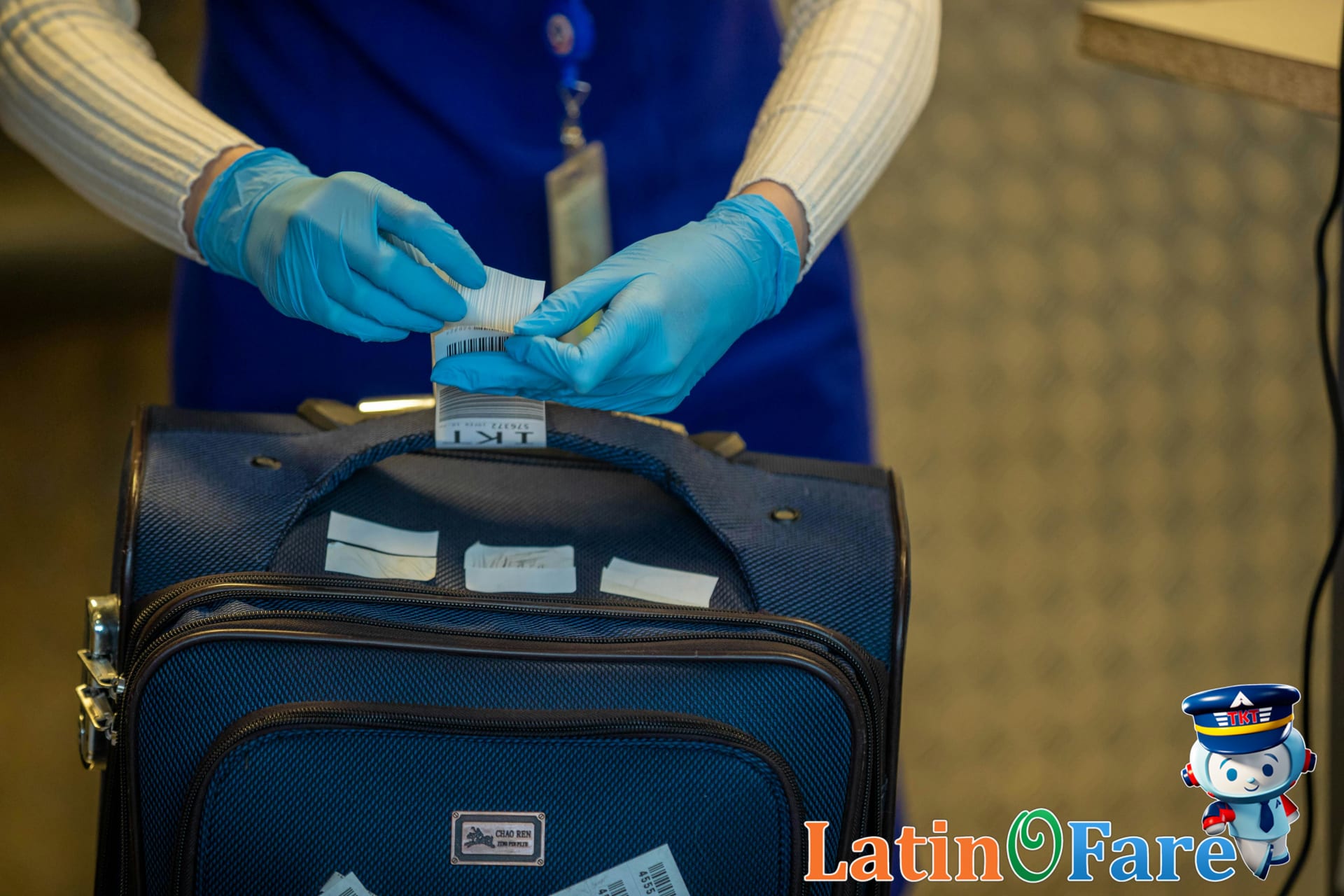
TSA security is designed to keep travelers safe, but it can feel like a major hurdle if you’re not prepared. Efficient screening isn’t just about following the rules—it’s the key to saving time, reducing stress, and making sure you don’t risk missing your flight. From my own experience, knowing what to expect at TSA each time I travel brings a huge sense of relief and makes the airport routine much more predictable.
Having a few smart strategies in your back pocket can make all the difference, especially if you’re trying to keep your trip on track and your nerves in check. I usually recommend travelers bookmark guides like this—and turn to trusted resources such as latinofare.com—to help plan ahead, find budget-friendly flights, and avoid last-minute surprises.
What To Expect During TSA Screening

TSA security protocols are designed to keep travelers and airport staff safe by preventing prohibited items from entering secure areas. At most U.S. airports, you’ll first show your ID and boarding pass to a TSA agent before moving to the screening area. Here, you’ll place your carry-on items and personal belongings in bins, pass through a body scanner, and possibly have your bag inspected if something looks unusual on the scanner.
Common delays happen if you forget to remove liquids over 3.4 ounces, leave electronics buried in your bag, or wear metal-heavy clothing. In my first experience with TSA screening, I was honestly confused by all the rules and forgot to empty my water bottle—learning the procedures since then has made every trip smoother. If you’re new to U.S. airports, you can find a helpful overview in the Essential U.S. Airport Information for Budget Travelers guide on latinofare.com.
Before you fly, it’s smart to check the official TSA website for the latest screening protocols and carry-on rules. This helps you avoid surprises and get through security faster.
Key Steps Before You Depart
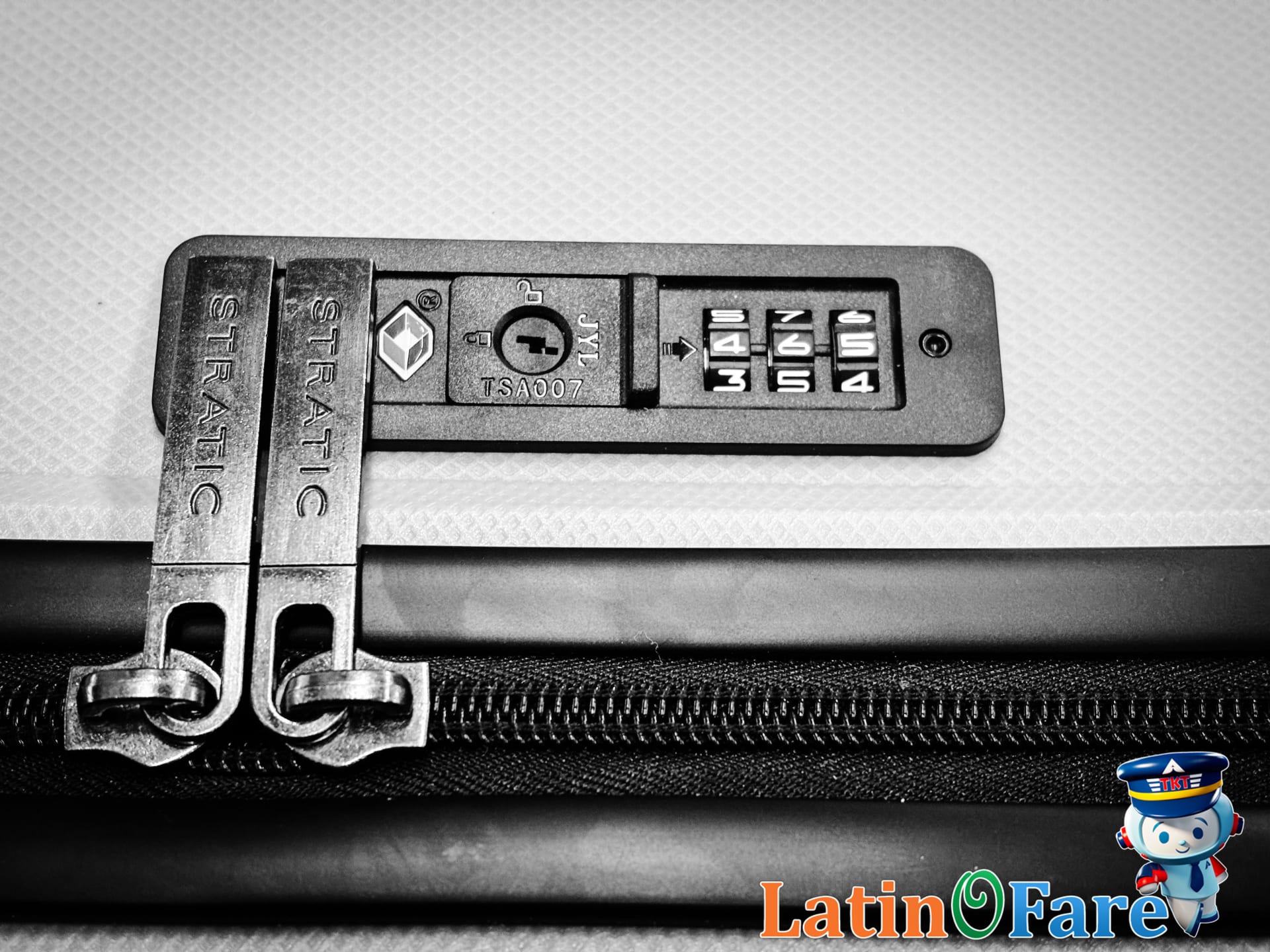
Before you even leave for the airport, doing a careful pre-check can save you serious stress at TSA. Start by reviewing the official TSA prohibited items list—I’ve found that double-checking this (especially for things like pocket tools or snacks) keeps you from scrambling at the checkpoint. For liquids, remember the 3.4-ounce rule for carry-ons, and keep all bottles in a clear zip-top bag. Electronics larger than a cell phone should be easy to remove for screening, so pack them on top. I always keep my ID and boarding pass together in a front pocket or a travel wallet—no digging around when it’s your turn. The free TSA app is worth downloading for real-time updates on line wait times and last-minute rule changes. In my experience, reviewing the app and policy list before heading out has saved me from unnecessary delays more than once. For more ways to sidestep airport headaches, check out our guide on How to Avoid Hidden Fees When Booking Flights at latinofare.com.
Packing for Smooth TSA Screening
Getting through TSA doesn’t have to be a stressful guessing game. Here’s a quick checklist I rely on for a smoother security experience:
- Pack all liquids and gels in a clear, quart-sized bag that’s easy to grab.
- Place laptops, tablets, and chargers near the top of your carry-on for quick removal.
- Wear slip-on shoes to speed up the process at the scanner.
- Dress in light layers you can remove or adjust easily.
- Keep your carry-on organized so nothing gets buried or lost in the shuffle.
Switching to this methodical approach made a noticeable difference for me. The line moved much faster when I had my electronics and toiletries ready to go, and I spent less time fumbling with shoes or jackets. It’s a small change, but it really does add up to a less stressful start to your trip.
Navigating Security Like a Pro
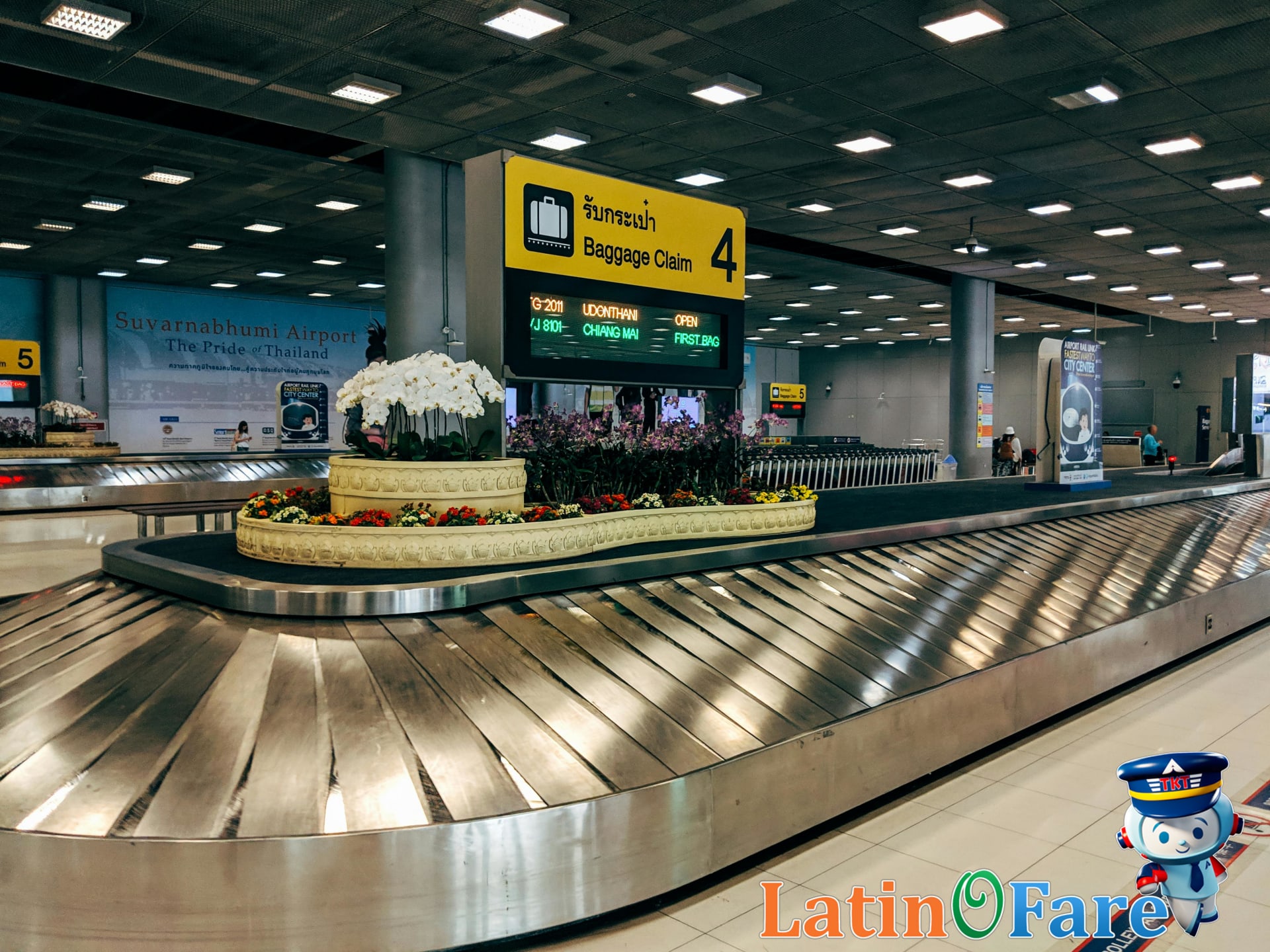
Airport security can feel like a maze, but a little preparation goes a long way. As you enter the line, have your ID and boarding pass ready. When you reach the bins, I recommend placing your shoes, belt, and jacket in one tray, and keeping your liquids and electronics easily accessible for inspection. Liquids must be in containers of 3.4 ounces or less and fit in a quart-sized bag. Laptops and tablets generally need their own bin unless you’re using a trusted traveler program.
Speaking of which, TSA PreCheck and CLEAR really change the game. With PreCheck, I didn’t have to remove my shoes or laptop—my first time using it was honestly a relief, especially during a busy morning rush. The line moved much faster, and I was through security in about five minutes. CLEAR lets you skip the ID check line entirely, though you’ll still go through standard screening after. If you’re a frequent flyer, it’s worth looking into TSA PreCheck for details on how to apply.
Regardless of which line you’re in, be courteous: keep the line moving, help others if they’re confused, and step aside quickly to repack after screening. Small gestures like these make the process smoother for everyone.
What To Expect At Checkpoints
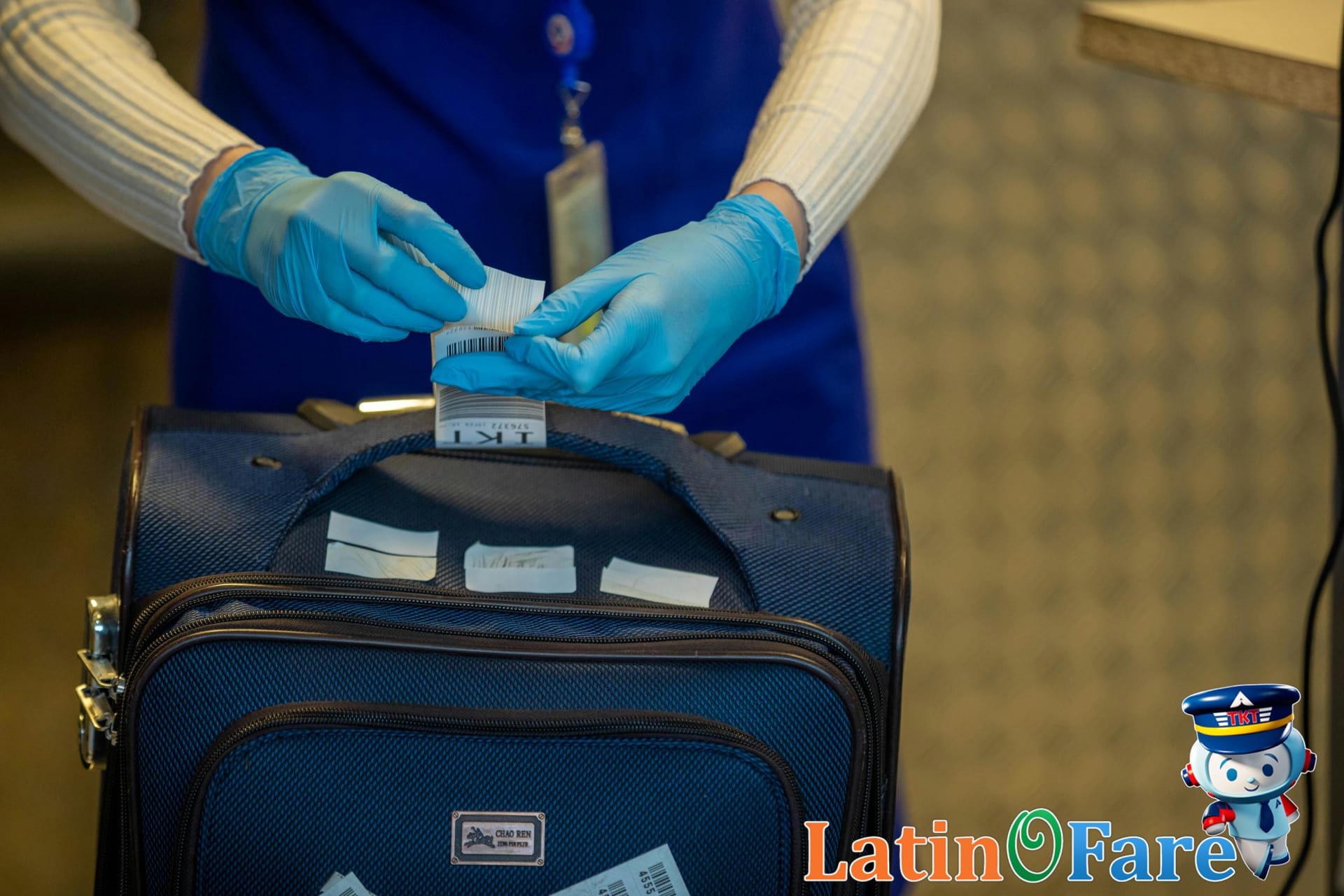
Airport security checkpoints usually follow a predictable sequence: you’ll join a line, show your ID and boarding pass, then move to the conveyor belt area. Here, you’ll be asked to place your carry-on items, shoes, and electronics into separate bins. Agents will guide you, but I’ve noticed that some airports—like Atlanta—require shoes off even for young kids, while others are more relaxed. It’s smart to prep your bins ahead of time: keep laptops and liquids accessible, and empty your pockets before reaching the front.
If you’re randomly selected for extra screening, don’t worry—it’s routine. Agents may swab your hands or ask you to step aside for a quick bag check. This process is generally brief, though it can feel a bit awkward if you’re not expecting it. I’ve found that larger airports tend to have more staff on hand, which can speed things up, but smaller airports might mean longer waits, especially during busy travel periods. For more details on airport layouts and checkpoint quirks, check out the Guide to Major U.S. Domestic Airports on latinofare.com.
Tips for Families and Groups
Traveling as a family or group can feel chaotic, but a few routines go a long way at airport security. I’ve found that prepping kids with simple, calm instructions about what to expect—like removing shoes or waiting for their turn—reduces anxiety for everyone. For families with babies, folding strollers and detaching car seats before entering the line speeds things up. Assigning clear roles among adults is key: one person handles electronics, another manages bags, and someone keeps an eye on the kids. In my group, I usually become the “electronics parent,” gathering all the tablets and laptops into a single bin, which avoids last-minute scrambles. Organizing your carry-ons and labeling bins for different members helps keep everyone’s items together and accounted for. If you want more family travel strategies, check out latinofare.com for extra tips.
Handling Common TSA Hurdles
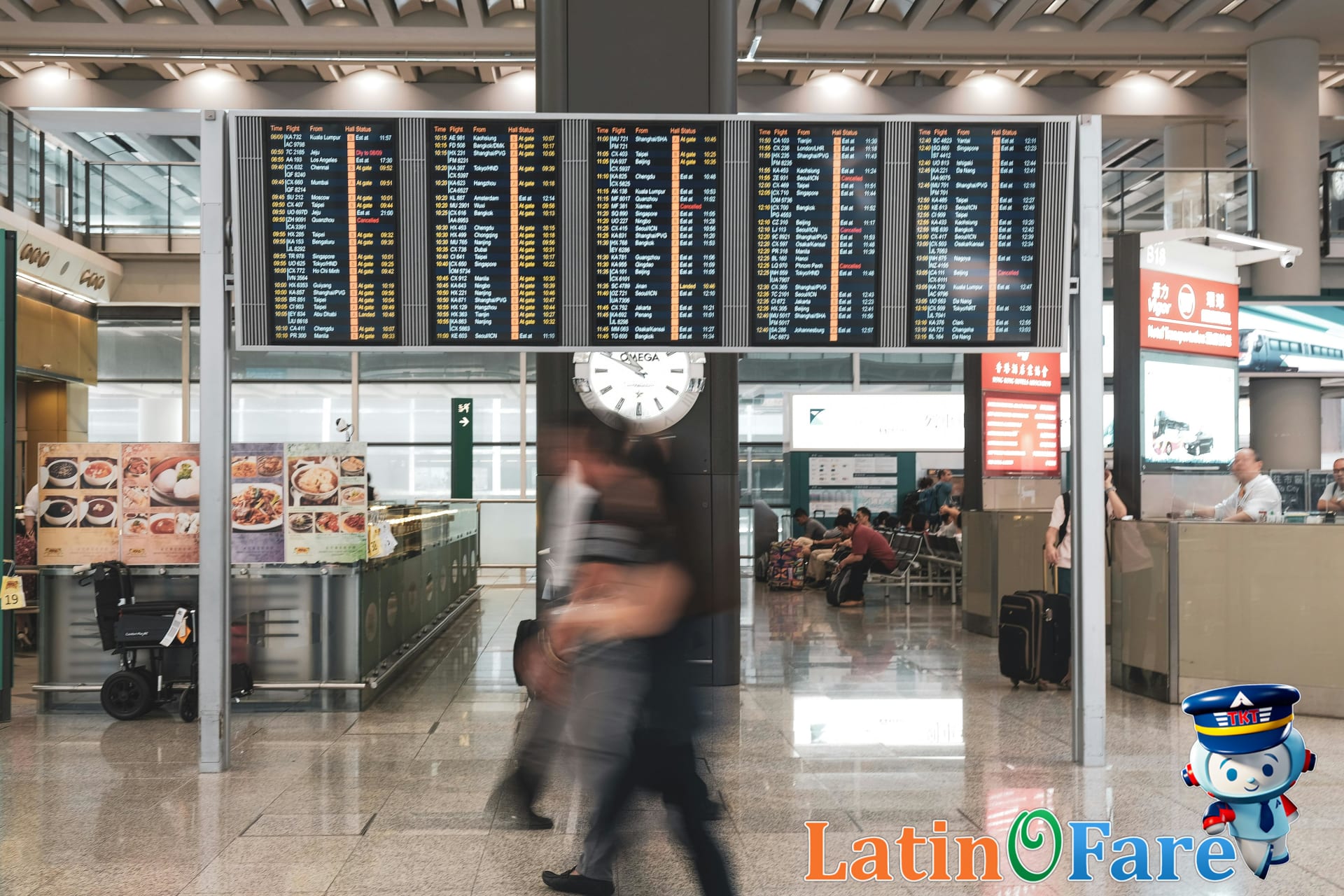
Navigating TSA checkpoints can be stressful, especially when your bag gets flagged or you’re unsure about a rule. The most common triggers for extra screening are liquids over the limit, forgotten pocket items (like keys or coins), electronics left in your bag, or food that looks suspicious on the scanner. If you forget a key item—say, your ID or charger—let the agent know right away. Sometimes, you’ll be allowed to retrieve it or get guidance on what to do next.
If you’re confused about a rule, it’s better to calmly ask the agent for clarification than to guess. I once had a holdup when a packed snack triggered extra screening; I politely asked what the issue was and learned that dense foods can look odd on the x-ray. Staying patient and direct helped resolve it quickly. Remember, respectful communication goes a long way.
For more tips on avoiding airport missteps, check out our guide on common airport mistakes.
Airport Journey Budget Breakdown Guide
Airport costs can sneak up on you. The first time I tracked every expense—from a quick coffee before security to the ride home—I was honestly shocked at how quickly it all added up. Here’s a clear breakdown of typical airport journey costs to help you plan ahead:
| Budget | Mid-range | Luxury | |
|---|---|---|---|
| Accommodation (near airport) | $55.00 | $110.00 | $240.00 |
| Food & Snacks | $8.00 | $22.00 | $45.00 |
| Transport (to/from airport) | $12.00 | $35.00 | $70.00 |
| Activities (lounges, Wi-Fi, etc.) | $0.00 | $25.00 | $60.00 |
To keep your budget in check, I recommend booking airport transfers and parking in advance—often you’ll find discounts or special rates. Packing your own snacks can also save you about $8.00 or more per person. And if you want to trim transport or hotel costs, check latinofare.com for package deals or use their Save on Airport Transfers and Parking guide for extra tips.
Frequently Asked TSA Questions
- How early should I arrive for TSA security screening?
Most airports recommend arriving about two hours before a domestic flight and three hours before an international one. This gives you enough time for TSA security, check-in, and any unexpected delays. Lines can be unpredictable, especially during peak travel times or busy holidays, so plan accordingly to avoid stress.
- What items are not allowed through TSA security checkpoints?
Common prohibited items include liquids over 3.4 ounces, sharp objects, aerosols, and certain sporting equipment. Always check your carry-on for these before heading to TSA security. Medications, baby formula, and breast milk are exceptions but should be declared at the checkpoint for inspection.
- How does TSA PreCheck work and is it worth it?
TSA PreCheck is a program that lets approved travelers use expedited security lines, keep shoes and belts on, and leave laptops in their bags. It saves time for frequent flyers. Enrollment requires a background check and a fee, but the convenience at busy airports is a major advantage.
- What should families with kids know about TSA rules?
Children under 12 can keep shoes, light jackets, and headwear on during screening. Strollers and baby gear must be screened separately. Liquids for children, such as formula or juice, are allowed in “reasonable quantities” but must be declared. Arrive early to allow extra time for family screening needs.
- What happens if my bag is flagged by TSA?
If TSA flags your bag, it will be set aside for additional screening. An agent may open the bag and inspect contents in your presence. Remove electronics and liquids ahead of time to speed up the process. Cooperate with agents and ask questions if you’re unsure about any screening steps.
- Can I bring snacks or food through TSA security?
Solid foods like sandwiches, fruit, and granola bars are allowed through TSA security checkpoints. Pack them in your carry-on for easy access. However, liquids, gels, and spreadable items must follow the 3.4-ounce rule. Separate food items for screening if asked by TSA officers at the checkpoint.
Stress-Free Screening Awaits You
Mastering TSA security really does pay off—following these tips has made my travel days noticeably smoother and less stressful. When you’re prepared, you breeze through screening and get to your gate with time to spare. Before every trip, I recommend reviewing your packing and TSA checklist, so nothing catches you off guard at the airport.
If you have your own time-saving airport tips, I’d love to hear them in the comments. For more travel updates and deals, consider following latinofare.com on social media—you’ll find fresh tips and fare alerts there, too.