
Why Smart Winter Packing Matters
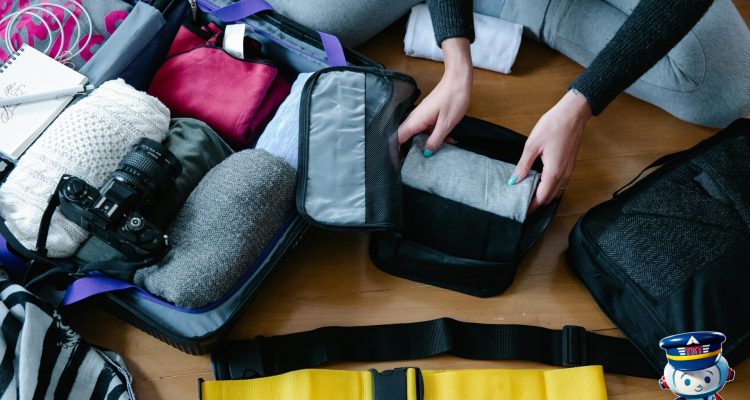
Winter travel brings its own set of packing headaches—think bulky coats, thick sweaters, and unpredictable weather that can swing from mild to freezing. Packing for cold-weather trips means every item takes up more space, and it’s all too easy to overstuff your bags and end up facing extra baggage fees at the airport. Careful planning isn’t just about comfort; it’s a real money-saver for budget travelers who want to keep costs down and avoid unnecessary stress.
One thing I’ve learned the hard way: on my last winter trip, I crammed two heavy jackets and a pair of boots into my suitcase, only to realize I barely wore half of it. Not only did I have to juggle an overweight bag, but I also paid about $35.00 in fees that could’ve gone toward a meal or museum ticket. That experience taught me to pack smarter and check the weather forecast in detail before zipping up my bag.
At latinofare.com, the focus is always on affordable, stress-free travel, and smart packing is a big part of that. If you’re looking for inspiration, check out our guide to affordable winter destinations for more budget-friendly ideas.
Layering Techniques For Cold Trips

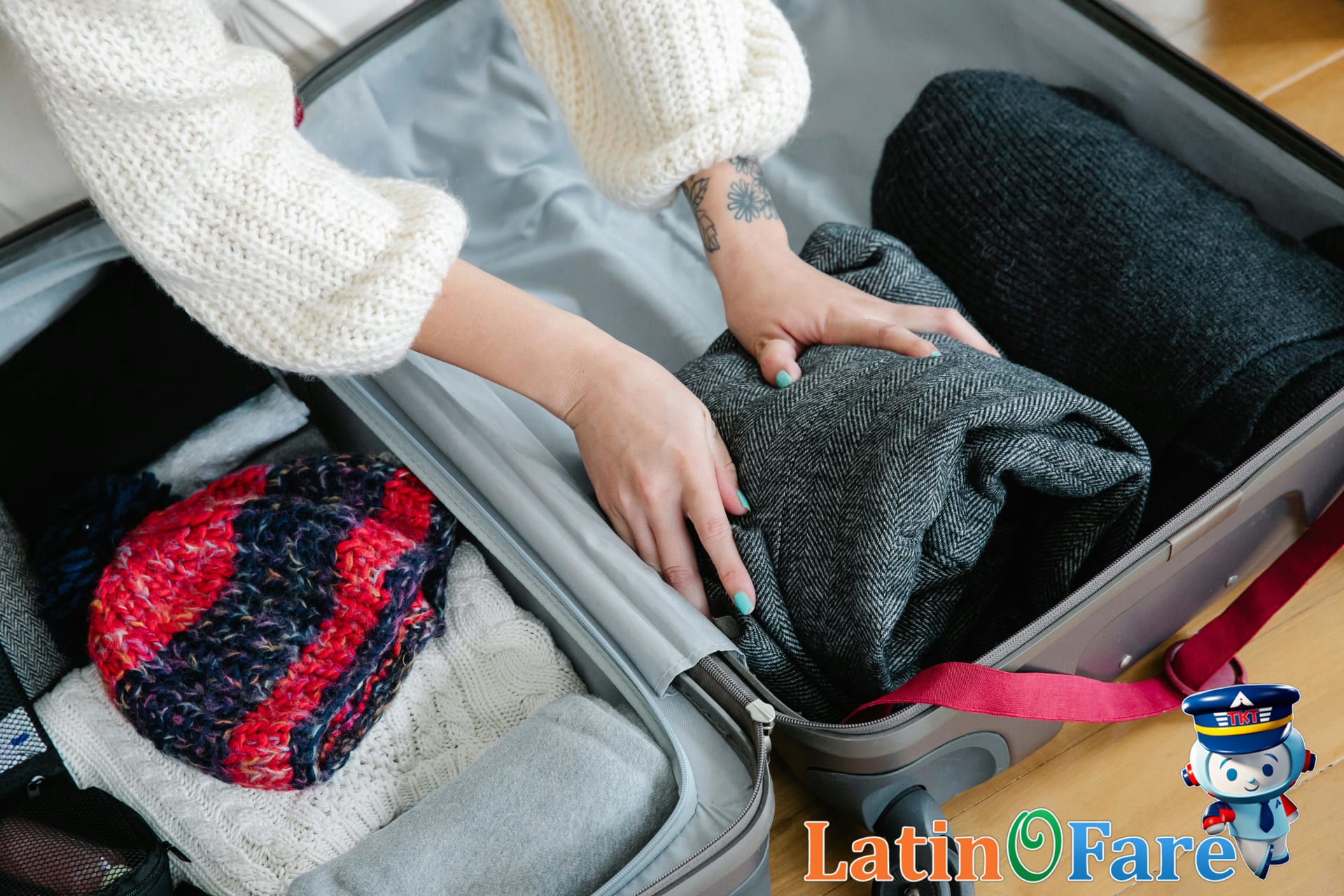
Mastering the base, mid, and outer layer system is the key to staying warm and adaptable on cold-weather trips. Your base layer (think thermal underwear and socks) is all about moisture management—these pieces sit against your skin and should be made from moisture-wicking fabrics like merino wool or technical synthetics. The mid layer, such as a fleece or lightweight down jacket, traps body heat. Finally, the outer layer shields you from wind, rain, or snow, so a waterproof shell or insulated parka is essential.
One thing I learned the hard way: layering saved me during a surprise cold snap in Patagonia. Instead of packing bulky sweaters, I relied on a single fleece and a weatherproof shell—this combo worked for chilly mornings and warmer afternoons without weighing down my bag. I usually recommend versatile pieces, like a zip-up fleece that transitions from day hikes to casual dinners.
To avoid overpacking, focus on items that serve multiple purposes and can be easily mixed or removed as temperatures shift. If you want a streamlined approach, check out our trip planning checklist for more packing strategies. For technical fabric recommendations, sources like REI and Patagonia’s official guides offer solid advice on winterwear materials.
Must-Have Winter Clothing Items
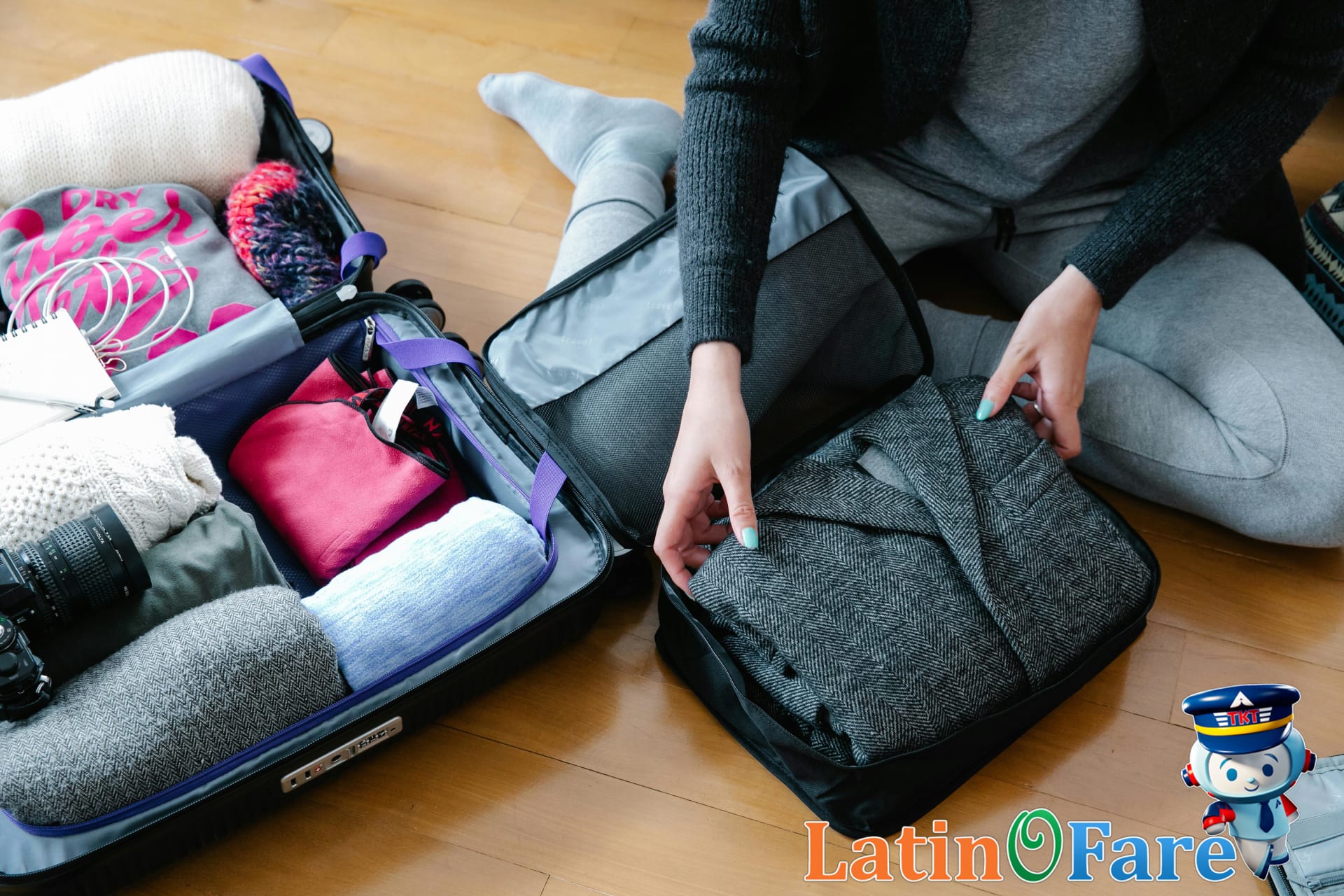
Staying warm on a winter trip starts with packing the right layers. My go-to checklist always includes thermal underwear, a fleece top, an insulated or puffer jacket, wool socks, and packable waterproof pants. These cover most cold-weather scenarios without overloading your suitcase. I usually recommend prioritizing lightweight, compressible fabrics—think merino wool, down, or technical synthetics—so you can fit more without the bulk.
When choosing insulation, consider the pros and cons: down jackets are super warm and pack down small, but lose effectiveness when wet. Synthetic insulation is bulkier but keeps you warm even if it gets damp. For socks and base layers, merino wool is hard to beat for warmth and odor resistance, though it can cost more than standard synthetics. I never travel in winter without a pair of thin merino wool long johns—they’re comfortable for sleeping or layering and hardly take up any space.
For an expanded gear list and more packing strategies, check out our detailed winter packing checklist guide. If you want to dive into technical fabric details, manufacturers like Patagonia and Arc’teryx offer in-depth resources on insulation choices and care.
Maximize Space With Cubes And Bags
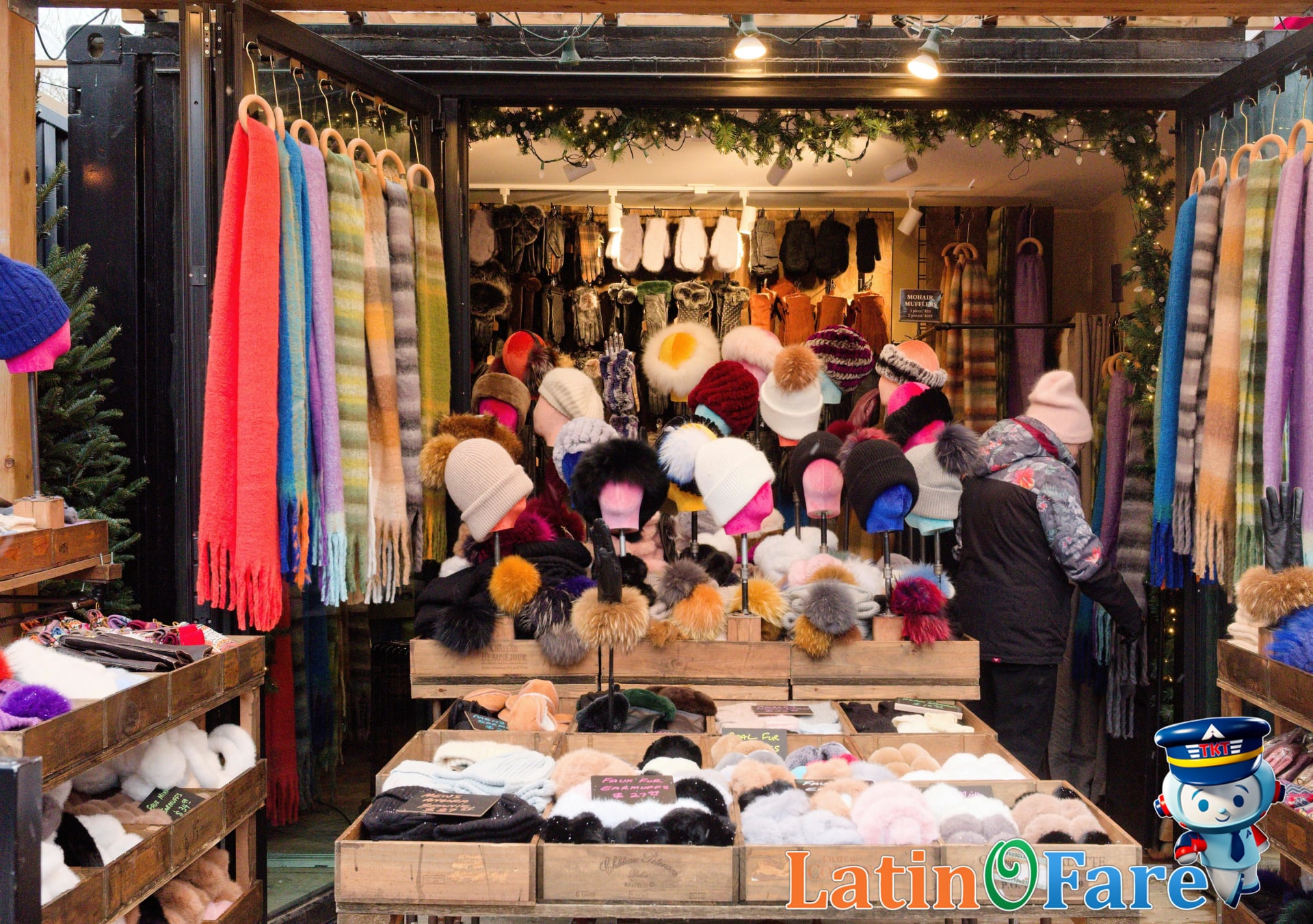
Packing cubes and compression bags are two of the best tools I’ve found for fitting winter gear into a suitcase without feeling like I’m wrestling a sleeping bag. Packing cubes are zippered fabric containers that help organize items by category—think socks in one, base layers in another. Compression bags, on the other hand, let you squeeze air out of bulky clothing so you can shrink jackets or sweaters down to a fraction of their size.
Here’s the step-by-step approach I use: First, roll up your clothes tightly to save space and minimize wrinkles. Next, sort items by type—put all thermal tops together, group socks, and so on. Place these rolled bundles in packing cubes. For the bulkiest pieces like puffer jackets or thick scarves, slide them into a compression bag, seal it, and press or roll to expel the air. This method has made my packing less stressful and my suitcase much more organized, especially when traveling for cold-weather trips.
Essential Winter Accessories To Pack
When you’re heading somewhere snowy, the right accessories can make all the difference between a cozy trip and a miserable one. I always pack a warm hat to keep heat from escaping, a pair of insulated gloves for outdoor exploring, and a scarf or neck gaiter to shield my face from biting wind. Sunglasses are just as critical—snow glare is no joke and can leave you squinting all day. Hand warmers are a real comfort boost for cold fingers, especially if you’ll be outside for long stretches. A neck gaiter is lightweight but incredibly versatile, doubling as a face mask or extra layer under a jacket.
One year, I forgot my sunglasses and spent hours battling snow glare on a hike. It was a lesson learned—now I tuck small accessories like these into a single zippered pouch so nothing gets left behind or lost at the bottom of my bag. That simple habit saves me from scrambling when the temperature drops or the wind picks up.
Toiletries And Skincare For Winter
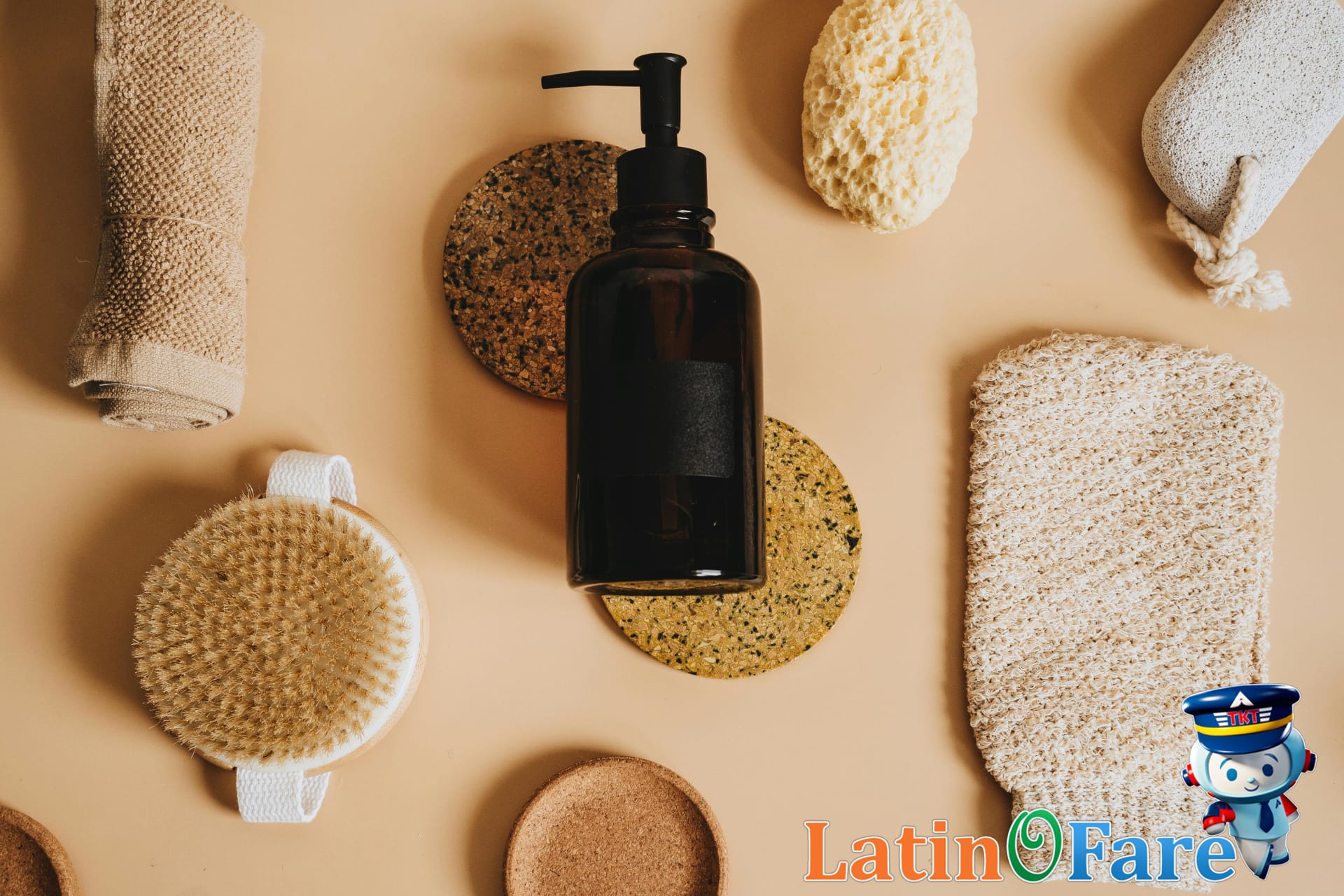
Cold weather can be brutal on your skin and lips, especially when you’re traveling. I’ve learned the hard way—once, I left my moisturizer at home during a snowy trip and spent the whole week fighting dry, itchy skin. The cold air outside and dry heat inside hotels can quickly lead to chapped lips, windburn, and flakiness if you’re not prepared.
When packing toiletries for winter destinations, I always recommend bringing travel-sized versions of a rich moisturizer, gentle facial cleanser, and a hydrating SPF lip balm. Don’t forget sunscreen, even if the sun isn’t shining—snow reflects UV rays, which can cause sunburn or worsen dryness. A small tube of sunscreen fits easily in your bag and is just as important in the mountains as on a beach.
It’s tempting to overpack full-size bottles, but you’ll save space and weight by sticking to essentials. If you need more guidance, the American Academy of Dermatology offers tips on winter skincare basics.
Clever Winter Gear For Light Packing
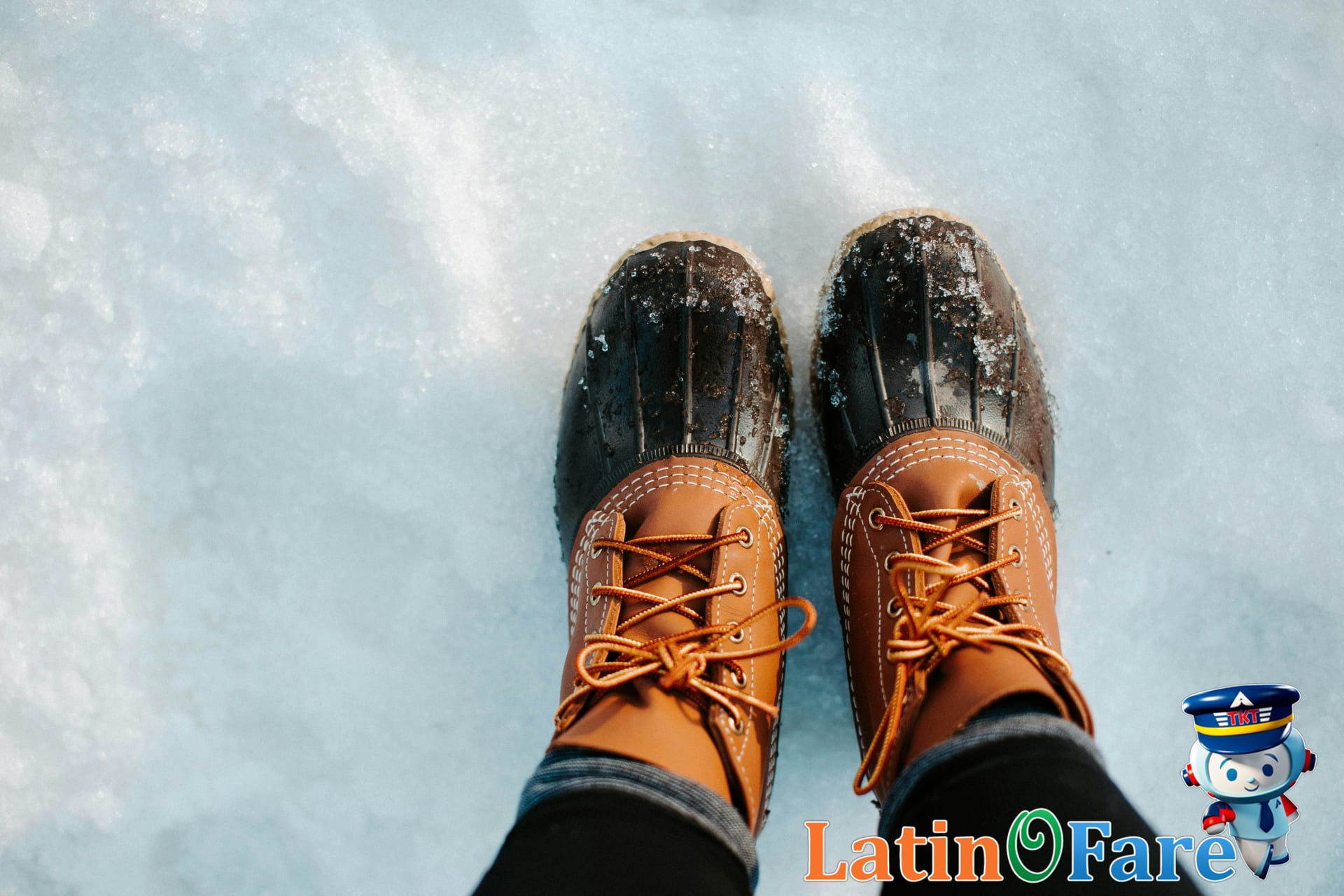
Winter travel doesn’t have to mean stuffing your suitcase with heavy coats and bulky boots. These days, brands are making lightweight insulated jackets that pack down to the size of a water bottle, collapsible waterproof boots, and compact snow grips for shoes. Compared to the old-school thick parkas and clunky snow boots I used to drag around, these new models make a huge difference when you’re trying to travel light.
For example, a modern down jacket with synthetic fill can keep you warm in freezing temps but weighs almost nothing and squishes flat. Collapsible boots fold up for easy packing, and slip-on snow grips are small enough to fit in your pocket but give you extra traction when you need it. If you’re looking to upgrade, check out specialty outdoor retailers or search online for the latest travel-friendly winter gear. I recently switched to a packable insulated jacket, and it easily fit in my carry-on—honestly, that one purchase made winter packing much less stressful for me.
If you want more ideas, you can also read our article on top travel gear for adventurers for more recommendations.
Carry-On Or Checked For Winter Trips
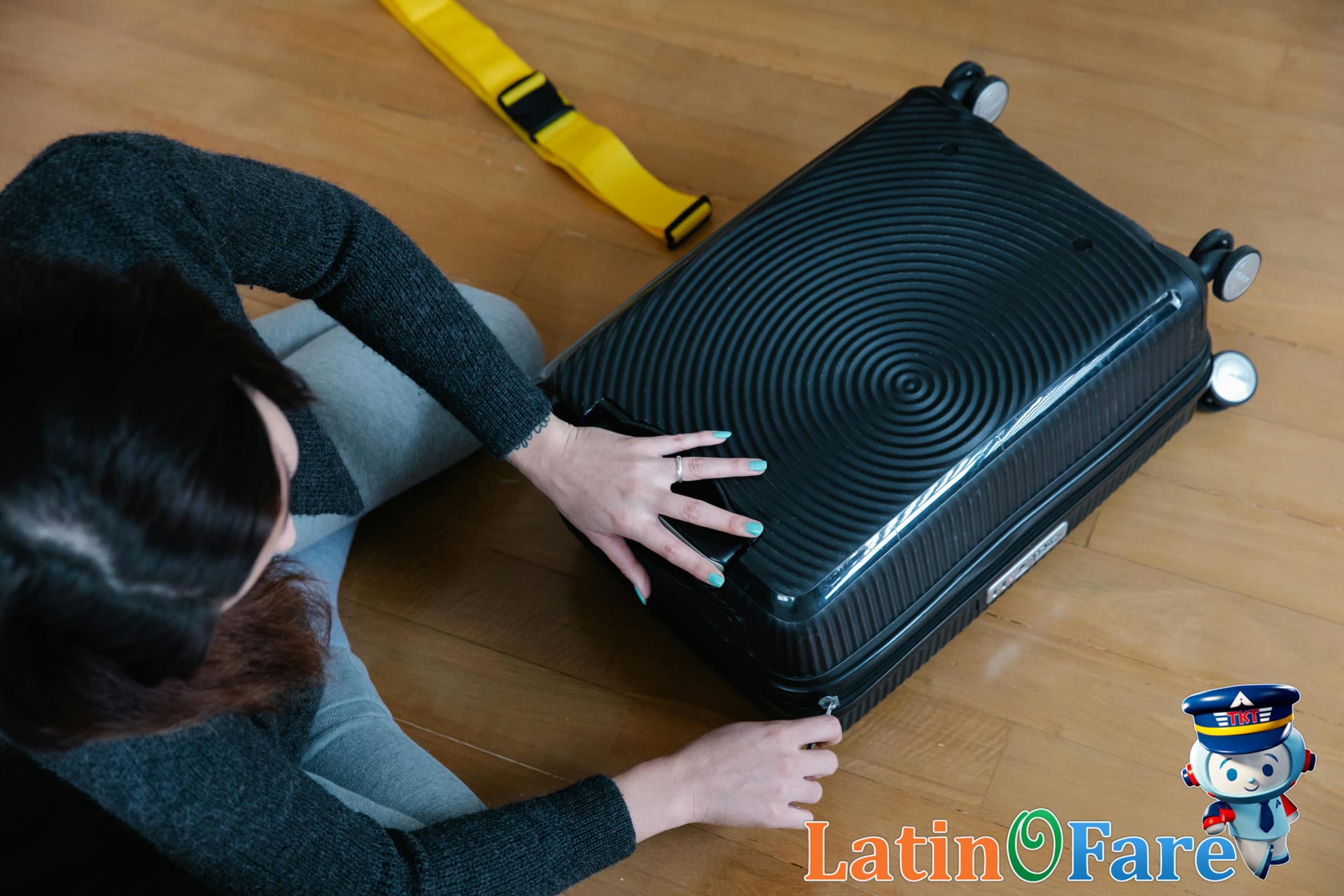
Packing for a winter trip always feels like a balancing act—especially when deciding between sticking with a carry-on or checking a bag. Carry-ons save you money on baggage fees, make for quick airport exits, and eliminate lost-luggage worries. But winter clothes are bulky, and fitting everything into a small suitcase can be a real challenge. Checked bags give you space for boots, coats, and extra layers, but you risk delays at baggage claim and possible extra charges (always check your airline’s rules; latinofare.com has a helpful guide on comparing baggage policies).
Personally, I prefer traveling with just a carry-on for most winter trips. By wearing my heaviest coat and boots on the plane and rolling up sweaters, I’ve managed to avoid fees and long waits, even on weeklong journeys. If you need special gear like snow pants or multiple pairs of shoes, a checked bag may be worth the cost—but for city breaks or shorter getaways, I’d stick with carry-on and pack smart.
Winter Travel Budget Table Breakdown
For a clear picture of winter travel costs, skip the price ranges and plus signs—use only single fixed values for each category. This approach makes it easier to plan your trip and avoid surprises. Booking flights early, choosing less popular travel dates, and packing smartly are three ways to help you reach the “Budget” tier in the table below.

| Budget | Mid-range | Luxury | |
|---|---|---|---|
| Accommodation | $45.00 | $110.00 | $260.00 |
| Food | $18.00 | $40.00 | $95.00 |
| Transport | $15.00 | $35.00 | $80.00 |
| Activities | $12.00 | $32.00 | $75.00 |
Booking with latinofare.com can help you spot deals on winter flights—especially if you plan ahead or watch for discounted winter airfare sales. I once managed to keep my total trip cost lower than expected just by packing light and avoiding checked-bag fees, which left extra funds for a special winter activity. Skipping checked bags is one of the simplest ways to stay on budget, since airlines often charge around $35.00 per checked bag each way.
FAQs On Packing For Winter Travel
- What’s the smartest way to layer clothing for winter travel?
Start with a moisture-wicking base layer, add an insulating mid-layer like fleece, and finish with a waterproof or windproof outer shell. This system lets you adjust as temperatures change. Avoid cotton for your base, since it traps moisture and can make you feel colder in winter conditions.
- How do I pack bulky winter boots in my carry-on?
Wear your bulkiest boots on the plane to save suitcase space. If you must pack them, stuff socks or small items inside the boots to maximize space. Place boots along the edges of your bag and compress clothing around them. REI’s boot packing tips can be helpful for tricky fits.
- What’s the best way to maximize carry-on space for winter clothes?
Roll your clothes tightly and use compression bags to shrink down puffy jackets or sweaters. Focus on versatile pieces you can mix and match. Check out the winter travel checklist on latinofare.com for more easy-packing tips that help you avoid checking a bag.
- How can I avoid baggage fees when traveling with winter gear?
Limit yourself to one carry-on and one personal item by wearing your heaviest layers, like coats and boots, through the airport. Use pockets for small accessories such as gloves or hats. Double-check your airline’s size and weight rules before packing to prevent surprise charges at check-in.
- How do I keep toiletries from freezing during winter travel?
Pack liquids in small, leak-proof containers and store them in the center of your luggage surrounded by clothing for insulation. If you’re checking a bag in extremely cold weather, consider switching to solid toiletries to avoid frozen messes. The Transportation Security Administration (TSA) offers guidance on travel-sized liquids.
- Do I really need an insulated jacket for every winter trip?
If your destination is consistently cold or you’ll spend time outdoors, an insulated jacket is worth packing. For city trips with mostly indoor activities, a lighter jacket layered with a warm sweater may be enough. Always check the local forecast before deciding which outerwear to bring.
Pack Smart—Enjoy Winter Adventures
Smart winter packing really comes down to layering wisely, choosing multi-use pieces, and making the most of your bag’s space. Rolling clothes, using packing cubes, and sticking to the essentials can keep your luggage lighter, which means less stress at the airport and more comfort at your destination. Thoughtful packing doesn’t just save you money—it helps you enjoy your trip without worrying about what you forgot or how heavy your suitcase feels.
In my own travels, planning out my winter gear and keeping my packing list simple has made cold-weather trips a lot more enjoyable. If you want more ideas for planning your next adventure, I’d recommend checking out the airfare tips and destination guides at latinofare.com for inspiration.