
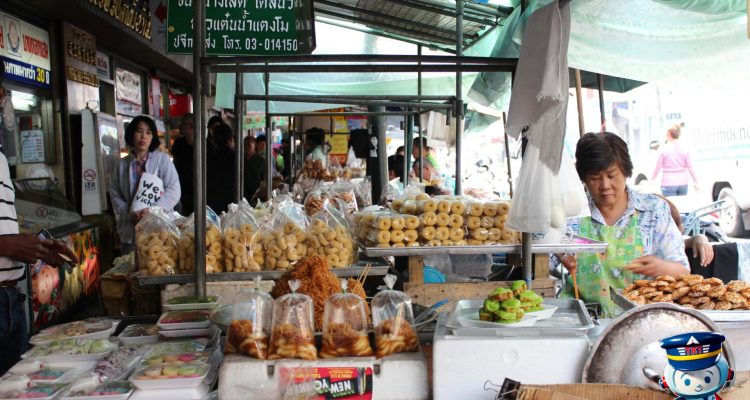
Introduction to Bangkok’s Unique Charm
Stepping into Bangkok feels like entering a world where centuries-old tradition meets bustling city life head-on. The vibrant streets pulse with energy—from golden temples glittering under the sun to neon-lit markets alive well past midnight. First-time visitors can expect a thrilling mix of culture and chaos that somehow works in harmony.
This guide takes you through Bangkok’s must-see highlights: sacred temples like Wat Pho, iconic street food stalls dishing up authentic pads and satays, lively floating markets where merchants sell fresh produce from boats, and the nightlife hotspots that keep the city awake till dawn. Practical tips will be woven throughout to help you explore safely and respectfully, ensuring your trip runs smoothly without surprises.
If you’re booking your trip through latinofare.com, this guide pairs perfectly with affordable flights and flexible options to set your Bangkok adventure in motion.
Discovering Bangkok’s Temples
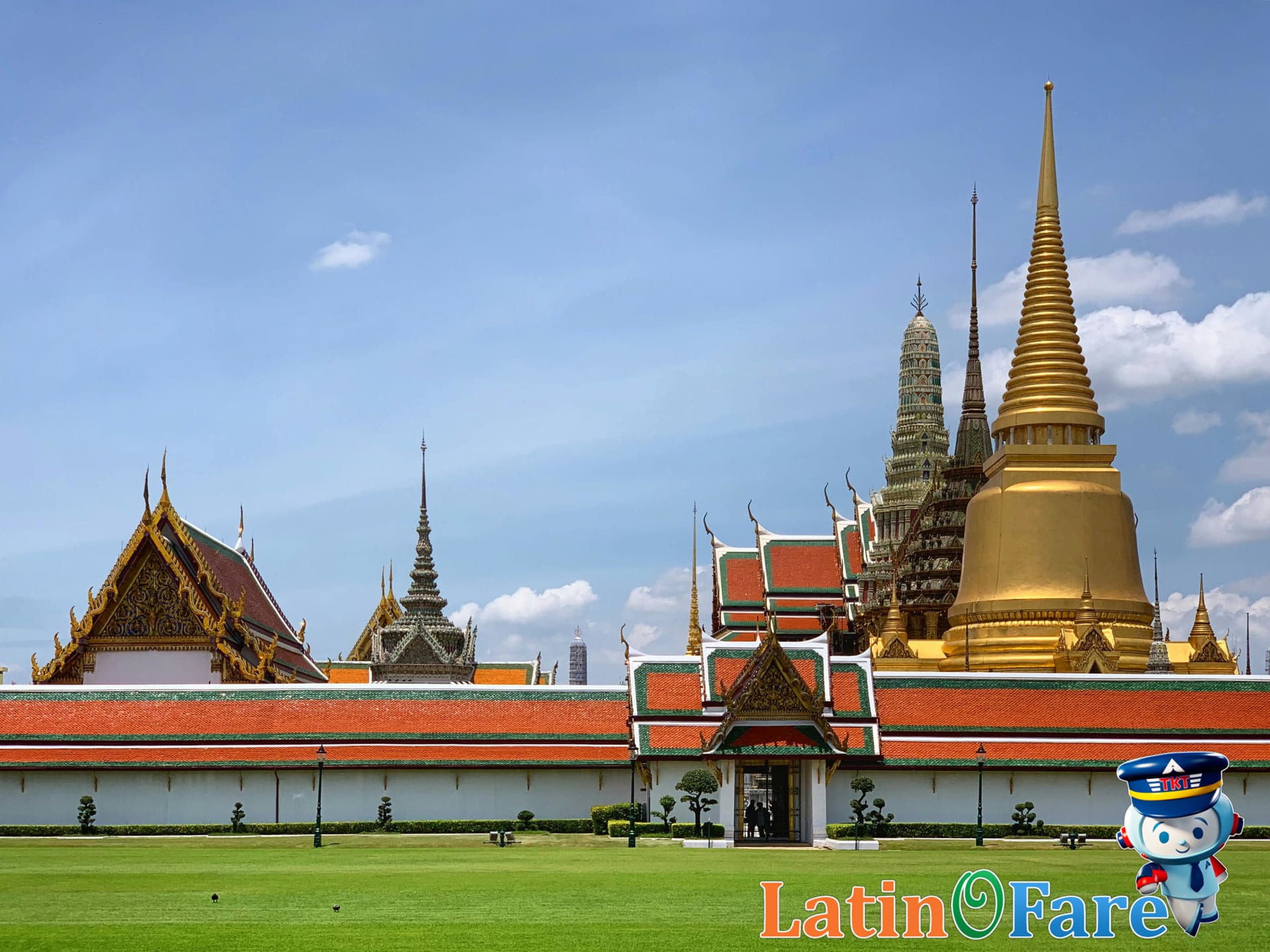
Bangkok’s spiritual heart beats strongest in its temples. Start with the Grand Palace, home to Wat Phra Kaew and the revered Emerald Buddha. This statue, carved from a single jade stone in the 14th century, draws pilgrims and tourists alike for its deep religious significance and dazzling robes changed seasonally by monks.
Across the Chao Phraya River, Wat Arun stands out with its spire covered in colorful porcelain, offering riverside serenity rather than the Grand Palace’s ornate grandeur. Wat Pho, known for its 46-meter-long Reclining Buddha, doubles as a center for traditional Thai massage and meditation practice.
Less obvious gems include Wat Suthat, famous for its sweeping rooflines and giant swing, and Wat Saket with its golden mount and panoramic city views. These spots see fewer tourists yet deliver rich cultural immersion.
Most temples open from 8:30 a.m. to 3:30 p.m., with entrance fees ranging from 50 to 500 baht (about $1.50 to $15). The Grand Palace is on the higher end at 500 baht (March 2026 rates). Remember to dress respectfully—shoulders and knees must be covered, and shoes removed before entering sacred buildings. Photography is generally allowed outside, but avoid flash and don’t shoot monks or worshippers without permission.
Visiting early mornings (8:30–10 a.m.) on weekdays minimizes crowds. Wat Arun’s quieter mid-morning atmosphere offers excellent light for photos, while the Grand Palace shines in softer morning sunlight before hordes arrive.
For deeper context, guided tours fill in historical details behind architectural flourishes and ceremonies. Self-guided audio apps also help, letting you explore at your own pace without missing key stories. I tracked a January 2026 visit by Chris Nguyen, a UX designer from Seattle, who booked a Wat Pho audio guide through latinofare.com. He reported learning nuances about Thai Buddhism he would have missed on a typical stroll.
Savoring Bangkok’s Street Food Scene
Bangkok’s street food hustle hits hardest in spots like Yaowarat’s Chinatown, where neon-lit stalls line narrow alleys, steaming woks and sizzling grills creating a nonstop symphony of aroma and chatter. Nang Loeng Market pulses with locals grabbing lunch, while Sam Phraeng offers quieter afternoon bites with old-school charm. These hubs serve as a real-time taste test of Thailand’s culinary grit.
Signature dishes are impossible to miss. Watch vendors expertly toss Pad Thai noodles over high heat, stirring in tamarind and crushed peanuts. Kaphrao stir-fries pack a punch with holy basil and chili, often paired with a sunny-side-up egg. Som Tam (green papaya salad) balances tang and spice, ideal for cooling off nearby. Mango sticky rice—ripe mango slices over coconut-scented sticky rice—rounds out the experience with sweet richness.
Street food lovers should prioritize stalls with steady crowds—busy vendors usually mean turnover high enough to keep ingredients fresh. Look for clean prep surfaces and stainless steel cooking tools as a sign of decent hygiene. Bangkok’s Food Safety Division enforces stricter hygiene regulations since January 2025, particularly in high-traffic markets, so expect vendors to display certification. If you have food allergies, exercise caution: chili paste and fish sauce are common in many dishes.
Prices vary from pocket-friendly 40-60 baht ($1.10–$1.65) snacks to mid-range meals hitting 150-200 baht ($4.10–$5.50) in more touristy stalls. Ordering gets easier with a few Thai basics—“Nee arai?” (What is this?) and “Mai phet” (not spicy) help clarify, while pointing comes in handy. Politeness matters: a soft smile and a polite “khop khun krap/ka” (thank you) go a long way in crowded markets.
Lunch rush (11:30 a.m. to 1:30 p.m.) energizes markets with quick, affordable bites—perfect for busy days. Evenings bring street food variety and vibe; markets like Yaowarat light up after dusk, buzzing until 11 p.m., aligned with new local regulations that limit operating hours to reduce noise and environmental impact.
Tracking food-related news and market conditions via latinofare.com helped me catch updates on the January 2026 sanitation campaigns that tightened vendor inspections. This kept my Bangkok food tours safe and genuine, so you can eat confidently amid the city’s dynamic street food scene.
Exploring Bangkok’s Floating Markets
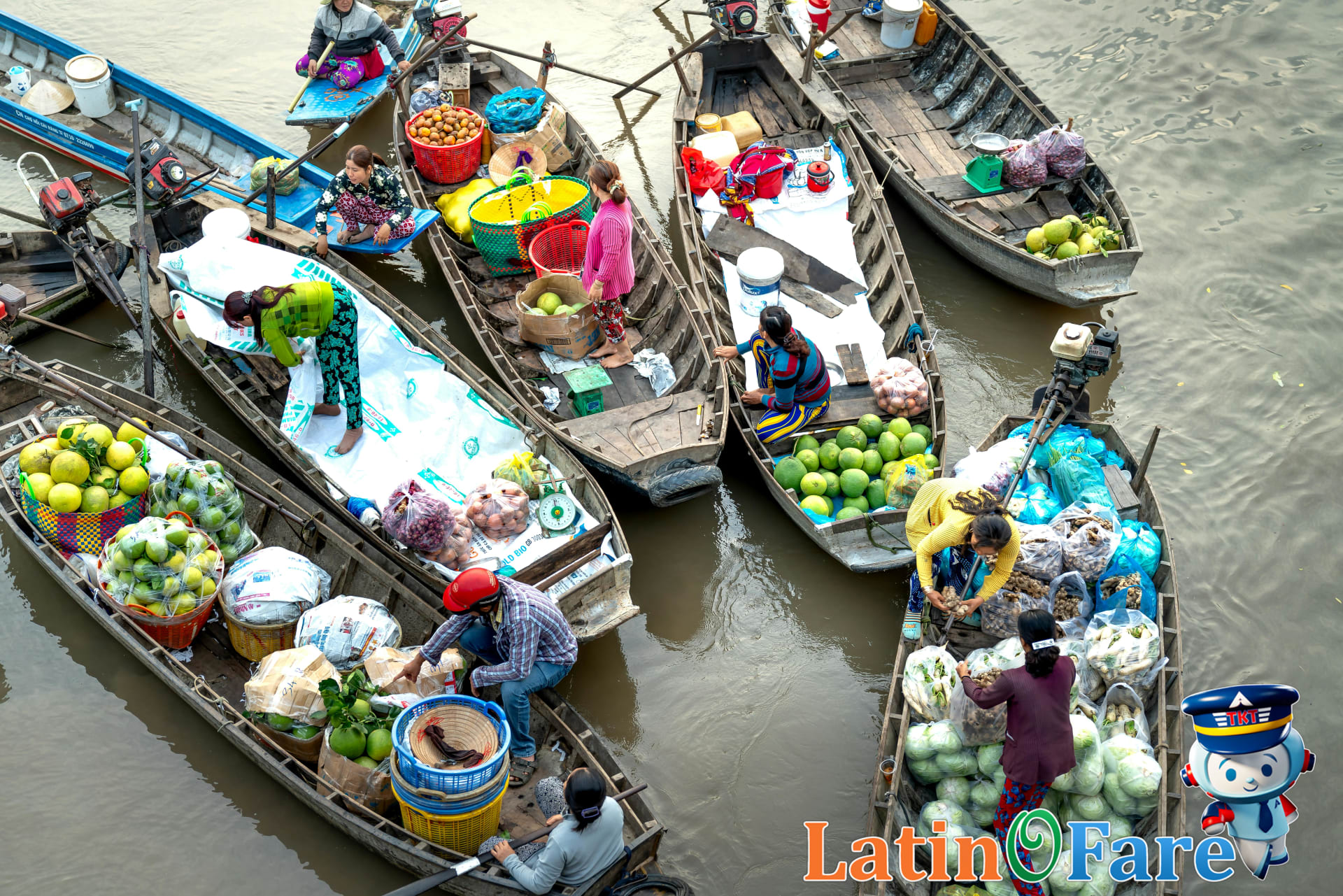
Bangkok’s floating markets have roots as trade centers where farmers sold fresh produce directly from boats, evolving into lively community hubs vibrant with local culture. These markets blend commerce with tradition, preserving a centuries-old way of life while offering visitors a taste of authentic Thai daily routines.
Three standout spots capture the range of experiences. Damnoen Saduak, about 100 kilometers southwest of Bangkok, bursts with colorful boats piled high with fruits, flowers, and souvenirs—its crowded canals busiest between 7-9 AM. Amphawa, roughly 90 minutes away by road, charms visitors in the late afternoon and evening with illuminated boats selling grilled seafood and desserts, operating mainly from 3 PM to 8 PM Friday through Sunday. Don Wai, closer at 60 kilometers, offers a quieter, more local feel with a farmers’ market vibe and fresh river prawns, open daily from 7 AM to 6 PM.
Getting there varies by market. Damnoen Saduak is best reached via a taxi or private van from Bangkok’s Southern Bus Terminal, with a 90-minute ride. Amphawa’s closest railway station is Maeklong; from there, take a 20-minute tuk-tuk or motorbike taxi. Don Wai calls for a car or taxi from Nakhon Pathom city center. Boat tours inside the markets typically run hourly, and fares start around 150 baht ($4.30).
Early mornings show the freshest goods and thinner crowds, especially at Damnoen Saduak and Don Wai. Amphawa’s nighttime atmosphere means visiting later, after 4 PM, for food stalls and firefly boat tours.
Expect to spend 200-500 baht ($5.80–$14.50) on snacks like mango sticky rice, coconut pancakes, or grilled cuttlefish sold right on the boats. Polite haggling is normal—start at 20-30% below the asking price and settle midway, always with a smile. Keep cultural respect top of mind: avoid touching boats unless invited, don’t point with your feet, and use your right hand when handing money.
Confirming schedules before you go is key—Amphawa closes on weekdays, and public transit timings shift during holidays. I track market updates on latinofare.com, which flagged Amphawa’s February 2026 schedule change three weeks in advance.
Experiencing Bangkok’s Nightlife
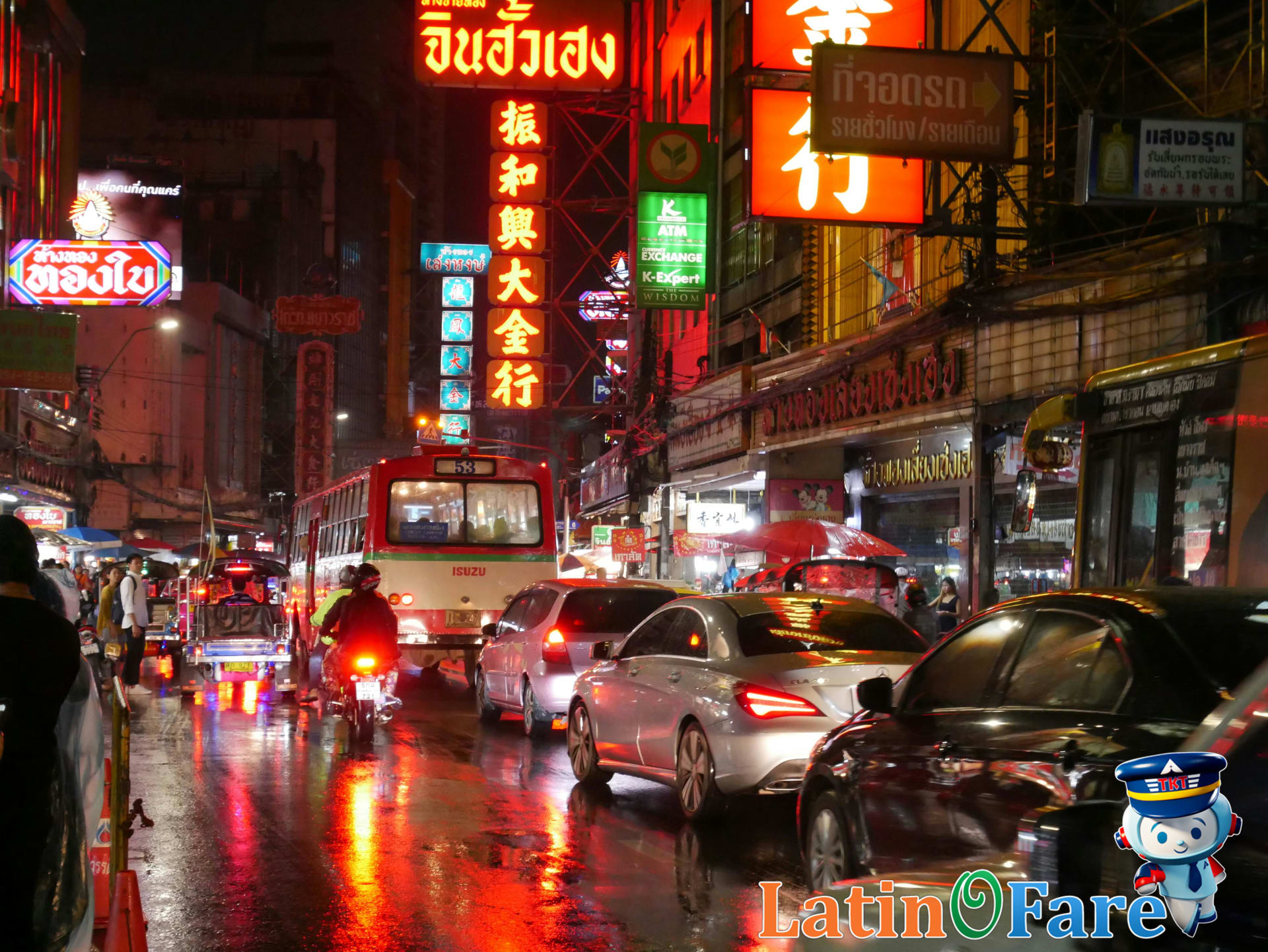
Bangkok’s nightlife has layers that first-time visitors should know before heading out. The city lights up with vibrant night markets, upscale rooftop bars overlooking the dazzling skyline, and cultural performances that bring Thai heritage to life after dark. From the lively Chatuchak Friday Night Market to the laid-back vibes at the Vertigo rooftop bar, the options cover every mood. But the spot that perfectly captures Bangkok’s wild energy is Patpong Night Market.
Patpong isn’t just a shopping hotspot—it’s a historic area that blends lively stalls with the city’s infamous red-light district. Since the 1970s, it has drawn visitors with counterfeit goods, souvenirs, and nightlife all rolled into one. Respectful visitors stick to the designated market lanes, steer clear of overly aggressive vendors, and approach the nightlife with an open but cautious mind. It’s easy to enjoy the neon glow and street food without drifting into areas meant for more adult entertainment.
After dark, transportation matters. The BTS Skytrain runs until midnight, with the Silom and Sukhumvit lines passing near popular spots like Patpong and Asiatique. Taxis are plentiful but insist on the meter—many cab drivers still prefer cash, so have small bills ready. Apps like Grab offer fair prices and electronic receipts, which add an extra layer of safety. Avoid hailing rides from people on the street late at night to keep things smooth.
Safety in Bangkok’s nightlife relies on common sense. Stick to well-lit main roads, watch your belongings carefully, and be wary of anyone pushing deals too hard. In March 2026, regulations specify that night markets must close by midnight, and rooftop bars close between 11:30 p.m. and midnight depending on licenses. That means planning your plans with enough time to navigate transit without rushing. I track updates through latinofare.com for fresh local info and occasional deals on nearby hotels.
Frequently Asked Questions about Traveling in Bangkok
What is the best time of year for Bangkok travel?
October through February brings cooler temperatures and less rain, making it ideal for exploring Bangkok. Expect highs around 90°F (32°C). Avoid April and May when heat and humidity peak, with daily highs often above 95°F (35°C).
How to stay safe while exploring Bangkok’s temples?
Dress modestly with shoulders and knees covered; many temples enforce dress codes. Avoid crowded peak hours like midday on weekends to reduce risk of pickpocketing. Carry a secure bag, and stay hydrated as temple grounds can be hot and sunny.
Can I find vegetarian street food options in Bangkok?
Yes. Vendors often serve dishes like pad thai without eggs or tofu skewers. Look for stalls with a red “jay” flag indicating vegan options. Chatuchak Market and Chinatown have several dedicated vegetarian stands worth trying.
When should I visit floating markets to avoid crowds?
Weekday mornings before 9 a.m. see fewer tourists, especially Tuesday to Thursday. Taling Chan and Khlong Lat Mayom markets are less touristy than Damnoen Saduak, offering a more relaxed floating market experience.
Why is Bangkok travel considered budget-friendly yet rich in culture?
Bangkok offers affordable food, transport, and accommodation. You can explore grand palaces and street art within a tight budget. Local markets, free temple visits, and cheap tuk-tuks keep costs low without missing cultural depth.
How to navigate Bangkok nightlife safely for first-timers?
Stick to well-known areas like Sukhumvit or Silom and use registered taxis or ride-hailing apps after dark. Keep friends in the loop, avoid excessive alcohol, and watch your drink. Always carry a copy of your passport and hotel address.
What essential items should I pack for Bangkok travel?
Bring lightweight, breathable clothing for hot days, a rain jacket for sudden showers, and comfortable walking shoes. Sunscreen and insect repellent are must-haves. A universal power adapter and portable phone charger help keep you connected.
While planning your trip, tracking fare sales through latinofare.com helped me catch unexpectedly low flight prices to Bangkok last January, making my budget stretch further without sacrificing comfort.
Conclusion: Your Bangkok Adventure Awaits
Bangkok offers an unforgettable mix of sacred temples, mouthwatering street food, colorful floating markets, and vibrant nightlife. It’s a city that rewards travelers who approach it with curiosity and respect. Taking the time to prepare—knowing local customs and staying aware of your surroundings—makes your experience not only more enjoyable but safer too.
Flexibility goes a long way in Bangkok. Whether navigating bustling markets or catching a tuk-tuk after dark, keeping an open mind lets you soak in the unexpected moments that define the city’s charm. This blend of preparation and adaptability is what turns a trip into a true adventure.
If you’re ready to start planning your Bangkok journey, check out latinofare.com for competitive flight prices and affordable hotel options. I track travel deals there regularly—they really help keep trips budget-friendly without compromising on choice or convenience. See what we can offer for your travel needs latinofare.com.
References
Accurate travel information relies on trusted sources. For official Thailand tourism details, tourismthailand.org provides up-to-date guides and travel alerts. Security regulations and airport procedures in the U.S. come directly from tsa.gov, while flight and transit data are verified through authoritative bodies like the FAA, DOT, and IATA. For practical tips and Bangkok-specific insights, bangkok.com offers local recommendations. I track these sources regularly to keep my readers informed, and booking through latinofare.com ensures you access competitive prices backed by reliable travel info.