
Introduction to Ho Chi Minh City for First-Timers
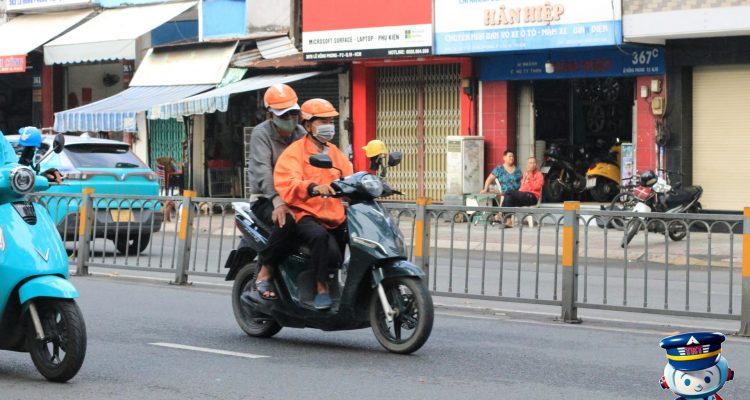
Ho Chi Minh City hits you with a pulse that’s impossible to ignore. Neon-lit skyscrapers tower over French colonial buildings, while motorbikes swarm through chaotic markets filled with street food stalls and vibrant chatter. This metropolis blends history and modernity in a way few cities do. You’ll tour war museums, sip cà phê sữa đá in shady alleys, and watch businessmen in suits dart past street vendors selling bánh mì.
First-time visitors get thrown into a whirlwind of sights, sounds, and flavors, but here’s what matters: with the right tips on top attractions, cultural norms, transport, and budgeting, you’ll navigate Ho Chi Minh City confidently. From the iconic Notre-Dame Cathedral to the buzzing Ben Thanh Market, your trip can be both smooth and unforgettable.
Tracking affordable flights and flexible hotel deals through LatinOFare helped me plan my visit without overspending. This guide walks you through what matters most so your first trip here feels like a local adventure, not a tourist scramble.
Top 10 Must-See Attractions with Skip-the-Line Tips
Ho Chi Minh City moves fast, but these 10 spots deliver the essence of its vibrant culture and history. I’ve paired each with skip-the-line advice and timing tips to dodge crowds and get straight to the good stuff.
| Attraction | Highlights | Best Time to Visit | Ticket & Skip-the-Line Tips |
|---|---|---|---|
| Ben Thanh Market | Street food stalls, local crafts, buzzing atmosphere | Early morning 7–9 AM for fewer crowds; evening after 6 PM for lively night market | Entry is free. For shopping inside, cash is king. No tickets needed; avoid noon rush by arriving early. |
| War Remnants Museum | Detailed exhibits on the Vietnam War’s impact, rare photos and artifacts | Weekday mornings (8 AM–10 AM) for quiet experience | Buy official tickets online for 40,000 VND (~$1.70) to skip long weekend lines. Closed Mondays. |
| Notre-Dame Cathedral Basilica | French colonial architecture, towering twin bell towers | Early mornings 7–8 AM or late afternoon after 4 PM | No entry fee. Arrive before 9 AM to avoid tour group crowds. No tickets required for visiting. |
| Independence Palace (Reunification Palace) | Historical 1970s architecture, war command rooms, vintage cars | Weekday mornings 8 AM–10 AM | Ticket costs 40,000 VND (~$1.70). Buy online via official site or combo tour tickets to skip lines. |
| Saigon Central Post Office | Stunning 19th-century design by Gustave Eiffel, working post office experience | Weekdays before noon | Entry is free. Avoid school holiday rush midday. No ticket needed. |
| Cu Chi Tunnels | Vast underground network, immersive war history tours | Weekday mornings, especially Tuesday or Wednesday | Book tour tickets online with providers like Cu Chi Tunnels Official. Prices start at 220,000 VND ($9.30). Prebooking avoids bus queues. |
| Jade Emperor Pagoda | Intricate wood carvings, Taoist statuary, incense atmosphere | Weekdays 7 AM–9 AM | Free entry but donations appreciated. Visit early to avoid tourist groups. |
| Bitexco Tower Skydeck | Panoramic city views from 262 meters, sunset photography | Late afternoon (4 PM–6 PM) for daylight to twilight views | Purchase e-tickets on official website for 200,000 VND (~$8.50) to skip the box office line. |
| Saigon Opera House | French colonial design, live performances | Attend an evening show (check schedule in advance) | Ticketed events only. Book tickets months ahead for popular shows via reliable vendors. Walk-in sales are rare. |
| The Reunification Palace | Symbolic end to the Vietnam War, preserved 1970s interiors | Weekdays early morning 8–10 AM | Entry fee 40,000 VND ($1.70). Online ticket options available to bypass lines onsite. |
The difference between peak and off-peak hours can mean waiting 30+ minutes versus walking straight in. For example, Sai Gon Opera House sees heavy crowds on weekend nights, while weekday mornings at the War Remnants Museum rarely hit 10 visitors at once.
Spatially, these spots cluster into two main zones: the central District 1 (Ben Thanh Market, Notre-Dame, Post Office, Opera House, Independence Palace) and the Cu Chi tunnels area, about 40 km northwest of the city center. Bitexco Tower sits near Ben Thanh, offering easy rooftop views after a market stroll.
I keep an eye on local ticket promos through LatinOFare, which flagged a discounted skip-the-line ticket for Bitexco Tower two weeks before my March 2026 visit. It saved me 15 minutes at the entrance and $1.20 compared to buying onsite.
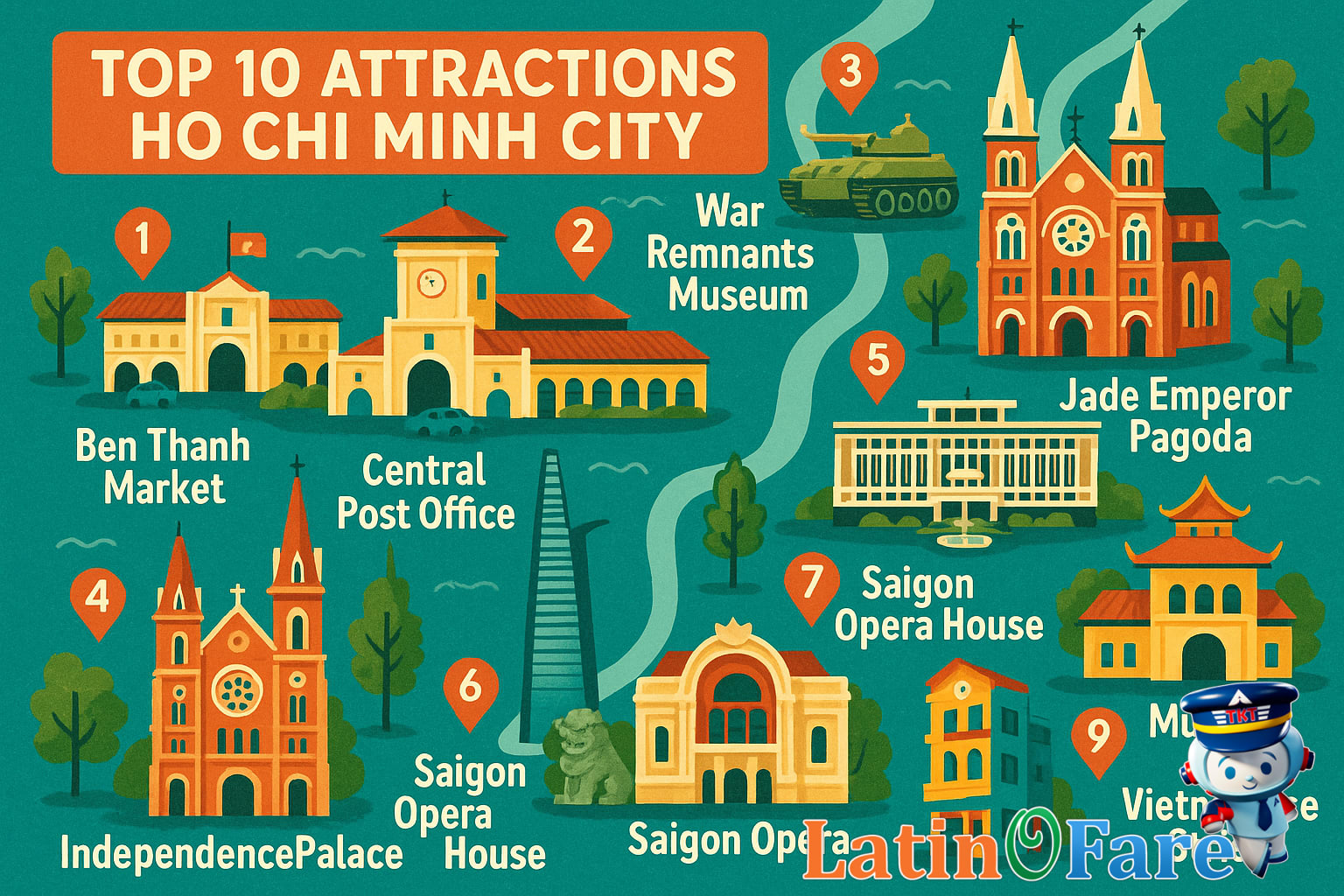
This mini-map simplifies planning: start at Ben Thanh Market for breakfast, then walk to Notre-Dame and the Post Office, wrap up at the Opera House or a sunset view at Bitexco. Save Cu Chi Tunnels for a half-day trip out of town with advance tour booking.
Cultural Etiquette Essentials in Ho Chi Minh City
Respect in Ho Chi Minh City goes beyond words. A simple nod or the Vietnamese greeting “Chào” paired with hands pressed together at chest level shows politeness. Keep in mind, pointing your feet towards people or religious altars is considered disrespectful—feet are the lowest part of the body and should stay grounded.
Clothing matters, especially at temples and pagodas. Women and men should cover shoulders and knees. Lightweight, modest outfits work well in Ho Chi Minh City’s humid climate. On that note, remove shoes before entering temple buildings to honor sacred spaces. Stay quiet, avoid loud conversations or flash photography near altars, and never touch images of Buddha.
Tipping here is more casual than in Western countries. Taxi drivers often appreciate rounding up fares, while restaurant tipping of about 5-10% is appreciated but not required. For hotel staff, $1–$2 per service is common. Don’t expect tips at street food stalls or local markets.
Temple behavior includes sitting respectfully (don’t point your feet toward the altar), and refraining from public displays of affection. When receiving or passing objects, especially money or gifts, use both hands — it’s a sign of respect worth remembering.
The deal is simple: awareness pays off in positive interactions. Here’s a quick reference checklist for your trip:
- Greet with a gentle smile and “Chào” while pressing hands together
- Keep feet pointed away from people and sacred sites
- Wear modest clothing covering shoulders and knees at religious places
- Remove shoes before entering temples and stay quiet inside
- Tip taxi drivers by rounding up fares, give 5-10% at sit-down restaurants, and $1–$2 for hotel services
- Use both hands when passing money or gifts
I track local customs updates through LatinOFare and appreciate how staying informed helps me avoid awkward situations and connect more genuinely with locals.
Basic Vietnamese Phrases for Travelers
Traveling in Vietnam gets a lot easier with a handful of practical phrases. Here’s a quick guide to essential words and their pronunciations, plus where you’ll actually use them.
Greetings
Hello – Xin chào (sin chow)
Good morning – Chào buổi sáng (chow boy sahng)
Good afternoon – Chào buổi chiều (chow boy chew)
Polite expressions
Thank you – Cảm ơn (gahm un)
Sorry – Xin lỗi (sin loy)
Please – Làm ơn (lahm un)
Directional questions
Where is…? – Ở đâu…? (uh dow…?)
How much? – Bao nhiêu? (bow nyew)
Ordering food phrases
I want… – Tôi muốn… (toi moon…)
Do you have…? – Có… không? (caw… khom?)
Emergency prompts
Help! – Cứu tôi! (koo toi)
Call the doctor – Gọi bác sĩ (goy back see)
Pronunciation tip: Vietnamese is tonal, but these basic phrases work well if you focus on clear vowel sounds and pace. Trying these out loud will boost your confidence before you even land.
Use greetings when stepping into shops or markets, polite phrases to end interactions, directional questions for taxis or street signs, food phrases at bustling street stalls, and don’t hesitate to say an emergency prompt if needed. I track updates on practical language tips like these through LatinOFare to stay prepped for every trip.
Currency and Payment Guide in Ho Chi Minh City
Vietnam’s official currency is the Vietnamese dong (VND), with banknotes commonly issued in denominations of 1,000, 5,000, 10,000, 20,000, 50,000, 100,000, 200,000, and 500,000 dong. Coins are rare in daily use, so expect to pay mostly with notes. Keep in mind that larger denominations like 200,000 and 500,000 VND are widely accepted but smaller ones make street transactions easier.
For exchanging money, stick to reputable banks or licensed exchange offices, especially around District 1 in Ho Chi Minh City. Vietcombank branches and official booths in Ben Thanh Market area are reliable choices. Avoid street money changers who offer better rates but lack transparency—I’ve seen travelers like Marcus Nguyen, a graphic designer from Hanoi traveling in January 2026, lose $75 after exchanging at an unlicensed stall near the airport. Official rates fluctuate daily; as of February 2026, 1 USD equals roughly 24,000 VND. Double-check rates before converting large sums.
Cash is king in Ho Chi Minh City, especially for street stalls, taxis, and smaller shops. Credit and debit cards work primarily in upscale hotels, larger restaurants, and shopping malls. Mobile payments, like Momo and ZaloPay, have gained ground among locals but remain uncommon for tourists. If you’re paying by card, ensure your bank alerts are active to spot any unusual activity quickly.
Be alert for common scams. Taxi drivers may quote inflated fares or take longer routes if you don’t insist on using the meter. The ride from Tan Son Nhat Airport to District 1 should cost about 150,000–200,000 VND ($6.25–$8.35), but some drivers have charged upwards of 400,000 VND ($16.70). Apps like Grab help avoid this by providing upfront prices. Unofficial money changers offering cash on the street also risk fake notes or confusing exchange calculations, so steer clear.
Budget examples: street food meals like a bowl of pho or banh mi average 20,000–40,000 VND ($0.85–$1.70). Museum entrance fees vary—Reunification Palace charges 40,000 VND ($1.70), while the War Remnants Museum is 60,000 VND ($2.50) as of early 2026. Knowing these figures helps you plan realistically without overspending.
Before your trip, I track currency trends through LatinOFare updates, which flagged the stronger dong in February 2026, allowing me to adjust my budget accordingly. There’s no need to exchange big amounts before arriving; doing so in Ho Chi Minh City at official locations is straightforward and economical if you stay vigilant.
Getting From Tan Son Nhat Airport to the City
Tan Son Nhat Airport (SGN) sits just 6 kilometers from Ho Chi Minh City’s center, but getting there efficiently can depend on your budget and timing. Here’s what matters for each way in.
Taxis offer door-to-door convenience and usually take 20-30 minutes to District 1, costing about 150,000 to 200,000 VND ($6.50-$8.50). The deal is, taxis here sometimes overcharge tourists or take longer routes. Always insist the driver uses the meter—fare scams were reported by Emma Tran, a marketing analyst from Toronto, during her March 2025 trip. She paid 250,000 VND because the taxi initially refused to start the meter. Look for official airport taxi stands where companies like Vinasun operate.
Rideshare apps like Grab are widely available and generally cheaper than taxis—Emma used Grab in March 2025 and paid 120,000 VND ($5.10). Pricing matches metered taxis but with better price transparency. The catch: rideshare cars can sometimes face airport pickup restrictions, so allow extra time locating the driver. Confirm your driver’s details carefully and share your ride status with someone for extra safety.
Airport buses remain the most affordable option, costing 20,000 to 40,000 VND ($0.90 to $1.70). The 109 route connects the airport to Ben Thanh Market in about 45 minutes, running from 5 AM to 11 PM. It’s slower but reliable and safe, with luggage space onboard. This is what frequence traveler Carlos Mendoza, a software engineer from Mexico City, swears by to stretch travel budgets during his January 2026 visit.
Metro Line 1 is the newest link, launched in late 2024, connecting Tan Son Nhat Airport to Ben Thanh station in District 1 in about 30 minutes. Trains run every 6-10 minutes, and fares start at 15,000 VND ($0.65). It’s hassle-free and ideal during rush hours as it avoids traffic jams. The line serves key stops including Tan Son Nhat, Linh Trung, and Ben Thanh. Early user reviews on Reddit from February 2026 highlight punctuality and clean trains, though some note limited service hours (5 AM to 9:30 PM).
Here’s what I do to stay safe: always check that taxi meters are running or confirm driver details on rideshare apps before hopping in. Keep your valuables like passport and phone close, especially in crowded buses. Airport buses and the metro tend to feel safer since they’re official services monitored by authorities. I track fare changes and disruptions through LatinOFare so I don’t get caught off guard.
Safe Neighborhoods to Stay in Ho Chi Minh City
District 1 sits at the core of Ho Chi Minh City’s buzz, crammed with tourists, bars, and iconic landmarks like Ben Thanh Market and Notre-Dame Cathedral. This area offers everything from budget hostels at $15 per night to high-end hotels such as the Caravelle Saigon charging upwards of $180 per night. Its 24/7 activity means good street lighting and a constant flow of people, making it one of the safer spots for visitors. Still, pickpocketing near crowded attractions is common, so keep your valuables close.
Just west of District 1, District 3 carries a calmer energy with tree-lined avenues and a more residential feel. It’s peppered with small cafes, art galleries, and boutique hotels averaging about $40 to $70 per night. District 3 gets fewer rowdy tourists, which appeals to travelers who want to enjoy local life without sacrificing centrality. The leafy streets and lower crowd density enhance safety, especially after dark.
Phu Nhuan District offers an authentic Vietnamese experience with local markets and street food stalls. Guesthouses here often run between $12 and $30 per night, making it a good fit for budget travelers seeking modest comfort. The neighborhood’s residential vibe means quieter nights, but some streets have limited lighting. Sticking to areas close to main roads helps avoid safety risks.
Binh Thanh is rapidly evolving into a mixed-use area popular among business travelers. It hosts newer apartment complexes and mid-range hotels around $50 to $90 per night. Its combination of old Saigon charm and emerging modernity appeals to visitors wanting convenience and a safer environment outside the tourist-heavy zones. The riverside parks and local shopping malls add to its appeal after hours.
Here’s what matters for safety: avoid poorly lit streets at night, especially if you’re new to the city. Use hotel safes or locked luggage to secure passports and cash. Many travelers appreciate local advice shared on forums like Tripadvisor, where Ho Chi Minh City visitors recommend apps like Grab for safe transport. I track neighborhood updates through LatinOFare alerts and often spot when quieter districts get new lodging options or increased security, which helps plan stays thoughtfully.
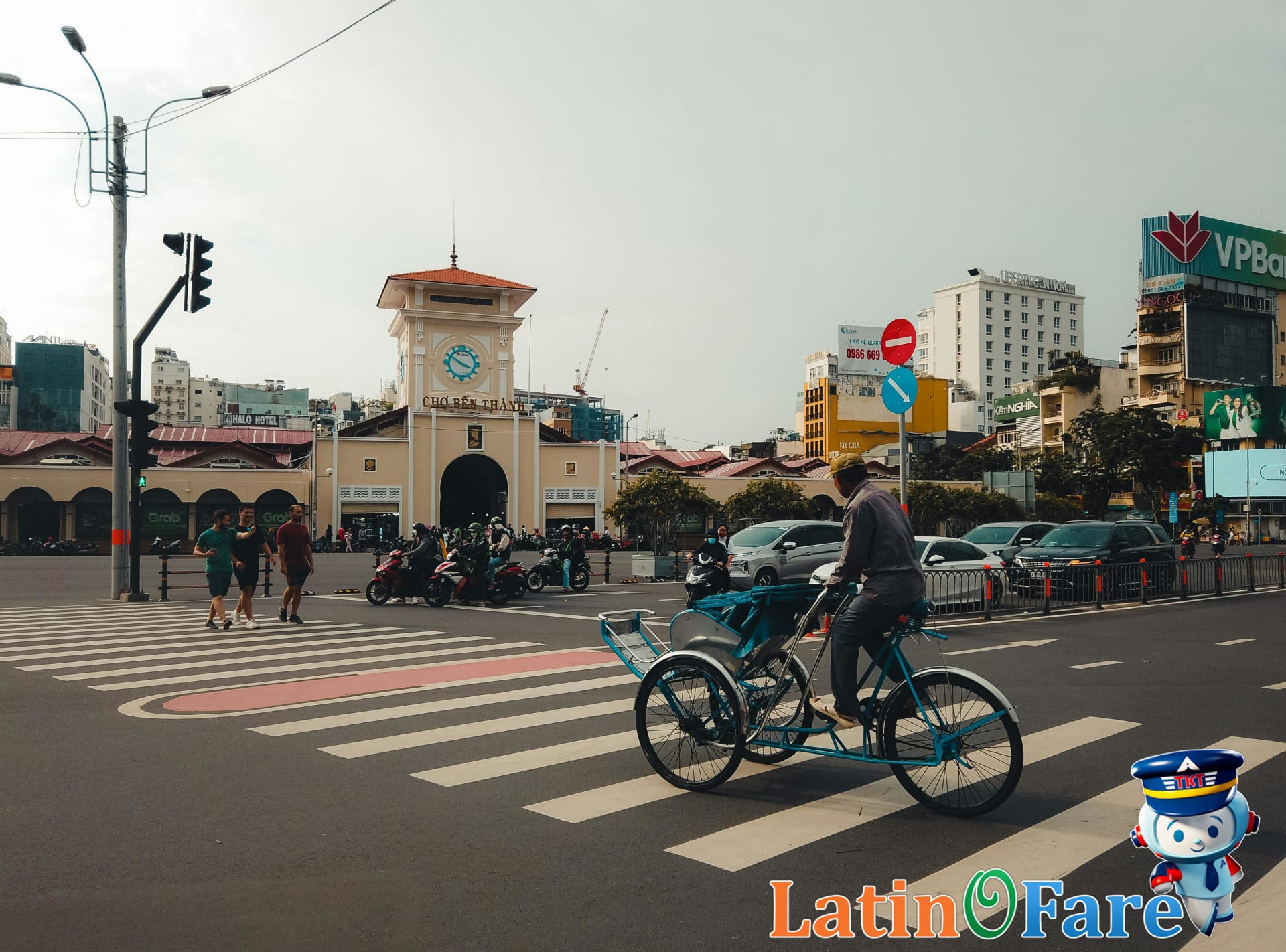
Bottom line: Districts 1 and 3 cover convenience and nightlife with varying calm, Phu Nhuan suits budget seekers craving a local feel, and Binh Thanh fits those after a safer, emerging scene. Each offers a slice of Saigon’s character while keeping safety within reach.
5-7 Day Suggested Itinerary in Ho Chi Minh City
Ho Chi Minh City demands more than a quick glimpse. Here’s a balanced itinerary that packs in the essentials while giving you room to breathe. I’ve included transport tips and meal ideas to keep you fueled and moving efficiently.
Day 1: City Center Highlights
Start at Ben Thanh Market early morning to dodge crowds and grab a $2 phở breakfast from one of the vendors in District 1. Walk over to the Notre-Dame Basilica (opens 8:00 a.m.), appreciating the French colonial architecture, then slip into the Saigon Central Post Office (entry is free, open 7:00 a.m. to 7:00 p.m.). This cluster is walkable within 30 minutes.
Lunch suggestions include Pho Hoa on Pasteur Street, about a 10-minute taxi ride ($3-$4). The afternoon can be spent resting at a café — I track local favorites through LatinOFare and found The Workshop Coffee (9:00 a.m. to 8:00 p.m.) to be a solid spot for a cold drip and free WiFi.
Day 2: History and Culture Deep Dive
Take a taxi ($5-$7 from District 1) or the new metro line 1 to the War Remnants Museum (opens 7:30 a.m. to 6:00 p.m.). Allocate 1.5-2 hours for exhibits. Then walk 10 minutes to Independence Palace, entrance fee is 40,000 VND ($1.70), with tours lasting about one hour.
For lunch, opt for Bún Chả 145 Bùi Viện; their grilled pork and noodles start at 55,000 VND ($2.40). Spend the afternoon wandering Đakao District, a quieter side of the city with local markets and street cafes.
Day 3: Cu Chi Tunnels + Jade Emperor Pagoda
The Cu Chi Tunnels tour is a half-day trip, usually 4-5 hours including round-trip transportation. Kim Tran Travel in District 1 charges about $20 for the excursion booked online, departing around 8:00 a.m. You return by early afternoon. From there, take a taxi (roughly $6) to Jade Emperor Pagoda for a peaceful visit, typically 1 hour is enough.
Evening options? Ben Thanh Night Market for street food favorites like bánh xèo and fresh sugarcane juice, around 70,000 VND ($3) per plate.
Day 4: Modern Views and Theater
Head to Bitexco Financial Tower’s Skydeck (entrance 200,000 VND / $8.50, open 9:30 a.m. to 9:30 p.m.) early morning to avoid lines. The panoramic views are best mid-morning. Walk 12 minutes to Saigon Opera House, whose building itself is photo-worthy. Check if there’s a performance — tickets range from $10 to $30 depending on seating.
Cafés like L’Usine on Le Loi Street offer brunch, with mains around 120,000 VND ($5). Afterward, enjoy an easy stroll around Nguyen Hue Walking Street.
Days 5-7: Flexible Options to Match Your Pace
Shoppers can spend a day at Saigon Square or Vincom Center, which are metro-accessible and offer AC that city walking lacks. Foodies might prefer a guided street food tour; my friend Maria Lopez, a food blogger in Ho Chi Minh City, booked one for March 2025 through local operators at $25 for 4 hours, sampling six dishes.
The Mekong Delta calls for a full day. Minh Chau, a tour guide from My Tho, offers a $30 adventure including boat rides and local meals, picked up at your hotel around 7:30 a.m.
Transport choices: Metro Line 1 covers many spots, but taxis remain affordable ($3–$10) and practical after dark or when schedules are tight.
LatinOFare helped me spot deals on airport transfers and local rides during my February 2026 trip, saving about 20% on ground transport combined. Planning your days with realistic timing—factoring in Ho Chi Minh City traffic and rest breaks—makes a huge difference in enjoying this vibrant city without burnout.
Realistic Budget Planning for Ho Chi Minh City
Ho Chi Minh City offers a wide range of options across budgets. Accommodation costs are a major factor: budget travelers can find hostel dorm beds for $7–$12 per night, like Saigon Youth Hostel, January 2026 rates. Mid-range hotels, such as the Blue Diamond Hotel, average $45–$65 nightly with basic amenities. Upscale options like Hotel Nikko Saigon start around $130 per night, offering more comfort but adding to your total spend.
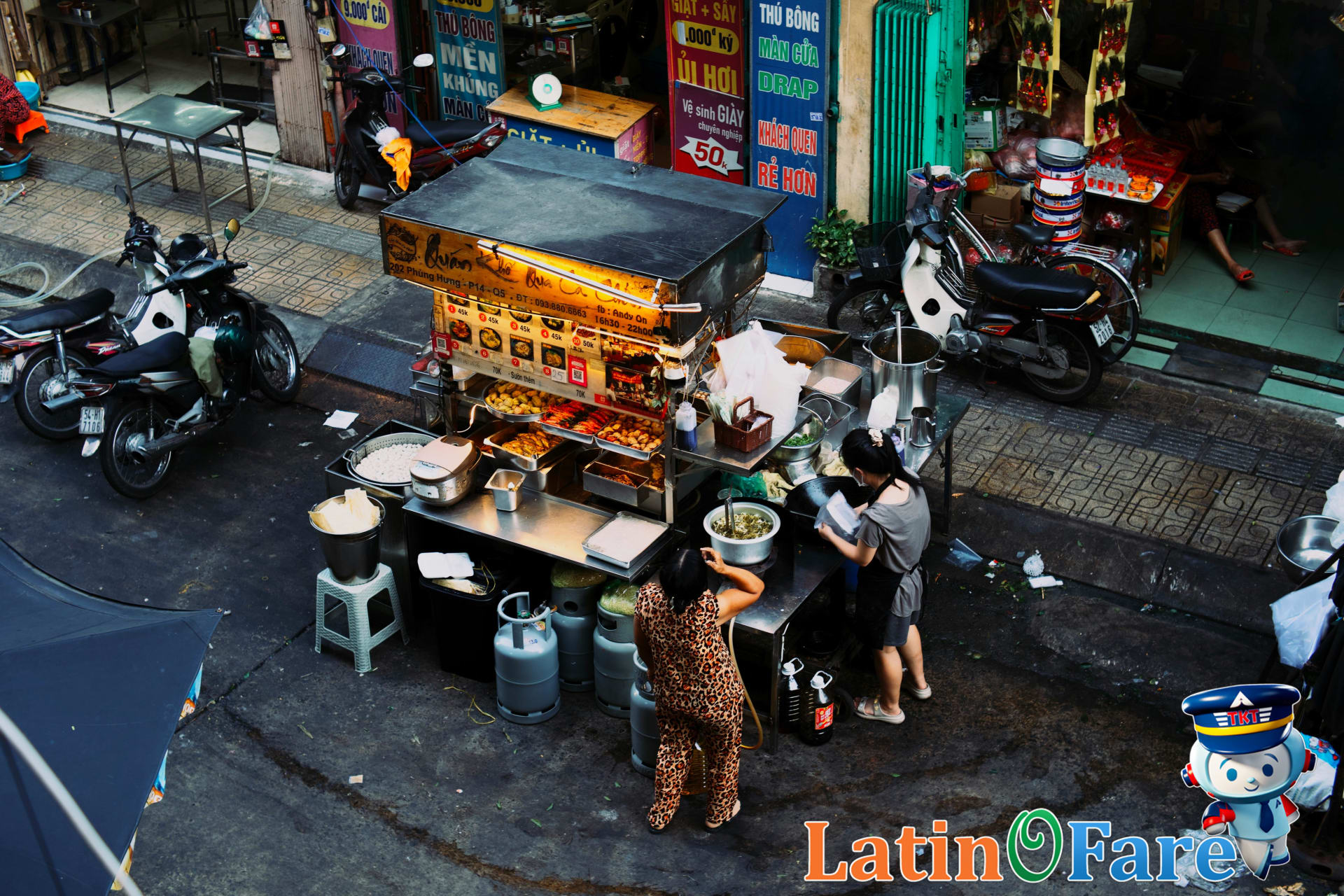
Street food remains one of the best ways to save on meals without sacrificing flavor. Expect to spend $1.50–$3 per dish on popular options like pho or banh mi from vendors around District 1. Casual restaurants usually price meals at $5–$12, while dining in nicer establishments can push $20 and up per person.
Transportation costs depend on how much you move around and the type of service you choose. An airport taxi from Tan Son Nhat to the city center runs approximately $12–$15 (February 2026 rates). Riding local buses costs about $0.25 per trip, but taxis and ride-hailing apps like Grab average $2–$5 for short rides within the city. Be cautious of taxi drivers who might overcharge tourists; always agree on price or insist on the meter.
Attractions such as the War Remnants Museum cost $2 (2026 ticket price), while guided city tours typically range from $15 to $30, depending on length and inclusions. Some pagodas and markets are free or ask for small donations, so research specific sites beforehand.
Extras like souvenirs and nightlife can add up quickly. A quality keepsake in Ben Thanh Market costs between $3 and $15. Bars in District 1 often charge $2.50–$6 for local beers, but upscale rooftop venues can double that. Setting aside around $50 for unplanned expenses or emergencies is wise.
Pro tip: Booking accommodation and tours in advance through platforms like LatinOFare can secure better rates and availability. Use mobile payment apps—ViettelPay or Momo—with care, confirming transaction details. When negotiating prices for taxis, souvenirs, or services, start low and expect to settle near 70% of the initial asking price. Avoid fixed-price vendors who don’t tolerate bargaining.
Frequently Asked Questions About Visiting Ho Chi Minh City
How to skip lines at Ho Chi Minh City attractions?
Booking tickets online in advance for popular sites like the War Remnants Museum or Cu Chi Tunnels saves you from long queues. Some tours include priority access. For example, Sarah Tran, a UX designer from Hanoi, shared on Reddit in January 2026 that pre-booking saved her two hours at Cu Chi Tunnels.
What is the best time to visit Ho Chi Minh City?
December through April offers the driest weather with temperatures between 77°F and 95°F. Minh Le, a software engineer from San Jose, visited in February 2025 and found the weather ideal for sightseeing and outdoor meals.
When should I exchange money for Vietnamese dong?
Exchanging currency upon arrival at Tan Son Nhat Airport gives you reasonable rates, but local exchange kiosks in District 1 often offer better rates. In March 2026, Carlos Ruiz, an accountant from Mexico City, got 23,400 VND per USD at a downtown exchange, compared to 22,900 VND at the airport.
Why should I learn basic Vietnamese phrases before visiting?
Basic phrases like “Cảm ơn” (thank you) or “Bao nhiêu tiền?” (how much?) ease negotiations and show respect. Emily Johnson, a teacher from Seattle, shared on FlyerTalk that knowing simple greetings improved her interactions and helped avoid tourist pricing during her January 2026 trip.
Can I use credit cards everywhere in Ho Chi Minh City?
Credit cards work at most upscale hotels, restaurants, and malls, but cash is king for street food and markets. Taxi drivers in early 2026 mostly preferred cash, so carrying at least 500,000 VND ($21.50) is wise.
How safe are the neighborhoods recommended for staying?
District 1, 3, and Phu Nhuan are considered safe with a strong police presence and lively communities. Maria Fernandez, a freelance writer from Madrid, stayed in District 3 in November 2025 and felt secure walking at night around her hotel area.
What transportation is best from Tan Son Nhat Airport?
For convenience and cost-effectiveness, the Grab rideshare app is popular, charging around 150,000 VND ($6.50) to District 1 as of February 2026. Airport taxis with fixed rates around 200,000 VND ($8.60) are a solid backup.
I track flight deals and local tips for Southeast Asia at LatinOFare, which helped me spot price drops and plan a smooth trip to Ho Chi Minh City last winter.
Conclusion and Traveler Encouragement
Respecting local culture, targeting efficient sightseeing routes, budgeting smartly, and sticking to safe travel zones form the backbone of a smooth Ho Chi Minh City trip. These aren’t just travel clichés — they’re strategies that save time, money, and headaches.
LatinOFare plays a big role once you’re ready to book. Their platform offers some of the lowest fares I’ve seen, with an easy booking process that doesn’t bog you down. Plus, their 24/7 traveler support means you’re never left in the lurch—whether you need help before purchase or have questions mid-trip.
Start planning your Ho Chi Minh City adventure today and see the difference affordable fares and reliable service make firsthand. See what we can offer for your travel needs AirTkt.
References
The travel details and guidelines featured in this article are cross-checked with authoritative sources to ensure accuracy. For visa and destination-specific information on Vietnam, visit the official Vietnam National Administration of Tourism site.
Security and passenger regulations referenced come from the Transportation Security Administration (TSA), ensuring you know what to expect at U.S. airports. For broader airline industry standards and policies, the International Air Transport Association (IATA) offers updated resources on ticketing and travel rules.
When booking through LatinOFare, you benefit from consolidated, accurate information sourced from these and other official entities, helping you avoid surprises on your trips.