

Experiencing Mardi Gras Traditions Firsthand

New Orleans’ Mardi Gras is unlike any celebration I’ve ever witnessed. This legendary festival draws travelers from all corners of the globe, eager to be swept up in a whirlwind of parades, music, and dazzling costumes. The moment I arrived in the city during Mardi Gras season, I was instantly surrounded by the sounds of brass bands and the sight of beads flying through the air—energy that’s impossible to resist.
Iconic traditions define the experience: vibrant floats rolling down St. Charles Avenue, masked krewe members tossing trinkets to the crowd, and the sweet, cinnamon-laced king cake making its way into every gathering. The entire city transforms into a giant street party, with locals and visitors sharing in the revelry from dawn until well past midnight.
If you’re thinking about joining the festivities, keep in mind that travel demand skyrockets during Mardi Gras. Flights and hotels fill up fast, and prices rise sharply as the event approaches. I usually recommend checking out the latinofare.com guide to affordable flights to New Orleans as early as possible—waiting until the last minute can mean paying much more or missing out on prime locations altogether.
Understanding Mardi Gras Traditions

Mardi Gras is more than just beads and parades—it’s a vibrant tradition with deep historical roots. The celebration starts with Carnival season, which kicks off on January 6 (Epiphany), and builds up to its grand finale on Fat Tuesday, the day before Lent begins. Each year, New Orleans transforms into a swirl of color, music, and masked revelers, all honoring traditions that date back centuries.
Costumes and masks are a huge part of Mardi Gras. Wearing them isn’t just about fun; it’s a way to erase social boundaries—everyone becomes part of the spectacle. The “krewes,” or parade organizations, each have their own history and secret rituals, and they spend months designing elaborate floats and throws. What surprised me most was how each krewe guards their float themes and designs until parade day, adding a layer of anticipation and mystery to the festivities.
Each parade has a unique theme, often tied to local history, satire, or fantasy. Some krewes are famous for their signature collectibles, like the hand-decorated Zulu coconuts or the glittering Muses shoes. If you’re planning a visit, I’d recommend reading up on the different krewes and their traditions—there’s always something unexpected to discover. For a deeper dive into the customs, the official Mardi Gras New Orleans website is a great resource. And if you want more tips for exploring the city, check out the latinofare.com New Orleans destination guide.
Top Parade Routes to Experience

New Orleans Mardi Gras parades take over the city, but not all routes feel the same. Uptown is a classic—think giant floats rolling down Magazine and Napoleon, with lots of space for standing and family groups. If you want a true community vibe, the Marigny’s smaller streets let you get close to the action, especially during the quirky Krewe du Vieux parade. The French Quarter is wild and packed, perfect for those who want to dive into the city’s most energetic side, but it’s less ideal for kids or anyone looking for elbow room.
For families or first-timers, St. Charles Avenue is the easiest route to navigate. There are grassy medians (locals call them “neutral grounds”) where you can set up chairs for free, and it’s less overwhelming than the Quarter. I’ve always found the St. Charles stretch best captures the Mardi Gras spirit—everyone’s friendly, and you can catch beads without getting crushed by crowds. If you want more tips for navigating the city, I’d check out the latinofare.com New Orleans destination guide before you go.
To plan your parade days, map out which krewes you want to see and arrive at least an hour early for good sidewalk spots. Most viewing is free—paid grandstands are available but can get expensive, and I rarely find them worth the splurge unless you need guaranteed seating. Bring your own snacks and drinks; parade vendors charge about $5.00 for a soda, and lines get long fast.
King Cake and Local Treats

No Mardi Gras celebration in New Orleans is complete without king cake. This ring-shaped pastry is a sweet, brioche-style dough, usually braided and topped with purple, green, and gold sugar—symbolizing justice, faith, and power. Traditional king cakes are cinnamon-flavored, but you’ll also find rich fillings like cream cheese, praline, or even fresh fruit. The real fun comes with the tiny plastic baby hidden inside: whoever finds it in their slice is expected to buy the next cake or host the next party.
Some of the best king cakes in New Orleans come from local bakeries like Gambino’s and Haydel’s. Many shops offer national shipping, so you don’t have to be in Louisiana to join the tradition. I always look for a cream cheese-filled king cake—Haydel’s version is my personal favorite because it’s not overly sweet and has just the right amount of filling.
To join in locally, check bakeries and grocery stores throughout the city starting in early January. If you’re planning a trip, consider adding a stop at one of these bakeries to your itinerary. For even more foodie inspiration, check out our latinofare.com New Orleans restaurant highlights.
Step-By-Step Mardi Gras Trip Planning
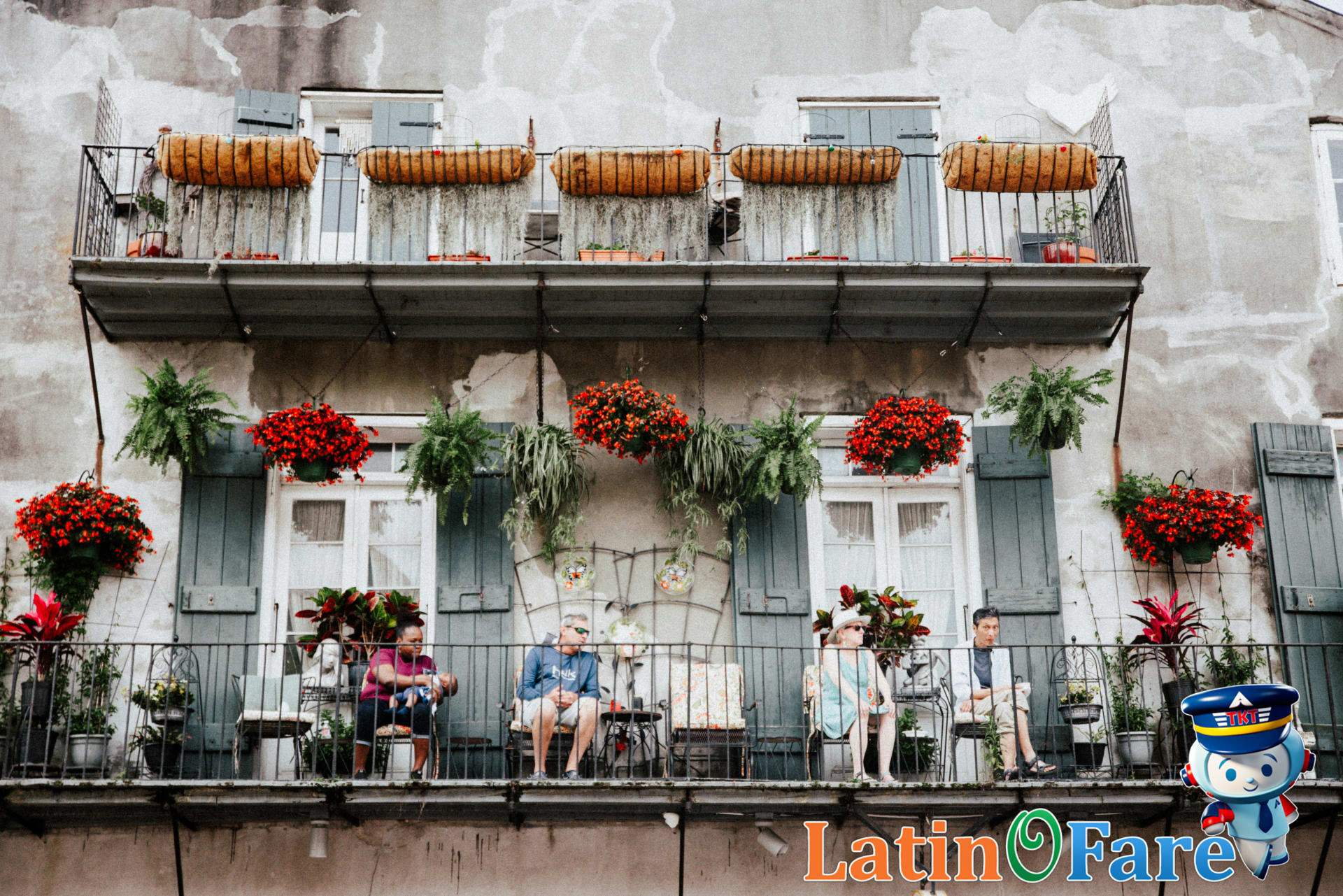
For Mardi Gras, start booking flights and hotels as early as possible—ideally several months ahead. Prices surge as Fat Tuesday nears, so using a flexible date search (like the one on latinofare.com) can make a big difference. I learned the hard way that waiting too long meant higher fares and fewer hotel choices.
When picking a neighborhood, consider how close you want to be to the French Quarter or parade routes. The Quarter is lively but noisy and expensive, while areas like the Garden District or Marigny offer a quieter vibe and easier parking. Safety varies block by block, so check recent local advice before booking.
Car rentals can be tricky during Mardi Gras due to street closures and limited parking. Unless you’re planning day trips outside the city, I’d compare rental costs to public transit options. The streetcar and bus system, managed by NORTA, covers most parade areas and saves you the headache of parking.
Arriving a couple of days before the main parades helps you settle in and adjust to the crowds. Leaving right after Fat Tuesday can mean long waits at the airport, so I usually recommend staying an extra night if possible.
Must-Know Tips for First-Timers
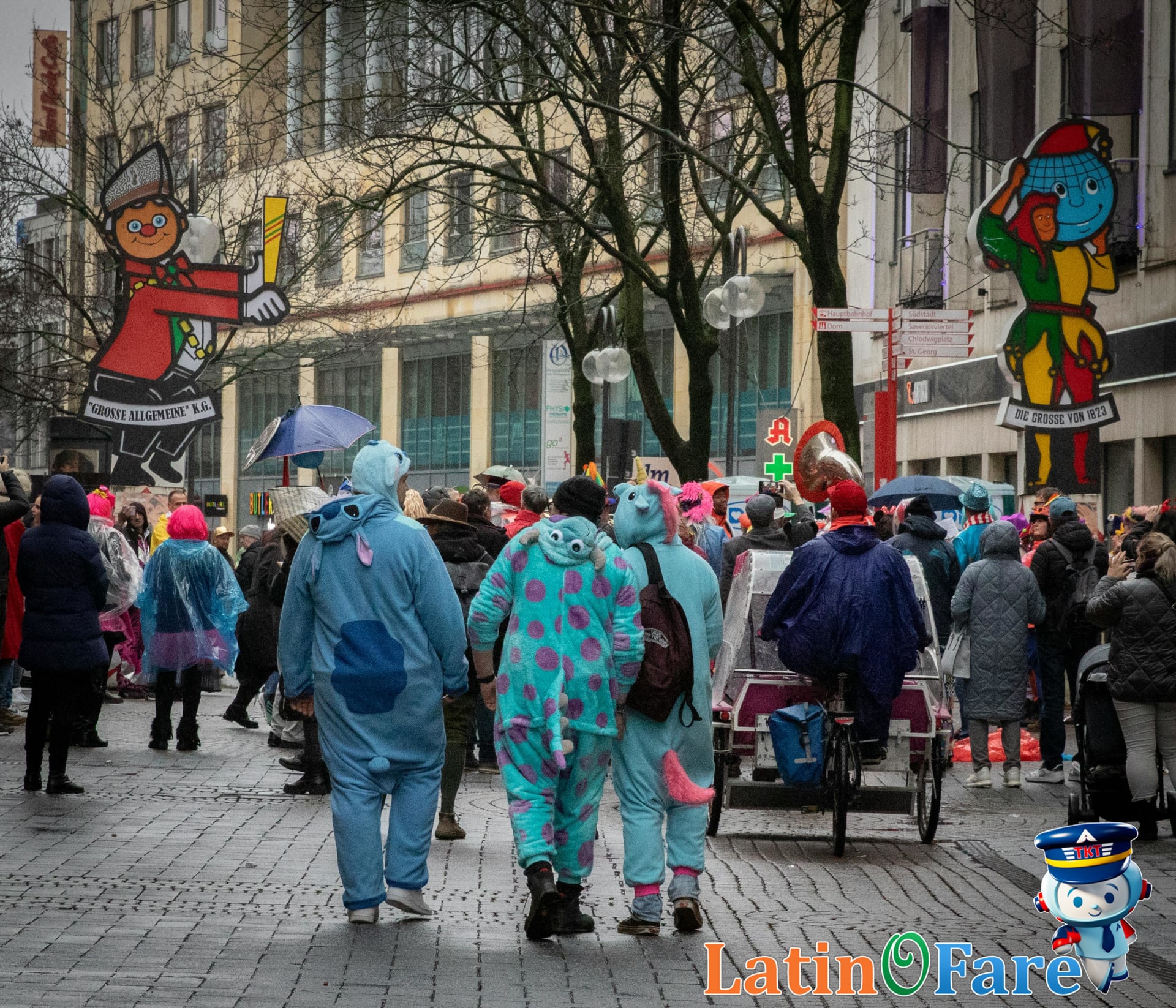
Mardi Gras parades are exciting, but they can also be overwhelming—especially for first-timers. I always pack light, wear comfortable shoes, and choose layered clothing since weather in New Orleans can shift from chilly mornings to warm afternoons. Bright but casual attire helps you blend in without drawing unnecessary attention, which is especially important in crowded areas.
For families, St. Charles Avenue is a classic spot with a more relaxed vibe, making it easier to keep an eye on kids and enjoy the festivities. I keep valuables in a zippered crossbody bag worn in front—pickpocketing does happen in dense crowds. If you’re traveling with little ones, bring ear protection and snacks, and always set a meeting point in case you get separated.
One tip I never skip: I download the official parade tracker app (Mardi Gras Parade Tracker) before heading out. It gives real-time updates on parade locations and delays, which helps avoid long waits and lets you plan bathroom or food breaks without missing the action. If you’re looking for more guidance on festival safety or family travel, check out the resources on latinofare.com for practical tips.
Mardi Gras History in a Snapshot
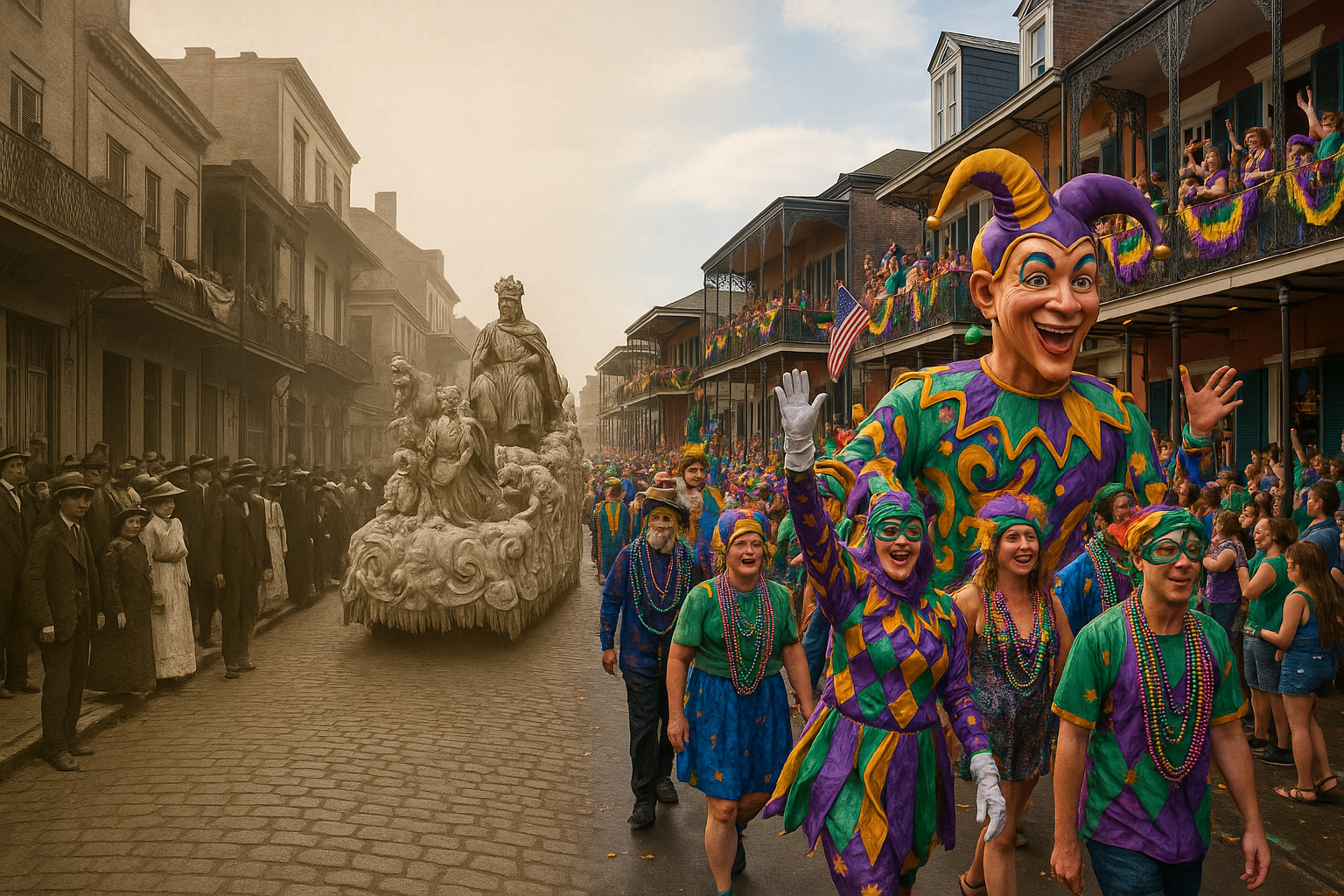
Mardi Gras in New Orleans traces its roots to French Catholic settlers, who brought pre-Lenten festivities to Louisiana in the 18th century. The first masked balls and street celebrations were quite different from today’s grand parades, but they set the foundation for what would become a city-wide spectacle of music, costumes, and community spirit.
Over time, Mardi Gras evolved dramatically. The formation of krewes in the 19th century introduced elaborate floats and themed processions, while the tradition of throwing beads and trinkets—now iconic—emerged much later. Modern Mardi Gras is massive, spanning weeks and drawing crowds from around the world, yet the infectious energy and sense of tradition remain constant. I always find it fascinating how centuries-old customs still pulse through the streets, shaping the city’s unique atmosphere each year.
For a deeper dive into this history, I recommend checking out the Mardi Gras Museum. Their exhibits bring the festival’s evolution to life, and you can find current hours and event info on their official website.
Budget Breakdown for Mardi Gras
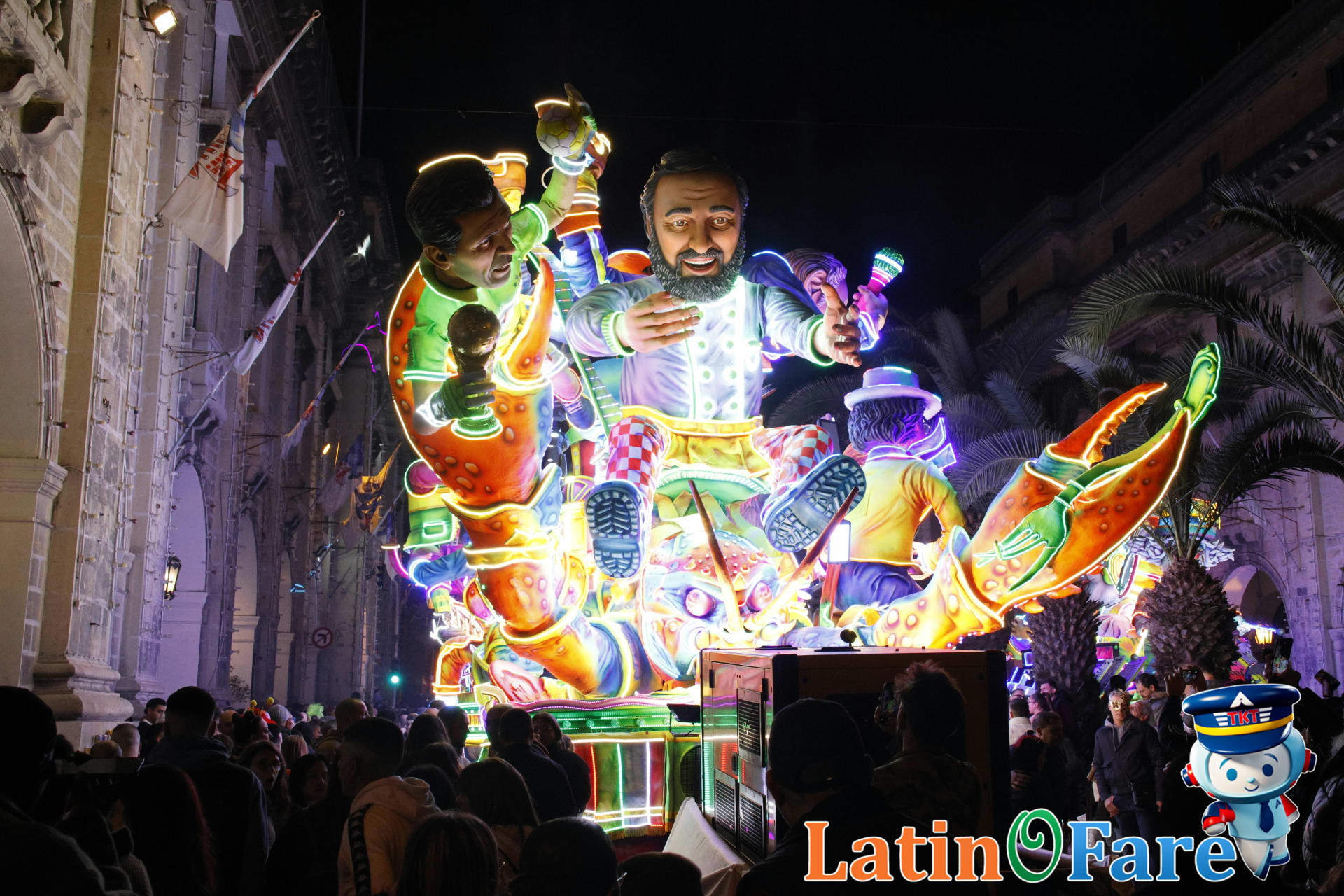
Costs during Mardi Gras can surprise even seasoned travelers—hotel rates and flights often spike as the celebration nears. If you want to keep your expenses in check, the best strategy is to book both your accommodation and airfare months ahead. I’ve done Mardi Gras on a budget before, and it made the experience feel more local and spontaneous, though I had to plan early to snag decent rates.
| Budget | Mid-range | Luxury | |
|---|---|---|---|
| Accommodation | $70.00 | $180.00 | $420.00 |
| Food | $20.00 | $55.00 | $130.00 |
| Transport | $12.00 | $35.00 | $80.00 |
| Activities | $15.00 | $40.00 | $90.00 |
During peak Mardi Gras, even hostels and basic hotels can charge premium prices. Advance booking is absolutely essential—waiting until the last minute almost always means higher costs and fewer options. If you’re looking for more budget travel advice, check out the latinofare.com guide to saving on flights and hotels.
Top Mardi Gras in New Orleans FAQs
- When does Mardi Gras in New Orleans usually take place?
Mardi Gras in New Orleans culminates on Fat Tuesday, which falls 47 days before Easter. Parades and festivities begin weeks before the main day, often starting in January. I recommend checking the official New Orleans tourism site each year for the exact dates since they change annually.
- What are the best parade routes to watch?
The most popular parade routes run along St. Charles Avenue and Canal Street. These areas offer vibrant crowds and classic floats. For a more local feel, try Uptown neighborhoods. Arrive early to claim a good spot, especially on weekends when the biggest parades roll through.
- Where should I stay during Mardi Gras in New Orleans?
Staying in the French Quarter or Central Business District puts you close to the action, but hotels book up early. If you prefer quieter nights, look for accommodations in the Garden District or Mid-City. I always make sure to reserve my room several months in advance for peace of mind.
- How can I get an authentic king cake?
For a true taste of Mardi Gras in New Orleans, order king cake from local bakeries like Manny Randazzo or Dong Phuong. Many offer shipping or in-store pickup. If you’re in town, consider pre-ordering since king cakes can sell out quickly during peak season.
- What should I pack for Mardi Gras in New Orleans?
Pack comfortable walking shoes, layers for unpredictable weather, and a rain poncho just in case. Don’t forget festive accessories like beads or masks, though you’ll catch plenty at parades. A small backpack is handy for snacks, water, and any treasures you collect along the parade routes.
- Is Mardi Gras in New Orleans family-friendly?
Many parades, especially those Uptown and during the day, are family-friendly with plenty of activities for children. Avoid Bourbon Street at night, as it gets rowdy. Bring ear protection for kids and check parade schedules for “Family Day” events designed with younger visitors in mind.
- How can I save money on flights for Mardi Gras?
Book flights as far in advance as possible, since prices climb closer to Mardi Gras. Use flexible travel dates if you can. For more booking tips and deals, I’d check latinofare.com for affordable airfare and hotel options during peak season.
Wrapping Up Your Mardi Gras Adventure
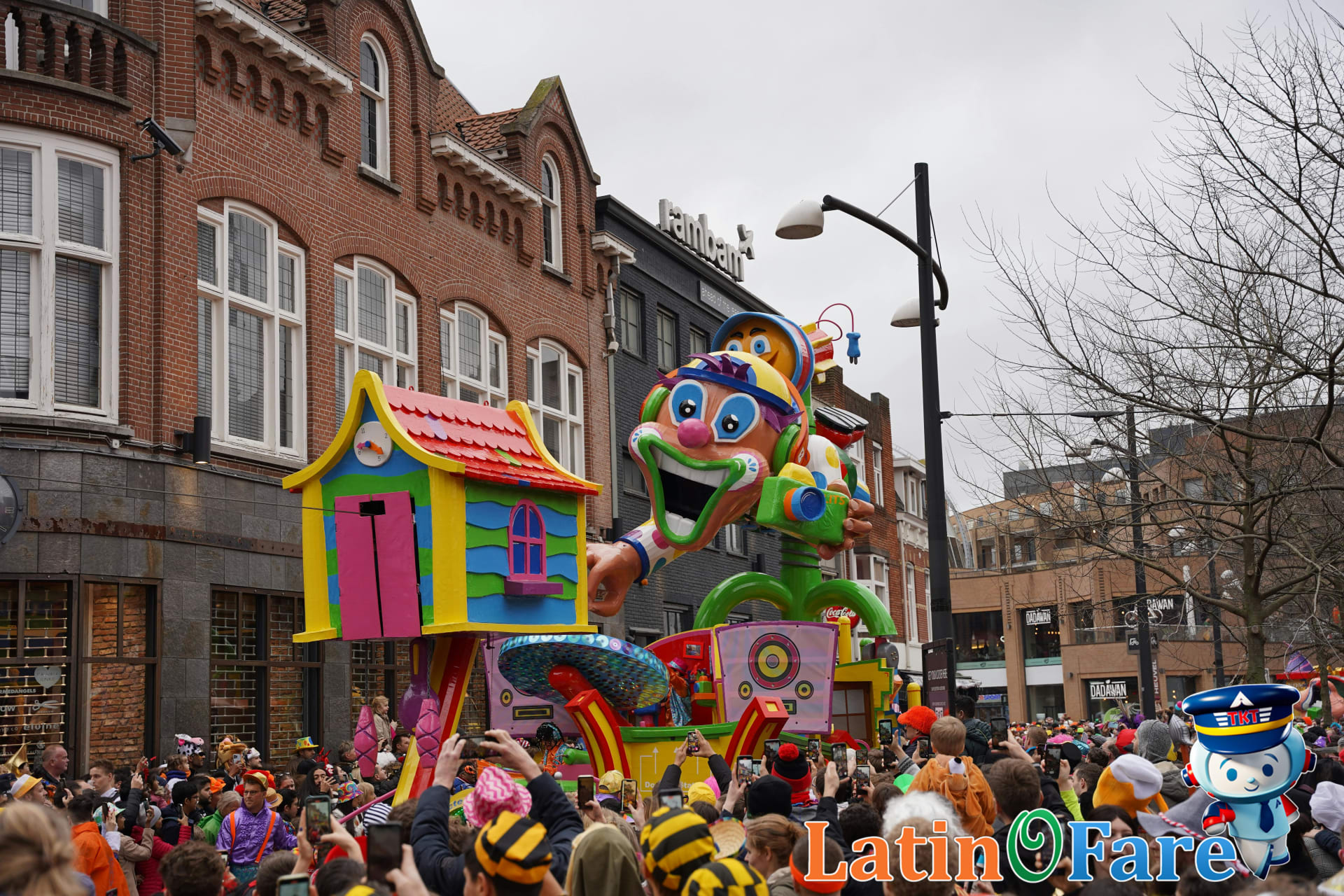
After all the parades, beads, and king cake, the biggest takeaway is that Mardi Gras is best enjoyed with a little planning—especially if you want to keep your trip budget-friendly. Booking early, choosing your parade routes, and keeping an eye on local schedules really pays off. I always find that the spontaneous street celebrations are my favorite part, and I’d encourage anyone to experience them at least once.
If you’re already dreaming of next year, start looking at flights and accommodations sooner rather than later. Sites like latinofare.com can help you spot deals before prices climb. And if you’re curious about other festive destinations, check out our other seasonal destination guides for more inspiration.