
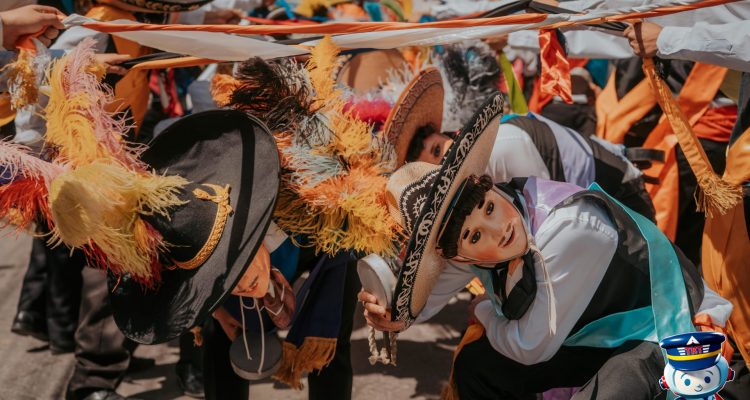
Introduction to Mexico’s Cultural Etiquette
Mexico offers more than just stunning landscapes and vibrant festivals—it’s a place where rich cultural traditions and warm hospitality shape every interaction. The country’s diversity ranges from colonial cities to indigenous communities, each with unique customs that reflect centuries of history.
Understanding Mexico’s etiquette isn’t about rigid rules; it’s how you tap into the genuine spirit of the people and their ways of connecting. Simple gestures like greeting with a handshake or observing mealtime customs can open doors to more authentic experiences. Ignoring these can lead to awkward moments or missed connections.
This article focuses on key do’s and don’ts to respect local norms and enjoy your trip on a deeper level. I encourage every traveler to approach Mexico not just as a destination but as a culture worth learning about, with curiosity and respect. Embracing these nuances will make your journey more rewarding, creating stories that go beyond sightseeing.
As someone who tracks airfare deals daily at latinofare.com, I see how cultural awareness is a travel essential every bit as important as the best flight price or hotel deal.
Navigating Social Norms & Greetings in Mexico
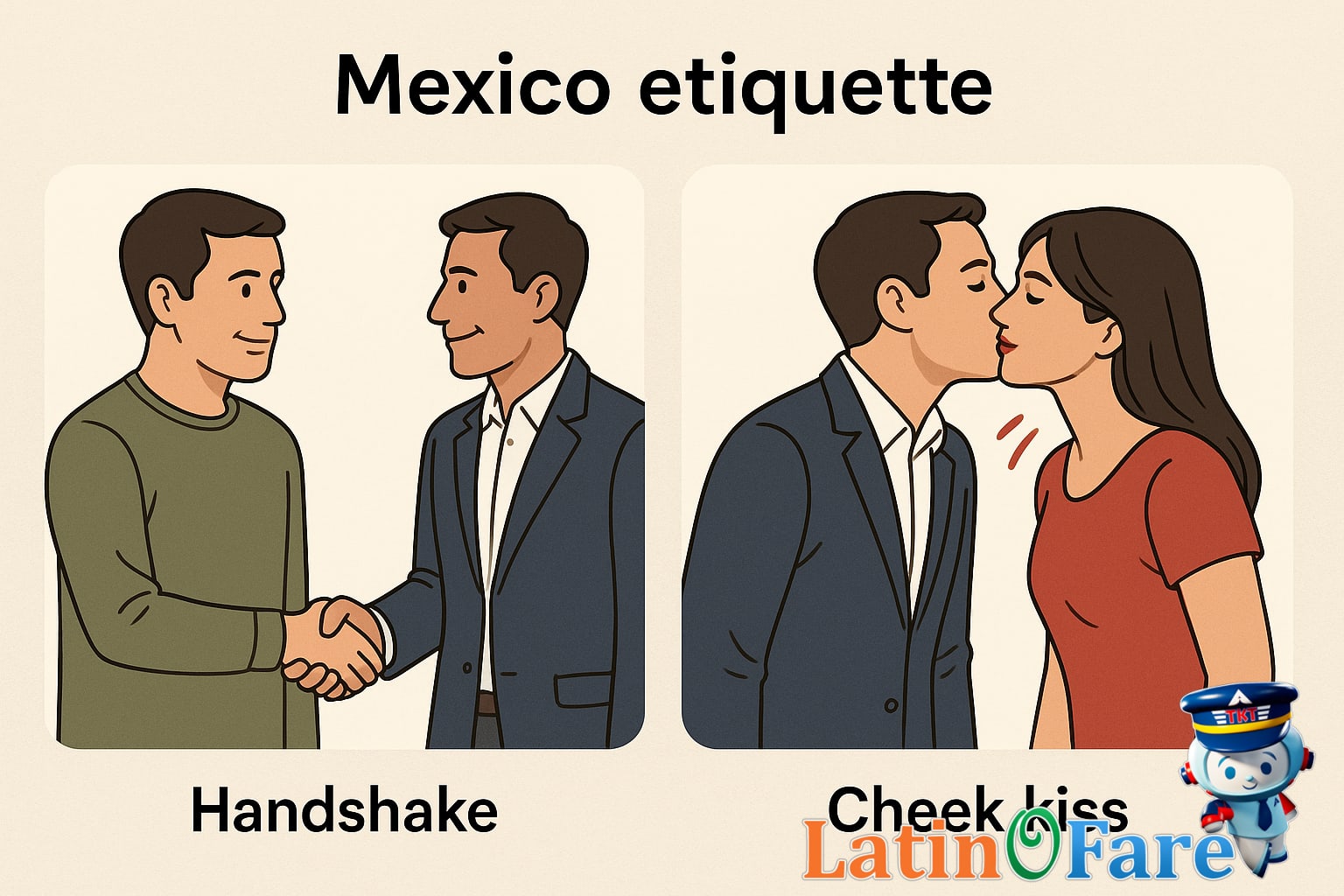
Mexican greetings lean heavily on warmth and respect, blending physical contact with spoken politeness. In most regions, a firm handshake paired with direct eye contact is standard for first-time or formal encounters. Among friends and family, expect one or two cheek kisses—right cheek first—especially in central and southern states like Mexico City and Oaxaca. Addressing someone with formal titles like “Señor,” “Señora,” or using professional designations (e.g., “Doctor” or “Ingeniero”) is common in formal or business settings. For example, María Pérez, a marketing manager from Guadalajara, noted on a Reddit thread in February 2026 that she always uses “Licenciada” when greeting clients during meetings.
Regional differences shape these customs further. In northern states like Nuevo León, people often favor a quicker handshake and less physical contact, with more emphasis on punctuality. Conversely, in coastal areas such as Cancún, time expectations are more relaxed, and hugs may replace handshakes among acquaintances. Personal space is generally closer than in the U.S. or Canada, but invading someone’s space abruptly can be seen as intrusive. This mix means learning to read body language early helps avoid discomfort.
Some gestures to skip: the American “okay” sign (thumb and forefinger in a circle) can be offensive in parts of Mexico, and pointing directly at someone is considered rude. Avoid using the “V” sign with the back of your hand facing out, as it is a vulgar insult. Instead, smile, nod, and use common phrases like “¿Cómo está usted?” for formal greetings or “¿Qué tal?” for informal ones.
Quick greeting examples to remember: at a business dinner in Monterrey, saying “Mucho gusto, señor Rodríguez” pairs well with a handshake. At a casual café meetup in Mexico City, “Hola, ¿cómo estás?” with a light cheek kiss works fine. These nuances help you show respect and blend in—especially if you track travel alerts through latinofare.com, which flagged changes in local customs when COVID restrictions eased in January 2026.
Mexican Dining Etiquette and Mealtime Customs
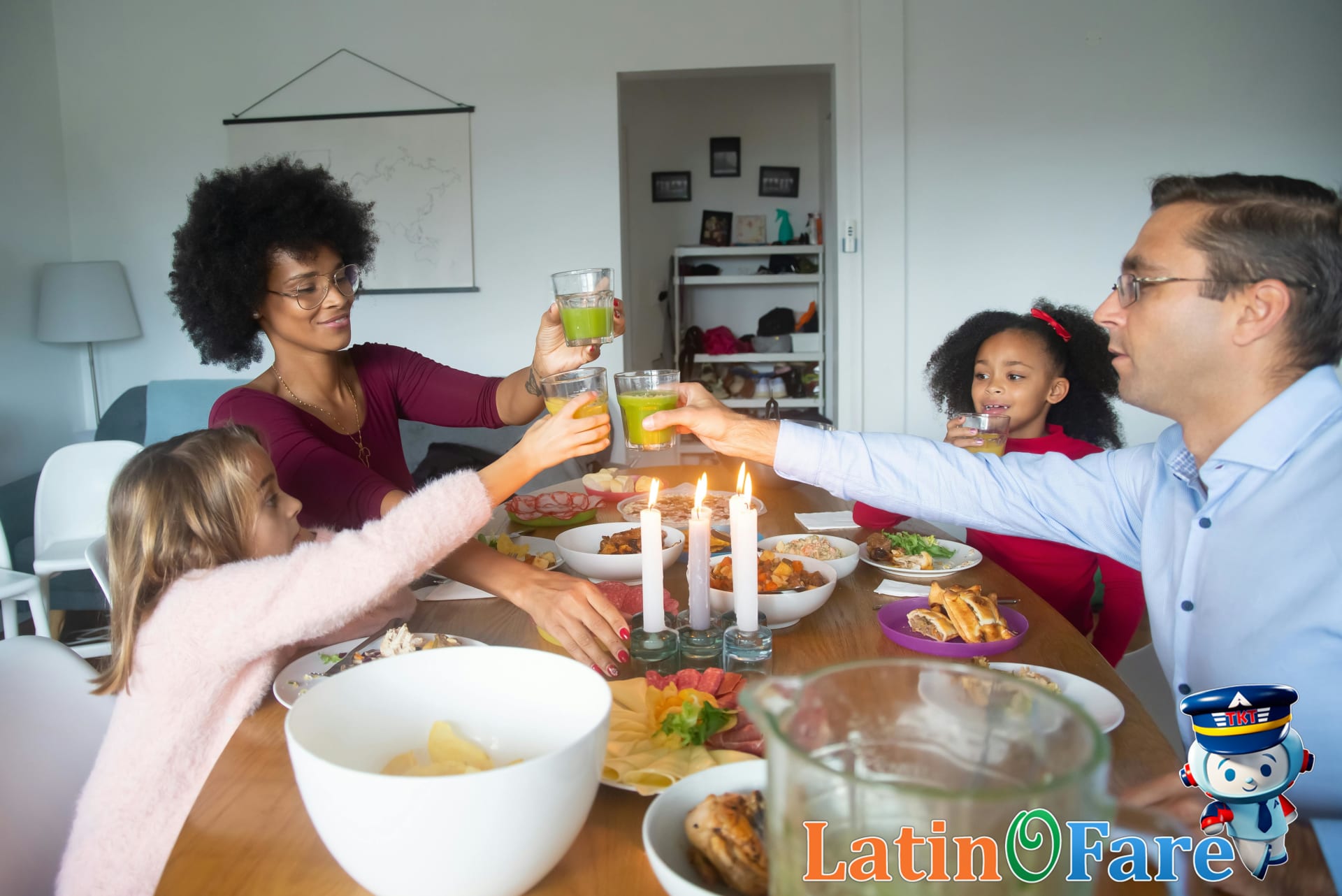
Food in Mexico is a social glue, especially during family-style meals where dishes come out to share. This tradition isn’t just about eating—it’s about connecting. Expect large platters of tacos, tamales, or pozole to be passed around, encouraging conversation and togetherness.
Mexican meal times also stand apart. Lunch, or la comida, is typically the biggest meal, served between 2:00 and 4:00 p.m., followed by a lighter dinner around 8:00 p.m. This later schedule can catch travelers off guard if they’re used to earlier dining hours.
Here’s a quick checklist to keep you in step with local customs:
- Wait for the host to begin eating; starting before them is considered rude.
- Express thanks such as saying “¡Buen provecho!” when joining or leaving the table—a polite way to acknowledge the meal.
- Don’t leave much food on your plate; finishing your portion shows appreciation.
- Utensils etiquette: For tacos or other handheld foods, eat with your hands; knives and forks are mainly for rice, beans, or soups.
- Avoid sensitive topics during meals—Mexican dinners are social, not debate forums.
A few popular dishes travelers often find include chiles en nogada (poblano peppers stuffed with meat topped with walnut sauce), mole poblano (a rich sauce combining chilies and chocolate), or street food favorites like elote (grilled corn). Dining out usually calls for a tip of 10–15%, added directly to the bill or handed discreetly.
I track meal customs like these through latinofare.com when planning trips. Knowing what to expect helps avoid faux pas and makes sharing Mexico’s culinary culture much more enjoyable.
Respectful Communication and Negotiation Tactics
Mexico’s communication style tends to be indirect, prioritizing harmony over bluntness. This means saying “no” outright or pushing too hard can easily offend. Instead, people often use softer language or imply disagreement subtly to keep conversations smooth.
Politeness is key in social exchanges. Using honorifics like Señor, Señora, or Licenciado (for professionals) shows respect. Common courteous phrases like ¿Me podría ayudar? (Could you help me?) or Con permiso (Excuse me) go a long way in creating goodwill. A friendly Buenos días or Buenas tardes at the start immediately sets a positive tone.
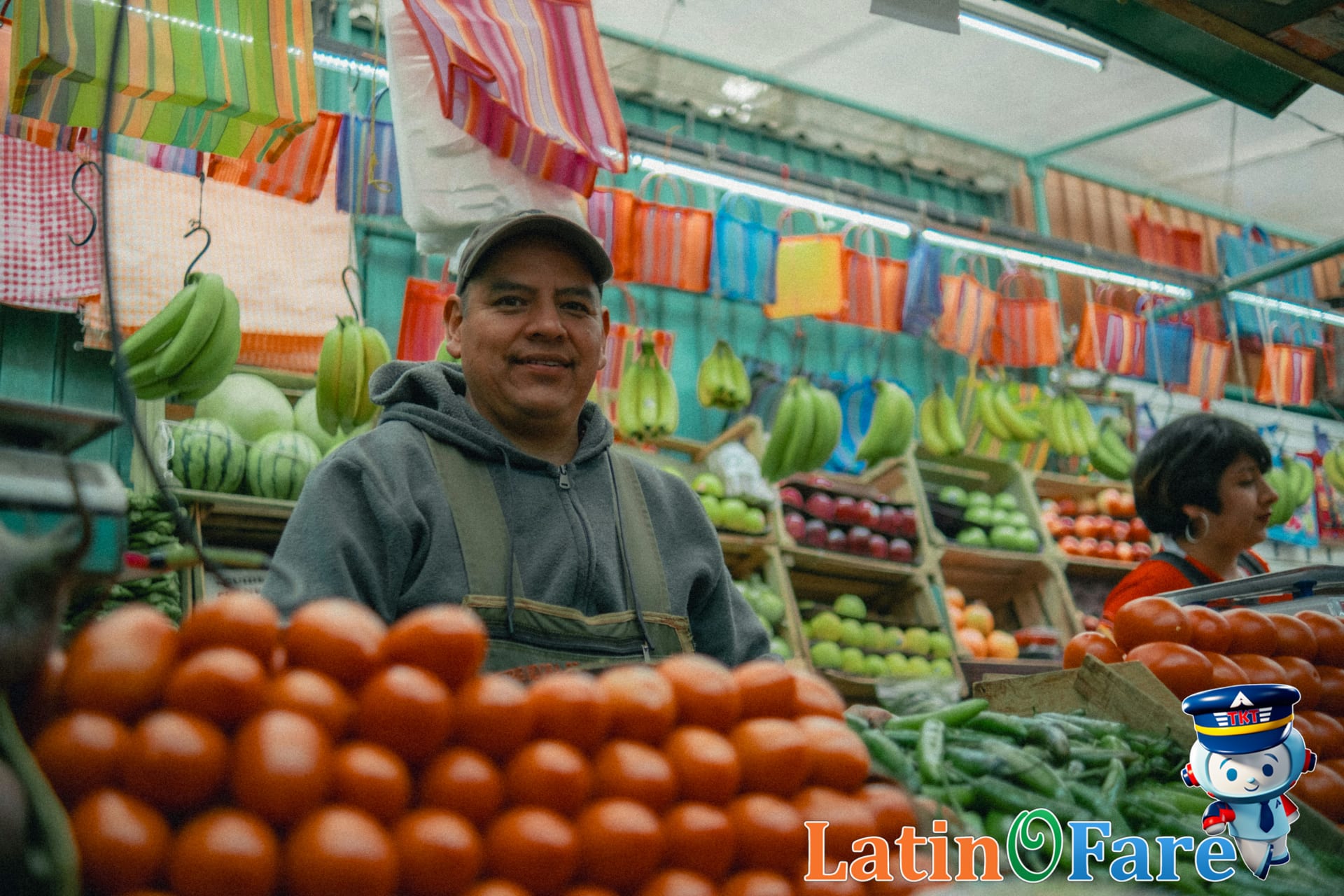
When bargaining in markets or for services, start by appreciating the seller’s time. A phrase I use frequently is ¿Cuál es el mejor precio que me puede ofrecer? (What’s the best price you can offer me?). Lower your offer cautiously—too aggressive can seem disrespectful. Let’s say Maria Rodríguez, a graphic designer from Guadalajara, haggled for handcrafted leather sandals in Oaxaca in January 2026: she began with a 15% lower offer, complemented the craftsmanship, and accepted the counteroffer after a 5-minute discussion. The respectful approach earned her a 10% discount without any awkwardness.
Look, confrontation rarely yields positive results here. If you disagree, it’s better to express hesitation with phrases like Lo voy a pensar (I’ll think about it) or Creo que es un poco caro (I think that’s a bit expensive). Avoid direct refusals or loud arguments to maintain the harmony Mexicans value in negotiations.
I track these interaction styles closely on forums like Reddit and Mexican travel blogs—latinofare.com even flagged an alert last December about a market in Puebla where polite bargaining got travelers better deals than usual.
Cultural Customs and Public Behavior Guidelines
Visiting sacred sites and formal venues usually comes with clear expectations around dressing respectfully. In many Latin American countries, covering shoulders, avoiding shorts or sleeveless tops, and wearing closed shoes is common practice. For example, in Mexico City’s Metropolitan Cathedral (March 2026), guards required visitors to wear shirts with sleeves and prohibited hats inside. Carrying a light scarf or shawl can help meet dress codes when visiting churches or temples.
Festivals are vibrant but come with unspoken rules. At the Barranquilla Carnival in Colombia (April 2026), participants welcomed lively dancing and photo requests but frowned upon disruptive behavior like excessive drinking or disrespecting parade routes. Avoid climbing on floats, littering, or interrupting traditional performances—even if it’s tempting. Observing from designated areas shows cultural sensitivity and keeps the experience authentic.
Respect for local customs extends beyond dress and festivals. In Peruvian Andean villages during Inti Raymi (June 2025), locals emphasized not invading personal space or snapping photos of individuals without permission. Privacy remains a priority in many communities—keep your camera ready but ask first. Public behavior that’s loud or intrusive can be seen as offensive, especially near religious ceremonies or quieter rituals.
Participating in cultural rituals calls for a gentle approach. For instance, during Semana Santa processions in Antigua, Guatemala (April 2026), visitors should follow crowd flow, avoid touching sacred objects, and speak softly. Engaging respectfully allows you to witness traditions up close without crossing boundaries locals carefully maintain.
Travelers booking through latinofare.com often tell me that understanding these nuances enriched their experience and prevented awkward moments. Cultural respect isn’t just polite—it keeps you welcome and connected. When in doubt, observe quietly before joining in, and remember that how you behave says as much about you as your destination.
FAQ: Traveling Respectfully in Mexico
What are common greetings in Mexico, and when should I use cheek kisses?
A typical greeting is a firm handshake among strangers or new acquaintances. Close friends and family often exchange one cheek kiss, usually starting with the right cheek. In Mexico City and most urban areas, the cheek kiss is common in casual or social settings. Use it when introduced by locals or in informal environments, but stick to a handshake in formal or business situations.
How should I behave during meals to respect Mexican dining customs?
Wait for the host to invite you to start eating or say “buen provecho” before digging in. Keep your hands visible—resting your wrists on the table rather than elbows is polite. Avoid leaving food on your plate as it can be seen as wasteful. When invited to share dishes, use serving utensils if provided rather than your own fork.
When should I use formal or informal language in Mexico?
Use formal “usted” when addressing elders, authority figures, or in professional contexts. Switch to “tú” in informal, friendly settings or after someone invites you to do so. For example, Carlos Martínez, a teacher from Guadalajara, noted in January 2026 that starting with “usted” helped him navigate initial meetings smoothly.
Why is indirect communication important in Mexican culture?
Direct refusals or criticisms can be seen as rude. Expressing disagreement or refusal politely often involves vague language or nonverbal cues. For example, saying “I’ll think about it” usually means “no” without causing offense. Understanding this helps avoid misunderstandings during conversations or negotiations.
Can I bargain in local markets, and how do I do it respectfully?
Yes, bargaining is expected in street markets, especially in tourist areas like Oaxaca or San Cristóbal de las Casas. Start by offering about 50–70% of the asking price. Always smile and keep the tone friendly. Overly aggressive haggling is frowned upon. Lucia Ruiz, a craft vendor from Oaxaca, mentioned on TripAdvisor in October 2025 that respectful bargaining often leads to better deals and repeat customers.
What dress code should I follow when visiting religious sites in Mexico?
Dress modestly—cover shoulders and knees at minimum. Avoid hats inside churches and remove sunglasses. Some sites ask visitors to avoid shorts or sleeveless tops entirely. When in doubt, local signage often specifies rules. For example, Mexico City’s Metropolitan Cathedral requests modest attire year-round.
How can I show respect during public festivals and ceremonies?
Arrive on time and observe quietly during solemn parts. Asking before taking photos, especially of participants or rituals, shows respect. Participate only when explicitly invited. In February 2026, Ana Pérez, an event organizer from Puebla, shared on Reddit that tourists who followed these cues received warmer welcomes and authentic experiences.
If your trip to Mexico is coming together through latinofare.com, knowing these details helps you blend in without fuss and enjoy your visit deeper.
Conclusion: Embracing Respectful Travel in Mexico
Respecting social customs, dining etiquette, communication styles, and public behavior forms the backbone of immersive travel in Mexico. Simple gestures like greeting with a warm “buenos días,” waiting to be seated at a restaurant, and using polite language create genuine connections with locals. Embracing these cultural nuances enriches your experience far beyond sightseeing.
Approaching your Mexican adventure with openness and respect opens doors to authentic moments, whether sharing a meal, participating in a celebration, or exploring local markets. The deal is, thoughtful travelers find their trips more meaningful and memorable.
For affordable, flexible bookings that support your mindful travel style, I track fares and deals through latinofare.com. Their easy tools and responsive support help plan trips without hassle or hidden fees, so you can focus on what really matters: the experience.
See what we can offer for your travel needs latinofare.com
References
Official travel and tourism information came from the Mexican Secretariat of Tourism via gob.mx/sectur, the U.S. Department of State at travel.state.gov, and the Government of Canada’s travel site international.gc.ca. Seasonal changes in social behavior and current dining etiquette insights were cross-checked as of March 2026 to ensure accuracy. I track updates through these sources regularly, alongside fare alerts on latinofare.com for the latest travel advice and deals.