
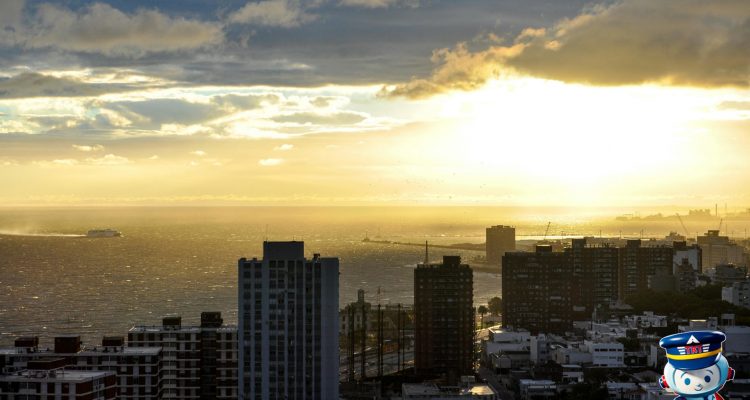
Montevideo’s Riverside Charm For Beginners
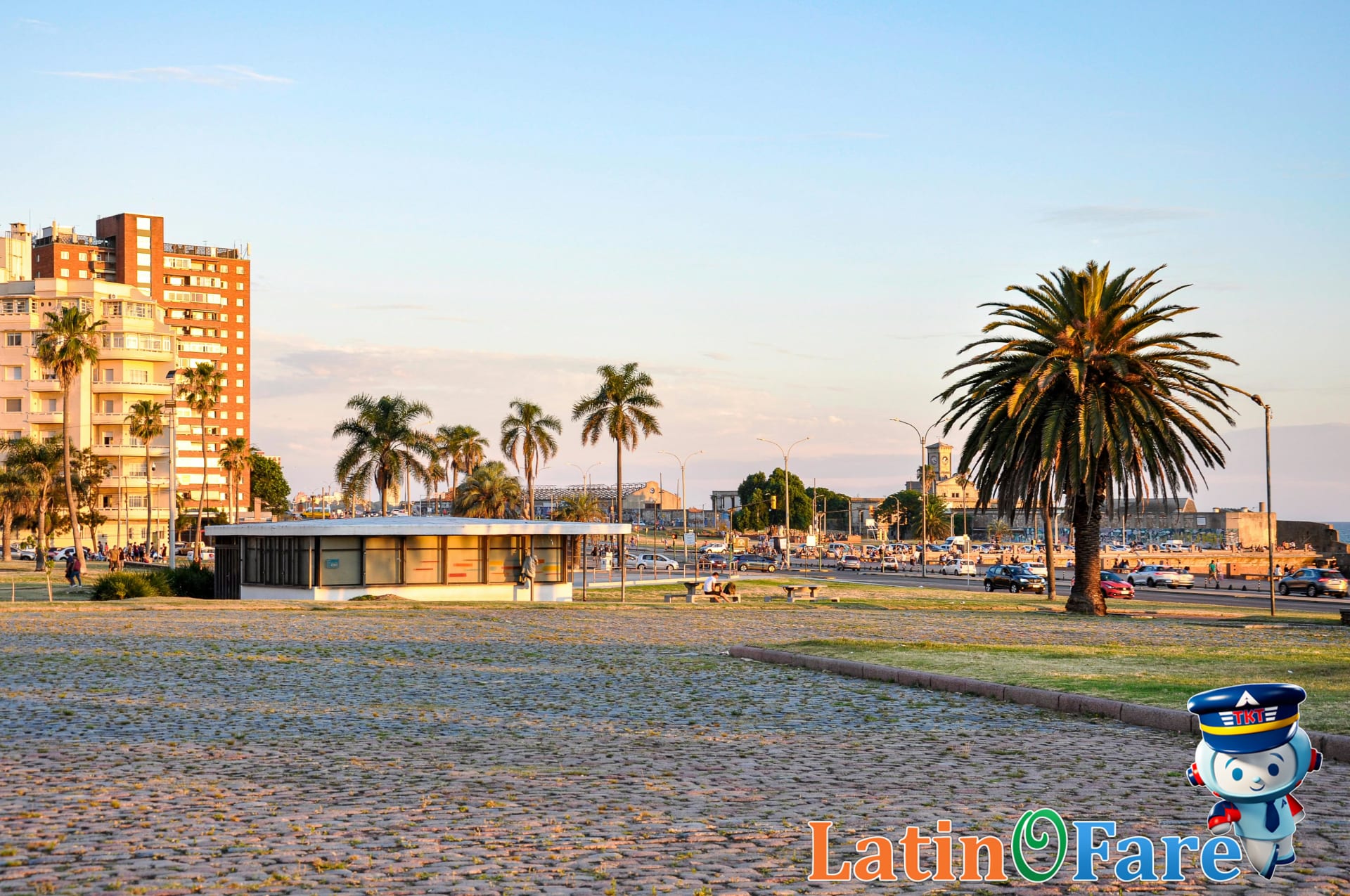
Montevideo greets you with a laid-back energy and a coastal soul that’s hard to miss. I still remember the salty breeze when I first stood along the Rambla, watching the sun dip behind the Río de la Plata. The city’s rhythm shifts between the historic streets of Ciudad Vieja and the modern buzz of its neighborhoods, with locals lingering at riverside parks or sipping mate on benches. This guide is for anyone planning their first visit—whether you’re chasing culture, food, or just a relaxed pace by the water.
Throughout this article, you’ll find practical tips on getting around, what to see, and how to make your budget go further. I’ll also point out where to find the best local eats and how to experience Montevideo’s unique blend of old and new. If you’re mapping out a bigger South America trip, check out our South America travel planning guide for broader tips. And before you book your flight to Uruguay, I recommend checking latinofare.com for affordable airfare options—you might spot a deal you’d otherwise miss.
Why Visit Montevideo: City Highlights
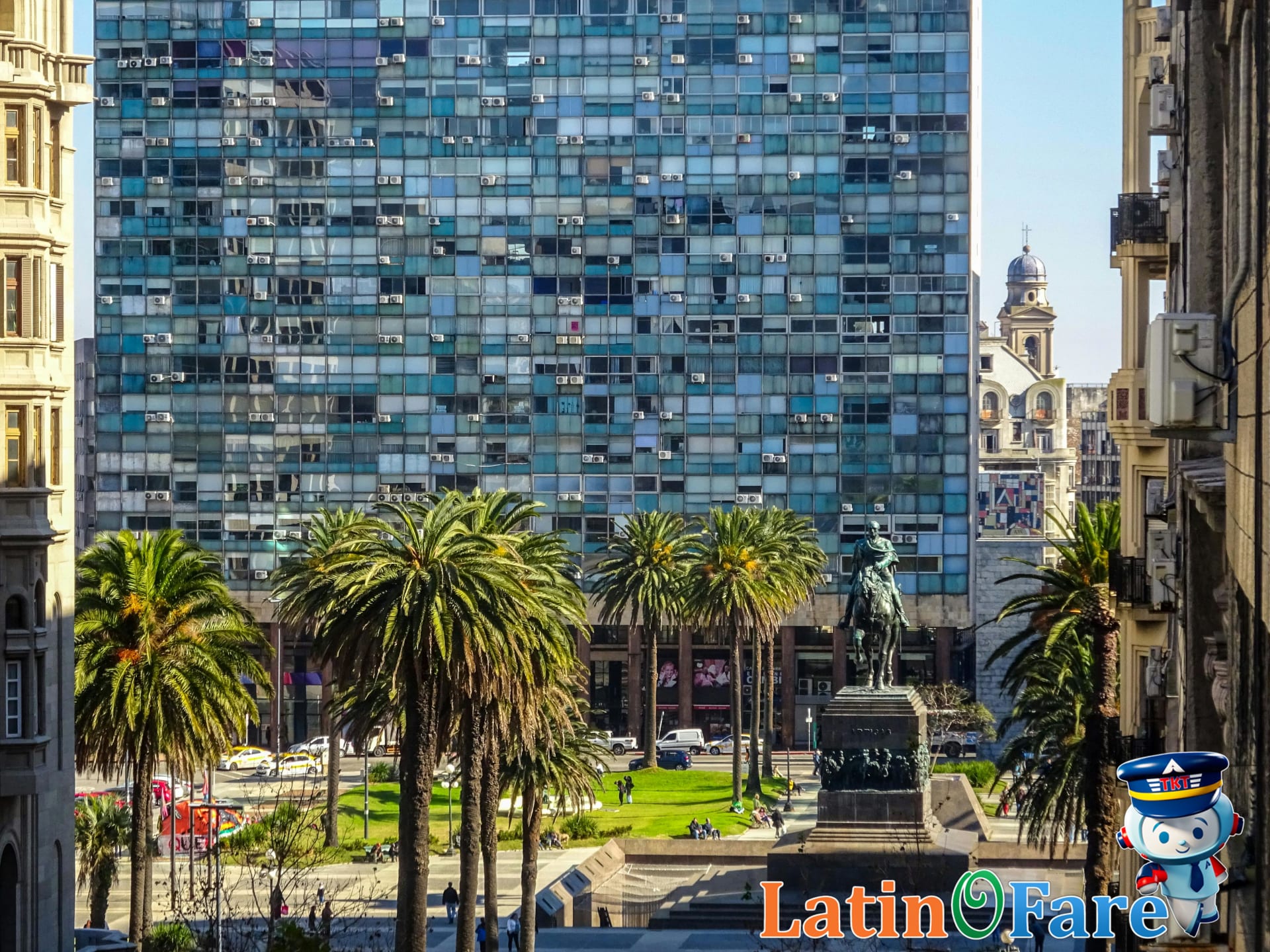
Montevideo stands out as one of South America’s most welcoming capitals, thanks to its friendly locals, relaxed pace, and a sense of safety that’s immediately noticeable. The city’s walkable streets make it easy to explore by foot, whether you’re wandering through leafy neighborhoods or soaking up the lively energy of the downtown core. I felt a real sense of excitement stepping into Plaza Independencia for the first time—its broad avenues, statues, and grand architecture set the tone for discovering Montevideo’s unique blend of old and new.
Plaza Independencia is the city’s historic heart, perfect for people-watching and snapping photos of the iconic Solís Theatre and Artigas Mausoleum. From here, stroll into Ciudad Vieja, where you’ll find colorful colonial buildings and bustling markets like Mercado del Puerto. This market is a must for sampling local flavors and watching chefs grill Uruguayan beef right before your eyes. Each spot offers a different side of Montevideo, making every corner worth a detour.
If you’re planning your first trip, be sure to check out local travel resources or a latinofare.com Uruguay guide for more tips on neighborhoods and itineraries.
How To Experience The Rambla Locally
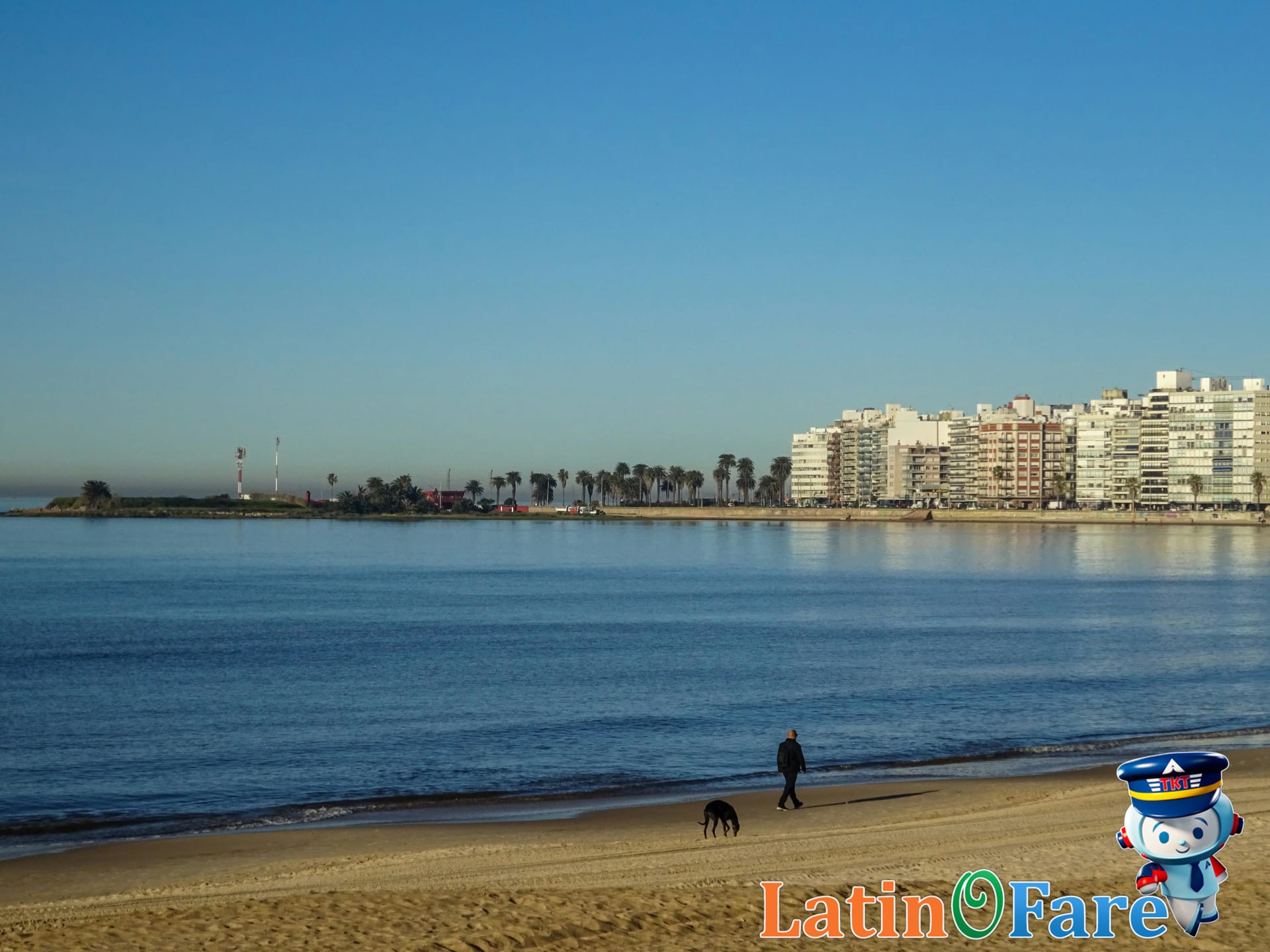
The Rambla in Montevideo isn’t just a scenic waterfront—it’s the city’s social heartbeat. Stretching for miles along the Río de la Plata, the Rambla invites everyone: joggers, cyclists, mate drinkers, and families out for a stroll. What makes it so special for first-timers is how easy it is to join in. Even if you’re new to Montevideo, you’ll feel welcome just by walking or sitting along the water’s edge.
One of my most memorable moments was catching a fiery sunset near Playa Ramirez, surrounded by locals jogging and couples sharing thermoses of mate. That relaxed, communal vibe is what the Rambla is all about. If you want to experience it like a local, start at Parque Rodó or Pocitos Beach—these stretches are lively and have plenty of benches for people-watching or relaxing with a book.
For a more active afternoon, rent a bike from a shop near Parque Rodó and pedal toward Punta Carretas. You’ll pass soccer games, street musicians, and plenty of friendly faces. If you’re up for a picnic, I’d recommend grabbing empanadas or pastries from a nearby bakery before heading to the water. It’s a simple way to feel part of the city’s daily rhythm.
If you’re curious about other vibrant waterfronts in Latin America, check out our guide to Latin America’s most unique waterfronts for more inspiration.
Walking Montevideo’s Old Town Streets
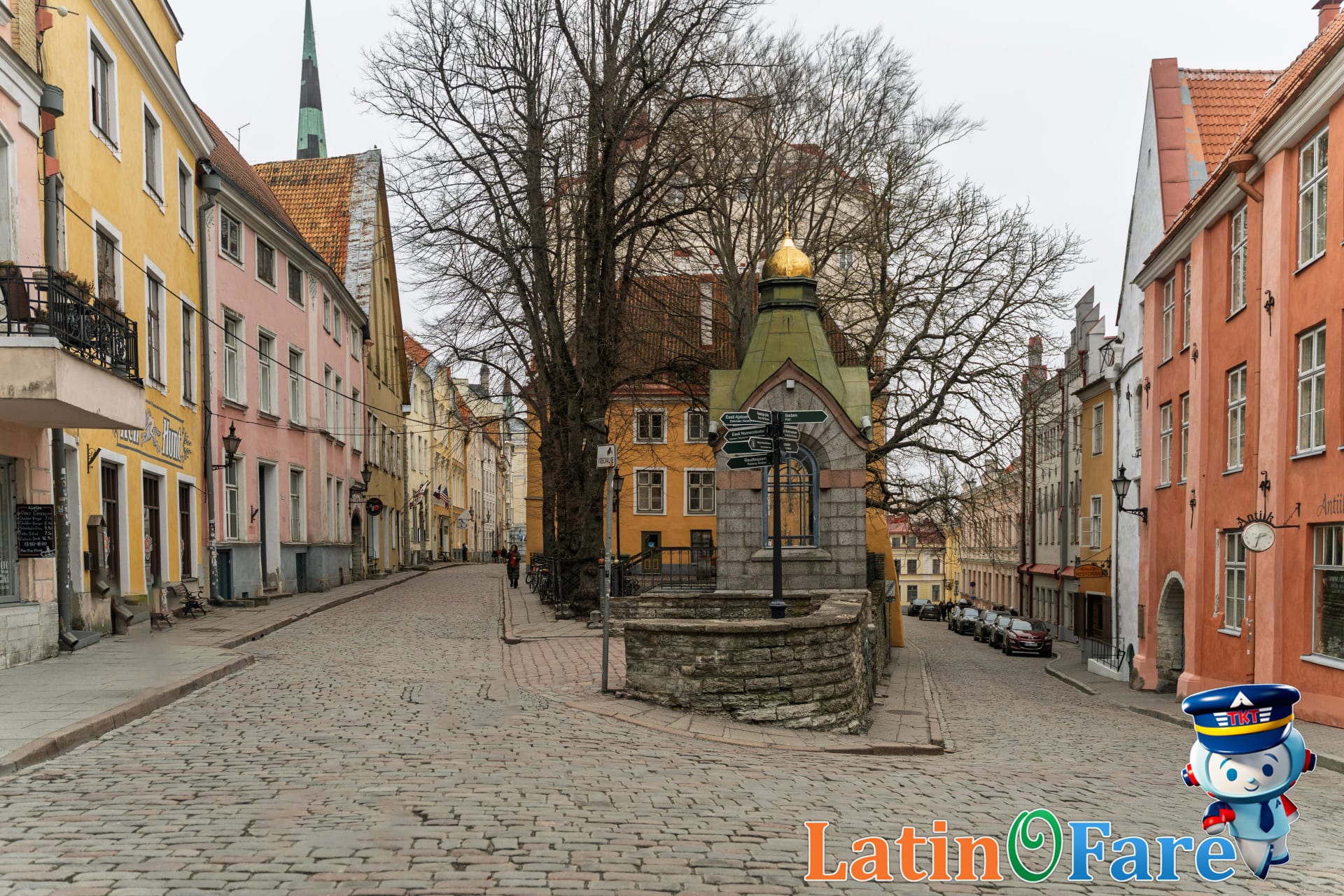
Ciudad Vieja, Montevideo’s Old Town, is a place where every street feels like a step back in time. You’ll find cobblestone lanes lined with pastel-hued colonial facades, lively murals splashed across crumbling walls, and the hum of local conversation echoing from old cafés. My favorite visual memory here is the intricate tilework above a weathered wooden doorway—one of those details you only spot if you slow down and look up.
Start your wander at the Puerta de la Ciudadela, then meander toward Plaza Matriz. During the day, the area is bustling with street vendors, artisan shops, and open-air galleries. In the evening, the vibe shifts: bars and restaurants fill with music, and the glow from antique street lamps makes the architecture even more dramatic. If you’re after local souvenirs or snacks, don’t miss Mercado del Puerto—its maze of stalls is a highlight. For more tips on shopping and markets in Montevideo, I’d check out this guide to local markets and shops.
Navigation is mostly on foot, and the uneven pavement means you’ll want to wear sturdy shoes. Pickpocketing can be an issue around crowded areas, so I usually keep valuables zipped away and stay alert, especially near busy plazas. Early mornings are quieter, while afternoons and evenings offer more energy and street life.
Dining At Montevideo Steakhouses & More
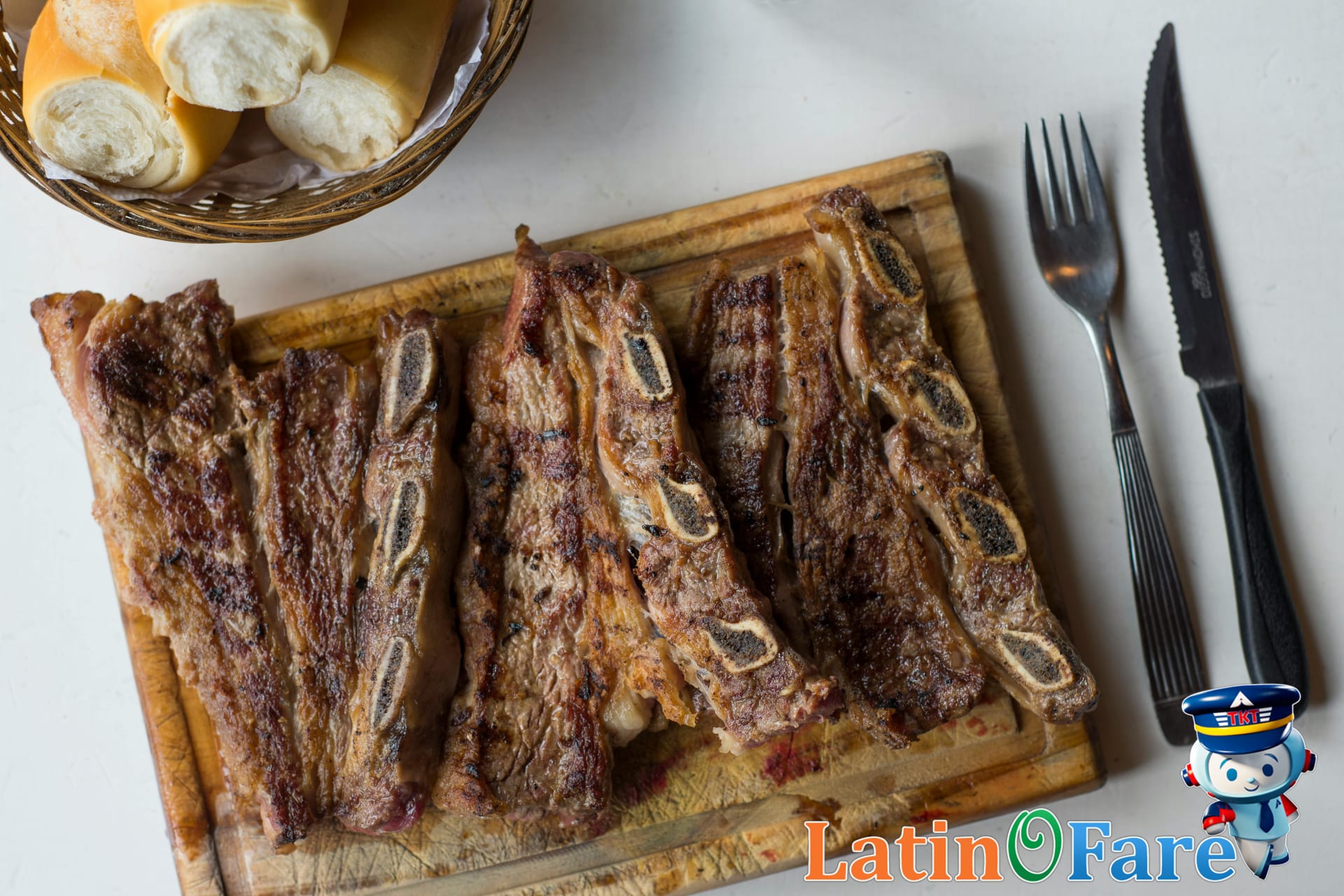
Montevideo’s parrillas (steakhouses) are at the heart of Uruguayan dining culture. Whether you’re after a casual lunch or a full evening steakhouse experience, you’ll find options across the city. I was genuinely surprised by how tender and flavorful my first Uruguayan steak was—grilled over wood embers and served with just a pinch of salt, it set a new standard for me.
For a quick, affordable bite, look for parrillas offering a “menu ejecutivo” lunch special—typically about $12.00 for steak, fries, salad, and a drink. Dinner at a formal steakhouse is more of an event, with richer cuts, attentive service, and local wines. Signature dishes you shouldn’t miss include asado de tira (short ribs), entraña (skirt steak), and morcilla (blood sausage). Beyond steak, try provoleta (grilled cheese) and chivito sandwiches. If you’re curious about other South American flavors, check out our guide to regional dining experiences.
Local etiquette is straightforward: tipping about 10% is appreciated, and it’s wise to reserve a table for dinner. Order confidently—most parrillas are happy to explain cuts and sides. Don’t miss a glass of medio y medio, the sparkling wine blend that locals love with grilled meats.
Essential Montevideo Tips For First-Timers
Montevideo is a friendly city, but first-timers should keep a few essentials in mind. For money, I found that most shops and restaurants accept credit cards, but it’s smart to carry some cash for small purchases or local markets. When withdrawing cash, use ATMs inside banks for better security, and keep only what you need for the day in your wallet.
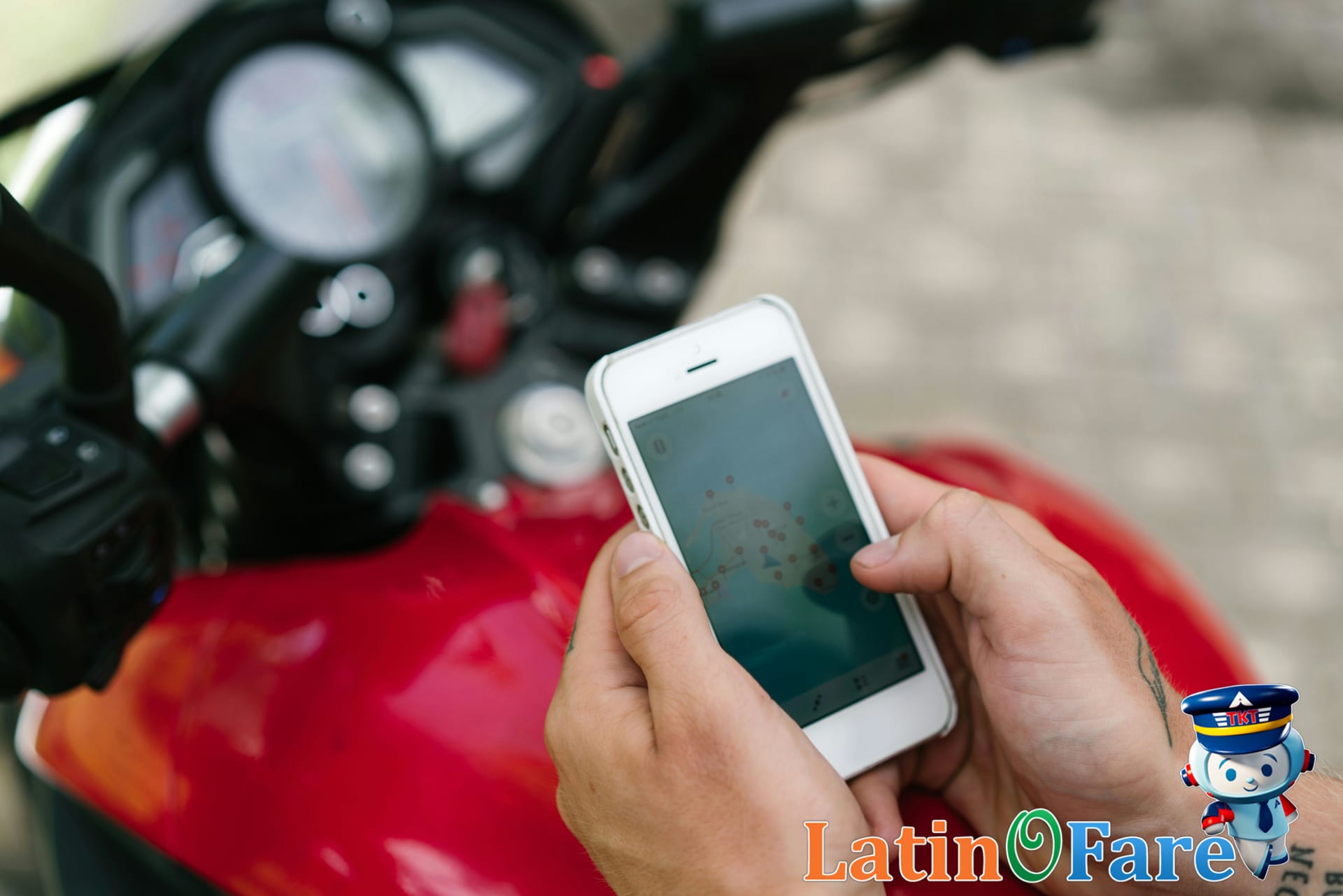
Getting around is straightforward: local buses are reliable and affordable, though you’ll need coins or a rechargeable STM card. Taxis are safe and metered—just confirm the fare before starting. I relied on my phone’s offline maps more than once when navigating unfamiliar neighborhoods, which saved me from getting lost without using mobile data.
If you want a local SIM, kiosks at the airport and in the city center offer prepaid options—just bring your passport. For emergencies, dial 911, and keep your hotel’s contact details handy. I’d suggest booking flights through latinofare.com if you’re planning to visit during Uruguay’s summer holidays, as flights fill up quickly and prices can spike.
Montevideo Travel Budget Breakdown
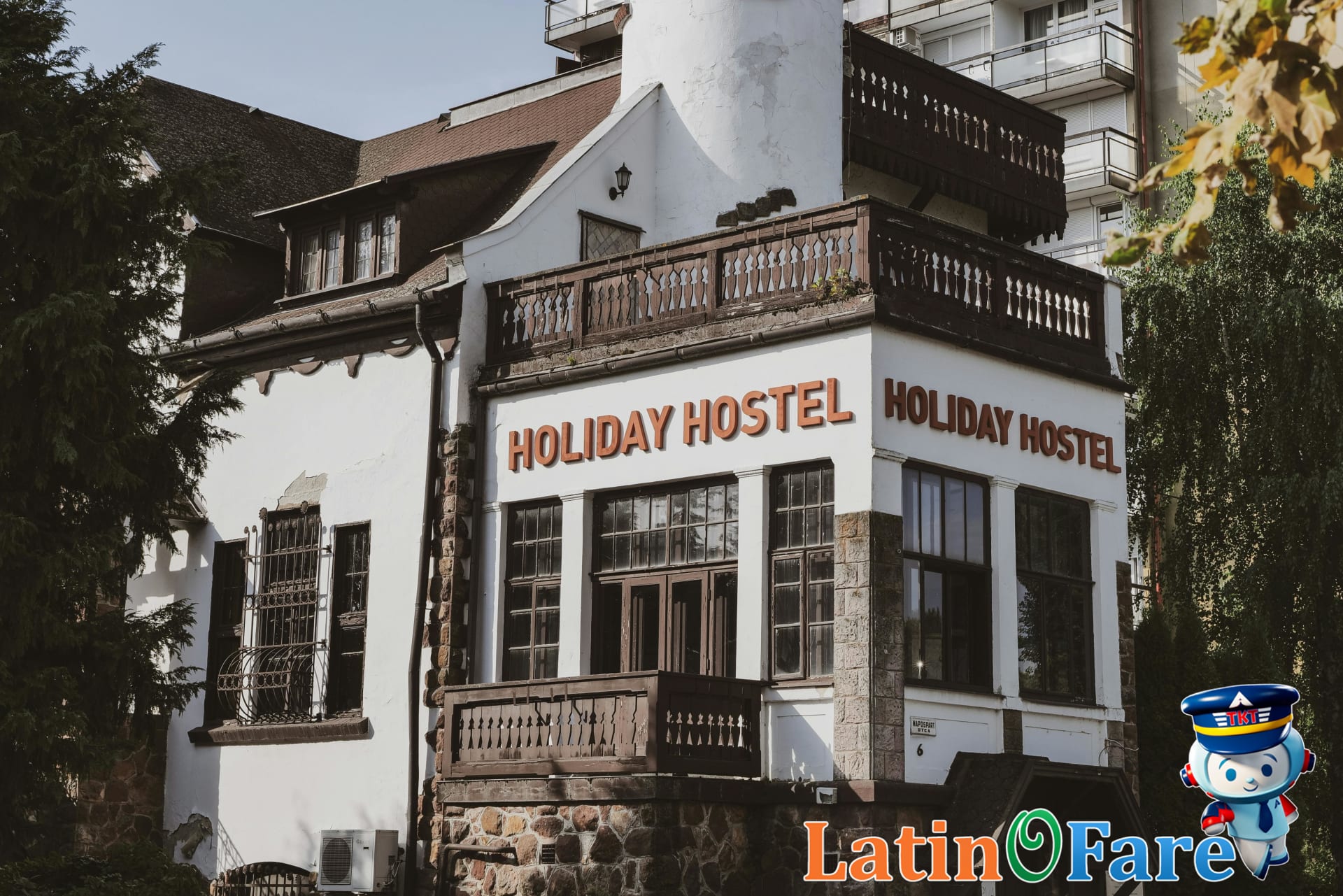
Understanding what you’ll spend in Montevideo is key to planning the trip you want—whether you’re stretching every dollar or indulging in a bit of luxury. Here’s a quick breakdown of what you can expect to pay for the basics, based on my own experience comparing hostels, mid-range hotels, and the occasional splurge on a boutique stay.
| Budget | Mid-range | Luxury | |
|---|---|---|---|
| Accommodation | $24.00 | $80.00 | $220.00 |
| Food | $10.00 | $28.00 | $65.00 |
| Transport | $3.00 | $12.00 | $40.00 |
| Activities | $8.00 | $25.00 | $60.00 |
If you’re on a budget, expect to stay in hostels or simple guesthouses, eat at local markets, use public buses, and join free walking tours. Mid-range travelers like me often opt for boutique hotels (booked through sites like latinofare.com), enjoy sit-down meals, and use taxis or rideshares. Luxury travelers might book four-star hotels, dine at top restaurants, and take private tours or hire drivers.
For a deeper dive into travel expenses across the continent, check out our guide to South America travel costs for more region-wide tips.
Getting Around Montevideo Easily
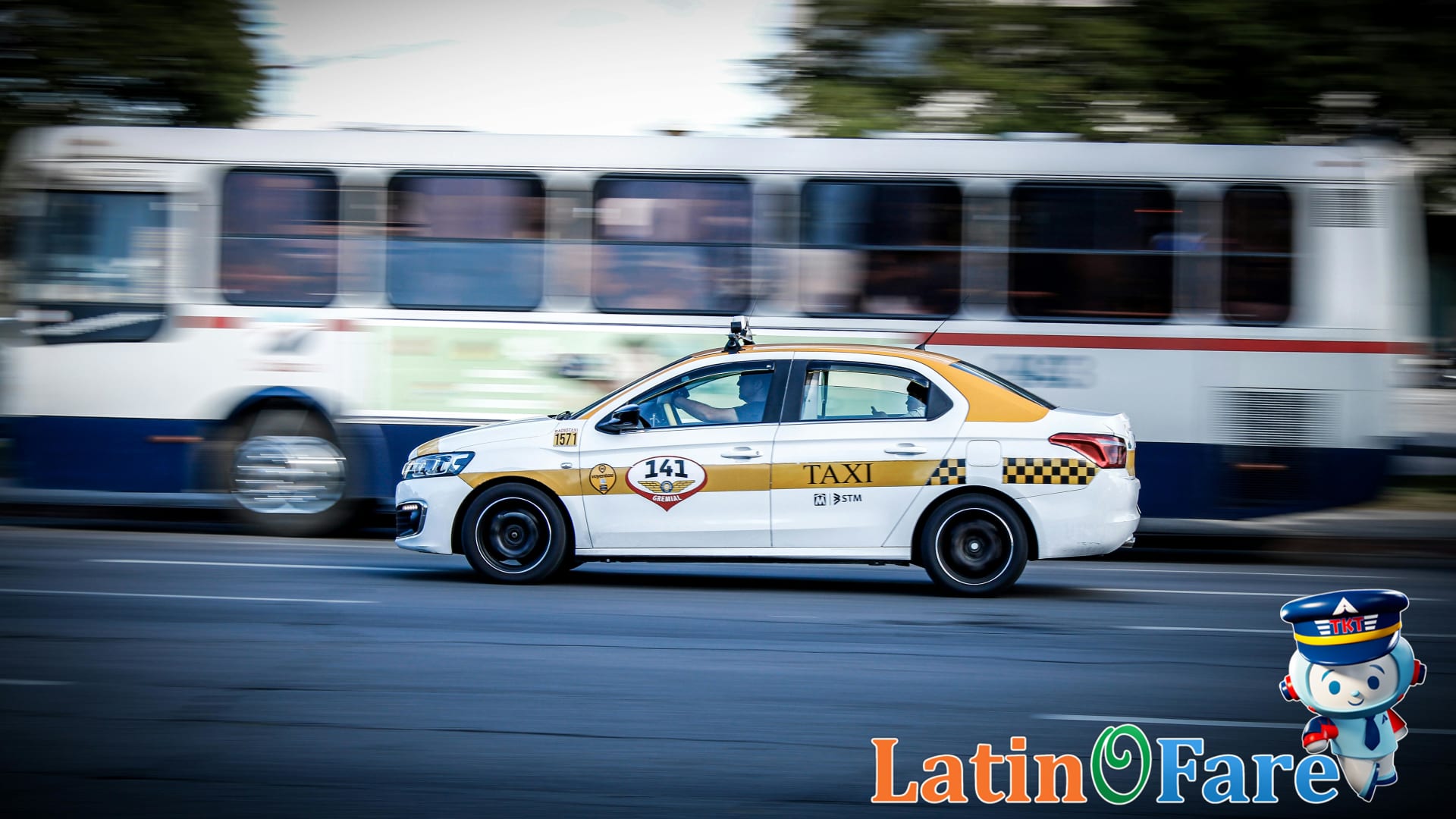
Montevideo’s public buses cover almost every corner of the city and are the go-to option for most visitors. You’ll board at the front, pay the driver (about $1.50 in local currency), and grab a ticket. I usually set Google Maps to Spanish for more accurate local bus directions—routes and stop names match the signs you’ll see on the street. For taxis, you can hail them curbside or use the “Easy Taxi” app. Bikes are also a fun way to explore, with rentals available along the Rambla.
Arriving at Carrasco International Airport? The airport bus (look for “DM1”) gets you downtown, or you can take a taxi for convenience. If you’re coming from the Tres Cruces bus station, city buses and taxis are right outside. For fare payment, carry small bills or coins—drivers rarely have change for larger notes. If you want to check schedules or plan routes, the official Montevideo transit site (montevideo.gub.uy) is a reliable resource.
If you want more details on city transit across Latin America, check out our in-depth guide to urban transportation for travelers.
Montevideo’s Best Markets And Souvenirs
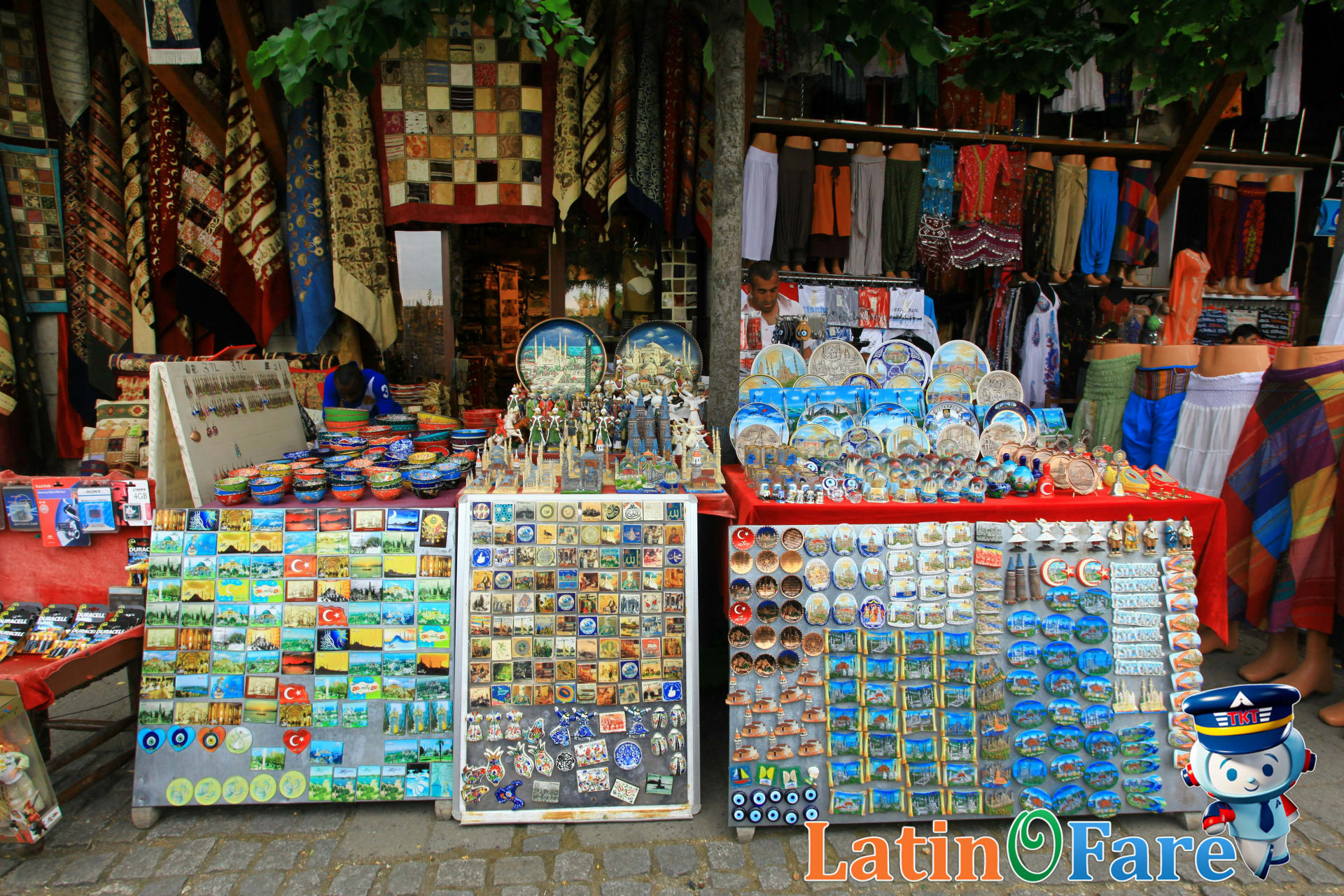
Montevideo’s markets are a highlight for anyone who loves local shopping. Feria Tristán Narvaja, held every Sunday, is the city’s most famous open-air market—expect everything from antiques and books to handmade crafts and street food. For a more artisanal feel, Mercado del Puerto offers a lively mix of grill restaurants and stalls selling leather goods, ceramics, and classic Uruguayan souvenirs.
If you’re searching for the perfect keepsake, look for mate gourds (used for Uruguay’s traditional tea), hand-tooled leather wallets, or colorful woolen scarves. I still remember bargaining for a hand-painted mate cup at Tristán Narvaja—walking away with something unique made the experience that much more memorable.
Markets can get crowded, so I’d recommend keeping your bag zipped and using small bills. Stay alert in busy aisles, and avoid flashing cash or valuables. If you’re interested in a deeper dive into shopping in Uruguay, check out our Montevideo shopping and souvenirs feature for more ideas.
Montevideo Visitor FAQs Answered
- What is the best time of year to visit Montevideo?
The best time to visit Montevideo is during the Southern Hemisphere’s summer, from December to March, when the weather is warm and the city’s beaches are lively. If you prefer fewer crowds and lower hotel rates, consider coming in November or April, when temperatures are still comfortable for sightseeing.
- Is the Rambla safe for walking after dark?
The Rambla is generally safe during the day and early evening, but it’s wise to stay in well-lit, busier areas after dark. If you plan to walk at night, go with a friend and avoid isolated stretches. Always keep valuables secure and be mindful of your surroundings, as in any major city.
- What currency do most places accept in Montevideo?
Most places in Montevideo accept the Uruguayan peso, but many tourist-friendly restaurants and shops also take major credit cards. U.S. dollars may be accepted in some hotels and larger stores, but it’s best to carry pesos for small purchases, taxis, and local markets to avoid confusion or unfavorable exchange rates.
- How do I get from Montevideo airport to the city center?
To reach the city center from Carrasco International Airport, you can take an official taxi, a private transfer, or the airport bus. The taxi ride typically costs about $45.00 and takes around 40 minutes, depending on traffic. The airport bus is more budget-friendly and drops passengers near central Montevideo hotels.
- Where can I try authentic Uruguayan steak in Montevideo?
For an authentic Uruguayan steak experience, head to a local parrillada such as Mercado del Puerto, where you’ll find open-fire grills and a variety of cuts. Many restaurants in the Ciudad Vieja and Pocitos neighborhoods serve traditional asado, so ask for recommendations at your hotel if you want a local favorite.
- Is Montevideo a good city for first-time visitors to South America?
Montevideo is an excellent choice for first-time visitors to South America. The city is walkable, friendly, and less hectic than larger capitals. English is spoken at many hotels and tourist sites, and public transport is straightforward. It’s a relaxed introduction to the region’s culture, food, and coastal scenery.
- What’s the easiest way to navigate Montevideo as a tourist?
The easiest way to navigate Montevideo is by combining walking with the city’s bus system or using ride-hailing apps like Uber. Many attractions are close together, especially in the Ciudad Vieja and downtown. Always carry a city map or use a navigation app to help you find your way between neighborhoods and beaches.
Make The Most Of Montevideo
Montevideo rewards travelers who are willing to slow down and go with the city’s relaxed pace. I’ve found that letting myself wander, linger at a café, or just enjoy the riverside makes every visit feel more refreshing. Before you finalize your plans, it’s worth double-checking for any last-minute deals or travel tips—sometimes a quick browse on latinofare.com or a look at our other Uruguay destination guides can lead to a new discovery.