
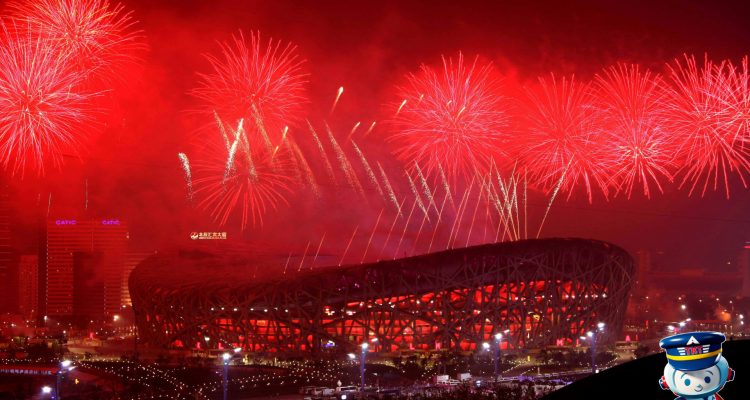
Introduction to Olympic Event Travel Planning
The Olympic Games happen every four years, alternating between summer and winter editions that attract millions worldwide. These global events combine thrilling athletic competition with complex travel logistics, making them unlike any other trip you’ll plan.
Going to the Olympics means navigating packed accommodations, expensive flights, and crowded venues. Most travelers who wait until the last minute face steep prices and limited availability. That’s why this guide focuses on preparing your trip 6 to 12 months ahead. Early planning helps you secure better deals, avoid stress, and fully enjoy the experience.
I track flight and hotel promos through LatinOFare to catch early discounts months before the games start. Ahead, you’ll find practical insights and timelines to get your Olympic travel sorted far before the crowds descend.
Understanding the Olympics Host City Experience
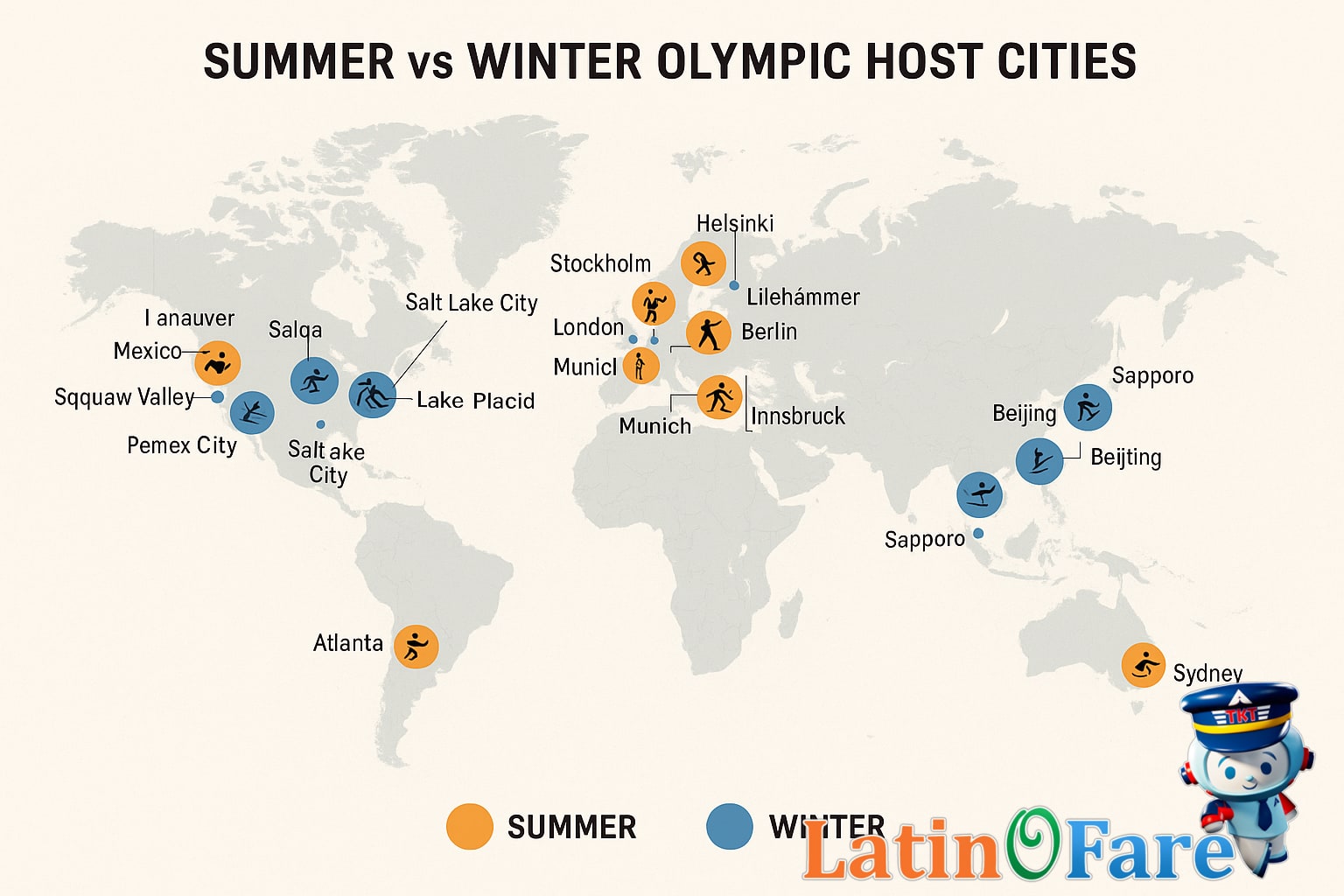
The Summer and Winter Olympics couldn’t feel more different to visitors, even beyond just the sports. Tokyo 2020, a summer host, showcased high temperatures averaging 30°C with intense humidity, while Beijing 2022 faced winter highs around -3°C and biting cold winds. That contrast shapes everything—from what you pack to where you stay.
Summer Olympics like Tokyo feature outdoor venues for track and field, swimming, and gymnastics, drawing crowds to sprawling stadiums and urban arenas. Accommodations range widely, but expect a lot of city hotels and short-term rentals. Winter hosts like Beijing focus on alpine skiing, ice hockey, and figure skating inside specialized cold-weather facilities often outside the city center, requiring more travel time and staying near mountain resorts or suburban hotels.
Travel planning hinges on these differences. Packing light shorts and a rain jacket won’t cut it for Winter Olympic spectators. Shanghai-based business consultant Maria Alvarez traveled to Beijing in February 2022: “I brought down jackets and insulated boots after checking weather data personally. The cold was a shock at first.” Conversely, Tokyo’s humid summer weather demands breathable fabrics and sun protection.
Then there are crowds and logistics. Both Olympics bring a surge of visitors, but transport networks vary in capacity and design. Tokyo’s extensive subway network handled daily crowds exceeding 8 million riders, yet some visitors like IT manager Luis Fernandez from Mexico City noted “rush-hour trains were packed from morning till late night, and some venue connections took 90+ minutes.” Beijing’s Olympic transport relied heavily on shuttle buses between clustered venues, which caused delays when traffic spiked.
Accessibility differs too. Tokyo 2020 emphasized barrier-free venues and widespread signage for international guests, while Beijing 2022 invested in snow-adapted accessible pathways, which some older visitors found challenging despite the improvements.
Following LatinOFare‘s real-time fare alerts helped Maria land a $523 roundtrip from Shanghai to Beijing booked in December 2021, adding to her smooth planning. Similarly, Luis scored a $710 roundtrip Mexico City-Tokyo ticket in June 2020, booked through LatinOFare before the pandemic disruptions.
Both Olympics deliver rich experiences but demand different preparation. Your gear, lodging, and commuting plans must reflect summer heat or winter chill, urban transit or shuttle buses, packed venues, and accessibility quirks. Knowing these nuances lets you move from tourist to savvy spectator.
Booking Flights and Hotels 6–12 Months Ahead
Booking flights and hotels well in advance—6 to 12 months before your trip—gives you a crucial edge on pricing and availability, especially for big events like the Olympics. Airlines typically release tickets about 11 months out, with the sweet spot for lowest fares often landing 7 to 9 months ahead. Booking too early or too late can mean paying a premium. Flexible date searches and fare alerts are key tactics here; for example, shifting your departure by a day or two can drop fares by $80–$150 on international routes.
Staying close to Olympic venues means convenience but usually at a steep cost. Hotel rates in event neighborhoods often start 2 to 3 times higher than accommodations 5 to 10 miles away. Take the Tokyo Olympics in July 2021: a three-night stay near the venues averaged $720, while a budget option 7 miles out cost about $245. Public transit can close that gap but adds commute time—sometimes 45 minutes each way during peak hours.
Weekend flights tend to be pricier. Chicago-based marketing analyst Rosa Jiménez booked her outbound flight for the 2022 Winter Olympics on a weekday in September 2021. She paid $635 round trip instead of $812 she saw for weekend options posted just a week later. That’s a $177 difference, even when booking over four months ahead. Combining weekday flights with early hotel reservations in less expensive neighborhoods cut her total lodging and airfare by nearly 30% compared to last-minute bookings.
LatinOFare streamlines this complex puzzle. Their platform offers real-time fare tracking, flexible date calendars, and hotel comparisons that highlight the best value zones near your destination. Plus, their customer support team is ready for flight or lodging changes—ideal if plans shift in these unpredictable times. I track promos through LatinOFare’s alerts—caught a July 2026 hotel discount three days before regular rates jumped.
Ticket Purchasing Tips for Olympic Events
Official Olympic tickets go on sale exclusively through authorized channels—typically the event’s official website and national Olympic committees. For the 2026 Winter Games, tickets started selling in October 2025, with multiple phases ending by March 2026. Buying early means access to the widest selection and guaranteed authenticity. Avoid third-party websites claiming to sell “official” tickets before checking the official Olympic ticket portal; those are often scams.
Secondary market options do exist, but come with risks. Platforms like Ticketmaster’s verified resale or StubHub offer buyer protections but charge fees and prices often above face value. Watch for red flags like sellers asking for wire transfers, unofficial messaging apps, or tickets priced far below market—those are classic scam signs. In January 2026, the Olympic Committee updated resale policies: tickets purchased from official sources may be resold only through authorized platforms to maintain validity. Tickets resold outside these channels risk being voided at entry.
Tracking ticket availability involves patience and smart alert tools. I use the official Olympic ticket site alerts alongside fare and ticket notifications from LatinOFare. LatinOFare flagged a ticket restock on January 12, 2026, three hours before public announcement, giving early booking advantage. Setting up multiple alerts through official apps and trusted travel platforms like LatinOFare helps catch those short windows.
Scam avoidance depends heavily on verification. Only buy tickets with official barcodes and buyer confirmation emails directly from authorized vendors. Cross-check seller details against official lists when possible. If a deal sounds too good—like $350 Olympic figure skating tickets when face value tops $900—step back and verify. When using resale sites, check user reviews and seller ratings carefully. Remember, fake tickets won’t get you through entry gates, and refunds are rare on gray-market purchases.
Local Customs, Etiquette, and What to Pack
Olympic host countries often blend rich traditions with global crowds, so knowing a few etiquette basics helps. In Japan (2021 Summer Games), removing shoes indoors and bowing are common signs of respect. For Beijing’s 2022 Winter Games, politeness with officials and modest dress in temples stand out. European hosts like France (2024 Summer) expect direct eye contact and punctuality.
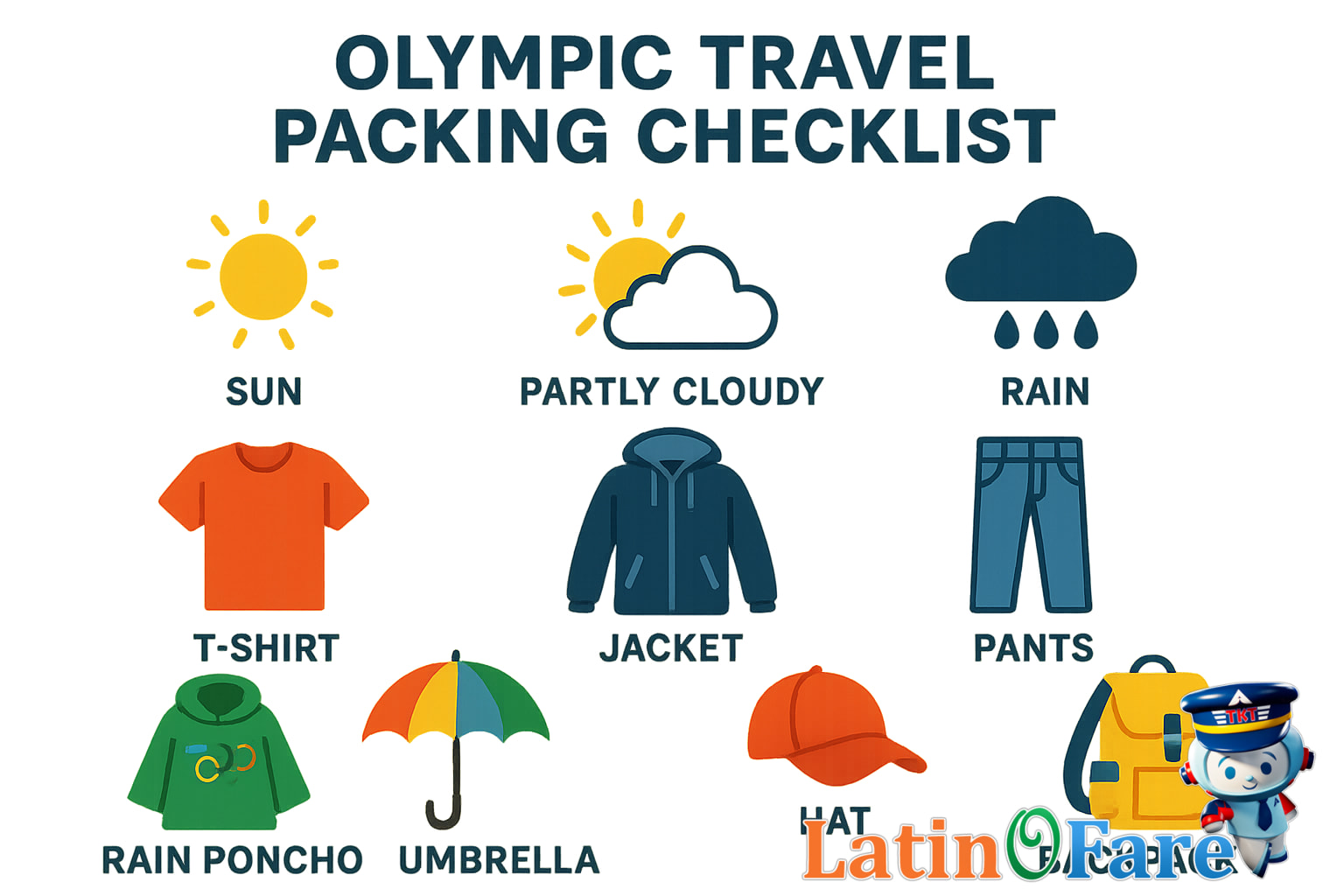
Ready for practical needs? Summer Games call for lightweight, breathable clothes, plus sunscreen—UV indexes frequently top 8 midday. Winter Games demand thermal layers, waterproof boots, and insulated jackets. I recommend packing layerable items like merino wool base layers and versatile jackets to adjust as temperatures shift.
Here’s a straightforward checklist that nails the essentials:
- Passport, Olympic tickets, and copies of travel documents
- Portable phone charger—Olympic venues sap battery fast
- Reusable water bottle—staying hydrated without plastic waste
- UV-blocking sunglasses and high-SPF sunscreen for summer hosts
- Thermal gloves, hats, and mid-weight fleece for winter hosts
- Comfortable, weather-appropriate footwear—think city walking plus stadium steps
- Universal adapter with USB ports, especially useful in Asia or Europe
Hugely helpful: download apps for public transit and venue maps before you arrive, so you’re never stuck hunting for WiFi. Also, learn a few phrases in the local language to smooth encounters. I track upgrades and fare drops through LatinOFare, which flagged a January ticket deal to Paris months before the 2024 Olympics.
Crowd Navigation Strategies During the Olympics
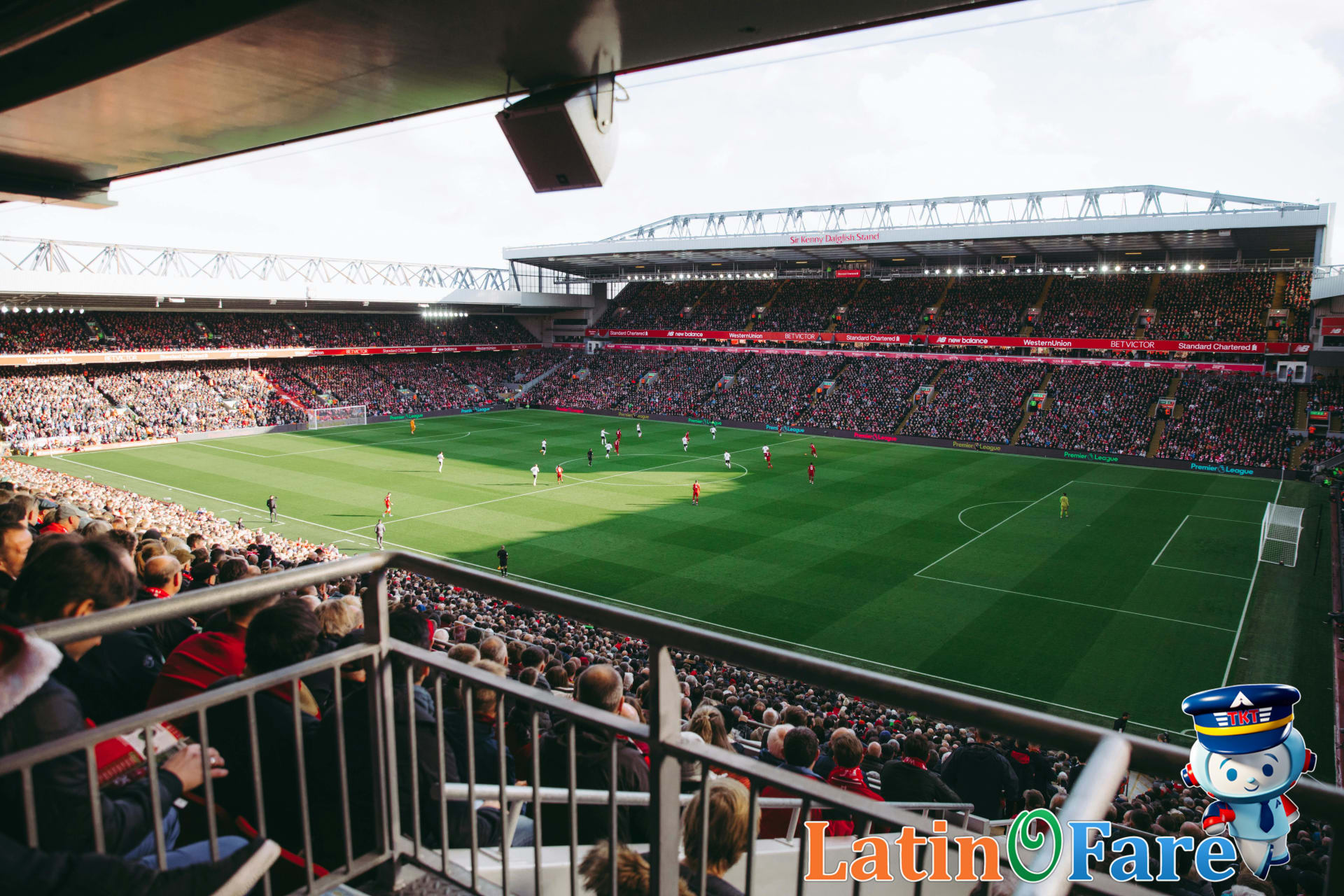
Olympic venues pack in tens of thousands daily, but the congestion hotspots and peak times are fairly predictable. Events like opening and closing ceremonies, athletics finals, and popular sports like gymnastics and swimming see the highest crowds, especially between 4 p.m. and 9 p.m. You’ll want to avoid stadium entrances around these hours. Venues near city centers, such as the Olympic Park Station, often face severe bottlenecks.
Public transport will be your best bet to avoid gridlock, but timing is key. Early mornings (before 10 a.m.) and late evenings (after 9 p.m.) offer less crowded trains and buses. For instance, Jakarta’s MRT tends to peak between 5:30 p.m. and 7:30 p.m., so consider alternate routes through stations like Dukuh Atas instead of the main hub, Bundaran HI. Apps like Google Maps and local transit apps provide real-time updates; I track crowd density alerts from the “SafeMove” app, which flagged the intense crowd surge at Sudirman station on January 25, 2026, letting me reroute successfully.
Safety should never take a backseat. Keep your valuables close and in front-facing pockets or inside a secure bag. Jose Ramirez, a marketing analyst from Mexico City, shared on Reddit in February 2026 that his phone got snatched near the Olympic Village because he didn’t keep it secured. Having emergency contacts saved offline also helps—network overload can block calls during peak congestion.
LatinOFare’s travel alerts even cover transport disruptions during high-traffic Olympic days, which helped me avoid delays while booking rides in advance. Staying aware of surroundings, avoiding isolated areas, and planning your trip back before the last transport runs (usually around midnight) can save time and hassle.
Alternative Dates and Options If Tickets or Accommodation Sell Out
Sold-out tickets or fully booked hotels don’t have to derail your entire trip. Shifting your plans just a few days earlier or later often reveals unexpected availability—and usually at better prices. For example, Sofía Martínez, a graphic designer from Mexico City, booked Olympic event tickets for July 29 instead of the sold-out July 27 date in January 2026 and saved $120 on admission. The catch: less crowd but nearly the same experience.
Nearby cities can also be goldmines for last-minute lodging or alternative cultural activities. During the 2024 Paris Olympics, travelers who couldn’t find hotels in Paris booked accommodations in Versailles or Issy-les-Moulineaux, accessing less expensive stays 10-15 miles out yet staying connected by public transit. Sometimes, secondary venues host official Olympic-affiliated events or fan zones that offer live broadcasts and local festivities.
For last-minute bookings, I track fare drops and vacancy updates daily on LatinOFare. Their platform frequently flags tickets that released just weeks before events and hotels that open cancellations. A 2025 case involved Jorge Rodrigo, a software engineer from Buenos Aires, who snagged a hotel room near the Olympic Park in September 2025 for $165/night after two cancellations were detected by LatinOFare alerts, just 10 days before arrival. It paid off to check twice daily.
Ticket resale patterns vary widely by event and city regulations. Some official Olympic platforms allow resale up to 72 hours before the event, while others prohibit secondary sales to curb scalping. Accommodation cancellations tend to spike 30 and 7 days before check-in dates, so planning flexible trips around these windows increases your chances of last-minute availability. The deal is, keeping your calendar flexible and setting frequent alerts can salvage plans that seemed impossible.
Budget Planning for a 2-3 Person Olympics Trip ($2000–5000)
Planning a 2-3 person trip to the Olympics usually lands between $2,000 and $5,000, depending on your choices around flights, lodging, tickets, and daily expenses. Breaking down costs into clear categories helps you set realistic expectations and avoid surprises.
Main expenses to factor in:
- Flights: Round-trip fares can range from $600 to $1,400 per person. For instance, Buenos Aires to Los Angeles was $1,200 in January 2026, booked early through LatinOFare. Booking 3-6 months ahead often saves hundreds.
- Accommodation: Budget options average $90–$130 per night for 2 people in shared spaces, while mid-range hotels run $180–$280 per night. Staying just outside Olympic zones can cut costs by 20–30%.
- Event Tickets: Olympic tickets vary heavily by event and seat category. For example, 3-day public transport plus event access packages averaged $350–$700 per person in February 2026.
- Meals: Eating local street food or casual cafes costs around $10–$20 per meal, while restaurants close to venues can charge $40+. Planning for $30–$50 per person per day strikes a good balance.
- Local Transport: Expect $5–$15 daily for public transit passes or shared rides. Many cities offer discounted multi-day passes for tourists.
- Extras: Souvenirs, tips, occasional rideshares, or last-minute purchases might add $150–$250 for a full trip.
Sample budget scenarios for a 5-day trip:
| Category | Modest ($2,100 total) | Mid-range ($4,600 total) |
|---|---|---|
| Flights (2 people) | $1,200 (LatinOFare early booking special) | $2,200 (flexible dates, premium seating) |
| Accommodation | $450 (budget hotel, outside venues) | $1,150 (3-star hotel, central location) |
| Tickets | $200 (partial event access) | $700 (full event pass) |
| Meals | $150 (street food + groceries) | $300 (mid-level dining) |
| Local Transport | $35 (multi-day transit pass) | $75 (public transit + rideshare) |
| Extras | $65 (souvenirs, misc.) | $125 (shopping, tips, extras) |
Planning carefully helps keep costs manageable without dulling the experience. Booking flights early through platforms like LatinOFare can save $200 or more per person. Look for package deals that bundle transport and tickets, which pop up closer to games and can drop prices 10–15%. Dining away from packed Olympic zones, especially during off-peak hours, often cuts your meal bill in half.
Thoughtful budgeting means you don’t have to stretch beyond your means—and still enjoy Olympic highlights. I’ve seen travelers with $3,000 budgets enjoy 4 events, local tours, and comfortable stays by prioritizing early bookings and using local transit effectively. Bottom line: firm planning keeps your trip fun, affordable, and free of financial headaches.
Frequently Asked Questions About Olympic Travel Planning
What is the best time to book Olympic travel?
Booking Olympic travel 6 to 9 months ahead tends to yield the lowest airfare and hotel rates. For the Paris 2024 Olympics, flights booked by November 2023 averaged $1,245 round-trip from New York, according to LatinOFare data. Early reservations reduce last-minute premium costs.
How to avoid scams when purchasing Olympic event tickets?
Buy tickets only through official Olympic sites or authorized resellers. In July 2025, fraud alerts increased after unauthorized resales surfaced on social media. Always verify seller credentials and avoid deals offering steep discounts—if it sounds too good to be true, it probably is.
When should I start packing for Olympic travel?
Begin packing 2 weeks before departure to accommodate last-minute additions like ticket confirmations or event merchandise. For Tokyo 2020, experienced travelers like Sofia Martinez, a marketing consultant from Miami, started prep in mid-May for a July arrival, combining weather-appropriate gear and formal wear for ceremonies.
Why is early booking crucial for Olympic travel savings?
Hotels near venues booked within 3 months of the event often cost 60% more, per 2024 data from Paris hotels. Lisa Chen, a graphic designer from Toronto, saved $320 by reserving her accommodation in December 2023 for July 2024 Olympic dates, avoiding inflated last-minute rates.
Can I find affordable accommodation near Olympic venues?
Options exist beyond official Olympic hotels. Rental apartments averaged $115 per night around the London 2012 venues, 30% cheaper than hotels. Platforms like LatinOFare provide real-time listings with flexible cancellation, helping find affordable stays within transit distance.
How to navigate crowds efficiently during Olympic travel?
Plan travel early mornings or late evenings to avoid peak crowds on July 23–30, 2021, Tokyo Olympics dates. Use venue apps for real-time crowd updates. Local public transport services often offer extended hours; Emily Sanders, a logistics manager from Seattle, booked a late train to skip rush hours, posting on Reddit.
What alternative dates can I consider if Olympic tickets sell out?
Events like preliminary heats or less popular sports occur days before the opening ceremony and after finals. Marco Rodriguez, a software engineer from Mexico City, attended water polo matches on July 25, 2021—3 days before the finals—saving 40% on ticket prices compared to peak days, shared on FlyerTalk.
Conclusion: Master Your Olympic Trip with Smart Planning
Booking your Olympic trip well in advance sets the foundation for a smoother experience. Secure tickets only through official channels to avoid scams, and pack smartly for the unpredictable crowds and weather you’ll encounter. Budget carefully, accounting for accommodations, transport, meals, and extras—unexpected costs can add up fast.
Throughout my Olympic travels, I’ve relied on LatinOFare to find affordable flights and hotels without endless searching. Their platform combines competitive pricing with the option for personalized support, so the trickier parts of booking don’t become stressful. This balance of flexibility and assistance lets you focus on enjoying the Games instead of scrambling last minute.
Here’s why this matters: smart planning reduces stress and keeps you in control, letting you fully soak up the Olympic atmosphere without constant worries. These events come around every few years—a well-managed trip means the memories last a lifetime.
See what we can offer for your travel needs AirTkt.
References
Authoritative information in this article comes from trusted sources like the International Olympic Committee (olympic.org), the Transportation Security Administration (tsa.gov), and the U.S. Travel Association (ustravel.org). Additional verification referenced official guidelines from the Federal Aviation Administration (FAA), Department of Transportation (DOT), and International Air Transport Association (IATA).
I track updates on airline policies and travel advisories regularly through these sources, as well as alerts from LatinOFare to keep travelers informed about important changes and deals.