
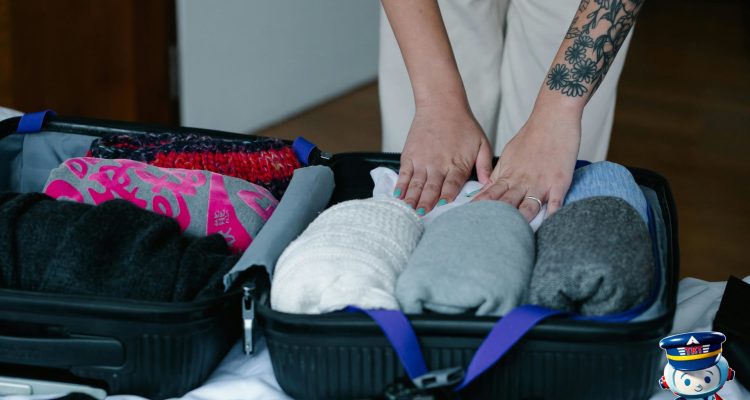
Smart Winter Packing for Cold Travel
Packing for cold weather trips introduces unique challenges that can quickly overwhelm even the most experienced travelers. Unlike warm-weather packing, winter travel requires bulky clothing and heavier gear, which can add considerable weight and consume valuable suitcase space. Balancing the need for warmth with portability is a constant struggle, forcing many to rethink traditional packing methods.
Carrying multiple layers, insulated jackets, hats, gloves, and specialized footwear can not only increase baggage bulk but also complicate airport security checks and transit logistics. The added weight may lead to expensive airline fees or cumbersome luggage handling. Yet smart preparation and efficient packing techniques dramatically enhance travel comfort and convenience, making every step—from airport to hotel—more manageable and enjoyable.
When you pack intelligently for winter travel, you reduce unnecessary bulk without compromising on warmth or essentials. This means smoother transit through busy airports, less fatigue from dragging heavy bags, and greater flexibility to explore your destination comfortably. Effective packing also helps avoid surprises like unexpected baggage fees or missing critical gear for cold climates.
To help you master winter packing, this article covers a comprehensive roadmap tailored to cold-weather travelers. First, we’ll highlight the essential items that must be included to keep you warm and safe. Following that, you’ll learn packing methods optimized for layering and volume reduction, designed to maximize space efficiency.
We will also explore how to maintain TSA compliance while carrying winter gear and suggest strategies for managing luggage weight within airline limits. Lastly, common pitfalls such as overpacking or forgetting key items will be addressed so you can avoid costly or inconvenient mistakes.
With practical tips and clear guidance from LatinOFare, this guide will empower you to pack smartly and travel comfortably, even in the coldest destinations.
Essential Winter Clothing and Gear Checklist
Preparing for a one-week cold weather trip demands thoughtful packing of insulated, functional apparel to stay warm and comfortable. The key items include insulated jackets, thermal underwear, gloves, hats, scarves, and proper footwear. Selecting the right fabrics and quantities ensures you remain protected against chilly conditions without overpacking.
Critical Winter Clothing Items
- Insulated Jacket: A high-quality, windproof, and waterproof jacket with insulation like down or synthetic fill is essential for cold days.
- Thermal Underwear: Moisture-wicking base layers that trap body heat are vital for layering and insulation.
- Gloves: Insulated, waterproof gloves or mittens protect your hands from frostbite and maintain dexterity.
- Hats: Wool or fleece hats keep your head warm and minimize heat loss.
- Scarves: Soft, insulating scarves help protect your neck and face from wind chill.
- Footwear: Waterproof and insulated boots paired with wool socks provide traction and warmth on icy surfaces.
Recommended Quantities for One Week
Packing sufficient quantities enhances comfort and hygiene during your trip:
- One insulated jacket – choose one that can withstand varying temperatures
- Two to three sets of thermal underwear – allows rotation and drying time
- Two pairs of gloves – a backup pair is helpful if one gets wet
- One to two hats – with options for different temperatures or styles
- One to two scarves – versatile for both fashion and function
- Two pairs of insulated, waterproof boots or one pair plus comfortable indoor footwear
- Four to five pairs of wool or thermal socks – daily fresh pairs to avoid cold feet
Best Fabrics for Warmth and Durability
Choosing the right fabrics is crucial for warmth and performance in cold climates. Here’s a breakdown:
- Wool: Naturally insulating, breathable, and moisture-resistant. Merino wool is soft, making it perfect for base layers and socks. It retains warmth even when damp but can be heavier and pricier.
- Fleece: Lightweight and quick-drying, fleece fabric offers excellent insulation and moisture-wicking properties. It’s durable and budget-friendly but less wind-resistant without an outer layer.
- Down: The gold standard for jacket insulation due to superior warmth-to-weight ratio. Down jackets are compressible and ideal for dry cold but lose insulating power when wet without treatment.
- Synthetic Insulation: Often made from polyester fibers, these jackets retain warmth when wet and dry faster than down. They generally weigh more but offer excellent durability and water resistance.
Trusted Brand Recommendations
Here are brand options across different budgets so you can find winter gear that fits your needs and wallet:
| Budget-Friendly | Mid-Range | Premium |
|---|---|---|
| Uniqlo (Heattech thermal wear), Columbia (insulated jackets) | Patagonia (fleece and synthetic insulation), The North Face (jackets, boots) | Arc’teryx (high-performance down and technical gear), Canada Goose (luxury insulated outerwear) |
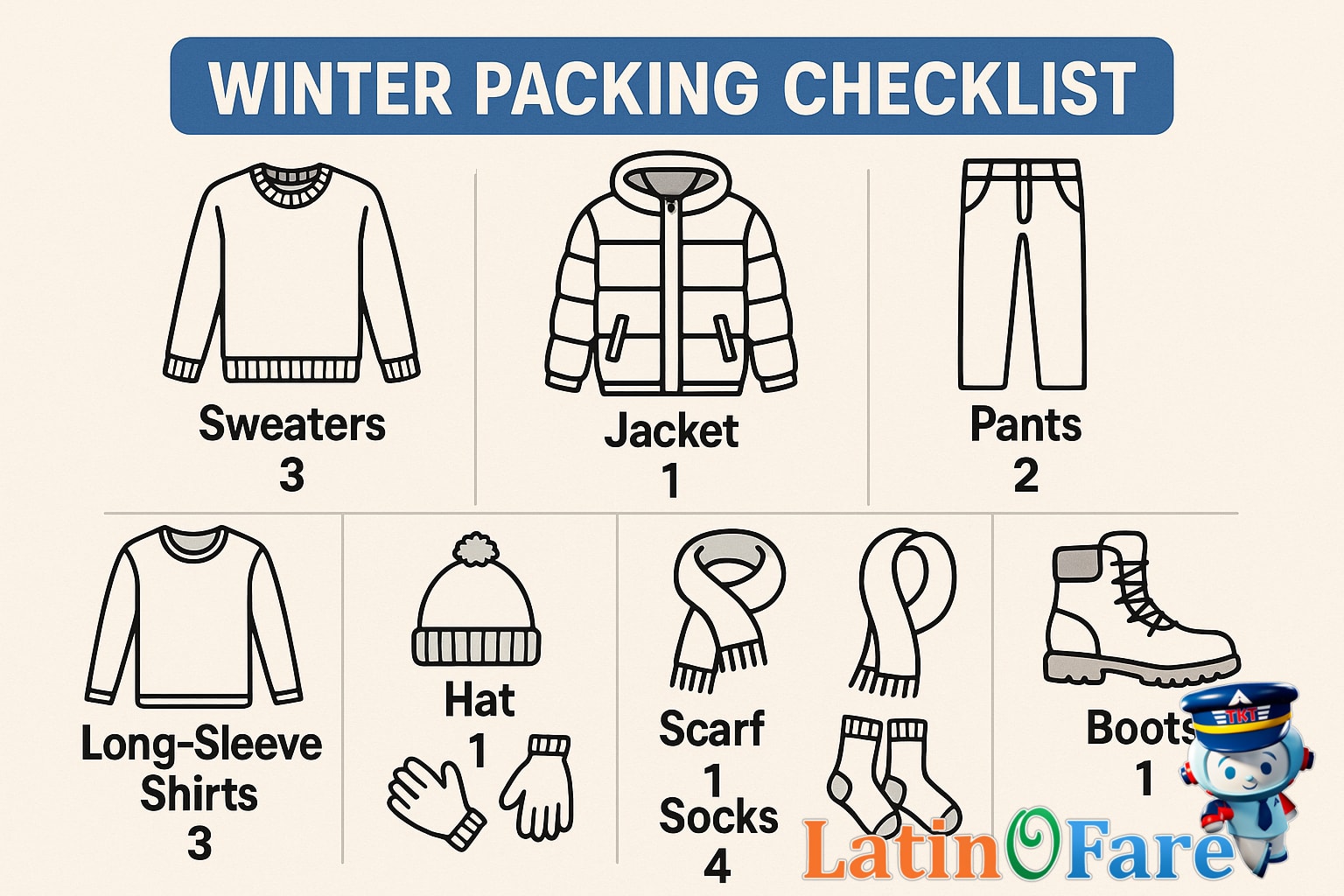
Visual Winter Clothing Checklist
- 1 Insulated thermal jacket
- 2–3 Sets of wool or fleece thermal underwear
- 2 Pairs of insulated, waterproof gloves
- 1–2 Wool or fleece hats
- 1–2 Warm scarves
- 2 Pairs of insulated boots or 1 boot + indoor shoes
- 4–5 Pairs of wool socks
Following this checklist from LatinOFare will help ensure you stay warm and prepared throughout your cold weather trip, without excessive bulk or weight. Focus on layering versatile, durable fabrics suited to your destination’s climate for the best comfort and protection.
Maximize Space with Packing Techniques
Packing efficiently for cold weather travel can be a challenge due to bulky layers and heavy fabrics. However, mastering space-saving methods lets you bring all your essentials without overstuffing your suitcase. Two key strategies—rolling clothes and using compression bags—dramatically reduce bulk while keeping your items organized.
Instead of folding clothes flat, rolling garments tightly minimizes creases and compacts layers better. Rolling works especially well for t-shirts, thermal tops, leggings, and lightweight sweaters. For bulkier items like jackets or thick sweaters, layering them inside compression bags squeezes excess air out and shrinks their volume. This method keeps your suitcase lighter and tidier. Compression bags with airtight seals are particularly handy for cold weather essentials like down jackets or fleece pullovers, where saving inches can accommodate extra items or souvenirs.
Packing cubes complement these methods by dividing your suitcase into organized compartments. These lightweight fabric cubes are perfect for separating different clothing types, accessories, or footwear. They reduce the chances of your clothes shifting and wrinkling during transit. Additionally, packing cubes compress softly, optimizing available space far better than loose items tossed into your bag. With cubes, you can easily locate specific pieces without unpacking everything, creating a more stress-free travel experience.
When it comes to layering clothes inside your suitcase, strategic choices can significantly reduce bulk while keeping you warm. Start by selecting thin yet insulating base layers such as moisture-wicking thermals. Add a mid-layer like a fleece or wool sweater for warmth without excessive weight. Finally, pack an outer shell or coat that resists wind and water but compresses well in a bag. Avoid redundant layers—if a garment is bulky but performs two functions (warmth and water resistance), it replaces multiple separate pieces, freeing space.
Consider these practical packing tips to minimize bulk:
- Wear your heaviest coat and boots on the plane to save suitcase space.
- Use scarves, gloves, and hats as cushioning around fragile items.
- Stuff socks or gloves inside shoes to utilize every inch efficiently.
- Limit heavy items by planning versatile outfits with mix-and-match pieces.
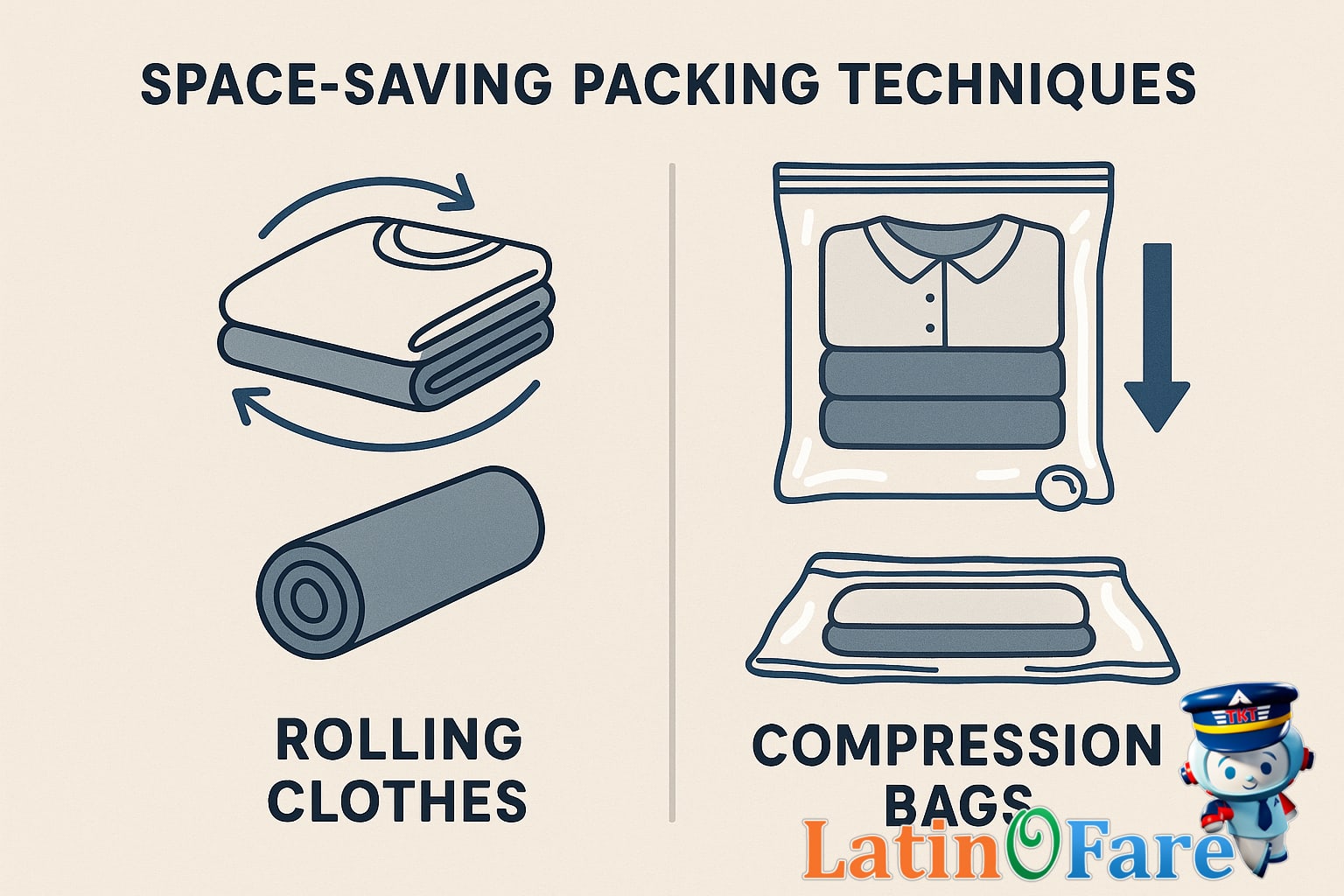
Visual guides like diagrams or infographics help clarify these packing techniques. For example, step-by-step visuals show how rolling creates compact bundles and how compression bags eliminate air pockets. Other illustrations highlight the arrangement of packing cubes inside a suitcase for optimal space use. These tools assist travelers in replicating the process easily, enabling a systematic and stress-free packing routine.
Mastering rolling, compression, and cube-based packing strategies lets you breeze through cold weather trips without sacrificing essentials. These methods not only maximize space but also simplify organization, reduce wrinkles, and protect delicate items. By layering smartly and using innovative packing tools, you’ll maintain warmth and style while traveling light.
Ensure TSA Compliance and Winter Travel Security
Traveling during winter requires special attention to TSA regulations, particularly when carrying liquids, aerosols, electronics, and battery-powered gear essential for staying warm and connected. Knowing these rules ahead of time helps avoid delays and ensures a smooth security checkpoint experience.
Follow TSA Liquid and Aerosol Guidelines
The TSA’s 3-1-1 liquids rule remains firmly in place regardless of season: each passenger is allowed to bring liquids, gels, and aerosols in containers no larger than 3.4 ounces (100 milliliters), all fitting comfortably within a single quart-sized, clear plastic bag. This includes lotions, hand sanitizers, lip balms, and moisturizers that are common in colder months to combat dryness.
Aerosol cans such as travel-sized hairsprays or deodorants are permitted in carry-on baggage if they meet the size requirements. However, heated or fuel-based aerosols, like hand warmers using flammable substances, are prohibited in both carry-on and checked luggage due to fire hazards.
Pack Heated and Battery-Powered Gear Correctly
Battery-powered heated clothing, such as vests or gloves, is increasingly popular during winter travel. These items typically use lithium-ion batteries, which fall under strict TSA and airline safety rules. To comply:
- Carry heated gear in your carry-on baggage only. Checked luggage is off-limits for spare or installed lithium batteries to prevent fire risks.
- Remove or disable batteries when possible. Some airlines recommend detaching batteries or charging gear to less than 30% capacity as an extra precaution.
- Pack power banks and chargers in carry-on bags. They require close screening and must be individually protected from short circuits.
Know Electronics Screening Procedures
Electronic devices such as smartphones, tablets, and laptops should be easily accessible at security checkpoints. Keep them in separate bins unless specified otherwise by TSA officers. When carrying winter travel gadgets like electronic thermometers or portable humidifiers, treat them as you would standard electronics. Always review the latest TSA guidelines, as policies sometimes vary by airport and device type.
Stay Updated with TSA, DOT, and IATA Regulations
Regulations around lithium batteries, aerosols, and liquids are frequently updated. Checking websites of the TSA, DOT, and IATA before travel is crucial to avoid surprises. These agencies provide detailed advisories on prohibited items and special handling procedures for winter travel essentials.
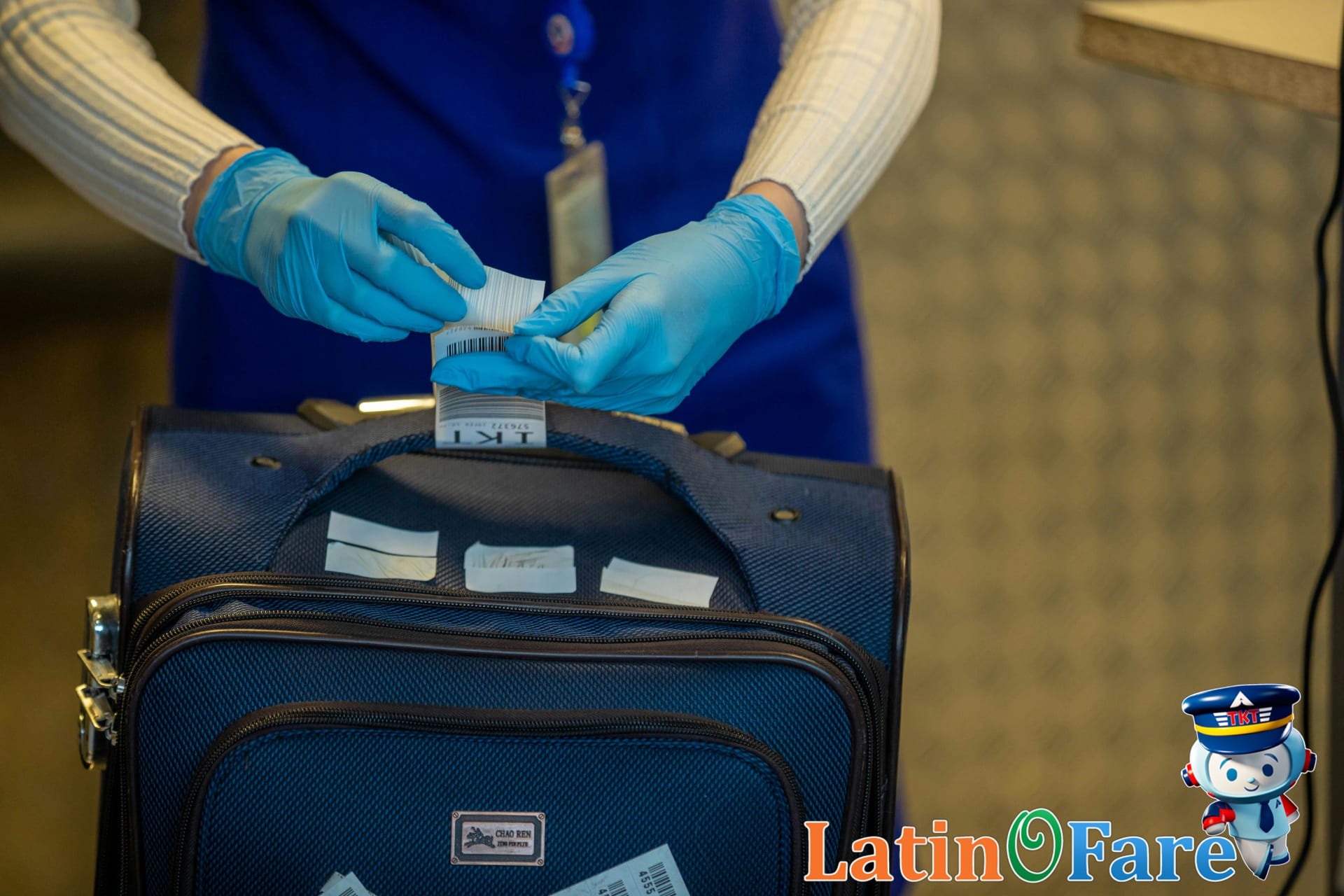
Practice Efficient Security Checkpoint Techniques
When approaching the TSA checkpoint with winter gear, organize your belongings to expedite the process:
- Place all liquids and aerosols in the top of your carry-on for quick removal.
- Have electronics ready to be placed separately in security bins.
- Remove bulky coats and heated gear at the start to avoid last-minute fumbling.
- Inform TSA officers about special items like battery-powered clothing or medical devices.
Being proactive can significantly reduce wait times and enhance traveler comfort during winter travel.
Balance Weight to Avoid Overpacking
Understanding and managing luggage weight is essential for travelers aiming to comply with airline restrictions and enjoy hassle-free transport. Most airlines impose strict weight limits for checked and carry-on bags, typically ranging from 15 to 50 pounds per bag depending on the carrier and ticket class. Overweight luggage may incur costly fees or outright denial at the gate, which can derail your travel budget and plans.
Beyond simply meeting airline limits, distributing weight evenly inside your suitcase enhances transport comfort and prevents damage. When packing rolling luggage, place heavier items close to the wheels. This stabilizes the bag’s center of gravity, making it easier to roll and less likely to tip over. For duffels or backpacks, heavier possessions should rest near your back and low to the bottom to maintain good posture and reduce strain.
Layering clothing is another effective strategy. Roll or fold heavier garments such as jeans or sweaters and position them at the base, then stack lighter, bulkier clothes like T-shirts and scarves on top. This not only optimizes space but also balances the load so it’s neither too bottom-heavy nor top-heavy.
Wearing your bulkiest items during travel is a smart way to lighten your luggage. Heavy coats, boots, or sweaters take up significant weight and space but can be comfortably worn while navigating airports or flights. This approach often saves several pounds from your baggage allowance and streamlines your packing list.
Proper weight distribution within your luggage also benefits your physical comfort and safety. Balanced bags reduce the risk of muscle strain during lifting and minimize awkward twisting motions. For those carrying bags over the shoulder or back, even weight helps maintain spinal alignment and reduces fatigue.
Avoid Common Winter Packing Mistakes
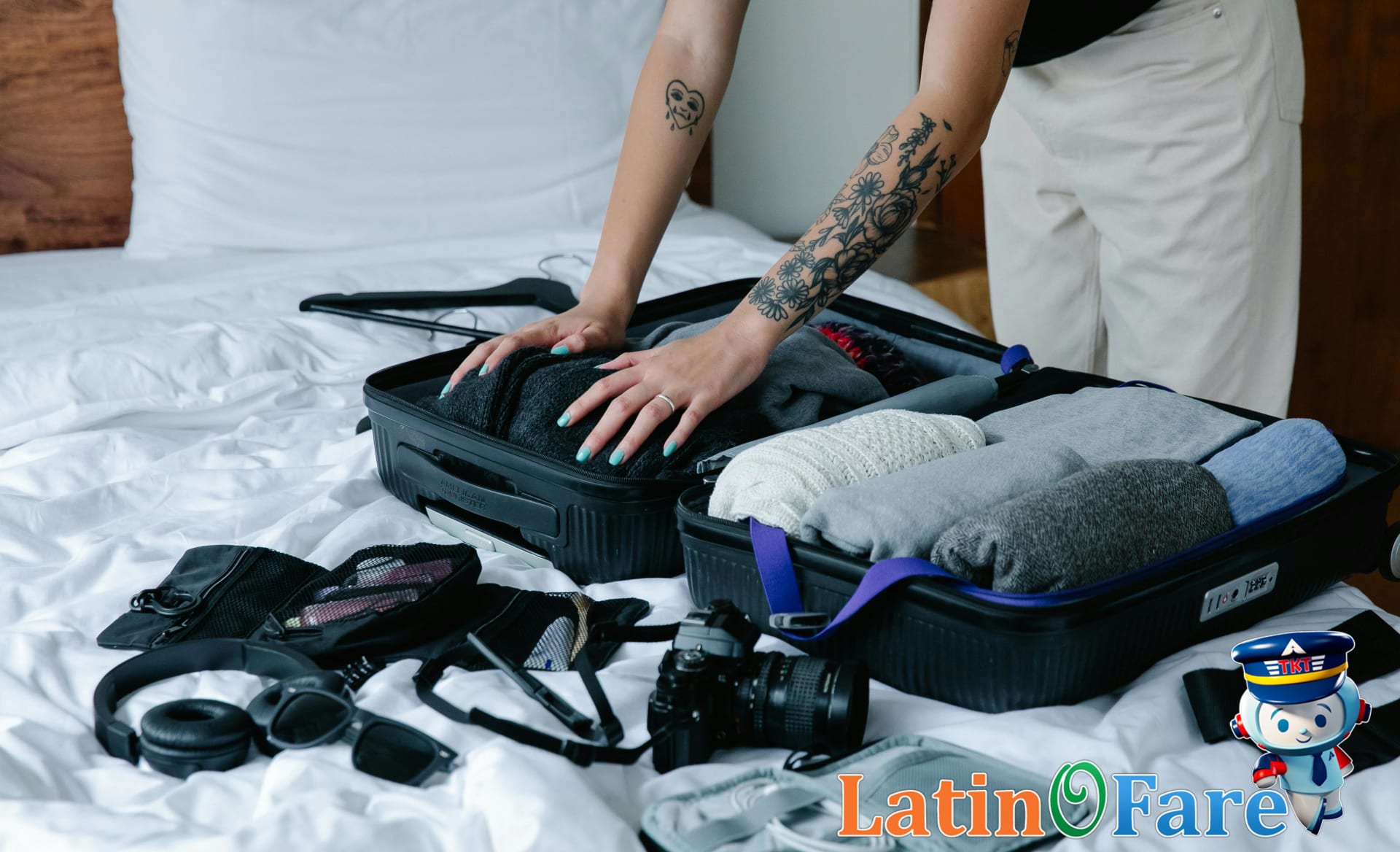
Packing for winter travel can be challenging, and many travelers fall into common traps that make their trips less comfortable or more costly. Overpacking is perhaps the most frequent error—it adds unnecessary weight and often leads to extra baggage fees. On the flip side, ignoring local weather variations causes you to be underprepared or carry inappropriate clothing. Another prevalent mistake is forgetting essential cold-weather accessories like insulated gloves, thermal socks, or a sturdy hat, which are vital for staying warm. Additionally, many travelers overlook TSA regulations, risking delays or having to repack at security checkpoints.
To pack smarter for cold-weather trips, adopt a minimalist approach. Prioritize versatile clothing pieces that layer well, such as lightweight thermal tops that fit under sweaters or jackets without bulk. Researching the specific climate of your destination helps tailor your packing list—know if you’ll face wet snow, dry cold, or fluctuating temperatures. Thoughtfully select accessories, focusing on items that provide maximum warmth with minimal space, like compact scarves or gloves crafted from insulating fabrics.
Fabric choice can make or break your winter packing efficiency. Avoid bulky materials like heavy cotton; instead, opt for technical fabrics like merino wool, fleece, or synthetic blends that retain heat and dry quickly. Packing techniques also affect space and convenience: roll clothes tightly, use compression bags, and separate layers by weight to access items easily without unpacking your entire suitcase.
- Have you limited your wardrobe to mix-and-match layers?
- Did you check the weather forecast for your destination’s specific climate?
- Are your cold-weather accessories—gloves, hats, scarves—packed and easily accessible?
- Have you chosen fabrics that maximize warmth without bulk?
- Did you comply with TSA rules, especially regarding liquids and electronics?
- Are your items packed using space-saving techniques like rolling or compression bags?
By avoiding these common pitfalls and following these tips, you ensure a smoother travel experience. Pack efficiently and smartly with LatinOFare to keep your winter journeys comfortable and budget-friendly.
Winter Packing FAQs for Cold Climate Travel
Can I pack winter jackets in carry-on luggage?
Yes, winter jackets can be packed in carry-on bags, but they are bulky. To save space, wear your jacket on the plane or pack it inside a compression bag. Airlines usually allow one carry-on and personal item, so plan accordingly and check your airline’s size restrictions on LatinOFare.
What is the best fabric for winter packing cold weather trips?
Wool and synthetic fabrics like polyester or fleece are best for winter packing cold weather trips as they insulate well and dry quickly. Avoid cotton, which traps moisture and chills. Look for moisture-wicking base layers and lightweight insulated jackets to balance warmth and packability.
How to efficiently pack bulky cold-weather gear?
Use compression bags to minimize volume of bulky gear like jackets and sweaters. Layer smaller items inside boots or fill gaps in your suitcase with gloves and hats. Prioritize multipurpose clothing and limit the number of heavy pieces to avoid overweight baggage fees.
When should I start packing for a winter cold destination?
Start packing at least a few days before your trip to avoid last-minute stress. This allows time to check weather updates, ensure you have TSA-compliant containers for toiletries, and adjust your baggage on LatinOFare according to airline policies for winter gear.
Why is TSA compliance important during winter packing cold trips?
TSA compliance prevents delays and confiscations at security checkpoints. For winter packing cold trips, pack liquids in containers of 3.4 ounces or less in a quart-sized bag. Battery-powered heated gear also has restrictions—check TSA regulations before packing.
What are space-saving methods for winter packing cold essentials?
Roll clothes instead of folding, use compression sacks, and pack layering pieces that serve multiple purposes. Place small items like socks inside shoes and avoid duplicates. Consider travel-sized toiletries and wear your bulkiest items during transit to save suitcase space.
Can I bring battery-powered heated gear on flights?
Battery-powered heated gear is allowed but must comply with airline and TSA rules. Batteries usually must be carried in carry-on luggage, not checked bags. Check capacity limits (often under 100Wh) and ensure devices are turned off during the flight to avoid issues.
Final Winter Packing Checklist and Confidence Boost
Preparing for cold-weather travel demands thoughtful packing that balances warmth, comfort, and convenience. Throughout this guide, we’ve focused on layering versatile clothing, selecting weather-appropriate gear, and applying smart packing techniques to optimize your travel experience. From insulated jackets and thermal base layers to waterproof boots and essential accessories like gloves and hats, the key is choosing items that work together efficiently.
To help you wrap up your preparations, here’s a comprehensive winter packing checklist tailored for cold destinations:
- Clothing: Thermal underwear, insulated mid-layers (fleece or wool), weatherproof jacket, waterproof pants, warm socks, gloves, scarf, hat, and casual outfits.
- Footwear: Waterproof boots with traction, comfortable shoes for indoor use, and moisture-wicking socks.
- Accessories: Sunglasses (for snow glare), lip balm, moisturizer, travel-size hand warmers, and a sturdy backpack or tote.
- Travel Gear: Packing cubes for organization, compression bags for bulky items, reusable water bottle, chargers, and travel documents holder.
- Health & Safety: First aid kit, medications, face masks, sanitizer, and travel insurance information.
Adjust this list based on your trip’s length and the specific climate you’ll encounter. Short weekend trips require fewer layers; extended stays may call for laundry solutions and extra changes of clothes. For extreme cold or active outdoor adventures, consider additional technical gear such as insulated gloves or thermal gaiters.
Smart packing means less stress at the airport and more freedom to enjoy your destination. Thoughtful preparation reduces the likelihood of forgetting crucial items or overpacking bulky garments, allowing you to move effortlessly whether exploring snowy streets or cozying up indoors.
When you’re ready to book your winter getaway, explore affordable flights, accommodations, and car rentals with LatinOFare. Their easy-to-navigate platform and responsive customer support ensure you secure the best deals tailored to your travel needs. Start planning with confidence and make your winter trip both budget-friendly and comfortable.