
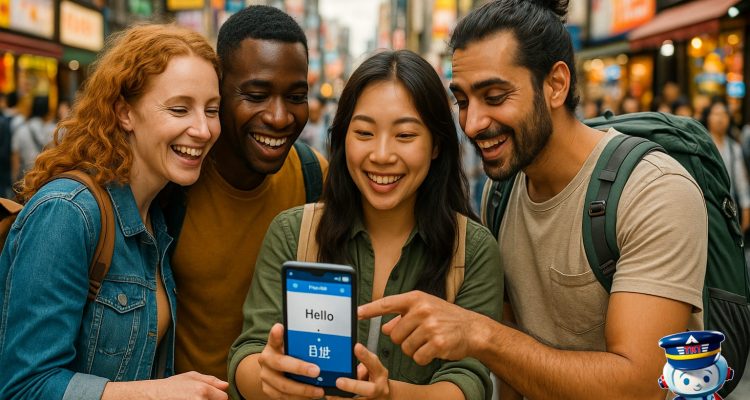
Overcome Language Barriers While Traveling
Traveling to new destinations often means stepping into unfamiliar linguistic landscapes. While language differences can complicate simple tasks, they also open doors to unique cultural connections and learning experiences. Encountering a language barrier is almost inevitable, but with the right mindset, these challenges can enrich your journey rather than deter it.
Language obstacles commonly arise in everyday situations like asking for directions in a bustling city, ordering meals in local restaurants, or negotiating prices at markets. Such moments can feel intimidating, especially when words don’t come easily or gestures seem misunderstood. However, these experiences offer valuable opportunities to engage with locals in creative ways—using body language, translation apps, or key phrases picked up beforehand.

Throughout this article, we will share practical tips designed to empower you when facing language barriers. From preparing essential vocabulary and harnessing technology to cultivating patience and openness, you’ll learn how to maintain positivity and confidence. These strategies help transform potential frustrations into rewarding interactions, making your travel experience smoother and more fulfilling.
At LatinOFare, we understand that ease of communication enhances every aspect of travel—from booking flights to navigating new destinations. Managing language differences effectively is key to unlocking richer experiences and building authentic connections wherever you go.
Learn Essential Phrases Before Travel
Mastering a handful of key phrases in the local language can transform your travel experience. Simple expressions like “hello,” “thank you,” “excuse me,” “help,” and basic numbers make communication smoother and show respect to locals. This not only eases practical interactions but also builds genuine rapport, often leading to warmer welcomes and helpful assistance during your trip.
To get started, focus on phrases that cover greetings, polite manners, and basic needs. For example, greeting someone with a friendly “hello” in their language immediately sets a positive tone. Saying “thank you” demonstrates appreciation, while “excuse me” helps in navigating crowded places or catching someone’s attention politely. Knowing how to ask for “help” or understanding numbers for shopping and transportation can prevent misunderstandings and save time.
Key Phrases in Popular Languages
| English | Spanish | French | Mandarin |
|---|---|---|---|
| Hello | Hola | Bonjour | 你好 (Nǐ hǎo) |
| Thank you | Gracias | Merci | 谢谢 (Xièxiè) |
| Excuse me | Perdón | Pardon | 劳驾 (Láojià) |
| Help | Ayuda | Aidez-moi | 帮助 (Bāngzhù) |
| One, Two, Three | Uno, Dos, Tres | Un, Deux, Trois | 一, 二, 三 (Yī, Èr, Sān) |
Tips for Memorizing Phrases
Memorization doesn’t need to be tedious. Start by repeating phrases aloud, which helps with pronunciation and retention. Flashcards are excellent tools—write the phrase on one side and the translation on the other, reviewing them regularly. Smartphone apps or digital phrasebooks offer on-the-go access, making it easy to practice anytime.
Breaking down phrases into smaller parts allows you to learn step-by-step, and associating words with images or real-life situations enhances memory. For instance, link “hola” with the image of waving hands, or “merci” with envisioning a friendly smile after being helped.
Learning these essential expressions tailored to your destination ensures you can navigate common scenarios like ordering food, asking for directions, or shopping. This preparation reflects cultural respect and often opens doors to richer, more authentic travel experiences.
Use Translation Apps for Easy Interaction
Traveling abroad often comes with language barriers that can hinder smooth communication and navigation. Translation apps bridge this gap, offering real-time assistance in understanding signs, menus, and conversations. These tools combine multiple features to make your journey more comfortable, whether you’re ordering food or asking for directions.
One standout feature is camera translation, which allows you to instantly translate text by simply pointing your device’s camera at signs, menus, or informational boards. This eliminates the guesswork when faced with unfamiliar languages, especially in restaurants or public transit areas. Another critical function is offline mode, offering access to translations without an internet connection. This is perfect for remote destinations or international travel where data roaming is expensive or unavailable.
Additionally, conversation mode enables two-way dialogue translation. Speak into your phone in your language, and it converts the speech in real-time into the listener’s language and vice versa. This tool is invaluable for interacting with locals, hotel staff, or taxi drivers, fostering a natural, fluid communication experience.
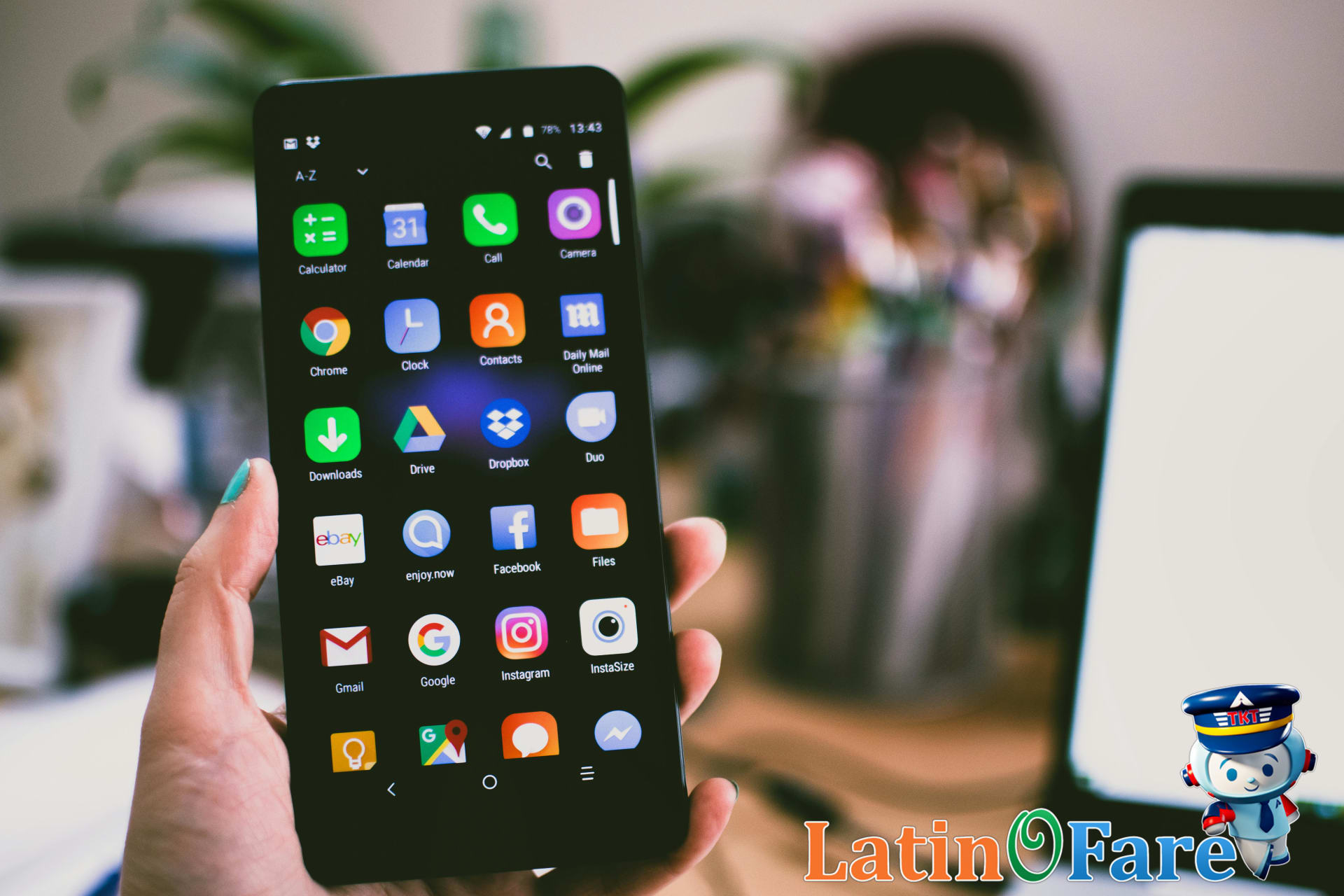
A reliable app widely trusted by travelers is Google Translate. Its camera translation feature is particularly powerful, supporting over 100 languages with visual text recognition. Beyond translating written text, Google Translate’s offline language packs let you download specific languages directly onto your device, ensuring you remain connected even with spotty or nonexistent internet.
Preparing your device for smooth app use is essential. Before traveling, download all necessary language packs to enable offline access. Confirm your device’s battery health and consider carrying a portable charger to avoid interruptions when you need quick translations. Input predicted phrases or common questions in advance to speed up interaction and reduce dependency on live mode if coverage is poor.
- Enable auto-updates to access the latest app improvements.
- Store favorite phrases in the app’s phrasebook for quick retrieval.
- Practice using conversation mode with a friend to familiarize yourself with its functionality.
- Adjust microphone sensitivity for clearer voice input in noisy environments.
By leveraging translation apps like Google Translate, travelers can confidently navigate foreign environments without frustration. At LatinOFare, we encourage budget travelers to integrate these smart tools into their adventures for better, seamless communication across the globe.
Carry Important Local Language Info Cards
Traveling in a foreign country where you don’t speak the language can quickly become challenging, especially when you need help navigating or accessing essential services. Carrying printed info cards with crucial details in the local language is a simple, effective tool to bridge communication gaps. These cards prove invaluable when asking for directions, showing taxi drivers your hotel address, or handling emergencies without confusion.
Imagine arriving late at night in an unfamiliar city and needing to reach your accommodation. Instead of relying solely on phone maps or risking mispronounced addresses, presenting a card with the hotel name and address written in the local script dramatically reduces misunderstandings. Similarly, in emergencies, showing your host country’s emergency contact numbers or a phrase explaining your need for assistance can save precious time.
To help you prepare these cards effectively, here are some practical templates and phrasing examples you can personalize:
- Hotel Information: Include your hotel’s name, full address, and phone number. Example: “My hotel: [Hotel Name], [Street Address], [City]. Phone: [Number]” translated into the local script.
- Emergency Contacts: Key phrases like “I need help,” “Call the police,” or “I am lost,” paired with local emergency numbers.
- Basic Directions Request: Simple questions such as “Where is the nearest metro station?” or “How can I get to [landmark]?” in the local language.
When presenting your card, approach politely and make eye contact to show respect. Hold the card steadily at an angle easily visible to the other person, avoiding sudden or rushed gestures. This clear and calm interaction helps reduce confusion and encourages helpful responses.
Carrying well-prepared local language info cards is a low-effort way to increase your travel confidence and safety. This practical habit makes every interaction smoother, saving you time and reducing stress—so you can focus on enjoying your journey booked with LatinOFare.
Use Charades and Body Language To Communicate
When language barriers arise during travel, expressive charades and body language become invaluable tools to bridge communication gaps. Using exaggerated facial expressions, gestures, and mimicry, travelers can convey basic needs and emotions even without shared words. A warm smile paired with open palms often signals friendliness and can soften interactions instantly.
Simple, universal gestures like pointing, nodding, or giving a thumbs-up are generally effective worldwide. For instance, miming eating can communicate hunger, while acting out “sleep” by resting your head on crossed hands is widely understood. These non-verbal cues often break down walls faster than fumbling with unfamiliar words or translation apps.
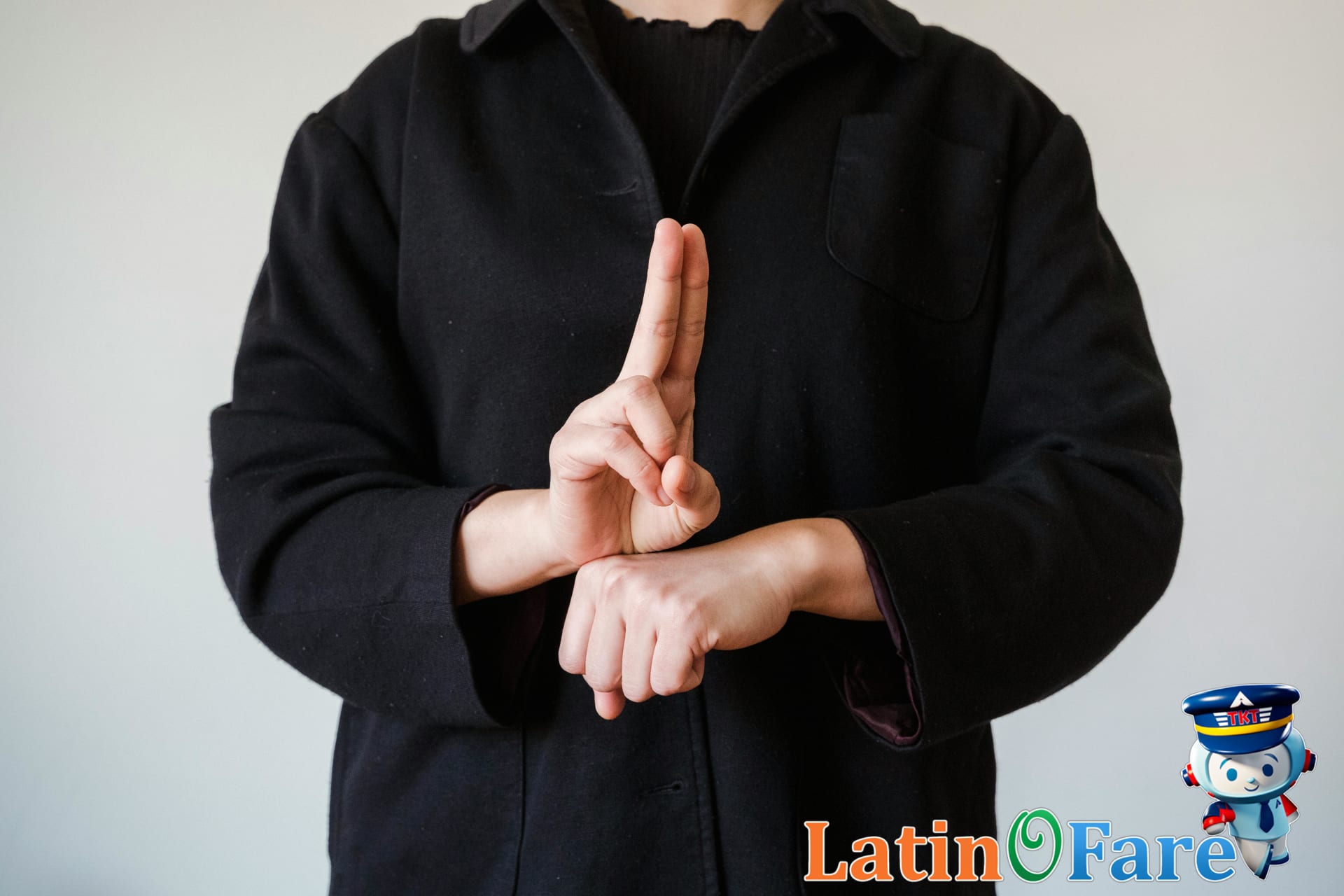
However, not all gestures translate well across cultures. For example, the “OK” sign—forming a circle with thumb and index finger—can be offensive in Brazil and Turkey. Similarly, beckoning someone with a finger is seen as rude in parts of Asia. It’s wise to observe locals or ask about local customs before relying heavily on gestures to avoid unintended insults.
Consider the story of Jane, a solo traveler in Japan who couldn’t speak Japanese but urgently needed a taxi. By mimicking hailing a cab with hand gestures and pointing to her luggage with big smiles, she caught the attention of a helpful passerby who eventually hailed a taxi for her. Sometimes humor also helps; exaggerating confused expressions or playfully shrugging can ease tension and prompt assistance from strangers.
Another example involves a family in Italy who accidentally offended a waiter by using a thumbs-up to signal satisfaction. Quickly realizing the mistake, they switched to enthusiastic clapping and heartfelt eye contact, which won the waiter’s goodwill and improved their dining experience. These moments highlight how blending expressive body language with cultural awareness can transform misunderstandings into memorable travel stories.
At LatinOFare, we encourage travelers to embrace these creative communication methods as part of the adventure. Mastering charades and mindful gestures not only aids in practical needs but enriches cultural exchanges—often resulting in unexpected friendships and unique experiences worldwide.
Seek Help from Bilingual Locals and Staff
When navigating a foreign destination, language barriers can pose a real challenge. One of the best ways to overcome this hurdle is to seek assistance from bilingual locals and hospitality staff. Often, younger residents and employees in the tourism industry have greater proficiency in English or other widely spoken global languages, as these skills frequently align with education and job requirements in popular travel areas.
Younger people tend to learn English early in school, sometimes even becoming fluent through media and social interactions. Hospitality workers, including hotel front desk personnel, tour guides, and restaurant staff, are motivated to speak multiple languages to better serve international visitors. This makes them excellent resources for clear communication, directions, and insider tips.
When approaching bilingual individuals for help, it’s essential to be polite and considerate. Begin with a friendly greeting in the local language—even a simple “hello” or “please” shows respect and can make the other person more willing to assist. Then, clearly and calmly explain what you need. Preparing a few useful questions in advance can help streamline the conversation. Examples include:
- “Could you please recommend a nearby café with vegetarian options?”
- “How do I get to the nearest metro station?”
- “Can you help me understand the menu or transportation schedule?”
Avoid rushing or speaking loudly, as impatience can create discomfort on both sides. Instead, maintain a positive and respectful demeanor, using body language like smiling or nodding to show gratitude. Patience is key; even if it takes a bit longer to communicate, keeping a calm attitude encourages more helpful and friendly exchanges.
Remember, these bilingual helpers are doing you a favor by bridging the language gap. A courteous approach not only eases communication but often leads to extra kindness, such as insider recommendations or even invitations to local events.
By respectfully seeking help from bilingual locals and staff, you can enrich your travel experience, make informed decisions, and feel more confident exploring unfamiliar environments. For more tips on smooth international travel, visit the LatinOFare blog.
Address Common Questions About Language Barriers
Language barriers while traveling can challenge even the most seasoned globetrotter. Learning a few essential phrases helps ease communication—start with greetings like “hello,” “please,” “thank you,” and “excuse me,” then add practical questions such as “Where is…?” and “How much?” These form a simple toolkit that breaks initial communication walls.
Translation apps are indispensable tools today. Apps like Google Translate or iTranslate let you speak or type phrases and get instant translations. Many also work offline when downloaded in advance, aiding navigation and ordering food without confusion. Using them boosts confidence and reduces misunderstandings significantly.
Preparing a local language info card is invaluable before arrival. This card should include your destination, allergies, medical conditions, emergency contacts, and basic phrases. Presenting this card quickly conveys key details without complicated explanations, especially during urgent situations or when technologies fail.
Patience is crucial when facing language barriers. Miscommunications will happen; reacting calmly fosters goodwill and encourages locals to assist you further. Frustration can escalate stress and block effective problem-solving, while patience keeps exchanges friendly and productive.
Body language is a universal communicator. Simple gestures such as smiling, nodding, pointing, and using hand signals often convey intent clearly. Observing local customs with body language shows respect and helps avoid cultural misunderstandings.
Asking for help from locals despite language gaps usually works better with a combination of a polite phrase, a friendly smile, and clear gestures pointing to what you need. Phrases like “Can you help me?” paired with nonverbal cues invite cooperation.
To reduce stress from language barriers, plan ahead and embrace flexibility. Practice key phrases, download reliable translation tools, keep a list of emergency contacts, and allow extra time for interactions. Remind yourself that mistakes are part of the experience and can lead to memorable connections.
Stay Positive and Flexible with Language Barriers
Traveling to a destination where you don’t speak the language can feel intimidating, but with the right mindset and tools, it becomes an enriching adventure. Remember the key strategies: learning essential phrases, using translation apps effectively, carrying helpful info cards, relying on non-verbal communication, and seeking bilingual assistance when needed. These simple yet powerful tactics can significantly ease communication challenges.
Above all, maintaining a positive and flexible attitude is what truly transforms potential frustrations into memorable experiences. Language barriers often force travelers to slow down, observe more closely, and connect in ways beyond words. Embracing this openness can lead to unexpected friendships, unique cultural insights, and cherished stories to share upon return.
When planning your trip, it helps to partner with a travel service that understands these challenges and offers tailored support. LatinOFare provides affordable flights and flexible travel options designed to make your journey smoother from the start. Whether booking online or with personalized assistance, you have access to reliable, budget-conscious options that reduce stress before departure.
Embracing language differences with patience and curiosity turns barriers into bridges. By staying open and adaptable, you position yourself for a more immersive and rewarding travel experience. Explore LatinOFare and discover how affordable flight options can support your stress-free international adventures.