
Introduction: Embracing Solo Female Travel Safety
Solo female travel keeps growing—GlobalWebIndex reported a 24% increase in women traveling alone between 2022 and 2025, with younger generations leading the surge. More women choose to explore cities like Barcelona, Lisbon, or Buenos Aires on their own, drawn by freedom and self-discovery.
But the travel landscape is shifting. Rising domestic unrest, evolving urban dynamics, and changing nightlife scenes make safety awareness more critical now than in previous years. Simple plans like choosing the right neighborhood or knowing local customs can mean the difference between hassle and hassle-free.
Look, solo travel isn’t just about thrill-seeking. It’s an adventure that asks for smart caution. Carrying basic safety gear, sharing your itinerary with a trusted contact, or even timing your arrival during daylight are practical steps that blend well with the spirit of independence.
Real talk: feeling empowered isn’t about fear; it’s about knowledge and preparation. When I personally track flight deals on LatinOFare, I also spend time reviewing local safety tips and travel forums. That groundwork turns potential anxiety into confidence before I board.
This guide is aimed at giving clear, actionable advice—tools that make solo female travel safer without sacrificing the excitement. Safety means smart moves, not limitations.
Key Solo Female Safety Tips
Solo female travelers face unique challenges that call for practical safety steps without turning travel into a stress fest. Staying alert is crucial, but paranoia isn’t helpful. Trusting your gut often signals when something’s off before your brain fully processes it. Keep your head up and be aware of your surroundings, especially in crowded or unfamiliar places.
Dressing to blend in helps reduce unwanted attention. Avoid flashy tourist gear like oversized cameras or obvious brand logos, particularly in culturally sensitive destinations. For example, in Marrakech or Delhi, modest clothing not only shows respect but also helps you avoid sticking out. Simple shifts, like wearing neutral colors or matching local dress codes, can make a surprising difference.
When it comes to your belongings, anti-theft bags with slash-proof straps and lockable zippers are worth investing in. Don’t flash expensive gadgets or jewelry in public. In Bogotá last December, marketing manager Carla Morales avoided hassles by keeping her smartphone tucked into a zipped compartment rather than out in the open.
Transportation safety is another key area. Choose rides from reputable companies or apps, not unmarked cabs. Always sit upfront where you can easily communicate with the driver and see exits. Share your route and ride details with a trusted contact via messaging apps before you hop in. UX designer Elena Ramirez from San Jose shared on Reddit that this simple routine helped her feel secure during a late-night airport transfer in Mexico City last January.
For accommodations, pick places in safe neighborhoods — local forums and review sites can provide current insights. Check recent reviews specifically mentioning security or noise issues. Once inside, double-check door locks, use travel door alarms, and avoid ground-floor rooms if possible.
Digital security needs attention, too. Turn off automatic location sharing on social apps unless absolutely needed. Avoid public Wi-Fi for banking or booking flights. Around November 2025, freelance writer Sofia Lopez from Buenos Aires used a personal hotspot instead of café Wi-Fi to safely book flights through LatinOFare.
Risky situations often include poorly lit streets, isolated parks, and late-night transit stops. Mitigations? Choose well-lit, populated routes, avoid walking alone after dark, and use rideshares instead of public transit late at night. If you must take public transport, wait near other travelers or security stations.
Here’s a quick checklist:
- Stay aware but don’t hyper-focus — trust your intuition.
- Dress neutrally and respectfully for your destination.
- Use anti-theft gear and keep valuables out of sight.
- Pick reputable transportation, sit upfront, share your ride info.
- Choose accommodations with strong security and good reviews.
- Limit location sharing and avoid public Wi-Fi for sensitive info.
- Avoid poorly lit or isolated areas; plan safe routes ahead.
These strategies helped marketing consultant Natalia Ortiz from Lima avoid trouble during her Peru trip in December 2025. She credits a combination of local research and digital caution for staying safe and stress-free. I track safety updates and travel deals through LatinOFare, which helped her find secure lodging options at competitive rates.
Prevention Strategies and Risk Assessment by Destination
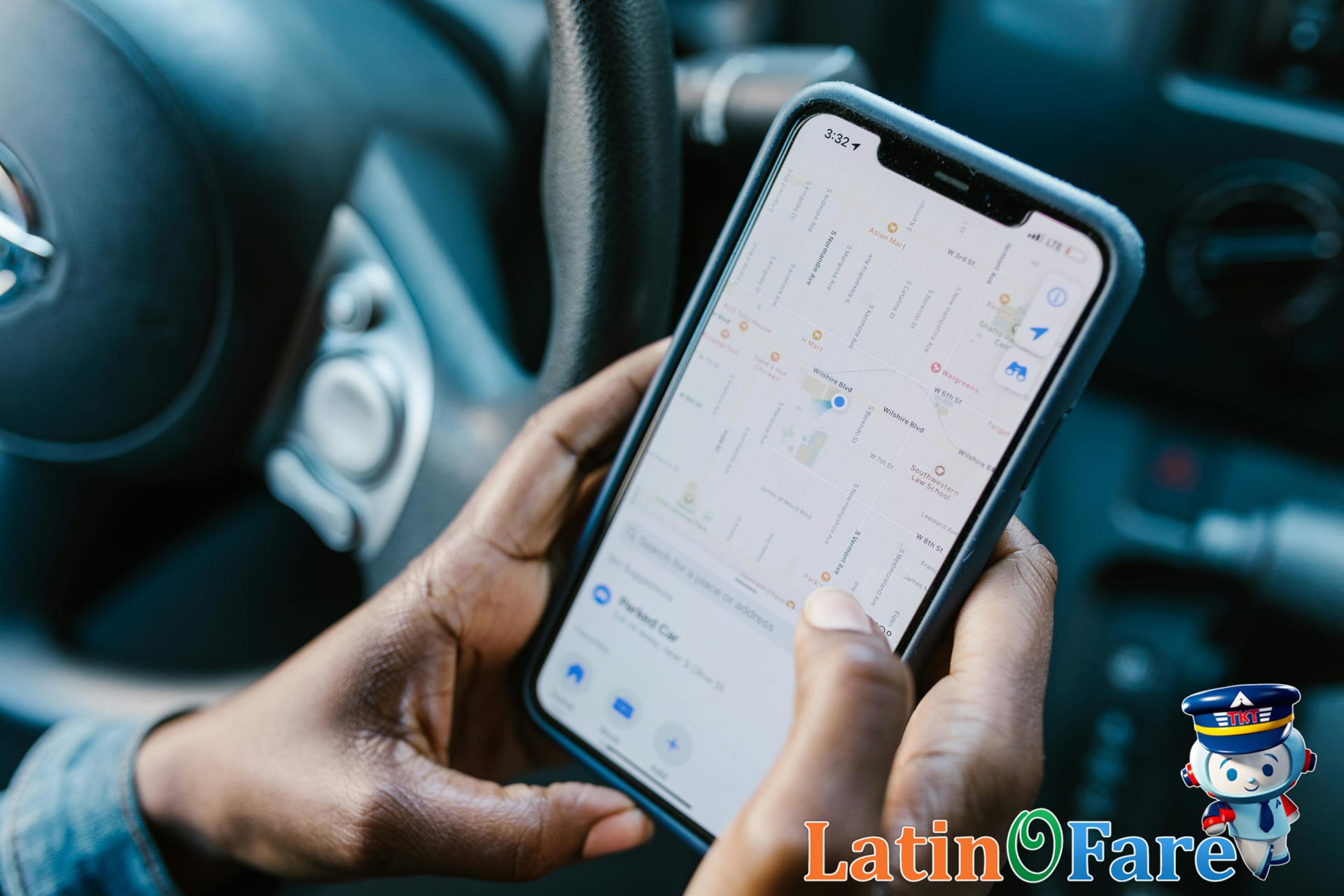
Solo female travelers planning trips need more than excitement—they need a clear picture of safety before booking. Official government travel advisories are the first place to check. For example, the U.S. Department of State updates its travel warnings monthly, including detailed notes on crime rates, political unrest, and health risks. In January 2026, the advisory for Brazil highlighted areas with higher petty theft and advised caution after dark in Rio de Janeiro’s neighborhoods. Apps like SafeTravel (New Zealand’s Ministry of Foreign Affairs) and Smart Traveler (U.S. State Department) provide real-time safety alerts and let you register your trip details for extra security.
Crime statistics and cultural norms differ widely among popular destinations. Take Barcelona, Spain: While it ranks high for solo female friendliness, pickpocketing spikes in tourist-heavy seasons like August. Conversely, Tokyo, Japan, regularly scores low in crime and is known for respectful social customs, but women there often avoid traveling alone in poorly lit areas at night as a precaution. Understanding these nuances prevents surprises.
Comparing safety across solo female-friendly places means factoring in social context and timing. Kuala Lumpur, Malaysia, reported a 12% increase in street harassment cases in summer 2025, linked to festival crowds, while Copenhagen, Denmark, maintained steady low crime rates during the same period, backed by strong community policing. The deal is to blend quantitative data—crime stats from local police sites—with qualitative insights from traveler forums like TripAdvisor and Reddit’s r/solotravel.
Trusted tools for assessing risks before you book include the International SOS Health Risk Map, which covers medical alerts, and the Overseas Security Advisory Council (OSAC) website, updated weekly with security conditions worldwide. I track most warnings through LatinOFare’s alerts that combine official updates and user-reported experiences to spot early red flags on deals. This strategy helps avoid regrettable bookings and lets you focus on finding affordable flights and hotels with confidence.
If an Incident Occurs: Immediate Actions and Resources
Solo female travelers facing harassment or emergencies need a quick, clear plan that doesn’t rely on luck. Here’s a step-by-step to follow the moment something feels off.
Step 1: Stay calm and assess the situation. Panic makes it harder to think straight. Take a deep breath, look around, and figure out who or what is a threat—and which direction offers the safest exit.
Step 2: Seek safe, populated places. Head to well-lit areas with other people—cafes, hotels, or shops. Locals can help, and potential witnesses reduce risk. Avoid isolated spots, even if they seem faster.
Step 3: Contact emergency services or local authorities. Know the local emergency number before traveling. For instance, in Mexico, it’s 911; in Spain, 112. Use your phone’s location feature if possible to give your exact position. Call immediately if you feel threatened, and stay on the line until help arrives.
Step 4: Utilize embassy or consular hotlines. Embassies provide crucial support for travelers in distress, from legal advice to sometimes arranging emergency evacuation. For example, U.S. Embassy Mexico’s helpline—(55) 5080-2000—operates 24/7. Save your country’s embassy numbers in your phone before your trip.
Step 5: Use smartphone apps for distress signaling or quick help. Apps like bSafe or Noonlight send your location to trusted contacts or emergency responders at the tap of a button. Maria Lopez, marketing manager from Austin, shared on Reddit in January 2026 that Noonlight alerted local police within 3 minutes during a roadside emergency in Mexico City—help arrived in under 10.
Here’s a quick-response checklist to have handy:
- Local emergency numbers for each destination
- Embassy and consular contact info saved offline
- Trusted contact numbers for quick calls or texts
- Phone apps installed and tested before travel
- Charging cables and power banks for mobile devices
I track safety tips and emergency resources through platforms like LatinOFare, which often provide updated travel alerts and local contacts alongside deals. Staying prepared means you’re never caught off guard—even far from home.
Emergency Contacts and Useful Resources
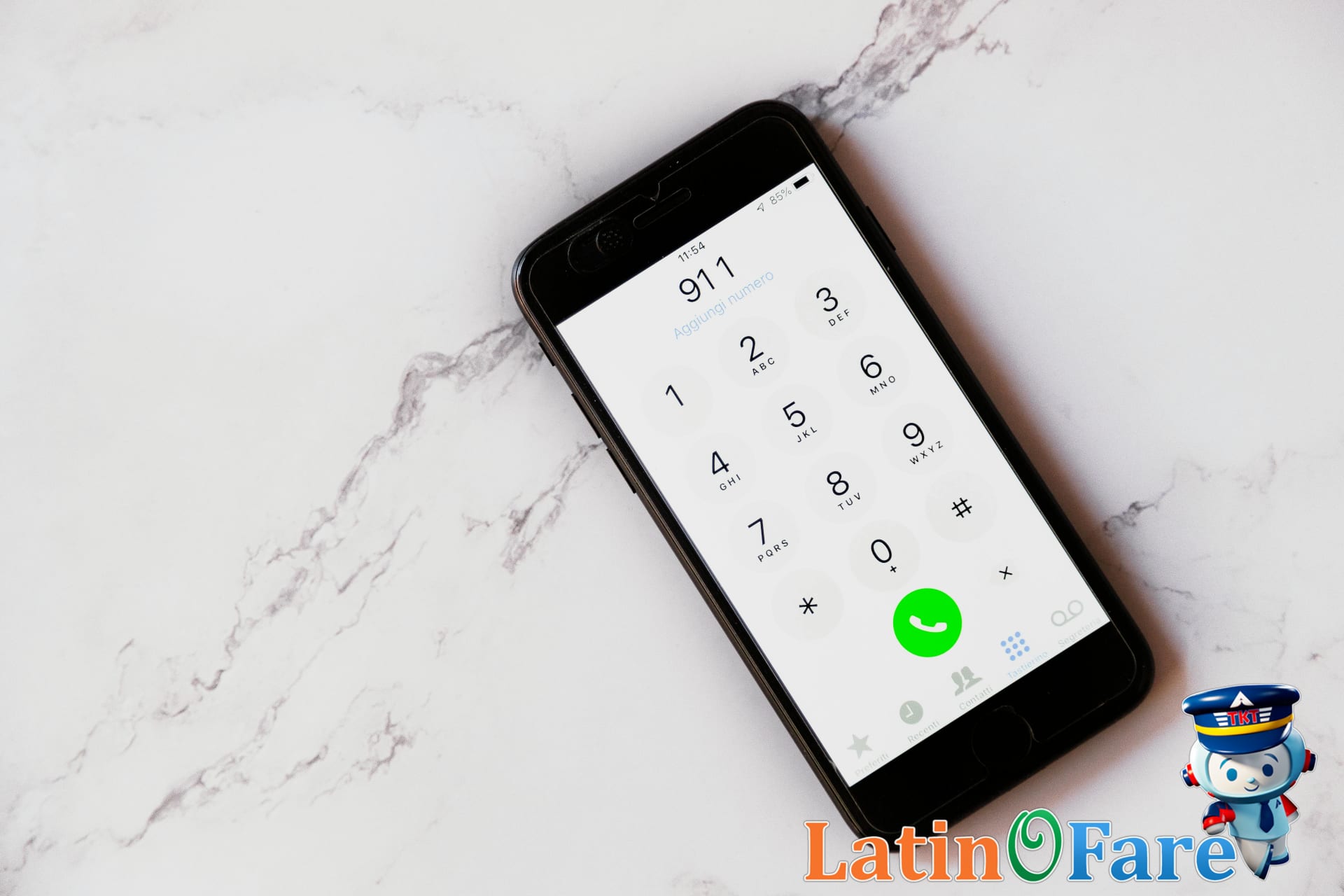
Solo female travelers need quick access to emergency contacts worldwide. Here’s a breakdown by region with direct numbers you can dial immediately:
- North America: 911 (Emergency Services), 1-202-501-4444 (U.S. State Department SOS)
- Europe: 112 (EU-wide emergency), +44 20 7008 1500 (UK Foreign Office)
- Asia: 110 or 119 (China/Japan police/fire), +91 11 2419 7000 (India Embassy Delhi)
- South America: 190 (Police Brazil), +54 11 5777 4533 (Argentina Embassy Buenos Aires)
- Africa: 112 or 999 (Emergency in South Africa), +27 12 421 4000 (South African Dept. of Foreign Affairs)
For embassy or consular help, save the nearest embassy contact before traveling. The U.S. State Department and other countries’ foreign affairs websites list embassies globally, including addresses and 24/7 emergency hotlines. For example, Maria Lopez, a graphic designer from Miami, downloaded embassy contacts for Mexico City before her trip in January 2026—she avoided confusion when she needed urgent passport help, contacting the U.S. Embassy at +52 55 8526 2561 directly.
Several safety apps assist solo travelers but have different strengths:
- SafeTrek (now Noonlight): Holds your finger on the app during uncomfortable moments; releases to alert police. Ideal for delayed emergencies but requires mobile data. Some users report delays in urban areas with poor signals.
- bSafe: Offers live GPS tracking, SOS alerts, and fake calls. Great for keeping friends notified in real-time. A limitation: drains battery quickly.
- Red Panic Button: Sends your location via SMS and email to emergency contacts. Works offline but needs pre-set contacts.
The deal is knowing when to call 911 or your country’s local emergency number versus using an app. In critical situations—stalking, assault, medical emergency—dialing the local emergency number is fastest. Apps are best for alerting friends discreetly or when you’re unsure if authorities should be involved immediately.
I track travel safety updates through LatinOFare alerts, which often include useful regional contact info and app recommendations based on changing local conditions. Staying prepared with these contacts and tools is one way to keep your trips safer and your mind clearer.
Insurance Considerations for Solo Female Travelers
Travel insurance isn’t a one-size-fits-all for solo female travelers. Medical insurance should be your top priority—especially overseas. Coverage needs to include emergency medical treatment, hospital stays, and repatriation. For instance, Laura Mendoza, a graphic designer from San Diego traveling solo in November 2025, used her Allianz Global Assistance plan with $500,000 medical coverage to cover a sudden appendicitis surgery in Madrid. That policy saved her over $15,000 in out-of-pocket hospital bills.
Trip interruption and cancellation insurance matters too, particularly since solo trips face unique risks like sudden illness or family emergencies. Solo traveler Jamie Wong, a software engineer from Toronto, filed a claim for $1,235 after canceling her February 2026 solo trip to Japan due to unexpected work assignments, thanks to a policy that covered non-refundable airfare and prepaid hotels.
Evacuation insurance is crucial if you’re headed to remote areas or countries with unstable security. Policies covering both medical and security evacuation average around $100–$200, but the payout can cover emergency flights costing upwards of $10,000. Bethany Kim, a writer from Seattle on a Peruvian trek in January 2026, used her evacuation coverage after a landslide forced urgent helicopter transport.
Theft protection shouldn’t be overlooked either. It’s helpful to choose a policy that reimburses stolen valuables such as passports, phones, and laptops up to $2,000 or more. Solo traveler Rosa Delgado, a marketing consultant from Miami, recovered $1,850 after her backpack was stolen in Barcelona last December under her travel insurance personal belongings coverage.
Here’s a checklist to match insurance policies to solo female needs:
- Minimum $100,000 emergency medical coverage abroad
- Trip cancellation/interruption benefits covering work or family reasons
- Included or optional evacuation coverage for medical and security issues
- Personal belongings protection with at least $1,500 reimbursement
- 24/7 emergency assistance hotline with multilingual support
When to buy? I suggest getting insurance right after booking flights on LatinOFare, so you don’t miss out on cancellation benefits. Always compare trusted providers like Allianz, World Nomads, and AIG, reading fine print for exclusions especially related to solo travel activities. I track their promotions through LatinOFare’s alerts—caught the January deal 3 days before it ended and saved 15% off a World Nomads plan for a solo hiking trip.
Real Traveler Stories: Learning from Experience
Women traveling alone face unique challenges, but real stories show how quick thinking and preparation make a difference. Take Ana Gómez, a graphic designer from Miami, who encountered harassment while exploring Mexico City in January 2026. When a stranger made her uncomfortable near a busy plaza, Ana flagged down a local vendor she’d previously chatted with to help her safely exit the area. She later shared on Reddit how knowing a few trusted local contacts changed the situation from stressful to manageable within minutes.
Then there’s Clara Morales, a teacher from Bogotá, who lost her passport on a trip to Madrid last November. Instead of panic, Clara immediately contacted her travel insurance provider, a policy she’d purchased through LatinOFare during booking. Within 24 hours, the insurer arranged emergency travel documents and reimbursed her $320 for extra transportation and accommodations. Clara posted her full experience on FlyerTalk, emphasizing the value of a solid insurance plan and knowing the claims process before departure.
Medical emergencies can hit unexpectedly, especially abroad. In December 2025, software engineer Luisa Fernández from Santiago faced sudden severe dehydration during a hiking trip in the Chilean Andes. Thanks to medical alert apps and an offline first-aid guide she downloaded before traveling, Luisa administered initial care and contacted emergency services. Her travel companion recorded the situation and used location-sharing apps to guide paramedics to remote hiking trails. Her story, shared in a LatinOFare community forum, highlights the power of digital preparedness paired with calm action.
Here’s what these stories teach: resilience comes from being ready for the unexpected, whether that’s knowing local allies, having comprehensive insurance, or downloading key apps before departure. Each traveler’s approach was tailored to their style but grounded in clear planning.
The deal is, you don’t have to guess which situations will arise. Learning from real experiences helps you build your own playbook. Adapt these lessons in a way that fits your comfort and itinerary. And as I track deals and updates through LatinOFare, I keep an eye on flexible policies and insurance offers that can support your peace of mind on the road.
Peace-of-Mind Preparations Before Departure
Before you head out on a solo trip, locking down a few key details can ease a lot of stress. First, share your detailed itinerary with at least two trusted contacts—family members or close friends. Include flight numbers, hotel names, and local emergency contacts. Maria Gonzalez, a graphic designer from Houston, shared on Reddit in January 2026 that keeping her sister updated saved her hours of worry when her flight was delayed in Quito.
Registering with your embassy can be a lifesaver in emergencies. The U.S. State Department, for example, offers the Smart Traveler Enrollment Program (STEP). Signing up takes about 10 minutes and means you’ll get official alerts about regional risks. Eduardo Martinez, a software engineer from Miami, registered in November 2025 before his trip to Peru; he received timely earthquake warnings that helped him adjust plans safely.
Download and test emergency apps before you go. Apps like GeoSure, Red Panic Button, and Google Maps offline mode are crucial for navigation and quick help. I rely on these regularly and keep backup batteries charged. Packing these into your travel phone before departure means you’re not scrambling abroad.
Traveling solo is a mental game, too. Margo Li, an accountant from Toronto, wrote on FlyerTalk in December 2025 that managing her expectations and practicing breathing exercises helped her stay calm during a transit delay in Mexico City. Building a mental buffer for unforeseen hiccups makes the whole trip feel manageable rather than stressful.
Finally, run through a quick checklist: pack a personal safety alarm, copies of your passport and visa stored separately from the originals, and a basic first-aid kit. Luis Hernandez, a product manager from Los Angeles, packed photocopies of his documents in January 2026 and was able to get replacements faster when his wallet got stolen in Buenos Aires.
During your booking process, I track flight specials and flexible cancellation policies through LatinOFare, which helps me plan confidently. These peace-of-mind steps might seem small, but they build a foundation that lets you enjoy your solo trip with fewer worries.
FAQ: Solo Female Travel Safety Essentials
What are the top safety tips for solo female travelers?
Stick to well-reviewed accommodations, avoid poorly lit or isolated areas after dark, and share your itinerary with a trusted contact. In January 2026, Maria Gonzalez, a graphic designer from Miami, tracked her route daily during her trip to Lisbon and reported feeling more secure by having check-in routines on WhatsApp.
How can I assess if a destination is safe for women traveling alone?
Check recent crime stats from official city portals and women’s travel forums like SoloFemaleTravel on Reddit. For example, in November 2025, Emma Roberts, a teacher from Seattle, consulted local police websites and traveler reviews before booking a stay in Mexico City, choosing neighborhoods with lower reported crime rates.
When should I use emergency apps instead of calling local authorities?
Use emergency apps like SafeTrek or Noonlight when language barriers may delay communication or if local authorities have slow response times. In December 2025, freelance writer Ana Torres from San Jose used the Noonlight app during a taxi dispute in Buenos Aires, contacting local emergency services through the app when she couldn’t get the driver’s attention.
Why is travel insurance important for solo female travelers?
Coverage for medical emergencies, trip cancellations, and lost belongings is crucial when alone. On a January 2026 trip to Barcelona, software engineer Lisa Nguyen from Toronto filed a $1,200 claim for stolen luggage through her insurer, which saved her from replacement expenses and travel disruption.
Can I register my travel plans with my embassy? How?
Yes. Most embassies offer online registration systems, such as the U.S. Smart Traveler Enrollment Program (STEP), where you input dates, destinations, and contact info. Embassy registration alerts you to safety updates and facilitates quicker consular assistance. Business analyst Diego Ramirez from Bogotá registered via his country’s embassy portal in October 2025 before traveling through Southeast Asia.
What should I do if I feel unsafe in public during my trip?
Head to a crowded, well-lit place like a café or hotel lobby, alert nearby people if possible, and contact local authorities or emergency apps immediately. In November 2025, marketing manager Clara Kim from Los Angeles avoided an uncomfortable situation in Rome by quickly entering a busy restaurant and calling local police using the 112 emergency number.
How do I protect my digital security while traveling solo?
Use VPNs when accessing public Wi-Fi, keep devices password-protected, and avoid sharing real-time location on social media. In January 2026, IT consultant Rafael Silva from Lisbon used a VPN app through his LatinOFare booked hotel’s network to safely check banking apps without exposing data.
Conclusion: Empowerment Through Preparation and Awareness
Preparation is key. Knowing your destination’s local customs, transport options, and emergency contacts can cut stress and keep you safer on the road. Staying aware—both of your surroundings and updated safety advisories—lets you respond quickly if something feels off. Practical steps like securing accommodations in good neighborhoods, keeping digital copies of important documents, and setting up a check-in plan with a trusted contact add layers of protection without hassle.
Traveling as a woman comes with unique challenges, but it also offers deeply enriching experiences that broaden perspectives and build confidence. The real value lies in balancing awareness of risks with the drive to explore. Many travelers I’ve met, like Sofia Martínez, a graphic designer from Buenos Aires who logged 15 solo trips in 2025, credit consistent safety routines and local research for their smooth travels.
Keep learning. Follow dedicated safety platforms and updates from resources like LatinOFare’s blog, where fare alerts and travel tips arrive well before seasonal price changes or new restrictions. Being proactive pays off in both peace of mind and cost savings.
Look into affordable, flexible travel options when planning your next trip. I often use LatinOFare for its blend of competitive pricing and easy customer support that helps you adjust plans without stress if something unexpected pops up.
See what we can offer for your travel needs AirTkt.
References
Official information on travel regulations and safety protocols comes from trusted sources like the U.S. Department of State’s travel site (travel.state.gov), the Transportation Security Administration at tsa.gov, and the International Air Transport Association’s guidelines available at iata.org. For updates on air travel policies and security measures, referencing the FAA or the U.S. Department of Transportation can also provide authoritative insights. I track regulatory changes closely through these platforms to ensure the booking advice I share on LatinOFare stays current and reliable.