

Rio’s Iconic Sights and First Impressions
Few cities stir the imagination quite like Rio de Janeiro. The anticipation builds as you picture yourself gazing up at Christ the Redeemer, riding the cable car to Sugarloaf Mountain, or strolling along the legendary sands of Copacabana and Ipanema. These aren’t just postcard views—they’re the heartbeats of Rio, each one reflecting the city’s bold spirit and infectious energy. I remember before my first trip, I was most excited to finally see Christ the Redeemer with my own eyes, knowing it would set the tone for everything else I’d experience in this vibrant city. Whether you crave sweeping panoramas or lively beach scenes, these landmarks promise a true taste of Rio’s magic.
Key Neighborhoods And Getting Around Rio

Rio de Janeiro is a city of neighborhoods, each with its own vibe. Centro is the historic and business heart—think colonial buildings, museums, and busy streets. Zona Sul draws most visitors, with famous beaches like Copacabana and Ipanema, plus plenty of hotels and nightlife. Santa Teresa sits on a hillside with winding streets, vibrant murals, and a bohemian spirit—great for strolling and finding hidden cafes. Lapa, just below Santa Teresa, is Rio’s nightlife hub, known for its iconic arches and samba clubs.
Getting around Rio is easier than it looks on the map. The metro is clean, fast, and links many tourist spots, but doesn’t reach everywhere. Buses fill in most gaps, though routes can be confusing if you’re new. Taxis and ride-hailing apps like Uber are widely used and often the simplest way to move between neighborhoods, especially at night or with luggage. I usually recommend comparing metro and taxi options depending on how much time you have and where you’re headed.
Arriving in Rio, you’ll likely land at Galeão (GIG), the main international airport, or Santos Dumont (SDU), which is much closer to downtown and handles many domestic flights. My first arrival at Galeão left me surprised by how quickly the city’s skyline appeared on the drive in—one moment you’re at the airport, then suddenly Sugarloaf Mountain and the beaches are right in front of you. Both airports offer official taxis, airport buses, and easy access to ride-hailing apps, so you can get into the city without much hassle. For more on Brazil’s highlights, check out the latinofare.com Brazil destination overview.
Can’t-Miss Sights in Rio

Rio de Janeiro’s iconic attractions are bucket-list material, but a little planning can make your visits smoother and more memorable. Christ the Redeemer is best reached by train from Cosme Velho or by van from designated points. I usually recommend booking tickets online through the official Trem do Corcovado site to secure your preferred time slot. Early morning or late afternoon visits offer cooler temperatures and fewer crowds. The site is wheelchair accessible, with elevators and ramps leading to the main viewing platform.
Sugarloaf Mountain is another must—take the cable car from Praia Vermelha, with departures every few minutes. Arriving right at opening or just before sunset gives you a shot at spectacular views without long waits. Both Christ the Redeemer and Sugarloaf offer skip-the-line options, which I’d compare before choosing, especially during peak travel seasons.
Beyond the classics, I always carve out time for the Museum of Tomorrow, a striking science museum on the waterfront with interactive exhibits. Jardim Botânico, Rio’s lush botanical garden, is equally impressive and provides level paths for easy strolling. If I had to pick just one can’t-miss spot, it’s Christ the Redeemer—the panoramic city views from up there still leave me speechless every time.
If you’re timing your sightseeing around entry slots, I’d suggest checking latinofare.com’s guide on booking flights to Brazil for planning tips that fit your schedule.
Comparing Copacabana, Ipanema, and Leblon Beaches

Rio’s beach scene is legendary, but each stretch of sand has its own character. Copacabana is the most iconic—its lively boardwalk, endless kiosks, and volleyball courts draw both locals and tourists all day. It’s great for people-watching and joining beach games, but it gets crowded, especially on weekends. Ipanema feels trendier and a bit more youthful, with a stunning mountain backdrop and a social vibe that shifts from family-friendly in the morning to energetic and festive by late afternoon. Leblon, just west of Ipanema, is more relaxed and upscale, attracting families and those seeking a quieter spot with a touch of luxury.

Safety is a priority at all three beaches. Lifeguard stations are easy to spot, but I usually check where the red-and-yellow flags are before swimming—currents can be strong, especially at Ipanema. Early mornings or late afternoons are the best times for a swim or stroll, as midday sun can be intense and crowds peak on holidays. Restrooms and shower facilities are available near the main entrances, and you’ll find plenty of food stands selling everything from fresh coconut water to grilled cheese on a stick (queijo coalho). I’ll never forget my first bite of that salty, smoky cheese while drying off after my first ocean swim in Rio—it’s one of those simple pleasures that sticks with you.
If you’re planning a trip focused on Rio’s beaches, it’s worth exploring latinofare.com for affordable Brazil vacation packages that let you stay close to the sand.
Explore Santa Teresa, Lapa, Jardim Botânico

Santa Teresa, Lapa, and Jardim Botânico each bring a different side of Rio de Janeiro to life. Santa Teresa stands out for its bohemian spirit—think winding hills, vintage trams, and bold street art on nearly every corner. I still remember rounding a corner and stumbling onto a wall covered in vibrant murals, each more expressive than the last. It’s a neighborhood best explored on foot, with time to duck into independent cafés or peek into local galleries.
Lapa, meanwhile, is where Rio’s nightlife pulses. The iconic Arcos da Lapa and the famous tiled Selarón Steps are just the start. As evening falls, the area fills with samba rhythms spilling from historic bars and open-air music venues. If you’re up for it, try catching a live samba session—there’s nothing quite like the energy here after dark.
For a change of pace, Jardim Botânico offers lush gardens and quiet cafés. This neighborhood is perfect for a peaceful morning stroll or a leisurely lunch surrounded by greenery. If you want to time your visit for extra buzz, it’s worth checking local event calendars to catch a street fair or pop-up market.
Must-Try Foods and Where to Find Them

Brazilian cuisine in Rio is a true adventure for your taste buds. Feijoada, a rich black bean stew with pork, is considered the country’s soul food, and you’ll find some of the best versions at casual spots like Bar do Mineiro in Santa Teresa. Don’t skip the city’s seafood—freshly grilled fish and moqueca (a coconut milk seafood stew) are standouts along Copacabana’s beachfront kiosks. For a quick snack, try pastel (crispy fried pastries) and coxinha (shredded chicken croquettes) from street vendors or at the lively São Cristóvão Fair, which is packed with local flavors and live music.
My most memorable meal in Rio was a plate of feijoada at a neighborhood boteco—hearty, smoky, and served with orange slices and farofa. The flavors were bold and comforting, and the bustling atmosphere made it feel like a true carioca experience. If you’re looking for more food inspiration, check out latinofare.com’s essential foods in Brazil blog post for even more must-try dishes.
Unusual Sights to Explore in Rio
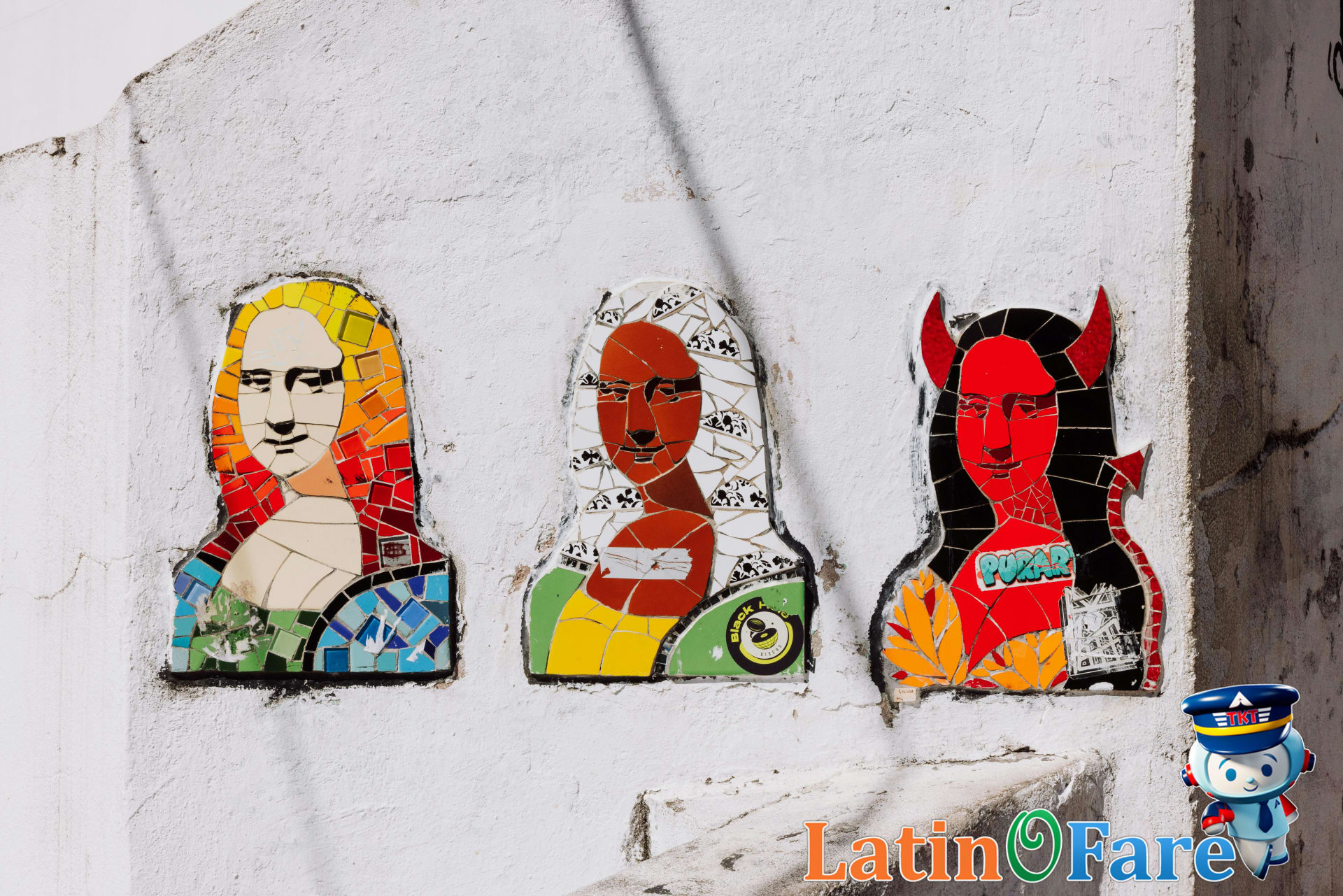
If you want to see a different side of Rio, there are a handful of lesser-known spots that really stand out. The Selarón Steps—a vibrant staircase covered in colorful tiles from around the world—are a must for anyone who loves quirky public art. You can check out more about the artist and the steps at the official Selarón Steps website. Parque Lage is another hidden gem: a lush park at the foot of Corcovado, with walking trails and a café inside a historic mansion. It’s a peaceful escape from the city bustle, and you can find details on their official website.
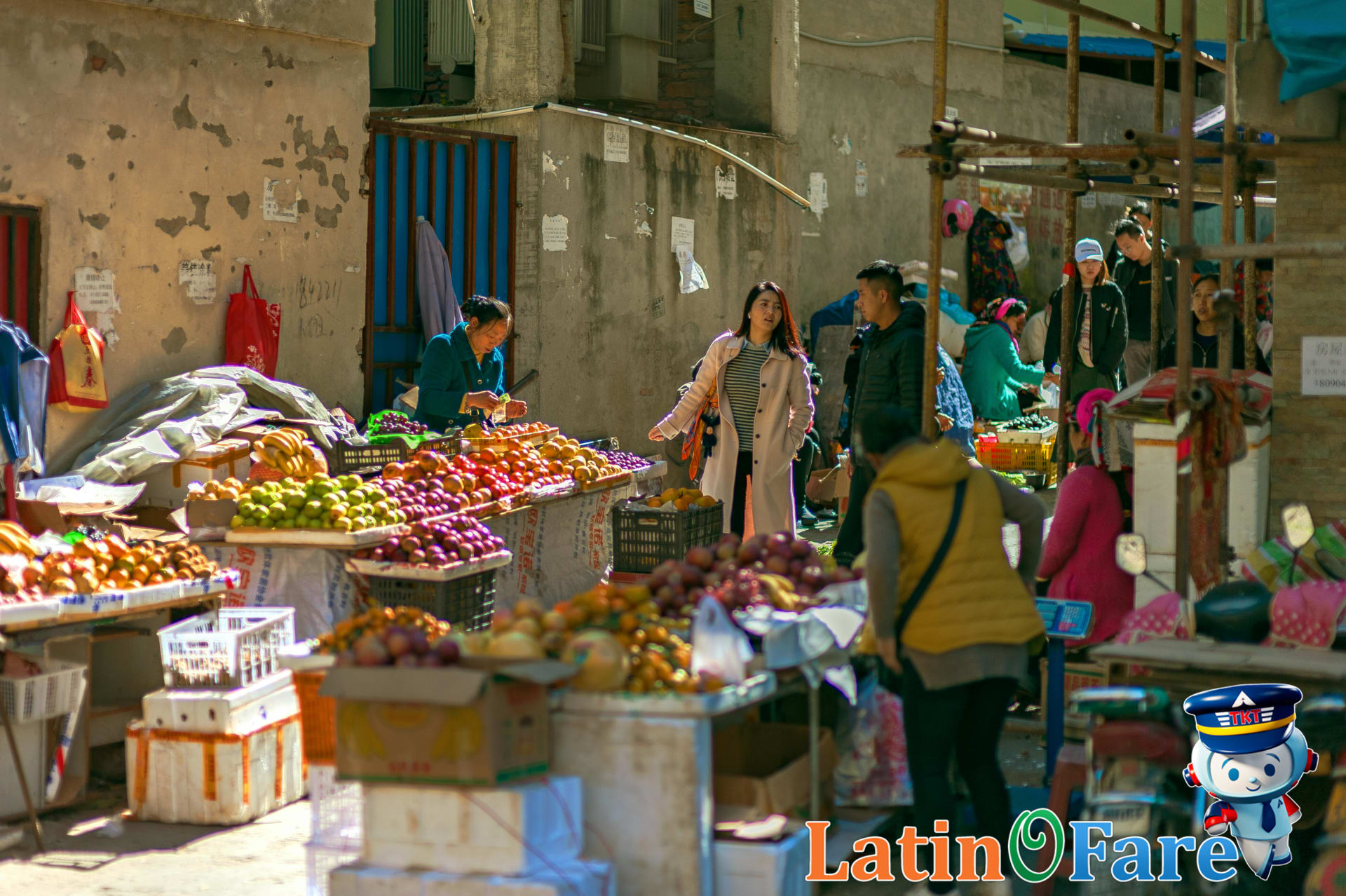
If you’re after sand and surf without the crowds, Prainha Beach is a quiet cove surrounded by rainforest—ideal for a chill afternoon. I stumbled across it while looking for somewhere less touristy than Copacabana, and it’s been my favorite ever since. Finally, don’t skip the neighborhood markets for a taste of local life; they’re packed with unique finds and snacks you won’t get elsewhere.
For a 2–4 day itinerary, I’d suggest pairing the Selarón Steps and Parque Lage on the same day, since both are fairly central. Prainha Beach is a bit farther out, so set aside a half-day for the trip, and fit a market visit into any morning when you want to start slow.
What Does Rio Cost?
Rio de Janeiro can fit a range of travel budgets, but knowing what to expect makes it much easier to plan. Here’s a breakdown of typical daily costs you might encounter, based on my own experience stretching my budget in the city. I found that eating at local spots and using public transport helped me keep expenses under control, without missing out on Rio’s energy.
| Budget | Mid-range | Luxury | |
|---|---|---|---|
| Accommodation | $25.00 | $80.00 | $200.00 |
| Food | $10.00 | $30.00 | $70.00 |
| Transport | $5.00 | $15.00 | $40.00 |
| Activities | $8.00 | $25.00 | $60.00 |
To keep your spending in check, consider visiting during Rio’s off-peak months, eating at street markets or neighborhood cafés, and relying on buses or the metro for most trips. I always compare prices before booking and skip expensive tours in favor of self-guided walks or free attractions. Even small savings add up fast in Rio.
First-Timer’s Rio Questions Answered
- What is the best time for first-timers to visit Rio de Janeiro?
Most first-timers find that visiting Rio de Janeiro between May and September offers pleasant weather and fewer crowds. I wish I’d known how much the city comes alive during Carnival, but those months are also more expensive and crowded. For a relaxed trip, late spring or early fall is a safe bet.
- How safe is Rio de Janeiro for tourists?
Rio de Janeiro has areas that are safe for tourists, especially in well-traveled neighborhoods like Copacabana and Ipanema. Still, it’s smart to stay alert, avoid flashy jewelry, and use registered taxis or rideshares. I always keep my valuables secure and only carry what I need when exploring the city.
- What are must-see attractions in Rio de Janeiro?
Don’t miss Christ the Redeemer, Sugarloaf Mountain, and the beaches of Copacabana and Ipanema. The Santa Teresa neighborhood is full of charm and local art. If you have time, I’d also recommend a stroll through the Jardim Botânico for a quieter, scenic break from the city’s energy.
- Can I get by in Rio without speaking Portuguese?
You can get by in Rio without speaking Portuguese, especially in tourist areas where some English is spoken. However, learning a few basic phrases helped me a lot. Most menus and signs are in Portuguese, so a translation app on your phone is handy for navigating daily situations.
- What’s the best way to get around Rio de Janeiro?
Metro and registered taxis are reliable for getting around Rio de Janeiro. The metro is clean and covers most main sights, while taxis are convenient for late-night returns. I use rideshare apps for extra security and to avoid language barriers when I’m not sure about local bus routes.
- How much should I budget for daily expenses in Rio?
For daily expenses in Rio, plan for about $70.00 per day, covering meals, local transport, and moderate sightseeing. If you enjoy dining out or want to join guided tours, budgeting a bit more is wise. I found street food and public transit helped me stretch my dollars further.
Final Rio de Janeiro Tips
Before you wrap up your Rio adventure, here are a few things I’d keep in mind for a smoother, more memorable trip. First, try something outside your comfort zone—whether it’s samba dancing or tasting feijoada, Rio rewards curiosity. Booking your flights and hotels through latinofare.com gives you the flexibility to adjust plans if your dates shift, which I found incredibly helpful during my own visit.
Even learning a few Portuguese basics like “por favor” and “obrigado” goes a long way with locals. For more on why flexible booking matters for Brazil trips, check out latinofare.com’s guide on choosing us for Brazil travel. When I arrived, I realized how much more I enjoyed Rio by staying open to new experiences and being prepared for changes along the way.