
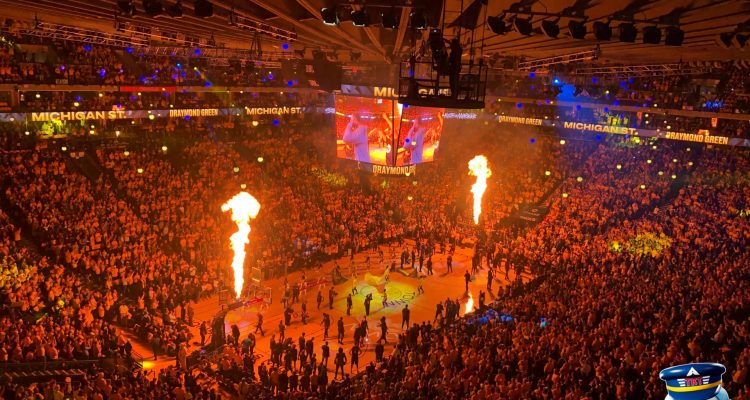
How NCAA Host Cities Are Chosen

If you’re planning to experience March Madness in person, picking the right host city can shape your whole trip. The NCAA rotates tournament sites each year, choosing cities with arenas that meet strict capacity and facility standards, strong local support, and accessibility for traveling fans. Cities are selected years in advance through a competitive bidding process, and you can always verify this season’s hosts on the NCAA’s official schedule page.
Each host city brings something unique to the table. Some, like Indianapolis or Kansas City, are known for passionate college basketball crowds and storied rivalries that make every game feel even more intense. Others, such as Las Vegas or Los Angeles, combine iconic arenas with a deep lineup of restaurants, nightlife, and sightseeing. If you’re after a classic hoops vibe, you might gravitate toward historic venues like Madison Square Garden or the Wells Fargo Center. But if you want to blend basketball with a mini-vacation, cities with vibrant downtowns or famous attractions can really elevate your experience.
When I was deciding between Louisville and Denver for a previous tournament, I weighed the chance to see a heated regional matchup in a legendary arena versus the appeal of exploring a city I’d never visited. In the end, I picked Denver for its mountain views and energetic fan zones, and I absolutely soaked up the electric atmosphere. It’s worth considering factors like travel distance, ticket availability, and what else you want to do between games—whether that’s checking out local food scenes or planning day trips. If you want inspiration for things to do outside the arena, latinofare.com has a helpful city guide section for U.S. destinations.
Booking Affordable Flights for March Madness
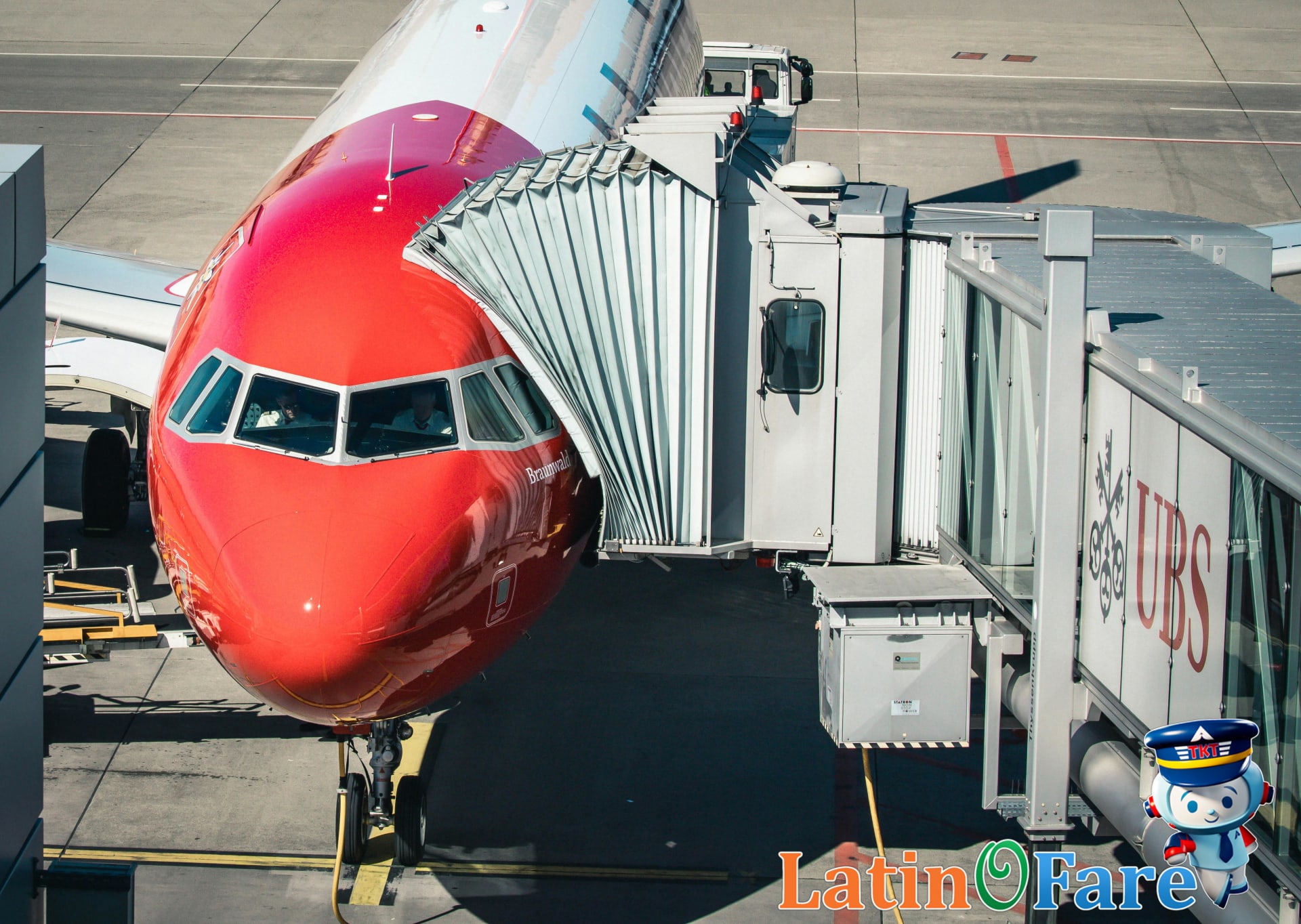
March Madness sends flight prices soaring, especially to NCAA host cities. If you want a shot at affordable airfare, timing and flexibility are everything. I usually start searching fares as soon as the bracket is announced—prices often jump fast, so checking early and often can really pay off. Using the search tools on latinofare.com, you can compare flights across multiple airlines and see which dates offer the best deals.
Use Flexible Dates and Filters
Demand around tournament games means flights on peak travel days—like the day before tip-off or after the final buzzer—are usually much more expensive. If you can be flexible by flying a day earlier or later, you’ll often find much better fares. latinofare.com lets you search with flexible dates and filter by preferred times, airlines, or even number of stops, making it easier to spot the best combination for your plans.
Set Fare Alerts for Price Drops
Another strategy I swear by: setting up fare alerts. This feature notifies you the moment there’s a price drop or a last-minute deal to your chosen city. Once, I snagged a flight to a Sweet 16 city for about $100.00 less than what I’d seen just a week earlier—simply because I received an alert and booked right away. Don’t underestimate the power of a well-timed notification.
More Booking Tips and Resources
If you’re looking for more ways to save, check out latinofare.com’s flight booking tips for detailed guides on using advanced search features and avoiding common booking mistakes.
How To Find NCAA Tournament Hotels

Landing a hotel close to the NCAA tournament action can make or break your experience. I’ve learned this the hard way—one year I waited until the last minute and ended up scrambling for a room miles away, paying extra and missing out on the energy near the arena. Since then, I always book early and use filters to zero in on the best options near the main venues or popular fan hangouts.
Start your search by focusing on location. Most booking platforms, including the latinofare.com hotel comparison page, let you sort by distance to the arena or city center. I usually filter for hotels within walking distance or a short rideshare away. If those fill up, look for neighborhoods with reliable public transit—sometimes a quick train or bus ride gets you closer for less money and saves the headache of event traffic.
Don’t forget to use booking filters for price, amenities, and cancellation policies. I always select “free cancellation” just in case plans change. For amenities, think about what you’ll need: free breakfast, parking, or a late check-out can be especially handy during tournament weekends.
Booking early is crucial. Prices tend to climb as the tournament approaches and hotels near arenas fill up. I’ve noticed that reserving a room as soon as the brackets are announced usually means better rates and more choices. If you do end up searching last minute, expand your search radius and filter for public transit access to get the best value without feeling cut off from the excitement.
Managing Game Schedules While Traveling
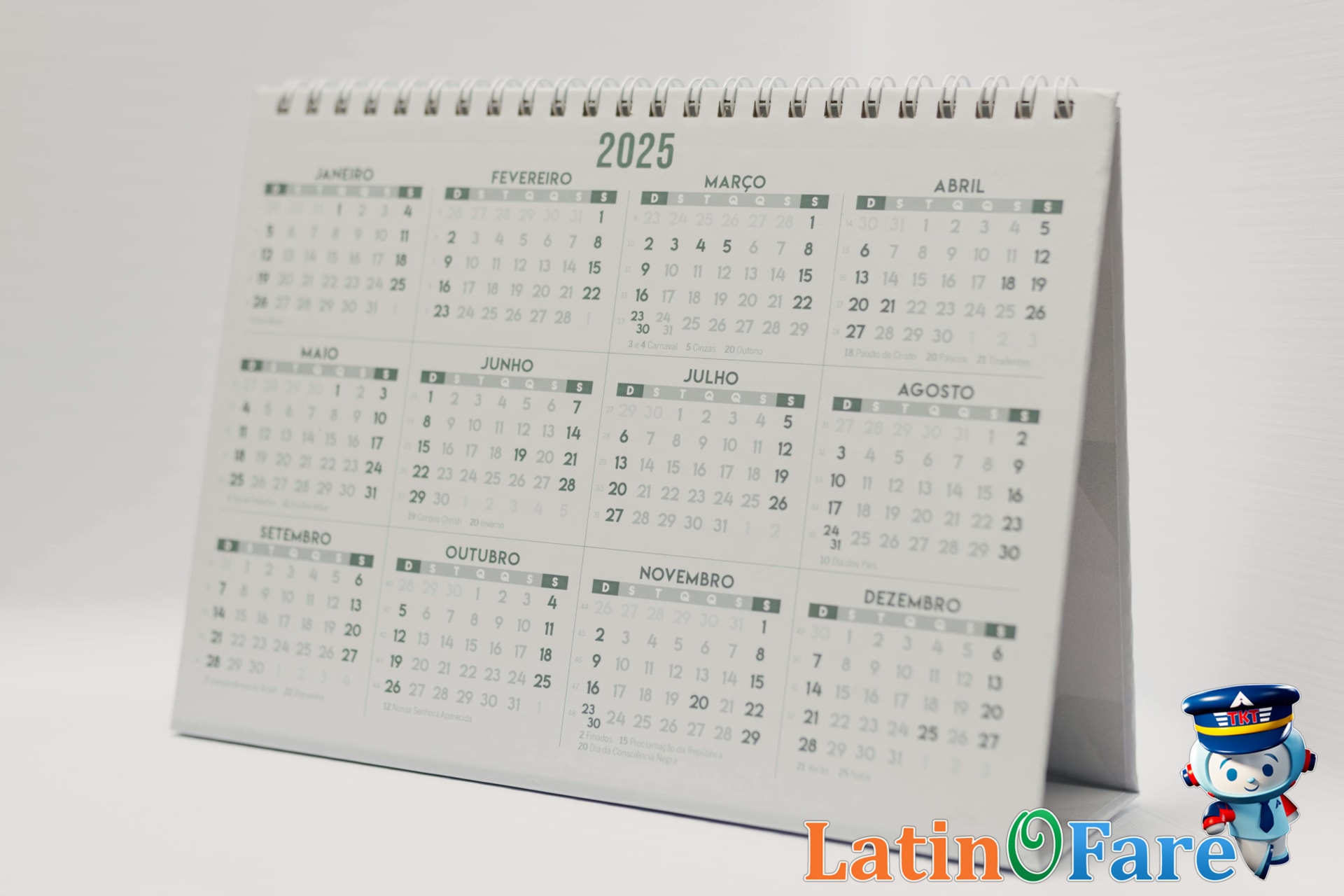
Keeping up with March Madness on the road means your phone becomes your best friend. I always start with bracket apps like NCAA March Madness Live, which push real-time updates for game times, locations, and bracket changes. Arena websites and the official NCAA bracket page are also essential for the latest details—especially if you want to double-check start times or find arena maps.
Planning your day around the tournament isn’t just about basketball. I’ve learned to schedule meal breaks and downtime between games, which gives me a chance to explore the host city or just recharge. Many arenas have food courts, but sometimes grabbing a bite nearby lets you experience local flavors while still making it back before tipoff. I usually map out a couple of quick dining options within walking distance, just in case a game runs long or the schedule shifts.
Staying flexible is key. During one tournament trip, a late-night upset pushed the next day’s games back by nearly an hour, and I had to hustle across town when the venue changed unexpectedly. That’s when I realized how important it is to enable notifications in your bracket app and check your ticket provider’s alerts. I’d also recommend bookmarking the latinofare.com March Madness event page if you want a travel-focused overview with booking support.
Finally, don’t forget to confirm the time printed on your tickets against the latest updates—especially if you’re traveling between cities or catching doubleheaders. Schedules can shift quickly thanks to overtime games or TV coverage changes, so building in a little buffer time is always a smart move.
Best Places To Watch March Madness Live

If you didn’t snag arena tickets, you’re not alone—some of the best March Madness memories actually happen outside the stadium. Sports bars are the classic go-to. In host cities, places like Buffalo Wild Wings, Yard House, and local favorites often transform into electric hubs packed with fans. The energy in a packed bar during a buzzer-beater is contagious; I’ve found myself high-fiving total strangers, united by the drama unfolding on dozens of big screens.
Many cities also set up official fan zones or outdoor viewing parties, often promoted on the NCAA’s fan engagement page or through local tourism boards. These spaces can include giant screens, food trucks, and activities for all ages—think of it as a festival for basketball lovers. The crowd’s roar at these venues rivals what you’ll hear in the arena, and they’re a great way to soak up the communal excitement.
For the biggest games, especially Sweet 16 and Final Four matchups, you’ll want to plan ahead. Sports bars and fan zones fill up fast, and some require reservations or special wristbands for entry. I usually recommend checking reservation policies at least a week out, especially if you’re with a group. If you can, aim to arrive early—sometimes hours before tip-off—to claim a prime spot.
For official viewing party details, the NCAA’s website and the host city’s tourism page are your best resources. They’ll list sanctioned events and any entry requirements. Whether you’re in the heart of the action or cheering from a lively bar, March Madness is all about the shared experience.
Getting Around Host Cities Efficiently

Navigating tournament cities during March Madness can get hectic, but knowing your transportation options makes all the difference. Most host cities offer a mix of public transit, rideshare apps, rental cars, and special event shuttles. Each comes with its own set of pros and cons, especially on game days when crowds and road closures are common.
Public Transit Pros and Cons
Light rail, subways, and city buses are usually the most affordable way to reach arenas. They skip traffic jams, and many systems add extra service for big events. The downside? Trains and buses fill up fast before tip-off, and routes may not run late after overtime games. I usually check if the city’s transit card can be loaded onto my phone for faster boarding.
Rideshare and Rental Cars
Rideshare services like Uber and Lyft are convenient, but surge pricing can spike fares around tip-off and post-game. Rental cars offer flexibility for exploring beyond the arena, but parking headaches and event roadblocks can eat up your time. If you’re considering a rental, I’d suggest comparing options on latinofare.com, which also has guides on multi-modal travel for big events.
Game Day Parking and Arena Entrances
Parking near arenas is rarely cheap or simple. Many lots require advance reservations, and some fill up hours before the game. I recommend mapping out at least two parking options and checking if there are shuttle lots a bit farther out. For security, expect bag checks and metal detectors—arrive early and travel light to speed up entry.
Personally, I rely on local trains or light rail whenever possible. It saves the stress of parking and lets me soak up the pre-game buzz with other fans. I’ve learned that planning my route ahead of time is the best way to avoid last-minute surprises.
March Madness on Any Budget: Sample Cost Table
To give you a realistic sense of what a day at the NCAA tournament might cost, I’ve pulled together average daily expenses for three travel styles—Budget, Mid-range, and Luxury. These numbers are based on typical rates in host cities during March Madness, but you’ll want to adjust for your own preferences and game schedule. If you’re splitting with friends or booking early, you might find even lower prices, especially by bundling flights and hotels. Seeing costs laid out like this really helped me stick to my spending plan when I traveled for past tournaments.

| Accommodation | Food | Transport | Activities | |
|---|---|---|---|---|
| Budget | $65.00 | $30.00 | $18.00 | $45.00 |
| Mid-range | $140.00 | $55.00 | $35.00 | $80.00 |
| Luxury | $280.00 | $110.00 | $75.00 | $160.00 |
To get the most out of your trip, compare stand-alone bookings with all-in-one packages. Sites like latinofare.com often offer bundled deals on flights, hotels, or car rentals—these can help you lock in better rates and avoid last-minute surcharges. Also, watch for add-on fees like hotel parking or stadium shuttle passes, which can sneak up on your budget if you aren’t careful.
Frequently Asked Questions About March Madness Travel
- How can I find cheap flights for March Madness travel?
To score lower airfare for March Madness, start searching early and use flexible date tools. I usually compare prices on multiple booking sites, including latinofare.com, to catch unadvertised deals. Set up fare alerts and check for last-minute specials a couple of weeks before the games.
- Where should I buy official NCAA March Madness tickets?
The safest place to buy official March Madness tickets is through the NCAA’s official ticketing partner or the NCAA’s own website. For resale, stick to well-known platforms like Ticketmaster Verified or StubHub. Always double-check the NCAA’s travel and ticket FAQ for the latest authorized sources and release dates.
- What should I do if March Madness tickets sell out quickly?
If tickets sell out, check reputable resale sites for availability, but watch for inflated prices. I once waited until the week before the game and found an official resale ticket by checking multiple times per day. Persistence and flexibility help, but never buy from unofficial or suspicious sources.
- How do I get from the airport to the March Madness arena?
Most host cities offer airport shuttles, rideshare options, and public transit to arenas. Download local transit apps before you travel, and check arena websites for shuttle schedules. If you’re in a rush, rideshare services like Uber or Lyft are usually the most direct but can be pricier during game days.
- Are there any tips for booking March Madness travel packages?
Look for bundled deals on platforms like latinofare.com that include flights, hotels, and sometimes event tickets. These packages can simplify planning and sometimes offer savings. Always compare the package price to booking each component separately to make sure you’re actually getting a better deal.
- What apps or tools should I use for March Madness travel planning?
Use flight search engines, fare alert tools, and official NCAA apps for schedules and ticket updates. Google Maps helps with arena navigation, while hotel apps can track reservations. I rely on calendar reminders for ticket release dates and use TripIt to keep all my travel details organized in one place.
- How can I verify NCAA ticket authenticity and avoid scams?
Buy tickets only from the NCAA’s official ticketing site or a recognized resale platform with guarantees. Always avoid sellers on social media or classified sites. If in doubt, check the NCAA’s official ticket FAQ, which lists approved ticket partners and explains how to spot counterfeit tickets before you buy.
Final Thoughts on Making the Most of March Madness

March Madness isn’t just another sports tournament—it’s a bucket-list event for basketball fans. The energy in NCAA host cities is contagious, with fan zones, packed arenas, and a sense of camaraderie you won’t find anywhere else. If you want to make the most of your trip, planning ahead is key. Booking early means you’re more likely to score good seats, affordable hotels, and better flight options.
It’s worth using the booking tools at latinofare.com to compare fares and spot deals as soon as dates are announced. In my experience, one of the best ways to save money is to stay just outside the main event area and use local transit or rideshares to reach the games—hotels a few miles out are often much more affordable, and you’ll still be part of the action.
Finally, don’t forget to check out our city-focused guides and NCAA event articles for more tips on where to eat, what to see, and how to soak up the fan scene. A little preparation goes a long way toward making March Madness both memorable and budget-friendly.