
The Allure of Easter Island Moai
Approaching Easter Island by air or sea, the first thing that strikes you is its wild isolation—an emerald dot surrounded by endless Pacific blue. Then, as you set foot on Rapa Nui, the colossal Moai statues rise from the earth, their weathered faces staring silently across windswept fields and dramatic cliffs. There’s something magnetic about these stone sentinels; I remember feeling a wave of awe the first time I saw photos of them, and that fascination only deepened when I finally stood in their shadow.
The world’s curiosity about Easter Island is fueled by its remoteness and the enduring mystery of the Moai. How did an ancient society carve and move these massive figures, some weighing several tons? Why do they face inland, not toward the sea? The Moai aren’t just archaeological wonders—they’re the heart of Rapa Nui’s identity and a living symbol of human ingenuity and resilience. Their presence gives the island an atmosphere unlike anywhere else on earth.
Recognized as a UNESCO World Heritage Site, Easter Island is officially celebrated for its cultural and historical value. This status highlights the global importance of preserving both the Moai and the traditions of the Rapa Nui people. If you’re mapping out a trip that includes other Chilean highlights, it’s worth checking a broader latinofare.com Chile travel guide to help plan your journey.
Tracing the Origins of the Moai Statues
The Moai statues of Easter Island, or Rapa Nui, have fascinated travelers and archaeologists for centuries. Created by the Rapa Nui people between the 13th and 16th centuries, these stone figures are more than just impressive works of art—they’re clues to a complex and still-mysterious past. The Rapa Nui civilization carved and transported nearly 900 Moai, most of them standing along the island’s windswept ahu (platforms), their solemn faces turned inland.
Scholars generally agree that the Moai were built to honor ancestors and symbolize clan prestige. One leading theory suggests the statues acted as guardians, channeling spiritual power (mana) to protect the island’s communities. Others point to the Moai’s placement and variations as evidence of clan rivalry, with each group vying for status through larger or more numerous statues. Archaeological digs have uncovered intricate carvings, buried torsos, and even evidence of sophisticated methods for moving these massive stones—though exactly how the Rapa Nui managed this feat remains debated.
What struck me most during my visit was how much we still don’t know. Despite decades of research, questions linger about the Moai’s precise purpose, the methods used to transport them, and the societal changes that led to their decline. Today, the Moai are a source of pride for the Rapa Nui, representing both ancestral heritage and cultural resilience. If you’re interested in the broader context of Chile’s history and culture, I’d recommend checking out this latinofare.com Chile travel guide for a deeper dive.
For anyone planning a visit, I’d also suggest exploring the Rapa Nui National Park’s official website to get a sense of the archaeological discoveries and ongoing conservation efforts.
How To Reach Easter Island
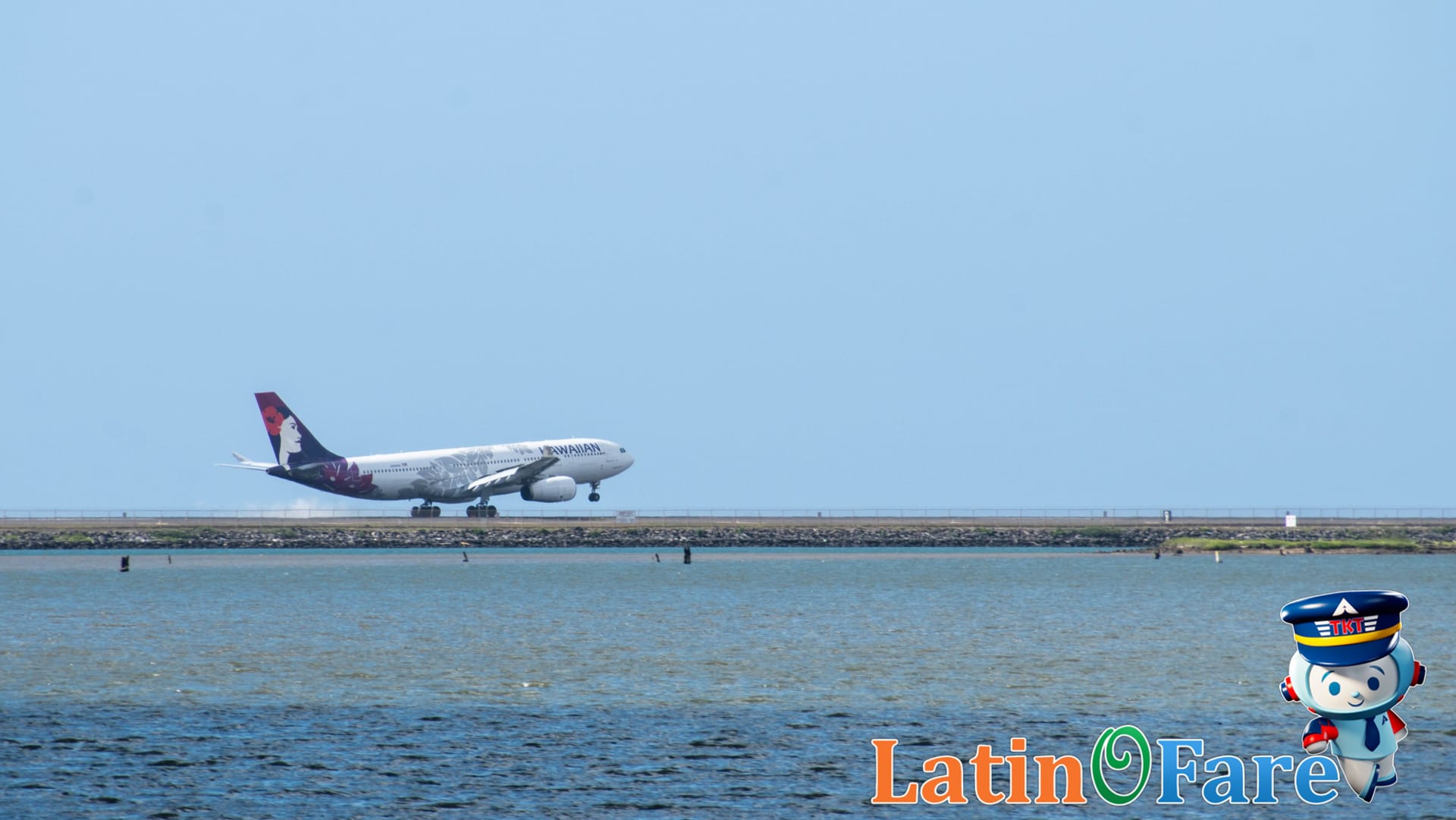
Getting to Easter Island (Rapa Nui) is an adventure in itself, as it’s one of the world’s most remote inhabited islands. Currently, the main way to reach Easter Island is by air from Santiago, Chile. LATAM is the primary airline operating direct flights between Santiago’s Arturo Merino Benítez International Airport (SCL) and Mataveri International Airport (IPC) on Easter Island. Most days, there’s just one or two flights, which means seats fill up quickly—especially during high season or around local festivals.
When I traveled to Rapa Nui, I found that being flexible with my travel dates made a big difference in finding affordable airfare. Searching deals on latinofare.com and comparing options a few months out helped me snag a better price than I expected. I’d also recommend checking out our Chile travel logistics guide for more tips on finding cheap flights within Chile.
Before you board, make sure you’re up-to-date with entry requirements. All visitors must fill out a FUI (Unique Entry Form) online before arrival, show proof of accommodation, and have a return ticket. You’ll also need to purchase a Rapa Nui National Park pass if you plan to visit archaeological sites—this can usually be done online or at the airport. Requirements can change, so always double-check with LATAM’s official site and the Chilean government portal for the latest updates before you fly.
Exploring the Iconic Moai Sites
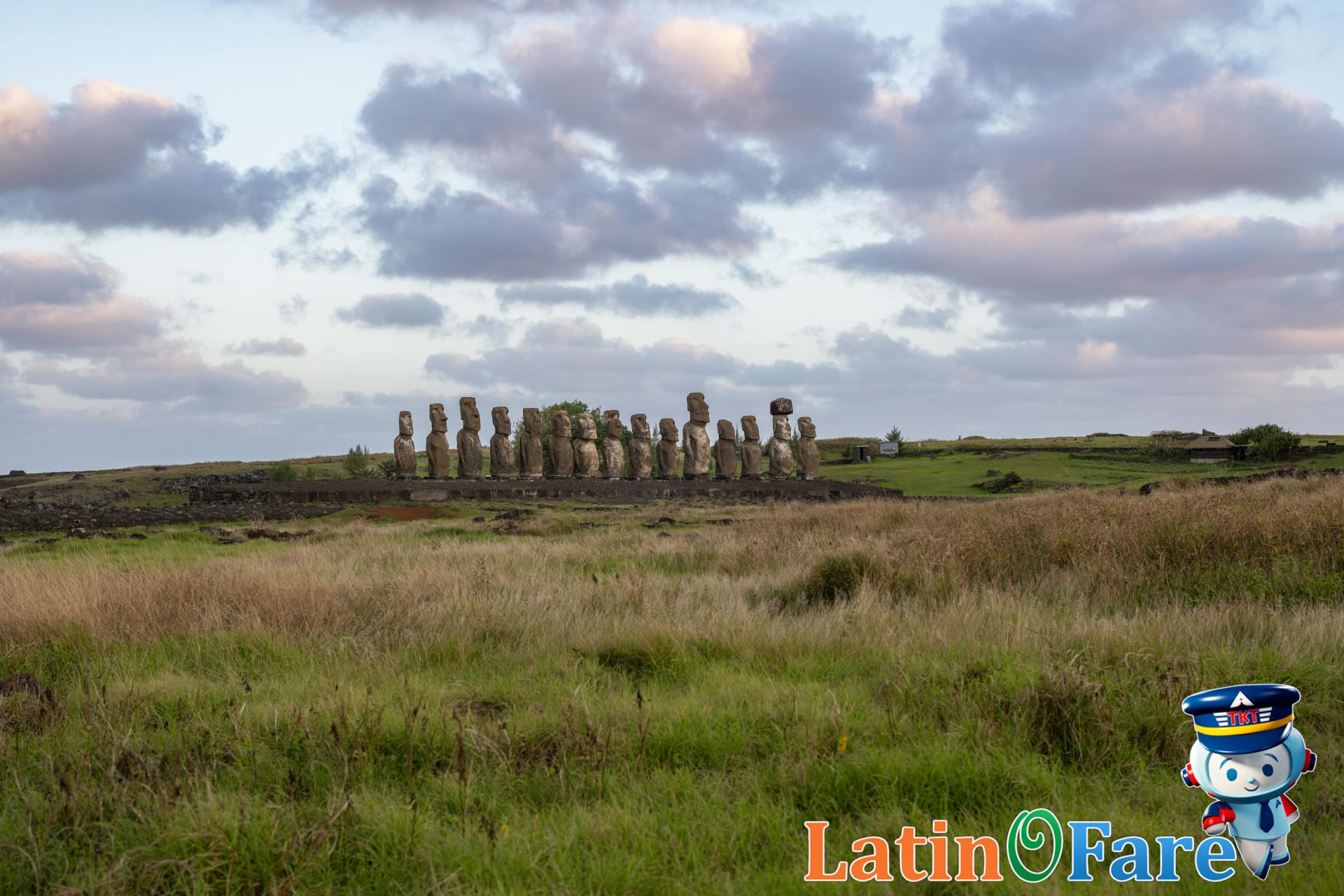
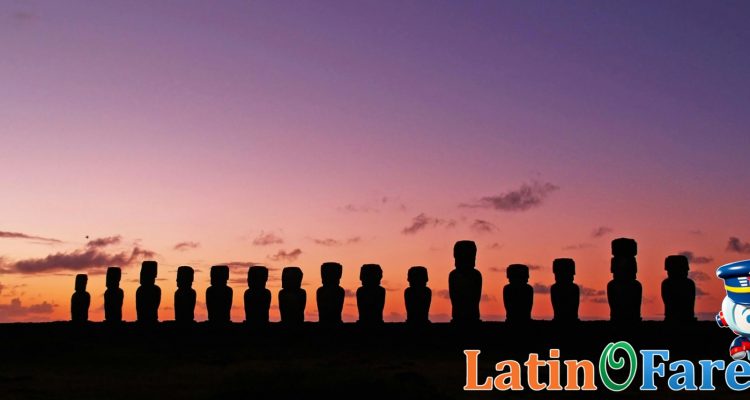
Rapa Nui’s legendary Moai statues are scattered across the island, each site offering its own atmosphere and story. Ahu Tongariki is the largest and arguably most awe-inspiring site, with fifteen Moai standing in a dramatic row against the Pacific. If you’re after a truly memorable moment, sunrise here is unforgettable—watching the first light paint the statues gold was a highlight of my own visit and really captured the spirit of Easter Island for me.
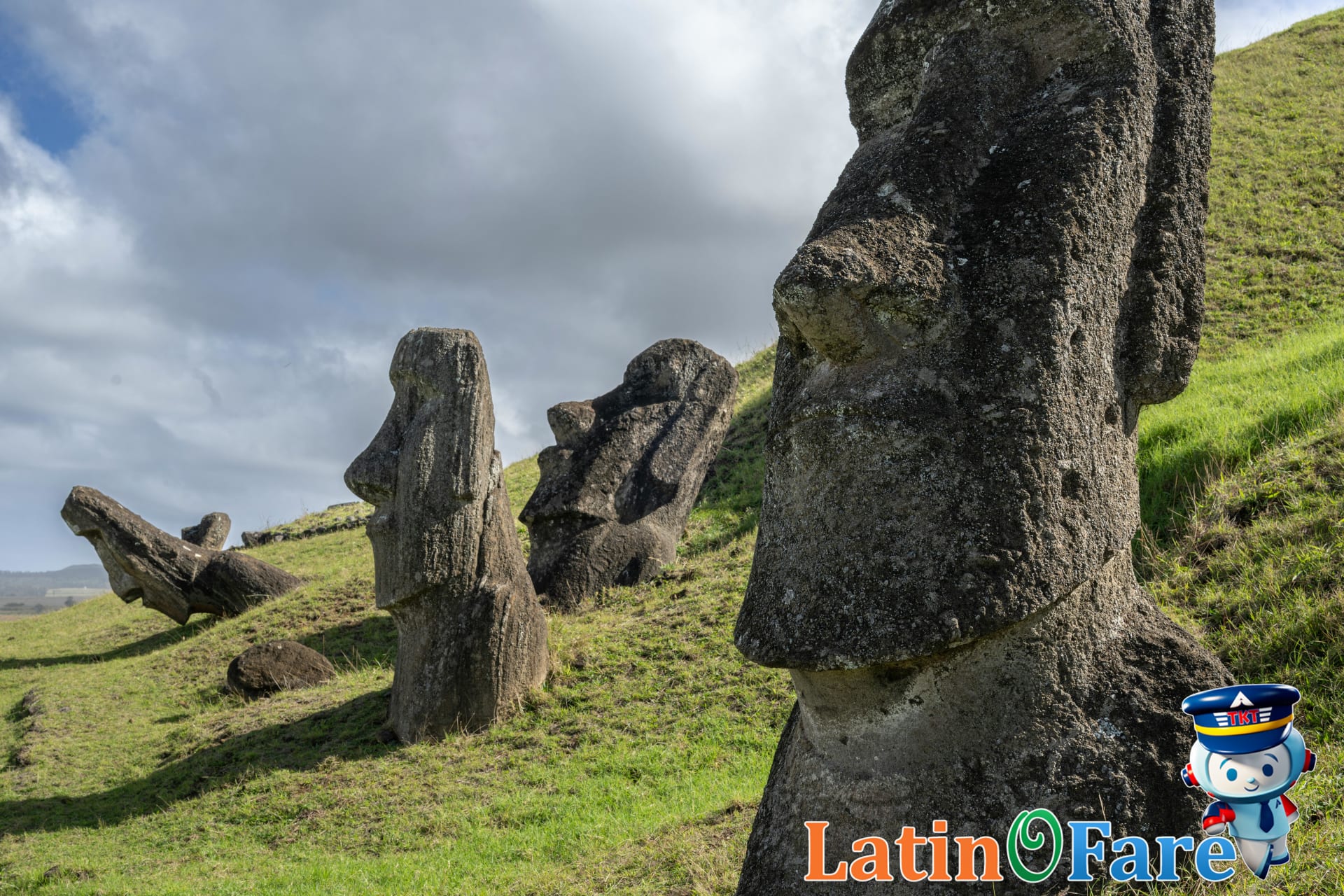
Nearby, Rano Raraku is a must-see. This volcanic quarry is where most Moai were carved, and you’ll find dozens of half-finished statues frozen in time on the grassy slopes. The sense of mystery is strong here, and it’s easy to lose track of time wandering among these silent stone giants.
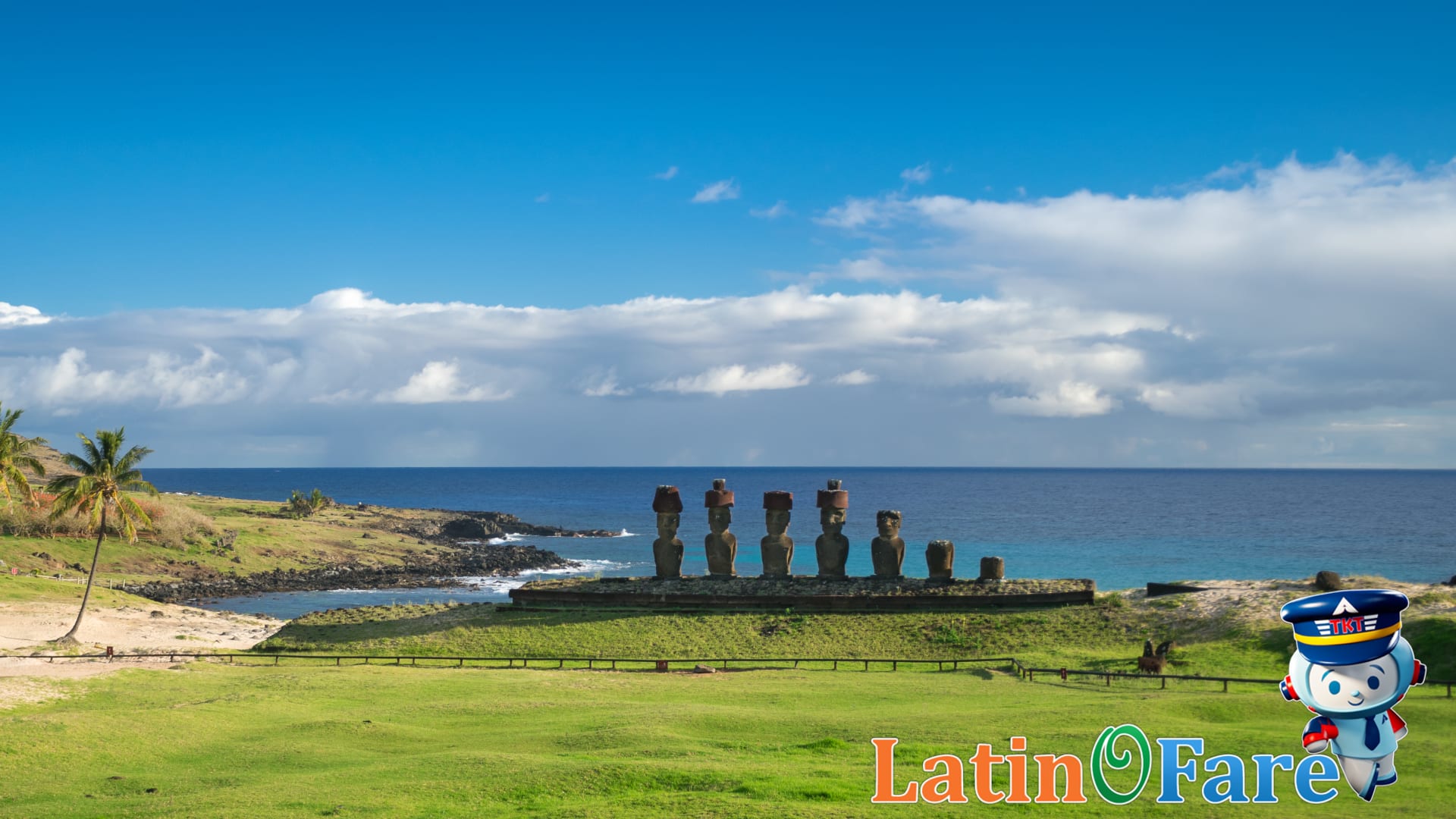
Ahu Akivi is unique because its seven Moai face out toward the ocean, unlike most others that look inland. It’s a peaceful spot, especially in the late afternoon when the crowds thin and the light softens for great photos. Other notable sites include Ahu Tahai, which is close to Hanga Roa and ideal for sunset, and the coastal Ahu Nau Nau on Anakena Beach, where you can combine Moai viewing with a swim.
When visiting, always stick to marked paths and never touch or climb on the statues—this is both out of respect and to protect these ancient treasures. Most sites are within Rapa Nui National Park, so you’ll need a valid entry ticket. I usually recommend checking the latinofare.com guide to park tickets and logistics for the latest advice on entry points and route planning.
Rano Raraku – The Moai Quarry
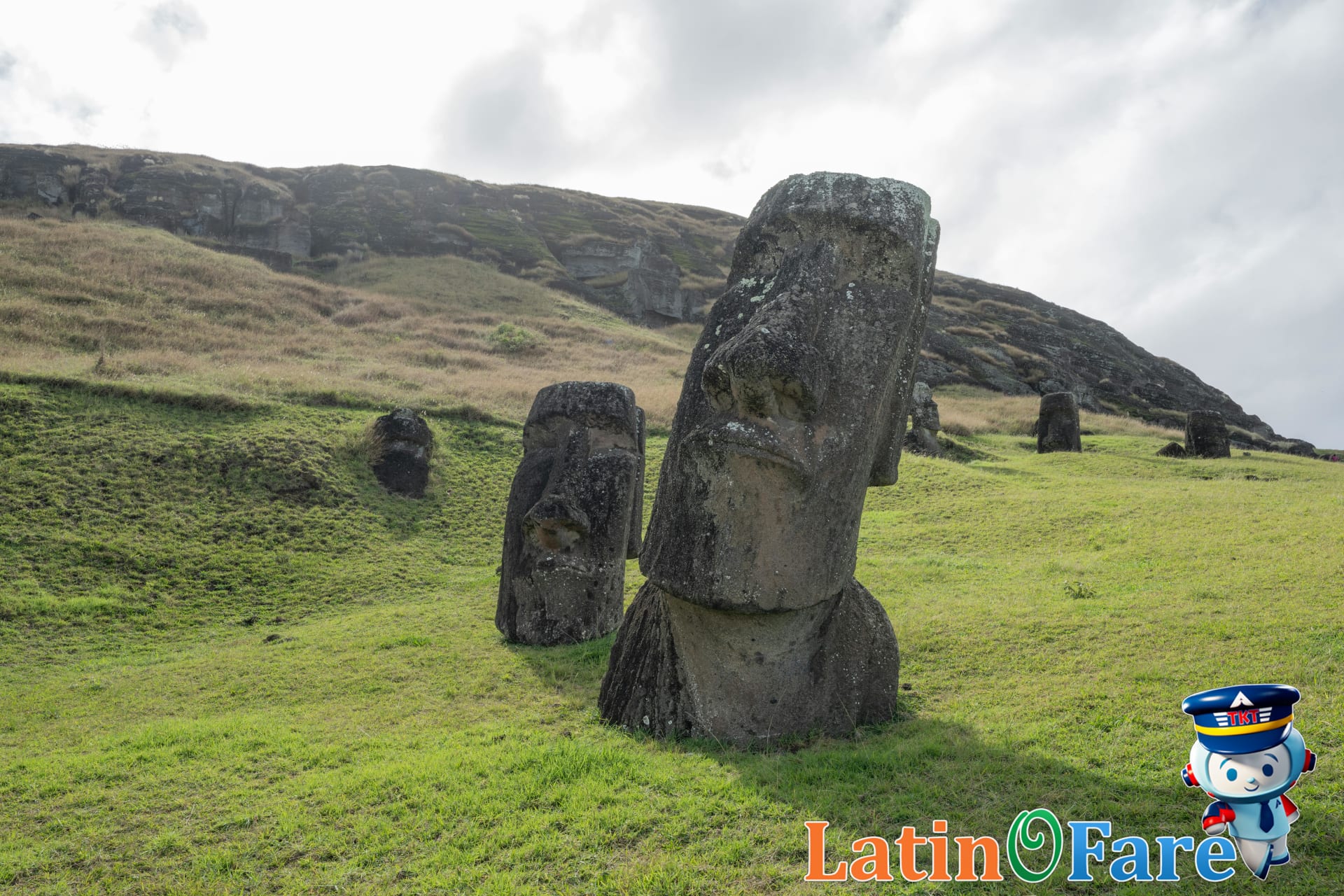
Rano Raraku is where the magic—and mystery—of Easter Island’s Moai truly comes into focus. This volcanic quarry was the main production hub for the island’s iconic statues, and it still feels like a giant outdoor workshop. Walking the grassy slopes, you’ll see dozens of half-buried Moai, some with only their heads poking out of the earth, others lying unfinished in various stages of carving. The sheer concentration of these ancient figures hit me right away—it’s both awe-inspiring and a little eerie, especially when you spot the tool marks left by Rapa Nui carvers centuries ago.
What makes Rano Raraku so compelling is its sense of abandonment. Many statues remain frozen mid-creation, as if the workers simply set down their chisels and never returned. The atmosphere is strangely haunting, with silent giants gazing over the quarry and the distant sea. If you’re interested in the archaeological wonders of Easter Island, this site is a must—there’s nothing else quite like it on the island.
To get the most out of your visit, I’d recommend arriving early in the morning before the big tour groups show up. Consider hiring a local guide who can point out hidden details and explain conservation rules, since protecting the fragile ground and Moai is taken seriously here.
Practical Tips for Visiting Rapa Nui
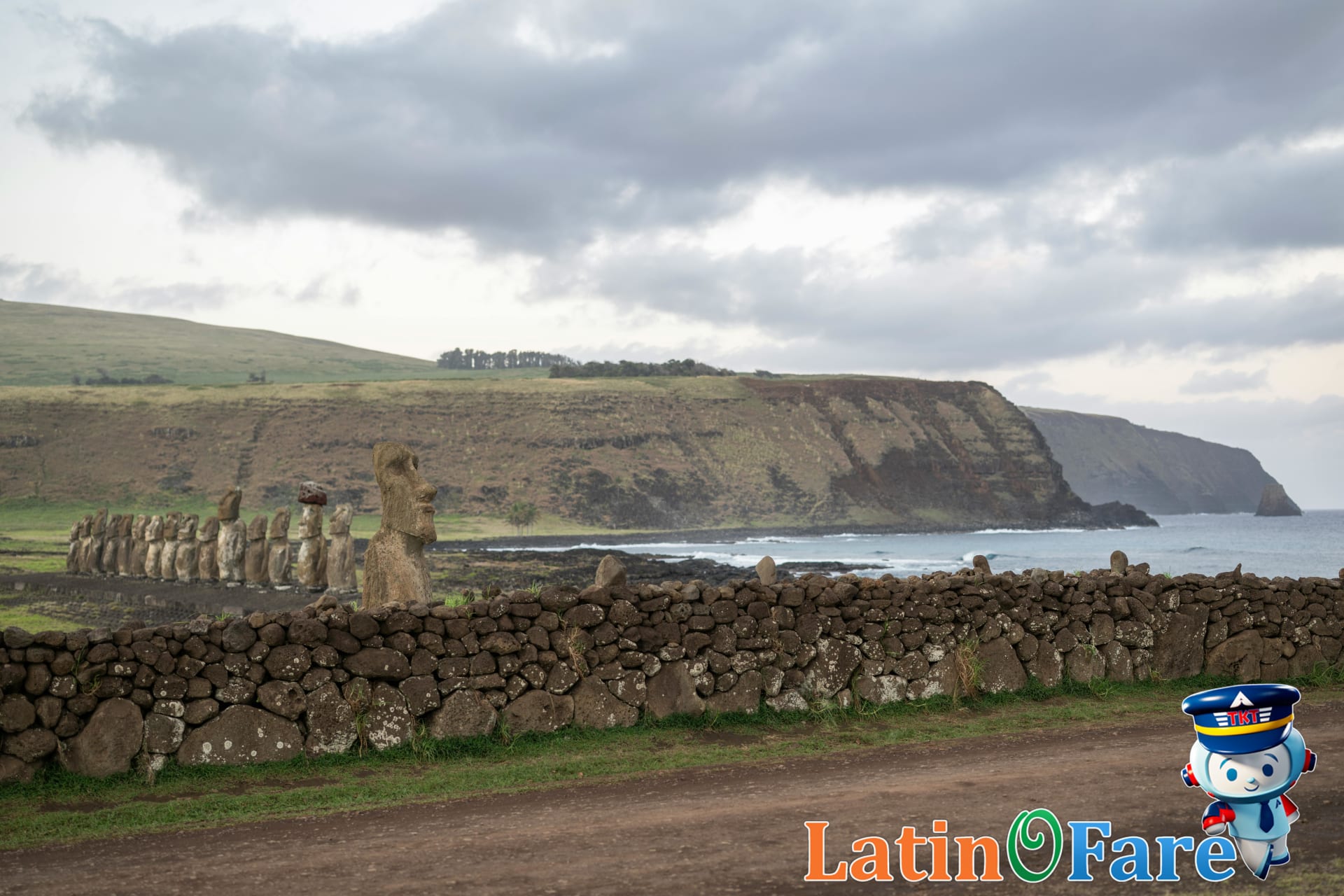
Getting around Rapa Nui is part of the adventure. Most visitors either rent a small car or scooter, but bikes are also a fun way to take in the scenery—just be ready for some hills and wind. Guided tours can be a smart choice, especially if you want local context at the main Moai sites; I found joining a day tour saved me time and helped me understand the island’s history better.
For accommodation, expect a mix of cozy guesthouses, simple hostels, and a handful of mid-range hotels. I booked a guesthouse in Hanga Roa, which made it easy to walk to shops and restaurants. If you prefer more comfort, a mid-range hotel typically costs around $120.00 per night, but booking early is a must since options are limited.
Cash is still king on Rapa Nui. Many restaurants and shops only accept Chilean pesos, and card machines can be unreliable due to patchy internet. There are ATMs in Hanga Roa, but they can run out of cash, so I recommend bringing enough pesos for daily expenses. For more tips on handling money in Chile, check out our Chile travel money tips post.
Supporting local businesses and guides really matters here. I always try to book tours directly with Rapa Nui operators and pick up souvenirs from local artisans. Not only does it make a difference to the community, but you’ll also get a more authentic experience. One logistical challenge I ran into was returning my rental car—fuel stations close early, so I had to plan ahead and fill up in the afternoon rather than risk running low later in the evening.
Responsible Tourism On Easter Island
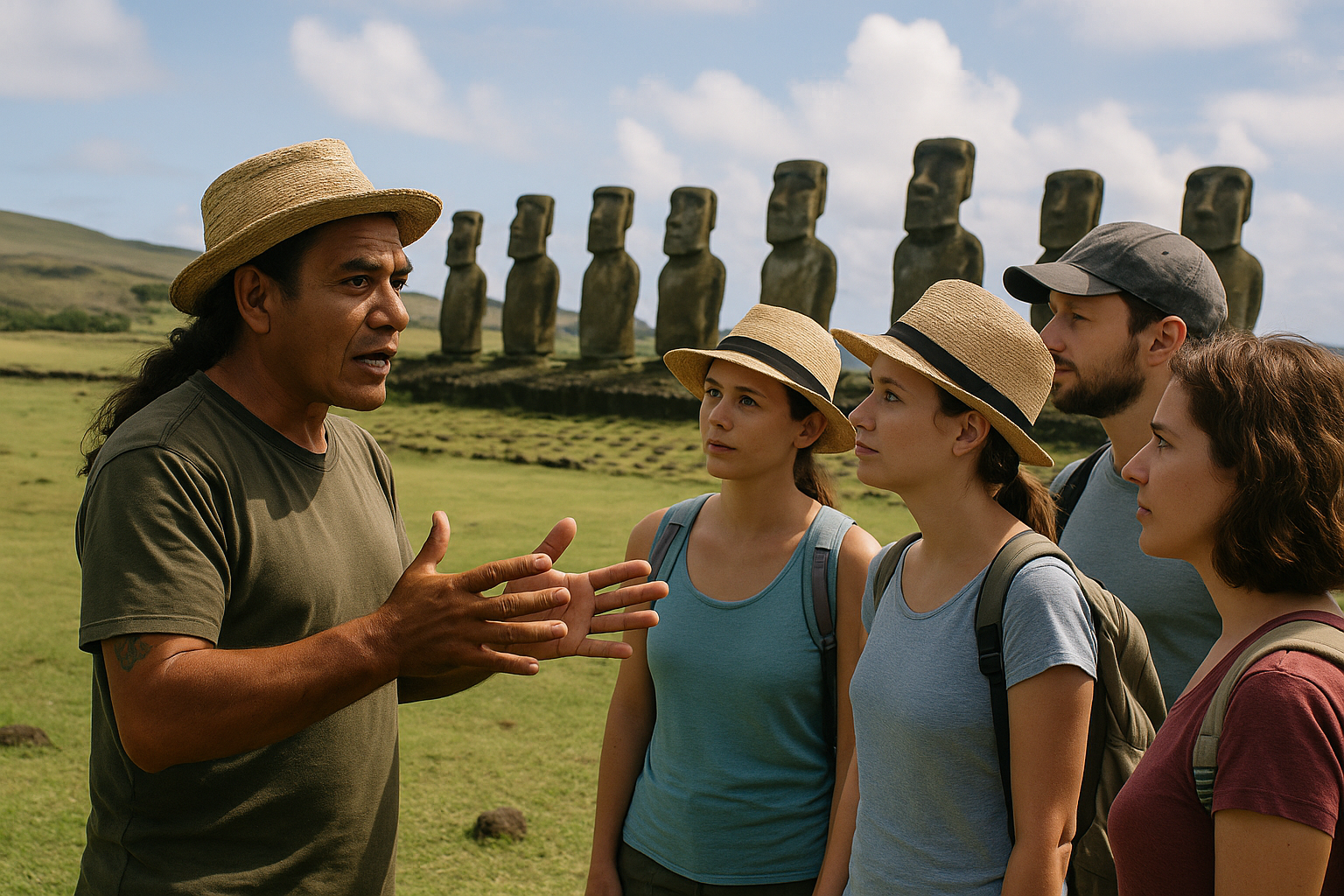
Visiting Easter Island’s Moai sites is an incredible privilege, but it comes with real responsibility. There are clear do’s and don’ts that every traveler should follow. Always stay on the marked paths—these protect both the delicate archaeological remains and the fragile native plants. Never touch the Moai statues or climb on platforms, and keep all food, drinks, and trash well away from sacred sites. Littering isn’t just disrespectful; it directly harms the environment and the Rapa Nui community’s efforts to preserve their heritage.
Supporting the local community goes beyond just being careful. Hiring a local Rapa Nui guide not only enriches your experience with authentic stories, but also helps keep tourism dollars on the island. I found even a simple “Iorana” (hello) in the Rapa Nui language was met with a smile—learning a few greetings shows you care about the culture. Respecting cultural sites means asking before taking photos in sensitive areas and following any posted rules or guide instructions.
On my last visit, I watched a group quietly wait behind a roped-off area, even though nobody was watching. Their patience was a small act, but it reminded me how every traveler’s choices add up. Unfortunately, I’ve also seen the opposite—a tourist stepping off the path for a photo, leaving a visible mark on the grass. Those moments stick with me and reinforce why these guidelines matter.
If you’re interested in learning more about responsible travel, I’d recommend reading this article on latinofare.com about ethical travel in South America. It’s a great resource for practical tips that apply far beyond Easter Island.
Choosing The Best Time To Visit
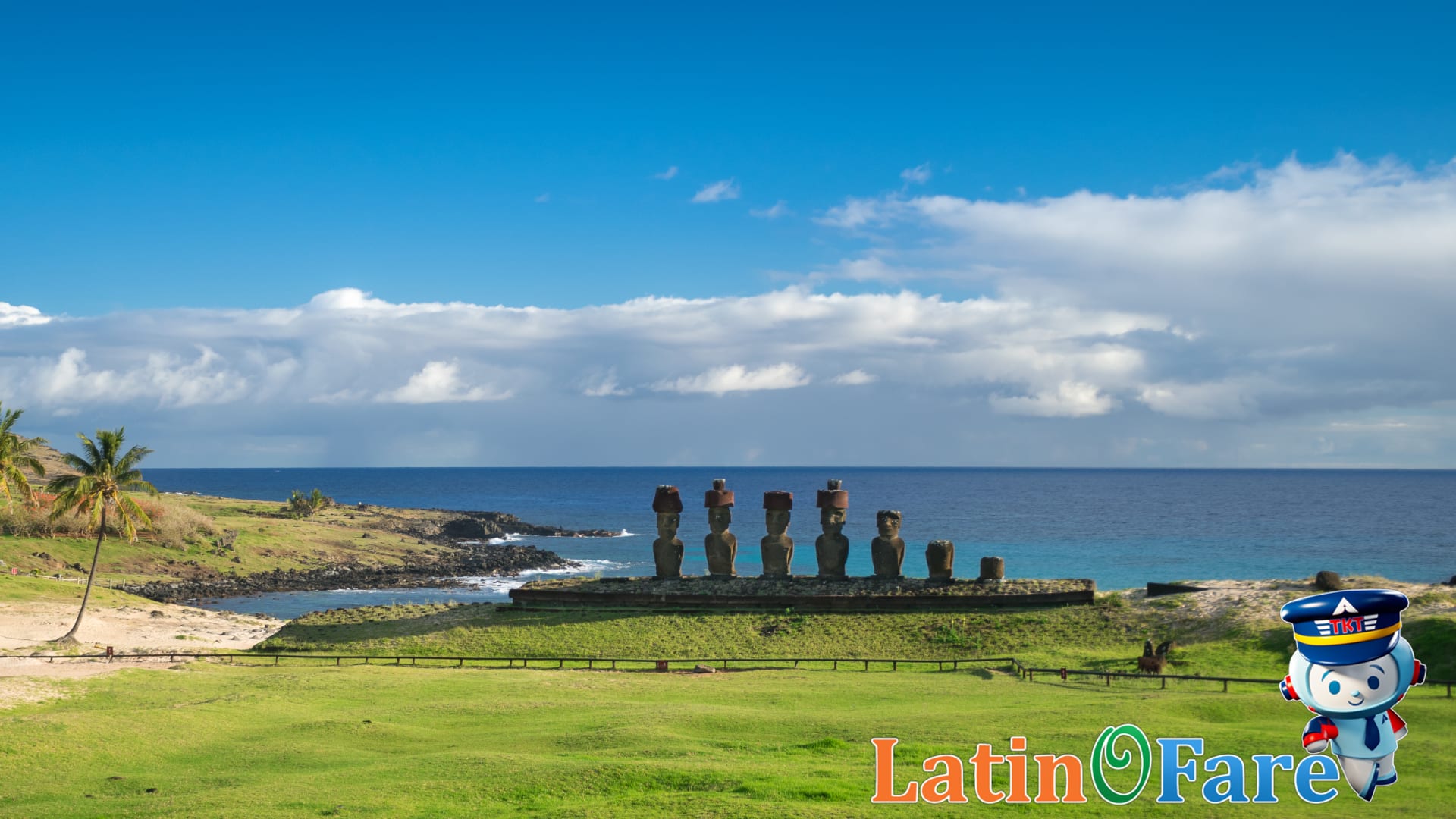
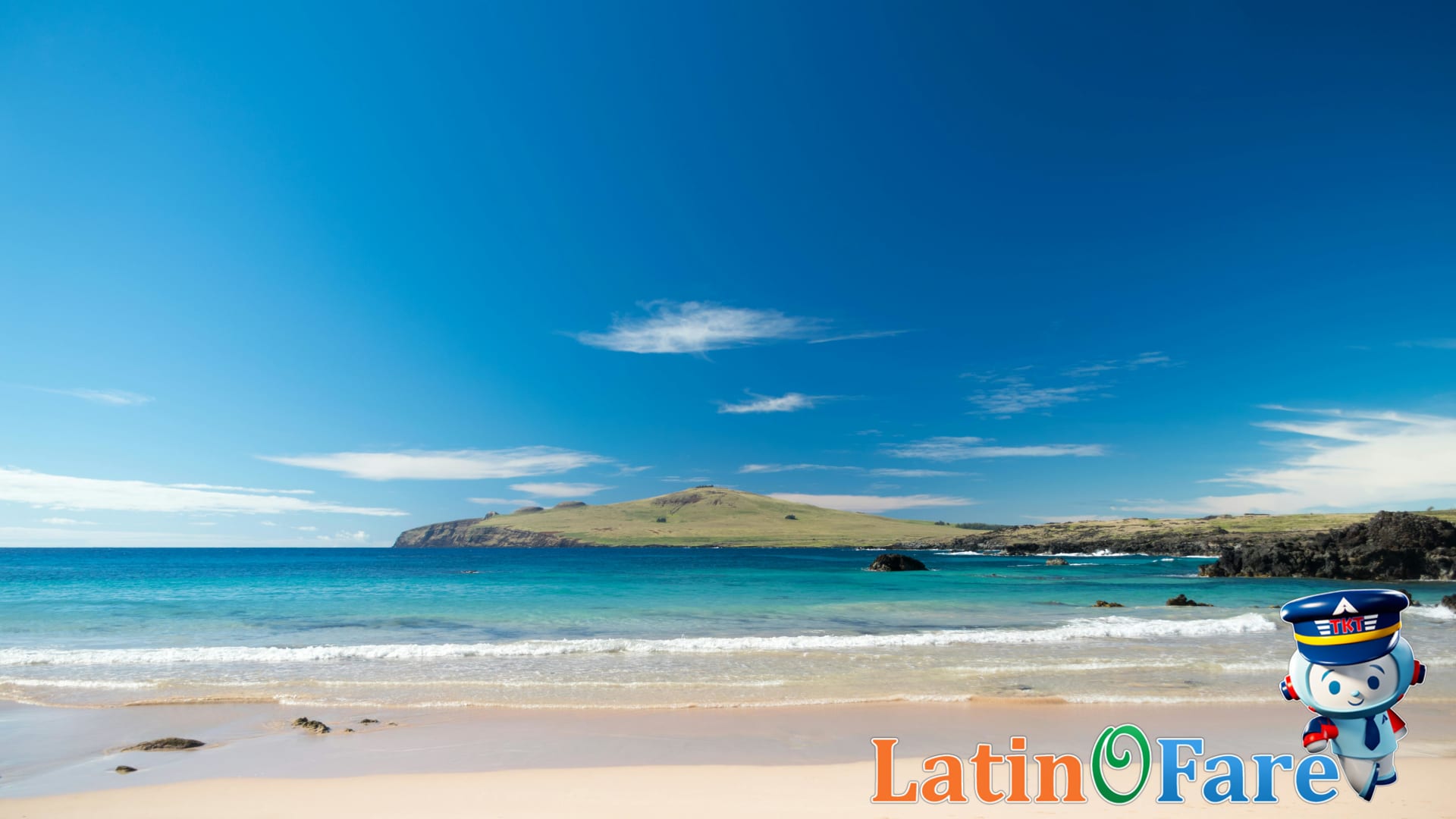
Easter Island has a mild, subtropical climate, so you can expect comfortable temperatures year-round. The busiest months are January and February, when summer brings warm days and the island comes alive with visitors and vibrant energy. This is also when the famous Tapati Festival takes place, turning the island into a stage for traditional music, dance, and athletic competitions. If you’re curious about the festival’s schedule and highlights, I recommend checking the official Tapati website for current updates.
Shoulder seasons—September to November (spring) and March to May (fall)—offer fewer crowds and more relaxed sightseeing. I personally love visiting in October: the weather is pleasant, the landscape is lush, and you can explore the moai without jostling for space. Winter (June to August) is quieter, with cooler temperatures and occasional rain, but you’ll find better hotel availability and a peaceful atmosphere.
For more on seasonal travel throughout Chile, you might find our post on traveling Chile by season helpful when planning your trip.
Easter Island Travel Budget Table
Planning your Easter Island adventure starts with understanding what you’ll actually spend. Here’s a breakdown of typical daily costs for three different travel styles—so you can see exactly where your money might go. I’ve found that being flexible with my travel dates and searching for airfare deals on latinofare.com can make a huge difference, especially if you want to put more toward experiences on the island itself.
| Budget | Mid-range | Luxury | |
|---|---|---|---|
| Accommodation | $35.00 | $90.00 | $250.00 |
| Food | $15.00 | $40.00 | $120.00 |
| Transport | $10.00 | $25.00 | $65.00 |
| Activities | $20.00 | $50.00 | $120.00 |
Sticking to a budget on Easter Island is possible, but I’ll admit—splurging on a guided tour one day gave me a much deeper appreciation for the island’s history than I got from exploring alone. If you’re looking for more ways to save, try comparing prices for flights and accommodations on latinofare.com and consider checking official sources for park ticket rates or current airline deals before you commit.
Easter Island Moai FAQ Guide
- How do you get to Easter Island?
Travelers typically reach Easter Island by flying from Santiago, Chile, with LATAM Airlines operating most flights. There are no direct flights from the U.S. or Europe. I’d recommend booking well in advance, as seats can fill quickly, especially during peak season. Always check airline schedules for the latest updates.
- What do the Moai represent?
The Moai are ancient stone statues carved by the Rapa Nui people, believed to represent revered ancestors or chiefs. They were positioned to watch over villages and are a symbol of spiritual and political power. Archaeologists continue to study their exact meanings, but ancestor worship is a widely accepted interpretation.
- Is it safe to travel to Rapa Nui?
Rapa Nui (Easter Island) is generally considered safe for tourists, with low crime rates and a welcoming local community. Standard travel precautions apply, such as securing valuables and respecting local customs. For the latest travel advisories, consult official Chilean government resources before your trip.
- How do you buy park tickets?
All visitors must purchase a ticket to enter Rapa Nui National Park, which covers most Moai sites. Tickets are available online through official park websites or at designated offices in Hanga Roa. Bring your passport when purchasing, as identification is required for each ticket issued.
- When is the best time to visit Easter Island?
The most pleasant months are typically April through June and October through December, when the weather is mild and the island is less crowded. I usually suggest avoiding the peak summer season, as prices can rise and popular sites may be busier than usual.
- How can I visit the Moai respectfully?
Always stay on marked paths, never touch or climb the Moai, and follow posted signs. The statues are sacred to the Rapa Nui people. Local guides can offer deeper insight into cultural etiquette. Respecting these guidelines helps preserve the site for future generations of travelers.
- Are there direct flights to Easter Island from other countries?
Currently, there are no direct international flights to Easter Island. All commercial flights operate via Santiago, Chile. Occasionally, routes may change, so it’s wise to check with airlines or official tourism sources for any updates before booking your travel plans.
Several of these were questions I needed to research myself before my first visit, so don’t hesitate to double-check official sources for the latest details. If you’re planning a broader South American journey, you might also want to check a general Chile travel FAQ for more insights.
Final Planning Thoughts for Your Visit
Easter Island truly stands out as a destination for travelers who appreciate culture, history, and natural beauty. If you’re curious about the world’s mysteries, this remote island delivers an experience you won’t soon forget. I found that exploring with respect for local customs and planning ahead made my visit not only smoother but more meaningful.
Responsible travel goes a long way here: be mindful of the fragile environment, support local businesses, and always treat the island’s heritage sites with care. Planning early—especially for flights and park tickets—helps avoid surprises and lets you focus on the experience itself. For those looking to stretch their travel budget, I’d check latinofare.com for recent Chile deals. And if you’re extending your South America adventure, I recommend consulting our South America trip planner for practical next steps.