
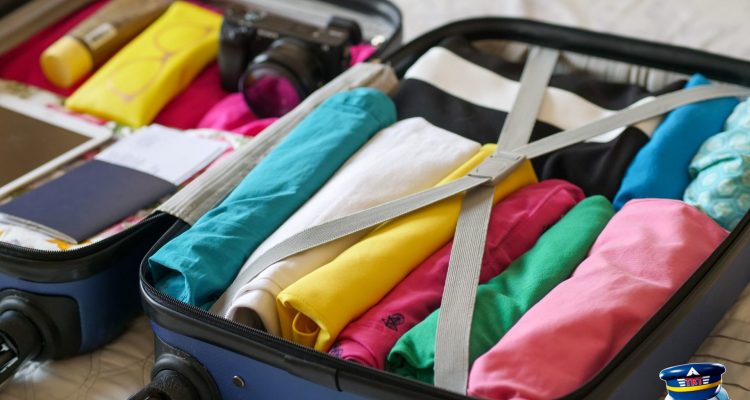
Why Packing Cubes Work Wonders
I’ll admit it: before I discovered packing cubes, my suitcase was a chaotic mess of tangled clothes and missing socks. Every trip started with neat piles, but by day two, I’d be digging through layers just to find a clean shirt. If you’ve ever had that moment where you can’t find what you need, you’ll appreciate how much of a game-changer packing cubes can be.
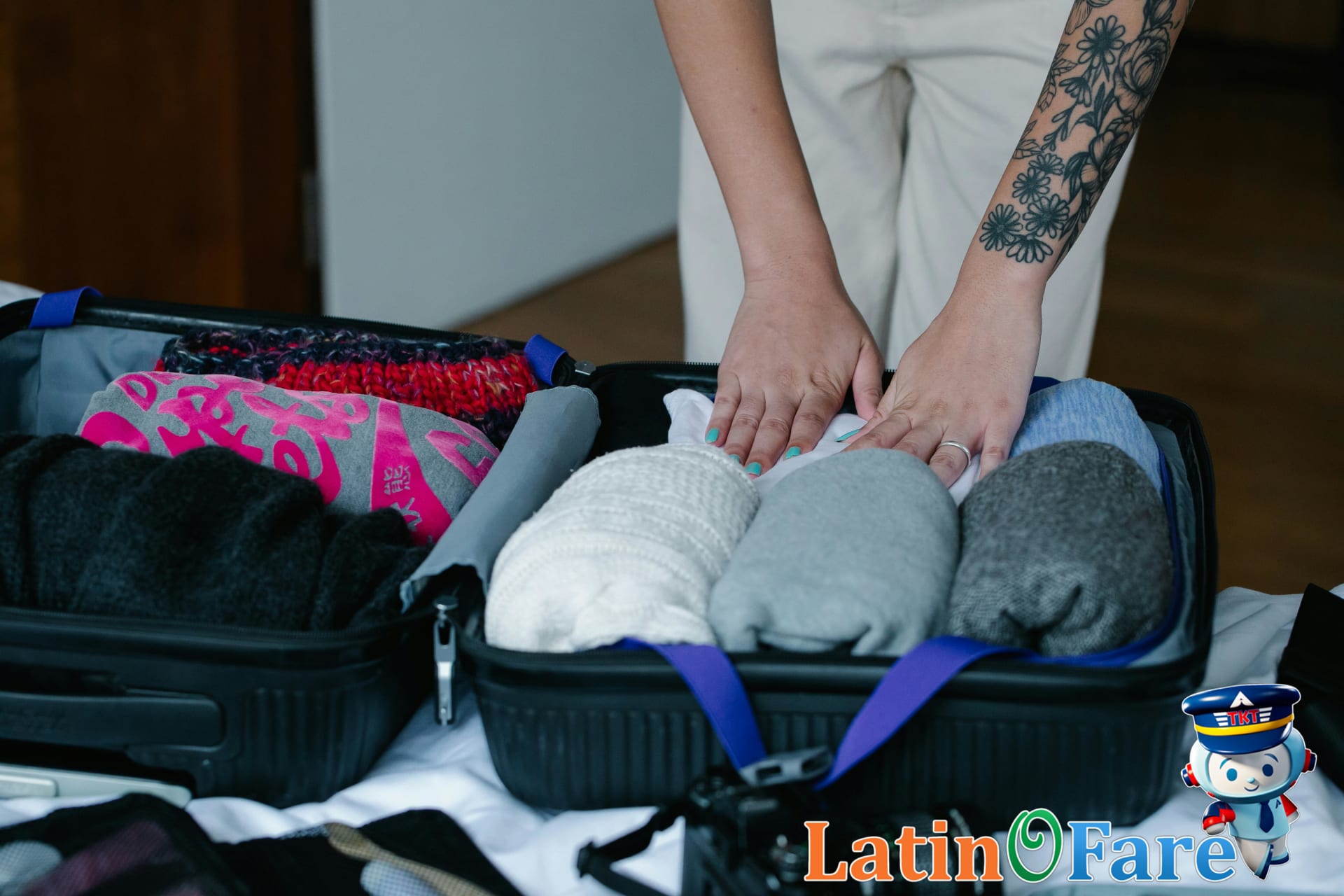
Here’s why I consider packing cubes essential now:
- Organization: Packing cubes let you sort clothes by type or purpose—shirts in one, socks and underwear in another. It’s so much easier to keep track of everything, especially if you’re moving between hotels or destinations. This is one of my top essential travel packing tips for staying organized on the road.
- Space-saving: Rolling clothes into cubes really helps maximize suitcase space. You can fit more in, and your bag doesn’t bulge awkwardly.
- Easy unpacking: When you arrive, just lift out the cubes and place them in drawers or on shelves—no need to unpack everything or hunt for that one item buried at the bottom.
Packing Cubes vs. Basic Packing
Packing without cubes usually means everything shifts around, and items wrinkle or get lost in the shuffle. With cubes, each category of clothing has its own home, so you can pull out just what you need. I’ve noticed it takes me less time to pack and unpack, and my clothes stay much neater throughout the trip.
Top Packing Cube Brands to Consider
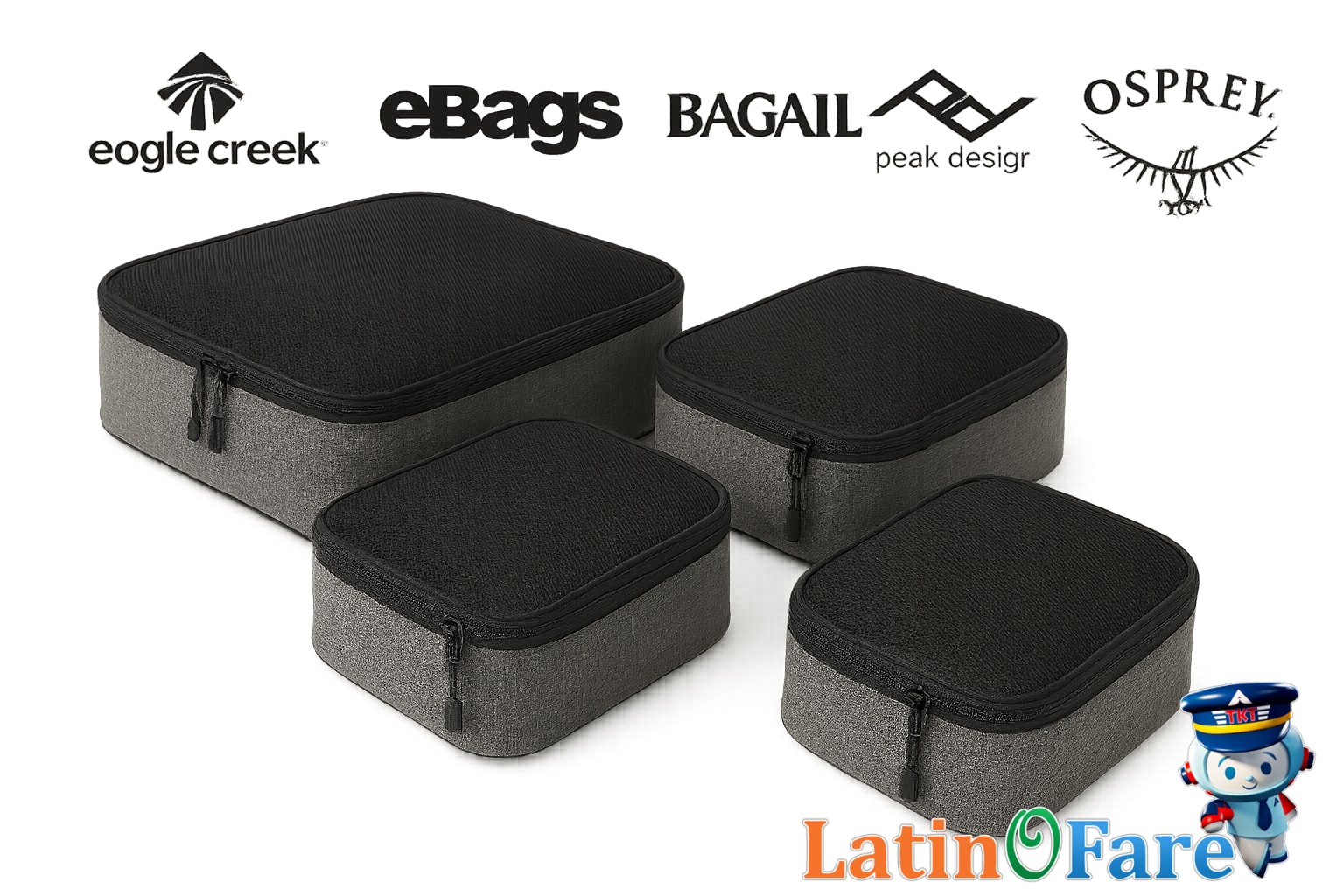
When I started comparing packing cubes for my own trips, I quickly realized not all brands are created equal. My main criteria were durable materials, reliable zippers, a good range of sizes, and a warranty that actually means something. Here’s how I break down the best-known packing cube brands and what sets each apart, so you can find the right fit for your travel style.
Eagle Creek: Built for Durability
Eagle Creek cubes are a favorite among frequent travelers who want gear that lasts. Their cubes are made with sturdy ripstop fabric and feature smooth, reinforced zippers. The lifetime warranty is a big plus if you travel often or tend to pack heavy. They’re a bit more of an investment, but I found the quality worth considering if you want cubes that will survive years of airport sprints.
AmazonBasics: Simple and Affordable
For travelers on a tight budget, AmazonBasics packing cubes are a practical option. They don’t have fancy extras, but the polyester material holds up well for occasional use. The set typically includes several sizes, making them a straightforward pick for first-timers or anyone who just wants to stay organized without spending much.
Shacke Pak: Best for Versatility
Shacke Pak stands out for offering a four-piece set with a laundry bag included. The cubes have mesh tops for easy visibility and double-stitched seams for extra strength. I liked how the different sizes made it easy to separate clothes for longer trips. These are a good middle ground between budget and premium options.
Bagail: Great Value Sets
Bagail is another brand I researched that consistently gets positive reviews for value. Their sets often include six cubes, and the lightweight nylon material is surprisingly tough. The zippers glide smoothly, and the color variety is a bonus if you like to color-code your packing. These are ideal for families or anyone packing for multiple people.
TravelWise: Reliable for Light Packers
If you’re a minimalist or just want to keep things tidy in a carry-on, TravelWise cubes are a solid pick. The fabric is lighter than some competitors, but they hold shape well when packed. I found these especially useful for weekend trips or business travel where you don’t need a huge set.
For the best deals, I usually check for seasonal luggage sales or look at budget travel gear roundups on sites like the latinofare.com blog, which sometimes features shopping tips for affordable accessories. Buying during peak travel sale periods can save you a noticeable amount on even the top brands.
How to Use Packing Cubes Efficiently
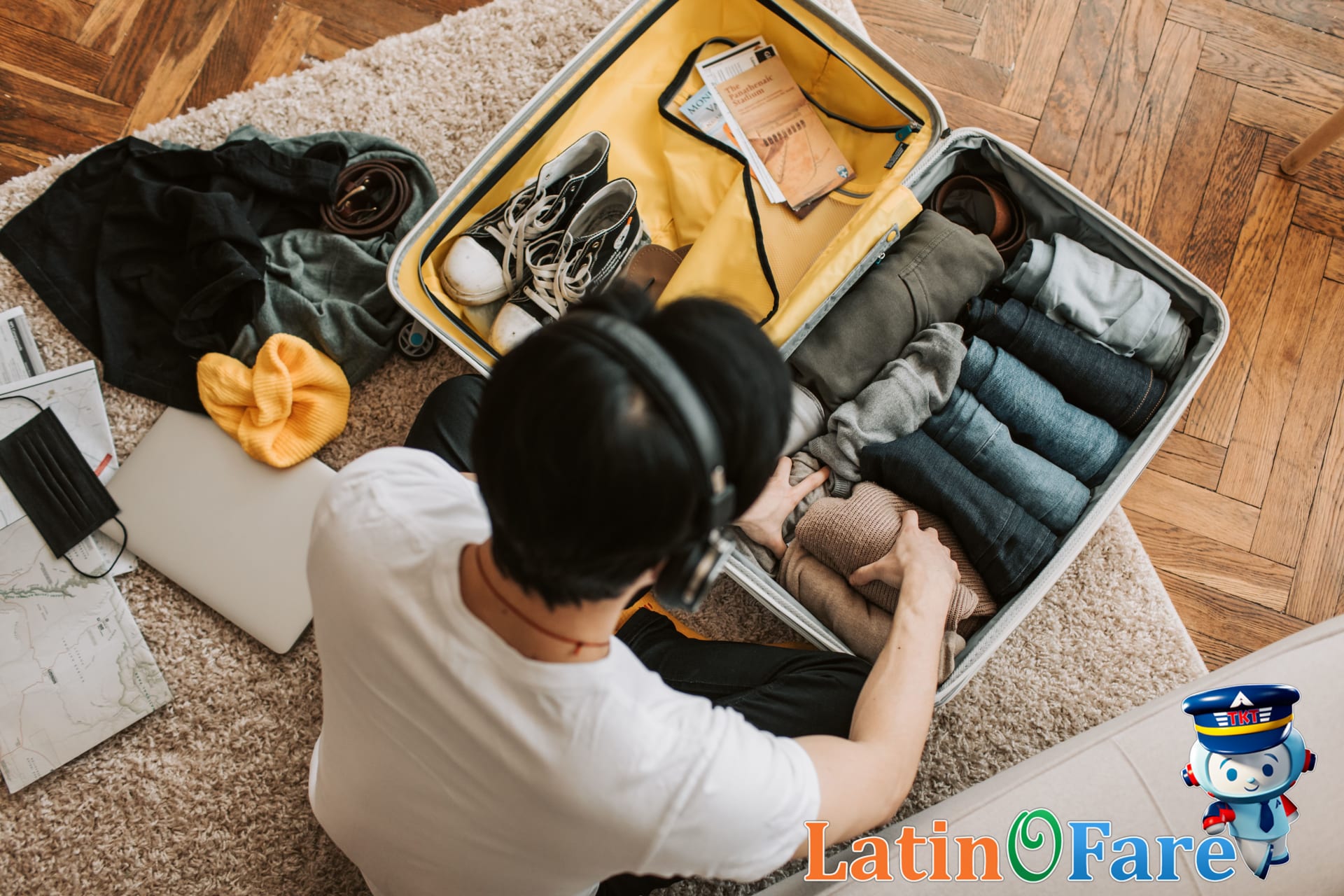
Packing cubes can seriously transform how you organize your suitcase, but getting the most out of them takes a bit of strategy. I usually sort my clothes by type—shirts in one cube, pants in another, and socks or underwear in a smaller one—because it makes finding what I need much faster when I’m on the road. Some travelers like to pack by outfit or activity, which is handy if you’re moving between different climates or events. Either way, having a system before you start packing is key.
Rolling vs. Folding Clothes
There’s always a debate between rolling and folding. In my experience, rolling clothes works better for maximizing space inside packing cubes and keeping things wrinkle-resistant. Folding, on the other hand, can be neater for bulkier items like sweaters or jeans. Try each method to see which fits your packing style and cube size best.
Compression Cubes vs. Regular Cubes
If you’re trying to fit more into a smaller bag, compression cubes can help squeeze down soft items like t-shirts or underwear. Regular cubes are great for keeping things sorted, but compression cubes make a noticeable difference for longer trips or when you’re packing for unpredictable weather. Just don’t overstuff—clothes can get creased if you pack too tightly.
Adapting Cubes for Any Trip
Packing cubes aren’t just for big suitcases. For short trips or if you’re going carry-on only, use just two or three cubes—one for clothes, another for toiletries, and a slim one for chargers or accessories. Backpackers can use different colored cubes for quick access, while families might assign a cube per person. Adjust your system based on the trip’s length and your bag’s layout.
Choosing Cubes for Different Luggage Types
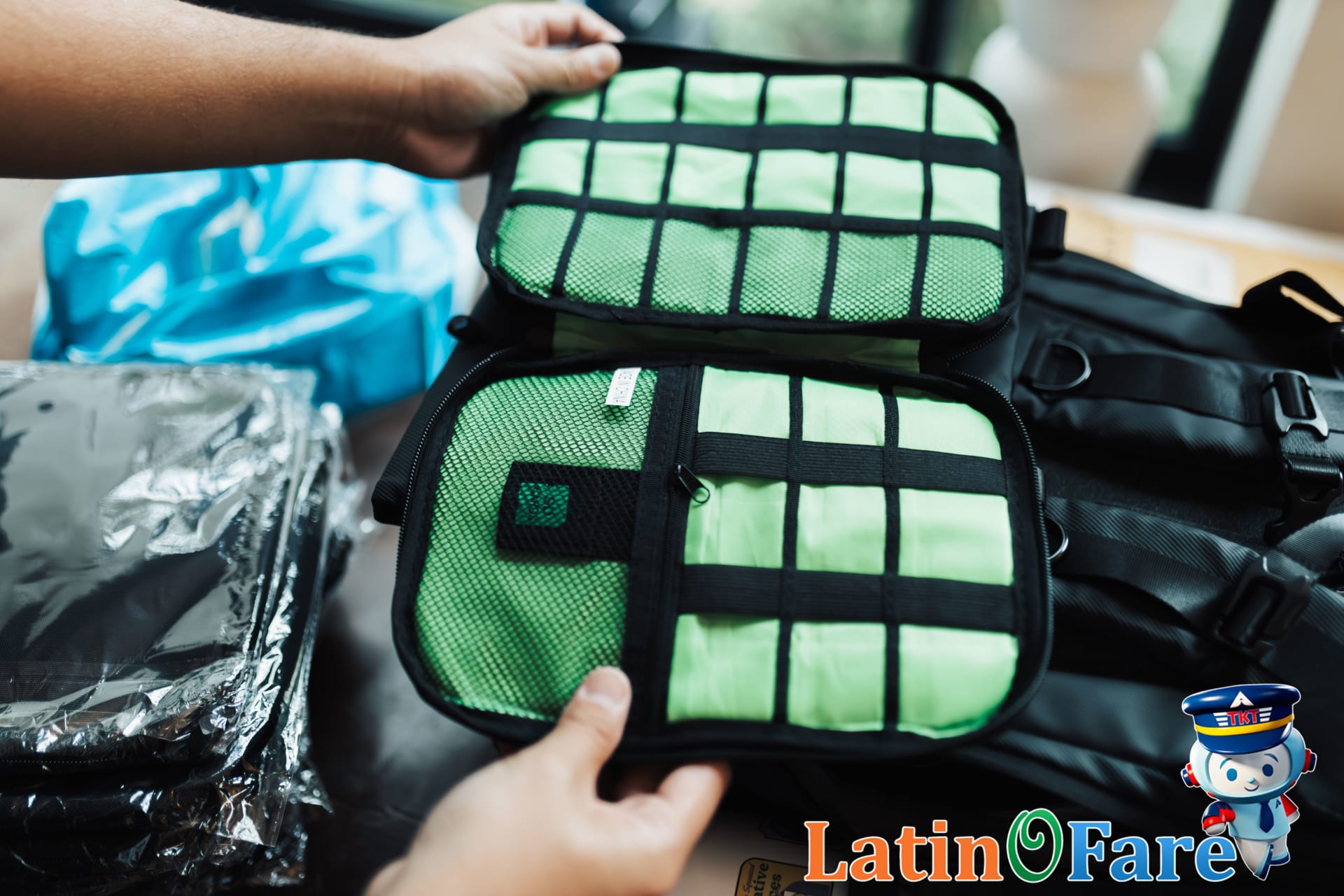
Matching your packing cubes to your luggage style can make the difference between a smooth trip and a frustrating one. Each bag type—whether it’s a hard shell suitcase, soft-sided roller, duffel, or backpack—works best with certain cube shapes and sizes. I’ve tried almost every combination over the years, and some setups really do save more space and hassle than others.
Hard Shell Suitcases
Hard shell suitcases usually have a clamshell design, splitting into two even halves. Rectangular medium and large cubes fit perfectly side by side in these, filling the flat space efficiently. I’ve found that using two large cubes for clothes and a slim one for accessories gives me the most organized layout in my main checked bag.
Soft Case Rollers and Duffels
Soft-sided luggage and duffels have more flexible walls, so you can get creative. I prefer a mix of small and medium cubes here—small cubes squeeze into corners, while medium ones stack easily. Duffels benefit from longer, thinner cubes that line up along the bottom. This setup keeps everything from shifting around when you’re on the move.
Travel Backpacks
Backpacks have a narrow, vertical space. I always pack with two slim cubes for clothes and a small cube for socks and undergarments. The slim cubes stack vertically, making it easy to access items without digging through everything. In my experience, this arrangement is the easiest to repack on the go.
Cube set composition matters. I’d always choose a set with at least three sizes—large, medium, and small—so you can adapt to any bag or trip length. It’s the best way to avoid wasted space and keep things separated.
Packing Cubes For Family Organization
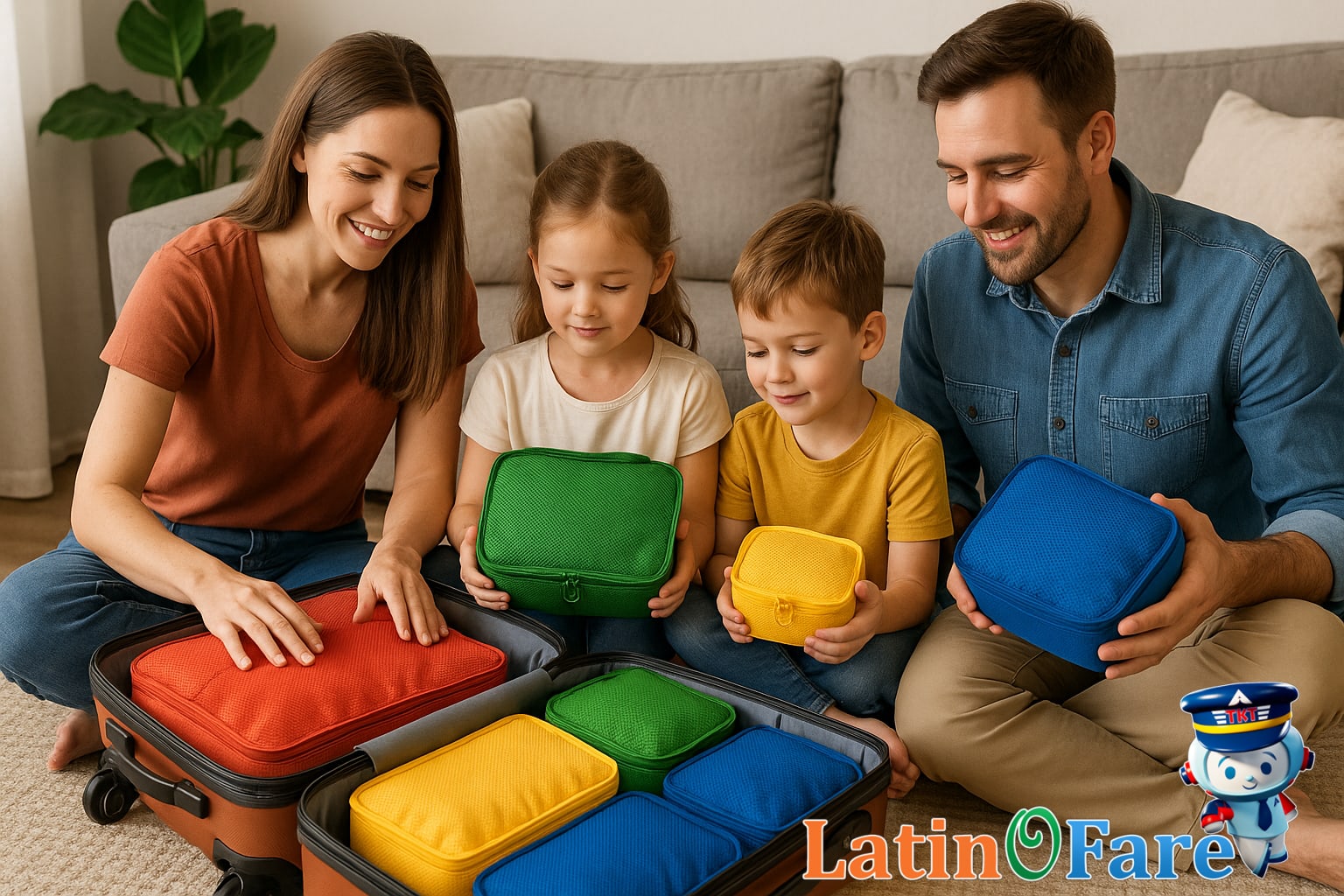
Packing for a family or group always seems to turn into a scramble—especially when everyone’s clothes start blending together in one big suitcase. I learned the hard way that digging for a missing sock at midnight isn’t anyone’s idea of a good time. That’s where color-coded packing cubes come in. Assigning a specific color to each family member’s cubes made it simple to keep everyone’s things separate, even when we shared a big suitcase.
For larger groups, I’d also recommend labeling cubes with names or purposes using luggage tags or sticky labels. For example, one cube could be marked “pool gear,” while another says “snacks.” This system really cuts down on confusion when you arrive and need to find something fast. It’s also helpful to use different cube sizes—larger ones for adults’ clothes, smaller ones for kids or accessories—so you don’t overpack.
When we travel as a family, I divide our suitcase into two sections: one side for shared items (like toiletries or chargers) and the other for individual cubes. This way, everyone knows exactly where to look. If you’re planning a group trip, having a family travel planning checklist can help keep the packing process on track and make sure nothing gets left behind.
Keeping Clothes Clean With Packing Cubes
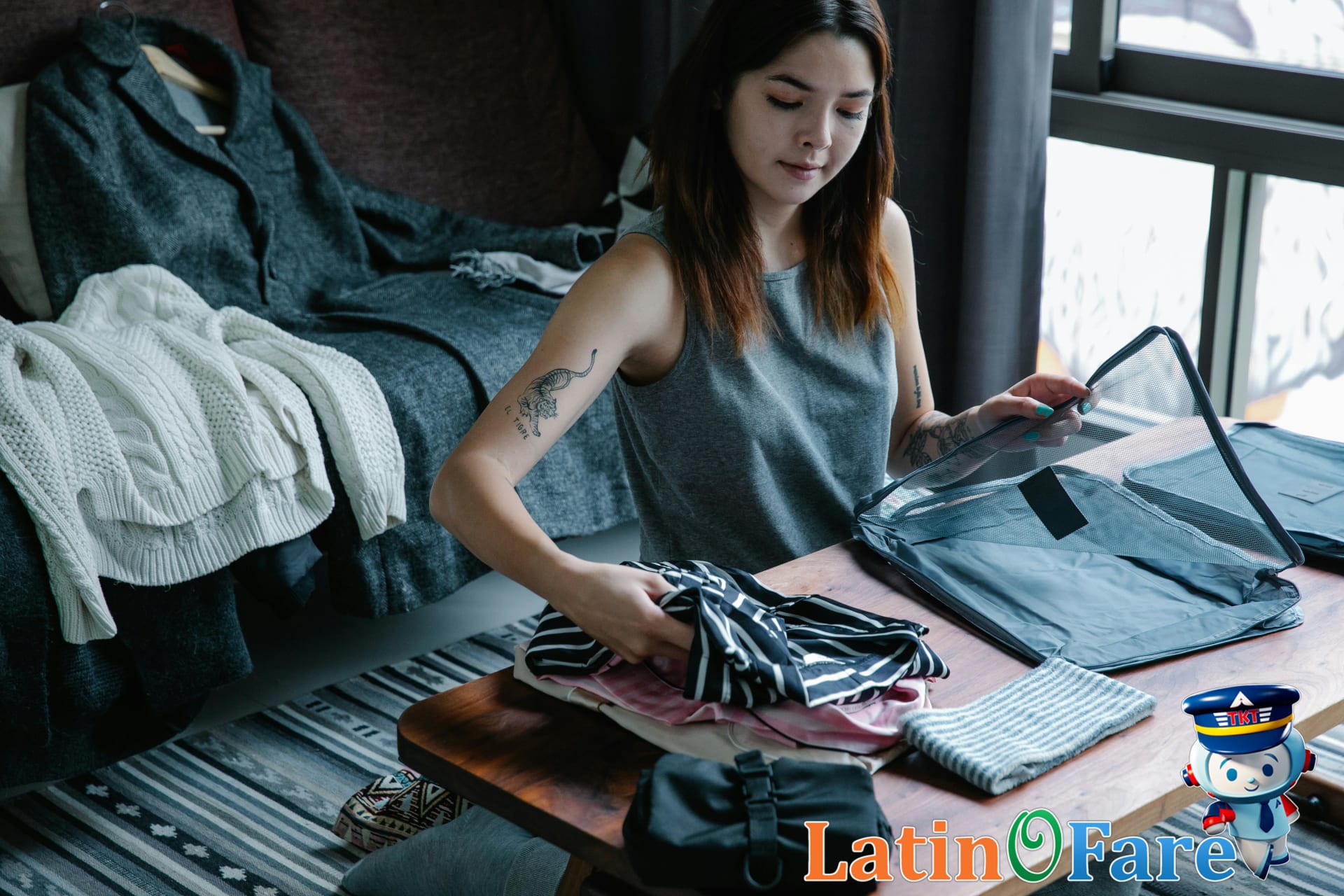
Packing cubes aren’t just for squeezing more into your suitcase—they’re a game changer for keeping your clothes clean and organized while you travel. I’ve found that designating one cube for fresh clothes and another for dirty laundry stops things from getting mixed up, even on longer trips. When I’m on the road for a week or more, I always bring a spare empty cube. As my laundry pile grows, I toss worn items directly into that cube, so nothing mingles with my clean shirts and socks.
If you’re planning to use a laundromat or hotel laundry service, having your dirty clothes already sorted in a cube makes drop-off quick and discreet. For self-service washes, just grab the laundry cube and go—no need to dig through your entire bag. I also keep a small cube or plastic bag for shoes or damp items, which helps maintain overall suitcase hygiene and keeps odors from spreading. This system makes repacking a breeze, especially if you’re moving between cities or hotels.
Caring for Your Packing Cubes
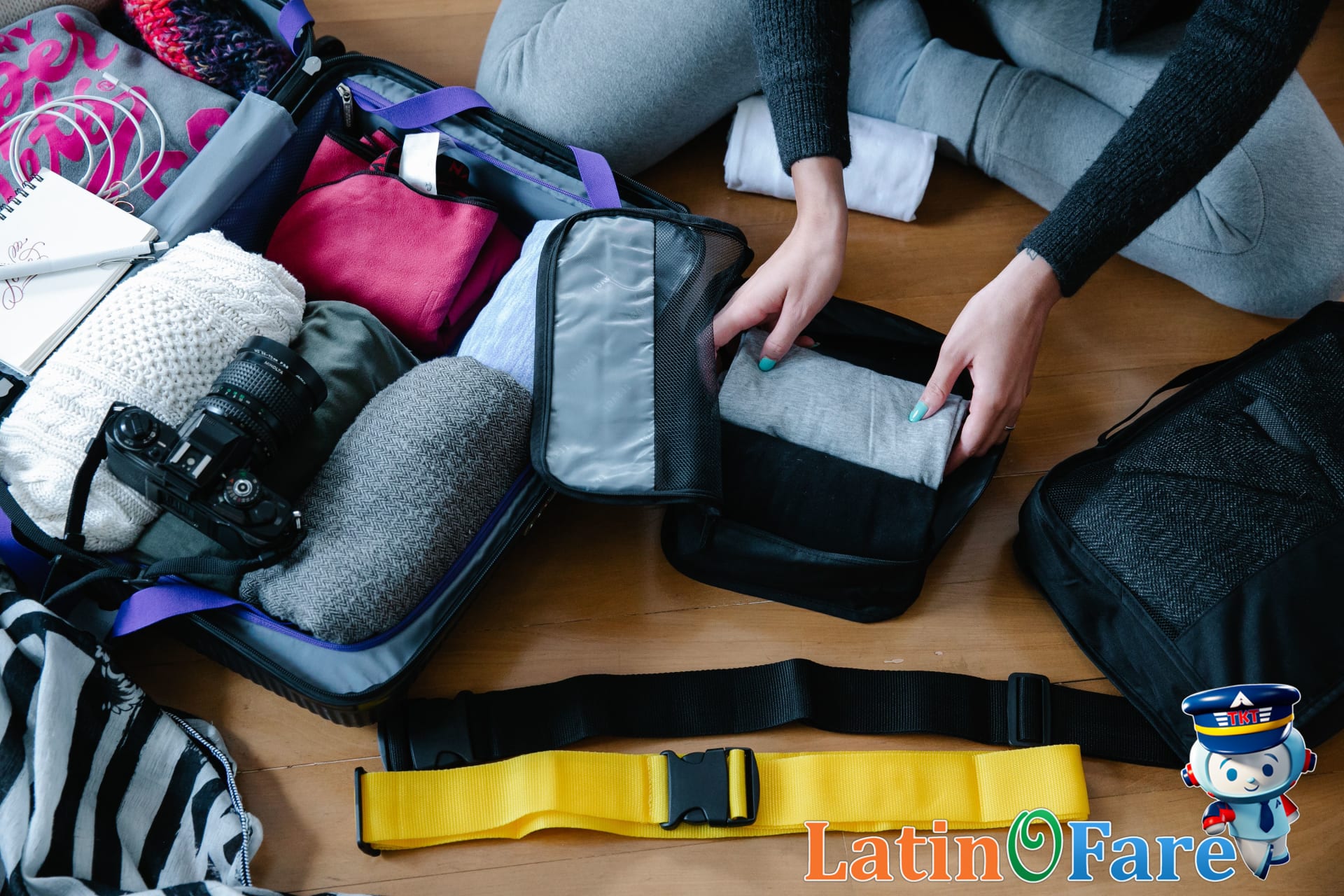
Keeping your packing cubes clean and fresh ensures they last for many trips. For most cubes, spot cleaning with a mild soap and damp cloth is enough to remove dirt and stains. If your cubes are machine washable (always double-check the manufacturer’s tag), use a gentle cycle and a mild detergent. I’ve found that skipping the dryer and letting my cubes air dry outside keeps them smelling fresher and helps avoid any shrinkage or fabric damage.
To maintain longevity, avoid overstuffing your cubes, and store them in a dry place between trips. If you’re concerned about eco-friendliness, look for cubes made from recycled or biodegradable materials—many brands now offer these options. Always review care instructions specific to your cube’s material, as some fabrics (like nylon or mesh) handle moisture and heat differently than others.
Packing Cube Budget Table – Best Options
When it comes to packing cubes, the price you pay often determines the features you get—think reinforced zippers, water resistance, or compression panels. But splurging doesn’t always mean you’ll get what you need. I learned the hard way that a budget set can be just as reliable for short trips, while luxury cubes shine for frequent flyers or those who crave organization. Here’s a quick comparison to help you decide which tier fits your travel style.
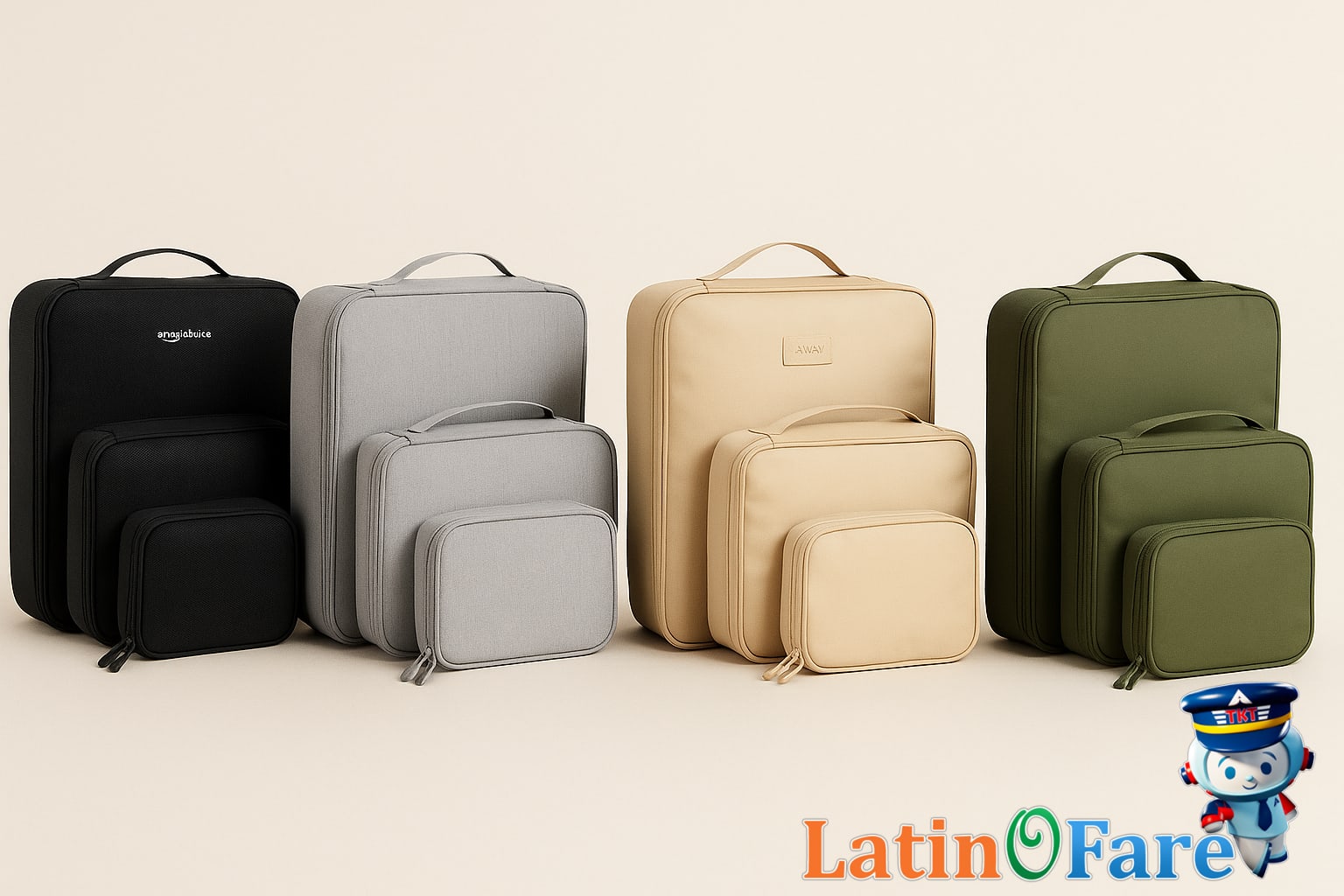
| Cube Brand | Average Set Price | Included Features | Best For |
|---|---|---|---|
| Amazon Basics | $19.99 | Lightweight, basic zippers, mesh tops | Occasional travelers, budget trips |
| Eagle Creek Pack-It | $39.95 | Durable fabric, double zippers, handle | Frequent travelers, organized packers |
| Peak Design Packing Cubes | $59.95 | Compression, weatherproof, premium build | Luxury trips, gear-heavy travelers |
Packing Cubes Frequently Asked Questions
- Are packing cubes really worth it for short trips?
Packing cubes can be helpful even for short trips. They keep your clothes organized, make it easy to separate clean and dirty items, and speed up packing or unpacking. If you’re traveling with a small carry-on, using packing cubes helps you fit more and find what you need quickly.
- How do packing cubes save space in my luggage?
Packing cubes compress your clothes and keep them neatly stacked, which reduces wasted space in your suitcase. By grouping similar items together, you can maximize every inch of your bag. Many travelers find that packing cubes help them fit extra outfits or essentials into their luggage.
- What is the best way to clean packing cubes?
Most packing cubes can be cleaned by hand washing with mild soap and warm water. Let them air dry completely before using them again. Some brands offer machine-washable packing cubes, but always check the care label first to avoid damaging zippers or mesh panels.
- Can packing cubes help avoid baggage fees?
Packing cubes can help you pack more efficiently, which may allow you to fit everything into a smaller suitcase or carry-on. By staying organized and limiting overpacking, you might avoid checked bag fees on airlines. However, always check your airline’s weight and size limits before flying.
- Which packing cube brands are most durable?
Durable packing cubes are often made from ripstop nylon or polyester with reinforced seams and sturdy zippers. Brands like Eagle Creek, TravelWise, and eBags are known for making long-lasting cubes. If you travel frequently, investing in quality packing cubes can save you from replacing them often.
- Do packing cubes work with backpacks as well as suitcases?
Packing cubes work well in both backpacks and suitcases. They help keep your gear organized, so you don’t have to dig around for what you need. Choose smaller or medium-sized packing cubes for backpacks to make the most of the available space without overstuffing your bag.
Making Packing Cubes Part of Your Travel Routine
Once I started using packing cubes, my entire approach to packing changed. Suddenly, it was easier to find what I needed, keep clothes wrinkle-free, and even fit more into my suitcase. Packing cubes have really become a staple in my travel routine—they take the stress out of staying organized, especially on longer trips or when moving between hotels.
If you haven’t tried them yet, I’d encourage you to give packing cubes a shot on your next journey. The difference in organization is hard to ignore, and you might find yourself wondering how you ever packed without them. For more tips on packing smarter—or to find flight deals for your next adventure—check out latinofare.com for practical advice and support.