

Get More Value Every Stay
As a frequent traveler trying to stretch my budget, I’ve learned that maximizing hotel loyalty points can mean the difference between a basic room and a free upgrade—or even a bonus night. Just last month, using points I’d strategically earned, I was able to book an extra night at a city hotel without spending any extra cash. For anyone who wants to travel more while spending less, squeezing the most value from hotel loyalty programs is a game-changer.
This approach is right in line with the mission at latinofare.com: making travel more affordable and accessible for everyone, whether you’re booking a quick getaway or planning an international adventure. While most travelers know about searching for cheap flights (I’d also recommend checking latinofare.com‘s flight deals page for broader savings), hotel loyalty points are often overlooked as a money-saving tool.
In this article, I’ll break down clear, actionable tips to help you get the most out of your hotel loyalty points. You’ll find practical advice on earning, redeeming, and even transferring points, so you’re not leaving value on the table. Whether you’re new to loyalty programs or looking to step up your strategy, you’ll find guidance tailored for real-world travel budgets.

How Hotel Loyalty Programs Work

Most hotel loyalty programs share a similar structure: you sign up for free, start earning points for every stay, and climb through membership tiers based on your nights or spending. Entry-level members often get perks like free Wi-Fi, while higher tiers unlock bonuses such as late checkout, room upgrades, or complimentary breakfast. The big brands—Hilton Honors, Marriott Bonvoy, IHG One Rewards, and Wyndham Rewards—are especially popular with value-seekers because they offer plenty of budget hotel options and frequent points promotions.
When first juggling Hilton and Marriott points, I quickly realized each program’s sweet spot is different: Hilton often offered faster free-night redemptions for budget hotels, while Marriott had better mid-tier perks. That’s why I recommend signing up for multiple programs. You can pick whichever chain suits your trip and compare redemption values. If you’re not sure which brands align with your travel style, check out latinofare.com’s guide to favorite hotel brands for budget travelers.
Strategies To Earn More Points

Maximizing your hotel points isn’t just about staying more often—it’s about making every stay count. Booking directly with the hotel, instead of through an online travel agency, usually earns you full loyalty points and access to member-only perks. I’ve built my points balance simply by sticking to direct bookings and always entering my loyalty number, even for short stays.
Stacking deals is another smart move. I often use a co-branded credit card that offers bonus points on hotel purchases, then check for seasonal promotions or targeted offers sent to my inbox. Sometimes, these promos can double or even triple your points for a single booking. Don’t overlook status matching, either—it lets you transfer elite status from one hotel chain to another, unlocking even more earning potential and benefits on future stays.
Combining these tactics—direct bookings, the right credit card, and timely promo offers—can help you rack up points faster than you’d expect. It’s all about using the tools together for the best results.
Best Ways To Redeem Points

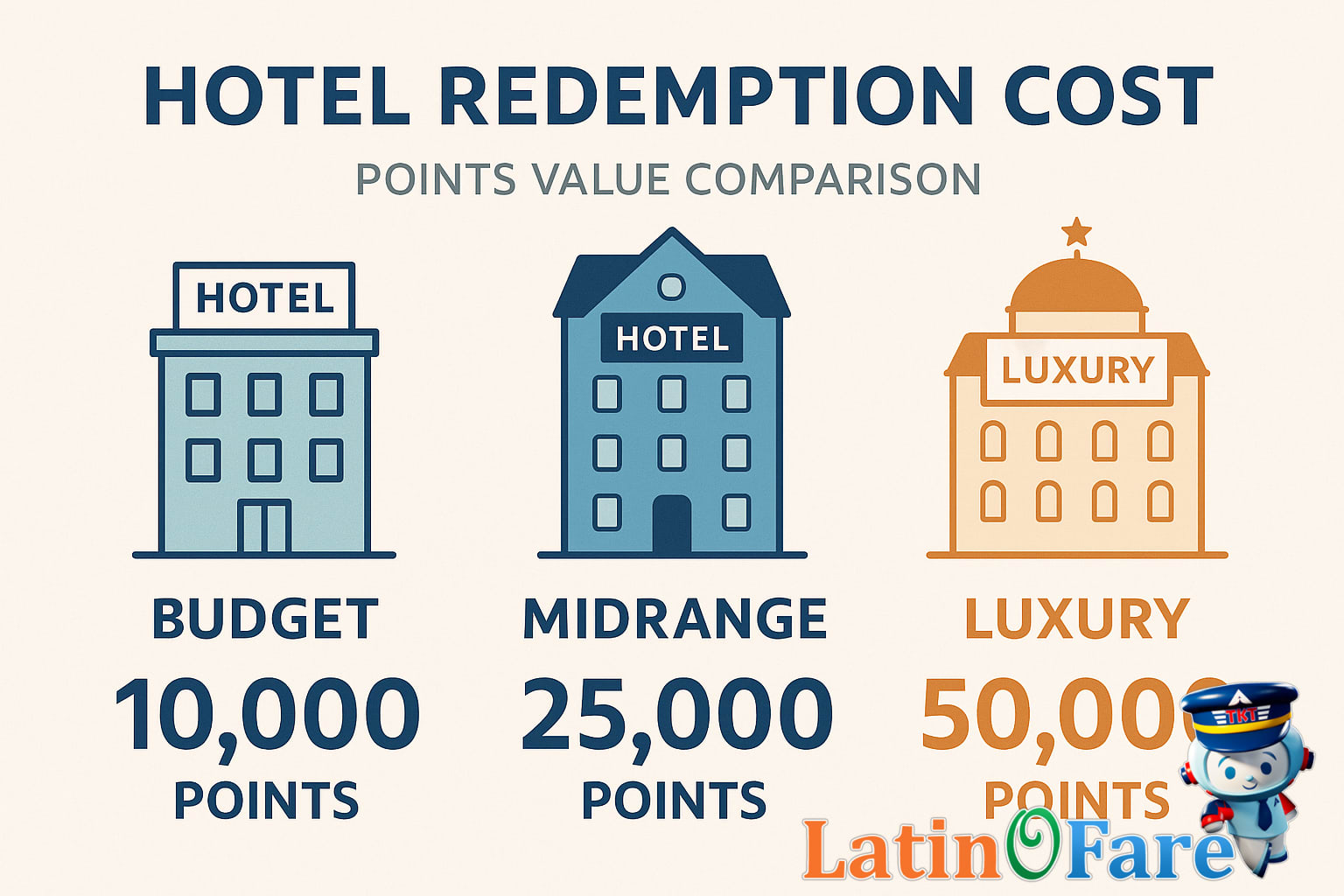
Getting the most out of your points takes a bit of strategy, but it’s worth the effort. High-value redemptions usually mean booking luxury suites, aspirational properties, or flights during off-peak periods. These options often offer far greater value per point compared to standard rooms or last-minute bookings. If you’re flexible with your travel dates, you’ll be able to spot those hidden gems—like a five-star suite available for the same number of points as a basic room on a peak date.
Many loyalty programs have flexible calendar tools that show you the lowest-point options across a month. I once scored a suite at a beachfront resort that would have cost over $600.00 per night, all for the same points as a standard room, just by shifting my stay by a few days. That upgrade made the trip feel extra special and really showed me how timing can stretch your points.
It’s usually best to save points for these high-impact redemptions rather than spending them on low-value options like gift cards or small discounts. If you’re close to a big trip or see a rare deal, that’s when it makes sense to redeem. Otherwise, holding onto your points for a future dream stay or upgrade can pay off in a big way.
Transfer Partners and Pitfalls Explained

Transferring hotel points to airline or credit card partners can sometimes stretch your rewards, but it’s not always a win. Programs like Marriott Bonvoy or Hilton Honors let you move points to dozens of airlines, while major credit cards like Chase, Amex, and Citi offer their own transfer partners. It sounds flexible, but the catch is in the details—especially the transfer rates and partner restrictions.
In my experience, I learned the hard way to scrutinize transfer rates when I nearly moved a big chunk of hotel points to an airline, only to realize I’d get far fewer miles than I expected. Many hotel-to-airline transfers operate at ratios like 3:1 or even 5:1, which means you lose a lot of value unless there’s a rare bonus promotion. Before you make any move, always check the numbers against what you’d get redeeming directly for free nights or upgrades.
Some credit card programs offer better value, but even then, not all transfer partners are equal. I usually recommend using a reputable aggregator like The Points Guy’s transfer partner guide to check current rates and promotions before pulling the trigger.
Timing Your Redemptions Right

Getting the most value from your hotel points is all about timing. Award rates can spike during peak travel seasons, local festivals, or big events—think New Year’s in Rio or a major convention in Las Vegas. On the flip side, off-peak periods often mean you’ll need fewer points for the same room, stretching your rewards further.
Hotel loyalty programs sometimes update their award charts, so redemption rates can change with little notice. I usually keep tabs on my favorite properties by signing up for deal alerts and using rate-tracking tools. This way, I’m ready to book when a high-value opportunity pops up—especially if I spot a sudden drop in required points.
In my experience, the best redemptions happen when you catch a lull between busy periods or jump on limited-time point sales. I check rates regularly and set calendar reminders for events that might affect pricing. A little advance planning can make a huge difference in how far your points go.
Mistakes That Drain Value Fast

It’s surprisingly easy to lose value when redeeming points or miles, especially if you’re in a rush or not paying close attention to the math. Top mistakes include booking at the last minute (when point requirements can skyrocket), redeeming for poor-value upgrades, or running into blackout dates that force you into less favorable options. I once used a big chunk of hotel points for a rushed booking—only to realize later I could’ve paid cash for about $80.00 and saved my points for a much better stay elsewhere. That stung, and now I always pause to calculate the real value before confirming any redemption.
To avoid these pitfalls, always compare the cash price with the points needed, and be wary of upgrades or merchandise redemptions, which usually offer less value per point. If you’re tempted to book last minute, check latinofare.com’s guide to avoiding travel mistakes—last-minute bookings are a classic trap for poor redemptions. Plan ahead, check for blackout dates, and don’t let urgency push you into a bad deal.
Hotel Points Maximization Budget Guide
Maximizing hotel points isn’t just about picking the right loyalty program—it’s about mapping your entire travel budget to get the most out of every dollar and point. By carefully planning where to use points, you can stretch a fixed budget much further or free up cash for memorable experiences. I’ve found that breaking down my expected expenses in advance helped me pinpoint where points made the biggest dent in my costs, especially for accommodation on pricier nights.
| Budget | Mid-range | Luxury | |
|---|---|---|---|
| Accommodation | $55.00 | $120.00 | $320.00 |
| Food | $18.00 | $40.00 | $95.00 |
| Transport | $12.00 | $35.00 | $80.00 |
| Activities | $20.00 | $55.00 | $150.00 |
Strategic planning lets you decide where points will save you most: sometimes it’s better to pay cash for a cheap stay and use points for a high-cost night, or vice versa. In my experience, when I mapped out my trip costs, I was able to target my points use for maximum effect and leave more room in my budget for unique activities.
Hotel Points Maximization FAQs

- What’s the best way to maximize hotel points?
Booking directly through the hotel’s website and timing redemptions during special promotions usually stretches your points further. I’ve found that using points for free nights at high-category properties or during peak seasons often delivers the best value per point compared to lower-tier or off-peak stays.
- Can I transfer hotel points to airline programs?
Many hotel loyalty programs allow you to transfer points to select airline partners, but the conversion rates are usually not very favorable. For example, transferring 10,000 hotel points might only yield about 2,000 airline miles, so I’d only consider this if you need a small mileage boost for a flight.
- How do I use points for suite upgrades?
Some hotel brands let you redeem points for suite upgrades either during booking or at check-in. The points required for upgrades vary, but you’ll typically need more than for a standard room. Always check the brand’s reward chart and call ahead to confirm upgrade availability before your stay.
- Is it possible to combine points across hotel brands?
Most hotel points cannot be combined across different brands unless they’re part of the same parent company, like Marriott or Hilton. Within a single program, you may be able to pool points with family members by following specific transfer rules, but cross-brand combining is generally not allowed.
- How do I calculate good value for hotel points?
Divide the cash price of your intended stay by the number of points required to get a cents-per-point value. For example, a $200.00 room costing 20,000 points gives you about one cent per point. Many travelers aim for at least that value, but it depends on your travel priorities and flexibility.
- Can I combine cash and points for a booking?
Yes, many loyalty programs offer “cash and points” rates, letting you pay part of the stay in points and the rest in cash. This can help stretch your points further, especially if you’re short on points for a full award night. Check each brand’s policy for specific options and availability.
- Are hotel points worth more for last-minute bookings?
Sometimes hotel points can offer better value for last-minute stays, especially when cash prices are high due to demand. However, award availability may be limited. I always recommend checking both cash and points options before booking, as the best value can vary widely depending on location and timing.
Make Every Stay Pay Off
Taking a value-driven approach to hotel bookings can make your travel budget stretch much further. By stacking loyalty offers, using the right booking channels, and staying alert to bonus opportunities, you’ll find that even short hotel stays can bring long-term travel rewards. Personally, there’s real satisfaction in watching my points add up—just last month, I covered a weekend getaway entirely with rewards I earned from smart booking choices.
If you want to keep getting more from every trip, remember to use the planning resources and booking tools available on latinofare.com. Their guides and hotel points tips are worth revisiting whenever you’re ready to book. For ongoing support, I’d recommend exploring their additional guides and tools for both hotel and flight bookings—you never know what new strategies you might find.