

Why ATM Safety Matters Abroad
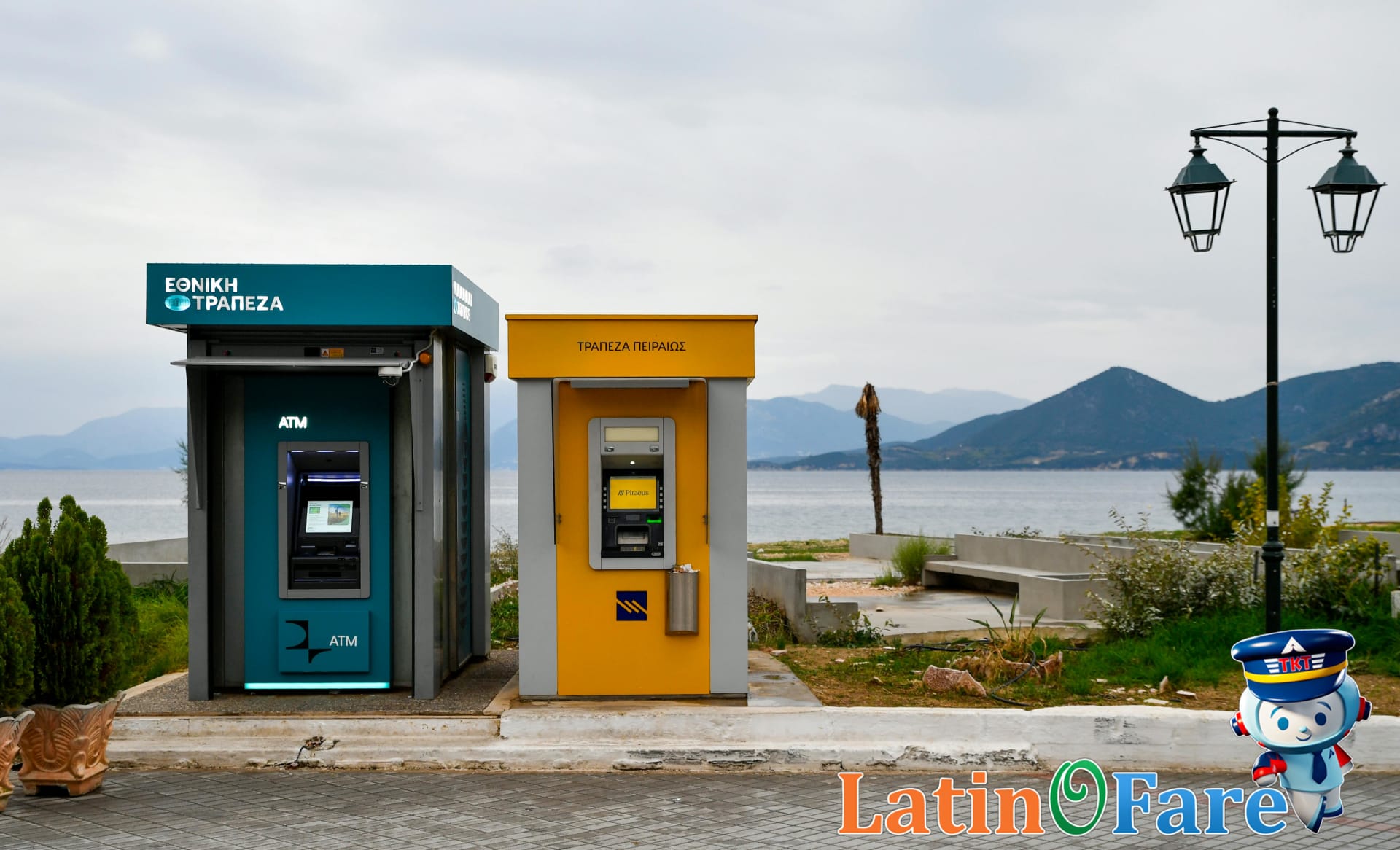
Using ATMs in a foreign country isn’t just about convenience—it’s about protecting your money and personal information. ATM-related crimes like skimming, card theft, and identity fraud remain common issues for travelers worldwide. Skimming devices can steal your card data, while thieves may target distracted visitors at cash machines, especially in busy tourist areas.
The first time I tried to withdraw cash at an outdoor ATM in a new country, I remember feeling uneasy and second-guessing whether the machine was safe. That moment made me realize how easy it is to overlook small details, like checking for tampering or watching who’s nearby. Unfortunately, reports of travelers falling victim to ATM scams or card cloning still make headlines, so staying alert is essential.
Financial loss isn’t just about losing what’s in your wallet—having your card compromised can lead to bigger headaches, including drained bank accounts or even identity theft. That’s why I always recommend pairing ATM safety with smart money habits, like those in our saving money while traveling guide, so you’re prepared for both the expected and the unexpected.
How To Choose Safe ATM Locations
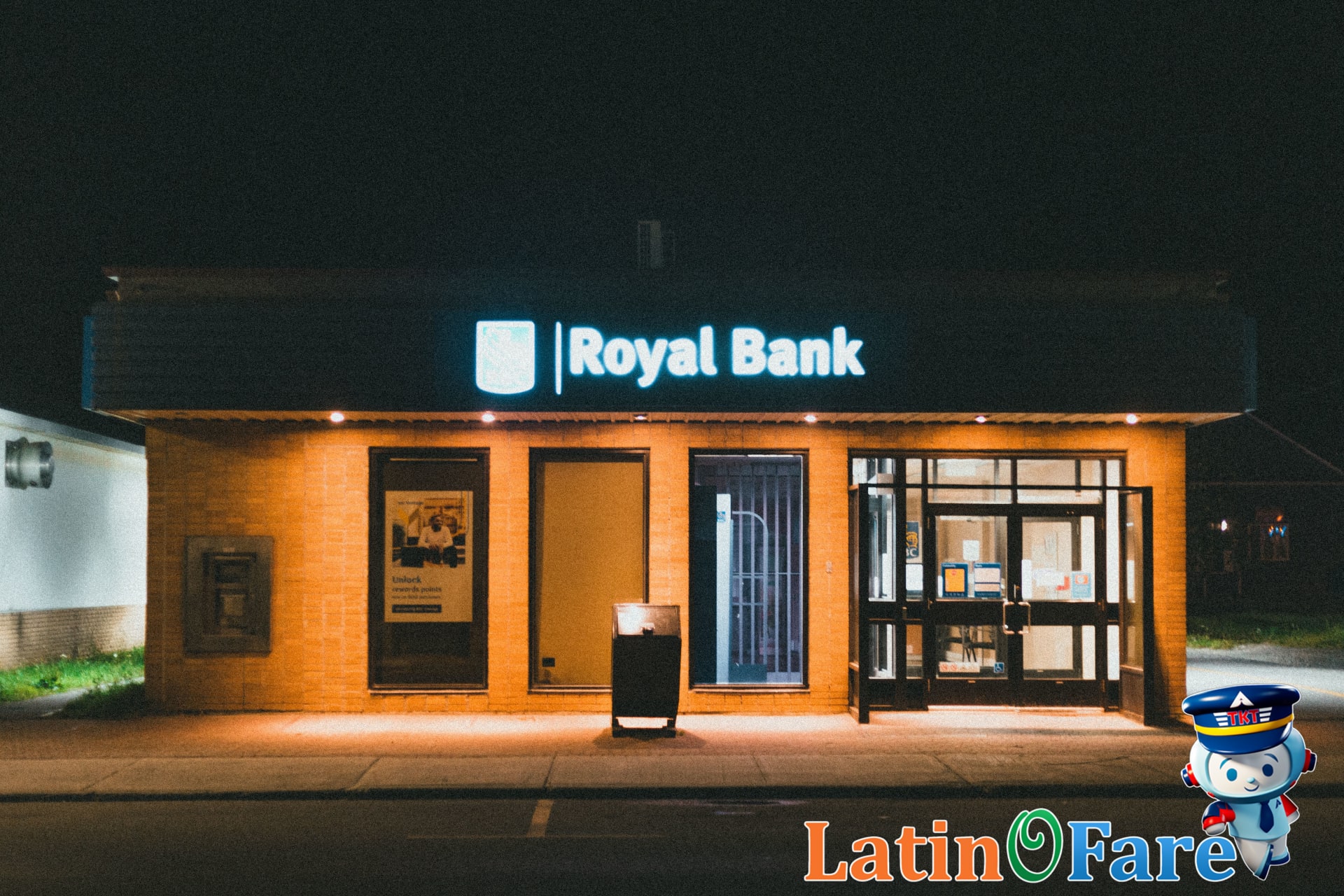
Not all ATMs offer the same level of safety, so picking the right location is key. Bank branch ATMs are usually the safest bet—they’re indoors, well-lit, and often monitored by security cameras. Hotel and airport ATMs also tend to have more security, but I always try to find an ATM inside a busy bank rather than on the street, especially after dark.
Street ATMs can be riskier, particularly if they’re isolated or poorly lit. I recommend avoiding standalone machines in empty areas or those hidden from public view. If you can, use ATMs during bank business hours when staff and other customers are around. Security cameras are another good sign—an ATM in clear view of cameras or near a staffed desk is much less attractive to thieves.
For more advice on staying safe during your travels, check out our destination safety tips post, which covers practical ways to protect yourself and your valuables abroad.
How To Spot Card Skimmers
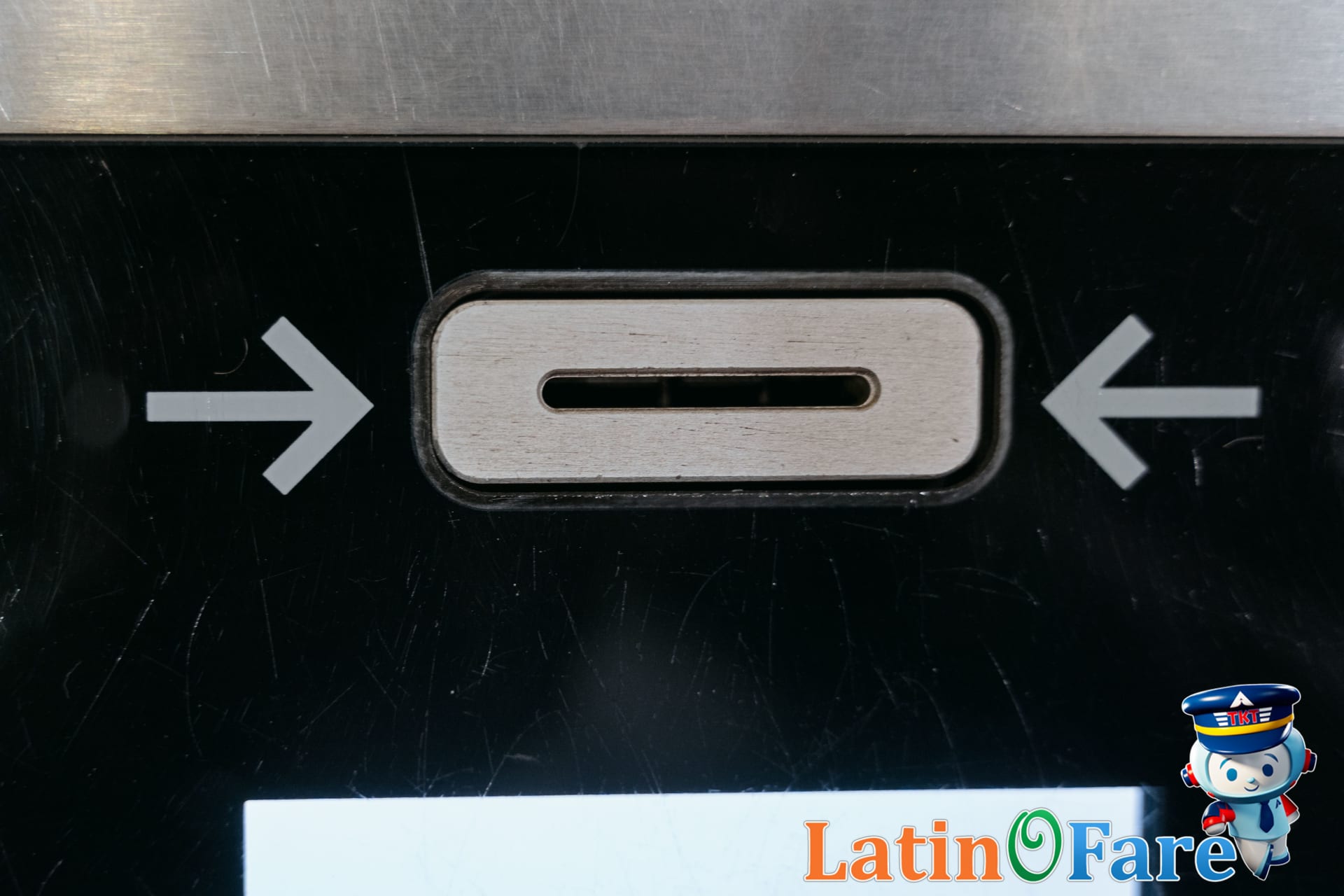
Card skimmers are sneaky devices criminals attach to ATMs or payment terminals to steal your card details. These gadgets often fit over the card slot or keypad, capturing your data as you insert your card. Some setups even include hidden cameras to record your PIN. It’s unsettling, but with a few checks, you can spot most tampered machines before you become a victim.
Red Flags To Watch For
- Loose or wobbly card slots
- Mismatched colors or materials on the reader
- Unusual attachments or extra plastic pieces
- Small, pinhole-sized camera dots near the keypad
- Broken or oddly thick casing
Before using any ATM, I always take a close look and gently wiggle the card reader. If it feels loose or looks different from the rest of the machine, I walk away. Once, in Mexico City, I noticed a card slot that seemed bulkier than usual and decided to find another ATM just in case. Trusting your gut can save you a lot of trouble.
For extra peace of mind, check for official fraud prevention tips from resources like the U.S. Secret Service’s ATM skimming guide. And if you want broader advice, the latinofare.com blog has a helpful post on how to avoid travel scams that covers more than just ATM safety.
Best Practices For PIN Security Abroad
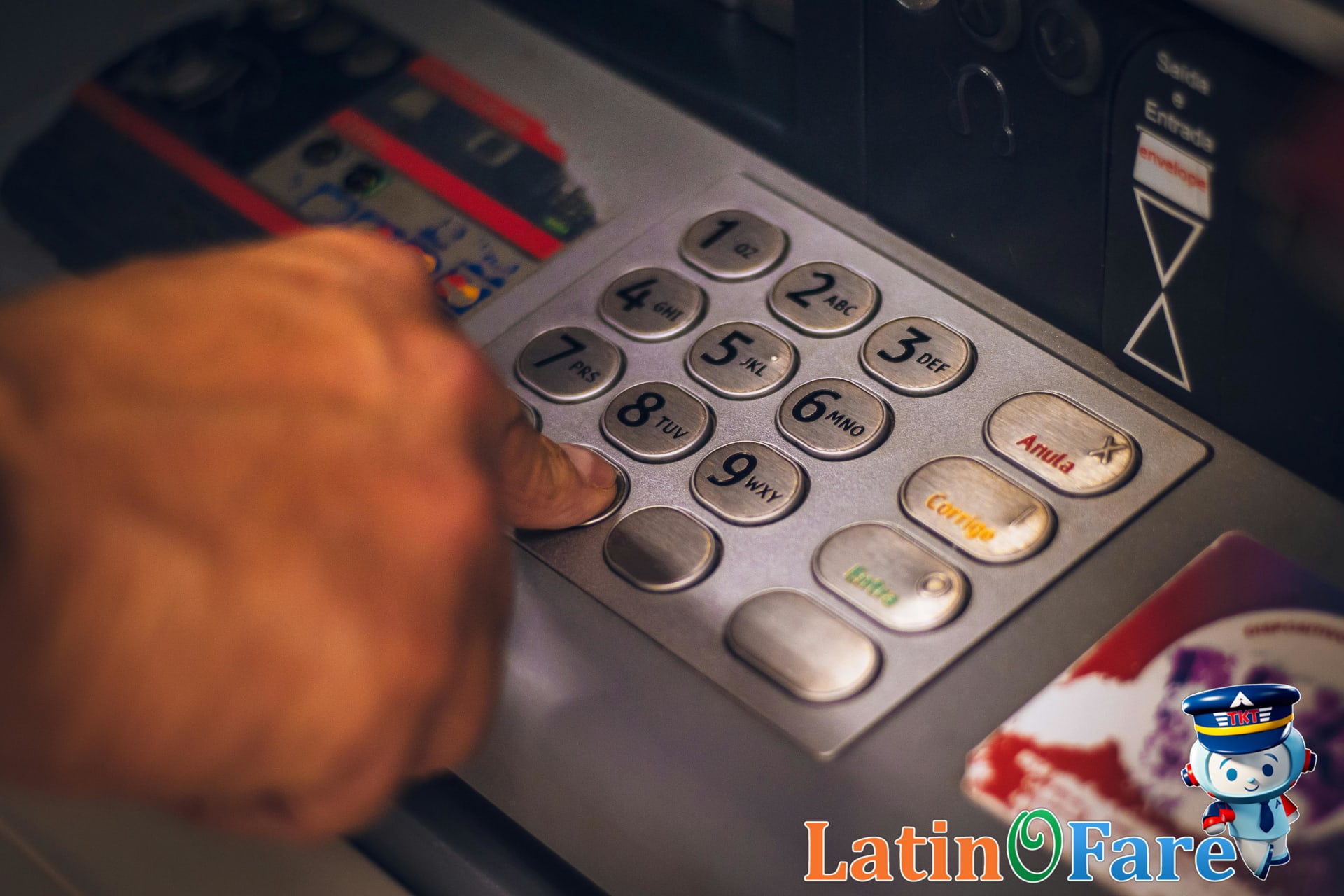
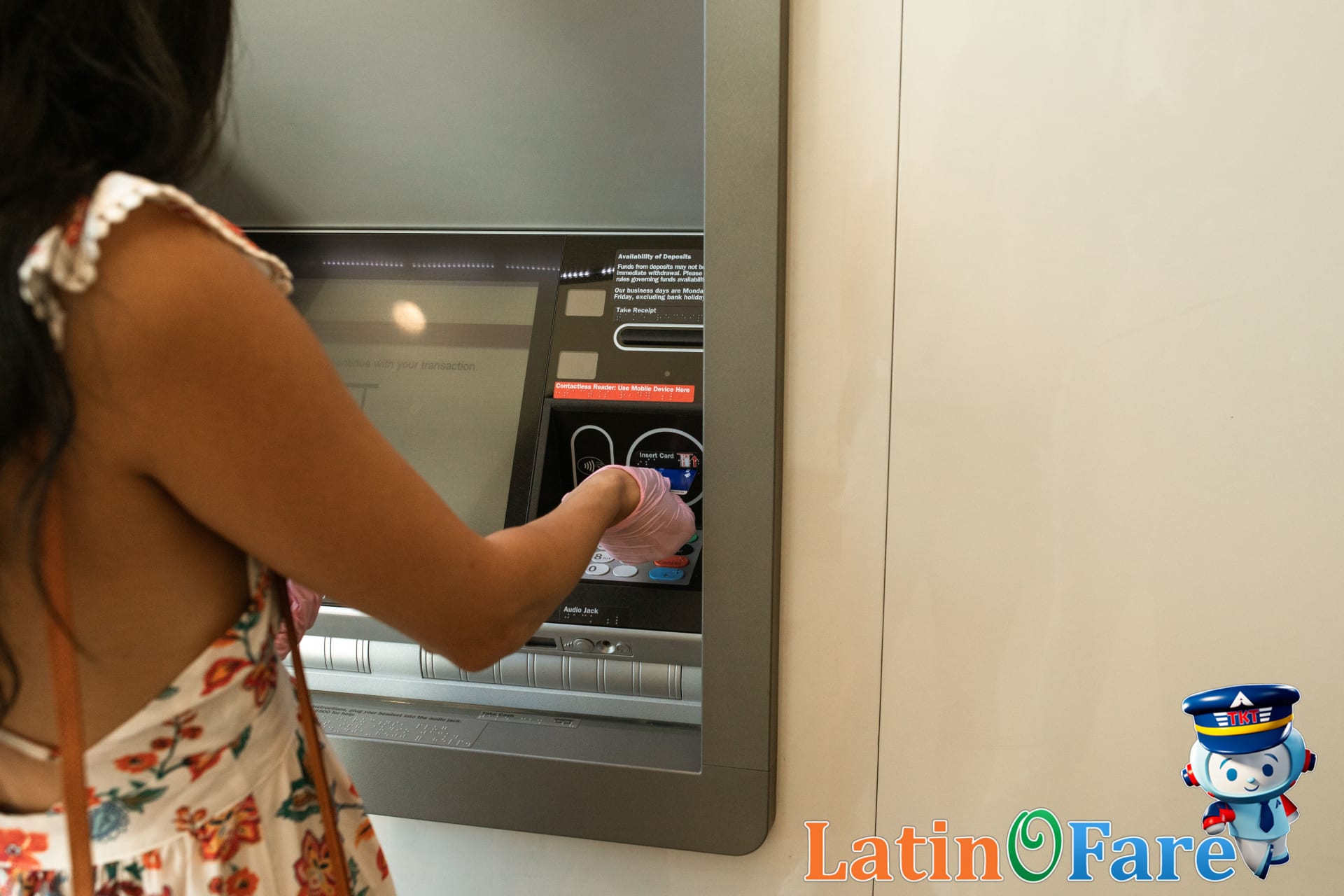
Using your bank card at foreign ATMs means taking extra care with your PIN. Shoulder surfing—when someone watches you enter your code—is a real risk, especially in busy or unfamiliar locations. I always cup my hand when entering my PIN—even if nobody seems to be looking. This habit has saved me from worrying about who might be glancing over my shoulder.
To keep your PIN safe, shield the keypad with your hand or wallet and enter your code slowly if you need to double-check each digit. Never share your PIN, even with someone offering to “help” at the ATM. It’s also smart to avoid common patterns like 1234, your birth year, or repeated numbers. I recommend changing your PIN before a long trip and again if you suspect anyone might have seen it. Using different PINs for each card helps limit risk: if one is compromised, your other accounts stay protected. For official guidance, check your bank’s website or review government travel advisories for up-to-date PIN safety tips.
Handling Cash Safely After Withdrawal
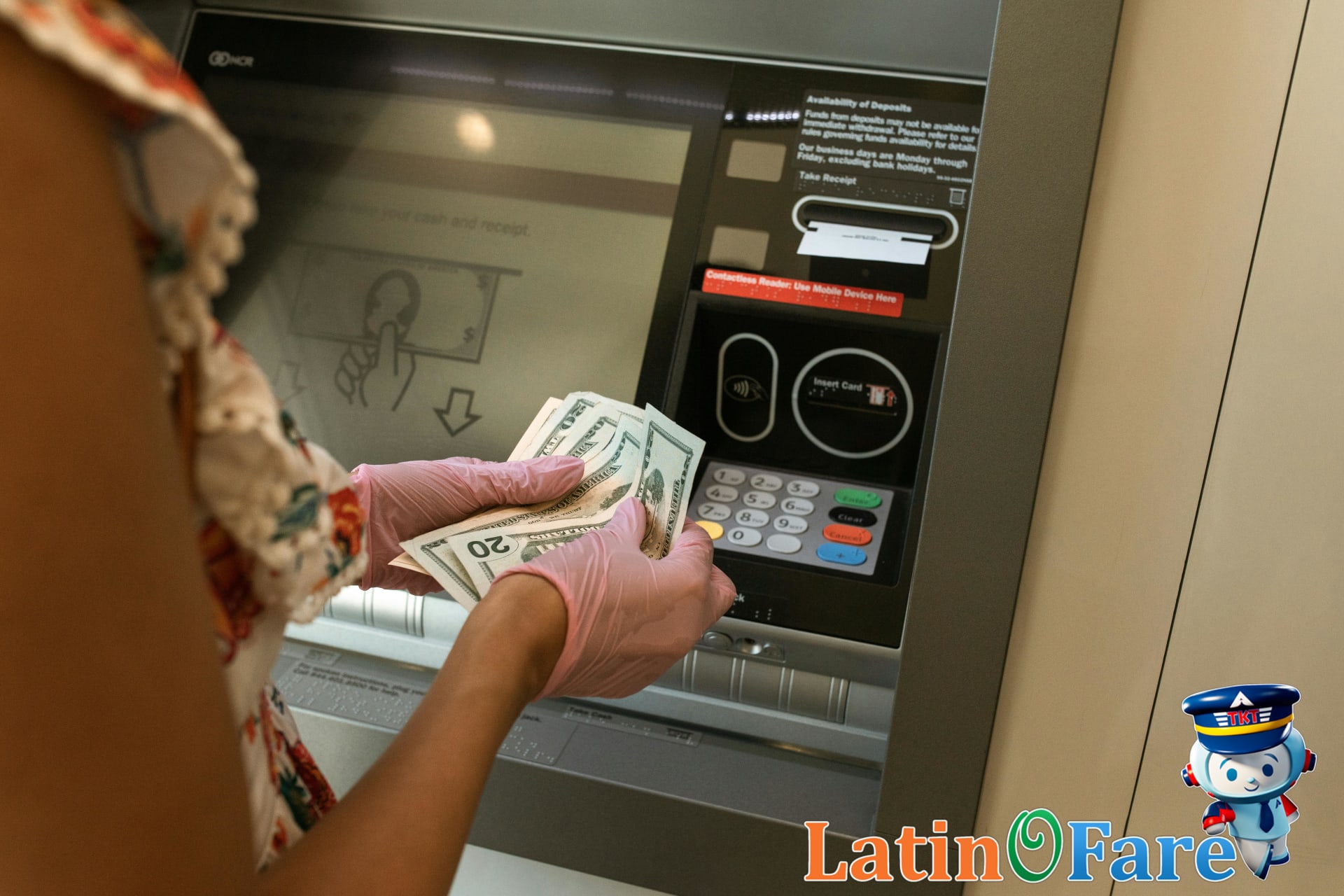
The moment you withdraw cash from an ATM is when you’re most exposed. After one big withdrawal, I realized how vulnerable I felt standing there with a thick stack of bills—now, I always stash my money before turning away from the machine. Step aside from the ATM, but don’t rush off. Instead, slip your cash straight into a zippered pouch or, better yet, use a money belt or an underclothes pouch for added security. If you want to see what gear works best, check out our essential travel packing list for recommendations.
Never count your cash in public view. Split your bills between different pockets or carry a decoy wallet with a small amount, just in case. Avoid flashing a large wad of cash—keeping things discreet can make a real difference in staying safe abroad.
Bank-Owned vs Standalone ATMs
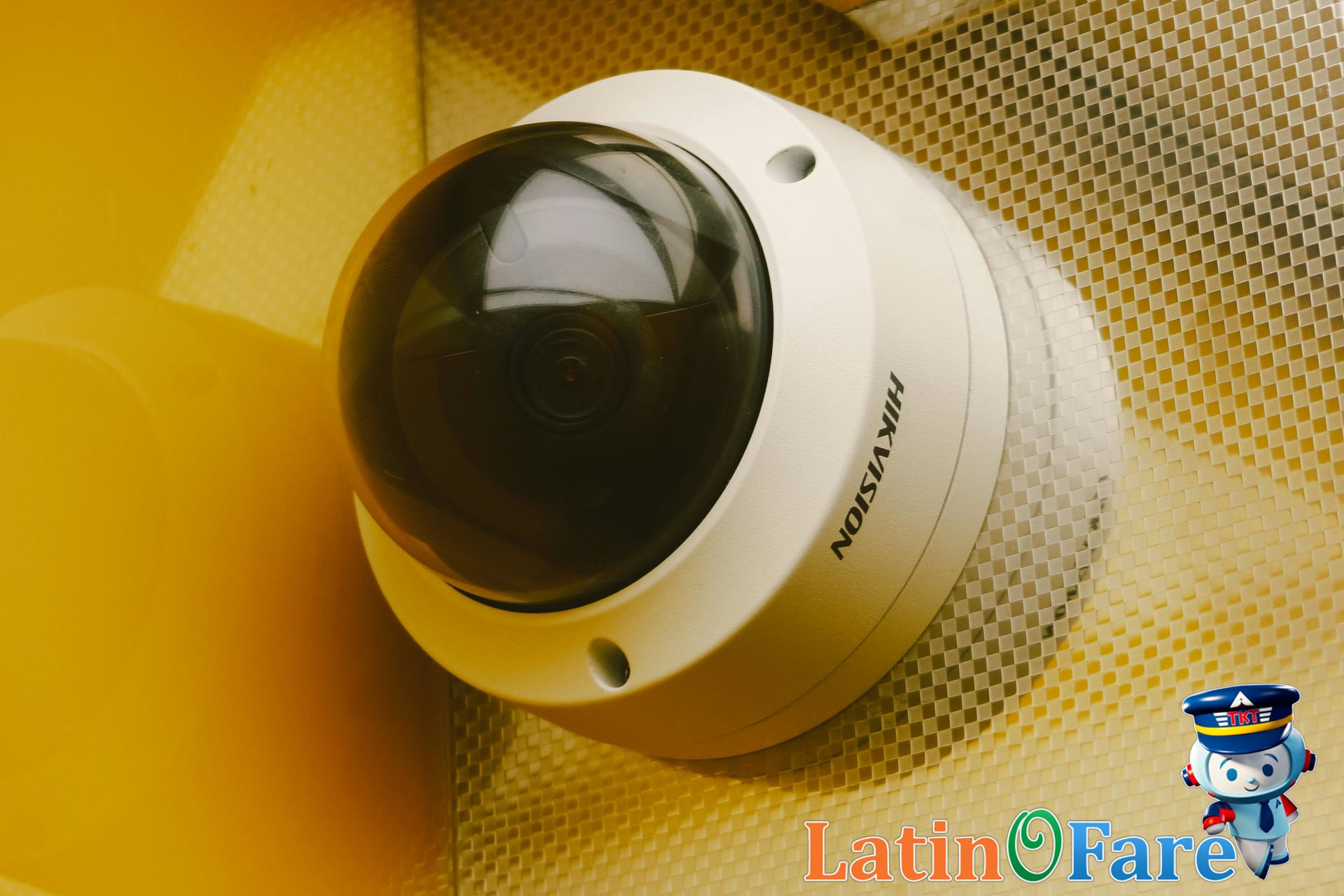
When you need cash abroad, the choice between a bank-owned ATM and a standalone machine can make a real difference. Bank-affiliated ATMs, especially those inside or attached to actual bank branches, usually have better surveillance and are less likely to be tampered with. If your card gets stuck, staff can help quickly. In contrast, standalone ATMs—often found in convenience stores or on busy street corners—tend to have fewer cameras, making them more vulnerable to skimming devices and theft. Transaction fees at these machines are sometimes noticeably higher as well.
Visibility can be a double-edged sword. An ATM in a crowded spot might feel safer, but popular locations in nightlife districts or tourist-heavy corners can attract scammers. Given the choice, I always pick an ATM inside a major bank, even if it means walking an extra block. The last time I was tempted by a more convenient machine outside a shop, I remembered how much safer it feels to use a bank lobby—and decided the detour was worth it.
Travel Wallets and Gear for Safety
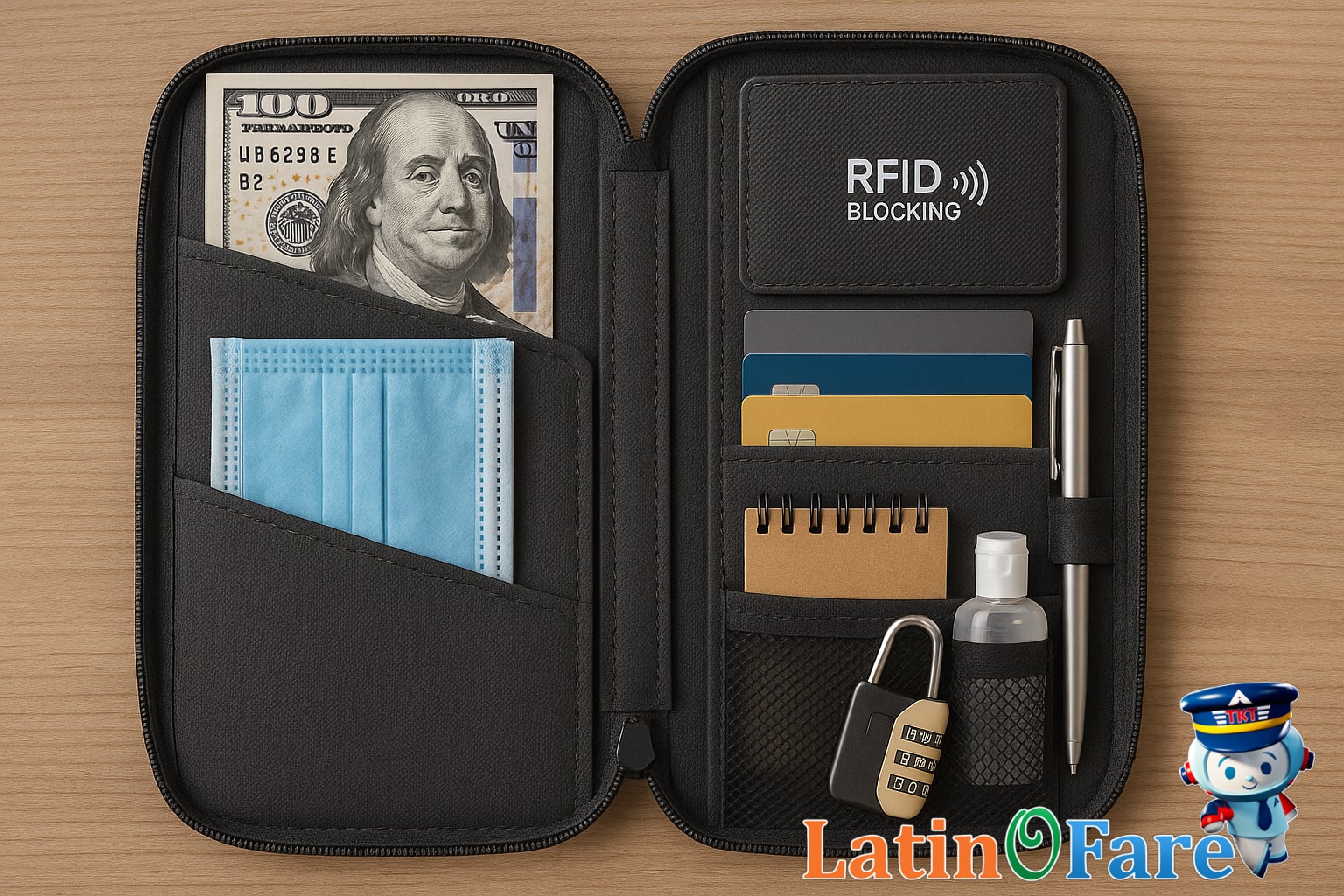
Keeping your money and cards safe on the road starts with the right gear. An ideal travel wallet or money belt should have RFID-blocking material to help guard against electronic pickpocketing, plus secure zippers or anti-slash straps if you’re carrying a purse or day bag. I prefer to split my cards and cash between a zip wallet and a hidden pouch whenever I travel, so I’m never stuck if one gets lost or stolen.
Look for wallets with strong closures and keep only what you need for the day accessible—store backup cards or extra cash in a separate, less obvious spot, like a neck pouch under your shirt or a zippered pocket inside your bag. Using a travel card with a low balance can also limit your risk if it goes missing.
Budget Planning For ATM Withdrawals
Having a realistic daily budget makes ATM withdrawals much easier to manage. Here’s a practical breakdown of what you might spend in a typical day, depending on your travel style. When planning my daily cash needs, I factor in both ATM fees and how much I feel comfortable carrying—too much cash makes me uneasy, but too many small withdrawals add up in fees.
| Budget | Mid-range | Luxury | |
|---|---|---|---|
| Accommodation | $30.00 | $80.00 | $250.00 |
| Food | $15.00 | $40.00 | $100.00 |
| Transport | $10.00 | $25.00 | $60.00 |
| Activities | $10.00 | $30.00 | $90.00 |
Strategic ATM withdrawals can help you save on bank charges and avoid carrying more cash than you need. I’ve learned to withdraw enough for three or four days, which usually limits my fees and keeps my wallet lighter. If you’re looking for more ways to stretch your travel budget, check out these saving money when booking flights tips from latinofare.com.
Frequently Asked Questions About ATM Safety
- How can I spot ATM skimmers when abroad?
Look for anything unusual on the card slot, such as loose or bulky attachments, mismatched colors, or parts that move when touched. If the keypad feels raised or thicker than normal, it could be a fake overlay. I recommend using indoor ATMs at reputable banks for added safety.
- What should I do if my card is captured by a foreign ATM?
If your card gets stuck, stay at the machine and contact your bank’s international helpline immediately. Avoid accepting help from strangers nearby. Notify the local bank branch if it’s during business hours. Your bank can block your card and guide you on getting a replacement or emergency cash.
- Are ATMs in airports safer for international travelers?
Airport ATMs are often monitored and located in secure, well-lit areas, making them less attractive to scammers. However, they can sometimes charge higher fees. If you use an airport ATM, inspect it carefully and avoid withdrawing large amounts of cash unless necessary for your trip.
- How much cash should I withdraw each time?
Withdraw enough to cover a few days of expenses—typically around $100.00 to $200.00, depending on your destination’s costs and your planned spending. Carrying smaller amounts reduces risk if your wallet is lost or stolen. I usually suggest keeping backup cards in a separate place for emergencies.
- What steps can improve ATM safety abroad?
Use ATMs inside banks or shopping centers, shield your PIN, and check for tampering before inserting your card. Avoid withdrawing cash at night or in deserted areas. Enable transaction alerts with your bank so you’ll be notified quickly if any suspicious activity occurs on your account.
- Can I reclaim money lost to a skimming scam overseas?
If you notice unauthorized withdrawals, report them to your bank right away. Many banks will investigate and may reimburse you, but it depends on their policies and how quickly you act. Keep records of your ATM transactions and any suspicious activity to help with your claim process.
Safe, Confident Access to Cash
Preparation and a little caution go a long way when it comes to handling cash on your travels. Using these strategies has made me far more confident about withdrawing money abroad, whether I’m in a busy city or a quiet town. For even more practical travel safety tips, check out the latest guides and resources on latinofare.com before your next trip.