
Caribbean Hurricane Season Key Dates
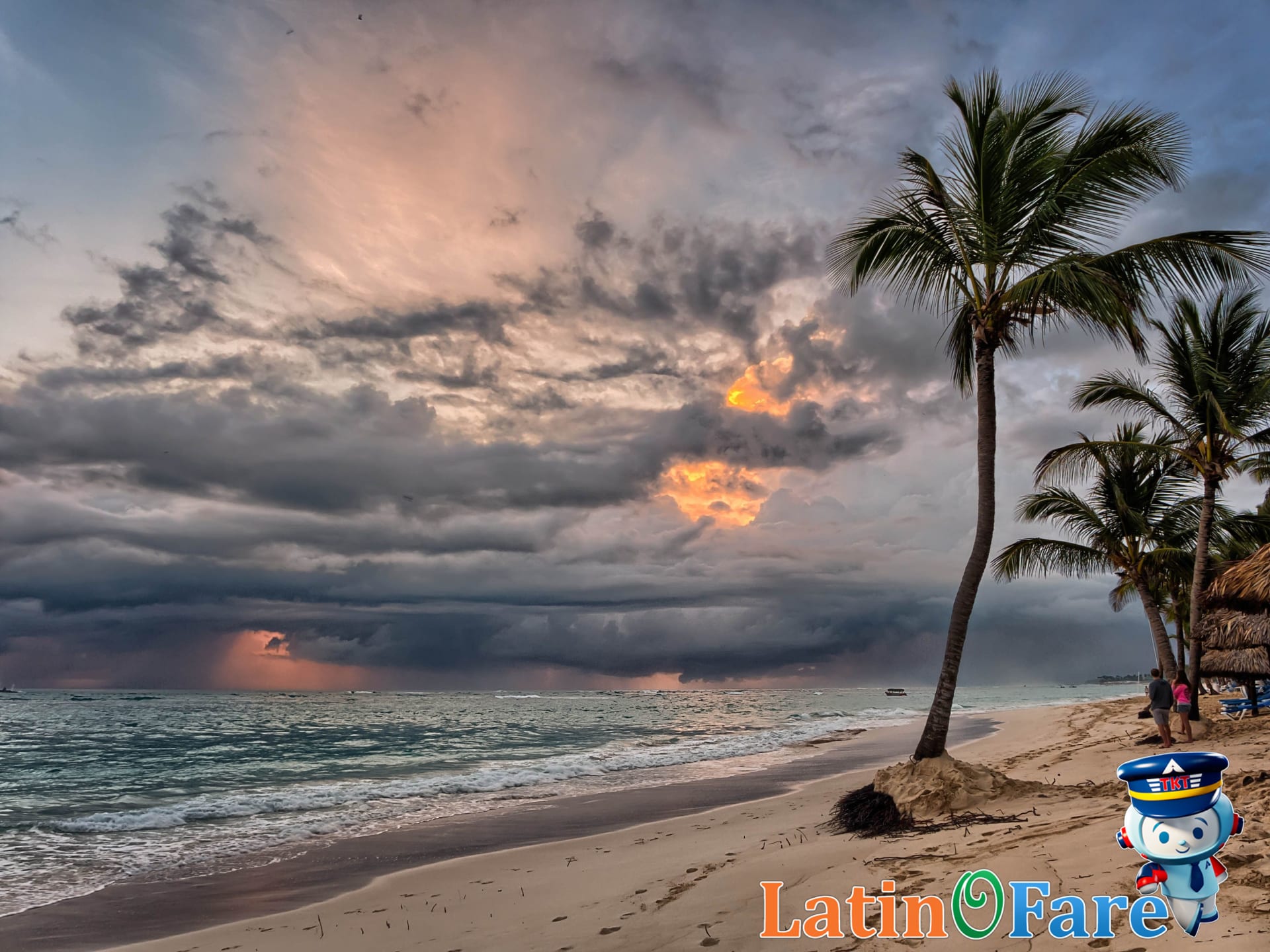
The official Caribbean hurricane season runs from June 1 through November 30 each year. While storms can technically form outside these months, the vast majority occur during this window. If you’re planning a trip, it’s important to know that the highest risk typically falls between mid-August and late October. Historically, September is the most active month for hurricanes in the region, with major storms like Hurricane Maria (2017) and Hurricane Irma (2017) both making landfall in September of their respective years.
Storm frequency and intensity usually ramp up as summer progresses. June and July see fewer storms, but by late summer, warm ocean waters fuel more powerful systems. In my own travel planning, I learned to always check hurricane forecasts before finalizing my summer trip—one year, I even shifted my dates after seeing an active forecast. For anyone booking a Caribbean getaway, I’d recommend monitoring trusted sources such as NOAA for the latest updates and advisories. Staying flexible with your travel dates, and consulting resources like the latinofare.com destination weather page, can help you avoid the riskiest periods.
Weather Risks and Safer Destinations
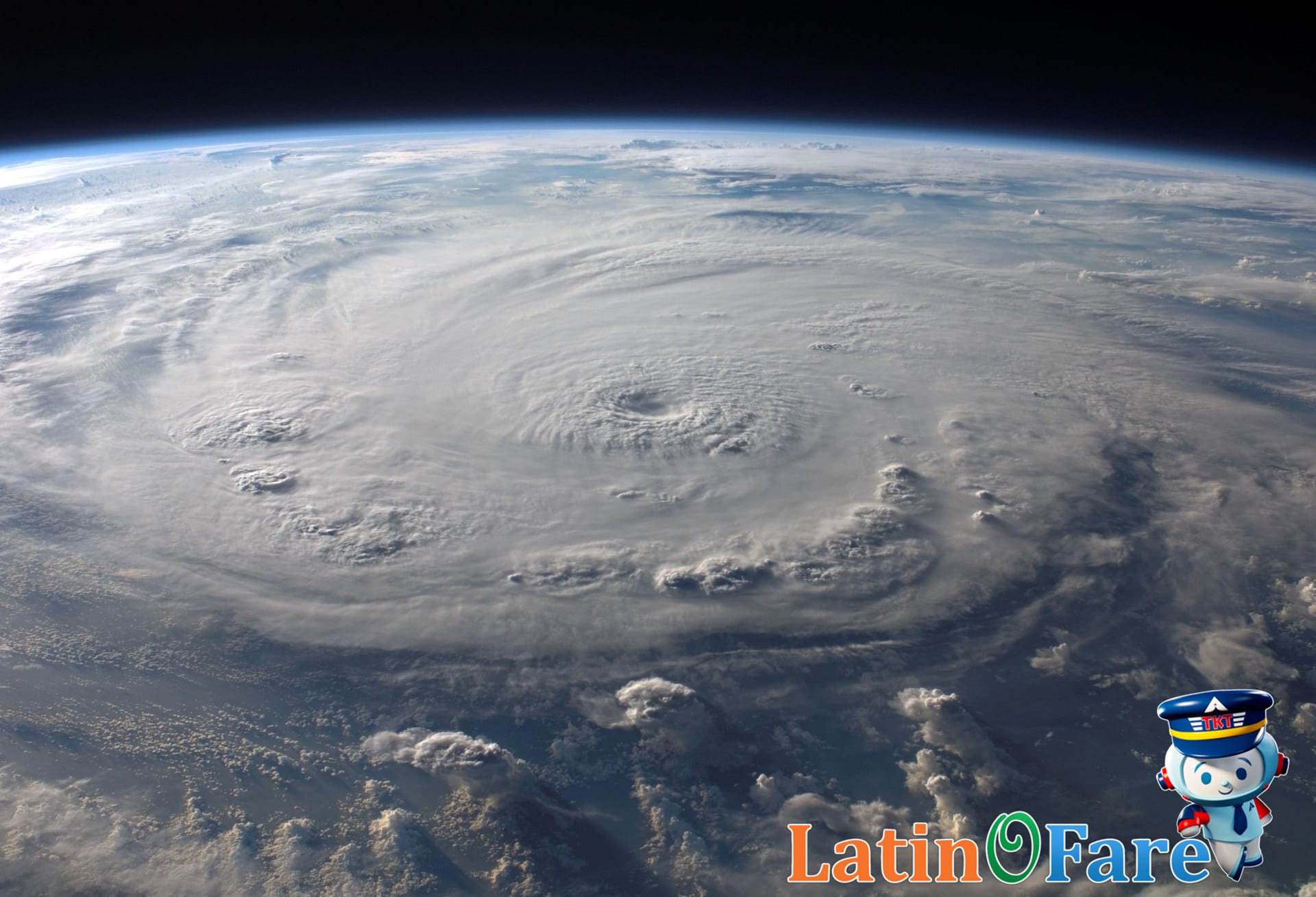
Caribbean weather patterns can make or break a trip, especially during hurricane season, which typically runs from June through November. Some islands, like the Bahamas, Puerto Rico, and the Dominican Republic, are hit more frequently by storms, while others—such as Aruba, Bonaire, and Curaçao—sit outside the main hurricane belt and see fewer direct impacts. In my experience, I once had to swap a planned trip to St. Thomas for a last-minute flight to Curaçao after a major storm warning popped up just days before departure. That last-minute switch was stressful, but it taught me to always keep an eye on official weather alerts and have a backup plan in mind.
Comparing High and Low-Risk Islands
- High-Risk: Bahamas, Turks and Caicos, Puerto Rico, Jamaica, Dominican Republic
- Lower-Risk: Aruba, Bonaire, Curaçao, Trinidad, Tobago, Barbados
When picking a “safer” destination, look for islands south of the hurricane belt, check recent storm history, and review government disaster management sites for up-to-date risk maps. I usually recommend bookmarking the official weather alert page for your destination before you go—these sites are the best source for real-time updates and warnings.
Pros and Cons of Off-Season Travel
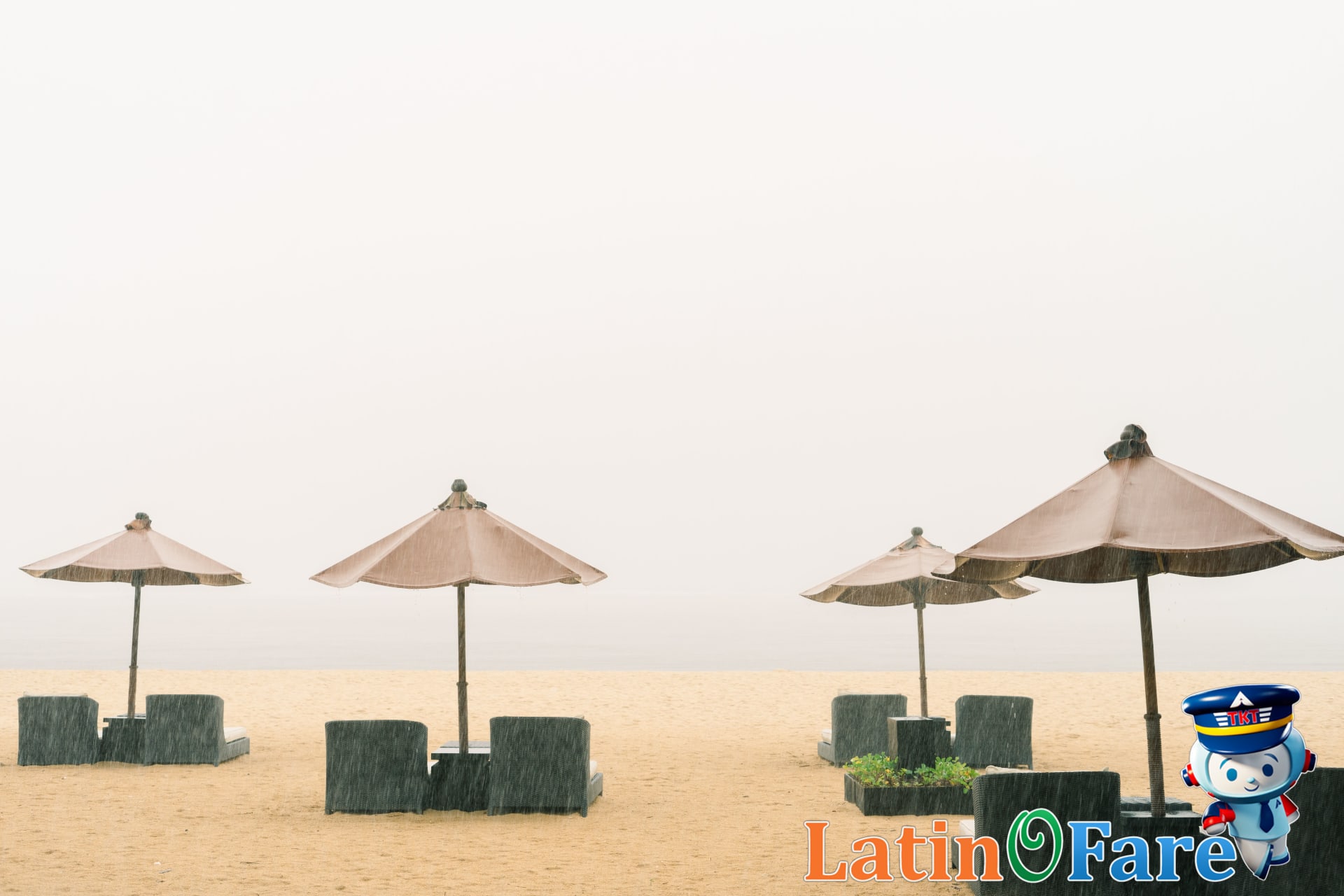
Traveling to the Caribbean during hurricane season definitely has its perks—if you know what to expect. The biggest draw is how much quieter everything feels. Resorts and beaches are noticeably emptier, which means you can snag prime spots at the pool or on the sand without any competition. I once stayed at a beachfront resort in September and genuinely enjoyed the peaceful atmosphere—there were moments when I felt like I had the place to myself.
Another big advantage is value. Flights and hotels are typically much more affordable, so your budget stretches further. You’ll often find better deals on activities and excursions, too. Plus, with fewer tourists around, it’s easier to connect with locals and experience authentic Caribbean culture.
But there are trade-offs. Weather is the wild card: rain showers can pop up unexpectedly, and storm systems may disrupt your plans. Some tours and restaurants temporarily close or run on limited hours during this season, so you might find fewer options for dining or activities. It’s smart to double-check what’s open before booking. If you want more tips on saving money during off-season, check out latinofare.com’s guide to Caribbean off-season travel savings.
Finding Great Caribbean Travel Deals

Hurricane season in the Caribbean is a goldmine for flexible travelers who know where—and when—to look for deals. The deepest discounts on flights, resorts, and cruises often appear from late summer through early fall, especially after school holidays end. I’ve seen airfare drop unexpectedly in September, and once snagged a roundtrip ticket to San Juan for about $160.00 by staying alert to flash sales. That kind of surprise bargain is why I always keep my search options open.
Spotting a real deal (versus a risky one) comes down to checking the fine print. If a fare or resort rate looks unusually low, make sure you review the cancellation policies and weather guarantees before booking. Sometimes, deals are tied to specific dates or require non-refundable payment up front. I usually recommend comparing a few options on latinofare.com—their flexible date search and fare calendar make it easy to see when prices dip lowest.
Using Fare Alerts Effectively
Setting up fare alerts on latinofare.com is a smart first step. Just enter your preferred route and travel window, and you’ll get notified when prices drop or flash sales hit. I find these alerts especially useful for catching last-minute cruise or resort packages, which can pop up with little warning during hurricane season. If you have flexible dates, use the “flexible search” tool to scan for the absolute lowest fares across a full month.
Flexible Booking and Cancellation Tips

Traveling to the Caribbean during hurricane season means you’ll want as much flexibility as possible in your bookings. Most major airlines, hotels, and cruise lines offer some form of flexible policy—think free 24-hour cancellation, no-fee date changes, or weather-related waivers. I’ve personally relied on a hotel’s free cancellation policy when a storm shifted course, allowing me to adjust my stay without losing money.
What Flexibility Features Matter
Look for these features before you book:
- Free 24-hour cancellation: Many airlines and hotels allow you to cancel within 24 hours of booking for a full refund.
- No-fee date changes: Some airlines and cruise lines waive change fees, especially if a hurricane is forecasted.
- Weather waivers: During hurricane season, check official airline and cruise websites for the latest on weather-related waivers, as these can change quickly.
- Flexible hotel rates: Opt for refundable rates, even if they cost a bit more up front.
Always read the fine print and ask specific questions about cancellation or change fees before you book. If you’re unsure, contact customer support directly or check out the latinofare.com blog post on how to protect your travel investment for more details on safeguarding your plans.
Hurricane Season Packing Checklist Essentials
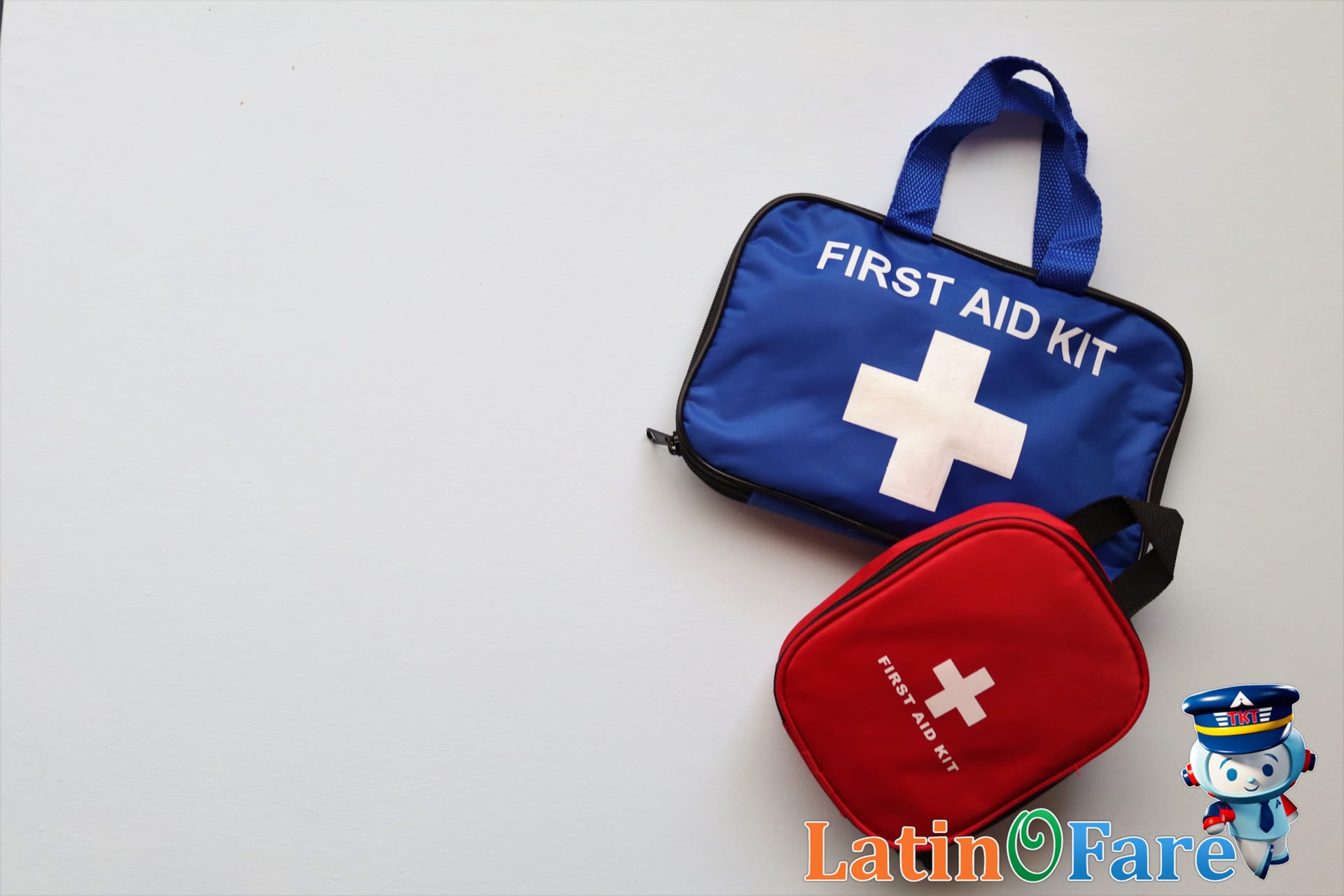
Packing for the Caribbean during hurricane season means planning for rain and the unexpected. I never leave for a summer trip without my lightweight rain jacket, a portable backup charger, and a compact dry bag—these three have saved me more than once in a sudden downpour. One year, I forgot a waterproof pouch for my phone, and let’s just say I learned my lesson the hard way.
Here’s a practical checklist for wet weather:
- Waterproof or water-resistant bags for electronics and clothes
- Lightweight rain jacket or poncho
- Backup phone chargers and power banks
- Travel insurance documents (both printed and digital)
- Basic medical and emergency kit (bandages, pain relievers, motion sickness meds)
- Flashlight or headlamp with extra batteries
- Copies of prescriptions and essential medications
- Snacks and bottled water for emergencies
For digital security, I’d suggest creating a password-protected cloud folder (Google Drive or Dropbox work well) with scans of your passport, insurance, itinerary, and emergency contacts. If you lose anything, you’ll have what you need at your fingertips—rain or shine.
Staying Safe During Caribbean Storms
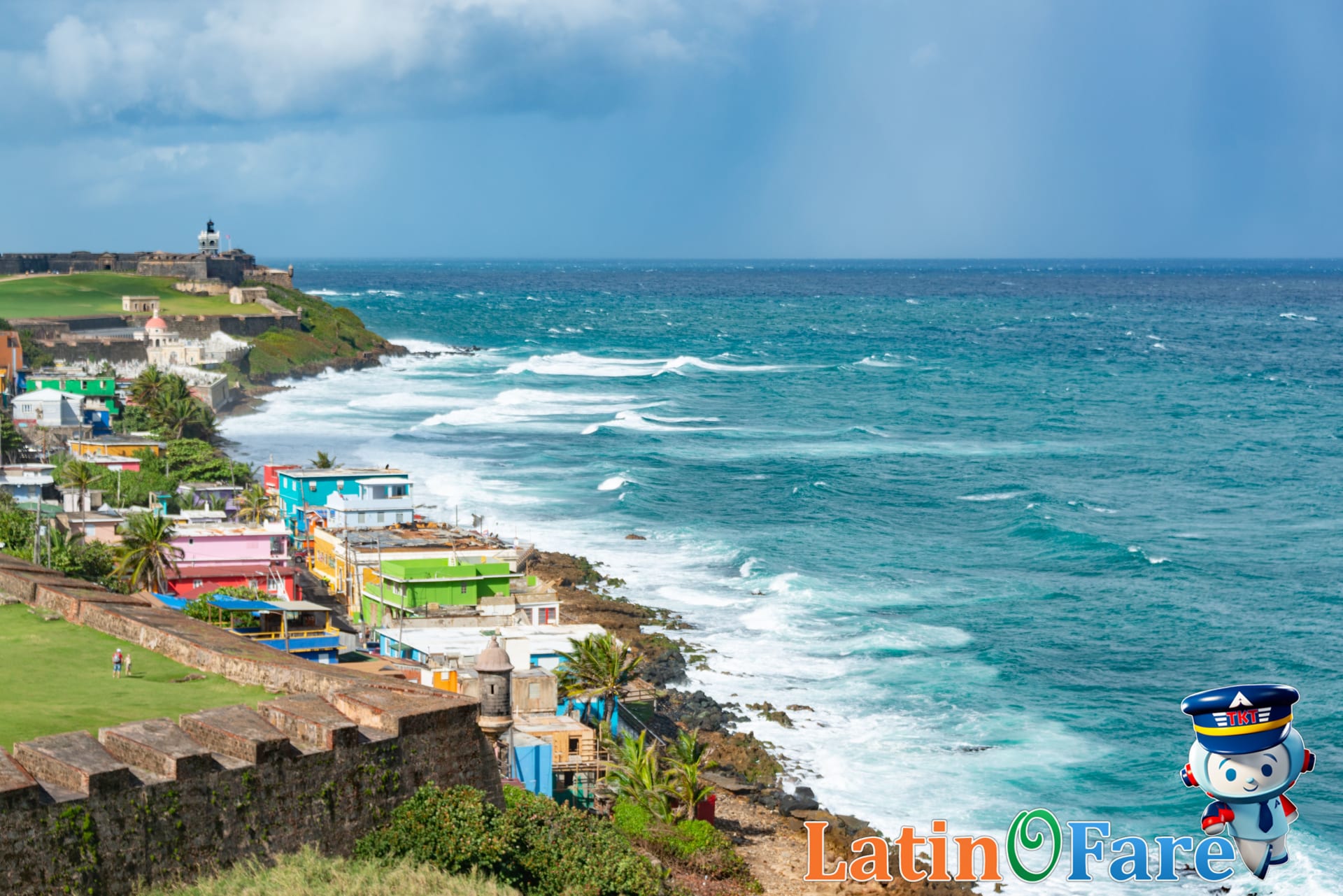
Storms can pop up quickly in the Caribbean, so I always make safety my first priority when traveling during hurricane season. Here’s my personal action plan if a hurricane threatens your vacation:
- Review your hotel’s storm procedures as soon as you check in. Ask staff about evacuation routes and shelter areas.
- Locate emergency exits on your floor and identify the nearest stairwell—don’t rely on elevators during storms.
- Register with your embassy or use the U.S. State Department’s Smart Traveler Enrollment Program (STEP) for emergency alerts and evacuation support.
- Monitor local government advisories and weather apps for real-time updates. Many Caribbean islands have official alert systems or radio stations for tourists.
- Have a backup plan for getting to the airport or another safe location if an evacuation is ordered. Keep your passport, cash, and essentials packed and ready.
Once, while visiting Jamaica, I adapted quickly to a tropical storm by moving to the hotel’s designated shelter and checking for updates every hour. It wasn’t how I planned to spend the day, but staying calm and informed made all the difference.
If you want more details on weather safety, check out latinofare.com’s Caribbean safety in severe weather article for practical advice.
Hurricane Season Trip Budget Breakdown
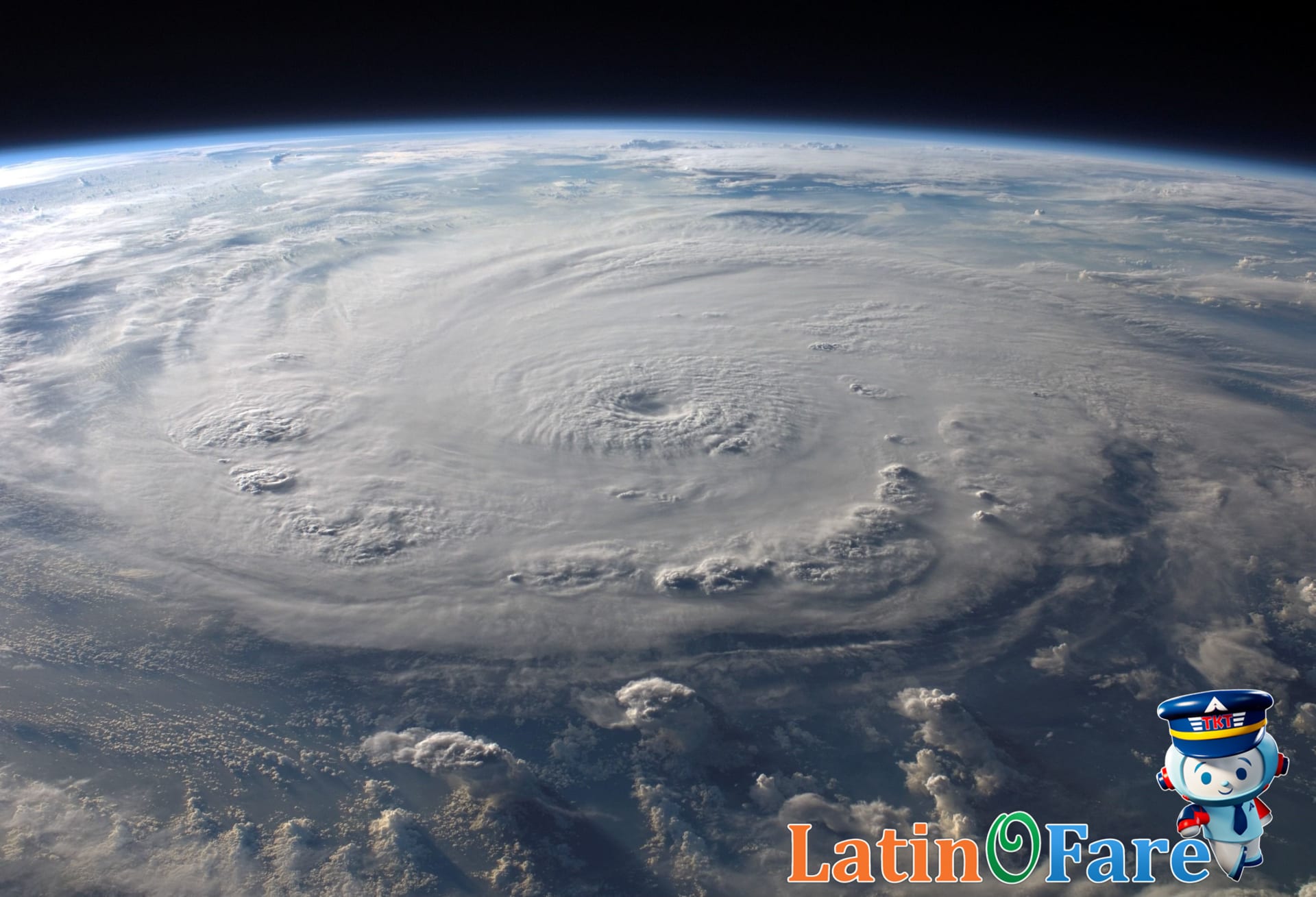
Planning a Caribbean trip during hurricane season means your budget needs to flex for the unexpected. Here’s a sample budget breakdown to help you prepare for the essentials and those inevitable surprises:
| Budget | Mid-range | Luxury | |
|---|---|---|---|
| Accommodation | $45.00 | $120.00 | $350.00 |
| Food | $20.00 | $50.00 | $110.00 |
| Transport | $18.00 | $40.00 | $100.00 |
| Activities | $15.00 | $45.00 | $130.00 |
I’ve found that setting aside a small emergency fund—just in case a storm changes your plans or you need to rebook—offers real peace of mind. Always review each booking for hidden costs or cancellation fees, as these can catch you off guard if weather disrupts your itinerary.
FAQ: Caribbean Hurricane Season Travel
- When is the Caribbean hurricane season?
The Caribbean hurricane season typically runs from June through November, with the highest risk of storms from August to October. If you’re booking travel during these months, it’s wise to monitor weather forecasts and consider travel insurance that covers weather-related disruptions.
- Are some Caribbean destinations safer from hurricanes?
Yes, certain Caribbean islands like Aruba, Bonaire, and Curaçao are generally less affected by hurricanes. These islands sit outside the main hurricane belt, so travelers looking to minimize weather risks often choose them for trips during hurricane season.
- How can I find deals during Caribbean hurricane season?
Flight and hotel prices are often lower during hurricane season because demand drops. I usually recommend searching flexible dates on latinofare.com and setting fare alerts. Booking refundable options gives you more flexibility if weather forces a change in plans.
- What should I pack for hurricane season travel?
Packing a lightweight rain jacket, waterproof bags, and backup chargers is essential during Caribbean hurricane season. I always include a small flashlight and extra snacks in my carry-on just in case flights are delayed or the weather changes quickly.
- Will airlines or hotels refund my trip if a hurricane hits?
Refund policies vary, so check your airline or hotel’s official site for their hurricane response. Many offer credits or refunds if a storm makes travel unsafe, but some require you to rebook within a set window. Always read the fine print before booking.
- What’s the best way to stay informed about storms?
Sign up for weather alerts from trusted sources like the National Hurricane Center and enable notifications on your phone. Some Caribbean governments also provide real-time advisories on official tourism websites, which can help you make quick decisions if a storm approaches.
Safely Enjoying the Caribbean
Staying flexible, keeping an eye on weather updates, and booking through trusted sources can make all the difference when traveling the Caribbean during hurricane season. I’ve found that having backup plans and checking for real-time changes gives me peace of mind, allowing me to enjoy my trip even when the forecast is unpredictable. For more practical tips and inspiration, check out latinofare.com’s latest Caribbean travel advice blog post.