

Compare Budget vs. Full-Service Airlines

Choosing between budget airlines and full-service carriers can dramatically affect your travel experience—and your wallet. Budget airlines typically offer lower base fares and fewer included services, while full-service carriers provide extras like checked bags, meals, and seat selection built into the ticket price. The catch? Those tempting budget fares often come with hidden costs that can add up quickly if you’re not careful.
I’ve found that picking the right airline can change how much I enjoy my entire trip. Sometimes, saving a few bucks on a budget airline means sacrificing comfort, while other times, the savings are worth it if you travel light and don’t need extras. That’s why it’s so important to look beyond the headline fare. What really matters is the total cost—after you add in baggage fees, seat selection, snacks, and even airport transfers.
Every traveler’s priorities are a bit different. Some focus strictly on price, while others care more about flexibility, in-flight comfort, or earning loyalty points. If you’re trying to stretch your travel budget, comparing all the costs side by side is key. I usually recommend checking out resources like the How to Find Cheap Flights post on the latinofare.com blog for extra ways to save before booking.
Budget Airlines: Savings With Limitations
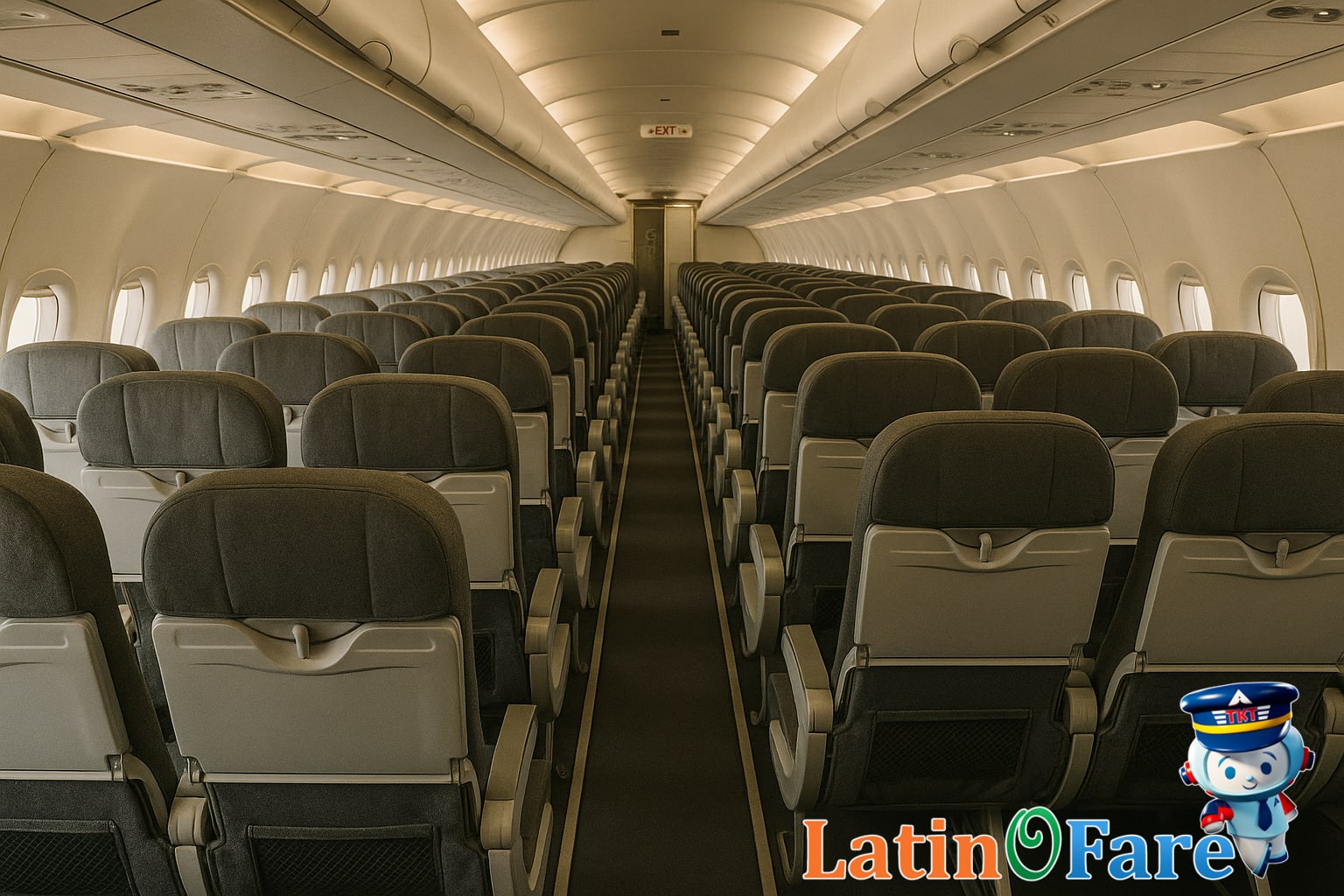
Budget airlines have changed the way many of us travel, offering low fares by stripping air travel down to the basics. These carriers typically keep prices down by using high-density seating, flying to less expensive secondary airports, and charging extra for nearly everything—think checked bags, seat selection, and even water on board. I once flew a budget carrier across Europe just to snag a cheap fare, but quickly realized how every add-on could boost the total cost.
What’s usually included with a budget airline ticket? Most fares only cover your seat and a small personal item. Carry-on bags, checked luggage, priority boarding, and snacks or drinks often cost extra. Seat assignments are typically unbundled as well, so you might end up in a middle seat unless you pay about $10.00 or more for a preferred spot. Amenities like in-flight entertainment or complimentary water are rare.
Some of the most recognized budget airlines include Spirit and Frontier in the U.S., Ryanair and easyJet in Europe, and AirAsia in Asia. Each has its own fee structure, so it’s smart to compare details before booking. For a deeper look at how to avoid surprises, check out our guide on What to Know Before Booking Discount Airfare.
Full-Service Airlines: More Included Value

Full-service airlines are carriers that bundle a range of amenities into your ticket price, making travel a bit less stressful and often more comfortable. Standard perks typically include at least one free checked bag, complimentary meals and beverages, in-flight entertainment, and the ability to select your seat in advance. Compared to budget airlines—which often charge extra for everything from water to carry-on bags—these inclusions can make a big difference, especially on longer flights.
Some of the best-known full-service airlines worldwide are Delta Air Lines, Lufthansa, Emirates, Singapore Airlines, and Air France. These carriers also operate global route networks, connecting major cities across continents and offering extensive codeshare partnerships. I recently flew long-haul with a full-service carrier, and it was a relief to know my meal, checked bag, and seat were already covered—no surprise fees at the airport.
Loyalty programs are another major benefit. By joining a frequent flyer program, you can earn miles with every flight and redeem them for upgrades, free flights, or extra baggage. Registering before you book can help you take advantage of these rewards. If you want to dig deeper, check out our guide on Maximizing Loyalty Points on International Flights for practical tips.
Full-service airlines are especially valuable for families (who need checked bags and meal service), business travelers (who appreciate comfort and flexibility), and anyone flying long-haul. For trips where comfort and convenience matter, I’d compare full-service options before booking with a budget carrier.
Comparing Hidden Airline Fees and Add-Ons
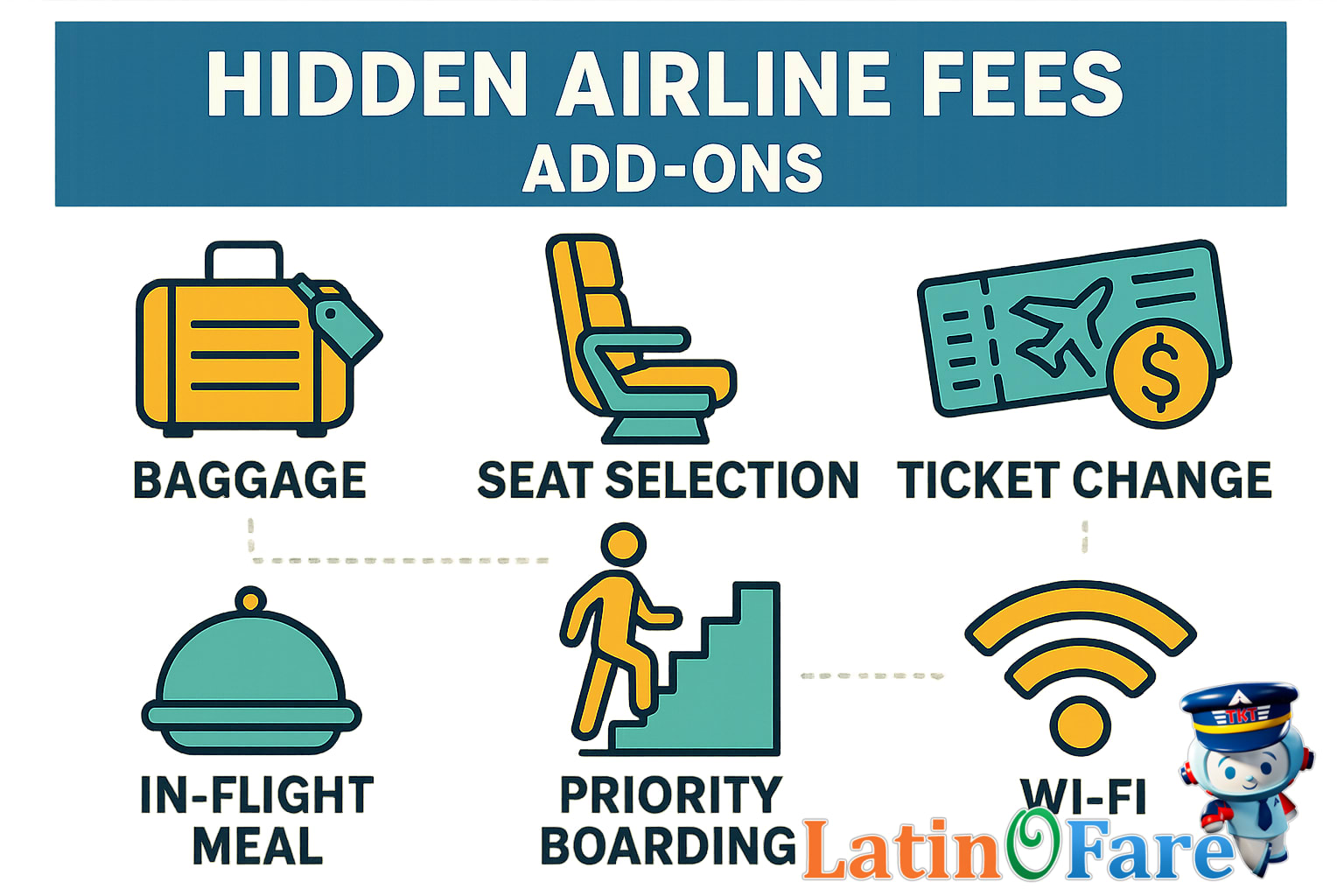
If you’ve ever booked a “cheap” flight, only to watch the final price balloon at checkout, you’re not alone—I was stunned how quickly my $35.00 ticket turned into $80.00 once all the extras were tallied up. Both budget and full-service airlines have their own sets of hidden fees, but they show up in different ways. Here’s a breakdown of the most common charges to watch for:
- Carry-on bags: Budget carriers often charge about $30.00 for a small carry-on, while full-service airlines usually include one for free.
- Checked baggage: Expect to pay around $40.00 per bag on budget airlines; full-service may include one bag, but charge for extras.
- Seat selection: Budget airlines almost always charge (about $15.00 per seat); full-service sometimes does, especially for extra legroom.
- Food and drinks: Free on most full-service flights, but budget airlines typically charge about $7.00 for a snack or drink.
- Change/cancellation penalties: Both types can charge hefty fees (often $75.00 or more), but budget airlines are usually stricter.
- Priority boarding: Usually an add-on for both, costing about $20.00.
- Airport transfers: Not included by either, but some full-service airlines offer discounted or bundled options.
Some fees, like seat selection and baggage, are more common or expensive with budget airlines, while full-service carriers can still surprise you with charges for things like extra bags or changes. I’d always recommend reviewing the airline’s detailed fee table before you buy—costs really can add up fast. For more details on hidden charges, check out the fare conditions FAQ at latinofare.com.
How To Compare Airline Total Costs
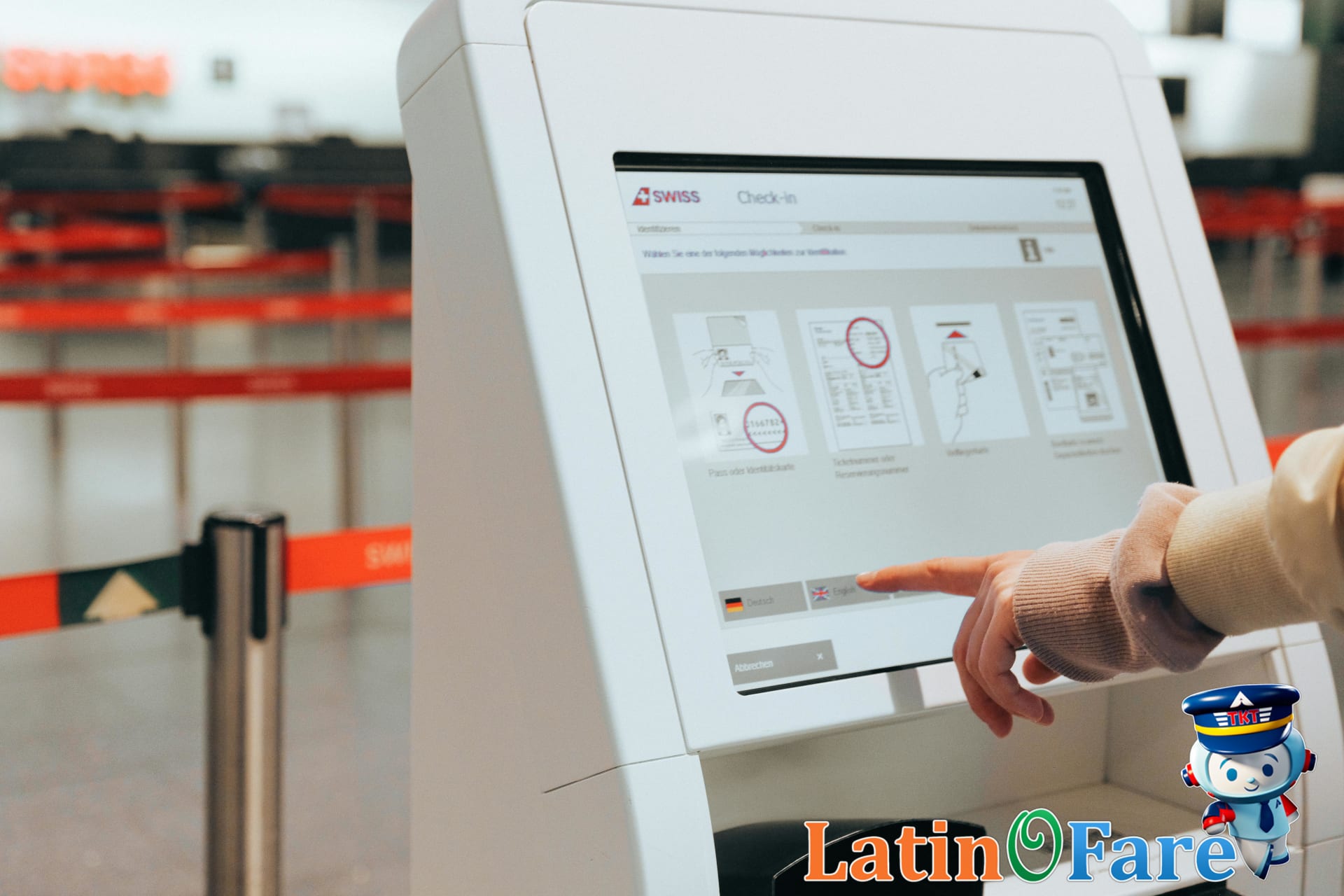
When you’re choosing between a budget airline and a full-service carrier, it’s easy to get distracted by the headline airfare. But real savings are only clear when you compare the total out-of-pocket costs for your whole trip. That means looking at not just the ticket price, but also baggage fees, seat selection, airport transfers, food, and even how much time you’ll spend in transit.
Let’s break it down: a budget airline ticket might look like a steal at first glance, but after adding about $35.00 for a checked bag, $10.00 for picking a seat, and maybe $15.00 for an in-flight meal, your “cheap” fare can quickly catch up to or even surpass a full-service option. Meanwhile, a full-service airline might include a checked bag, snacks, and a more central airport—meaning you’ll spend less on ground transportation and less time getting where you need to go.
Don’t forget non-price factors: budget airlines often use secondary airports, which can mean a longer, costlier transfer. You might also face stricter baggage rules or less flexible policies if plans change. In my own experience, when I compared every single add-on, the budget carrier wasn’t always the cheapest after all—especially once I tallied up the transfer costs and the value of my time.
I usually recommend drawing up a simple side-by-side chart for each trip. List out every cost you’ll actually pay, as well as factors like travel time and comfort. If you want more detail on avoiding hidden costs, check out our guide on Avoiding Common Booking Mistakes for deeper insights.
Booking With LatinoFare: Smarter Choices

Comparing flights on latinofare.com is refreshingly straightforward. The platform’s side-by-side fare comparison makes it easy to spot differences in baggage policies, seat selection, and meal inclusions—no more guessing which “basic” fare comes with a surprise carry-on fee. I remember using the filters on my last trip to quickly weed out fares that didn’t include a checked bag, saving me from unexpected costs at the airport.
Here’s how I typically use the comparison tools: after entering my dates and destinations, I sort by total price, then use the amenities filters to focus on flights that match my must-haves. The interface clearly flags extra charges, so you’re not blindsided later. If I’m ever unsure about a fare’s restrictions, the live chat and phone support are just a click away—especially helpful when booking a family trip with multiple tickets.
For travelers who like to double-check details, the self-serve options let you review fare rules and baggage info before you check out. And if you want to start a new search or see more deals, the latinofare.com homepage is always just a tab away.
Budget Table: Typical Traveling Expenses
To give you a realistic snapshot, here’s a sample budget breakdown for a short-haul international trip—think a four-day getaway to a nearby country. I’ve found that using tables like this helps me anticipate the full scope of my travel costs, so I’m not caught off guard by hidden expenses once I arrive.
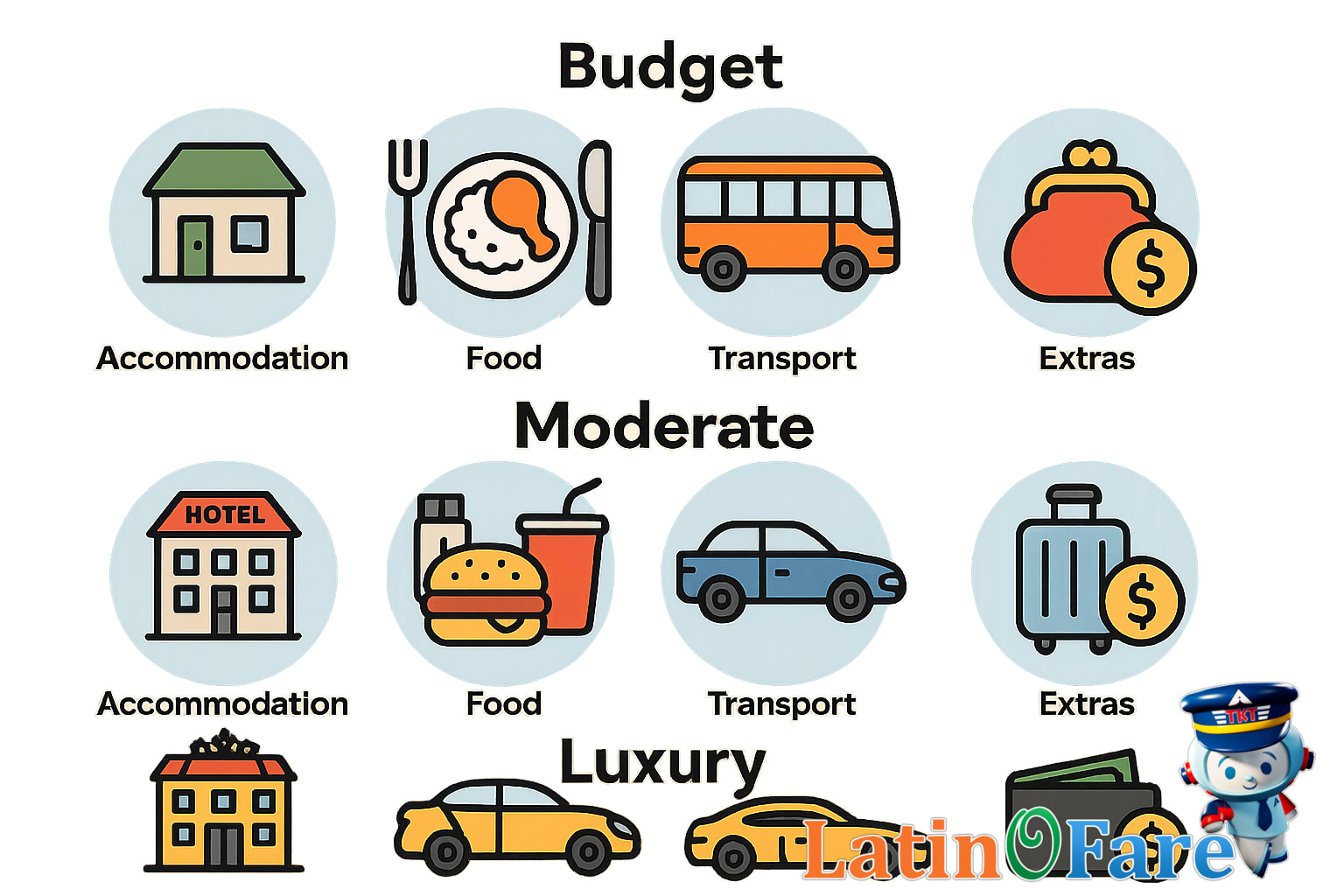
| Budget | Mid-range | Luxury | |
|---|---|---|---|
| Accommodation | $35.00 | $90.00 | $220.00 |
| Food | $15.00 | $40.00 | $110.00 |
| Transport | $10.00 | $35.00 | $80.00 |
| Activities | $12.00 | $30.00 | $70.00 |
As you can see, daily costs can vary a lot depending on your travel style. Budget travelers can often keep daily expenses under $75.00, while luxury trips may run several times higher. I always recommend adding up these categories for your entire trip length before booking, so there are no surprises.
Checklist: Key Questions Before Booking
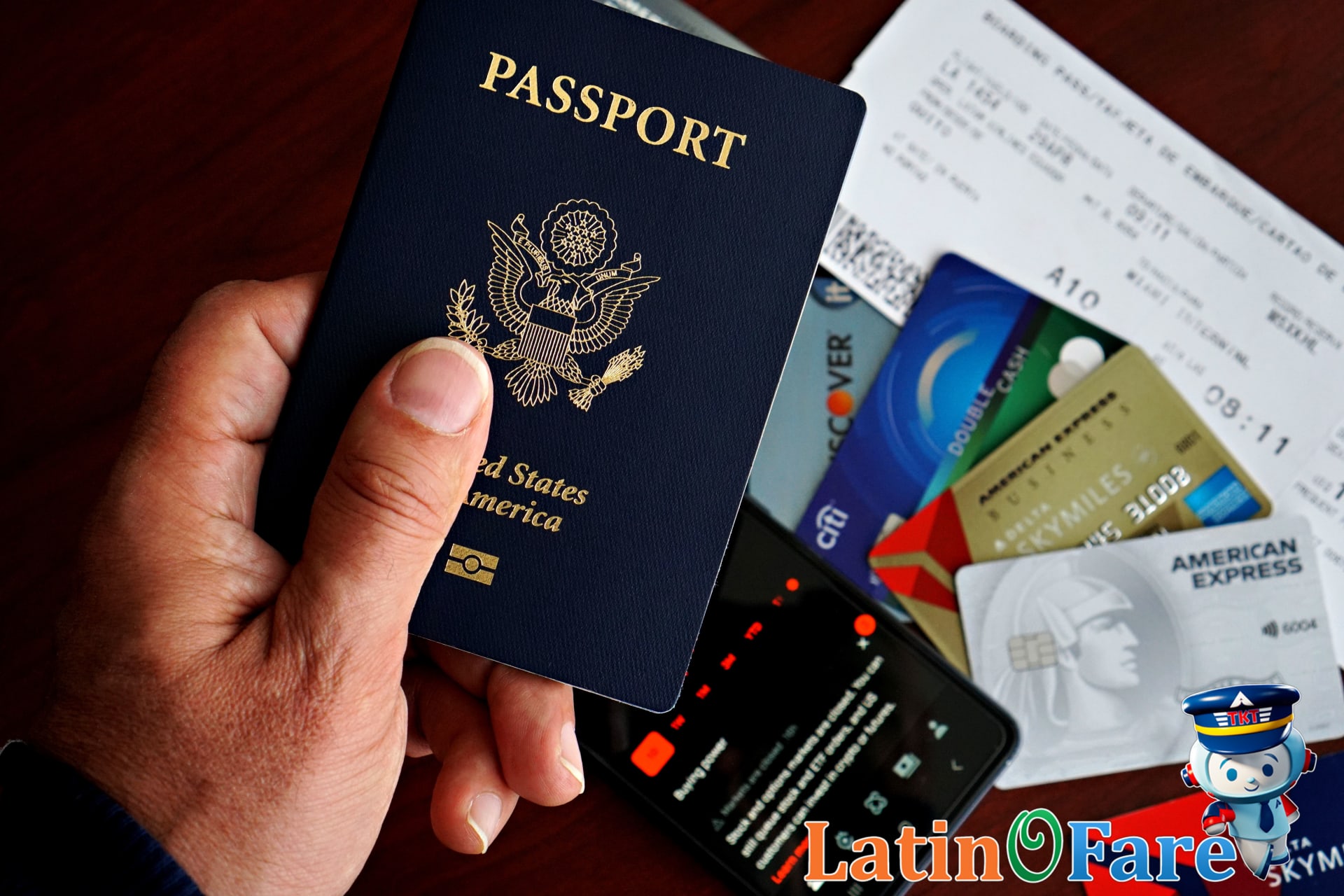
Before you hit “book” on any flight, it pays to run through a quick checklist of questions to avoid unexpected costs or headaches. My personal must-check before booking is always the baggage policy—those fees can surprise you if you miss the fine print. Here’s a practical list of questions I always recommend confirming:
- What’s included in the fare (meals, seat selection, carry-on and checked bags)?
- What are the airline’s cancellation and change policies?
- Are there extra fees for seat assignments or priority boarding?
- How much does checked baggage cost, and what’s the weight limit?
- Does this booking earn points in your loyalty program?
- Is travel insurance available or required for this fare?
I’d suggest keeping a reusable digital checklist on your phone or computer, so you never miss a key question—especially when comparing options on sites like latinofare.com.
FAQs: Budget vs. Full-Service Airlines
- What’s the main difference between budget airlines and full-service carriers?
Budget airlines focus on low base fares with few included extras, while full-service carriers typically offer amenities like meals, drinks, and checked baggage in the ticket price. If you value comfort, full-service may suit you, but if saving money is the priority, budget airlines are often the better fit.
- When should I choose a budget airline over full-service?
Budget airlines work best for short flights, quick getaways, or when you’re traveling light with just a carry-on. I usually recommend them for trips where you don’t need extra amenities and want to keep costs down, especially on routes where the price gap is significant.
- What hidden fees should I watch for on budget airlines?
Many budget airlines charge for extras like checked bags, seat selection, printing boarding passes at the airport, and even snacks or drinks onboard. It’s smart to check the airline’s fee page before booking, so you’re not surprised by charges that can add up quickly at checkout.
- Who benefits most from full-service airlines?
Full-service airlines are ideal for travelers who want more comfort, longer flights, or who need included checked bags and meals. Families, business travelers, and those with tight connections often appreciate the extra support and amenities that come standard with these carriers.
- How do I decide between budget airlines vs. full service for my trip?
Start by listing your must-have amenities, like baggage or in-flight meals, and compare the total price after adding extras. For budget airlines vs. full service, sometimes the final cost is closer than it looks—so I’d always check both before booking to avoid surprises.
- Are there specific routes where budget airlines vs. full service make a bigger difference?
On short-haul routes, budget airlines often have a clear price advantage, especially if you travel light. For long-haul or international flights, full-service carriers may offer better overall value due to included meals, entertainment, and baggage, making the experience more comfortable.
How To Choose The Best Airline

Choosing between different airline options really comes down to your priorities for the trip. If flexibility tops your list, it’s often worth paying a little more for fares that allow changes or cancellations. On the other hand, if price is your main concern and your plans are firm, basic economy or non-refundable tickets might be the way to go. For my last trip, I decided comfort mattered more than saving $30.00, so I booked an option with extra legroom and a relaxed cancellation policy. Always review the total cost—including fees and extras—before you book, and make sure the fare matches your personal needs. If you want a simple way to compare options, I’d suggest starting your search at latinofare.com for a range of deals and flexible booking tools.