
Choosing Between Basic And Regular Economy
Budget travelers often face a tough call: is it worth paying a bit more for regular economy, or should you grab the lowest basic economy fare and pocket the savings? Airlines now offer several economy options, each with its own set of rules—and sometimes, frustrating restrictions. This article will help you weigh if the trade-offs of basic economy (like limited seat selection, boarding order, or baggage rules) really justify the lower price, or if regular economy brings better value for your trip.
I’ve booked both basic and regular economy tickets to see if the savings really added up, and I’ll break down what I learned so you don’t get caught off guard by surprise fees or restrictions. If you’re new to how fare classes work, you might want to check out our Introduction to fare classes post for a helpful overview before diving in.
What Basic Economy Fares Include

Basic economy fares are designed to be the lowest-priced option on most airlines, but they come with a set of trade-offs that can catch travelers off guard. Typically, your ticket covers just the essentials: a seat on the plane (usually in the back rows), one small personal item, and standard in-flight service. However, there are several restrictions that set basic economy apart from standard economy fares.
Most airlines do not allow you to choose your seat in advance, which means you’ll likely be assigned a middle or back-row seat at check-in. The carry-on allowance is also limited—often, only a small bag that fits under the seat is included, while overhead bin space may require an extra fee. Changes and cancellations are almost always prohibited, and the fare is generally non-refundable. If you’re traveling with a companion, you probably won’t be seated together unless you pay for seat selection. For a detailed breakdown of what you can bring, I’d check latinofare.com’s baggage policy guide before you book.
The last time I booked basic economy, I was surprised by how strict the personal item rule was—I had to repack at the airport to avoid a bag fee, and I ended up separated from my travel partner on a long flight. These policies can really shape your trip, so it’s worth weighing the savings against the potential inconvenience.
Regular Economy Perks Explained Clearly
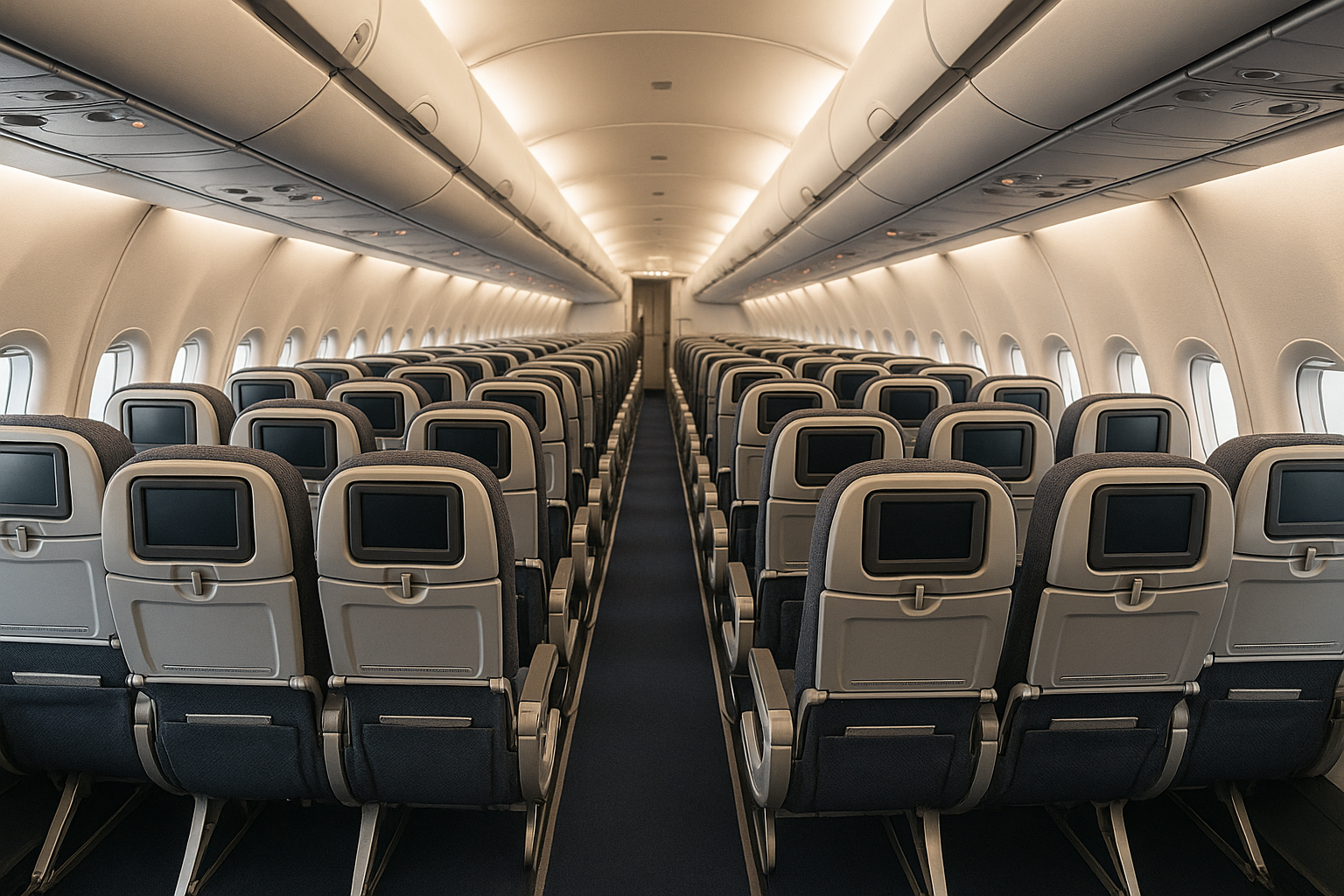
Regular economy fares come with a few key upgrades over basic economy, and for many travelers, these extras are well worth the small bump in price. The biggest perk is advance seat selection, so you can avoid being stuck in a middle seat or separated from your travel companion. You’ll usually get a standard carry-on bag included, which means you don’t have to stress about cramming everything into a personal item.
Another benefit is more responsive customer service. If a flight gets canceled or your plans change, regular economy often allows easier rebooking or support. I remember one trip where I needed to change my return date last-minute—having a regular economy ticket made that process much smoother than it would have been with a basic fare.
Comfort and flexibility are where regular economy stands out. The rules are less restrictive, and you’re more likely to have a pleasant experience if your schedule isn’t set in stone. If you want a side-by-side comparison of what each fare type offers, I’d suggest checking out the booking advice section on the latinofare.com blog before you commit.
Side-by-Side Fare Comparison Table

When you’re choosing between basic economy and regular economy, it helps to see the differences laid out clearly. I’ve often found that baggage policies are the biggest deal-breaker for me, especially when I need a carry-on for a longer trip. Here’s a straightforward comparison to help you weigh your options before booking your next flight.
| Feature | Basic Economy | Regular Economy |
|---|---|---|
| Cost | Lower fare (about $40.00 less) | Standard fare (about $40.00 more) |
| Carry-On Bag | Often not included | Included |
| Checked Bag | Not included (about $35.00 per bag) | Not included (about $35.00 per bag) |
| Seat Assignment | Assigned at check-in (no choice) | Choose in advance |
| Boarding Group | Last to board | Earlier boarding |
| Ticket Changes | Not allowed | Changes allowed (fee applies) |
| Cancellation | Non-refundable | Refundable for a fee |
How These Differences Matter
For me, the ability to bring a carry-on and select my seat in advance usually justifies paying a bit more. If you’re traveling light and don’t care where you sit, basic economy can be a good fit. But if you value flexibility or want to avoid last-minute surprises at the gate, regular economy is often worth the extra cost.
Pros and Cons for Budget Flyers
When you’re hunting for the lowest airfare, basic economy fares can look pretty tempting. The main advantage is obvious: you’ll usually pay less up front. But that savings often comes with trade-offs—no seat selection, limited (or no) carry-on allowance, and hefty change fees. Regular economy fares cost a bit more, but you get more flexibility, like choosing your seat and sometimes bringing a full-size carry-on.
For solo travelers or short trips, I’ve found basic economy works if I’m willing to pack light and skip extras. But I once booked it for a long-haul flight and regretted being stuck in a middle seat for hours with no way to move. Families, especially those with young kids, usually need the flexibility and seat selection that regular economy offers—otherwise, you could end up scattered across the cabin. Long flights also make those little comforts (like an extra bag or early boarding) feel more valuable, even if you’re watching your budget.
If you’re extremely price-sensitive and don’t mind giving up flexibility, basic economy can be a win. But if you value comfort or need to keep your group together, paying a little more for regular economy is often worth it in the end.
When to Pick Basic Economy

Basic economy fares can be a lifesaver for budget travelers, but they’re not right for every trip. Here’s when I find basic economy makes the most sense:
- Short, direct flights where comfort extras don’t matter much
- Solo travel, especially if you’re not concerned about seat assignments
- Trips with only a personal item or small carry-on (no checked bags needed)
- When maximizing savings is more important than flexibility
- Last-minute getaways where every dollar counts
In my experience, I once saved about $70.00 on a quick weekend trip by picking basic economy and packing everything into a backpack. The restrictions were worth it for such a short journey, but I had to double-check the airline’s baggage rules to avoid surprise fees at the gate. If you’re considering this fare, I’d also recommend reading latinofare.com’s tips for traveling light for practical packing strategies.
One recurring pitfall I see is travelers getting caught off guard by strict baggage policies. Some airlines allow only a personal item, while others might permit a small carry-on for an extra fee. Always check the specific rules before booking, since these policies can change and vary between carriers.
When Regular Economy Is Worth It
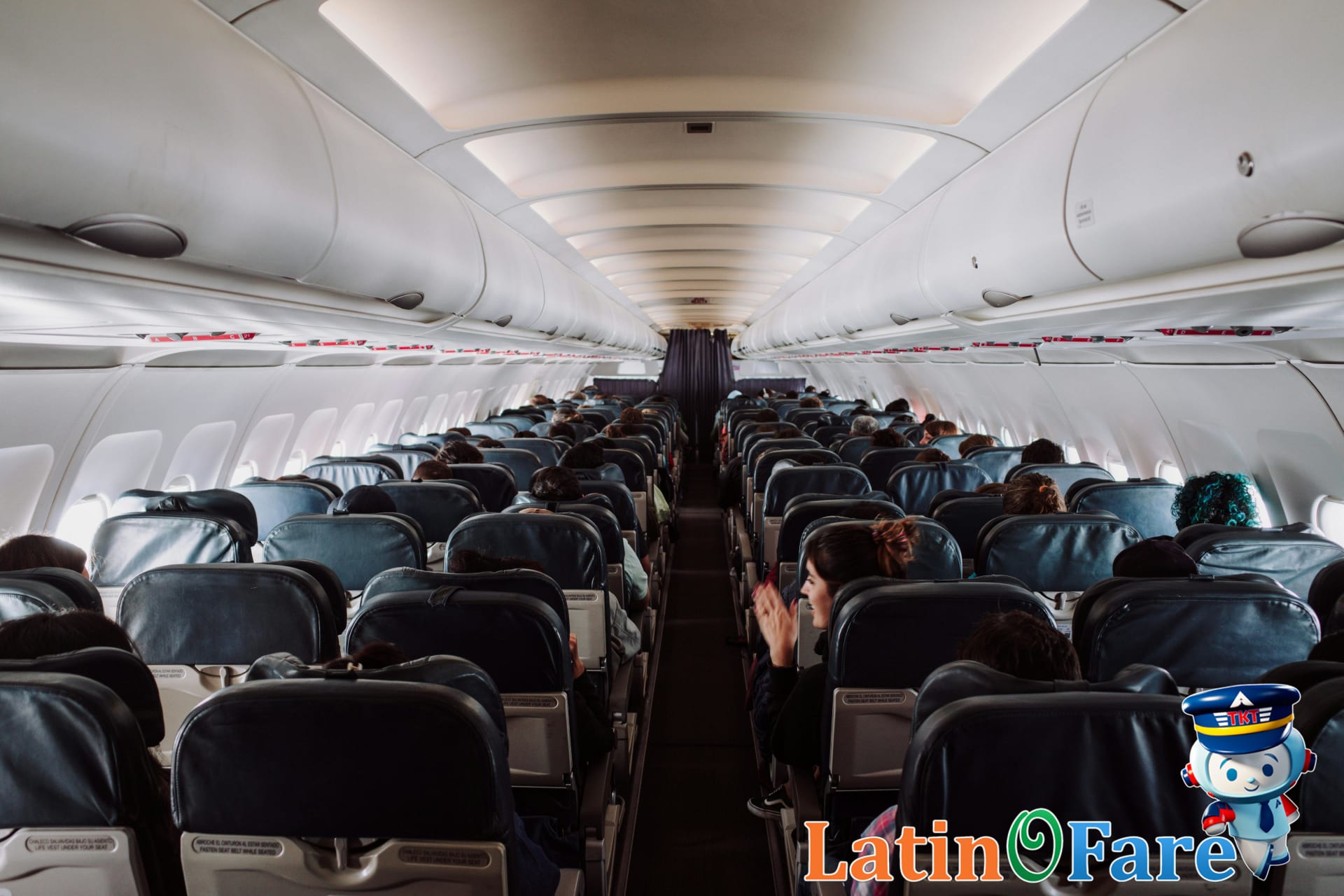
Regular economy isn’t just about a few extra inches of legroom—it’s where comfort and flexibility start to matter, especially for long-haul flights, families traveling with kids, or anyone who might need special assistance. If you’re planning a journey where changing plans is a real possibility, or you simply want the peace of mind of choosing your seat in advance, paying a bit more for regular economy can be a smart move.
I remember a trip to South America when I decided to upgrade from basic to regular economy. My schedule changed last minute, and the flexible fare meant I could shift my flight without a major headache or steep penalty. That small upgrade ended up saving me hours of stress and unexpected fees.
Families with young children often benefit from the ability to pre-select seats together, while travelers with mobility needs appreciate early boarding and extra assistance. For anyone who values flexibility, the slightly higher fare often outweighs the savings of a restrictive basic ticket. If you want to dig deeper into which fare types offer the most flexibility, check out the flexible ticket guide on latinofare.com.
Comparing Real Fare Costs Clearly
When I started comparing Basic Economy and Regular Economy fares for this guide, I realized how easy it is to overlook hidden costs—especially those sneaky seat selection and baggage fees. On a recent domestic flight, what looked like a $90.00 Basic Economy ticket ended up closer to $140.00 after adding a checked bag and choosing a standard seat. That experience taught me to always factor in every extra charge before choosing a fare.
Here’s a side-by-side look at what you might actually pay for a typical three-day trip, based on current public airline fare searches and recent hotel and activity rates. Each price below is a single fixed value, not a range, so you can see the real difference once all those “optional” extras are included.
| Budget (Basic Economy) | Mid-range (Regular Economy) | Luxury (Regular Economy) | |
|---|---|---|---|
| Accommodation | $70.00 | $140.00 | $320.00 |
| Food | $25.00 | $60.00 | $150.00 |
| Transport | $45.00 | $80.00 | $200.00 |
| Activities | $20.00 | $60.00 | $180.00 |
| Flight (fare only) | $90.00 | $150.00 | $350.00 |
| Flight (with fees) | $140.00 | $170.00 | $370.00 |
Notice how Basic Economy jumps once you add a checked bag and seat selection—sometimes erasing the savings over Regular Economy. I always recommend using recent airline fare searches and double-checking the total after all add-ons. This way, you’ll avoid surprises at checkout and stick to your real budget.
How To Book Smarter With LatinoFare
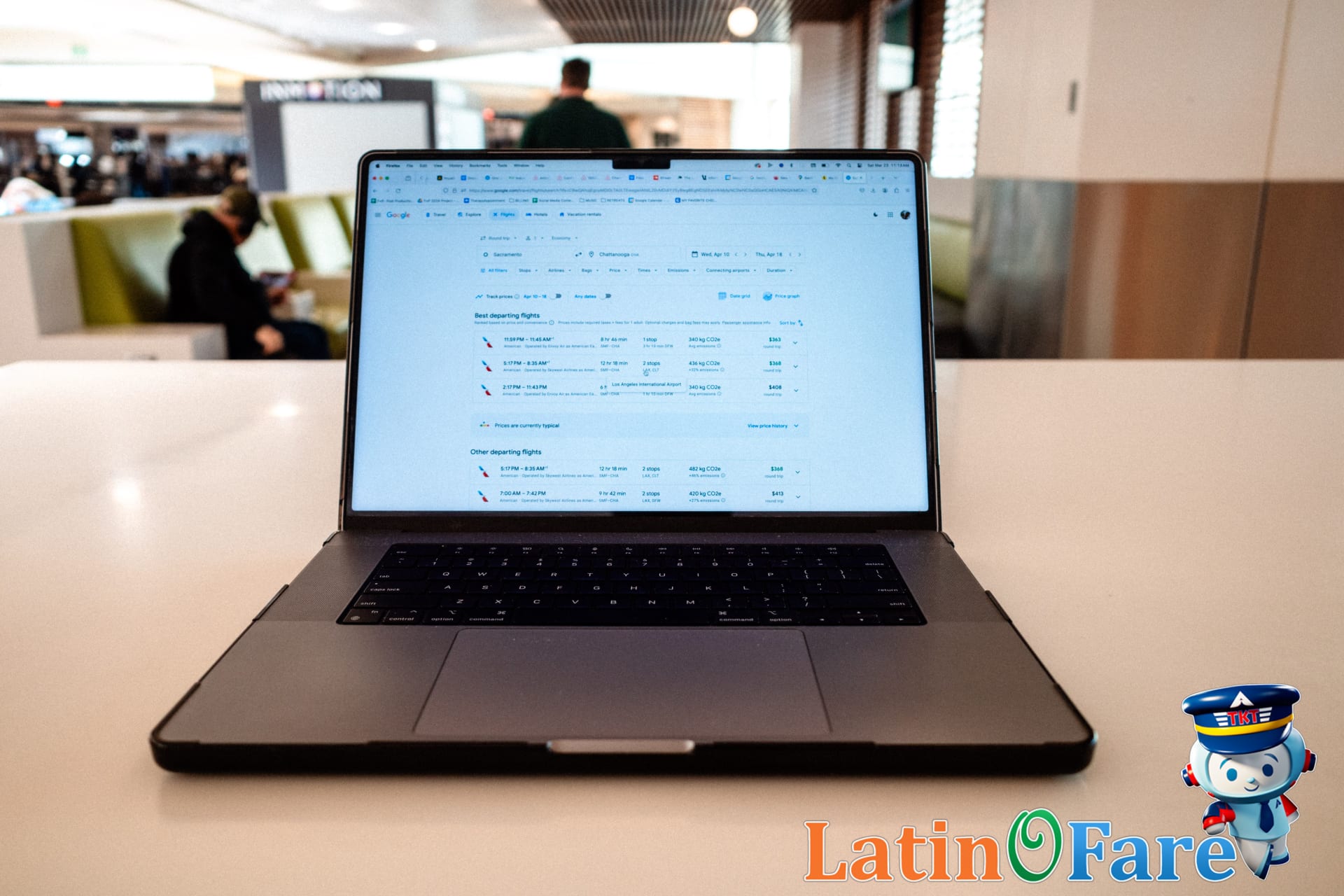
If you want to stretch your travel budget, using the fare comparison and filtering tools on latinofare.com is a great place to start. I often begin by entering flexible dates and then sorting results by price or duration. The filters let you quickly zero in on nonstop flights, preferred airlines, or specific departure times—saving a lot of scrolling and second-guessing.
One time, I stumbled on a last-minute deal to Costa Rica just by toggling the “flexible dates” option. The fare was about $120.00 lower than what I’d seen elsewhere, and booking took just a few minutes. It’s worth taking a close look at the fare rules and baggage policies at checkout—some deals have restrictions that aren’t obvious at first glance. If you’re unsure about change fees or refund options, latinofare.com’s customer service team is genuinely helpful. I’ve reached out before when a fare’s rules seemed confusing, and they clarified everything before I booked.
For a step-by-step on getting help, check out our guide on how to contact LatinoFare customer service if you ever hit a snag.
Basic Economy FAQ Explained Clearly
- Is basic economy worth it for international flights?
Basic economy can work for international flights if you’re traveling light and don’t mind giving up flexibility. You’ll usually get the lowest fare, but you won’t be able to choose your seat or bring more than a small carry-on. Consider if saving money outweighs the lack of perks for your trip.
- What are the main restrictions on basic economy fares?
Basic economy fares usually restrict seat selection, limit your carry-on to a personal item, and don’t allow ticket changes or refunds. Boarding is often last, and you may not earn full frequent flyer miles. Always check the specific airline’s rules before booking since policies can vary by route.
- Can I upgrade from basic economy to regular economy after booking?
Upgrading from basic economy to regular economy after booking isn’t always possible. Most airlines don’t allow changes or upgrades for basic economy tickets, but a few may let you pay a fee if seats are available. It’s best to decide before booking since options are usually very limited.
- How do I avoid hidden fees with basic economy?
To avoid hidden fees, review baggage rules and seat assignment charges before booking. Pack only a personal item if that’s all your fare allows. If you need more, factor in the cost of checked bags or seat selection. Booking through platforms like latinofare.com can help clarify these details in advance.
- Are seats ever assigned together in basic economy?
Seats are typically assigned at check-in and not guaranteed to be together, even for families or groups. Some airlines let you pay extra to choose seats, but otherwise, you’ll likely be separated. If sitting together is important, consider upgrading or paying for seat assignments before your flight.
- Does basic economy include any checked baggage?
Most basic economy fares do not include checked baggage. If you need to check a bag, you’ll usually pay about $30.00 each way, depending on the airline and route. Always verify the baggage policy before booking so you can budget for any extra costs upfront.
- Can I earn frequent flyer miles with basic economy fares?
Many airlines let you earn frequent flyer miles on basic economy tickets, but you may receive fewer miles or points compared to higher fare classes. Check your airline’s loyalty program rules for details. Earning miles is possible, but the accrual rate is usually reduced for these discount fares.
Finding the Best Value for Your Trip
Choosing between basic and regular economy fares really comes down to your priorities—whether you want the lowest upfront price or more flexibility and comfort. Over time, I’ve found my own fare choices changing as my needs and travel style evolved. If you’re looking to maximize your savings, I’d recommend setting up fare alerts for both fare types and comparing them side by side.
Don’t forget, latinofare.com offers helpful resources on deal alerts and more budget travel tips to help you stretch your travel dollars further. The key is to stay flexible, monitor prices, and weigh what matters most for each trip.