

Emergency Abroad: Lost Passport!
When I first realized my passport was missing in a foreign country, a wave of panic hit me—my mind immediately jumped to my upcoming flight and the tight schedule I was on. Losing your passport abroad isn’t just stressful; it can derail your travel plans, lead to missed flights, and even put you at risk of legal trouble if you wait too long to act. The sense of urgency is real, especially if you’re close to your departure date or need your passport for hotel check-ins or other official requirements.
Immediate action is your best ally in this situation. Delaying can mean longer waits at embassies, complicated rebooking fees, and extra headaches you simply don’t need. Over the years, I’ve learned the value of having backup documentation and knowing where to turn for help. In this article, I’ll walk you through the practical steps to take as soon as you notice your passport is gone, from reporting the loss to securing emergency documents and getting back on track with your travel plans.
If you want more detailed travel safety tips or need direct support, you can always check out the traveler support resources available at latinofare.com.
Reporting a Lost Passport Fast

As soon as you realize your passport is missing, your first legal step is to report the loss at the nearest local police station. This isn’t just a formality—most embassies and consulates require an official police report before they’ll issue a replacement passport. It’s also critical for protecting yourself against identity theft or unauthorized use of your documents.
Start by searching online or asking your hotel staff for the closest police station. When you arrive, let the officer know you need to file a report for a lost or stolen passport. You’ll typically need to show another form of ID if you have one, give details about when and where you lost your passport, and fill out a brief statement. In my case, I felt nervous explaining the situation in a language I barely spoke, but the officers were used to helping travelers and walked me through the paperwork.
Wait times can vary—sometimes it’s quick, but I’d set aside at least an hour just in case. Once your report is filed, ask for several official copies. You’ll need these for your embassy, and possibly for airlines or border officials later. For more guidance after making your report, check the latinofare.com customer support resource page. You can also review the official U.S. State Department lost passport page for up-to-date instructions.
Embassy Contact: Next Critical Step
If you lose your passport or run into a serious issue abroad, getting in touch with the nearest U.S. embassy or consulate is the next critical step. The easiest way to locate official embassy contact details is through the U.S. State Department’s site at travel.state.gov, but I also recommend using smartphone maps or travel apps for quick directions. I always feel a mix of relief and nerves as I prepare to call an embassy—just knowing help is available is reassuring, but the urgency can make your heart race.
When you contact the embassy, have your identification details ready, along with your travel plans, local address, and a copy of any police report if your passport was stolen. Embassy staff are generally prompt in emergencies, though response times can depend on local conditions. They’ll guide you through the process for emergency passport replacement or other support.
If you’re already using the latinofare.com app or booking support, check for embassy contact features—they can save you time in a pinch. No matter your method, planning this step before your trip can make a stressful moment much easier to manage.
Gathering Your ID Documents
If you’ve lost your passport abroad, the replacement process hinges on having the right documents ready. Here’s a checklist to keep you organized:
- Government-issued photo ID (driver’s license or state ID)
- Travel itinerary (flight and hotel confirmations)
- Two recent passport-sized photos
- Completed passport application form (DS-11 or DS-64 for lost/stolen passports)
- Official police report documenting the loss
- Proof of U.S. citizenship (birth certificate or a digital scan of your lost passport)
If you’re missing any of these, don’t panic. I once had to explain to consulate officials that I didn’t have my original birth certificate—luckily, they accepted a high-quality scan my family emailed me. In a pinch, digital copies stored in a secure cloud account or sent by trusted contacts at home can save the day. The local U.S. embassy or consulate can often help you source emergency documents, but having digital backups will speed things up.
For more on what you’ll need for international trips, check out latinofare.com’s travel documentation requirement guide.
How To Apply For Emergency Passport
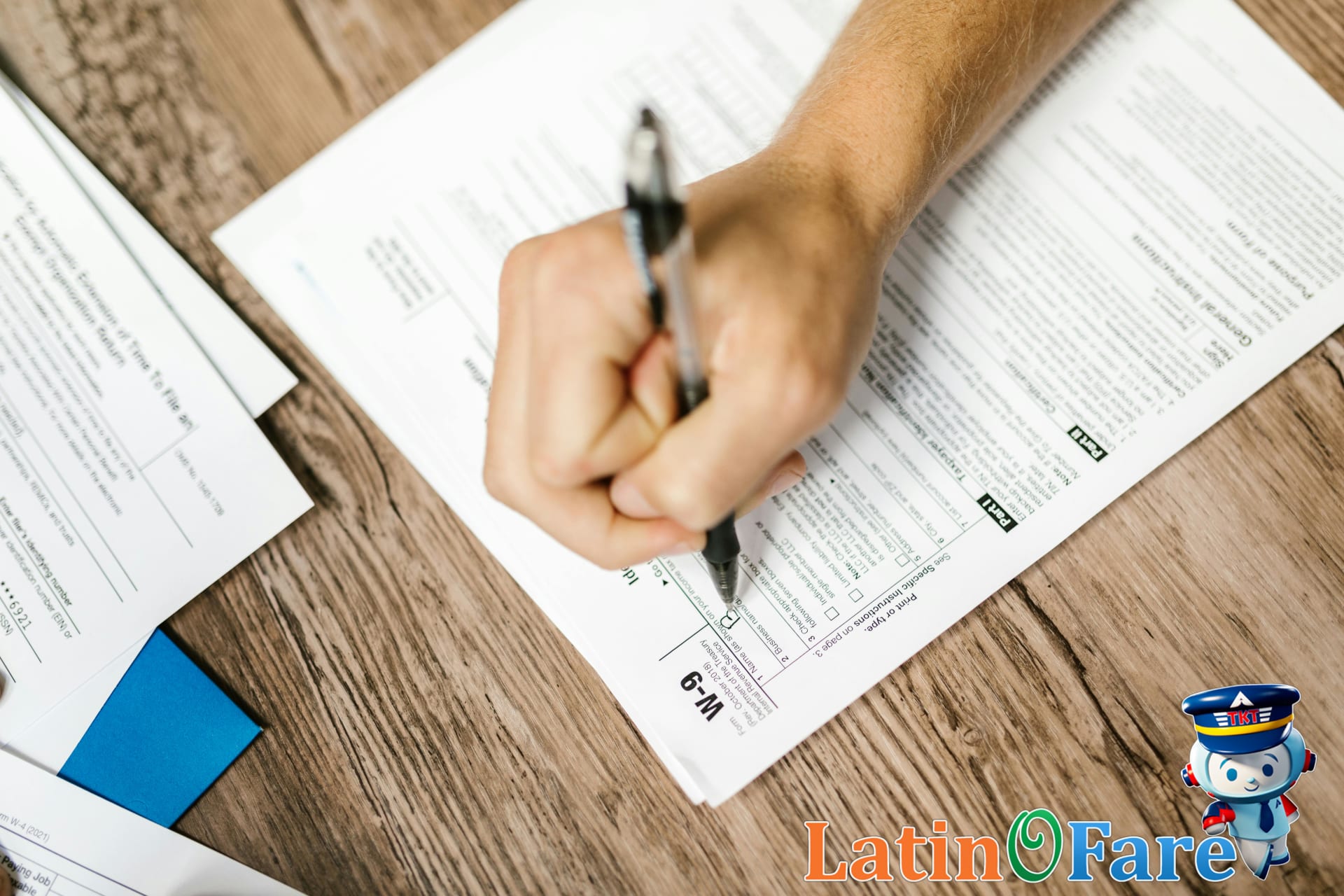
If you need an emergency passport abroad, be ready for a bit of paperwork and patience. The process starts with filling out two key forms: DS-64 (Statement Regarding a Lost or Stolen Passport) and DS-11 (Application for a U.S. Passport). Both forms can be downloaded from the official U.S. embassy website. You’ll also need a recent passport photo, proof of citizenship (like a birth certificate or a photocopy of your lost passport), a police report if available, and valid identification.
Once you’ve gathered everything, schedule an appointment at the nearest U.S. embassy or consulate. When I filled out the application at the embassy, I remember feeling overwhelmed by the number of documents and the pressure to get every detail right. The interview itself is usually straightforward—expect questions about your travel plans, how your passport was lost, and your identification documents. Processing times can vary; some embassies issue an emergency passport within a day or two, but unexpected delays do happen, especially if paperwork is incomplete.
If your travel plans are disrupted and you need to rebook flights, latinofare.com offers flexible booking options that can help you adjust your itinerary while you wait for your new passport.
Rebooking Travel With New Docs

Rebooking a flight after losing your passport can feel overwhelming, but it’s manageable if you approach it step by step. Airlines and countries have their own rules about documentation, so always double-check what’s required before booking a new ticket. Some airlines may be flexible if you explain your situation, especially if you’ve received an emergency passport or temporary travel document. For example, certain carriers list their lost document policies online—check your airline’s official site for the most up-to-date guidance.
When I had to rebook my flight at the last minute due to a lost passport, calling the airline directly was the fastest way to confirm if my new emergency passport would be accepted for check-in and boarding. Be prepared to provide digital copies of your new documents and any consulate paperwork. I’d also recommend reviewing latinofare.com’s flight change and cancellation policies, as some bookings may allow for no-fee changes in these situations.
Costs for Replacement Documents
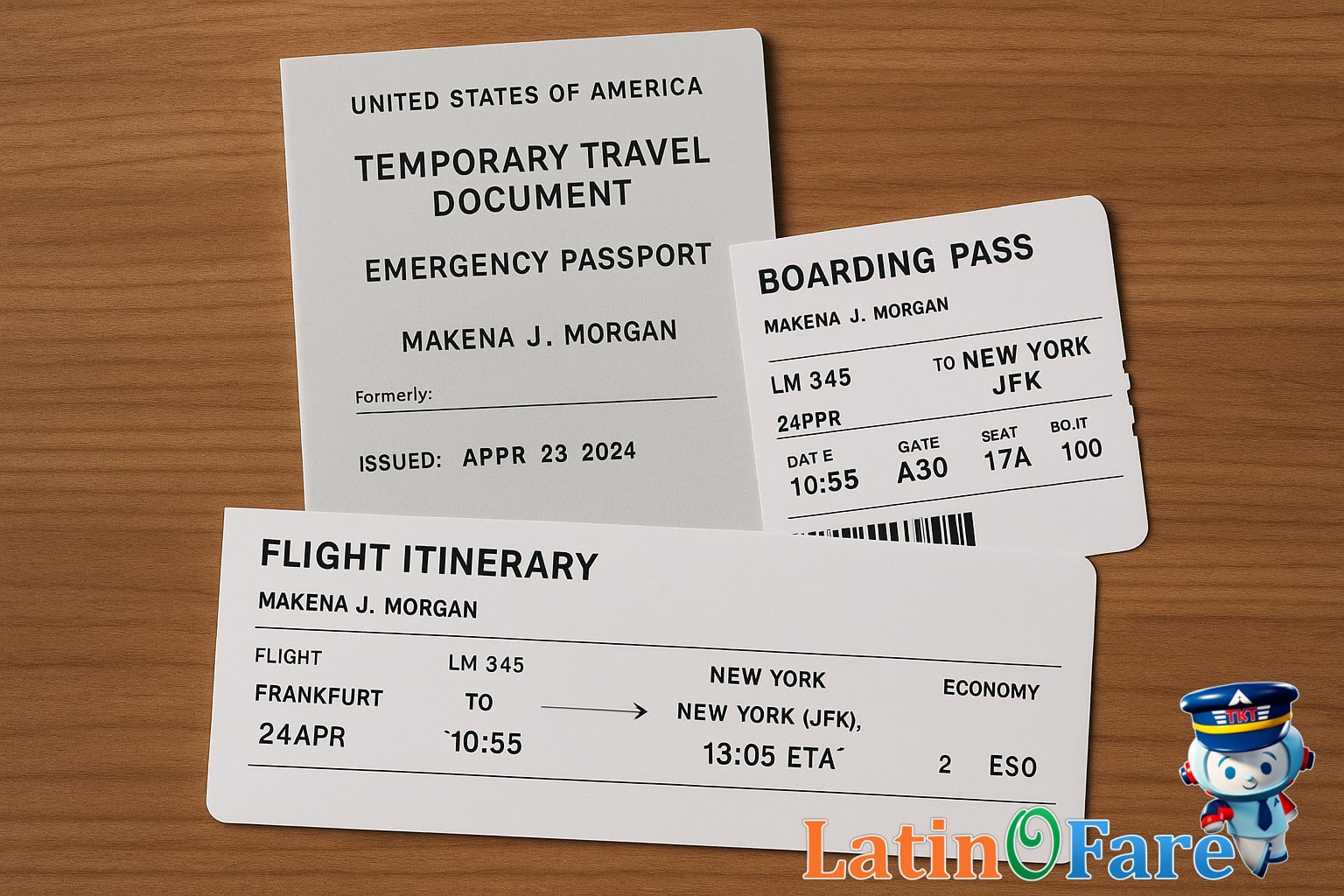
Losing your passport isn’t just about the document itself—there’s a ripple effect on your travel budget. I learned firsthand how costs added up quickly while waiting for my new passport. You might need extra nights in a hotel, more meals out, unexpected transport rides between the embassy and your lodging, and even fees for passport photos or phone calls. These expenses can sneak up on you, especially if you’re stuck in an expensive city or traveling during peak season.
The table below breaks down typical daily costs you might face while waiting for a replacement, based on your travel style. It’s easy to underestimate these, so build in a little financial cushion just in case. Also, check if your travel insurance covers some of these expenses—our latinofare.com guide on travel insurance coverage is a good place to start.
| Budget | Mid-range | Luxury | |
|---|---|---|---|
| Accommodation | $40.00 | $100.00 | $250.00 |
| Food | $15.00 | $35.00 | $70.00 |
| Transport | $8.00 | $20.00 | $50.00 |
| Activities (phone, embassy, photos, etc.) | $12.00 | $25.00 | $50.00 |
As you can see, even a couple of days can make a dent in your wallet. The cumulative effect is often more than travelers expect, especially once you factor in all the little extras.
Preventing Passport Loss Abroad

Losing a passport overseas is a headache no one wants twice. To avoid repeating the experience, I always carry scanned copies of my passport (both digital and printed) and keep them in separate bags. The original stays in an RFID-blocking sleeve, which helps prevent both loss and digital theft. When I’m not carrying my passport, I use the hotel safe—never just a suitcase or nightstand. Digital backups on a secure cloud account are a lifesaver if you need to access your details quickly.
One mistake I see travelers make is carrying their passport everywhere “just in case.” Unless you’re required to show it, leave it locked up and only take a copy with you. Planning ahead also means knowing where the nearest embassy is and keeping emergency contact info handy. For a thorough pre-trip routine, I’d recommend checking out the travel planning checklist on latinofare.com—it’s a solid reference for building safer travel habits.
Lost Passport Emergency FAQs
- What should I do first if I lose my passport abroad?
If you lose your passport while traveling abroad, immediately report the loss to the nearest U.S. embassy or consulate. They will guide you through the replacement process. Also, file a report with local police, as some embassies require a police report for passport replacement documentation.
- How do I get an emergency replacement passport?
To get an emergency replacement passport, visit the nearest U.S. embassy or consulate in person. Bring proof of citizenship, a passport photo, and a police report if available. The embassy staff will help you complete the required forms and may issue a limited-validity emergency passport for urgent travel.
- Can I still travel if my passport is lost?
You cannot travel internationally without a valid passport. After reporting the loss, apply for an emergency replacement at the embassy. If you have urgent travel needs, explain your situation clearly so staff can prioritize your application and provide travel documentation as soon as possible.
- What documents do I need to replace a lost passport?
For a lost passport, you’ll need proof of U.S. citizenship (such as a birth certificate or copy of your lost passport), government-issued photo ID, a passport photo, and a completed DS-11 form. A police report is helpful but not always required. Check travel.state.gov for current requirements.
- How long does it take to get a replacement passport abroad?
Processing times for replacement passports at U.S. embassies vary, but in urgent cases, limited-validity emergency passports can sometimes be issued within a day or two. Always confirm timing with the embassy, as delays may occur during weekends or local holidays.
- What if I lose my passport right before my flight?
If your passport is lost right before a flight, contact the U.S. embassy or consulate immediately for emergency assistance. Bring any available identification and travel details. Embassy staff can help expedite a replacement, but you may need to reschedule your flight depending on processing time.
- How can I prevent issues if my passport is lost?
Keep digital and paper copies of your passport and important documents in a separate location. This will speed up the replacement process if your passport is lost. Register your trip with the Smart Traveler Enrollment Program (STEP) for extra support in emergencies.
Returning Home After Passport Stress
Walking through my front door after the passport ordeal, I felt a wave of relief mixed with a new respect for travel preparation. These situations remind me that staying calm, reaching out to the right authorities, and using available resources really do make a difference. If you ever find yourself in a similar spot, remember that support is out there—don’t hesitate to ask for help or use emergency travel resources.
For future trips, I’d recommend keeping your documents organized and staying informed about what to do in case of a passport emergency. If you want to be even more prepared, check out latinofare.com’s emergency travel resources or sign up for their newsletter for practical tips and updates.