
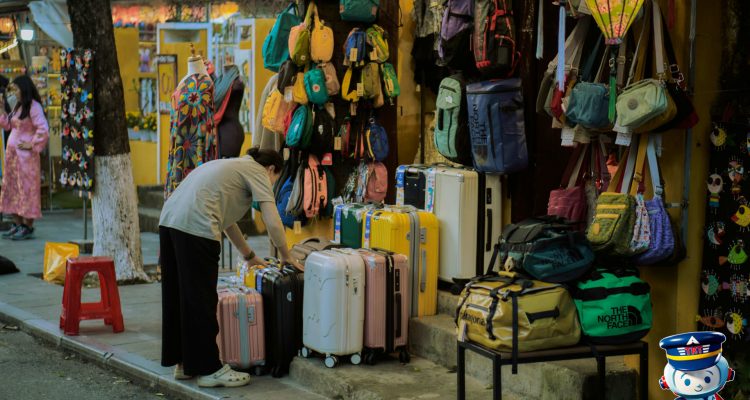
Why Pickpocketing Worries Budget Travelers
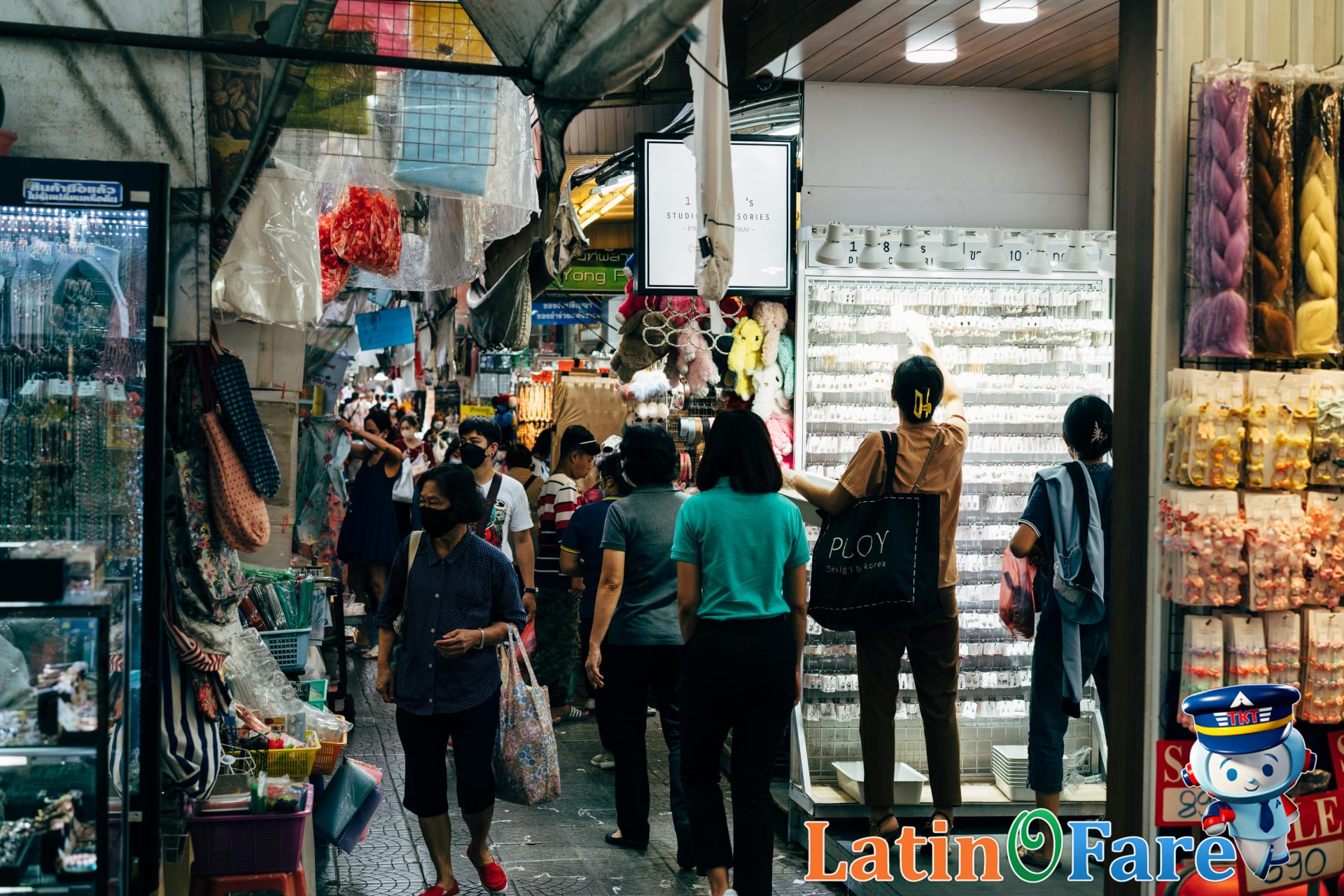
Pickpocketing has become a real headache in many of the world’s busiest travel spots—think packed metro lines, bustling street markets, and crowded plazas. It’s not just a big-city problem, either. Even in smaller towns, thieves know that tourists are often distracted and carrying valuables. I still remember the uneasy feeling of checking my pocket for my phone every few minutes while weaving through a jammed city bus in Barcelona. That kind of worry can really take the shine off a trip.
For budget travelers, the risk is even more stressful. Losing your wallet or phone doesn’t just ruin your day—it can turn a trip you scored for a bargain into an unexpectedly expensive ordeal. Emergency replacements, lost cash, and time spent canceling cards all add up fast. That’s why travel safety isn’t just about peace of mind; it’s a key part of keeping your trip affordable.
At latinofare.com, the mission goes beyond finding low fares. We want every traveler to enjoy safe, budget-friendly adventures, whether you’re booking a last-minute flight or planning months ahead. This guide draws on real experience and practical tips to help you beat pickpockets before they have a chance. If you’re looking for more ways to prepare, check out our Guide to preparing for safe travel for extra peace of mind before you go.
What Pickpockets Target Most Often
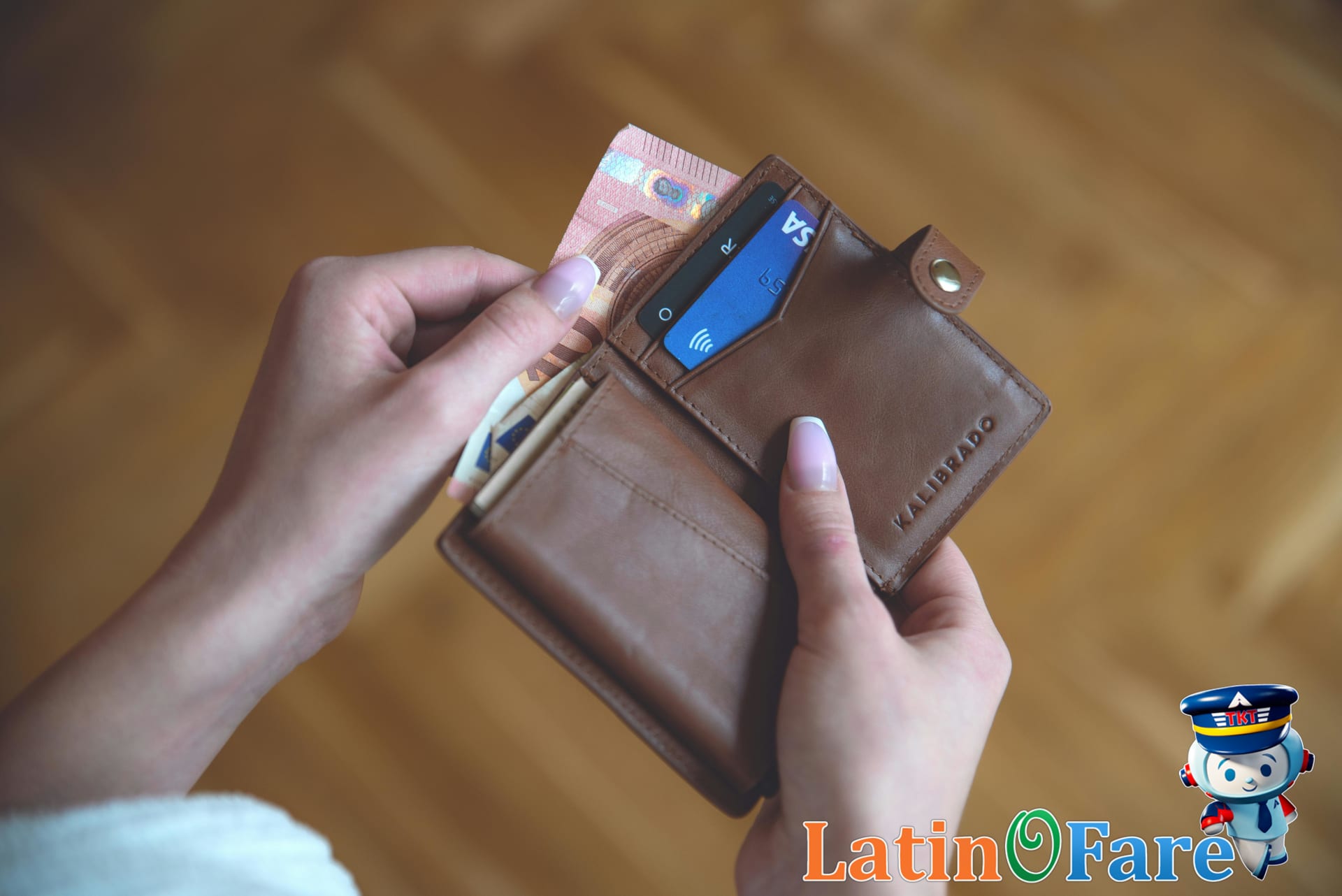
Pickpockets are quick to spot the essentials most travelers carry: wallets, smartphones, cash, passports, credit cards, and even cameras. These are obvious targets because they’re valuable and often easy to access in a crowded place. But what surprised me most was learning that things like transit passes, hotel keycards, and even a good pair of sunglasses can also attract attention from thieves. Losing any of these can throw a wrench into your trip—imagine being stranded without your metro card or locked out of your hotel room at night.
For budget travelers, every dollar and document matters. If you lose your passport or credit card, replacing them abroad can be expensive and stressful, not to mention the risk of identity theft. Even a stolen transit pass might mean shelling out extra cash for new tickets. Before your trip, it’s worth reviewing an Essential travel packing checklist to double-check that you’re carrying only what you need and storing backups separately.
Recognizing Risky Pickpocket Locations

Pickpockets tend to target places where crowds naturally gather and distractions are everywhere. Markets, major transit hubs, busy attractions, festivals, parades, and especially crowded buses or metro cars are all prime spots. The risk spikes wherever people are packed close together, like at a popular parade or in a jammed subway station during rush hour.
What do these “danger zones” look like? Watch for bottlenecks at entrances and exits, clusters of people jostling for space, or anyone standing unusually close, especially near ticket machines or escalators. In my own travels, I’ve felt that uncomfortable awareness at a festival entrance, squeezed shoulder-to-shoulder, where it was nearly impossible to keep track of my bag. That’s when I realized how easily a pickpocket could slip by unnoticed.
Whenever possible, reroute through less crowded side streets, use well-lit and less congested doors, or simply wait for the next train if the platform is packed. If you’re navigating airports or train stations, I’d suggest checking out these Tips for navigating airports and train stations for more strategies on staying alert in transit zones.
Bag Selection and Packing Tips
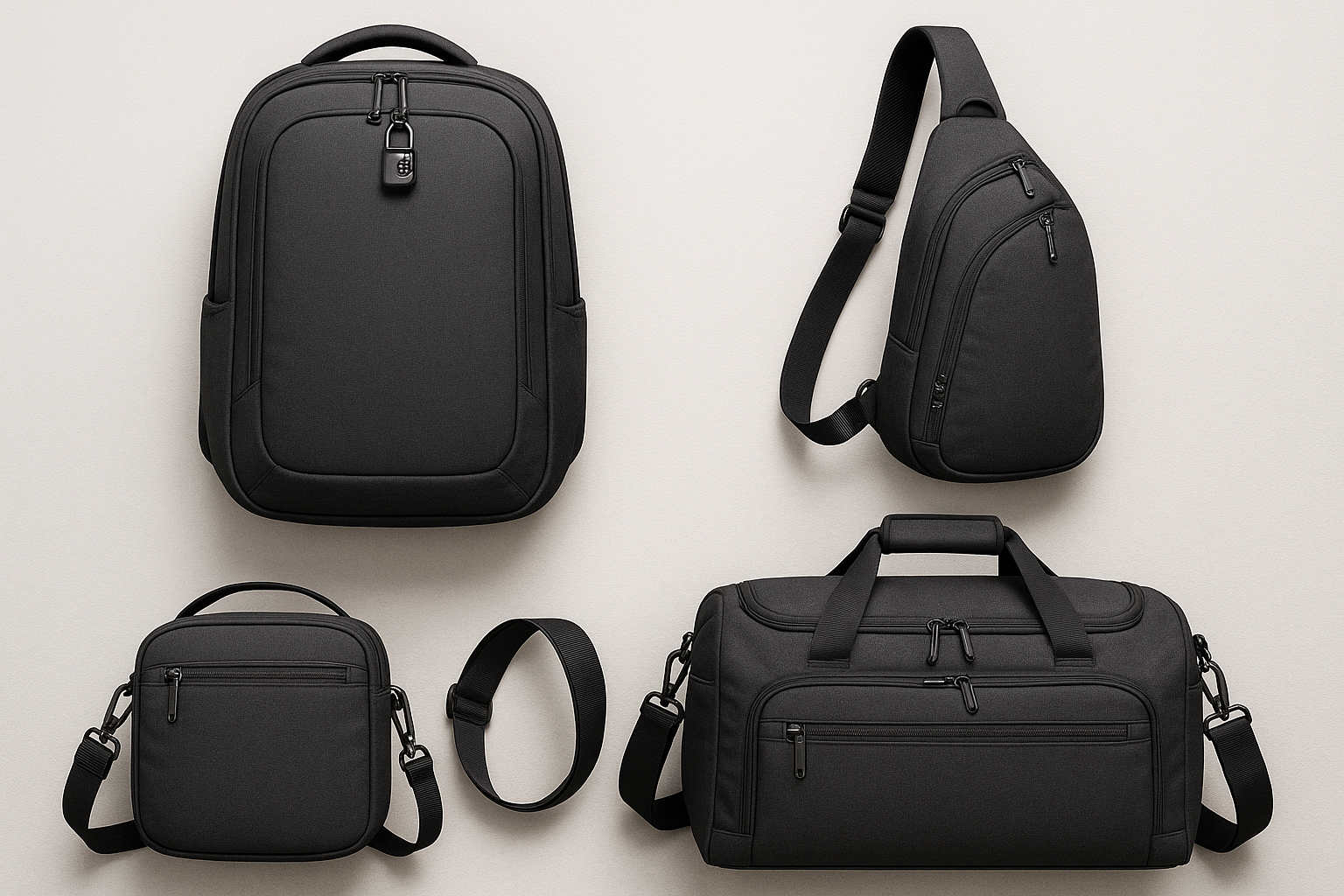
Choosing the right bag can make a huge difference in keeping your belongings safe on the road. I always reach for a crossbody bag with lockable zippers and hidden compartments when I’m traveling to cities known for pickpocketing. Anti-theft bags designed for travel often have reinforced straps and RFID-blocking pockets, making them a solid investment if you’re worried about security.
For valuables like passports, cards, and cash, I pack them in interior zippered pockets or compartments closest to my body. Less important items—like snacks or guidebooks—go in outer pockets. As a rule, I avoid backpacks with open pockets or drawstring closures, since they’re easy targets in crowded places. I’d also skip oversized totes or flashy designer bags, which tend to attract unwanted attention.
Protecting Devices While Traveling Abroad

Staying connected is important, but flashing your phone or camera in crowded places can make you a target for pickpockets. I always keep my device close—using a wrist or neck strap helps, especially when snapping photos in busy areas. When I reduced my screen time on trips, I noticed I was more aware of my surroundings and felt less vulnerable in unfamiliar cities.
If you need to check directions, step aside to a quieter spot instead of standing in the middle of foot traffic. Pre-download maps and translation apps before you arrive so you can navigate offline, minimizing the need to pull out your phone in public. For even more security, consider device-tracking apps that let you locate your phone if it goes missing. Setting personal rules, like only checking messages in secure spots or limiting device use to essential moments, can go a long way in protecting your tech and keeping your focus on the experience.
Smart Ways To Secure Your Money
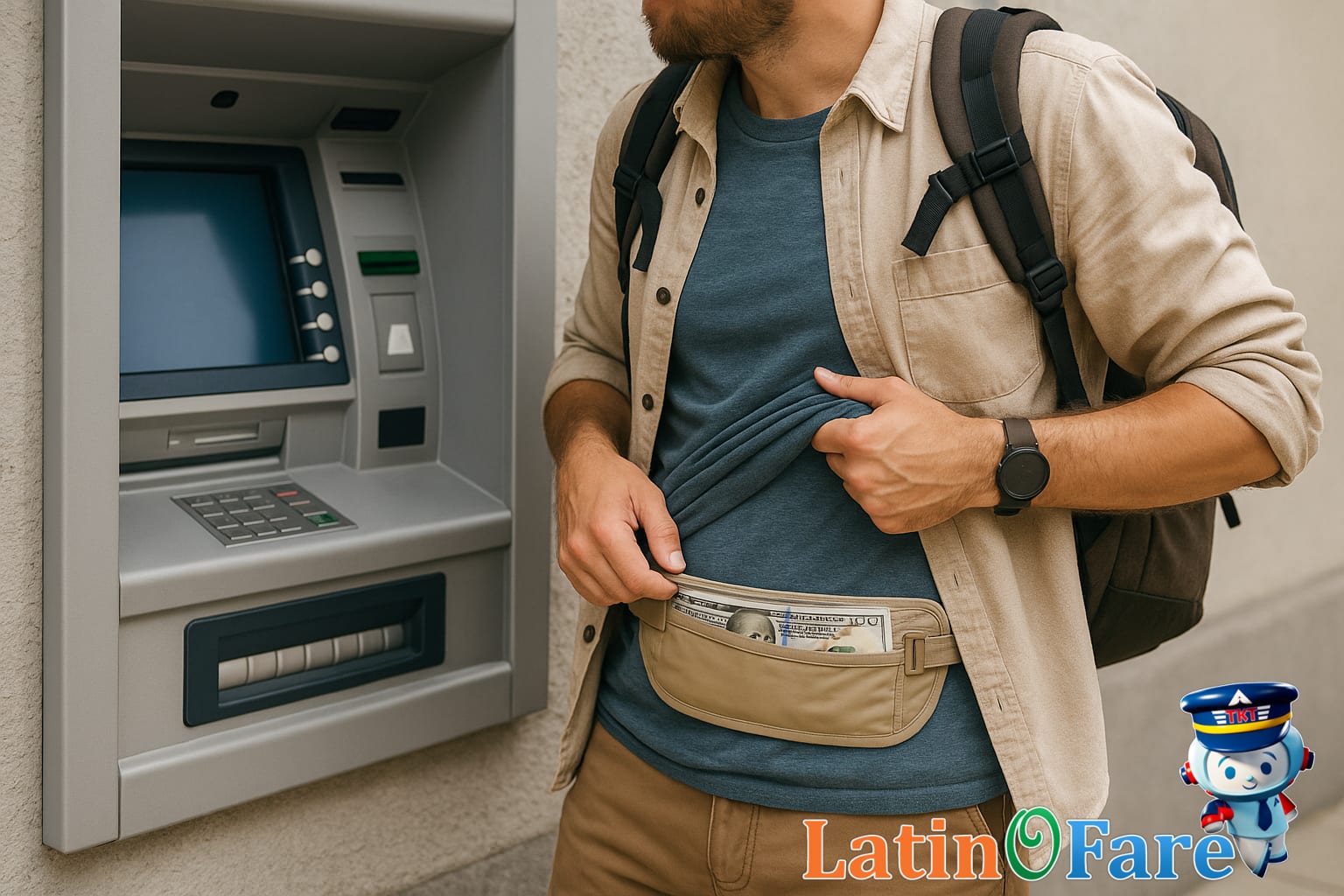
Keeping your money safe on the road takes a little planning, but it’s worth the effort. I usually split my daily cash—about $40.00—in a front pocket wallet, with another $20.00 tucked in a money belt under my shirt. Backup cards and my passport stay locked in my accommodation, not on me. If you’re worried about card skimming, consider an RFID-blocking wallet. Dummy wallets with a few old cards and small bills can also distract pickpockets. For budget travelers, carrying only what you’ll need for the day is key to limiting losses and stress.
How To Stay Alert In Crowds

Busy crowds—whether at festivals, parades, or packed transit hubs—require a different level of awareness. I remember a time at a street celebration when I noticed someone moving against the flow, eyeing open bags. That extra moment of vigilance let me warn another traveler before anything went missing.
Whenever I’m in a crowd, I avoid standing at the very edge or with my back to open pathways. Instead, try to position yourself near groups or against a wall, where you can easily scan your surroundings. Keep your phone out of sight and resist the urge to bury your face in it; a quick glance is fine, but scanning the crowd is safer than staring at a screen.
Obvious tourist signals—like lanyards, open guidebooks, or large maps—can make you a target. Tuck those away when not in use. Moving with a group, even loosely, can also deter pickpockets. If you’re traveling with friends, stick together and watch each other’s backs. For more on this, check out our advice on budget-friendly group travel abroad if you’re planning with others.
Staying Safe At Busy Transit Hubs

Transit hubs like airports, bus terminals, and train stations are prime spots for pickpockets, especially when travelers are distracted by arrivals, departures, or transfers. Schemes often involve groups creating a distraction—like asking for directions or “accidentally” bumping into you—while someone else targets your bag or pocket. I always make a point to double-check my bag zippers and straps before stepping off a bus or train in a new city; it’s easy to get distracted in the rush.
For every arrival or departure, I recommend this simple checklist: keep all bags in front of you or between your feet, never hang them on the back of a chair, and periodically check that zippers are closed and straps are secure. Don’t set anything down, even briefly, unless you have a hand or foot on it. If you’re looking for more practical details, the latinofare.com blog has a helpful post on tips for navigating airports and train stations.
Safety Costs: Travel Budget Table
Safety-minded travel does come with extra costs, but a little planning can save you from bigger headaches—and expenses—down the line. I once spent an extra $30.00 on a sturdy anti-theft wallet before a trip, and it easily paid for itself by keeping my cash and cards secure in crowded markets. Below, you’ll find a straightforward table comparing what you might spend on safety-focused travel in three budget tiers. These estimates include things like basic travel insurance, anti-theft gear, and secure accommodation upgrades, which can really make a difference if something goes wrong.
| Budget | Mid-range | Luxury | |
|---|---|---|---|
| Accommodation | $35.00 | $90.00 | $220.00 |
| Food | $15.00 | $40.00 | $90.00 |
| Transport | $10.00 | $35.00 | $75.00 |
| Activities | $12.00 | $35.00 | $80.00 |
Anti-theft bags (about $40.00) and travel insurance (often around $7.00 per day for basic coverage) fit into these categories, helping reduce risk and unexpected expenses. If you want more on insurance options, check out our guide to the Best travel insurance for budget travelers if you haven’t already.
Step-By-Step After Theft Abroad
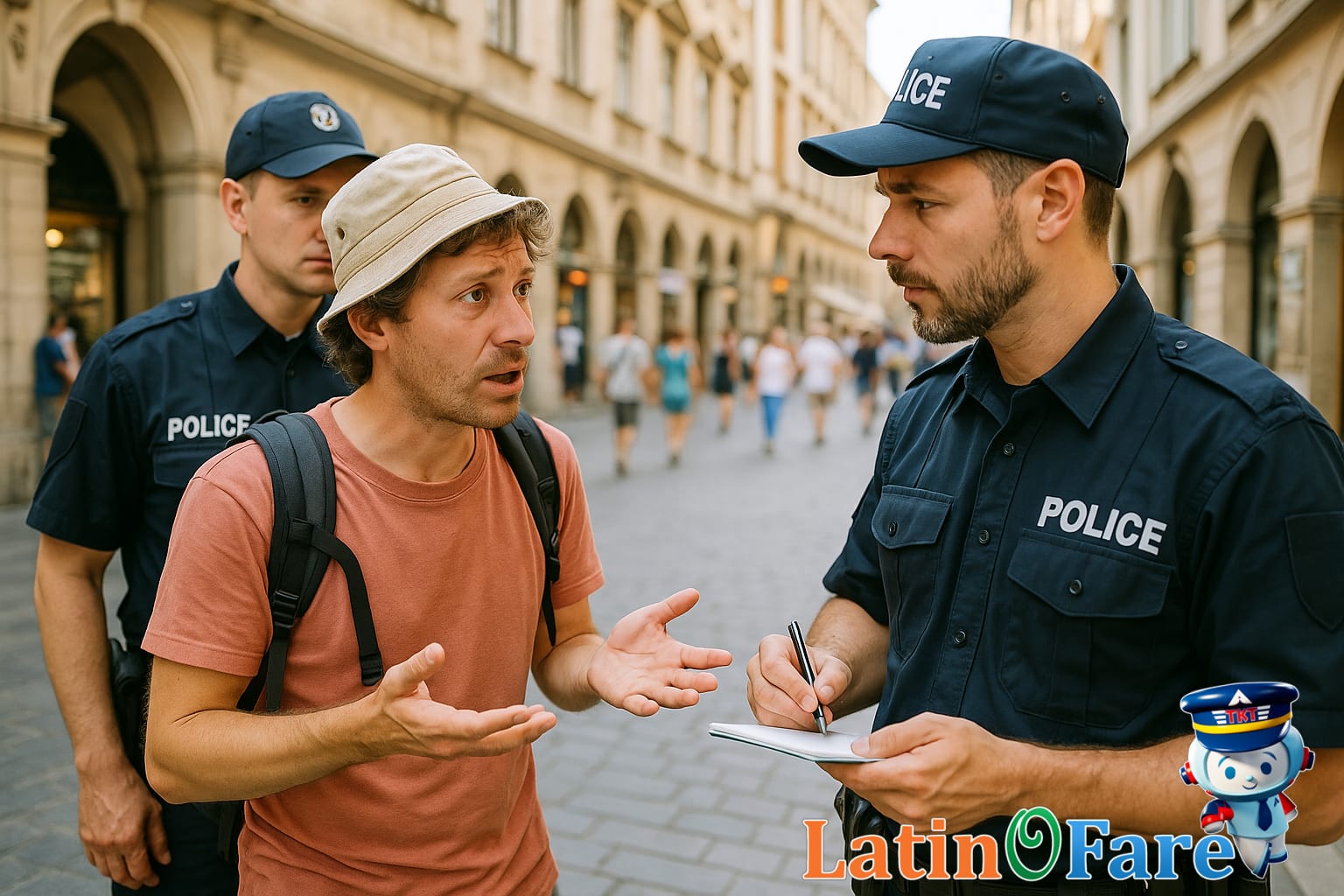
If you’ve just been targeted by theft while traveling, take a deep breath and try to stay calm. First, quickly assess what’s missing—wallet, passport, phone, or other valuables. Next, report the incident to local police or tourist assistance. Even if recovery seems unlikely, I always make a point to file a report; it helps future travelers by alerting authorities to problem spots.
If your passport or ID was stolen, contact your embassy right away. For U.S. travelers, the State Department’s travel.gov has up-to-date instructions on getting a replacement and what to do next. Lost credit cards or phones? Notify your bank and mobile carrier immediately to freeze accounts and prevent unauthorized use. Most banks and phone services allow you to lock accounts or wipe phone data remotely—do this as soon as possible.
Filing an official report isn’t just for insurance; it helps improve safety for everyone. If you need more details on support resources, check our main guide on emergency support abroad.
Pickpocket Prevention FAQ: Real Answers
- How can I spot a pickpocket in a crowd?
Pickpockets often work in groups and may create distractions, like bumping into you or dropping something. Watch for anyone who seems unusually interested in your belongings, stands too close, or uses jackets or newspapers to shield their hands. Staying alert in busy areas is your best defense against their tactics.
- What are the safest bags for city travel?
Crossbody bags with lockable zippers and slash-resistant straps are considered the safest for city travel. Keep the bag in front of you and avoid backpacks in crowded spaces. I’d also suggest choosing a bag that doesn’t look overly expensive to avoid drawing unwanted attention from potential pickpockets.
- Does travel insurance cover pickpocket theft?
Many travel insurance policies do cover pickpocket theft, but coverage varies. You’ll usually need a police report to file a claim. Always check your policy’s terms for exclusions and limits. If you want more details, see our guide on Travel insurance coverage explained for practical advice on what’s included.
- Pickpocket prevention tips for family trips?
For family trips, use anti-theft bags and keep valuables in hard-to-reach places. Teach kids to be aware of their surroundings and avoid showing electronics or cash in public. I recommend designating one adult to carry passports and money, reducing the risk of everyone losing important items at once.
- How often are tourists targeted by pickpockets?
Tourists are frequent targets for pickpockets, especially in popular destinations and crowded attractions. While exact numbers vary, it’s common enough that most travel safety organizations warn about it. Practicing pickpocket prevention—like using money belts and being alert—can significantly lower your chances of becoming a victim.
- Can I use tech to track stolen items?
Yes, you can use Bluetooth trackers like AirTag or Tile to help recover stolen items, especially bags or luggage. Hide the tracker discreetly inside your belongings. While this doesn’t guarantee recovery, it gives you a way to monitor the item’s location and share details with local authorities if needed.
- What should I do if I lose my passport to a pickpocket?
If your passport is stolen, report it immediately to local police and contact your country’s embassy or consulate for a replacement. Bring a copy of your passport and extra ID to speed up the process. The U.S. State Department’s website offers step-by-step guidance for lost or stolen passports abroad.
Confidence In Crowded Places Abroad
Traveling through busy markets, stations, and city centers doesn’t have to feel overwhelming. The biggest lesson I’ve learned is that preparation and awareness are your best tools—double-checking that my wallet is secure before heading out is one habit I never skip. By planning ahead and staying alert, you’ll reduce risks and enjoy exploring more freely. If you ever need help planning or booking, latinofare.com is a practical resource for travelers who value support and savings.