

Smart Strategies for Budget Travel

Planning a trip is always exciting, but if you’re not careful, costs can sneak up and add unnecessary stress. I learned this firsthand when I set a travel budget months before my last vacation—it meant I could enjoy every day without worrying about running out of cash halfway through. That peace of mind is exactly why I believe budgeting isn’t just about saving money; it’s about making your whole travel experience more relaxed and enjoyable.
Starting early really does make a difference. When you give yourself time to research, you’ll spot the best deals on flights and hotels—especially with the help of latinofare.com. Their platform is designed for travelers who want affordable options without sacrificing support or flexibility. I usually recommend browsing their site or even calling for advice as soon as you know your travel dates.
Setting a proactive mindset means you’re less likely to overspend and more likely to get real value out of your trip. Begin by outlining your must-haves and nice-to-haves, then look for ways to trim costs: fly midweek, consider alternative airports, and book accommodations with free cancellation. If you want more tips on booking cheap flights, check out our guide on how to find the best flight deals before locking in your plans.
How To Set Your Budget Goals
Before you dive into booking, it’s worth taking a step back to define your travel budget goals. Start by thinking about your priorities—are you aiming for the lowest possible cost, a comfortable experience, or a trip with a few planned splurges? For example, when I set my own savings goal for a trip to Costa Rica, I decided upfront that I’d prioritize unique activities over luxury hotels, which helped me decide how much to set aside each month and how far out I’d need to start saving.
Your destination and timing play a big role in shaping your budget. Traveling during peak season or to a popular city usually means higher prices, so budget-conscious travelers might want to target shoulder seasons or less-visited destinations. Next, factor in your trip length and travel style—backpackers, families, and luxury seekers all have different needs. A week-long city break will have a different cost structure than a month of slow travel.
To launch your savings plan, break your budget into categories: flights, accommodation, food, transport, and activities. Estimate a realistic amount for each based on your destination and preferences. Once you have your total, set a timeline and divide by the months until departure to get your monthly savings goal.
Breaking Down Core Travel Expenses
Every travel budget starts with five core expenses: transportation, accommodation, food & drink, activities/admissions, and daily incidentals. Let’s break these down with some practical examples so you can spot both the obvious and the sneaky costs that add up fast.
Transportation covers flights, trains, rental cars, buses, and even local taxis or rideshares. Don’t forget airport transfers or baggage fees—on a recent trip, I was caught off-guard by a checked bag charge that wasn’t included in my ticket, which made me rethink how I estimate my travel costs.
Accommodation means more than just the nightly rate. Taxes, resort fees, and even Wi-Fi or parking at hotels can sneak onto your bill. For food & drink, count restaurant meals, groceries, snacks, and the occasional coffee break. Street food is fun, but those little purchases add up quickly.
Activities and admissions include museum tickets, tours, and excursions. If you’re planning several paid attractions, average out the likely daily spend. Finally, daily incidentals are the most overlooked: think ATM withdrawal fees, SIM cards, bottled water, and those last-minute toiletries you forgot at home. I always recommend making a list of expected expenses, then adding a buffer for these smaller charges. For more ways to avoid surprise costs, check out our guide on avoiding hidden travel fees.
How To Research Real Travel Costs
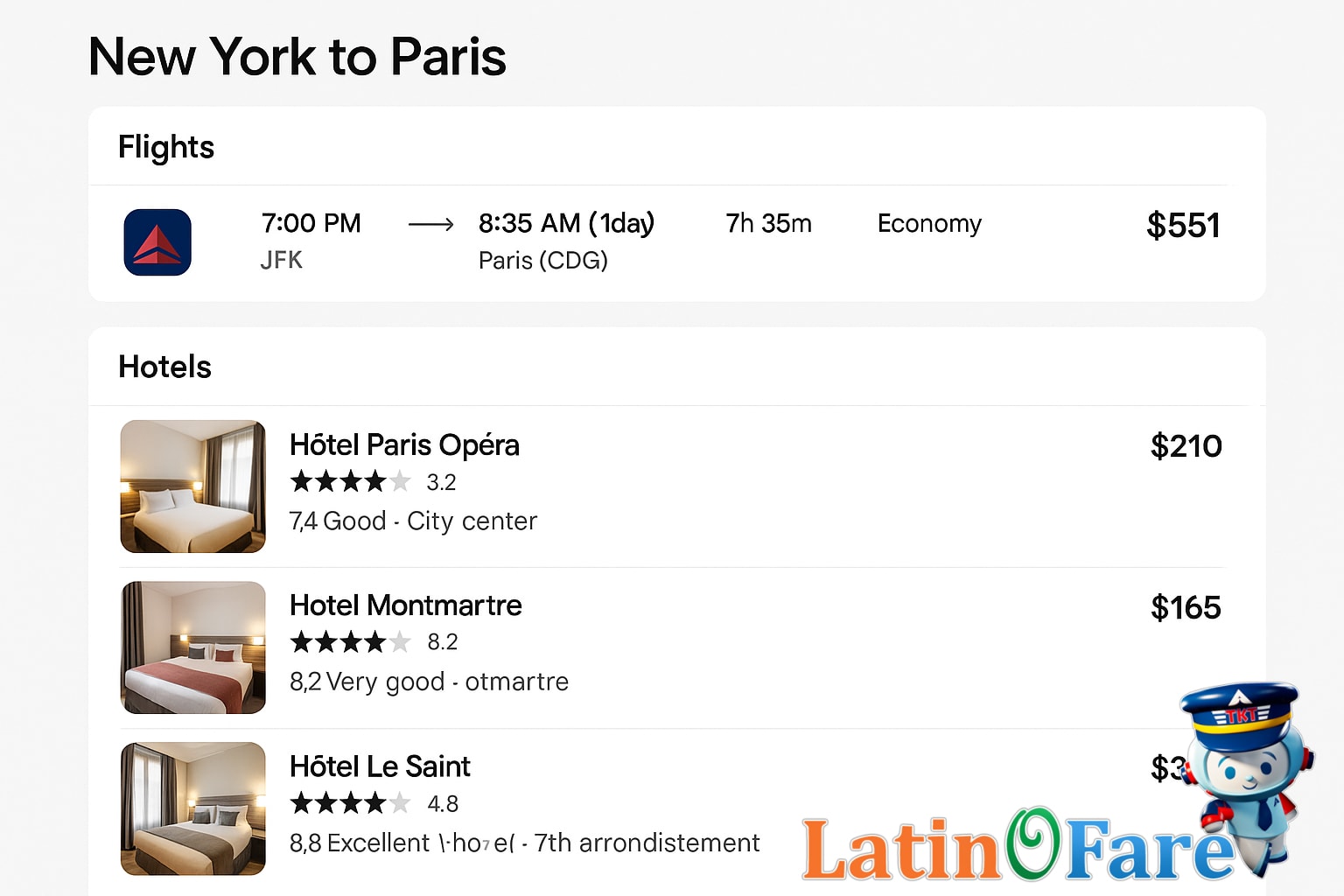
It’s easy to get misled by “average” prices when planning a trip. I once relied on typical cost estimates for a flight and hotel, only to discover much higher rates because I hadn’t checked for peak season spikes. To avoid this, I always recommend researching real-time prices using a mix of trusted tools.
Start with fare aggregators like Google Flights or Skyscanner to see live airfare across multiple airlines. These platforms let you compare dates, track trends, and set alerts for your specific route. For accommodation, sites like Booking.com or Hotels.com show up-to-date hotel deals and let you filter by price, location, and amenities.
To get the most accurate numbers, check rates for your exact travel dates—seasonality can cause big swings in both airfares and hotel prices. Tools like the latinofare.com search engine help you find real deals and monitor price changes. I’d also suggest looking at recent traveler reviews or forums for on-the-ground cost updates.
Remember, prices can jump quickly during holidays or local events. Setting up fare or deal alerts means you’ll get notified when prices drop, but you’ll need to check those alerts regularly and be ready to book if something fits your budget.
Choosing the Right Budget Tools
Whether you’re a spreadsheet fan, an app enthusiast, or someone who prefers jotting expenses in a notebook, the best budget tool is the one you’ll actually use throughout your trip. I’ve tried both app-based tracking and a simple notebook, and after some trial and error, I stuck with an app because I could update it on the go—even mid-flight.
Digital apps like Mint and Trail Wallet make it easy to log expenses, categorize spending, and even set daily limits. For example, Trail Wallet is designed specifically for travelers, letting you track spending in multiple currencies and see real-time summaries. You can check out Trail Wallet’s features to see how it handles on-the-go budgeting. Mint, on the other hand, connects directly to your bank accounts, making it great if you want to track all your finances in one place.
Spreadsheets, like those in Google Sheets, give you flexibility and control, but they require more setup and discipline. Manual tracking with pen and paper is simple and reliable—no batteries or Wi-Fi needed—but it can be easy to lose track if you’re moving quickly or dealing with lots of receipts. I’d compare both digital and manual methods before you leave, and don’t be afraid to combine them if that keeps you consistent.
Allocating Your Travel Budget Wisely
Dividing up your travel budget isn’t just about setting a total amount—it’s about deciding what matters most for your trip. I’ve found that when I planned a food-focused city break, I shifted funds from sightseeing activities to restaurants, letting me enjoy more local flavors without overspending. Start by listing your priorities: food, comfort, adventure, or maybe shopping. Then, assign a percentage of your budget to each category based on what you value most.
For example, if food is your priority, you might allocate 40% to dining, 30% to accommodation, 20% to activities, and 10% to transport. Adventure seekers might flip those numbers, giving more to excursions and less to meals. If comfort is key, consider putting around 50% toward accommodation and the rest toward experiences and meals.
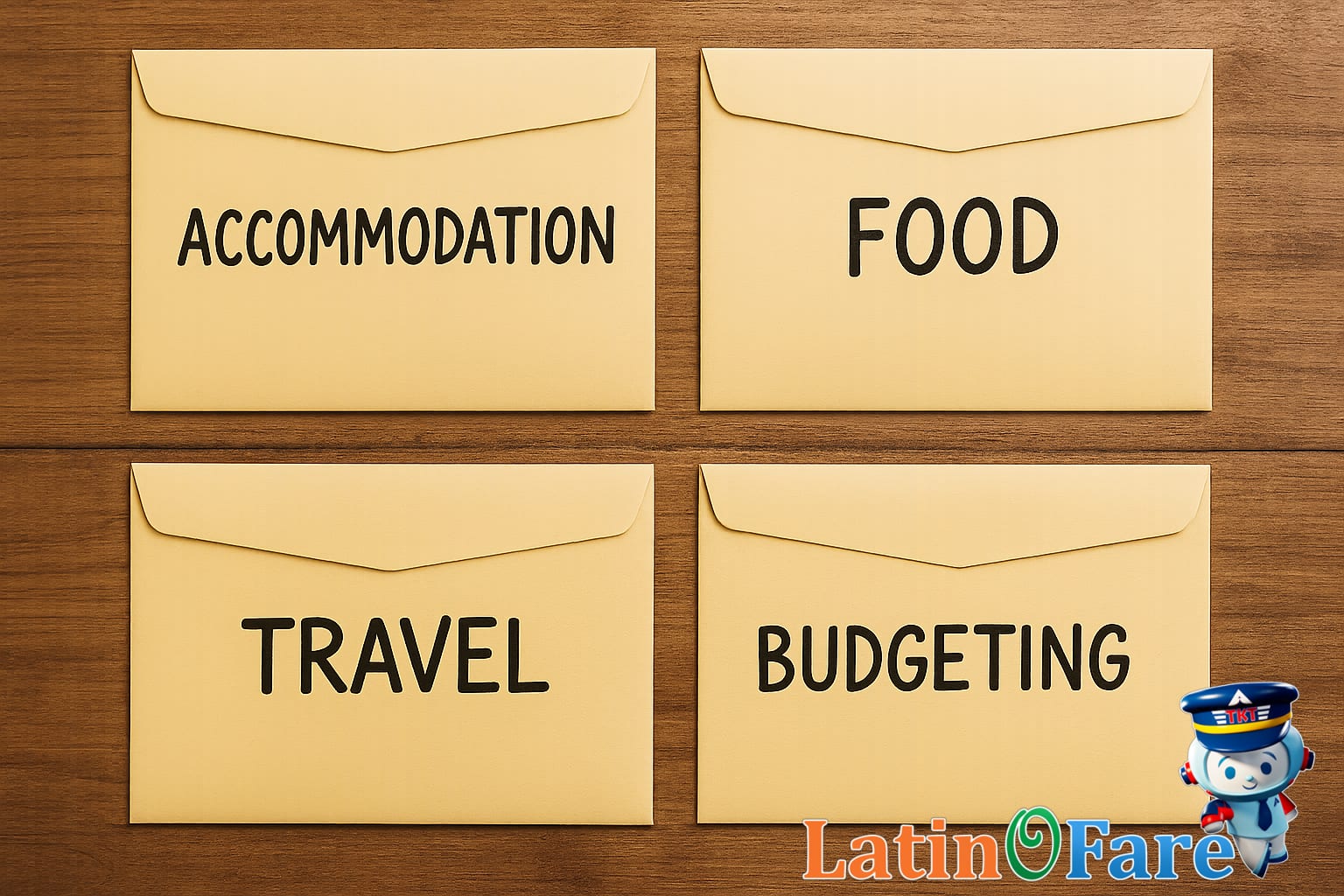
Managing these categories on the go is easier with digital tools like budgeting apps or the classic envelope method—physically dividing cash into envelopes labeled for each category. I’d recommend checking out our guide to best destinations for food lovers if you want more ideas on prioritizing your travel spending.
Staying On Budget During Your Trip

Keeping your travel budget under control doesn’t stop after you land—it’s a daily habit. I like to review all my expenses each evening, usually over a coffee or back in my hotel room, to spot where I might be overspending and adjust for the next day. A quick daily or weekly budget check helps you catch issues early, whether it’s splurging on meals or underestimating local transport costs.
Many travelers find budgeting apps useful for tracking spending in real time. Set up notifications and alerts for your daily or weekly limits, so you’re quickly aware if you’re getting close to your cap. If you want a more tangible approach, try switching to cash for discretionary expenses like snacks and souvenirs. Physically seeing your cash shrink makes it easier to pace yourself.
Tracking spend in foreign currencies can get tricky. Most apps allow you to log expenses in local currency and will convert them for you. If you’re doing it by hand, jot down the exchange rate at the start of your trip and keep a running tally in a small notebook or your phone’s notes app. It’s easy to lose track of value when you’re dealing with unfamiliar bills and coins.
Travel Budget Breakdown By Tier
When planning your trip, it’s helpful to look at sample budgets for three typical styles: Budget, Mid-range, and Luxury. Each tier reflects different spending habits for accommodation, food, transport, and activities. The table below uses single fixed values (no ranges or plus signs) so you can get a clear sense of daily costs. Actual expenses will vary based on your destination, travel season, and personal preferences—so be sure to adjust these numbers to fit your own plans.
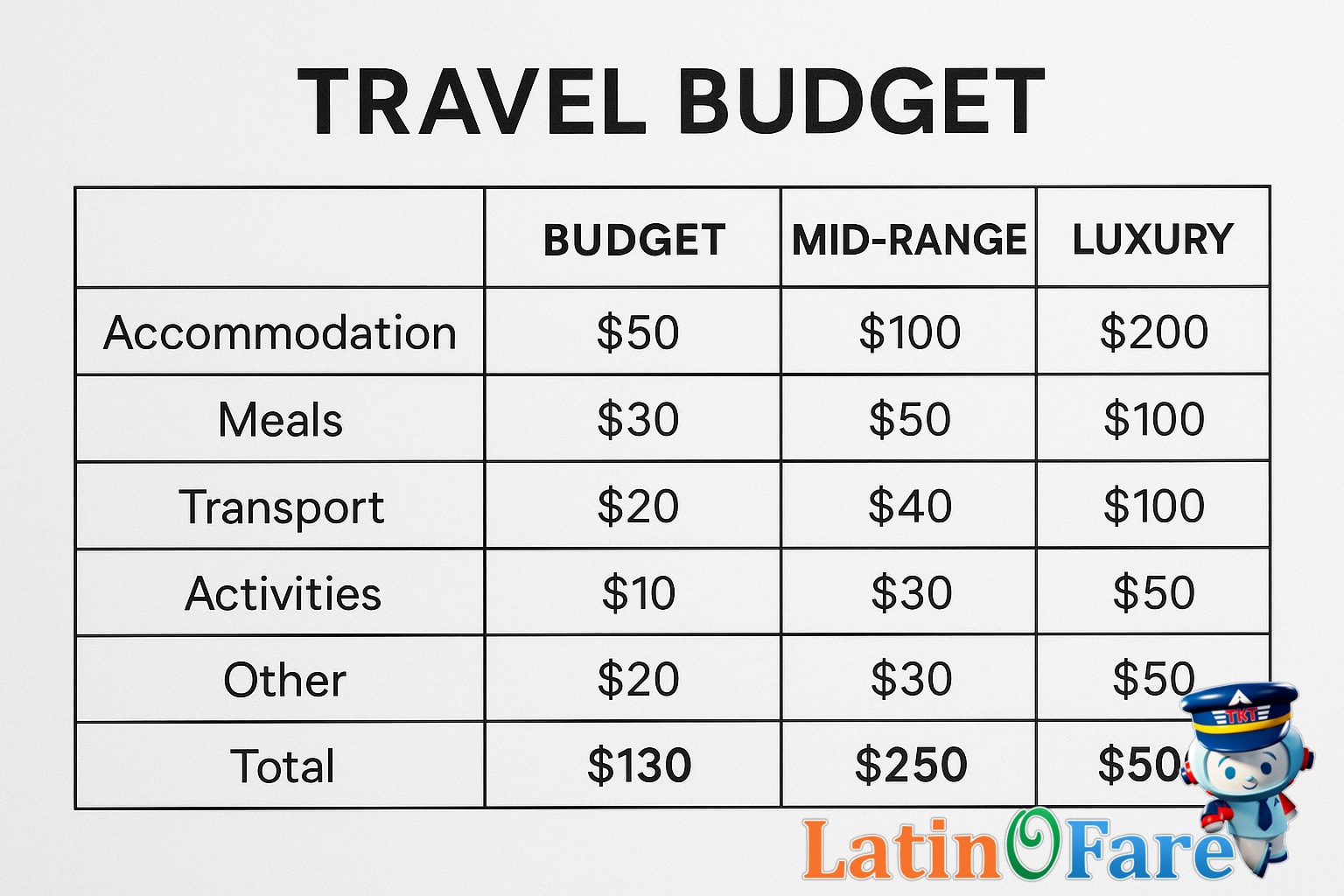
| Budget | Mid-range | Luxury | |
|---|---|---|---|
| Accommodation | $30.00 | $80.00 | $250.00 |
| Food | $15.00 | $40.00 | $120.00 |
| Transport | $10.00 | $30.00 | $90.00 |
| Activities | $10.00 | $35.00 | $100.00 |
I remember putting together my first travel budget and then comparing it to a sample table like this—I realized I’d underestimated food costs and made quick adjustments before booking. You can do the same by plugging in your own numbers and seeing how they stack up against these examples.
How To Troubleshoot Budget Surprises

Even the best-laid travel budgets can get thrown off by surprise expenses. A few years ago, I found myself in Buenos Aires when the local currency shifted overnight, making everything more expensive than I’d planned. Instead of panicking, I paused to rework my daily spending plan. I trimmed back on some non-essentials, like skipping fancy dinners, and made sure I had a backup credit card ready in case of emergencies. If you notice your costs creeping up—maybe due to last-minute ticket fees or unexpected activity charges—it’s important to act quickly. Revisit your budget, prioritize the experiences that matter most, and look for ways to cut back elsewhere, even if just temporarily.
Smart Contingency Planning
Building a contingency fund into your travel budget is something I always recommend. Set aside a small amount—say, about $100.00—that you don’t touch unless absolutely necessary. If you do run into issues like currency confusion, surprise ATM fees, or price hikes, this buffer gives you flexibility. For more strategies on sidestepping last-minute costs, check out our guide on avoiding booking mistakes and travel fees.
Frequently Asked Travel Budget Questions
- How do I create a travel budget from scratch?
Start by listing your main expenses: flights, accommodation, food, transport, activities, and a buffer for emergencies. Research typical costs for your destination on sites like latinofare.com for airfare estimates. Add up the totals and adjust based on your priorities or travel style before finalizing your budget.
- What are common travel budget mistakes to avoid?
Travelers often forget to include extra fees like baggage charges, airport transfers, or daily city taxes. In my experience, overlooking small daily costs—like snacks or tips—adds up quickly. Double-check cancellation policies, and always read the fine print when booking through any travel site to avoid surprise expenses.
- How much should I allocate for daily expenses?
Around $50.00 per day is a reasonable starting point for food, transit, and minor purchases in many destinations, but this varies. Adjust higher for major cities or if you plan to dine out often. I’d recommend checking a recent destination guide or our budget breakdown for more specific advice.
- Can I build a travel budget for last-minute trips?
Yes, but flexibility is key. Last-minute airfare and hotel prices can fluctuate, so focus on essentials first—flight, one night’s lodging, and daily spending money. Tools like the latinofare.com last-minute deals page or our guide to last-minute airfare can help you estimate costs quickly.
- How do I stay on budget overseas?
Use a daily spending limit and track all purchases, even small ones. Mobile apps like Trail Wallet or TravelSpend make it easy to record expenses in real time. Consider using a debit card with no foreign transaction fees and review your balance nightly to avoid going over budget.
- What’s the best tool for tracking travel expenses?
Several apps are designed for travelers—Trail Wallet and TravelSpend are both user-friendly and let you set daily limits. If you prefer spreadsheets, Google Sheets works well for manual tracking. I find that having notifications for daily spending helps keep my budget on track during trips.
- Why is my travel budget always higher than planned?
Extra costs often come from spontaneous activities, unplanned meals, or local transportation changes. It helps to build in a 10% buffer for surprises. Reviewing your past trips’ expenses can reveal patterns and help you plan more accurately for the next journey.
Final Thoughts For Travel Budget Success
Sticking to a travel budget isn’t about limiting your experiences—it’s about making every dollar count so you can enjoy more of what matters. Planning ahead and tracking your spending lets you travel with less stress and more freedom. If you’re ready to start, tools like latinofare.com make finding affordable options much easier.
Budgeting has helped me stretch my trips further and focus on the experiences that truly make travel memorable. Give it a try for your next adventure—you might be surprised by how rewarding it feels.