

Celebrate Earth Day Sustainably This Year
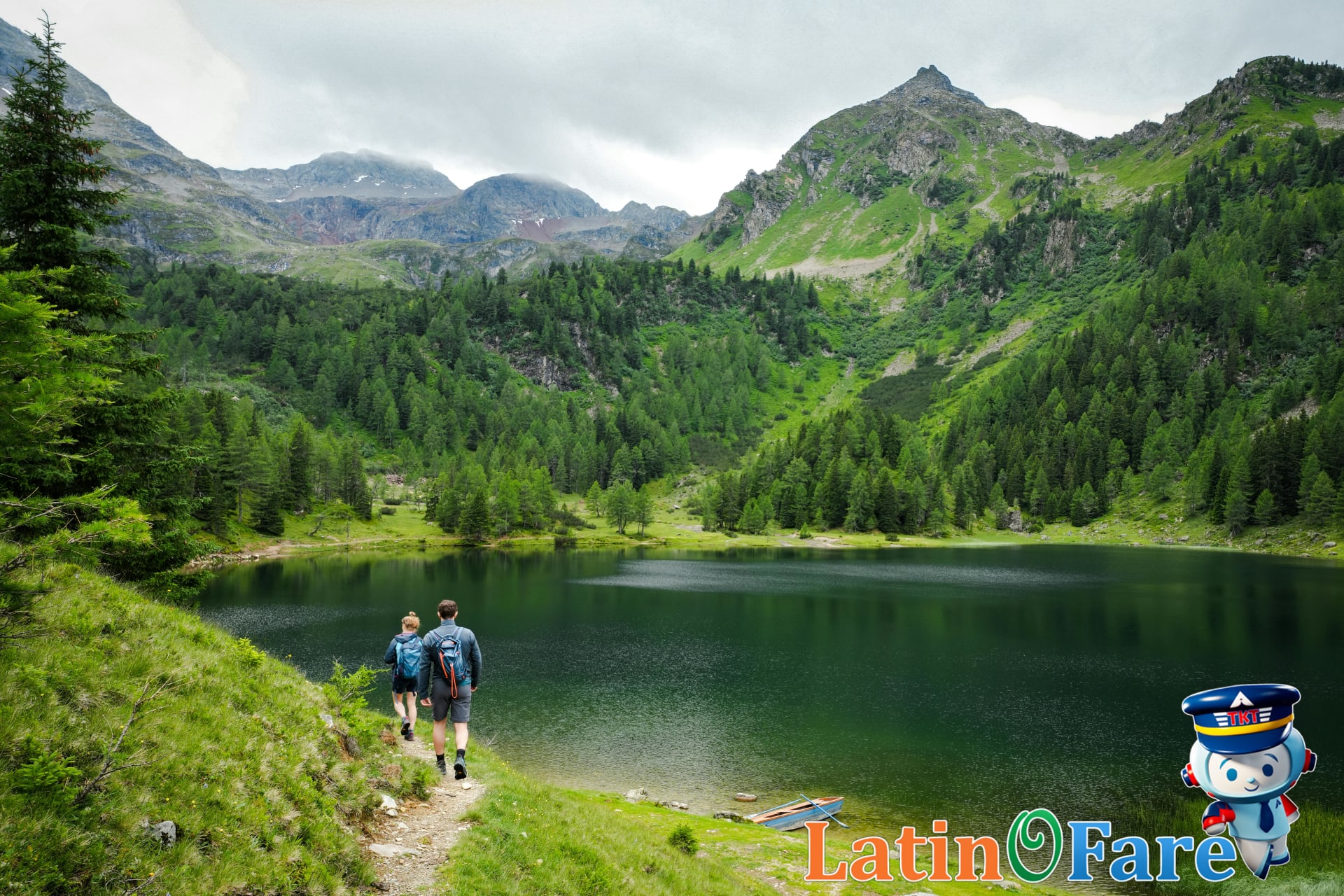
Earth Day began in 1970 as a grassroots movement, and it’s grown into a global event that highlights the urgent need to protect our environment. Every April 22, millions of people worldwide come together to support conservation, climate action, and responsible living. If you want more background, Earth Day’s official site is a great resource for its history and mission.
For travelers, Earth Day is more than just a date—it’s a reminder that our choices matter. Eco-travel, or sustainable travel, is about making decisions that reduce our impact and help preserve destinations for future generations. Choosing eco-friendly accommodations, supporting local conservation efforts, and minimizing waste all add up. I remember the first time I chose a destination because of its environmental leadership; it felt empowering to know my trip could actually benefit the place I was visiting.
Conscious travel doesn’t have to be complicated. Even small decisions—like flying nonstop to cut emissions or picking locally run tours—make a difference. Using flexible search tools, like those on latinofare.com, can also help you spot sustainable options and align your plans with eco-friendly events or initiatives.
Top Eco-Tourism Destinations Worldwide

If you’re looking for travel that leaves a lighter footprint, certain destinations stand out for their real commitment to sustainability. Here are five of the world’s top eco-tourism hotspots—each with its own unique approach to protecting nature, supporting local communities, and welcoming eco-minded travelers. I’ve spent a lot of time researching what sets these places apart, and the difference is often in the details you find through official tourism boards or certified eco-lodges.
Costa Rica: Rainforests and Wildlife
Costa Rica is a true pioneer in eco-tourism, with over a quarter of its land protected as national parks or reserves. I was impressed by how Costa Rica balances tourism with rainforest protection—think canopy walks, wildlife corridors, and eco-lodges that use solar power and rainwater collection. The country’s Certification for Sustainable Tourism (CST) program helps travelers identify genuinely responsible operators. You’ll spot toucans, sloths, and waterfalls on guided hikes, all while knowing your visit supports conservation and local jobs.
New Zealand: Pristine Nature and Conservation
New Zealand’s wild landscapes—glacier-carved fjords, ancient forests, and rugged coasts—draw eco-travelers from around the globe. Conservation is woven into the visitor experience, with well-marked trails, native bird sanctuaries, and strict biosecurity rules to protect unique species. I usually check for accommodations with Qualmark’s Enviro Award, which signals they’re serious about sustainability. Guided eco-tours here often include education about Māori culture and local restoration efforts.
Kenya: Safari Conservancies and Community Tourism
Kenya’s private conservancies are redefining the classic safari. Instead of just game drives, you’ll find lodges run in partnership with local communities, where conservation fees fund both wildlife protection and education. The Maasai Mara conservancies, for example, limit visitor numbers and support anti-poaching patrols. I found that booking through recognized eco-certified camps makes a real difference for both wildlife and local livelihoods.
Slovenia: Protected Parks and Green Certifications
Slovenia might be a surprise, but it’s one of Europe’s greenest destinations. The country’s “Green Scheme” certifies everything from hotels to entire towns for their eco practices. Travelers can hike in Triglav National Park, paddle emerald rivers, or cycle between organic farms. I recommend checking the official Slovenia Tourism Board for a list of certified green providers before planning your route.
Galápagos Islands: Strict Limits and Guided Eco-Tours
The Galápagos Islands are famous for their wildlife, but what really stands out is how tightly tourism is managed. Visitor numbers are capped, and only licensed guides can lead tours—helping protect fragile habitats. Most tours emphasize low-impact travel, and ships must meet strict environmental standards. I always advise booking well in advance and choosing operators listed by the Galápagos National Park.
Other destinations making eco strides include Bhutan, Norway’s fjords, and Canada’s Great Bear Rainforest. For more inspiration and destination-specific tips, you can browse the travel inspiration section on latinofare.com.
Responsible Adventure Activities For Eco-Tourists
Eco-adventure travel is all about exploring the outdoors while minimizing your impact and supporting conservation. The best eco-friendly activities go beyond just “leaving no trace”—they actively help protect habitats and wildlife. Think guided hikes on marked trails, kayaking in protected marine reserves, wildlife safaris that follow ethical viewing distances, or even volunteering with local conservation groups. Each of these can be tailored for solo travelers, families, or groups, so there’s usually something for every style and experience level.
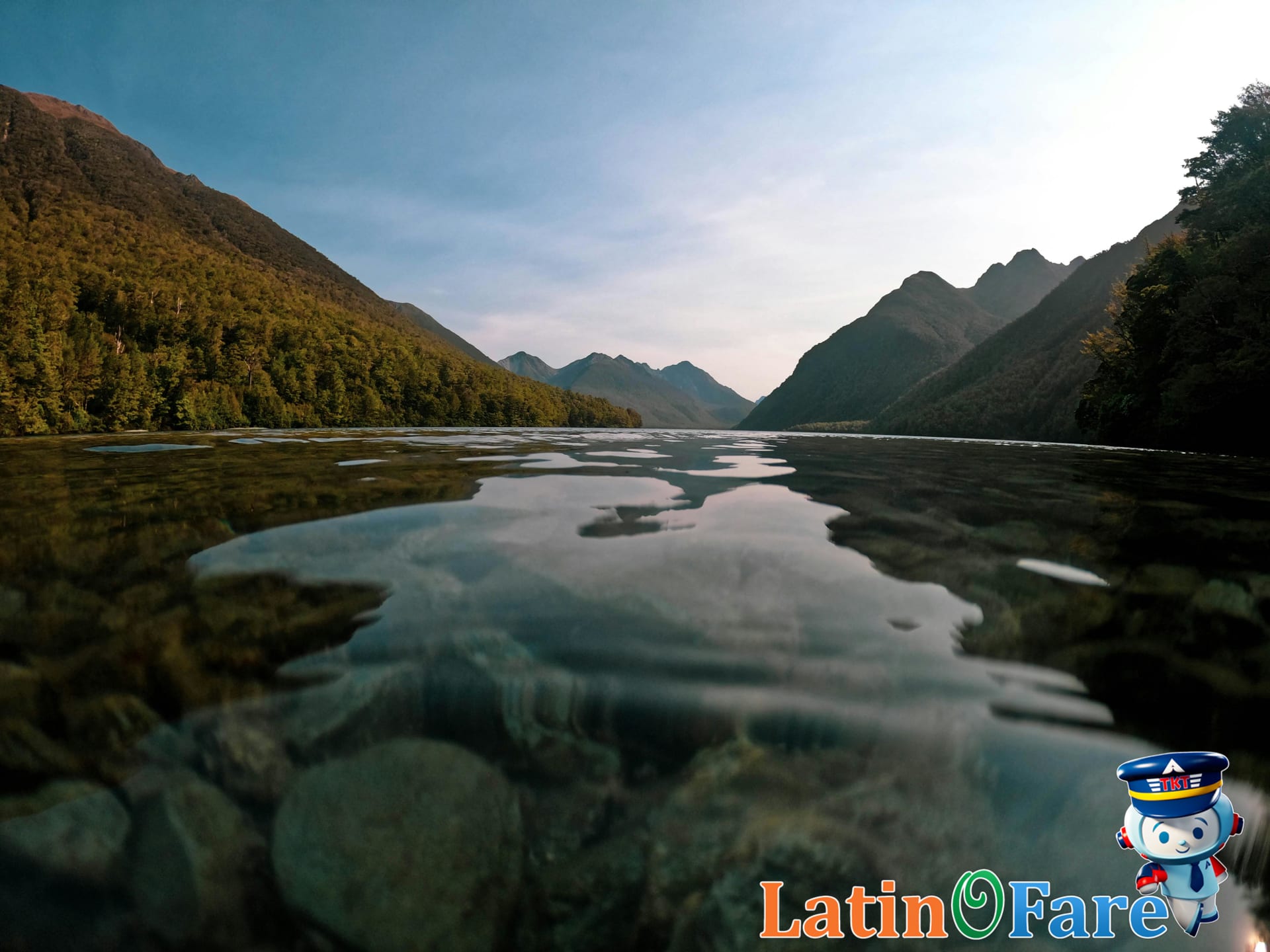
From my experience, joining a small-group kayaking trip in New Zealand’s wilderness was a highlight—I loved gliding through crystal-clear waters, spotting native birds, and knowing our guide followed strict eco-guidelines. Activities like this are more than just scenic; they connect you with nature while supporting local conservation efforts.
When choosing adventure tours, I always recommend checking for eco-certifications from organizations like The Global Sustainable Tourism Council or similar regional bodies. Certified operators typically use local guides, respect wildlife, and reinvest in conservation or community projects. This is especially important if you’re booking wildlife safaris or volunteering, where ethical practices matter most.
If you’re looking for more adventure inspiration, take a look at latinofare.com for seasonal travel ideas and practical tips on booking responsible activities around the world.
How To Find Green Accommodations

Green accommodations—like eco-lodges and sustainable hotels—go beyond just recycling bins in the lobby. These places often use renewable energy, reduce water consumption, support local communities, and limit single-use plastics. For me, picking a genuinely eco-friendly stay is one of the easiest ways to travel responsibly without sacrificing comfort or convenience.
When searching for green accommodations, I always scan for third-party certifications before confirming a reservation. Trusted badges such as LEED, Green Globe, or EarthCheck signal that a hotel’s sustainability claims have been vetted. These certifications typically require ongoing audits and compliance with strict environmental standards, so they’re a solid starting point.
It’s smart to dig a little deeper, too. Don’t just take a property’s word for it—ask about their energy sources, waste management practices, and water-saving measures. I’ve found that properties with real green credentials are transparent and happy to share details on their environmental efforts. If the answers seem vague or generic, I’d keep looking.
Platforms like latinofare.com make it easier to find sustainable stays by offering hotel search filters for eco-friendly properties. You can quickly narrow down your options and compare green policies before you book. This approach saves time and helps ensure your travel dollars support businesses that prioritize the planet.
Checklist For Sustainable Travel Packing

Packing sustainably isn’t just about what you bring—it’s about what you leave behind. I always start with a checklist focused on reusable and lightweight essentials. Here’s what usually makes my bag:
- Reusable water bottle: Cuts down on single-use plastics and keeps you hydrated on the go.
- Solar-powered or USB charger: Reduces battery waste and keeps devices powered without relying on disposable batteries.
- Solid toiletries (bar soap, shampoo bar): These last longer, don’t leak, and skip the plastic bottles.
- Reusable tote or shopping bag: Handy for groceries or laundry, and helps avoid plastic bags.
- Bamboo cutlery set: My reusable bamboo cutlery set comes everywhere—I use it for picnics, street food, and even airport meals.
- Biodegradable wipes or cloths: For quick clean-ups without the landfill guilt.
- Minimal clothing: Packing fewer, versatile pieces means a lighter bag and a smaller carbon footprint.
Each of these items helps minimize waste and unnecessary bulk. I’ve learned that the lighter I pack, the easier it is to stay organized and avoid extra baggage fees. If you’re booking flights, check out latinofare.com for tips on avoiding extra baggage costs—every pound counts when you’re trying to travel sustainably.
Comparing Eco-Friendly Transport Options

When planning an eco-tourism trip, your transportation choices can make a real difference for the planet. According to the U.S. EPA, air travel is a significant source of carbon emissions, but not all flights are equal. Nonstop flights are typically the greener option because planes use the most fuel during takeoff and landing. By skipping connections, you help reduce total emissions per trip. I usually check for nonstop routes first, even if it means adjusting my travel dates a bit.
Trains and public transit are excellent alternatives for shorter routes or when you’re exploring regions with good rail networks. I switched to trains between cities for shorter routes whenever possible, especially in places where scenic rail journeys are part of the experience. Trains generally have a lower carbon footprint per passenger than planes, and you’ll avoid airport waits and extra ground transfers.
For ground transport, public buses, subways, and shared shuttles are great for minimizing your impact. They’re usually affordable, reliable, and let you see more of daily life. Shared airport shuttles also cut down on the number of vehicles making the same trip. The main downside is flexibility—trains and buses run on their own schedules, so you’ll want to plan ahead, especially on busy travel dates like Earth Day.
If flying is necessary, I’d compare both direct and connecting options using latinofare.com’s real-time search. Their flexible date tools help you spot nonstop flights and eco-friendlier fares, so you can balance convenience, budget, and environmental impact.
Bogotá Travel Budget Breakdown Table

Eco-friendly travel in Bogotá can fit almost any budget if you plan ahead and know what to expect. I’ve found that booking eco-lodges and tours a few months in advance, especially around Earth Day, can really help keep costs in check. Below, you’ll find a clear breakdown of typical daily expenses for eco-travelers in Bogotá, based on current listings from major travel aggregators. This table covers accommodation, food, transport, and activities for three budget tiers.
| Budget | Mid-range | Luxury | |
|---|---|---|---|
| Accommodation | $25.00 | $70.00 | $180.00 |
| Food | $10.00 | $25.00 | $60.00 |
| Transport | $8.00 | $20.00 | $50.00 |
| Activities | $15.00 | $40.00 | $100.00 |
On my last trip, booking ahead let me secure an eco-lodge stay for far less than walk-up rates, which left me with more room in my budget for guided nature hikes. If you’re watching your spending, compare flight prices and fare alerts on latinofare.com before locking in your dates.
Responsible Travel Tips for Earth Day

Earth Day is the perfect reminder to travel responsibly, but these habits matter all year. Here’s a quick checklist I rely on whenever I’m exploring a new place—whether it’s the Galápagos Islands or my own backyard:
- Support local: Eat at family-run restaurants, buy crafts from local artisans, and book tours with community guides. I make it a point to support local farmers’ markets everywhere I travel.
- Minimize waste: Carry a reusable water bottle, avoid single-use plastics, and recycle whenever possible. Bring a tote for groceries or souvenirs.
- Respect wildlife: Observe animals from a distance, never feed them, and stick to marked trails. This helps protect fragile ecosystems—something I saw firsthand in the Galápagos, where travelers who followed these rules helped preserve nesting sites.
- Cultural sensitivity: Learn a few local phrases, dress appropriately, and always ask before taking photos of people or sacred places.
Responsible travel isn’t just for Earth Day. Small actions—like those above—can have a positive impact on communities and the environment wherever you go. I’ve found that when I follow these tips, my trips feel more meaningful and I leave places better than I found them.
Earth Day & Eco-Tourism FAQs
- What are the top eco-tourism destinations for Earth Day?
Popular eco-tourism destinations for Earth Day include Costa Rica’s national parks, the Galápagos Islands in Ecuador, and the rainforests of Belize. These locations are known for their protected natural environments, responsible tour operators, and opportunities to participate in conservation activities or volunteer projects during your trip.
- How can I verify if a destination is truly eco-friendly?
To confirm a destination’s eco-friendly status, look for official eco-certifications such as Green Globe, Rainforest Alliance, or EarthCheck. You can also check if local businesses follow sustainable practices, like waste reduction and energy conservation, and read up-to-date reviews from travelers who mention environmental efforts.
- What budget options are available for sustainable travel?
Budget travelers can choose hostels with green certifications, use public transportation, or join group eco-tours that lower costs. Many eco-lodges offer dorm-style rooms or basic cabins for about $25.00 per night, making sustainable travel accessible without sacrificing environmental values or authentic experiences.
- How do I find green accommodations on latinofare.com?
When searching for hotels on latinofare.com, use filters such as “eco-friendly” or “green hotel” to narrow your results. Review property descriptions for mentions of energy efficiency, water-saving programs, or official eco-certifications before booking your stay.
- Can families and solo travelers both enjoy eco-tours?
Eco-tours are designed for a wide range of travelers, including families and solo adventurers. Many tours offer kid-friendly activities like wildlife watching or sustainable farming visits, while solo travelers can join group excursions that encourage community and shared learning experiences in nature-focused settings.
- Are eco-trips more expensive than regular travel?
Eco-trips can be comparable in price to traditional travel, especially when you choose budget-friendly options. While some eco-lodges or specialized tours may cost around $80.00 per night, you can offset expenses by using public transit or joining group activities, which often reduces overall costs.
- What should I know about eco-certifications?
Eco-certifications help travelers identify businesses and destinations that meet recognized sustainability standards. Look for certification logos on hotel or tour operator websites, and research what each certification covers, such as waste management, energy use, or community support, to make an informed, eco-conscious choice.
Choosing Sustainable Travel Year-Round
As we wrap up, it’s clear that planning a green getaway isn’t just about one special day—it’s about making mindful choices that benefit the planet and local communities every time we travel. Eco-friendly trips often lead to more authentic experiences, lighter footprints, and a sense of purpose that lasts long after you return home. Looking ahead, I’m excited to find my next Earth Day adventure in a new eco-friendly destination.
Using flexible booking platforms like latinofare.com can help you explore more sustainable options—whether that means choosing direct flights, supporting eco-certified hotels, or finding routes that align with your values. Take these tips with you, and let your next journey be a step toward a greener world.