
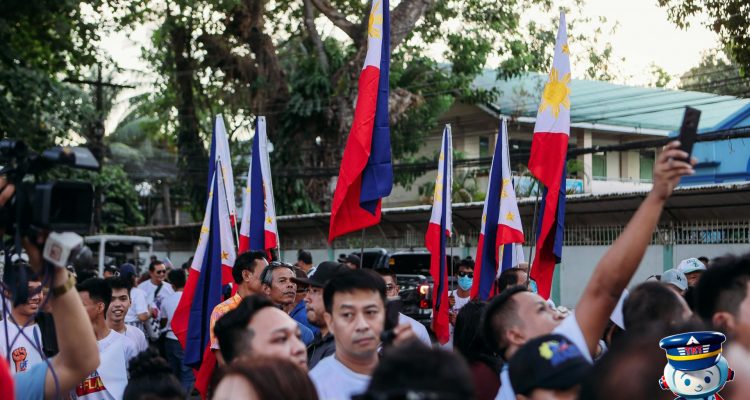
Embracing the Spirit of Independence
I’ve never seen such pride and unity as I did joining the crowd waving flags during Araw ng Kalayaan. The energy on Philippine Independence Day pulses through every city plaza and quiet island town, from the crackle of marching bands to the sea of red, white, blue, and yellow flags. For locals, Araw ng Kalayaan isn’t just a holiday—it’s a celebration of freedom, resilience, and shared identity that’s impossible to ignore, even as a visitor.
Araw ng Kalayaan, or Independence Day, marks the Philippines’ declaration of independence from colonial rule. It’s a day when communities across the islands come alive with parades, street performances, and heartfelt ceremonies. What I love about experiencing this day in the Philippines is how each region brings its own flair—some host grand fireworks over city skylines, while others feature traditional dances or local food fairs in village squares.
If you’re planning to visit, keep your travel plans flexible. Independence Day falls during a peak travel season, and festivities vary from Manila’s grand military parades to laid-back coastal gatherings. I usually recommend checking multiple destinations and adjusting dates to catch the most vibrant celebrations. For tips on planning your trip, see our guide on how to book affordable flights to the Philippines.
Key Moments in Philippine Independence
Philippine Independence Day, or Araw ng Kalayaan, traces its roots to June 12, 1898, when General Emilio Aguinaldo proclaimed the country’s independence from Spanish rule at his home in Kawit, Cavite. The reading of the Act of the Declaration of Independence and the first unfurling of the Philippine flag marked a turning point that continues to shape the nation’s identity.
Several pivotal milestones followed. The 1899 Malolos Constitution established Asia’s first democratic republic, while American occupation after the Spanish-American War delayed true sovereignty. It wasn’t until July 4, 1946, that the Philippines gained full independence from the United States. Today, June 12 remains the symbolic date, celebrated nationwide with parades, flag-raising ceremonies, and vibrant cultural displays.
To connect with this history, I always recommend visiting the Aguinaldo Shrine, where the original declaration took place. When I first stood in front of the Aguinaldo Shrine, I truly felt the weight of history surrounding me. Manila’s National Museum of Fine Arts and Museum of Philippine Political History also offer powerful exhibits that bring these events to life. For more inspiration, check out this guide to the best historical sites in the Philippines.
Manila’s Independence Day Celebrations Guide
Independence Day in Manila transforms the city into a vibrant celebration of Filipino pride and culture. The festivities kick off early at Rizal Park with a grand flag-raising ceremony, where government officials, military bands, and crowds of locals gather in a sea of red, white, blue, and yellow. Cheering with the crowd at Rizal Park made me feel immediately at home, swept up in the sense of unity that fills the capital on June 12.
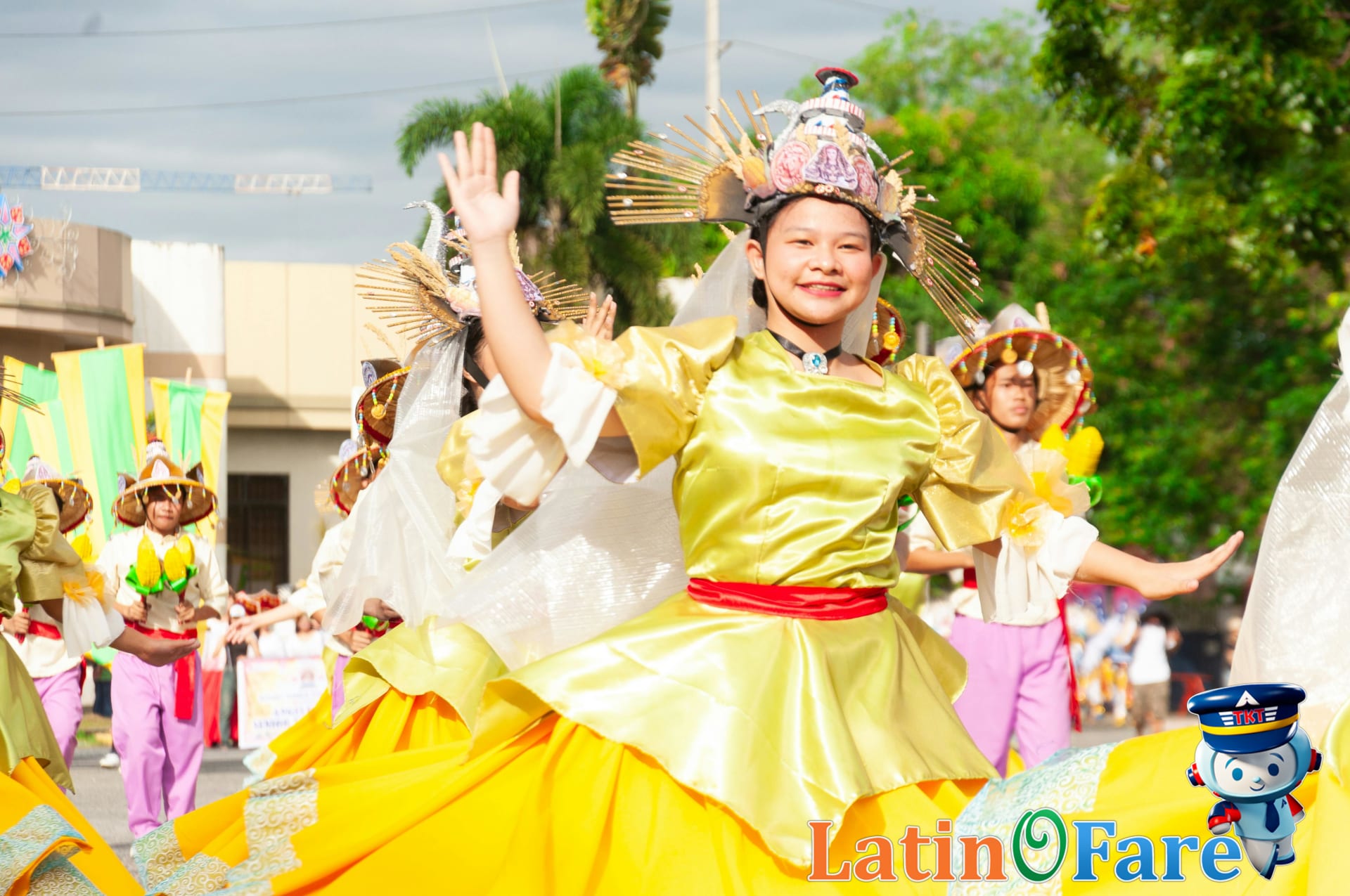
After the flag-raising, stay for the military parade—one of the highlights of the day. You’ll see soldiers in crisp uniforms, floats honoring Philippine history, and traditional dancers in colorful costumes. The energy is contagious, and I always recommend arriving early to get a good spot along the parade route. As the afternoon unfolds, you’ll find open-air concerts in Luneta and other city parks, plus pop-up art shows and food stalls featuring regional Filipino dishes.
As dusk falls, Manila’s night markets come alive with local crafts, street food, and live performances. For first-timers, I’d suggest checking out this Manila travel tips for first-timers guide to help navigate the city’s busy event schedule. Whether you’re a visitor or a local, the capital’s Independence Day festivities are a joyful, unforgettable experience.
Unforgettable Luzon Independence Day Events
Luzon bursts with color and tradition every Araw ng Kalayaan. In Baguio, the city’s lively street dances fill Session Road with music, native costumes, and a contagious energy. Vigan, meanwhile, is known for its stirring historical reenactments—watching these in the cobbled streets was a powerful reminder of the country’s resilient spirit. If you’re after something more intimate, smaller towns across Ilocos and Pampanga host local parades and folk performances that reveal unique regional customs.
One event that really stood out for me was witnessing Vigan’s Independence Day procession at dawn. The blend of heritage costumes, horse-drawn carriages, and heartfelt performances made it feel like stepping back in time. For travelers based in Manila, accessible day trips include heading to Malolos for flag-raising ceremonies or exploring the rich traditions in Cavite’s town plazas. If you’re mapping out your route, the Ultimate Luzon travel itinerary is a handy planning resource.
Heritage Sites and Festivities in the Visayas
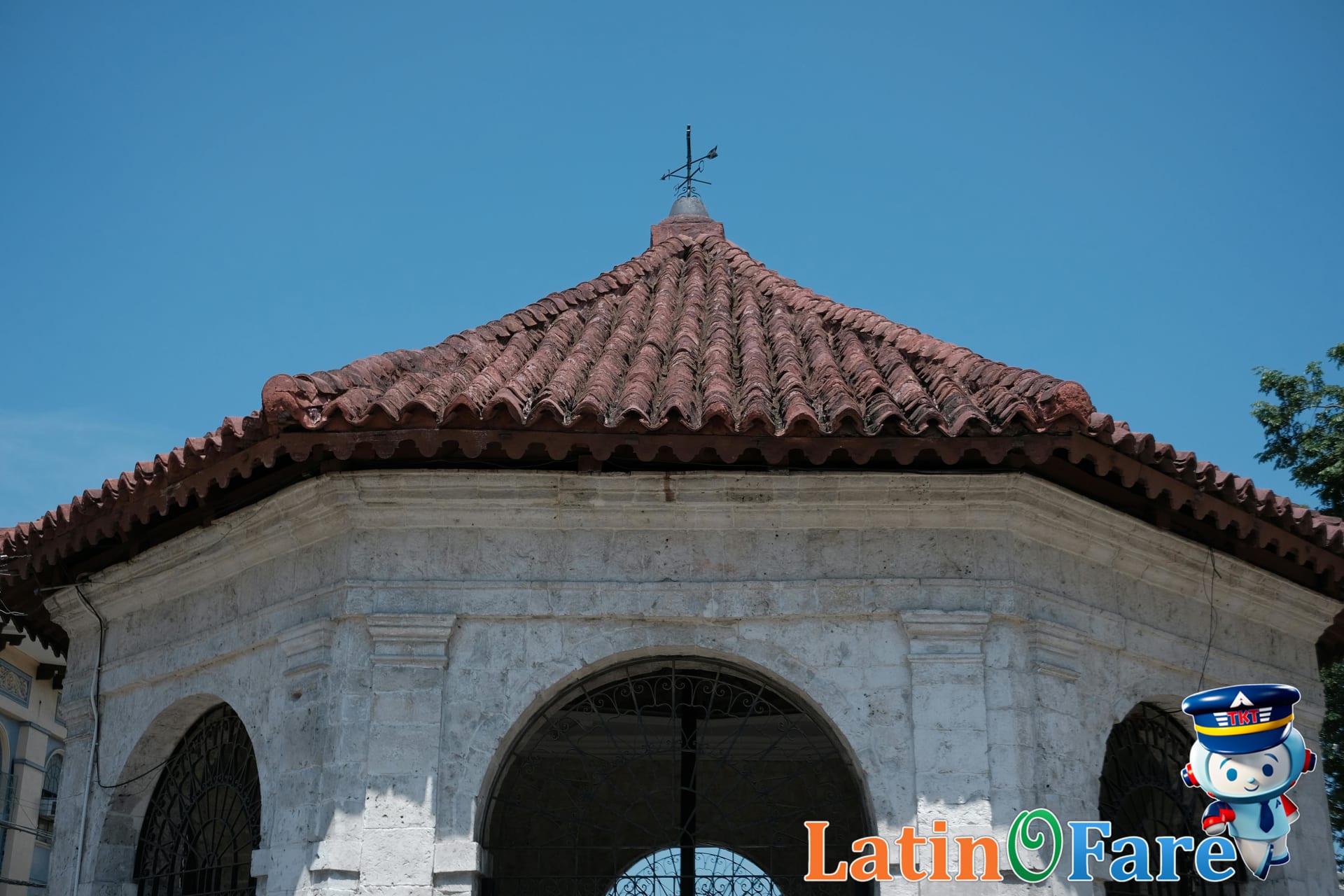
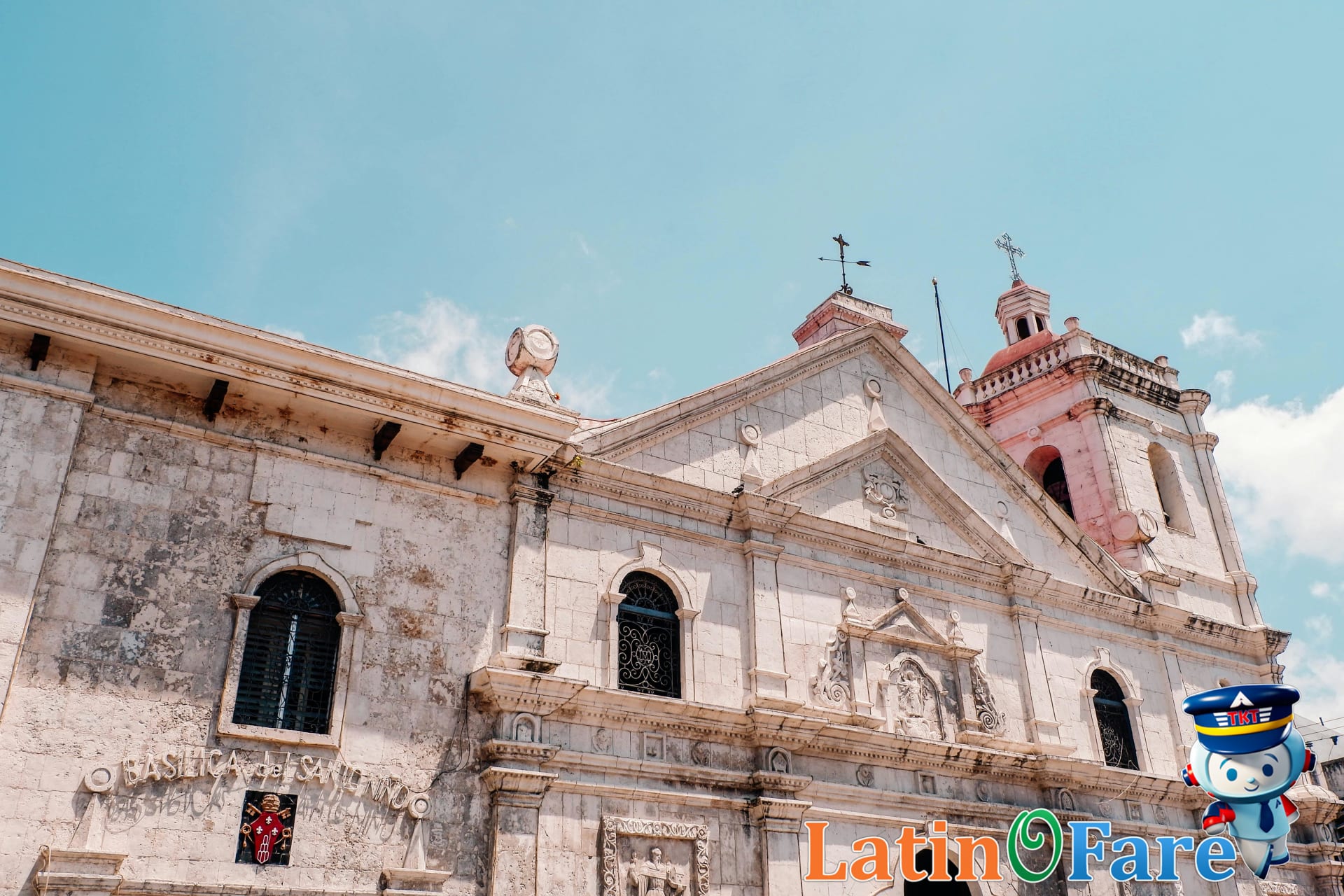
The Visayas region comes alive during Araw ng Kalayaan (Philippine Independence Day), especially in cities like Cebu and Iloilo. You’ll find lively parades winding through historic districts, with locals and visitors gathering around iconic sites like Magellan’s Cross and the centuries-old Basilica Minore del Santo Niño in Cebu. Iloilo, meanwhile, showcases its Spanish-era churches and hosts festive street dances that really highlight Visayan pride.
Joining the crowd in Cebu reminded me how local heritage shapes celebrations—there’s nothing like watching banners wave and hearing the cheers echo off old stone walls. If you want to soak up true community spirit, plan to catch the morning parades or evening cultural shows, often listed on each city’s official tourism board. For more inspiration, check out our Top Visayas destinations guide for other must-sees in the region.
Holiday travel here can get hectic, so I’d recommend mapping out your route well ahead of time. Ferries and flights fill up quickly, especially around June, and accommodations near parade routes are often booked early. Give yourself extra time if you’re connecting between islands or hoping to visit several heritage sites in one trip.
Mindanao Independence Day Highlights
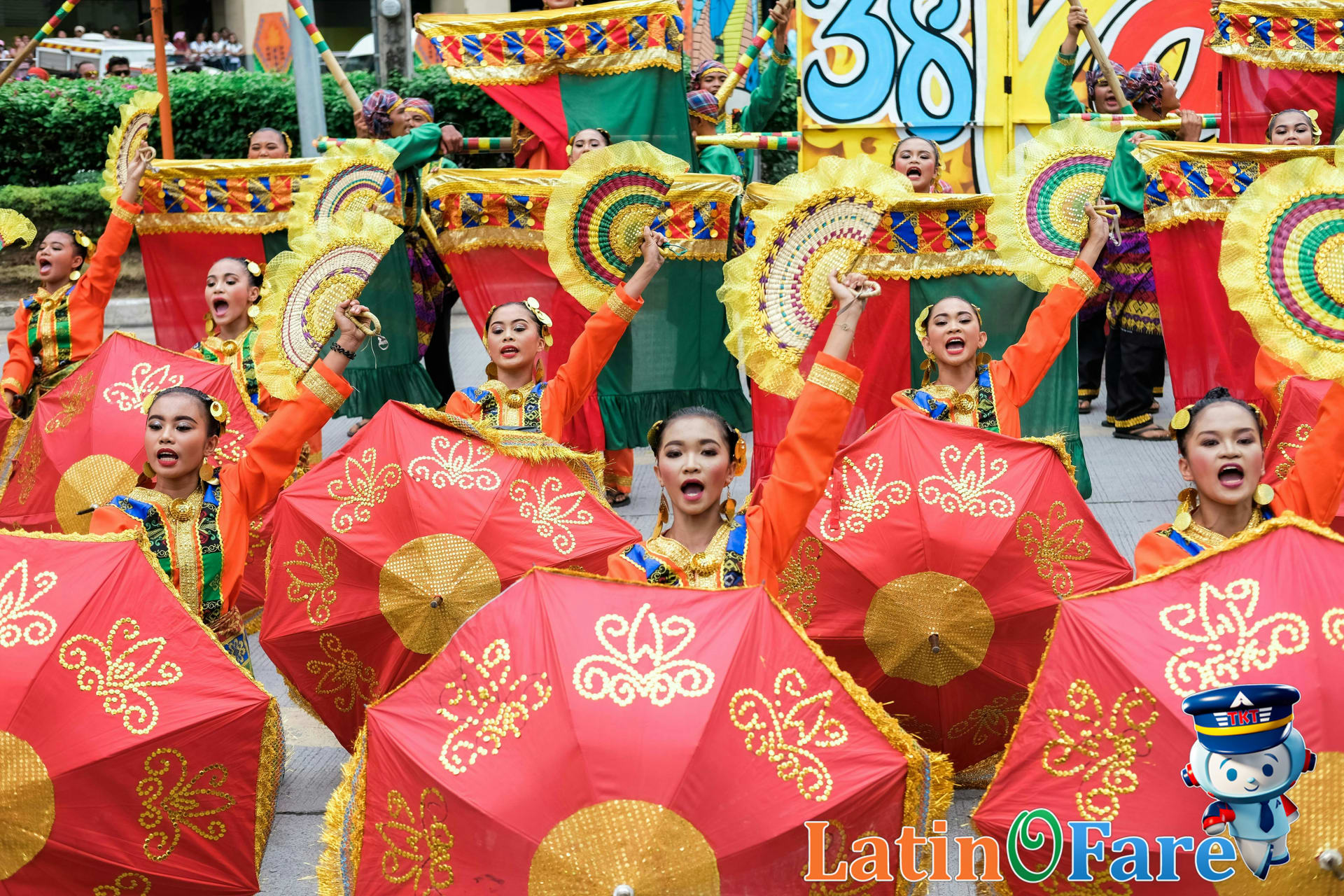
Mindanao’s Independence Day celebrations are a vibrant mix of parades, food fairs, and cultural shows, especially in cities like Davao and Cagayan de Oro. In Davao, the city center comes alive with street performances, traditional dances, and food stalls offering everything from Maranao pastel to Maguindanaon beef rendang. Sampling dishes at Davao’s food fair opened my eyes to the island’s diversity—each community brings its own flavors and customs to the festivities.
Cagayan de Oro hosts lively parades featuring Mindanao’s many ethnic groups in colorful attire, while local bands and dance troupes perform in public squares. These events highlight the region’s multicultural spirit, with indigenous, Muslim, and Christian communities all contributing to the celebration. I’ve learned that showing respect for local etiquette—like greeting elders with a nod and dressing modestly at formal events—goes a long way in Mindanao’s warm, welcoming atmosphere.
If you want deeper context or behind-the-scenes access, I’d recommend joining a guided tour. Local guides not only explain the symbolism behind rituals but also help travelers navigate Mindanao’s unique customs. For more details on planning your visit, check out our Mindanao travel guide.
Flavors and Traditions of Independence Day
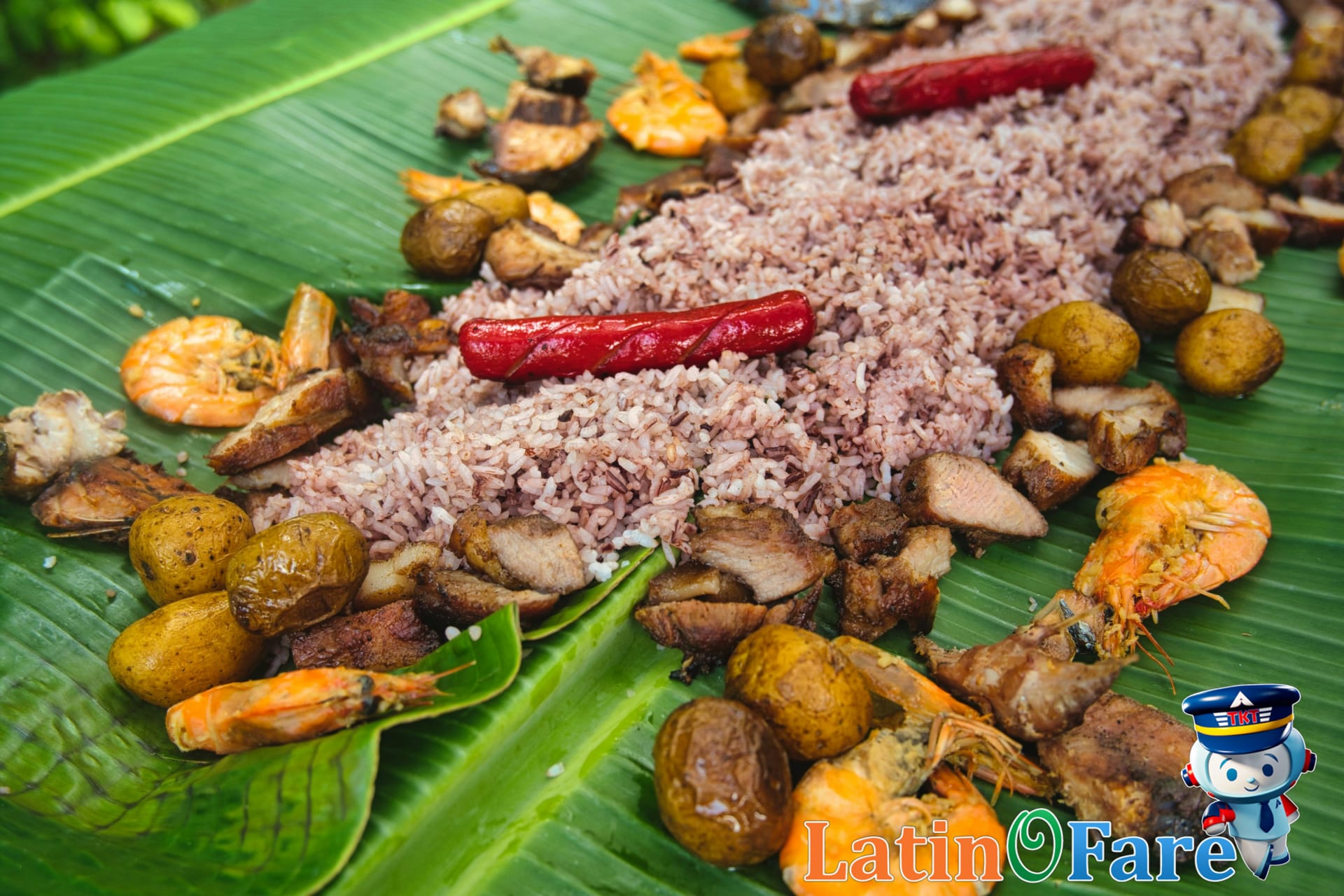
Filipino Independence Day isn’t just about parades and pageantry—it’s a feast for the senses. You’ll find classic dishes like lechon (roast pig), pancit (noodles for long life), and a tempting spread of kakanin (sticky rice sweets) at nearly every celebration. Tasting lechon with locals during the parade was a highlight of my trip; the crispy skin and savory meat are unforgettable.
To dive deeper into the food scene, check out local markets and pop-up stalls that spring up for Araw ng Kalayaan. These are the best places to sample authentic flavors, from lumpia (spring rolls) to halo-halo (shaved ice dessert). Don’t be shy about joining in—sharing food at communal tables is one of the easiest ways to connect with new friends and hear stories about Filipino history and pride.
Music and arts are woven into the festivities, with live folk dance performances and open-air art displays near major plazas. If you want to eat affordably amid the excitement, I’d recommend focusing on street food stalls—they offer generous portions at a fraction of restaurant prices. For more ideas, take a look at our Guide to Filipino street food for tips on what to try and where to find it.
Planning Your Trip: What to Budget
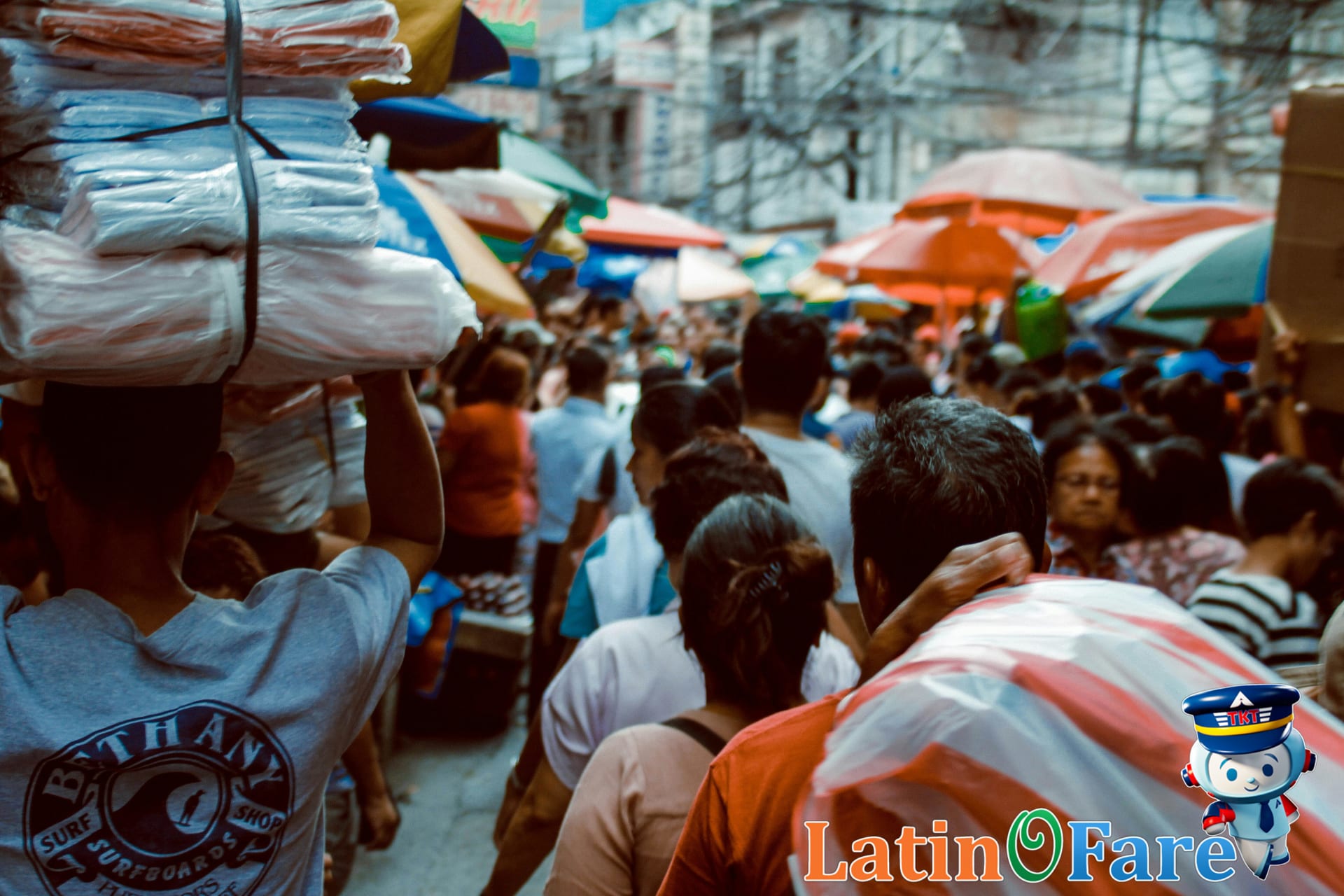
Budgeting for Araw ng Kalayaan in the Philippines can be straightforward if you break it down by travel style. Here’s a look at what you can expect to spend, whether you’re keeping costs low, opting for a bit of comfort, or going all out. I learned the hard way that booking my hotel just a week ahead meant I missed out on the best rates—planning early really does pay off.
| Budget | Mid-range | Luxury | |
|---|---|---|---|
| Accommodation | $25.00 | $80.00 | $220.00 |
| Food | $10.00 | $30.00 | $75.00 |
| Transport | $6.00 | $20.00 | $60.00 |
| Activities | $8.00 | $25.00 | $65.00 |
Here’s what those tiers mean: Budget travelers can expect simple guesthouses, street food, and public transport. Mid-range includes 3-star hotels, restaurant meals, and taxis. Luxury means high-end hotels, fine dining, and private cars. Remember, special events and guided tours during Independence Day can add extra costs, so set aside funds for souvenirs and festival activities—about $20.00 for a guided walking tour or $15.00 for local crafts is typical.
For flights and hotels, booking early through latinofare.com is a smart way to lock in lower fares, especially around peak dates. They often feature exclusive Araw ng Kalayaan deals on their discount flights page, so it’s worth checking both online and by phone. Planning ahead for gifts and extra experiences also helps you avoid last-minute splurges.
FAQs: Exploring Araw ng Kalayaan
- What are the best places in the Philippines to celebrate Araw ng Kalayaan?
Manila, especially Luneta Park, is a top spot for Independence Day festivities with parades and flag-raising ceremonies. Smaller cities like Kawit, Cavite—where the Philippine Declaration of Independence was proclaimed—also hold vibrant events. I found that joining celebrations in these historic locations really adds meaning to the experience.
- What customs should foreign travelers know for Araw ng Kalayaan?
Foreign travelers should stand and show respect during the national anthem and flag ceremonies. Wearing modest clothing in public events is recommended. Locals often display the Philippine flag at home or on vehicles. Participating in community programs or watching cultural performances is a great way to connect respectfully.
- Are there any safety tips for visiting during peak Independence Day season?
Expect large crowds at major sites, so keep an eye on your belongings and use official transport options when possible. Stay hydrated, especially during outdoor events, and monitor local news for updates on road closures or weather. Booking accommodations in advance is wise since hotels fill up quickly around June 12.
- How can I book the cheapest flights for Araw ng Kalayaan?
Book flights several weeks ahead and consider flying midweek for better fares. Using flexible dates and searching early can help you spot lower prices. I also suggest checking the cheap flight deals page on latinofare.com for current Independence Day discounts and flexible booking options.
- Can visitors join local community festivities during Araw ng Kalayaan?
Yes, visitors are welcome at public events like parades, concerts, and fairs. Just be respectful of local customs and follow instructions from event organizers. Many towns host open-air celebrations and food stalls. Joining these activities is a memorable way to experience Filipino hospitality and national pride firsthand.
- How can I save money with LatinoFare for Independence Day trips?
Look for seasonal promos and last-minute offers on latinofare.com. Booking roundtrip flights or choosing flexible travel dates can also lower costs. Their customer support team can help you find affordable options, especially if you need to adjust your plans close to Araw ng Kalayaan.
Celebrating Unity: Reflections and Final Tips
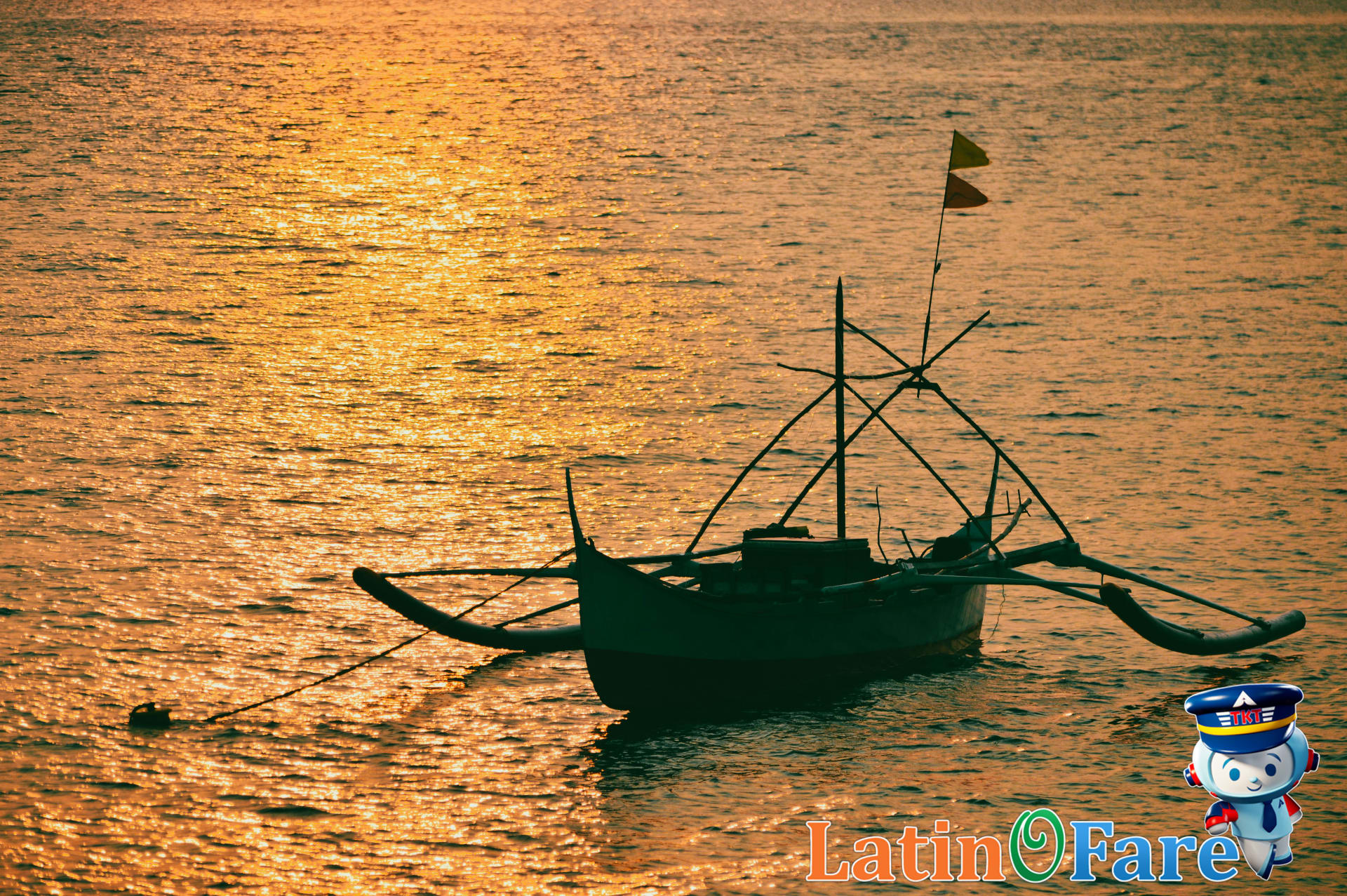
As Araw ng Kalayaan unfolds across the Philippines, it’s hard not to be moved by the sense of unity and national pride that fills the air. I found that joining the celebrations—whether at a bustling city parade or a quiet seaside flag-raising—brought genuine moments of connection with locals and fellow travelers alike. The most rewarding insight for me was that the heart of Independence Day isn’t found in grand spectacles, but in the warmth of shared stories and the simple act of coming together.
If you’re planning your own visit, I’d recommend arriving early and joining at least one local event. It’s in these smaller gatherings where you’ll truly feel welcomed and leave with memories that last well beyond your trip. For more inspiration on immersing yourself in Filipino culture, check out our roundup of Filipino festivals and cultural events—there’s always something new to discover.