

Unlocking VAT Refund Savings Abroad

There’s a special thrill in shopping while traveling—finding unique pieces, snagging deals, and bringing home something you can’t get anywhere else. But I’ll admit, I’ve felt that sting after realizing I left money on the table by not claiming a VAT refund. It’s one of those things you only learn about after you’ve already missed your chance.
If you’ve ever come home and discovered you could’ve saved a chunk of change on those purchases, you’re not alone. Many travelers are surprised to learn that Value Added Tax (VAT) refunds are available in many countries, but the process can seem complicated or easy to overlook in the excitement of a trip. This guide is here to make sure that doesn’t happen again. I’ll walk you through the steps you need to take, so you can keep more of your hard-earned money the next time you shop abroad—no more missed opportunities.
If you’re also looking for practical ways to stretch your travel budget, I recommend checking out latinofare.com’s guide on saving money when booking flights—it’s packed with tips that pair perfectly with VAT refund strategies.
What VAT Means For International Shoppers

Value Added Tax, or VAT, is a consumption tax added to most goods and services in many countries around the world. Its main purpose is to generate revenue for governments, and it’s built into the price you see on the shelf rather than added at the register. VAT is different from sales tax in that it’s charged at each step of the supply chain, not just at the point of sale.
When you’re shopping abroad, especially in places like Europe, you’ll often pay VAT upfront—sometimes at rates as high as 20% in France or Germany. In contrast, some Asian countries like Japan have lower VAT (or consumption tax) rates, around 10%. The rules and processes for refunds vary widely. I remember feeling completely lost the first time I tried to claim a VAT refund in Spain, only to realize the paperwork and requirements were nothing like what I’d read about in France.
Understanding these differences matters because not every country offers VAT refunds to tourists, and even where they do, the process can be confusing. For example, in the UK, tourists may be eligible for a refund on certain purchases, but in the United States, there’s no federal VAT system at all. If you’re planning a shopping-heavy trip, it’s worth checking out destination-specific guides—like the Europe travel tips on latinofare.com—to avoid surprises. For up-to-date VAT rates worldwide, the EU’s official VAT refund page is a reliable resource.
Who Qualifies For VAT Refunds Abroad
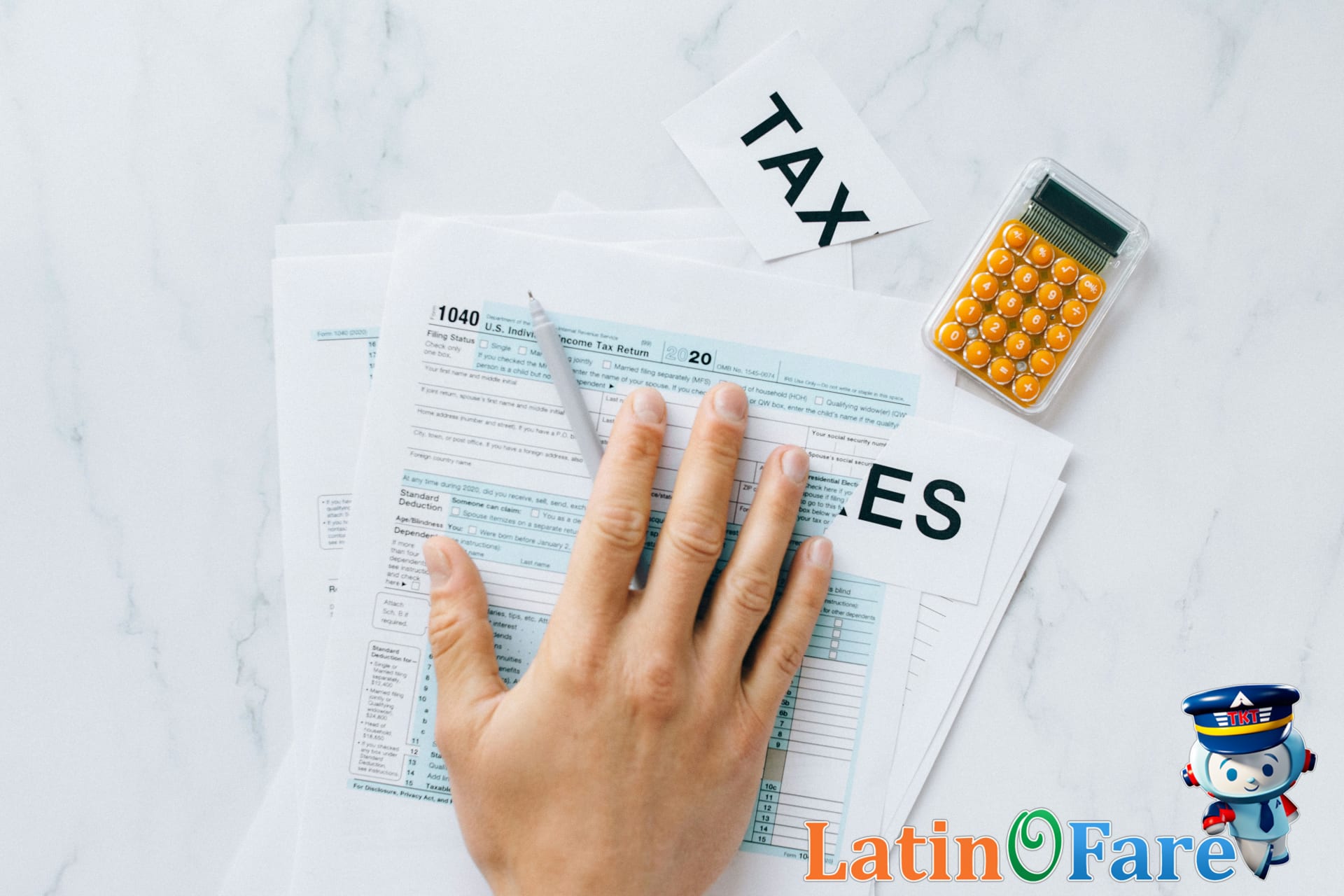
Not every traveler can claim a VAT refund, so it’s worth double-checking the rules before you start shopping. Most countries require you to be a non-resident (often proven by your passport), and you’ll need to export your purchases unused within a set timeframe—sometimes within three months of purchase. There’s also usually a minimum spend per store, which can catch people out. For example, some European countries require you to spend about $120.00 in one transaction to qualify.
One lesson I learned the hard way: always keep every single receipt. Missing even one can mean losing out on your refund entirely. Common pitfalls include forgetting to ask for a tax-free form at checkout, not meeting the minimum purchase threshold, or failing to get your documents stamped at the airport before departure. Residency status is another area where travelers slip up—if you’re working or studying long-term abroad, you might not qualify as a tourist for VAT purposes.
Before your next trip, you might want to review the latinofare.com guide on international travel requirements, since VAT eligibility often overlaps with entry and exit documentation.
Step-By-Step VAT Refund Process
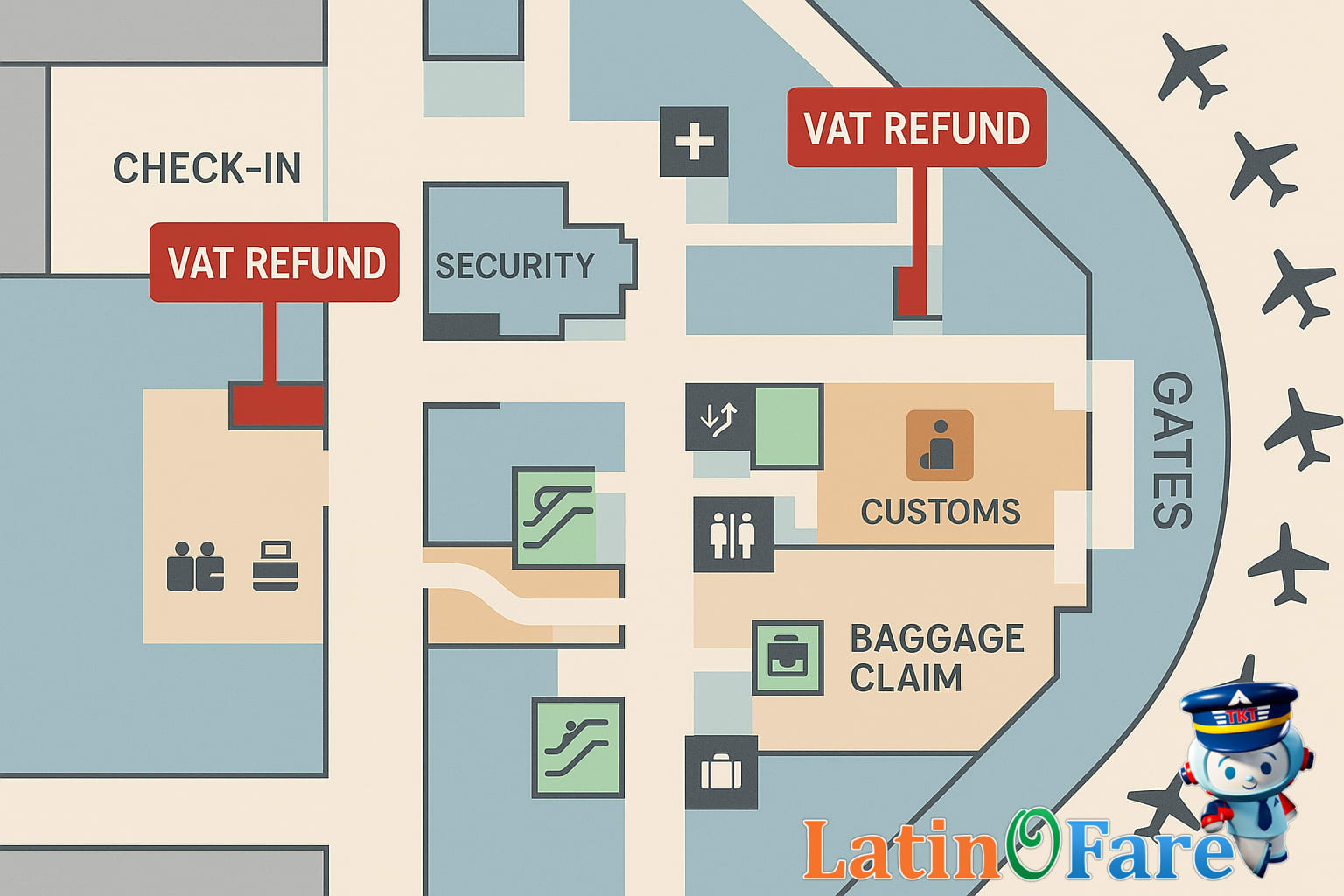
The VAT refund process can feel daunting, but breaking it down step by step helps keep things manageable. Start by asking the cashier for a VAT or tax-free form at the point of purchase—most major retailers in Europe and other VAT-refund countries are familiar with the process. Double-check that your name, passport number, and total purchase amount are filled in correctly on the form, and keep both the original receipt and the VAT form together. I always make sure to stash these documents in a dedicated envelope in my carry-on to avoid any last-minute scrambling.
Before heading to the airport, gather all your VAT forms, receipts, your passport, and the actual goods you bought (unused and ready for inspection). At the airport, the first real test is getting your paperwork validated by customs. This usually means joining a queue at the customs desk before you check in your luggage. I’ve definitely felt my nerves spike while waiting in those lines, especially when there’s a crowd and the clock is ticking toward my flight time. Customs may ask to see your purchases, so keep them accessible.
Once your forms are stamped, follow signs to the VAT refund counters—these are usually just past security or in the departures area. Present your validated paperwork and passport to the staff. Some airports offer cash refunds, while others process them back to your credit card. If you want a more detailed breakdown of what to pack or how to plan your airport routine, check out our travel checklist article for smooth departures.
Essential Documents For VAT Refunds
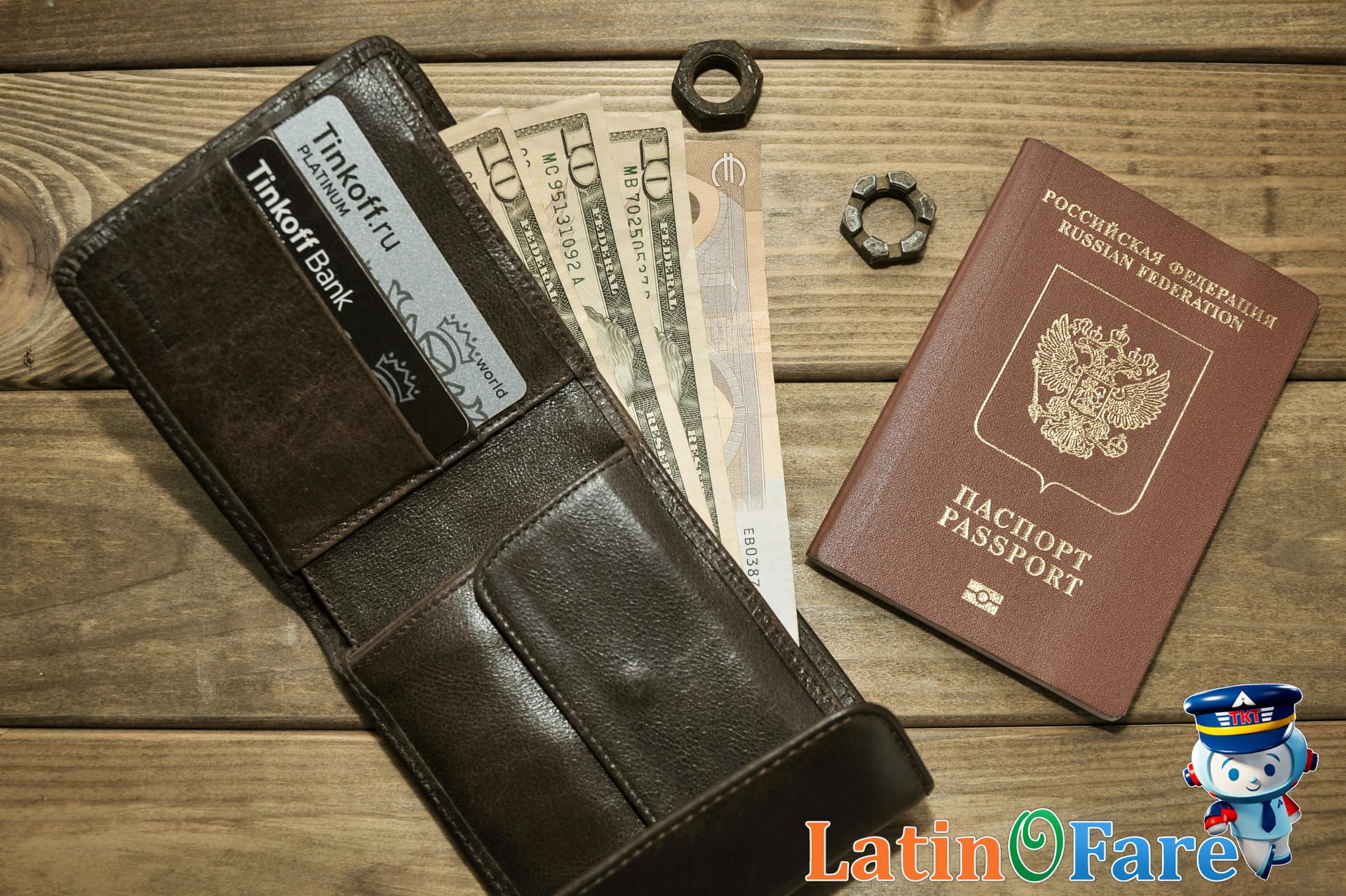
When preparing to claim a VAT refund, you’ll need a short but crucial list of documents. First, always have your passport handy—customs will want to verify you’re a non-resident. Your travel itinerary (flight confirmation or boarding pass) is also necessary to show your departure plans. Detailed receipts for each eligible purchase are a must; make sure they clearly show VAT paid and the retailer’s information. Many stores will provide a VAT refund form at checkout, so keep these organized. And, of course, you must present the actual goods you bought; customs officers often need to see the items before stamping your forms.
One of the biggest mistakes I nearly made was packing my VAT-eligible purchases in my checked luggage. If your goods aren’t with you in your carry-on at customs, you risk missing your refund. I always remind friends to double-check their bags before heading to the airport. For more tips on packing, check out the carry-on guide from latinofare.com for stress-free travel days.
How Airport Customs and Refund Counters Work

Getting your VAT refund at the airport usually involves a few critical steps—and it’s not always as quick as you’d expect. After checking in for your flight, you’ll need to visit the customs desk before security. Here, an officer will review your receipts, verify your passport, and sometimes ask to see the goods you’re claiming. I’ve seen travelers caught off guard by long lines, especially during peak travel hours, so it’s wise to allow extra time.
Once customs stamps your paperwork, you’ll take it to the refund provider’s counter—often a separate line in the departures area. Be ready to wait again, as these lines can move slowly if there are lots of claims. Common issues that delay refunds include missing receipts, incomplete forms, or not having the purchased items on hand for inspection. Claims may be denied if your documents aren’t in order or if customs suspects you’ve already used the goods.
If you want the most up-to-date process for a specific airport, I recommend checking that airport’s official VAT refund guidance online before your trip.
How Refund Providers Like Global Blue Work

Most travelers claiming VAT refunds in Europe end up using companies like Global Blue or Premier Tax Free. These providers handle paperwork and pay out refunds, but they don’t do it for free. In my experience, I was surprised at how much the processing fee took out of my refund—it was a lot more than I expected.
When you choose between a cash or credit card payout, both options come with fees, but cash usually comes with higher deductions and less favorable exchange rates. Credit card refunds tend to be slightly higher and easier to track once you’re home, though they can take several weeks to appear. Always check the provider’s fee schedule—these are often posted at the counter or on their official sites (Global Blue, Premier Tax Free). Unexpected deductions for service charges, minimum purchase thresholds, or currency conversion can eat into your refund more than you realize.
If you’re curious about how these companies stack up, I’d love to see a future resource comparing all the main providers in one place. For now, just remember that the convenience comes at a cost, and reading the fine print can save you from disappointment.
How To Avoid VAT Refund Mistakes
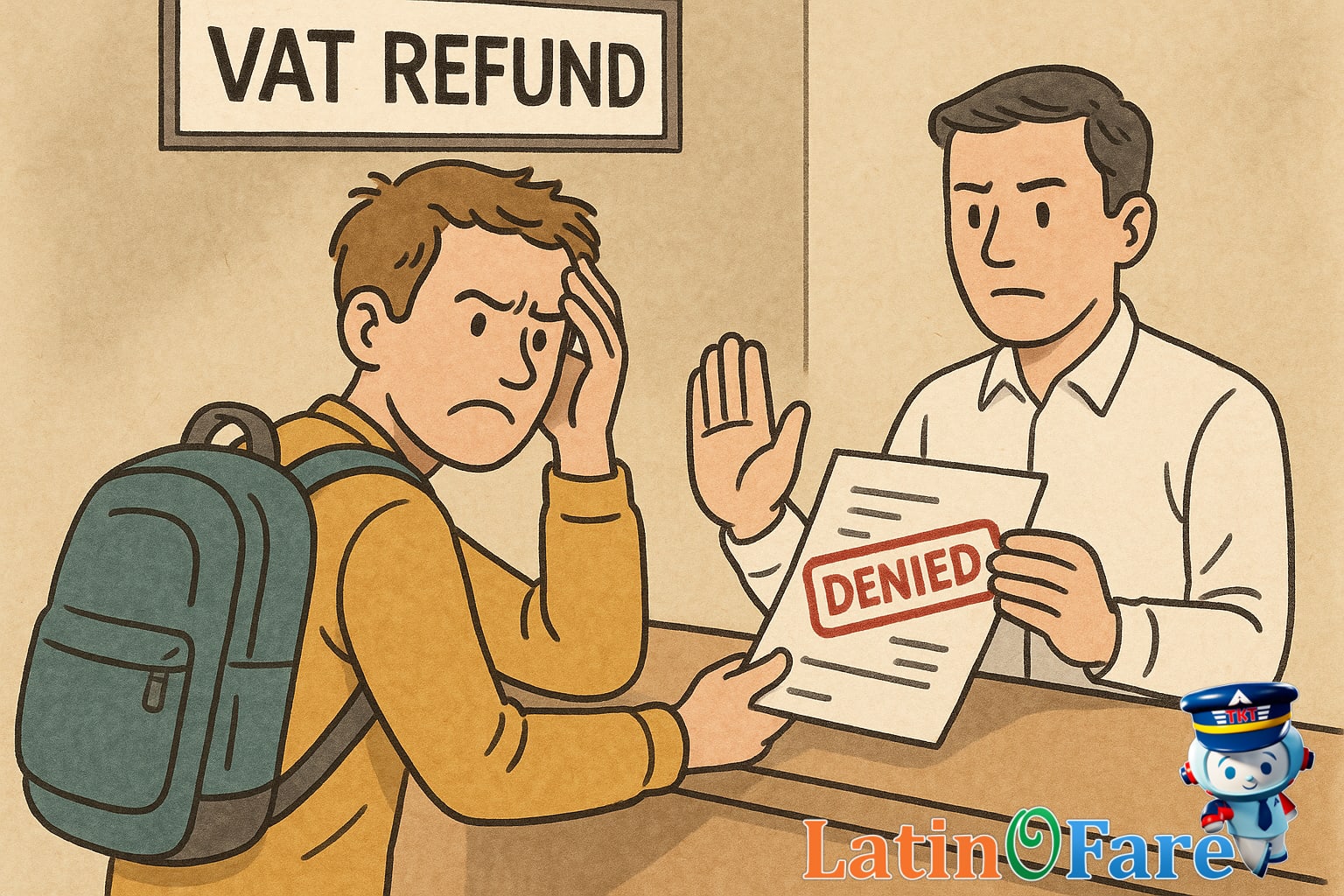
VAT refund claims can unravel fast if you overlook the basics. I once missed out on a refund simply because I put receipts in my checked bag—by the time I realized, it was too late at customs. Here’s a quick checklist of the most common mistakes and how to sidestep them:
- Missing forms: Always get the official VAT refund form from the retailer at the time of purchase. Don’t assume you can download it later.
- Checked luggage: Keep all refund-eligible goods and paperwork in your carry-on, since customs may need to inspect them before departure.
- Ineligible items: Not everything qualifies—double-check each store’s policy and ask if your purchase is VAT-refundable before you pay.
- Missed deadlines: Refund desks often require you to claim before leaving the country. Don’t wait until the last minute at the airport.
Treat this as a travel checkpoint, not a last-minute scramble. Missing one detail can cost you the entire refund.
VAT Refund Processing and Deductions
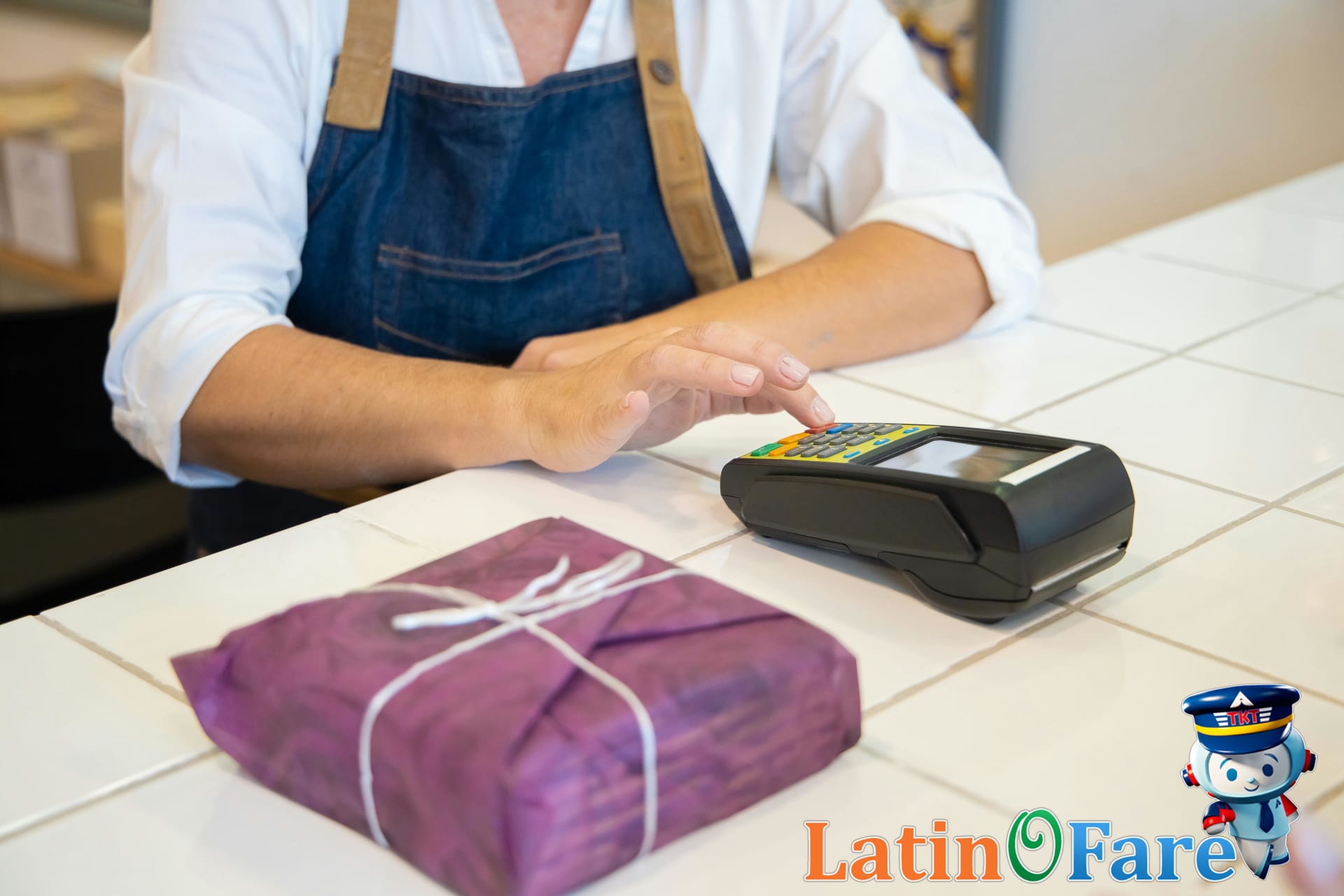
Waiting for your VAT refund can test anyone’s patience. On average, cash refunds at the airport are processed immediately, but card refunds usually take anywhere from a few weeks up to several months to land in your account. It’s common for providers to deduct handling fees—often about $5.00 per transaction—and sometimes a percentage of your total refund, depending on the country and refund agent. These deductions cover administrative costs and payment processing, so your final refund will often be a bit less than the original VAT amount.
I once had a refund that didn’t show up for over two months, and tracking it online gave me some peace of mind. Most major VAT refund companies offer tracking tools—check your receipt for a reference number and use their portal or app to follow your claim’s status. If your refund is delayed beyond the expected timeframe, it’s worth reaching out to the provider directly. For example, you can track your Global Blue refund at their official tracker.
Budget Table: VAT Refund Savings Impact
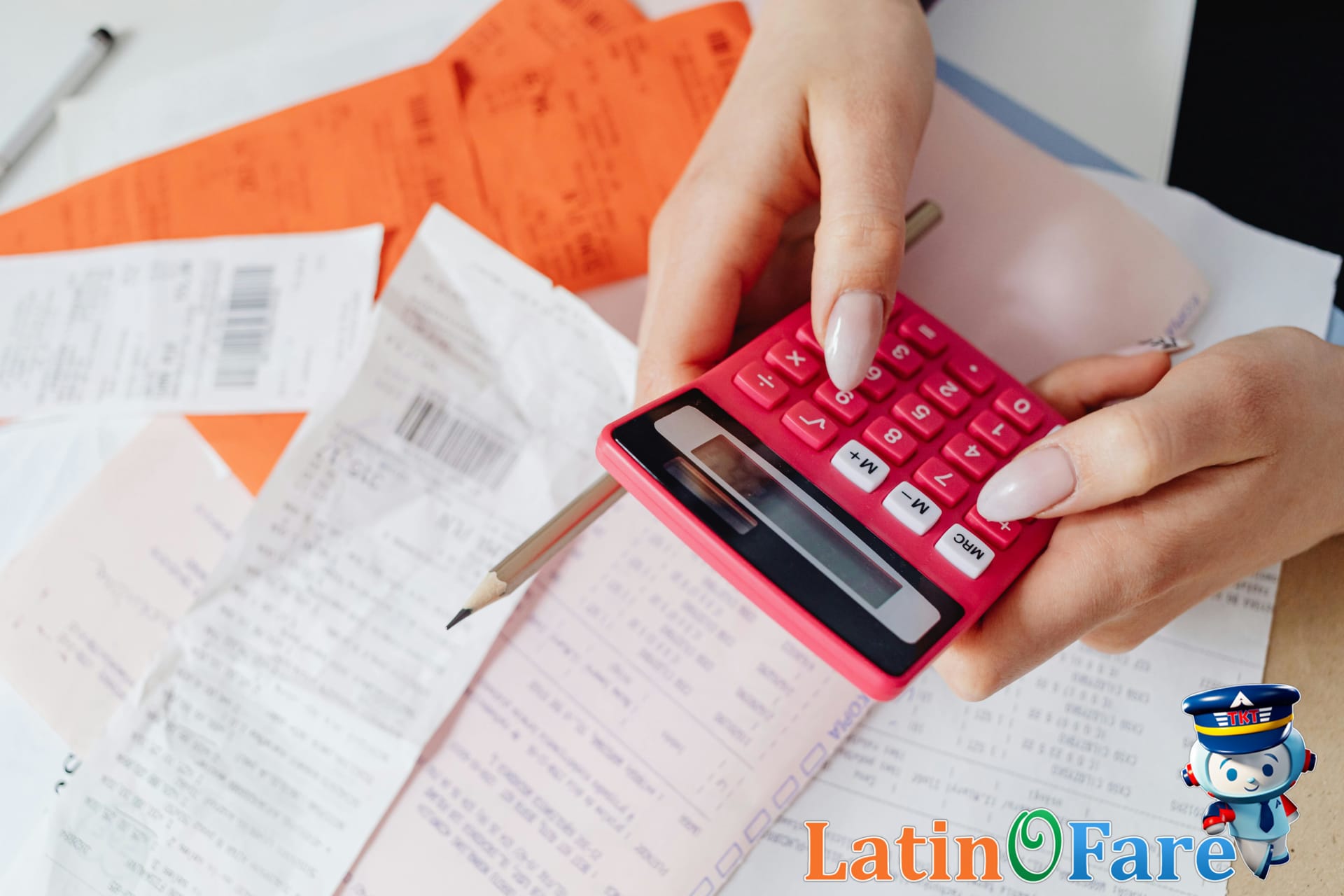
It’s easy to overlook just how much VAT refunds can stretch your travel budget, so I’ve put together a simple table that shows potential savings at three spending levels. This breakdown covers accommodation, food, transport, activities, and an example VAT refund from shopping. I remember being genuinely surprised the first time a VAT refund noticeably offset my trip expenses—it really can make a difference, especially if you shop abroad.
| Accommodation | Food | Transport | Activities | Example VAT Refund | |
|---|---|---|---|---|---|
| Budget | $50.00 | $20.00 | $15.00 | $10.00 | $25.00 |
| Mid-range | $120.00 | $40.00 | $35.00 | $30.00 | $60.00 |
| Luxury | $300.00 | $90.00 | $80.00 | $100.00 | $200.00 |
As you can see, VAT refunds can shave off a noticeable chunk of your total trip costs, especially in the mid-range and luxury tiers. Even at the budget level, that extra $25.00 can go toward a memorable meal or local experience. If you’re looking for more ways to balance your travel budget, check out the travel budgeting and flight savings advice on latinofare.com.
FAQ About VAT Refunds Abroad
- Who is eligible for a VAT refund when shopping abroad?
Most travelers who are not residents of the country where they make purchases are eligible for a VAT refund, as long as they export the goods unused. For example, if you’re a U.S. resident shopping in Europe, you can often claim a refund. Always check local rules before you shop.
- What documents do I need for my VAT refund?
You’ll typically need your original receipts, a completed VAT refund form from the retailer, your passport, and sometimes proof of travel, like your boarding pass. I always suggest double-checking requirements, since some countries may also ask for a customs stamp on your documents at departure.
- How do I claim a VAT refund at the airport?
To claim your VAT refund at the airport, bring your purchases, receipts, and completed forms to the customs desk before checking your luggage. Get your documents stamped. Then proceed to the VAT refund counter or kiosk to submit your paperwork and choose your refund method—cash or credit card.
- Are all purchases made abroad eligible for VAT refunds?
Not every purchase qualifies for a VAT refund. Items must usually be unused, exported within a certain timeframe, and bought from participating retailers. For instance, services, food, and some sale items are often excluded. I used to wonder if souvenirs counted—so always ask before buying or check retailer signage.
- How long does it take to receive my VAT refund?
The time to receive your VAT refund varies. If you opt for cash at the airport, you get it immediately. If you choose a credit card refund or use a processing company, it can take several weeks. Keep your paperwork until the refund appears, just in case follow-up is needed.
- How do companies like Global Blue work?
Global Blue and similar companies act as intermediaries, handling VAT refund paperwork for travelers and retailers. You get a special refund form at the store, then process it at the airport. They charge a service fee, which is deducted from your refund, making the process more streamlined for travelers.
- Can I get my VAT refund in U.S. dollars?
Some VAT refund providers offer payment in U.S. dollars, but it’s not always guaranteed. At airports, cash refunds are often in local currency. Credit card refunds may convert to dollars, depending on your card issuer. I’d ask at the refund counter which currency options are available before finalizing.
How VAT Refunds Boost Your Budget
Looking back, I was genuinely surprised by how much VAT refunds stretched my travel budget—money I’d have otherwise left behind. After seeing the difference firsthand, I’ve promised myself never to skip the process again, even if it means a bit of extra paperwork at the airport. If you’re eager to make every dollar count, I’d recommend checking out the booking tools and travel tips on latinofare.com for more ways to save. Planning ahead for VAT claims can turn a routine shopping splurge into real travel savings.