Why Oktoberfest Planning Matters
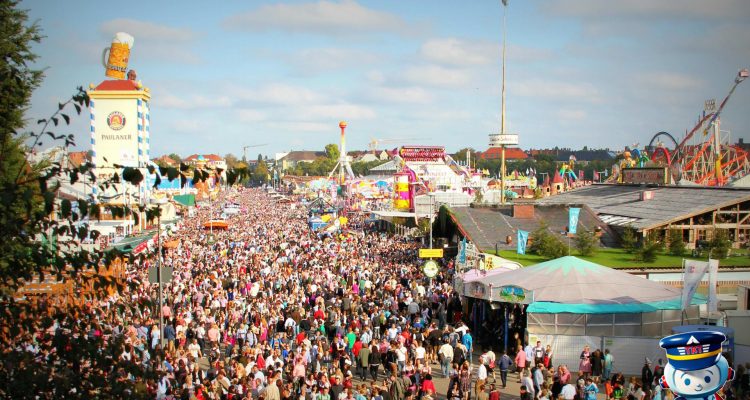
Munich’s Oktoberfest is more than just a beer festival—it’s a celebration with roots stretching back to 1810, drawing millions from around the world each fall. The energy is contagious: giant tents buzz with lively music, locals and visitors raise steins in unison, and the whole city feels like it’s hosting a massive party. I’ve always been fascinated by the energy and camaraderie at Oktoberfest, and researching the traditions only adds to the anticipation.
With so much excitement, it’s no surprise that crowds can be overwhelming, especially on weekends. Hotels fill up quickly, and flights to Munich get snapped up months in advance. For anyone hoping to experience Oktoberfest’s legendary atmosphere, planning ahead isn’t just smart—it’s essential. Booking flights and accommodations early can make all the difference, and reserving a spot in one of the famous beer tents is key if you want a guaranteed seat.
If you’re looking for step-by-step advice on saving money when booking your trip, check out the airfare savings guide from latinofare.com for practical tips.
Munich Oktoberfest Festival Basics
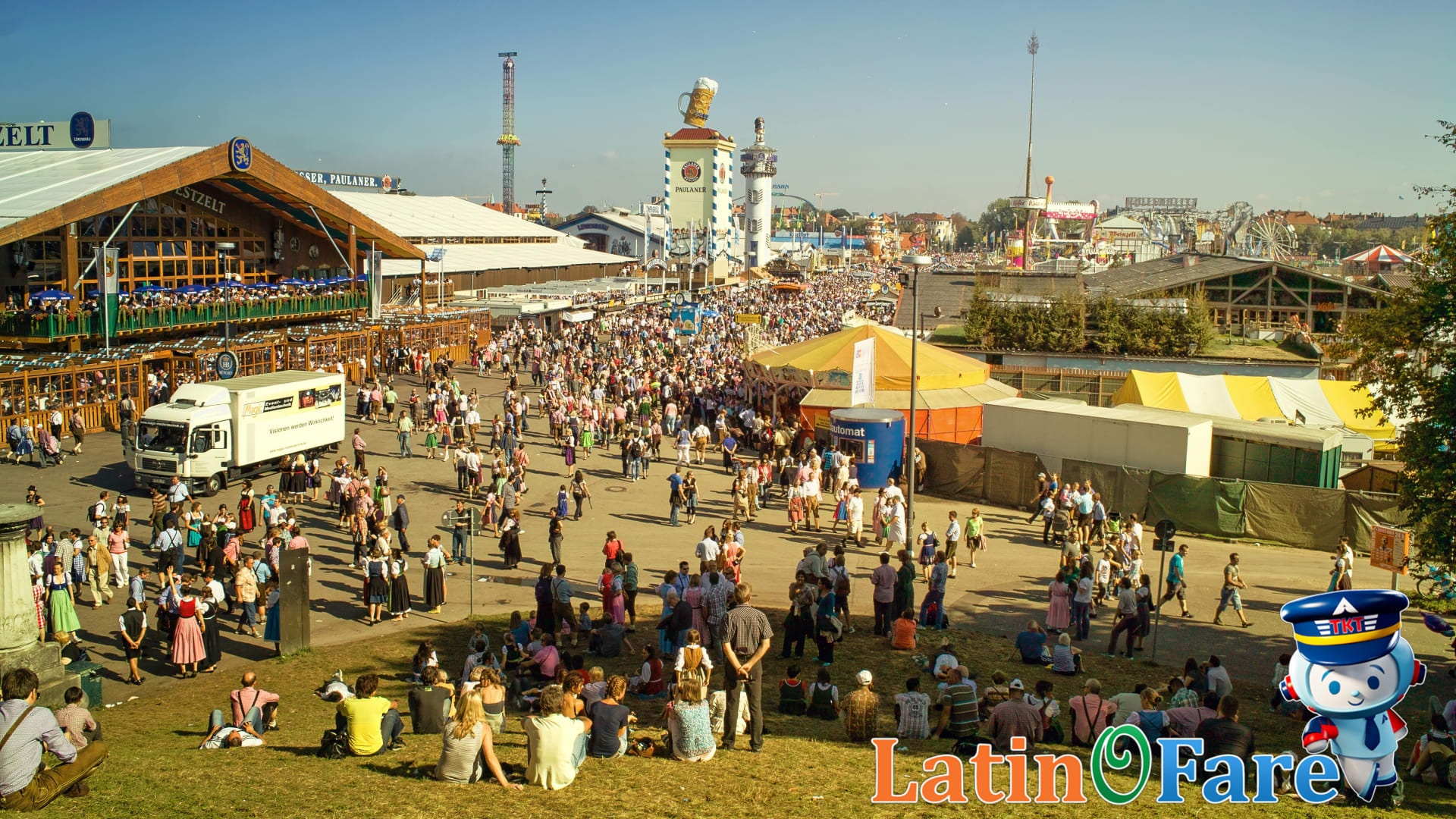
This year, Munich’s Oktoberfest will run from September 19 to October 4, 2026, according to the official festival site. The event unfolds on the Theresienwiese, a huge open space just southwest of Munich’s city center. When I first stepped onto these grounds, the sheer scale—massive beer tents, carnival rides, and a sea of people in traditional dress—made me realize just how legendary Oktoberfest really is.
The Theresienwiese transforms into a vibrant, bustling fairground, with more than a dozen grand beer tents, food stalls, and rides stretching as far as you can see. People from all over the world, from families with young kids to groups of friends and seasoned locals, gather here to celebrate. The vibe is energetic but surprisingly welcoming, and there’s a sense of shared excitement as you wander through the crowds.
Safety and accessibility are well managed: security staff are visible, first aid stations are easy to find, and there’s plenty of signage in English and German. I noticed that families and first-time visitors often feel at ease, thanks to the festival’s organized layout and friendly staff. If you want more context on what Munich itself offers outside the festival, I’d recommend checking out this general Munich travel guide for background.
How To Choose The Best Beer Tents
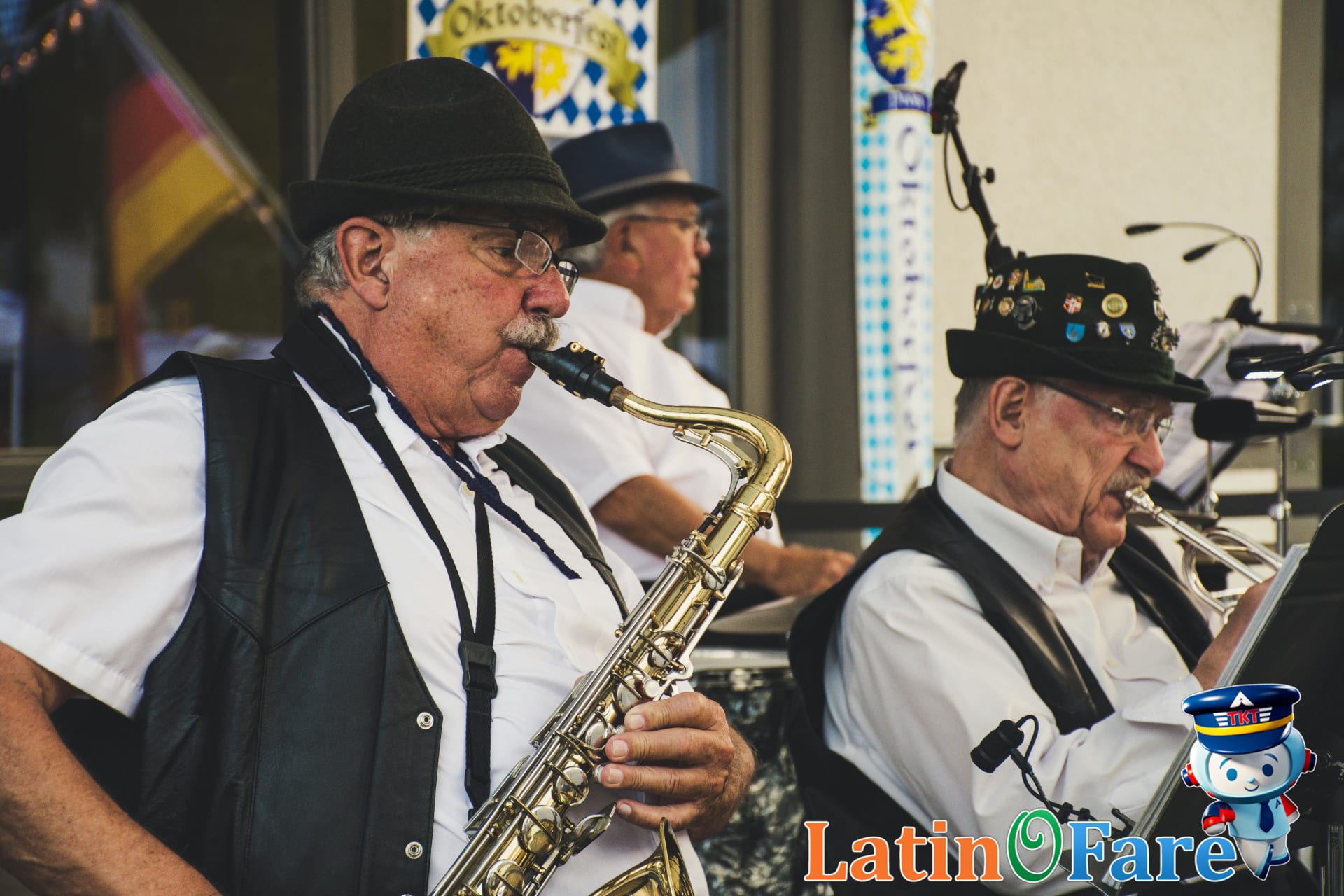
With so many beer tents at Oktoberfest, picking the right one can shape your entire experience. Some tents are all about tradition, while others are known for their lively party scenes or family-friendly vibes. If I had to choose just one, Schottenhamel would be my top pick for its young, energetic crowd and the fact that it’s where Oktoberfest officially kicks off each year.
Top Beer Tents To Visit
- Hofbräu Festzelt: Famous for its international party atmosphere and standing area, it’s a magnet for first-timers and groups of friends.
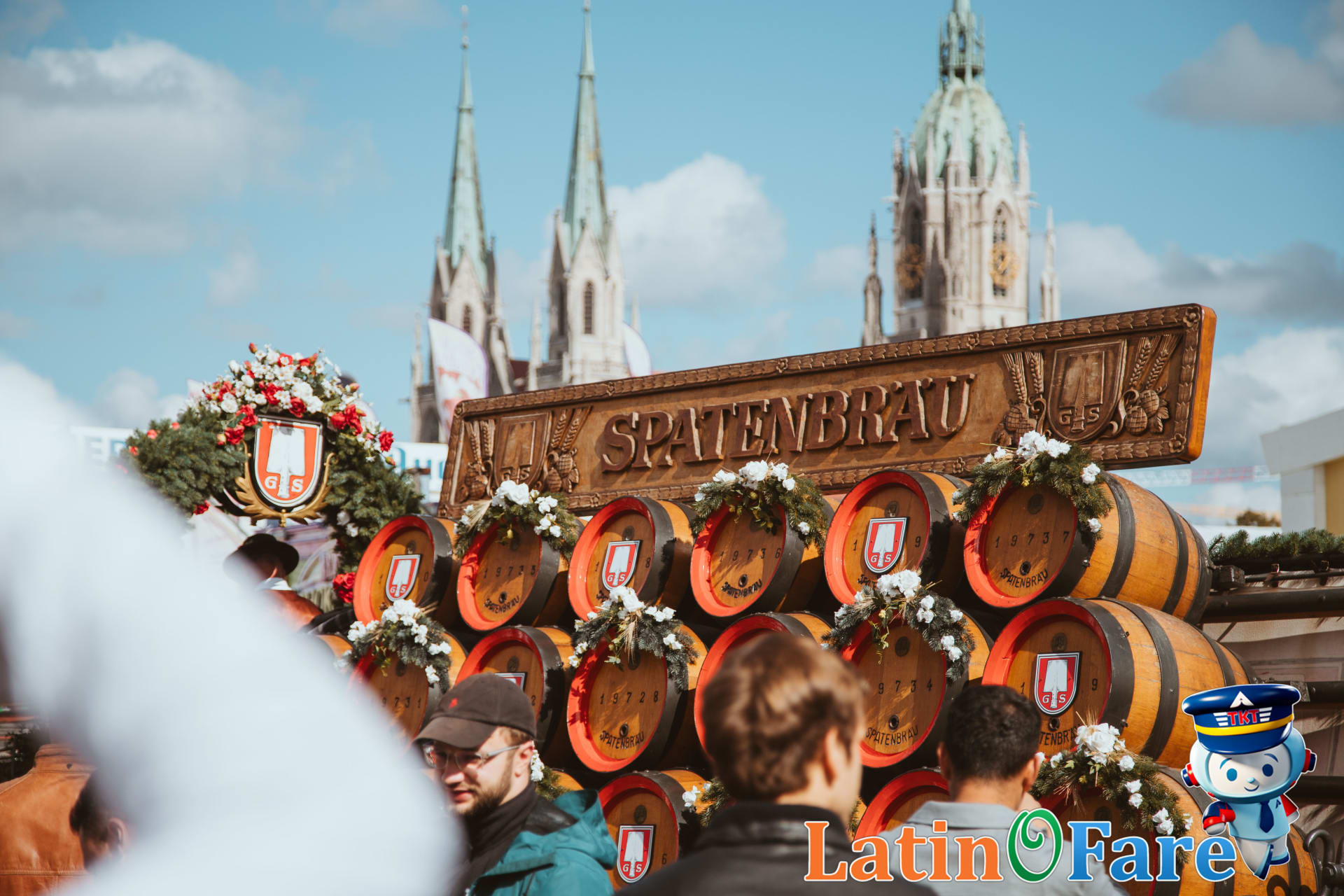
- Augustiner Festhalle: This tent pours beer from traditional wooden kegs and has a warm, welcoming feel—great for families and anyone wanting a classic Bavarian experience.
- Schottenhamel: Young locals flock here, and it’s the place to be if you want to feel the pulse of Oktoberfest’s opening moments.
- Paulaner Festzelt: Offers a friendly mix of locals and visitors, with a slightly calmer but still festive mood.
Reservations And Walk-In Tips
Table reservations are essential if you want a guaranteed seat, especially during evenings or weekends. Most tents open their reservation systems months in advance and require a minimum group size. Walk-ins are possible, but lines can be long—arriving early in the day helps. For official reservation details, check the Oktoberfest tent listing.
When To Go For The Best Experience
Weekends and evenings are the busiest, with a buzzing atmosphere but packed crowds. If you’re a first-timer, I’d recommend visiting on a weekday afternoon when it’s easier to find a spot and soak up the atmosphere without the crush. For group trips, planning ahead is key—if you’re traveling with friends, you might find our latinofare.com group travel booking tips helpful for organizing flights and accommodations together.
Wearing Traditional Oktoberfest Attire
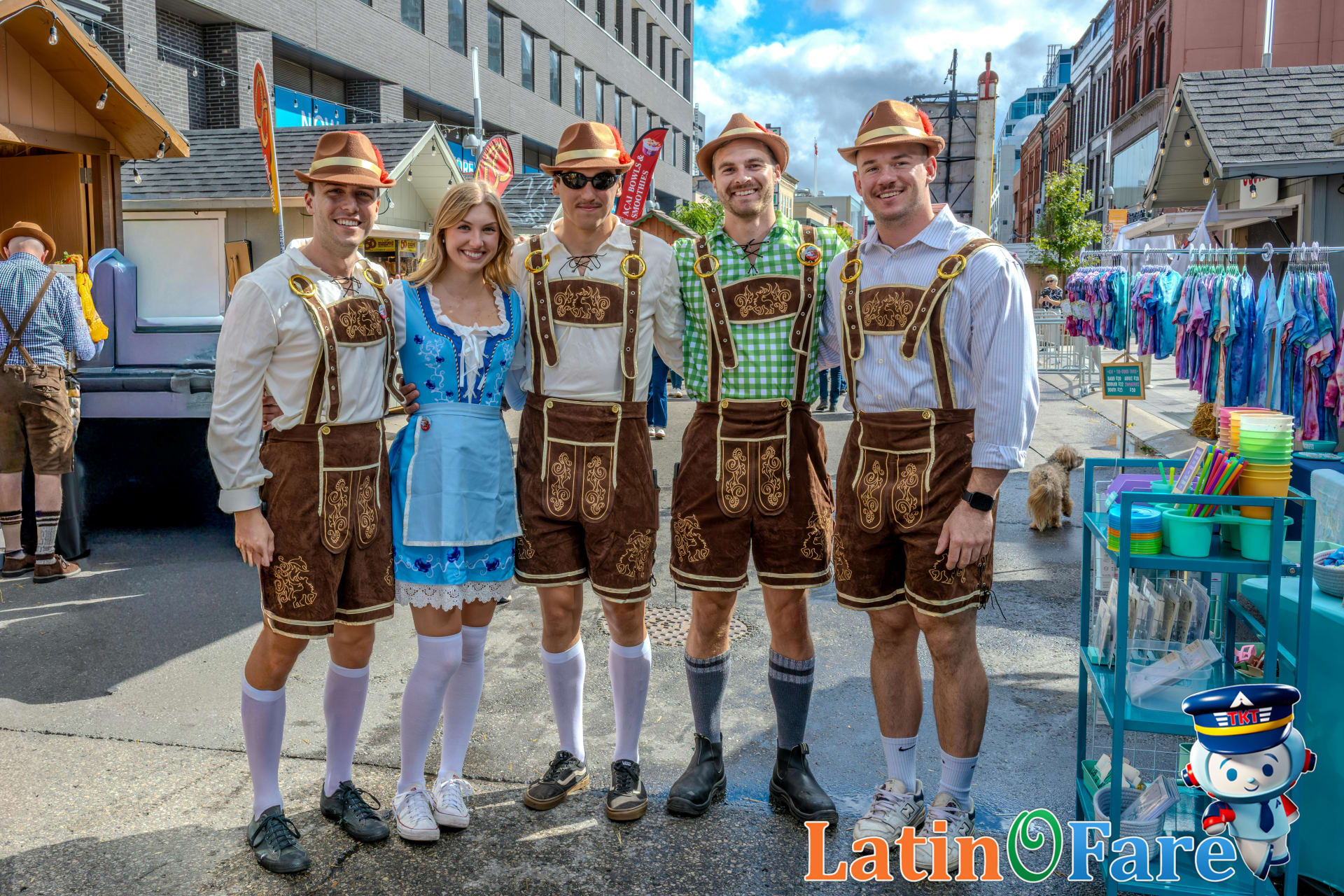
Wearing traditional Bavarian clothing—lederhosen for men and dirndl dresses for women—is a huge part of the Oktoberfest spirit. These outfits aren’t just for show; they help you blend in, spark conversations, and make the entire celebration feel more immersive. I’d love to try on a classic dirndl just to join the local spirit and feel part of the festivities.
A typical lederhosen set includes knee-length leather shorts, a checked or white shirt, and sturdy shoes. Dirndls feature a fitted bodice, full skirt, and apron—don’t forget to tie the apron bow on the correct side: left if single, right if taken. Most locals accessorize with hats or simple jewelry, but comfort is key since you’ll be eating, dancing, and exploring all day.
If you want authentic attire in Munich, shops like Angermaier and Wiesn Tracht & Mehr are well-known for quality rentals and sales. Renting a full outfit usually costs about $45.00 per day, while purchasing a new set can run around $120.00. For budget travelers, thrift shops or temporary festival stalls offer more affordable options.
Wearing these outfits truly adds to the communal atmosphere, making it easier to join group dances and share in the fun. For packing tips and festival essentials, check out the latinofare.com travel blog’s packing guide before you go.
Classic Oktoberfest Food and Drinks

Oktoberfest is as much about the food as it is the beer. You’ll find hearty Bavarian classics everywhere you look. The must-try dish is roast chicken (“Hendl”), typically served as a half-bird with crispy skin for about $15.00. Giant pretzels (“Brezn”) are everywhere—warm, chewy, and usually around $5.00 each. If I had to pick, a warm pretzel and stein of Märzen would be my first order.
Sausages (“Würstl”) come in many varieties, usually served with mustard and a roll for about $7.00. Don’t overlook the radler (a refreshing mix of beer and lemon soda, about $10.00 per stein) or Apfelschorle (sparkling apple juice, around $4.00) if you want a non-alcoholic option. Beer is sold in hefty one-liter steins—expect to pay about $14.00 per stein for a classic Märzen or Helles lager.
Menus are usually in German, so it helps to know these dish names or point to what you want. Most food stalls and tents still prefer cash, so don’t count on using your card at every stop. I usually recommend having small bills ready to keep things simple and quick.
Getting To Theresienwiese And Around
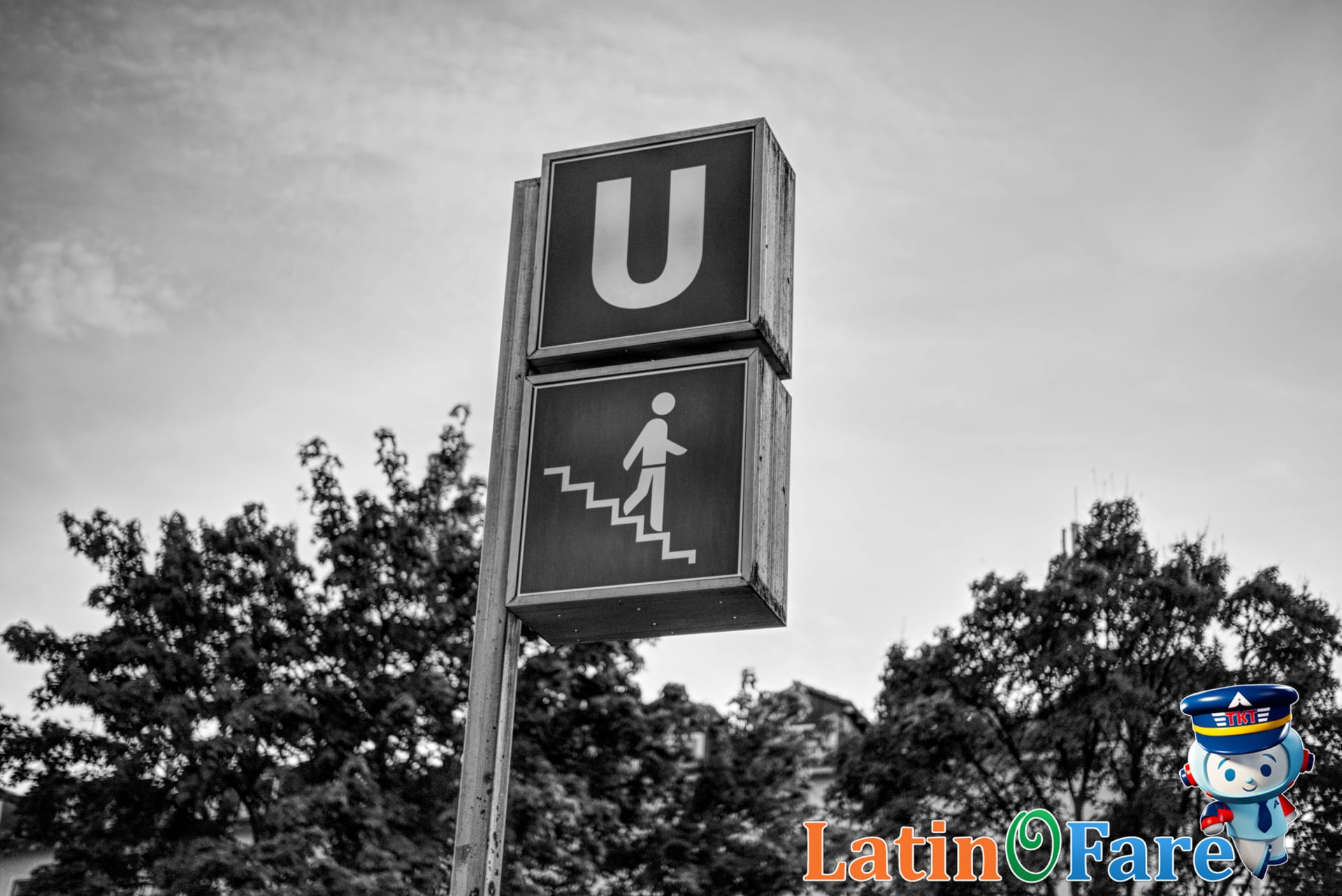
Reaching Theresienwiese for Oktoberfest is easiest by public transit. The U-Bahn U4 and U5 lines both stop at Theresienwiese station, dropping you right by the festival grounds. From Munich’s central station (Hauptbahnhof), it’s just a couple of stops and usually takes less than ten minutes. Trams also run nearby—look for stops at Hermann-Lingg-Straße or Schwanthalerhöhe if you’re staying west of the city center.
Walking from central Munich is doable in about 20 minutes, but crowds pick up fast, especially after lunchtime. In my experience, using the U-Bahn before noon makes for a far less stressful arrival. I’d plan to get off at Theresienwiese by 11:00 a.m. to beat the rush and avoid packed platforms. Day passes from the MVV ticket machines are worth it if you’ll use transit more than twice—plus, you won’t have to fumble with single fares on busy days.
If you want current maps or schedules, check the official Munich MVV website before you go.
Top Family Activities At Oktoberfest
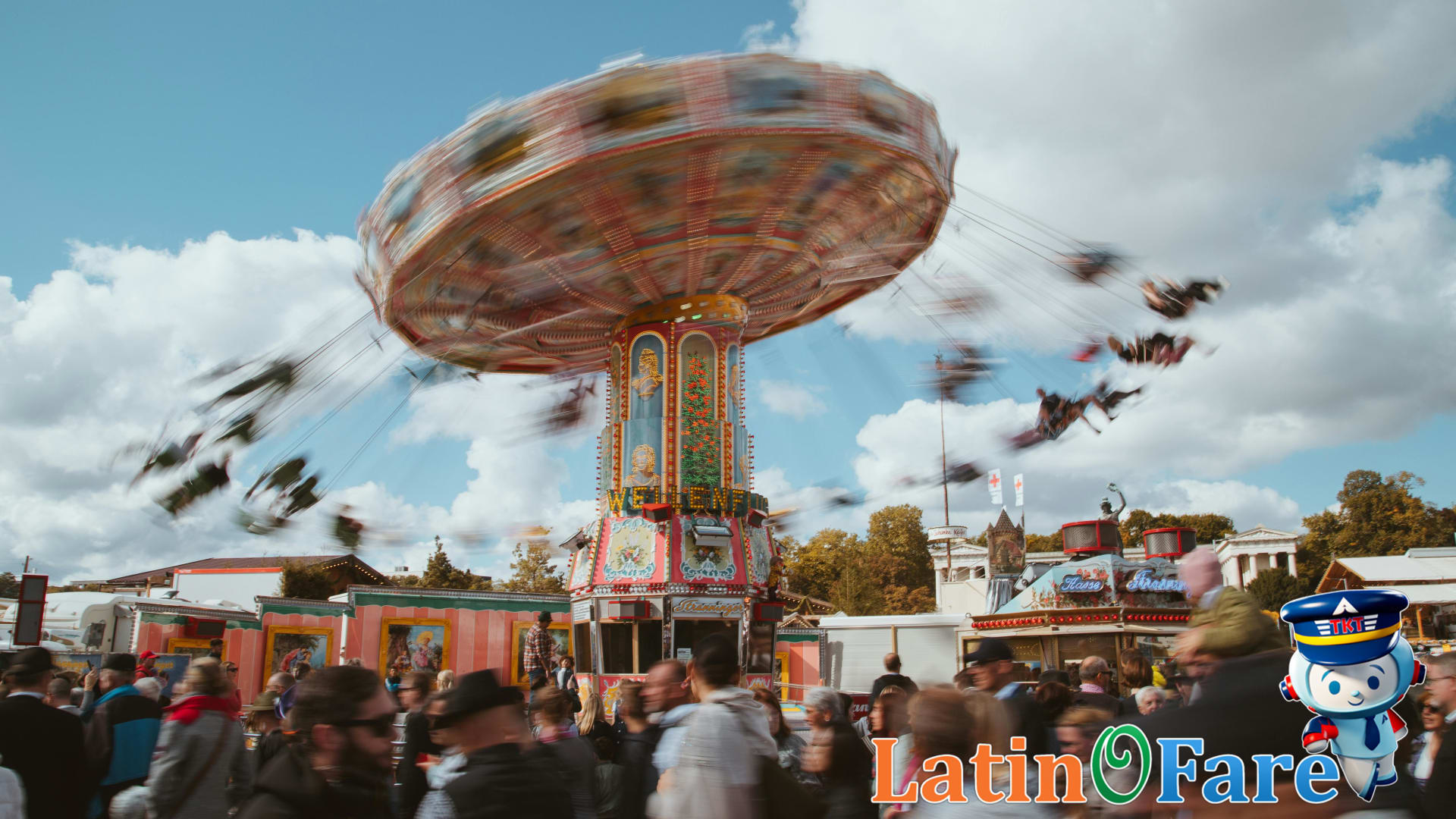
Oktoberfest isn’t just about beer tents—families can find plenty to enjoy. The festival grounds are filled with colorful carnival rides, classic games, and lively parades. There are Ferris wheels, gentle carousels, and even haunted houses, making it easy for kids (and their parents) to have fun without stepping near the drinking crowds. The traditional Costume and Riflemen’s Parade is a highlight, and if I had children, I’d plan to come on a weekday morning for the parade when it’s less crowded and the energy is festive but not overwhelming.
Several tents are specifically designed for families and non-drinkers, offering quieter atmospheres, children’s menus, and live music that isn’t too loud. I’d recommend sticking to the southern and eastern edges of the festival, where the pace tends to be calmer. Weekday mornings are always my first pick for a relaxed experience—lines are shorter, and there’s more space for strollers or little ones to roam. If I were traveling with friends or family who don’t drink, I’d focus on these quieter corners and plan our visit outside of peak evening hours.
Oktoberfest Costs by Traveler Type
Budgeting for Oktoberfest can look very different depending on your travel style. To help you plan, here’s a breakdown of what you might expect to spend on key categories—accommodation, food, transport, and activities—whether you’re traveling on a backpacker’s budget, looking for a comfortable mid-range experience, or going all-in on luxury.
| Category | Budget | Mid-range | Luxury |
|---|---|---|---|
| Accommodation (per night) | $60.00 | $180.00 | $400.00 |
| Food (per day) | $25.00 | $60.00 | $120.00 |
| Transport (per day) | $10.00 | $30.00 | $90.00 |
| Activities (per day) | $20.00 | $50.00 | $100.00 |
When booking flights and hotels for Munich, I recommend using latinofare.com to compare fares and set up price alerts—especially if your dates are flexible. Their tools can help you spot deals that might not appear on other platforms, and I’ve found their customer support handy when I need to talk through options. Personally, I usually splurge on food and save on accommodation, since festival meals and beer are part of the experience for me.
Booking Tips and Money-Saving Strategies
Oktoberfest airfare can spike fast, so it pays to be strategic. I almost always track fares over several weeks before booking, using fare alerts to watch for sudden drops. Setting up alerts through latinofare.com or your favorite flight tool means you’ll get notified the moment prices change—especially useful for high-demand travel weeks like Oktoberfest.
Another trick I use is searching with flexible dates. Even shifting your departure or return by a day or two can shave a surprising amount off your fare. I also check nearby airports and lesser-known airlines—sometimes flying into a smaller city and taking the train to Munich is cheaper than landing directly. Don’t forget to book early; last-minute deals are rare for Oktoberfest.
Be sure to double-check for hidden costs. Some airlines tack on fees for seat selection, checked bags, or using a foreign credit card. I’ve learned to always review the final breakdown before I click “purchase,” so there are no surprises at checkout.
If you want a step-by-step guide to setting up fare alerts, check out our guide to using fare alerts for more tips on getting notified about deals.
Your Oktoberfest Questions Answered
- What’s the best way to book Oktoberfest Munich flights?
Booking Oktoberfest Munich flights early is a smart move, as fares rise quickly for festival dates. I recommend using fare alerts and setting flexible dates when searching. For more flight booking strategies, check out the travel tips on the latinofare.com blog before you book.
- Do I need to reserve a tent table?
Reserving a table at Oktoberfest is recommended if you’re planning to attend with a group, especially during evenings or weekends. Walk-ins are possible but expect long waits. If you want a guaranteed spot, book several months in advance directly through the official Oktoberfest tent websites.
- Can I enjoy Oktoberfest Munich if I don’t drink?
Absolutely! Oktoberfest Munich offers plenty beyond beer, including traditional Bavarian food, live music, parades, and carnival rides. You’ll find non-alcoholic drinks and family-friendly activities throughout the grounds, making it enjoyable for all ages and preferences. Don’t miss the festive atmosphere and cultural events.
- What should I wear to Oktoberfest?
Many visitors wear traditional Bavarian outfits—lederhosen for men and dirndls for women—but casual attire is also acceptable. If you want to join the fun, consider renting or buying these outfits in Munich. Comfortable shoes are a must, since you’ll likely be walking and standing for hours during the festival.
- When is the best time to visit the festival?
Weekdays, especially early in the day, are less crowded at Oktoberfest. If you prefer a lively atmosphere, weekends and evenings are busiest. In my experience, arriving before noon helps you find seats more easily and enjoy the festivities at a relaxed pace before the crowds swell.
- Is Oktoberfest Munich family-friendly?
Oktoberfest Munich is very family-friendly, with special family days offering reduced prices on rides and food. There are plenty of attractions for kids, including parades and games. Families often visit earlier in the day, when the atmosphere is more relaxed and the grounds are less crowded.
- How far in advance should I plan?
It’s wise to start planning your Oktoberfest trip at least six months ahead, especially for flights and accommodations. Tent reservations also open early and fill quickly. Early planning gives you more options and better prices, so mark your calendar and research dates as soon as you can.
Getting the Most From Oktoberfest
Oktoberfest in Munich is a whirlwind of tradition, music, and lively crowds, but a little planning goes a long way. From packing for chilly evenings to brushing up on local customs, careful prep means you’ll enjoy more and stress less. I always recommend reading up on safety and checking weather forecasts, as Oktoberfest’s atmosphere can shift quickly—one minute it’s sunny, the next you’re dashing for cover.
Don’t just focus on the beer tents. Take time to explore the fairgrounds, try classic Bavarian foods, and chat with locals—you’ll find that the best memories often come from unexpected moments. Before you go, it’s worth reviewing a travel insurance checklist or a latinofare.com guide to safety tips for extra peace of mind. The thing I’d look forward to most is simply soaking in the music and camaraderie that make Oktoberfest so unique.