
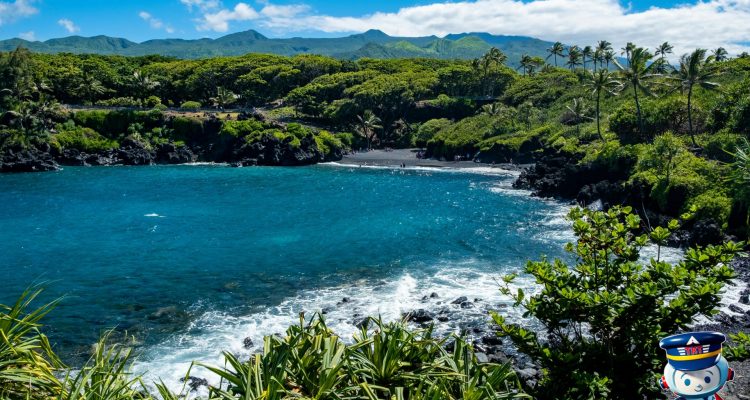
Maui’s Volcanic Landscapes and First Impressions
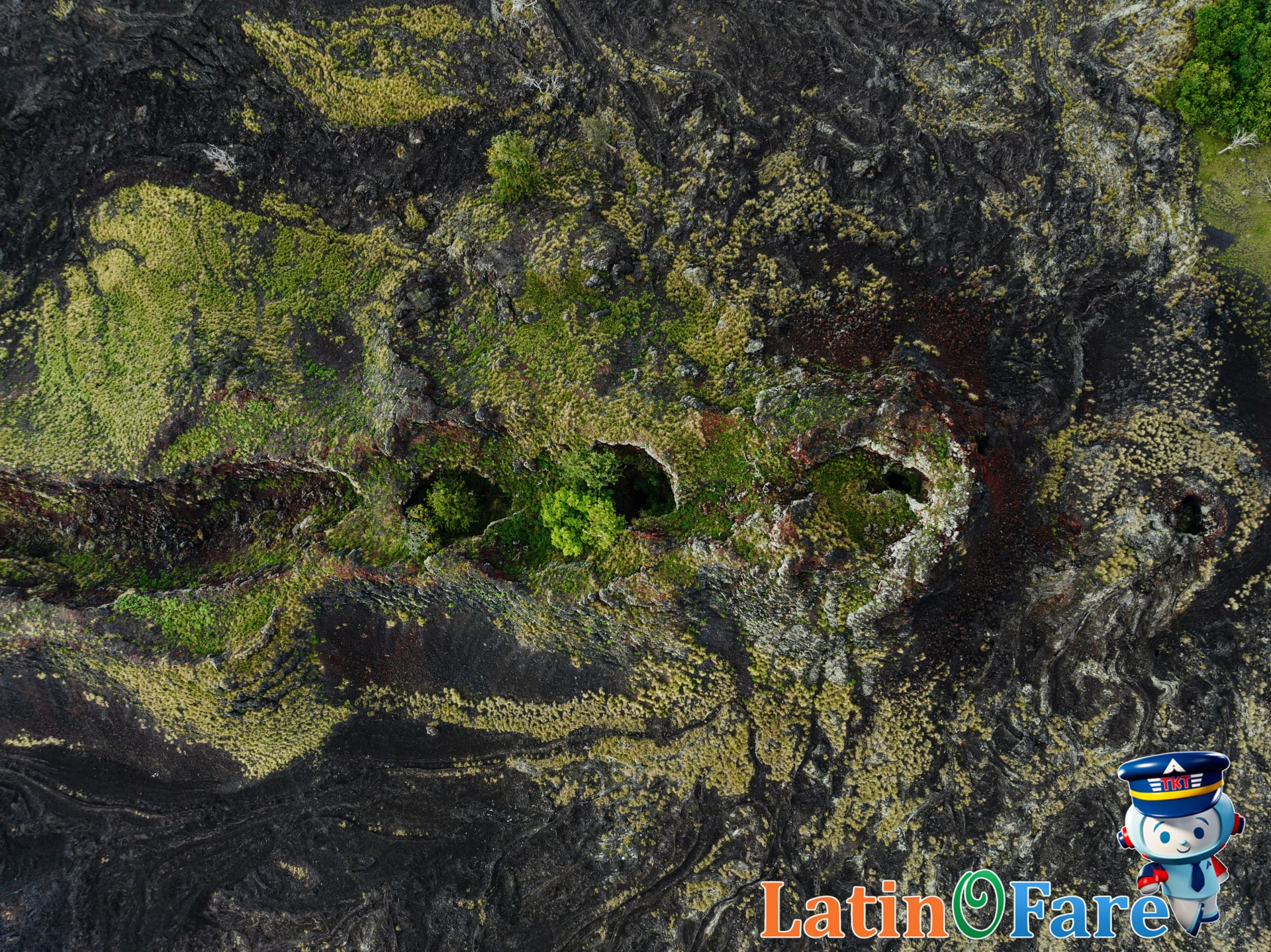
Maui, often called the “Valley Isle,” sits between the larger islands of Hawaii and Oahu, shaped by dramatic volcanic forces. Its unique topography comes from two ancient volcanoes—Haleakalā and the West Maui Mountains—creating a lush central valley that gives Maui its nickname. Compared to Oahu’s urban buzz, Kauai’s rainforests, or the Big Island’s raw lava fields, Maui blends it all: emerald valleys, golden beaches, and winding coastal roads. I’ll never forget my first glimpse out the airplane window—jagged peaks rising above misty clouds, with deep green valleys spilling toward the Pacific. That moment alone made it clear why Maui stands out among the Hawaiian islands.
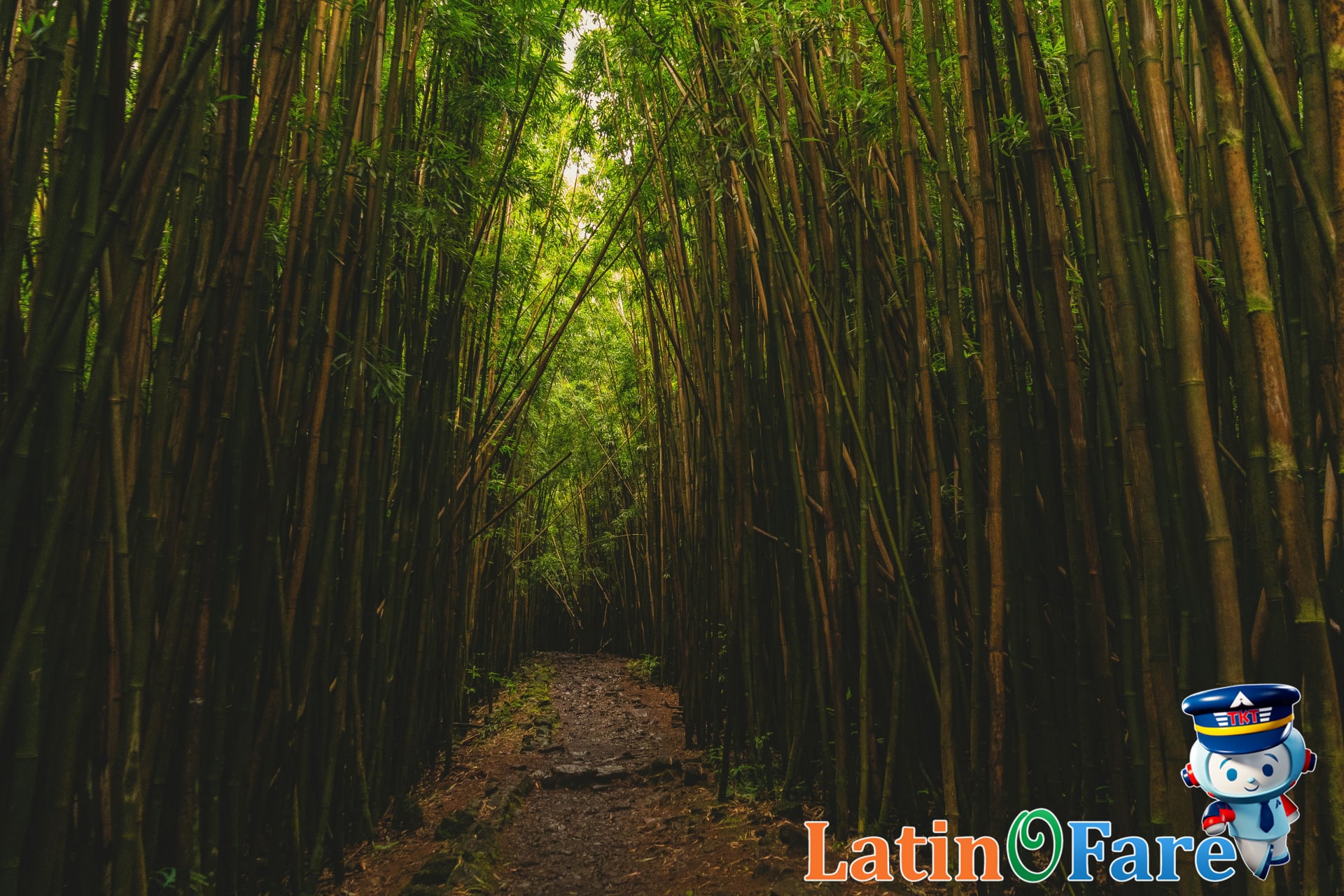
If you’re looking for both relaxation and adventure, Maui’s diverse scenery and range of activities—from snorkeling in Molokini’s crater to hiking through bamboo forests—make it a favorite for many travelers. For tips on getting here affordably, check out this guide on finding cheap Hawaii flights.
What Makes Maui Beaches Unique
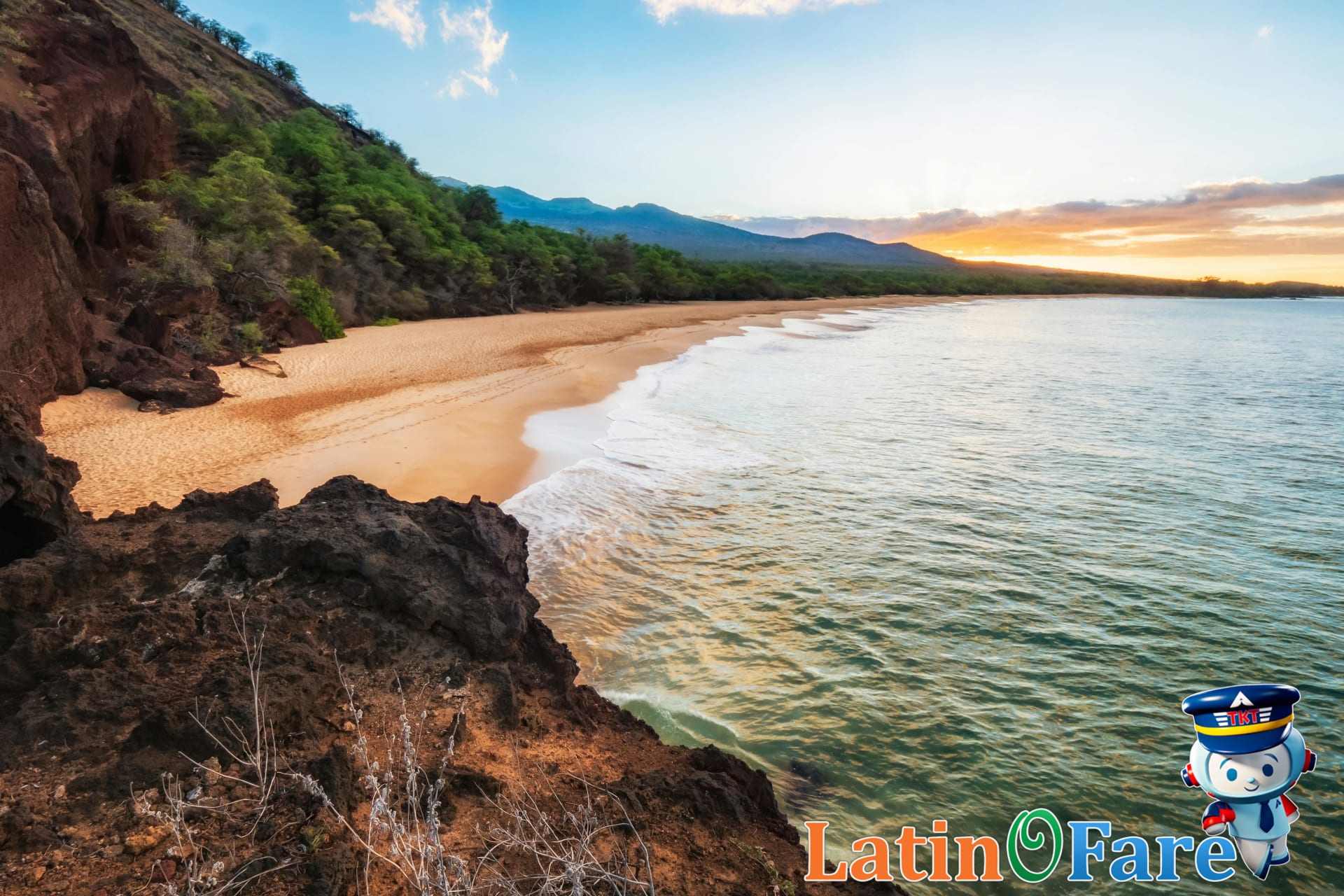
Maui’s beaches have earned their worldwide reputation for good reason. The island’s golden sands, swimmable coves, and dramatic volcanic backdrops make every shoreline feel like a postcard. I’ll never forget my first morning on Kaanapali Beach—stepping onto the warm sand, I felt instantly relaxed and eager to explore the crystal-clear water for snorkeling.
Families love spots like Napili Bay, where gentle waves and soft sand are ideal for kids. Solo travelers often gravitate toward quieter beaches like Makena’s Secret Cove, perfect for peaceful lounging or a reflective sunset stroll. Whether you crave lively beach resorts or hidden coves, Maui’s coastline offers both energy and tranquility.
Top activities include swimming in calm bays, snorkeling with vibrant fish, and watching the sun dip behind the West Maui Mountains. No matter your travel style, there’s a beach here that feels just right—and latinofare.com often features deals to help you get there.
Driving The Legendary Road to Hana
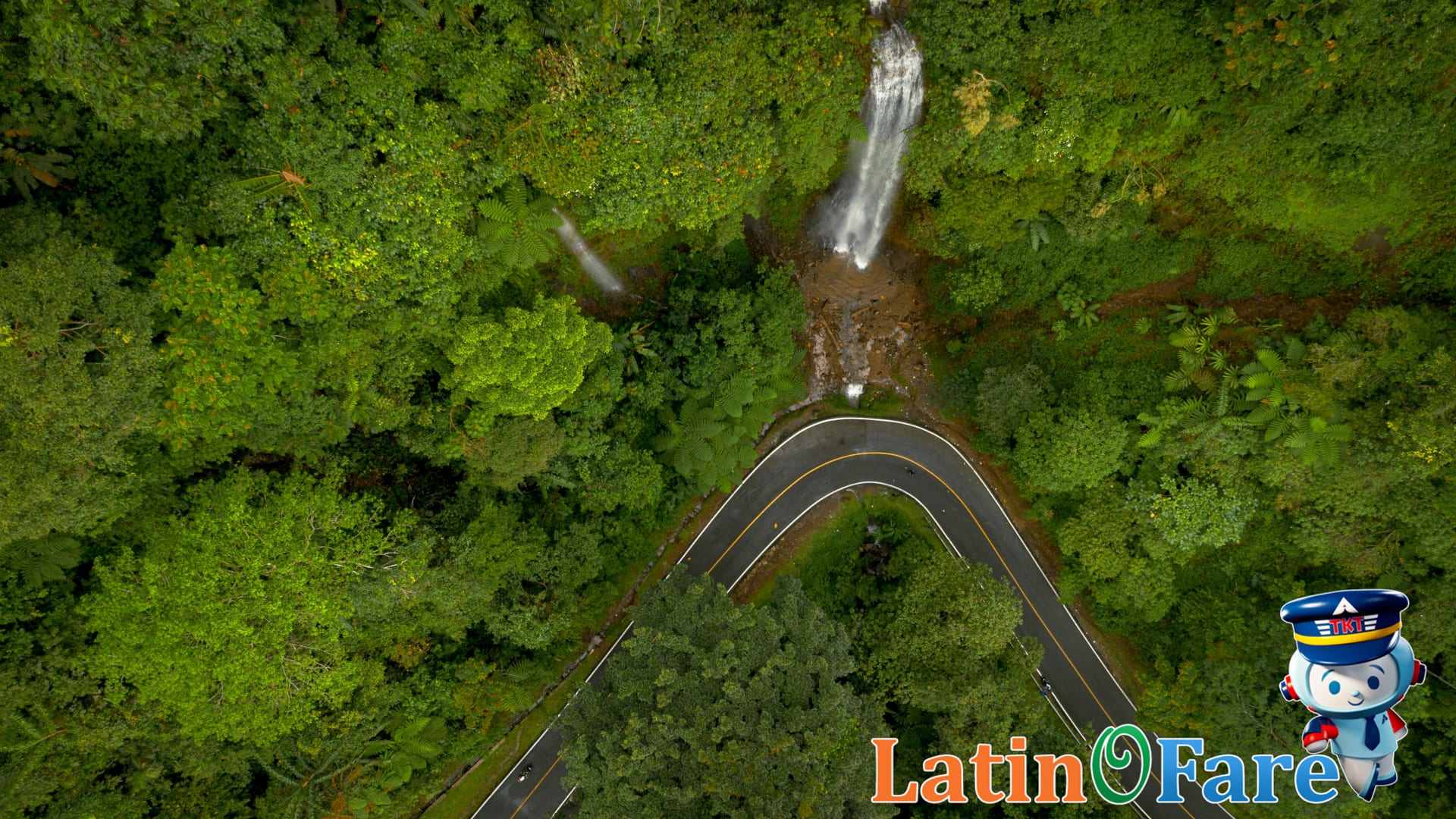
The Road to Hana is one of Maui’s most iconic drives, stretching about 52 miles from Kahului to the small town of Hana. Don’t let the distance fool you—this journey can easily take over two hours each way, thanks to more than 600 curves and nearly 60 narrow bridges. I remember gripping the wheel as the road twisted along dramatic cliffs, with lush jungle pressing in on one side and sweeping ocean views on the other. The first time I rounded a bend and spotted a waterfall cascading right beside the highway, I had to pull over just to take it all in.
This route isn’t just about scenery; it’s steeped in Hawaiian history, once serving as a lifeline for remote communities. Today, you’ll pass roadside fruit stands, ancient lava rock walls, and spots where Hawaiian legends come alive. The road itself can be rough in places—expect tight turns, one-lane bridges, and occasional potholes. Some sections may have temporary closures after heavy rain, so it’s smart to check current advisories before you go. For more tips on navigating island roads, take a look at our Hawaii road trip guide.
Must-See Stops on the Road to Hana
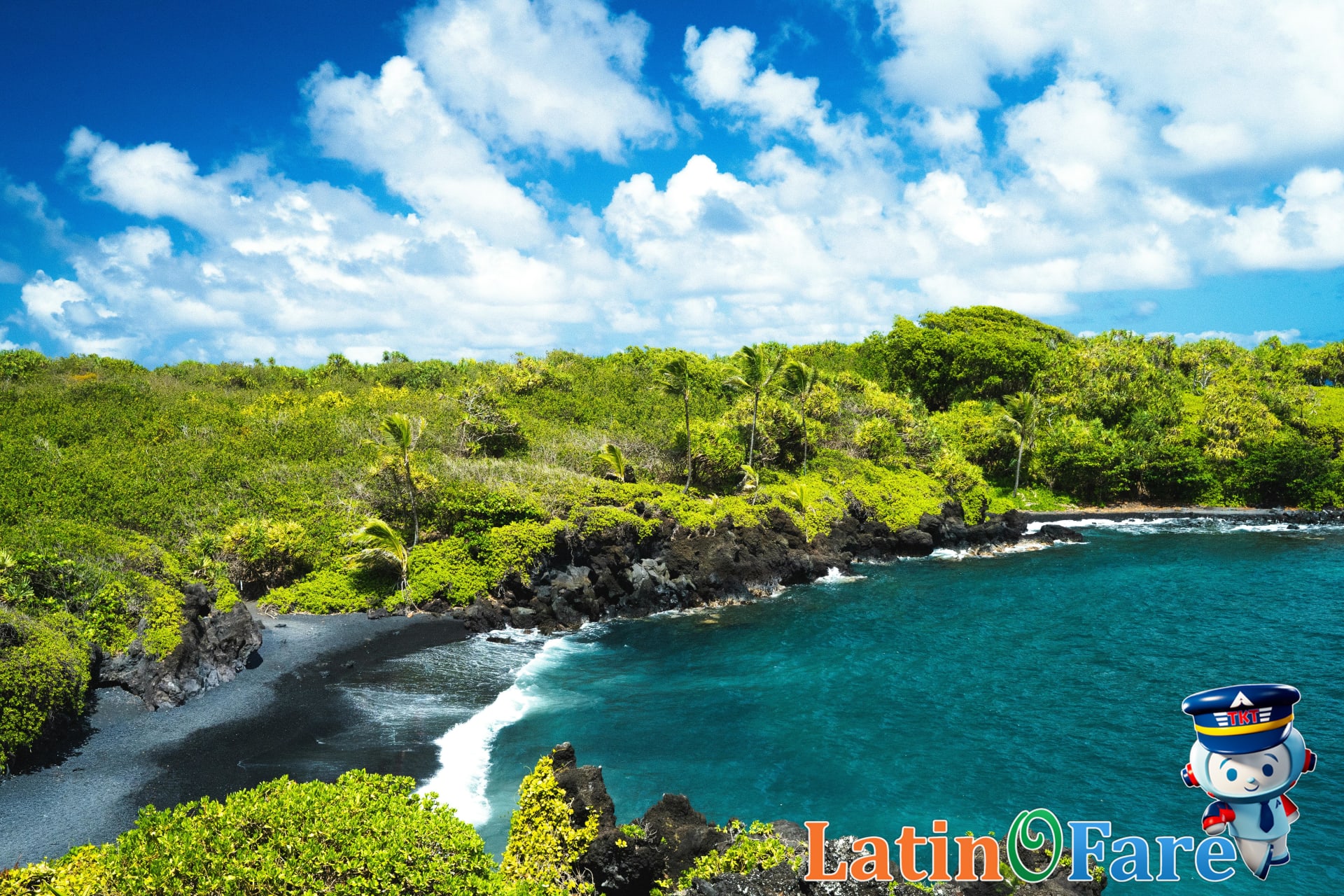
The Road to Hana is packed with unforgettable stops, but a few truly stand out. First up is Twin Falls, where short trails lead to waterfalls and swimming holes—parking fills up early, and there’s a farm stand for snacks. Waiʻānapanapa State Park is famous for its striking black sand beach and sea caves. I found Waiʻānapanapa absolutely breathtaking; the contrast of black sand, blue water, and lush greenery made it the most photogenic stop for me.
Wailua Falls is an easy pull-off with a dramatic 80-foot drop, perfect for quick photos. Hana town itself is worth lingering in for local food trucks, small shops, and a laid-back vibe. Finally, the Seven Sacred Pools at ʻOheʻo (also called ʻOheʻo Gulch) are sometimes closed due to weather or safety—recent checks show the pools and trails are often open, but always confirm with the National Park Service before you go. Restrooms and parking are available at most stops, but bring cash for possible fees and keep snacks handy, as options get sparse past Hana.
Maui’s Top Snorkeling Spots Guide
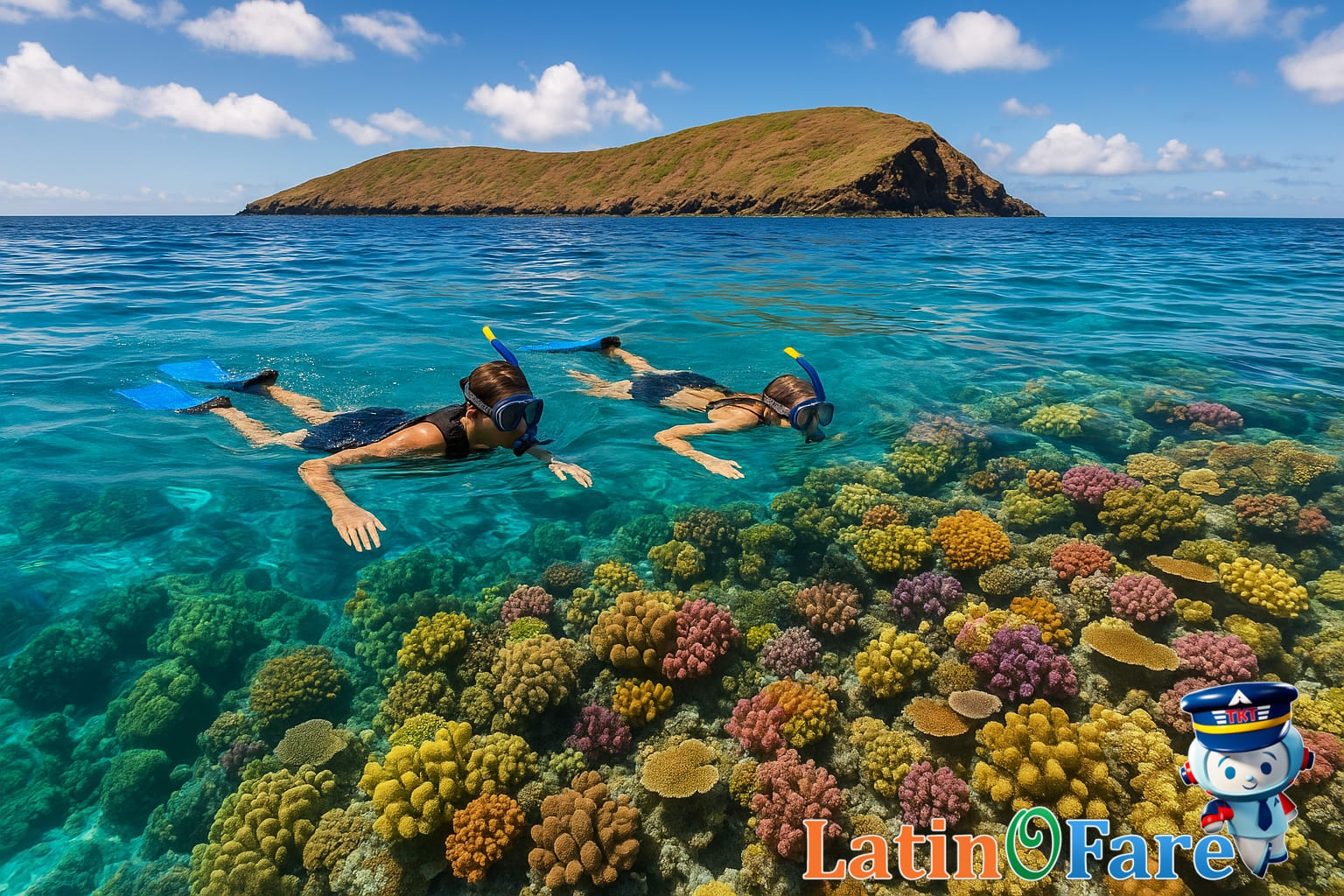
Maui is famous for world-class snorkeling, and a few spots truly stand out. Molokini Crater is a crescent-shaped, partially submerged volcanic crater accessible only by boat tour. It’s known for crystal-clear water, bright coral beds, and schools of tropical fish—on my last morning visit, I spotted a sea turtle gliding by the edge of the reef. Honolua Bay, on the northwest coast, is a protected marine reserve with easy shore access in summer and a vibrant underwater landscape. You’ll often see parrotfish, butterflyfish, and sometimes eagle rays here. Kāʻanapali Beach offers gentle entry right from the sand, and the Black Rock area is a favorite for both beginners and experienced snorkelers. Facilities are plentiful, with parking, restrooms, and nearby rentals. Ahihi-Kinau Reserve, south of Wailea, is a lava-rock coastline teeming with reef fish—just remember, no facilities here, and you’ll need to pack out everything you bring.
Many operators run guided tours to Molokini and can provide gear, but for shore spots, check out a snorkeling gear checklist for Hawaii before you go. Always respect posted conservation rules: don’t touch the coral, and use reef-safe sunscreen.
Top Maui Beaches For Every Traveler
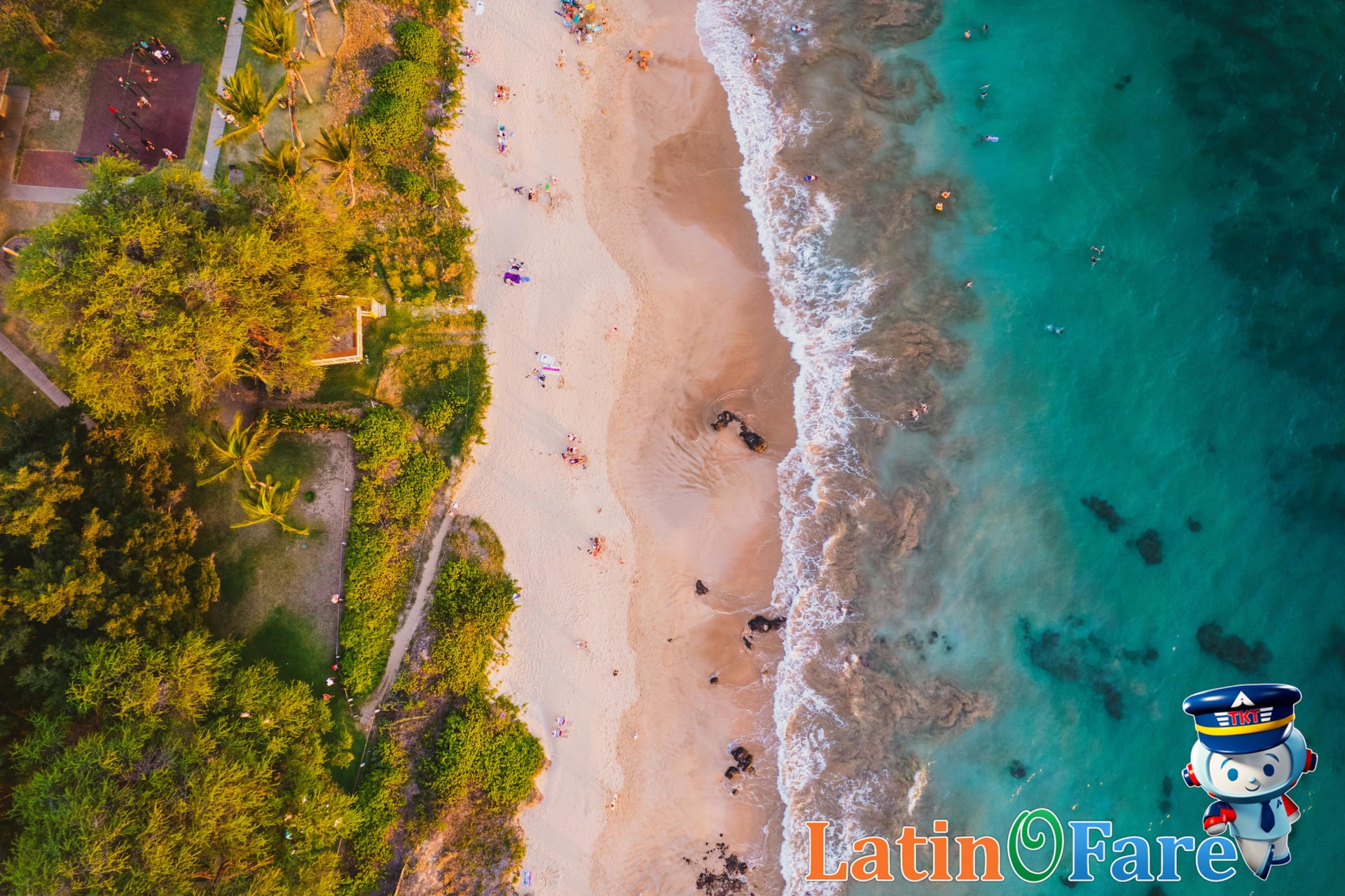
Maui’s beaches truly offer something for every traveler, whether you’re traveling with kids, seeking adventure, or just want to unwind. Here’s how I’d match the island’s top spots to different travel styles, plus a few details to help you plan:
Best For Families: Kamaole Beach Parks
Kamaole I, II, and III in Kihei are family favorites. They feature lifeguards, restrooms, grassy picnic areas, and gentle waves—especially at Kamaole I and II. Parking is relatively easy, and there are plenty of casual dining options nearby. These beaches do get busy on weekends, but the vibe stays friendly and relaxed.
Best For Adventurers: Mākena “Big Beach”
If you crave wide open sand and dramatic surf, Mākena Beach (Big Beach) is your go-to. It’s less developed, with limited shade and no lifeguards in some areas, so check conditions before swimming. Parking is available, and food trucks sometimes park nearby. The waves can be strong, so it’s best for confident swimmers and surfers.
Best For Couples: Napili Bay
Napili Bay is a romantic, crescent-shaped beach perfect for couples. The water is usually calm, making it great for swimming and snorkeling together. There are small resorts and charming restaurants within walking distance. Parking is limited, so arrive early for a more private feel.
Best For Solo Travelers: Baldwin Beach
Baldwin Beach, near Paia, is a quieter spot with long stretches of sand and a mellow atmosphere. Restrooms and parking are available, and there’s usually plenty of space to spread out. I found Baldwin Beach to be the most relaxing for solo downtime—watching the waves and reading under the trees felt like a true escape.
Budget Table: Your Maui Beach Trip

| Budget | Mid-range | Luxury | |
|---|---|---|---|
| Accommodation | $55.00 | $170.00 | $420.00 |
| Food | $25.00 | $70.00 | $180.00 |
| Transport | $35.00 | $65.00 | $160.00 |
| Activities | $20.00 | $60.00 | $200.00 |
One of my favorite ways to keep Maui affordable is booking flight and hotel bundles through latinofare.com. I usually splurge a bit on local food, but saving on the big-ticket items like airfare and accommodation really makes a difference in my overall budget.
Planning Your Trip: Essential Tips
Timing can make or break your Maui budget. In my experience, shifting my trip by just a few days—avoiding major holidays and school breaks—let me snag a flight for much less than I expected. Generally, late spring and early fall offer better deals, while winter holidays and mid-summer are peak season for both airfare and hotels. I usually recommend booking flights and hotels at least a few months ahead, especially if your dates aren’t flexible. For car rentals, I’ve found that booking early and checking back for price drops can really pay off.
One of the best tricks is using flexible date search tools on latinofare.com. These let you compare prices across several days or weeks, so you can spot the cheapest days to fly—often mid-week. If you want more strategies, check out our flexible booking tips guide for deeper insights. Don’t forget to check Maui’s weather trends too: hurricane season is rare but worth noting, and winter brings more rain, especially in certain areas.
Maui Travel FAQs Answered Here
- What are Maui’s best beaches for families?
Maui has several family-friendly beaches, including Napili Bay and Wailea Beach. These spots usually offer gentle waves, soft sand, and nearby amenities like restrooms or snack stands. In my experience, Napili Bay is especially calm for younger kids. Always check current surf conditions before heading out, as they can change quickly.
- How do I plan a safe Road to Hana trip?
Start early in the morning to avoid traffic, bring snacks and water, and fill up your gas tank beforehand. Download an offline map, since cell service is spotty. If you’re not comfortable with winding roads or one-lane bridges, consider joining a guided tour instead of self-driving.
- What’s the best season for snorkeling in Maui?
The best snorkeling conditions are usually in summer, when waters are calmer and visibility is higher. Top spots like Molokini Crater and Honolua Bay are popular for clear water and abundant marine life. Always check local weather and safety updates before heading out, especially during winter months.
- Is snorkeling in Maui safe for beginners?
Snorkeling in Maui is generally safe for beginners at sheltered beaches like Kapalua Bay. Use reef-safe sunscreen, stay near shore, and never snorkel alone. I usually recommend beginners rent a flotation vest for extra security. Pay attention to posted warnings about currents or jellyfish before entering the water.
- How can I save money when booking Maui travel?
Book flights and hotels several months in advance for better availability. Consider flying midweek or during shoulder season for lower fares. I’d compare prices on latinofare.com and set fare alerts. Sometimes bundling your hotel and car rental can help lower your total trip cost.
- What should I pack for a Maui vacation?
Pack lightweight clothing, a rain jacket, reef-safe sunscreen, sturdy sandals, and a reusable water bottle. If you plan to hike or drive the Road to Hana, bring bug spray and a small first-aid kit. Don’t forget a waterproof phone pouch if you’ll be snorkeling or kayaking along the coast.
- Is it necessary to reserve activities in advance?
It’s a good idea to reserve popular activities like snorkeling tours, sunrise at Haleakalā, or luaus before arriving, especially during peak seasons. Walk-up spots can fill up fast. If you’re flexible, some tours offer last-minute discounts, but I wouldn’t count on it for high-demand experiences.
Wrapping Up: Your Maui Adventure Awaits
Maui rewards every traveler who plans ahead—whether you’re chasing waterfalls, sunrise hikes, or just a taste of island life. Early planners usually find the best choices and flexibility, especially when booking through tools like latinofare.com. If you’re ready to dive deeper, check out our Hawaii travel guides for more inspiration and tips.
Personally, I’m always drawn to Maui’s road trips and hidden beaches—the kind of escapes that stay with you long after you’ve left. Here’s hoping your own Maui adventure is just as unforgettable.