
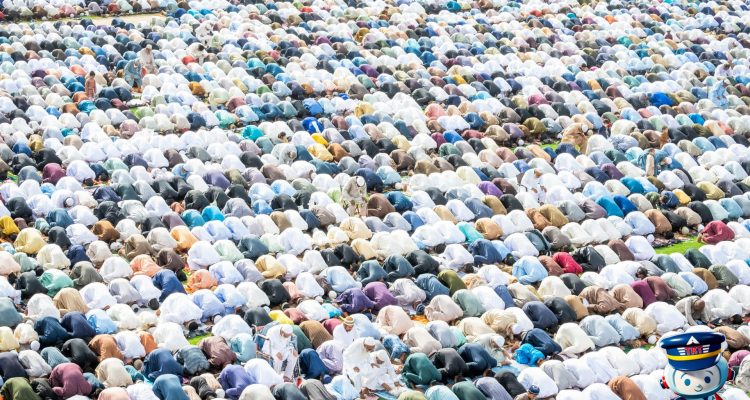
Planning Eid al-Adha Travel Abroad
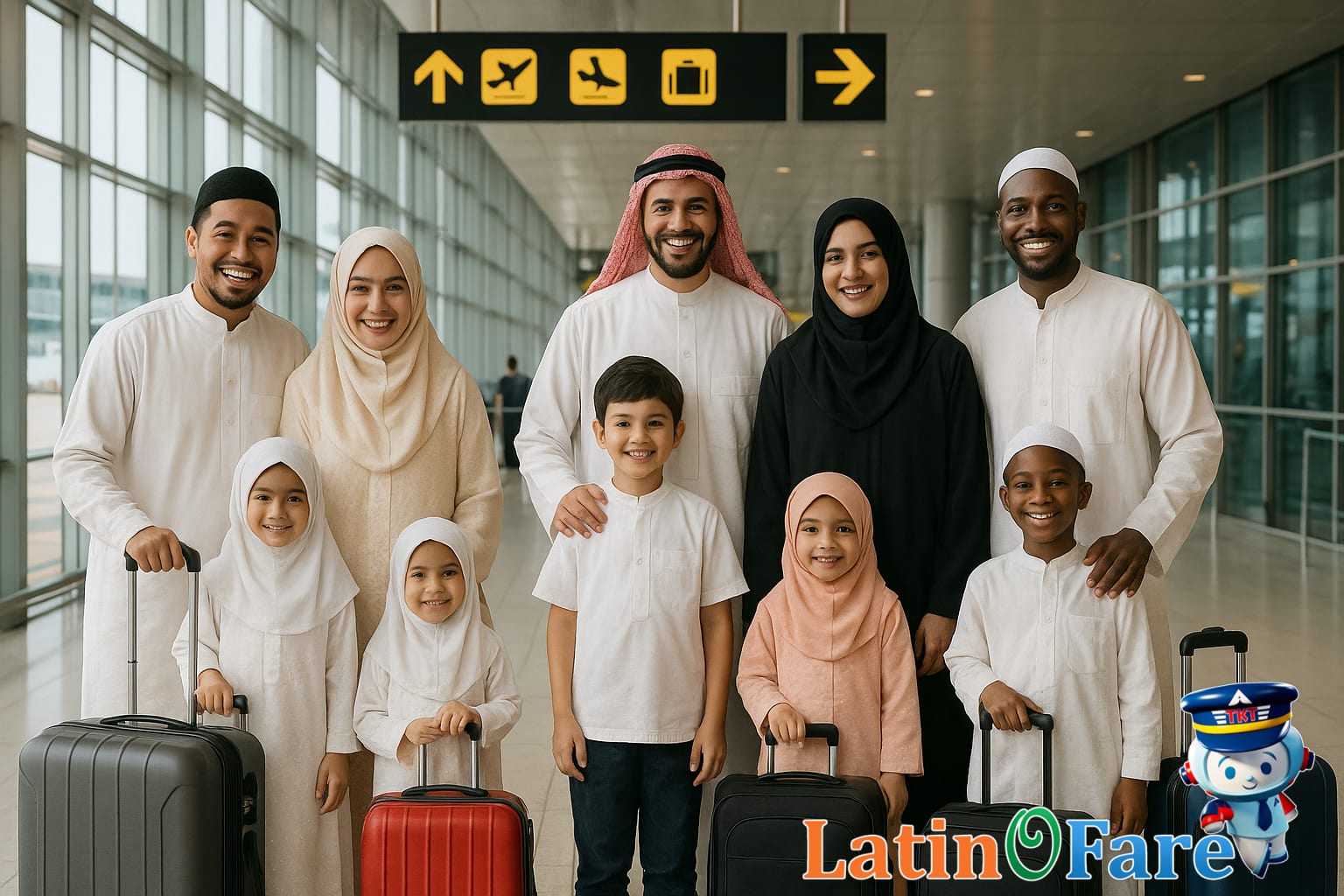
Eid al-Adha stands as one of the most important holidays in the Muslim calendar, celebrated with prayers, family gatherings, and acts of charity. Lately, I’ve noticed a growing trend: more families and groups of friends are choosing to travel abroad for Eid, seeking destinations that offer both welcoming environments and the chance to experience new cultures while honoring their traditions.
What makes planning Eid al-Adha travel so special for me is the anticipation of sharing the holiday spirit in a new place—whether it’s finding a mosque for morning prayers or discovering local halal food markets. The excitement really kicks in when I start researching destinations that are not only Muslim-friendly but also rich in cultural experiences.
If you’re thinking about celebrating Eid al-Adha abroad, it’s wise to look for destinations where you’ll feel comfortable and connected, especially during such a meaningful time. Popular cities often see a spike in demand around the holiday, so early planning is crucial. I usually recommend exploring airfare options on latinofare.com, where you can find dedicated Eid holiday deals and flexible booking choices.
Top Eid Destinations Worldwide
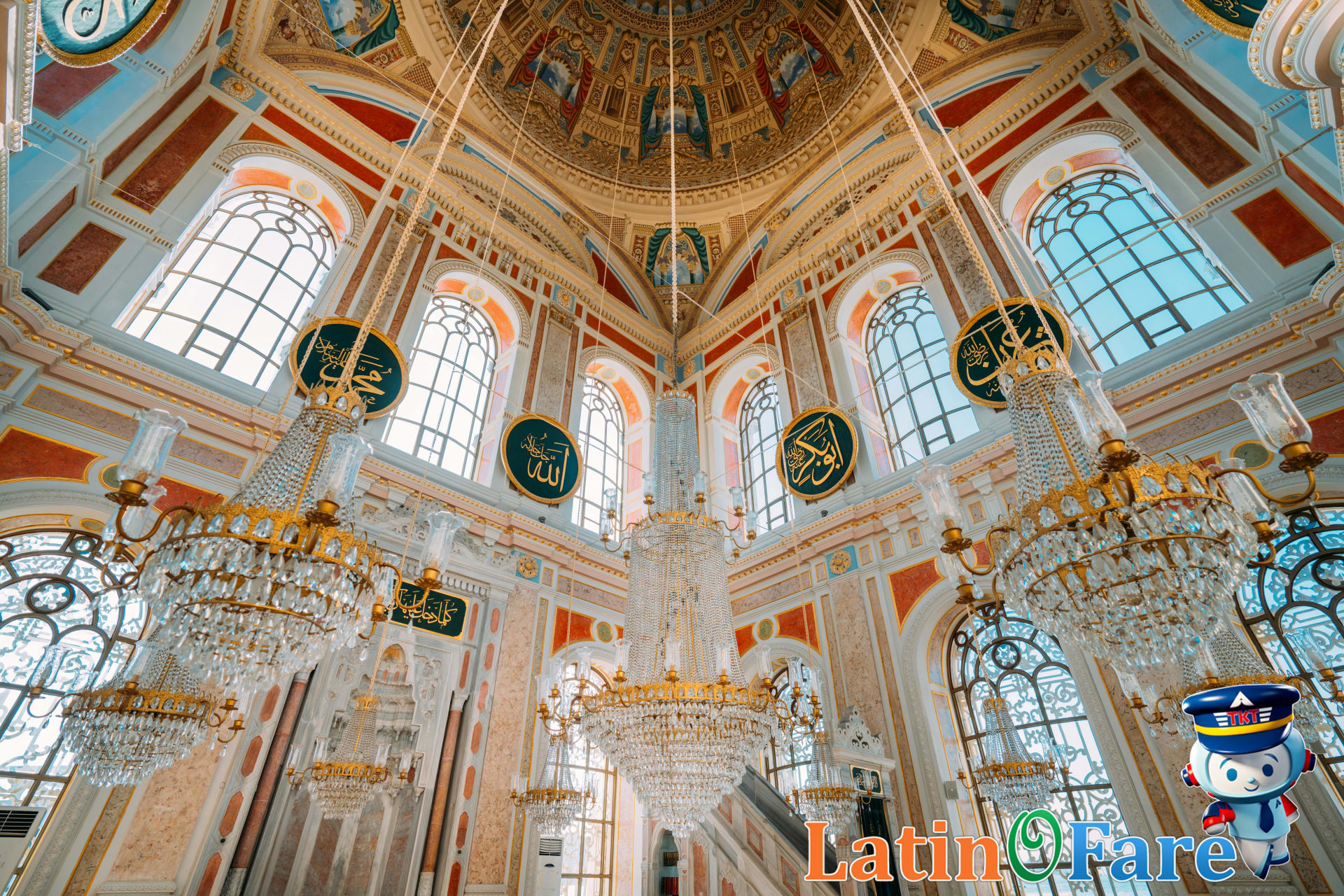
When it comes to celebrating Eid al-Adha abroad, a handful of cities truly stand out for their vibrant festivities, welcoming atmosphere, and family-friendly options. Here’s a closer look at five destinations where Eid feels especially memorable, each offering unique experiences, halal amenities, and a strong sense of community.
Istanbul’s Festive Spirit
Istanbul is famous for its grand mosque gatherings and the city’s warm hospitality during Eid. Families flock to Sultanahmet and Süleymaniye Mosques for prayer, then enjoy halal feasts and sweets from bustling local bakeries. I’ve always found Istanbul’s sense of togetherness during Eid to be incredibly moving, especially when locals invite travelers to join in their celebrations. Check the official event listings for updates on public festivities.
Kuala Lumpur’s Family Appeal
Malaysia’s capital is a top pick for family travel during Eid, with citywide open houses and community gatherings. Major mosques like Masjid Negara host large prayer services, and shopping malls organize special Eid activities for kids. Halal food is everywhere, from street stalls to upscale restaurants, making it easy to enjoy traditional dishes after prayers.
Marrakech’s Unique Traditions
Marrakech offers a blend of Moroccan hospitality and centuries-old Eid customs. The city’s mosques fill early for prayers, and the medina comes alive with music and family celebrations. Street vendors prepare fresh halal treats, and many riads offer special Eid menus. In my experience, the warmth of Marrakech’s locals during Eid makes every visitor feel like family.
Dubai’s Modern Celebrations
Dubai takes Eid festivities to the next level with citywide decorations, fireworks, and organized family events. Large mosques such as Jumeirah Mosque host multilingual Eid prayers, and shopping centers feature halal dining and children’s entertainment. The city’s tourism office regularly updates official event calendars to help travelers plan their Eid experience.
London’s Diverse Community
London is a welcoming Eid destination thanks to its multicultural neighborhoods and vibrant Muslim community. Large Eid prayers are held in parks like Westfield and at the East London Mosque. Halal restaurants cater to every taste, and local groups organize family activities across the city. For more Muslim-friendly city inspiration, check out our guide to top cities for Muslim travelers.
Of all these places, Istanbul left me with the most memorable Eid al-Adha celebration—the city’s hospitality and lively atmosphere are hard to beat.
Checklist For Halal Eid Travel Planning
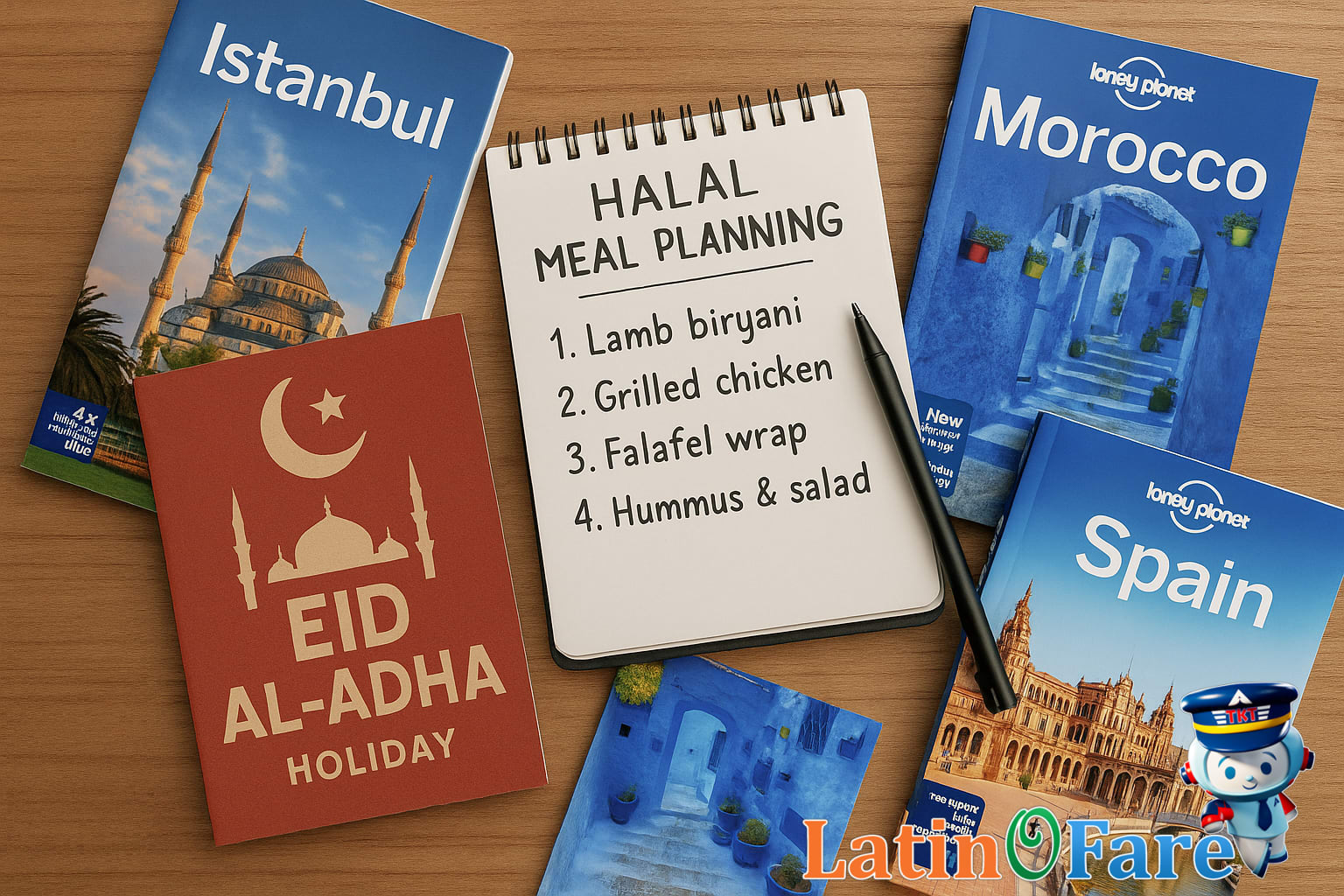
Planning a halal-friendly Eid trip means covering more than just flights and sightseeing. I always start by mapping out halal-certified restaurants and grocery stores at my destination—using platforms like HalalTrip or Muslim Pro helps me cross-check reviews and locations. This makes it easier to avoid last-minute food hunts, especially when traveling with family during Eid.
Next, I identify mosques and prayer rooms along our route. Google Maps and mosque locator apps are handy, but I also double-check with local Muslim associations for updated prayer space info. For accommodations, I look for hotels that offer halal breakfasts or work with nearby halal eateries. If I’m traveling with kids, I filter for family-friendly amenities like connecting rooms or play areas.
My step-by-step approach is simple: shortlist hotels on major booking sites, filter for “halal food available” or similar, then open each property’s website to verify details. I usually email the hotel directly to confirm if they truly provide halal services. For more tips on choosing halal hotels, check out our guide on how to find halal hotels online. Taking these extra steps helps ensure a smooth Eid trip without surprises.
Eid al-Adha Celebrations Around The Globe
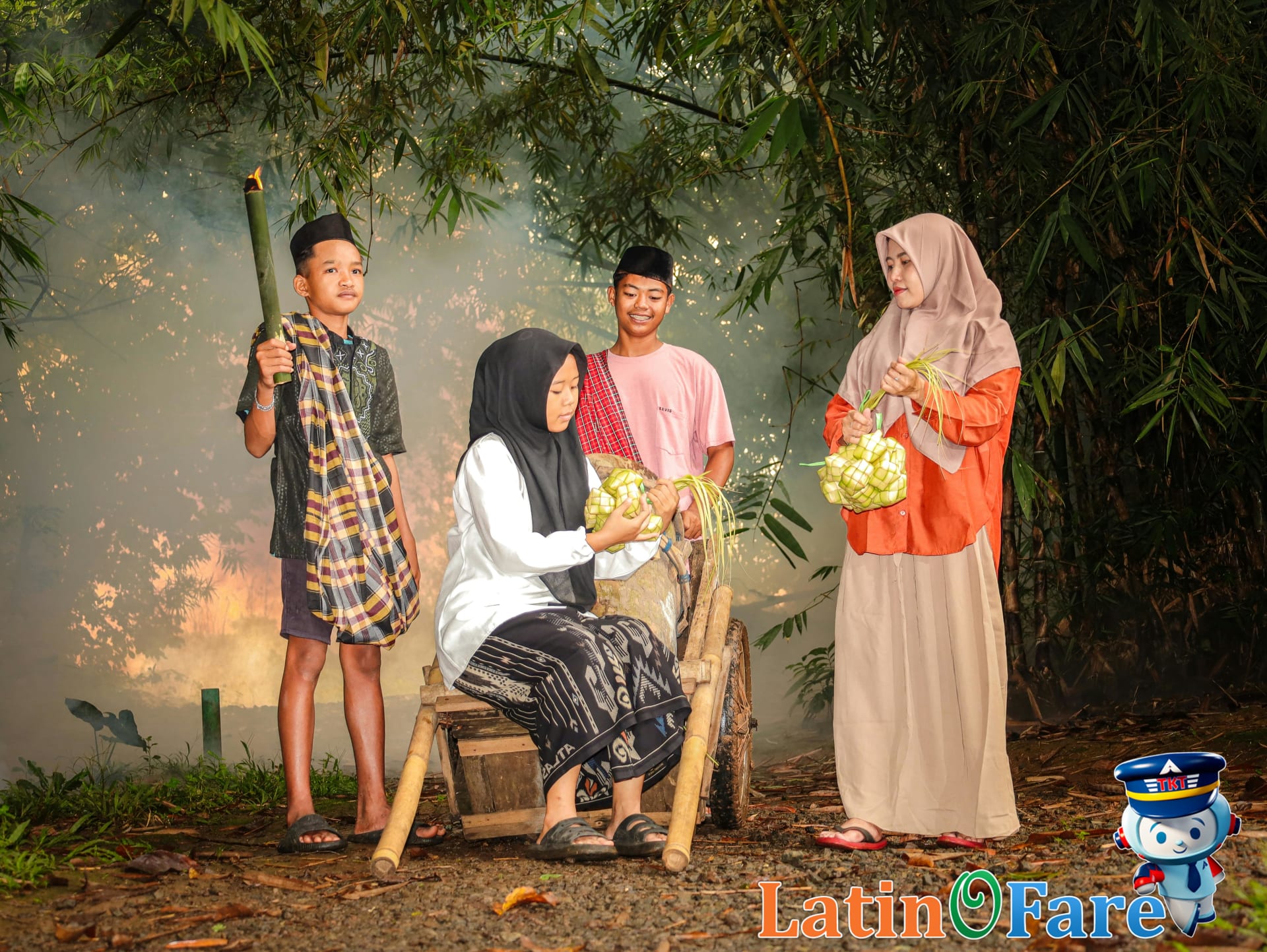
Eid al-Adha brings unique energy to cities worldwide, each blending core Islamic rituals with local flavor. In Istanbul, the morning begins with communal prayers at grand mosques like the Blue Mosque, followed by families sharing generous feasts and donating fresh meat to neighbors in need. Kuala Lumpur shines with open-air markets, charity drives, and lively gatherings at city mosques—regional organizations like JAKIM help coordinate these events and ensure everyone can participate.
In Marrakech, I once joined a family for a traditional meal of lamb, couscous, and sweet mint tea—an experience I’ll never forget for its warmth and genuine hospitality. The city’s medina fills with the scent of spices, and families often invite travelers to share their table. Dubai’s celebration is marked by grand public prayers, vibrant festival sales in malls, and city-wide charity efforts, while in London, diverse communities gather at parks and Islamic centers, blending British and South Asian traditions with open community meals and charity collections. Local Islamic organizations such as the Muslim Council of Britain often share schedules and prayer locations for visitors.
What stands out to me is how Muslim-majority cities like Istanbul and Kuala Lumpur transform into festival hubs, while multicultural cities like London highlight the spirit of inclusion and shared celebration. If you’re interested in more local details, check out our blog post on world Eid celebrations for inspiration before your next trip.
Eid Travel Budget Planning Steps
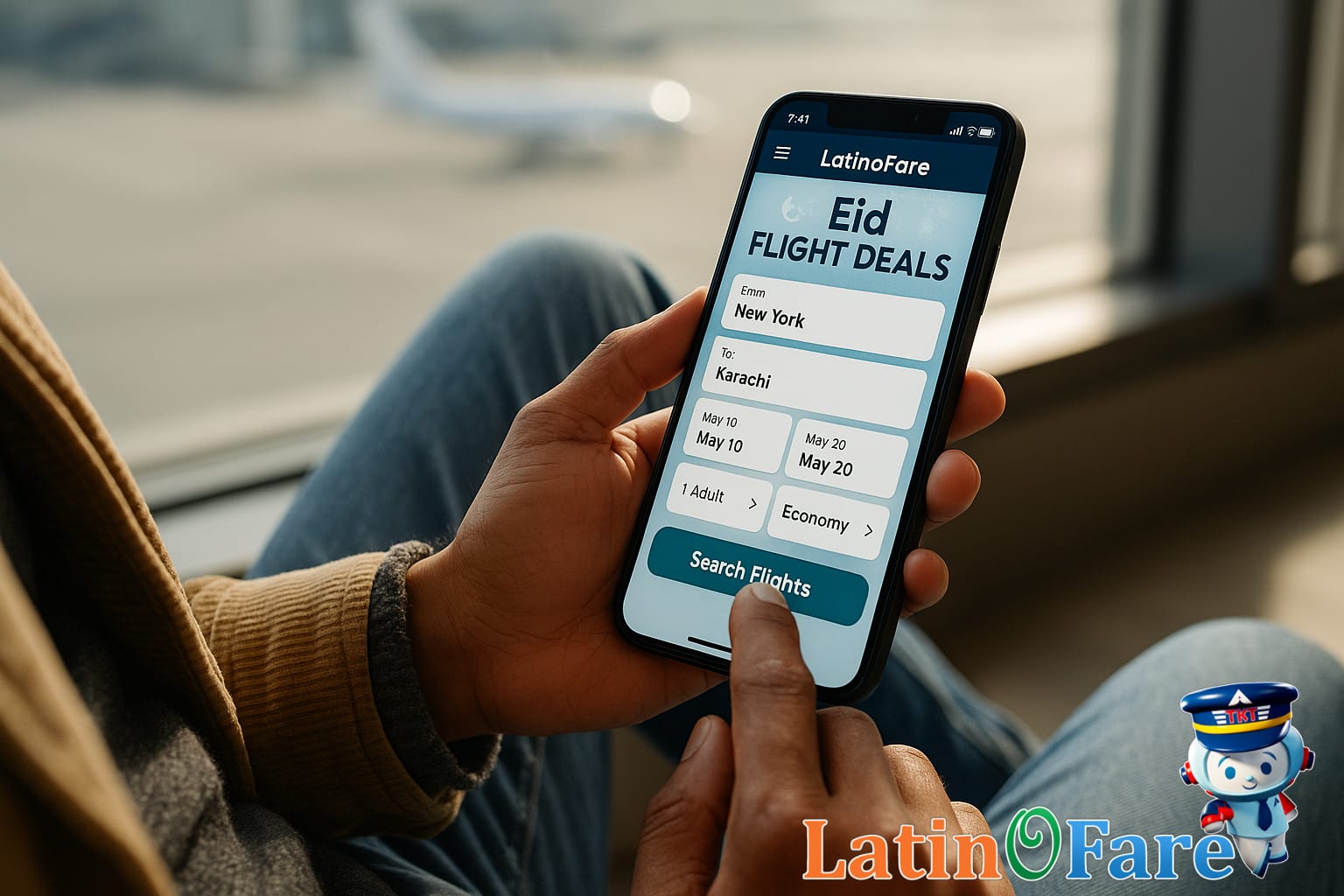
Building a realistic budget for Eid travel means breaking your trip into the main spending categories: flights, accommodation, dining, local transport, and activities. Each of these costs can shift quite a bit depending on where you’re headed. For example, flights to major cities like Istanbul or Kuala Lumpur often spike in price as Eid approaches, while smaller destinations might see less dramatic increases. I always start my planning by comparing prices between two Eid destinations—sometimes a city that wasn’t my first choice ends up being much more affordable overall.
Flights are usually the biggest line item. Airfares can jump as demand surges before and after Eid, so I recommend searching early and keeping an eye on fare changes. Use alert tools to track price drops—platforms like latinofare.com let you set notifications so you can pounce if there’s a sudden deal or last-minute seat. Flexible ticket policies are especially helpful if you’re willing to adjust your travel dates by a day or two; even a small shift can save you a significant amount.
Once you have a ballpark for your flight, look at accommodation. A mid-range hotel typically costs around $80.00 per night in popular Eid destinations, but budget travelers might find good hostels or guesthouses for about $30.00. Don’t forget to factor in meals—street food and casual dining can keep daily food costs around $15.00 per person. For getting around, local rideshares or public transit are usually the most affordable, and activities like mosque visits or Eid festivals may be free or low-cost.
If you want more ways to stretch your travel budget, check out our post on maximizing travel deals with flexible dates for step-by-step strategies.
Eid al-Adha Travel Budget Breakdown
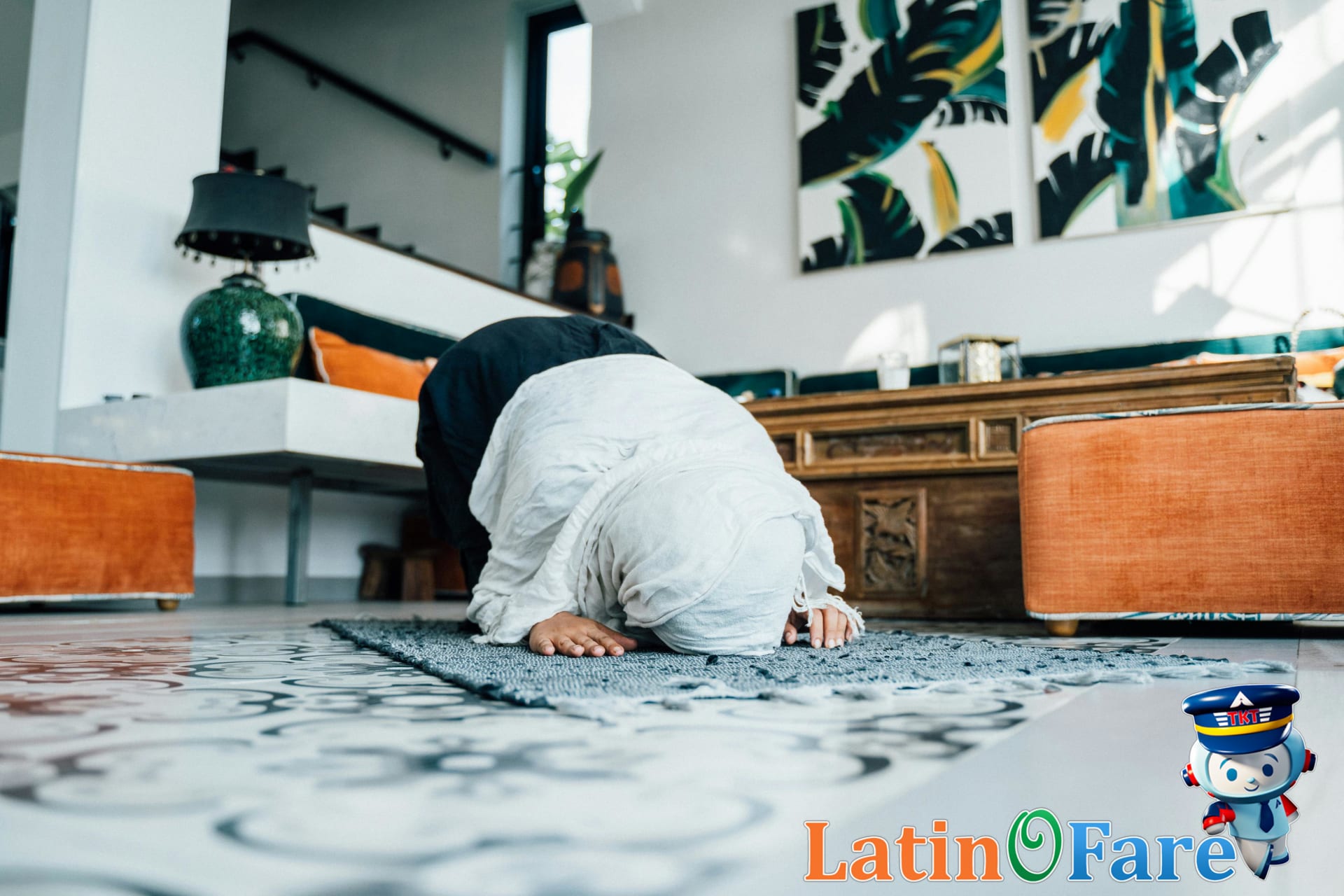
Planning your Eid al-Adha trip budget is easier when you see how accommodation, food, transport, and activities stack up across spending tiers. Costs can jump significantly during Eid—especially in cities like Istanbul or London, where demand for Muslim-friendly hotels and halal dining soars. I’ve learned the hard way: booking late last year meant my Istanbul hotel cost about $60.00 more per night than when I reserved early for a previous Eid.
| Budget | Mid-range | Luxury | |
|---|---|---|---|
| Accommodation | $40.00 | $110.00 | $290.00 |
| Food | $15.00 | $40.00 | $100.00 |
| Transport | $7.00 | $25.00 | $70.00 |
| Activities | $10.00 | $35.00 | $90.00 |
Prices above reflect daily averages per person. In major cities, Eid-season rates can be noticeably higher—especially if you wait until the last minute. Early booking not only secures better rates but also ensures you get your preferred halal amenities and locations.
Top Eid Experiences For Families
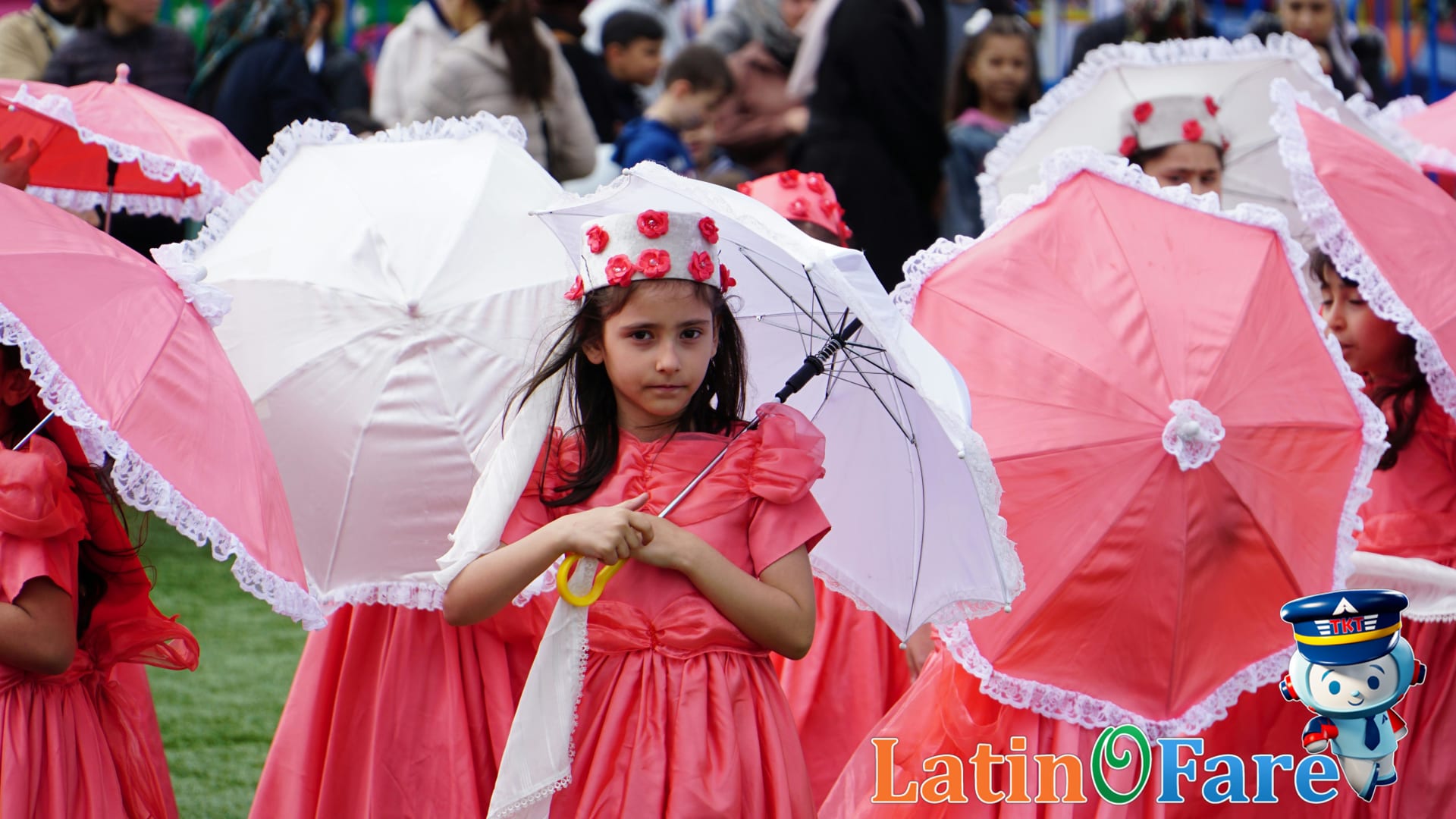
If you’re traveling with family during Eid al-Adha, you’ll find plenty of ways to immerse yourselves in the holiday’s spirit, no matter your destination. Communal prayers at large mosques are a highlight, often followed by friendly gatherings in local parks. I’ve attended an Eid prayer in Kuala Lumpur where families picnicked together afterward—kids played traditional games while adults shared homemade sweets. It was a simple but memorable way to feel connected to the community.
Many cities host vibrant open-air markets during Eid, with halal food stalls offering everything from grilled kebabs to festive desserts. Guided halal food tours can be a fun, educational option for both kids and adults—especially if you want to sample local specialties safely. For a hands-on experience, look for workshops where families can learn to make traditional Eid dishes or crafts. These activities are usually easy to join and don’t require prior experience.
Charitable giving is central to Eid al-Adha, and many communities organize events where visitors can participate—such as helping distribute food packages or volunteering at local shelters. I found joining a local charity event to be the most meaningful part of my Eid travels, as it offered a deeper glimpse into the holiday’s values and brought me closer to residents. Performing arts, like children’s storytelling, music, and cultural shows, are also common and perfect for families seeking entertainment with an educational twist.
If you’re planning your itinerary, I’d recommend checking out local traveler blogs for up-to-date event listings, or see our guide to family-friendly Eid events abroad for more ideas.
How To Book Muslim-Friendly Lodging
Finding the right accommodation for Eid al-Adha goes beyond location and price. I always look for hotels or apartments that offer halal breakfast, prayer rooms, and women-only spaces—these features really make a difference in my Eid experience. I start by searching on major booking platforms, using filters for “halal” and “prayer room” options. Some platforms, like Muslim-Friendly, focus specifically on properties catering to Muslim needs, which can save a lot of time.
Once I have a shortlist, I read recent guest reviews, especially those from Muslim travelers. I pay close attention to mentions of halal food quality, the actual availability of prayer spaces, and whether women-only facilities are well maintained. Sometimes, hidden gems—like a nearby mosque or private family dining—are only mentioned in guest comments. I’d suggest searching reviews for keywords like “halal,” “Eid,” or “prayer room” to uncover these details.
Before booking, I double-check with the property to confirm amenities, as listings can be outdated. On arrival, I verify again—especially for prayer spaces and halal food. If you want more step-by-step advice, check out our guide to finding Muslim-friendly stays for practical tips.
Key Customs For Eid al-Adha Abroad
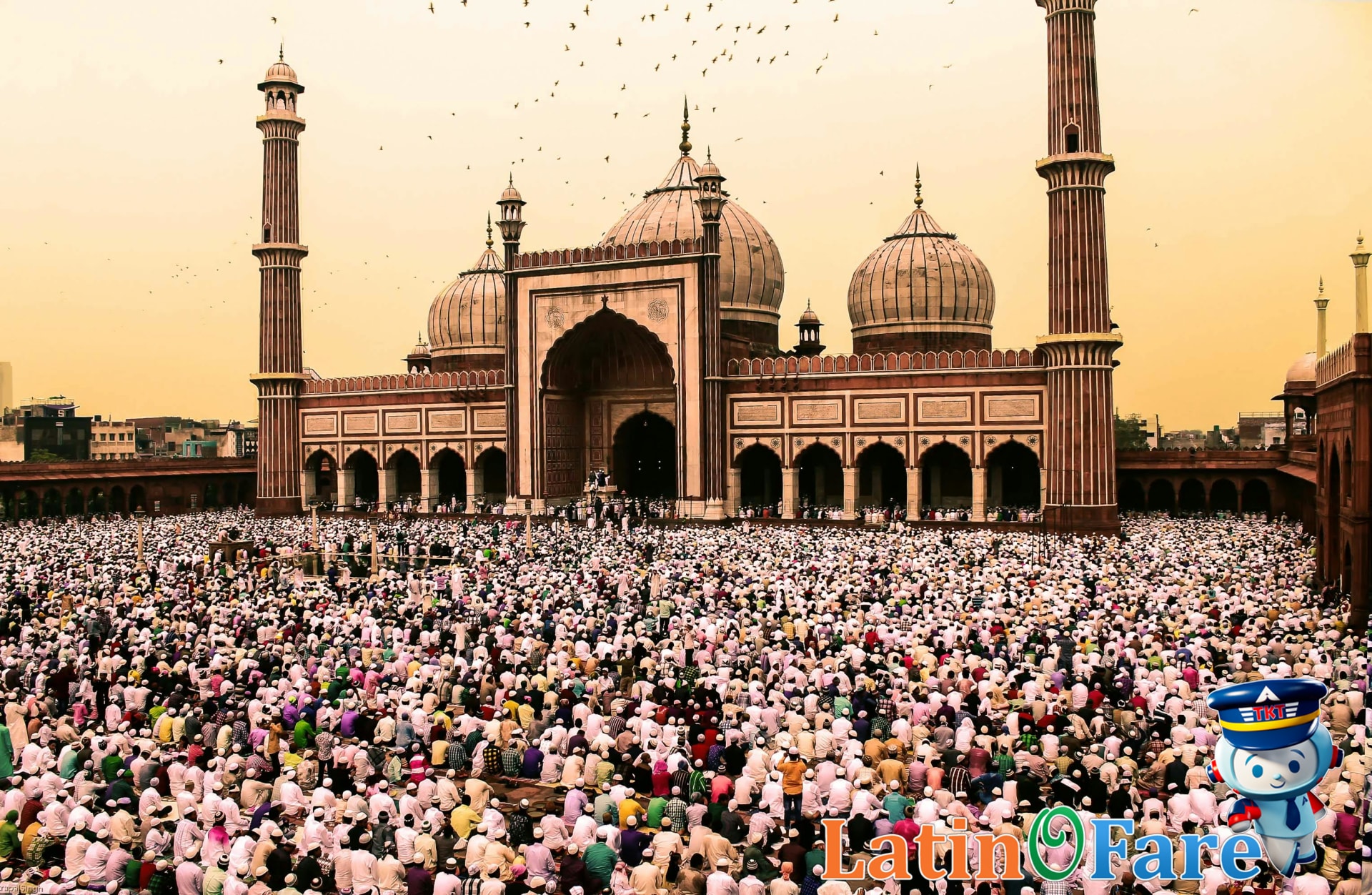
When joining Eid al-Adha celebrations abroad, it’s important to approach local customs with genuine respect. Modest attire is essential—long pants or skirts and covered shoulders are expected for both men and women, especially at prayers or community gatherings. I learned firsthand that even lightweight scarves for women can be appreciated, even if not strictly required in some places.
Greeting others with “Eid Mubarak” is a warm and widely accepted way to show goodwill. Always use your right hand for handshakes or when accepting food and gifts. At mosques, remove your shoes at the entrance and keep your phone silent. It’s best to avoid taking photos inside unless you’ve received clear permission, as some communities may find it intrusive.
If you’re invited to someone’s home or a community event, a small gift—like sweets or fruit—is a thoughtful gesture. I usually recommend checking local etiquette guides, such as those from national tourism boards, for destination-specific nuances. For deeper advice on etiquette in certain countries, you can also consult specialized guides for places like Turkey or Indonesia.
Eid Culinary Traditions to Savor

One of the highlights of celebrating Eid al-Adha abroad is diving into the unique culinary traditions each city offers. In Istanbul, I was captivated by the aroma of freshly baked baklava, while in Marrakech, the tables overflowed with lamb tagine and sweet chebakia cookies. Kuala Lumpur’s bustling markets serve up rendang, a slow-cooked beef dish, alongside trays of colorful kuih and rose-scented syrup drinks. Each destination puts its own spin on Eid favorites, and tasting these specialties is a celebration in itself.
For travelers, finding authentic Eid dishes is easiest in local restaurants or bakeries known for halal certification—look for places with visible signage or ask locals for recommendations. In my experience, joining a guided food tour (like those listed on platforms such as Withlocals or GetYourGuide) is a fantastic way to sample a variety of treats and learn about their significance. I still remember my first taste of Moroccan sellou: a nutty, spiced confection that was both surprising and delicious, and something I’d never have found without a local guide.
Halal food quality is especially important during Eid, so I usually check for certification or ask staff about their sourcing. If you want more inspiration on where to eat during Eid, check out our foodie guide to halal dining during Eid for practical tips.
FAQ: Eid al-Adha Travel Advice
- What are the best destinations for Eid al-Adha travel?
Popular destinations for Eid al-Adha include Istanbul, Kuala Lumpur, Dubai, and Marrakech, where you’ll find vibrant celebrations and special prayers. If you prefer a quieter experience, consider smaller cities with significant Muslim communities. I usually check local tourism sites for event details before deciding on a destination.
- How can I book affordable flights for Eid?
Booking early is key, as Eid flights often fill up quickly. Use flexible date search tools on platforms like latinofare.com to compare fares. Consider flying midweek or at off-peak hours for better prices. Set up fare alerts to catch sudden drops on your preferred routes.
- Which cities offer the best halal food options during Eid al-Adha?
Cities like Jakarta, Istanbul, and Dubai are known for extensive halal dining options, especially during Eid. Even in Western cities, neighborhoods with large Muslim populations—such as London’s East End or Chicago’s Devon Avenue—feature halal restaurants and Eid-themed menus, making it easier to enjoy traditional meals.
- What should I know about local Eid customs and etiquette?
Customs vary, but dressing modestly, greeting others with “Eid Mubarak,” and participating in communal prayers are common. In some countries, it’s customary to give small gifts or sweets to children. I recommend reading up on local practices to show respect and avoid unintentional mistakes during your visit.
- Are there special activities for children during Eid al-Adha?
Many destinations host family-friendly events like fairs, puppet shows, or Eid carnivals, often organized by local mosques or community centers. Parks and public spaces may also feature special activities and games for children, so check community event calendars or ask your hotel staff for recommendations.
- How early should I book my Eid al-Adha trip?
It’s best to book flights and hotels at least two to three months in advance, as demand surges closer to Eid. This helps secure better rates and more choices. Last-minute deals are rare during this period, so planning ahead is especially important for families or larger groups.
- Is it possible to find Muslim-friendly accommodations in non-Muslim countries?
Many hotels worldwide now cater to Muslim travelers, offering halal food, prayer mats, and Qibla directions. When booking, look for properties that advertise these amenities or use Muslim-friendly travel platforms for reviews. If unsure, contact the hotel directly to confirm their services before your stay.
How To Make Eid Travel Special
Traveling during Eid al-Adha is about more than just reaching a destination—it’s a chance to create lasting memories, share meaningful experiences with family, and discover new cultures. Planning ahead, choosing the right flights, and staying open to new traditions can make your journey even more rewarding. I’ve found that Eid trips have deepened my appreciation for both my roots and the wider world. If you’re looking for easier booking, latinofare.com can help you sort out the details. Feel free to share your own Eid travel tips or favorite memories in the comments below.