
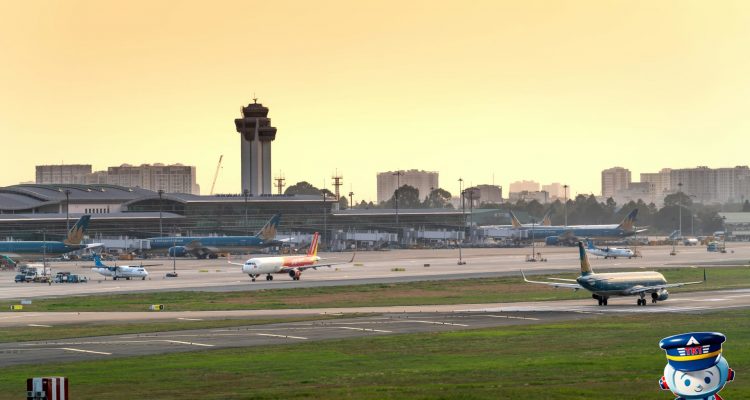
Why Budget Flying Is Popular in Asia

Intra-Asia flights have become a go-to choice for travelers looking to stretch their budget without sacrificing convenience. The region’s dense network of cities and islands is now connected by an impressive web of low-cost carriers, making it easier than ever to hop between major hubs and hidden gems alike. Whether you’re a backpacker, a family on holiday, or a business traveler, affordable fares and frequent departures make spontaneous travel genuinely possible.
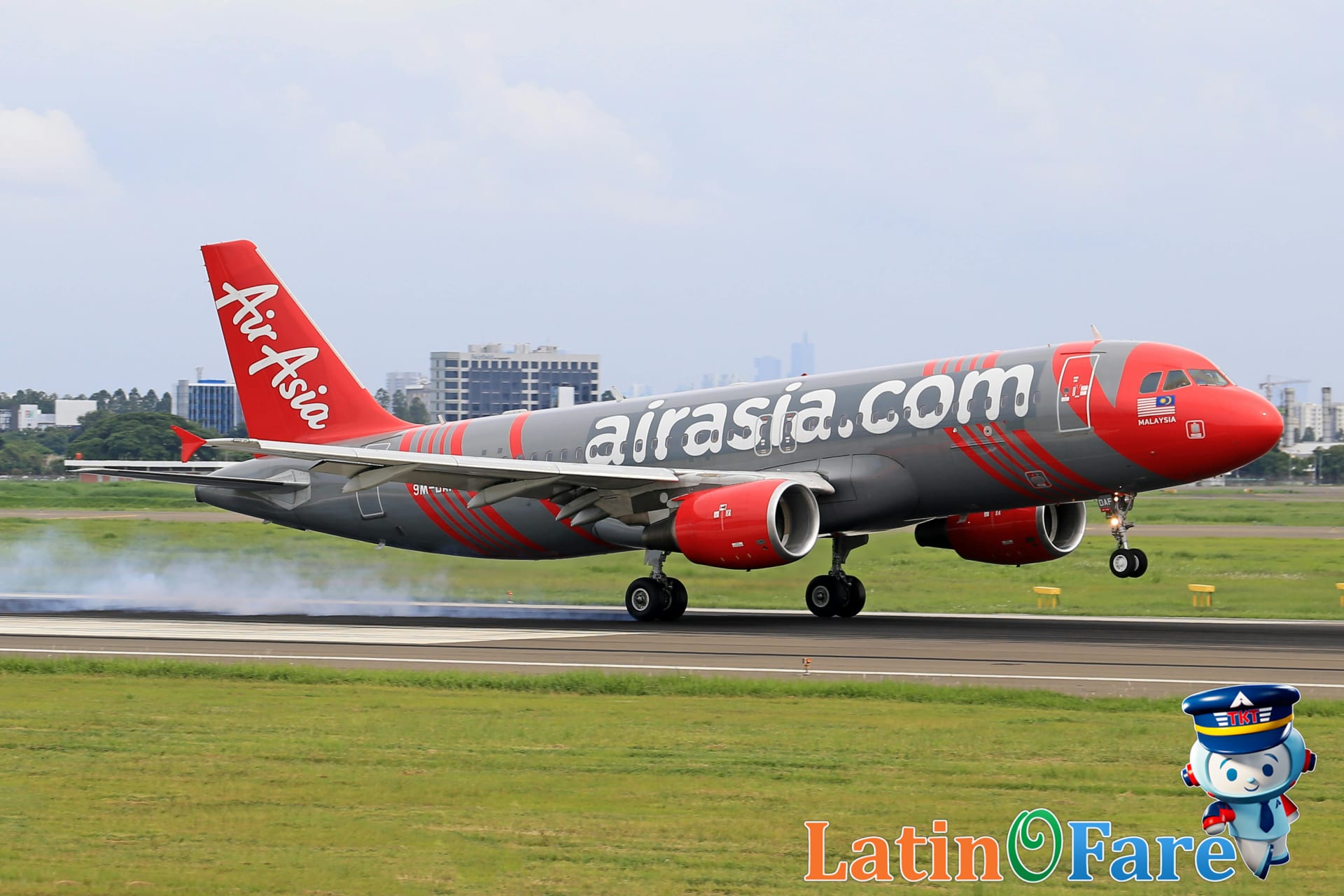
Asian budget airlines have seen rapid growth over the past decade, outpacing many regions in terms of route expansion and frequency. Carriers like AirAsia, Scoot, and IndiGo have transformed the landscape, offering direct flights to dozens of destinations at prices that often rival bus or train tickets. This fierce competition means more options and better deals for travelers willing to be flexible with dates and airports.
I still remember searching for my first ultra-cheap ticket to Bangkok and being shocked to find a nonstop flight for about $40.00. That discovery opened up a whole new world of last-minute adventures and made me realize just how accessible Asia had become. If you’re looking for practical deal-finding tips, platforms like latinofare.com can help you spot these bargains before they’re gone.
Major Low-Cost Carriers in Asia
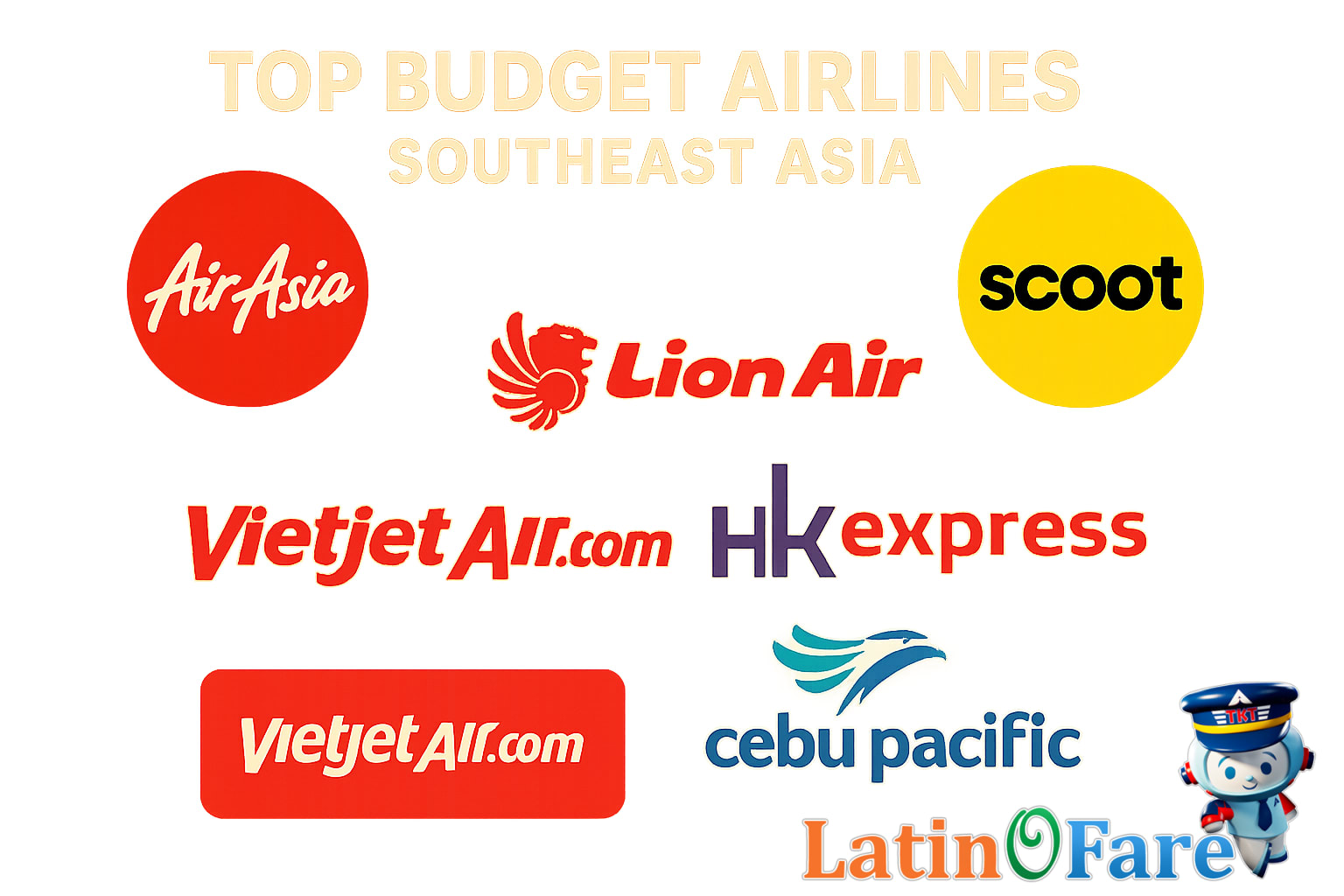
Asia’s low-cost airline scene is led by a handful of carriers that dominate the region’s budget flight market. AirAsia is probably the most recognizable, with its main hub in Kuala Lumpur and an extensive network stretching from Thailand to the Philippines. Scoot, a subsidiary of Singapore Airlines, operates out of Singapore Changi and is well known for connecting Southeast Asia with Australia and North Asia.
Jetstar Asia, based in Singapore, focuses on short-haul routes around Southeast Asia and offers a straightforward booking process. Cebu Pacific, headquartered in Manila, is the leading budget choice for domestic and international travel in and out of the Philippines. Each airline has its own strengths—AirAsia’s network is huge, Scoot tends to offer newer aircraft, and Cebu Pacific is known for frequent fare sales.
In my experience, AirAsia’s mobile app made searching and booking intra-Asia flights especially smooth, with clear fare breakdowns and easy add-ons. Jetstar Asia’s website was also user-friendly, but I found the app experience just a bit quicker for last-minute searches. If you want more details on individual carriers, check out the airline profiles on the latinofare.com blog or visit each airline’s official site for the latest route maps and promotions.
Recent trends show these carriers are expanding into secondary cities and adding new cross-border routes—great news for travelers looking to skip major hubs and fly direct.
Best Routes for Cheap Asia Flights

When you’re searching for the cheapest ways to fly within Asia, certain routes consistently stand out for their low fares and frequent departures. Some of the most wallet-friendly and high-traffic city pairs include Bangkok–Kuala Lumpur, Manila–Singapore, Ho Chi Minh City–Hanoi, Jakarta–Bali, and Kuala Lumpur–Penang. These routes see lots of competition from budget airlines, so prices can drop to about $35.00 for a one-way ticket if you catch a deal.
Major hub airports like Bangkok (BKK), Singapore (SIN), and Kuala Lumpur (KUL) often have the best deals thanks to the sheer number of flights and airlines fighting for passengers. But don’t overlook smaller airports nearby—sometimes flying into Don Mueang (DMK) instead of Suvarnabhumi in Bangkok, or Clark (CRK) instead of Manila (MNL), can save you a surprising amount. I once snagged a one-way ticket from Clark to Singapore for just about $28.00; the catch was a slightly longer bus ride on the Manila end, but the savings were worth it.
Mixing big hubs with secondary airports in your search can open up much cheaper options, especially if you’re flexible with your travel time or don’t mind a little extra ground transport. I’d recommend checking both types of airports when comparing fares, as this is where I’ve found some of my best bargains.
If you want more inspiration, check out the Top Cities in Asia guide for more ideas on where to start your search.
Effective Booking and Research Tools

Finding cheap flights isn’t just about luck—it’s about knowing which booking tools and strategies actually work. I always start my search with fare aggregators like latinofare.com, which lets you compare prices across dozens of airlines and booking sites in one place. Other useful sites include Google Flights and Skyscanner, both of which offer flexible date calendars and fare alerts right in their interface.
How to Compare Airfares
To really maximize savings, I recommend using flexible date searches—most platforms let you view prices for a whole month, which makes it easy to spot the cheapest departure days. In my own travels, I’ve saved over $60.00 just by shifting my trip by two days after seeing a big price drop on the calendar view. Fare alerts are another must; set them up so you’ll get an email or app notification when prices drop on your chosen route.
Searching in a browser’s incognito or private mode can also help you avoid cookies that sometimes inflate prices after repeated searches. I usually open a fresh incognito window for each search session, especially when comparing deals across latinofare.com and the main airline sites. This way, I know I’m seeing the most unbiased fares available.
Decoding Fees and Baggage Costs
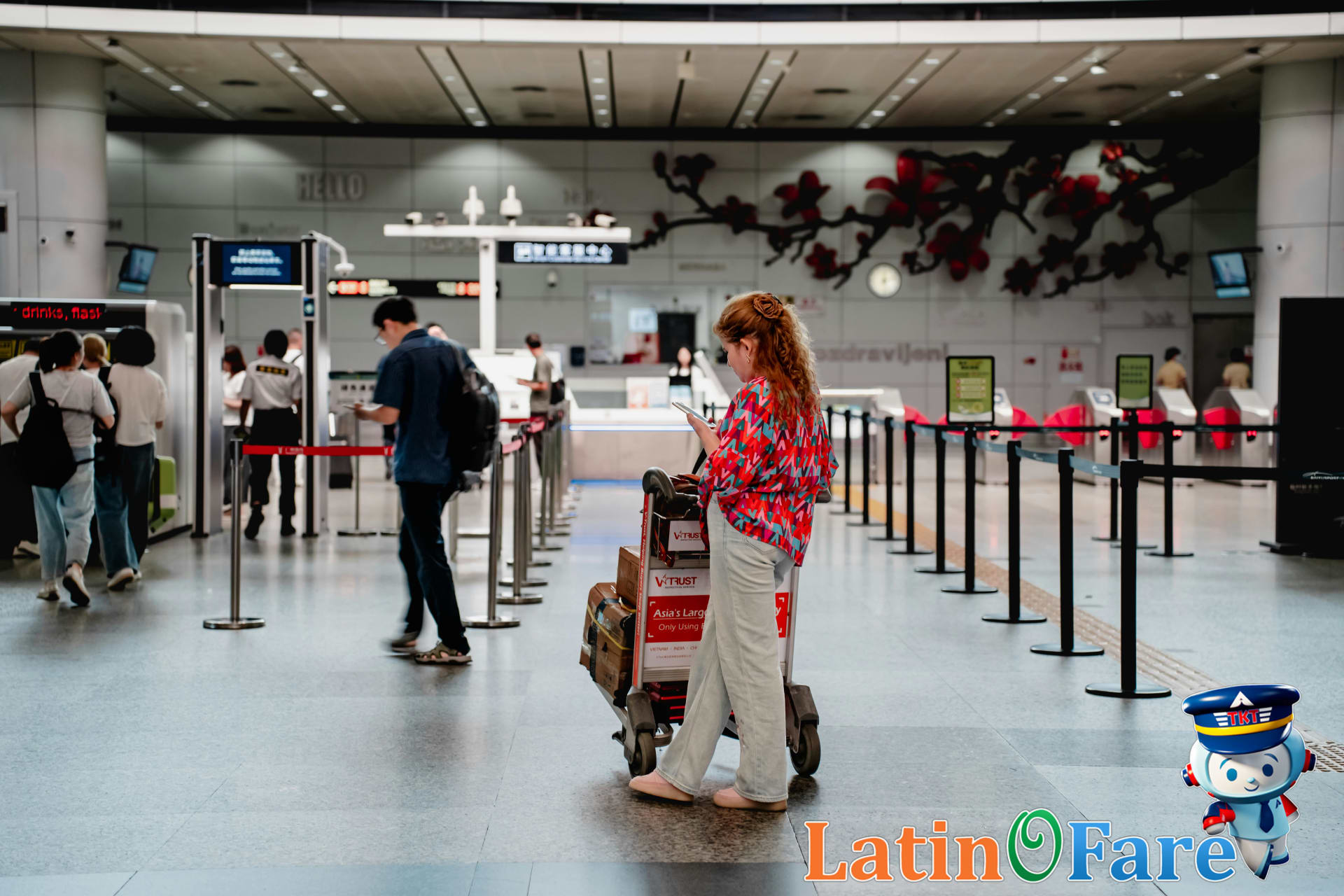
It’s easy to get lured by a cheap airfare, only to discover at checkout that the real cost is much higher once you add bags, seats, and meals. Airlines often charge about $35.00 for a checked bag, $15.00 for seat selection, and $10.00 for an in-flight meal—even on short routes. Priority boarding or ticket changes usually come with their own fees, too.
I once booked a flight without checking the carry-on bag policy, assuming it was included. At the airport, I had to pay about $60.00 just to bring my small suitcase onboard—a lesson I won’t forget. Now, I always double-check baggage rules before paying, even for quick trips.
To avoid these surprise charges, look closely at what’s included in your fare. Some airlines offer “basic” tickets that don’t include bags or seat assignments. If you want to save, pack light and bring only a personal item, or factor in the cost of checked and carry-on bags before booking. Comparing the true total—including all extras—can help you spot the better deal.
For more ways to sidestep airline add-ons, check out latinofare.com’s guide on how to avoid hidden airline fees.
Maximizing Savings and Local Discounts
Travelers who want to stretch their budget across Asia should look beyond standard search engines. Loyalty programs like AirAsia BIG or Scoot Insider can be surprisingly valuable—signing up often gives you early access to flash sales and exclusive promo codes. I’ve found that redeeming points for a flight can sometimes cost less than paying in cash, especially during member-only redemption promos.
Regional flash sales are another goldmine. AirAsia’s Big Sale, for example, drops fares dramatically for short booking windows. I once scored a last-minute ticket from Kuala Lumpur to Bangkok for about half the usual price just by acting quickly on a sale alert. After that experience, I made it a habit to sign up for sale notifications and check social media for surprise codes—sometimes these pop up only for a few hours.
Checking fares in the local currency is a lesser-known trick. Some booking sites and airlines display slightly lower prices when you select the local currency at checkout, thanks to conversion quirks or regional pricing. I’d always compare both the USD and local currency totals before paying, and it occasionally saved me a few extra dollars on each booking.
Sample Asia Travel Budget Table
| Budget | Mid-range | Luxury | |
|---|---|---|---|
| Accommodation | $25.00 | $80.00 | $220.00 |
| Food | $10.00 | $35.00 | $90.00 |
| Transport (Flights) | $60.00 | $150.00 | $400.00 |
| Activities | $15.00 | $40.00 | $120.00 |
Daily travel costs in Asia can look very different depending on your style. Budget travelers can get by on shared hostels, street food, and low-cost airlines like AirAsia or Scoot—where a typical one-way fare between major cities runs about $60.00 if booked early. Mid-range travelers will notice a jump in comfort: private hotels, sit-down meals, and flexible flight times add up quickly. If you’re budgeting for luxury, expect business class fares, upscale hotels, and private tours to push daily totals much higher.
For me, tracking my real expenses during a multi-stop Asia trip was the difference between sticking to my budget and running out of funds halfway through. I found that plugging in actual flight and meal costs each day helped me adjust plans on the fly, so I never felt caught off guard by surprise spending.
FAQs About Cheap Intra-Asia Flights
- What’s the best day to book cheap intra-Asia flights?
Many travelers find that booking midweek, especially on Tuesdays or Wednesdays, can yield lower fares for cheap intra-Asia flights. I usually check fares early in the week and compare prices for different days before committing. Flexibility with your dates often helps you spot the best deals.
- Are extra luggage fees common on budget airlines?
Yes, most budget airlines in Asia charge extra for checked bags and sometimes even for cabin baggage exceeding a certain weight. For example, a checked bag might cost about $25.00 per flight. Always review the baggage policy before booking to avoid surprises at the airport.
- How far in advance should I buy cheap intra-Asia flights?
Booking about four to eight weeks before your travel date often secures better prices for cheap intra-Asia flights. Last-minute fares can be higher, especially during holidays or peak travel seasons. Set fare alerts so you’ll notice when prices drop for your preferred routes.
- Is booking direct cheaper than using a platform?
Sometimes airlines offer exclusive deals on their own websites, but platforms like latinofare.com can help you compare multiple carriers at once. I’ve seen both options offer discounts, so it’s smart to check both before making your final decision.
- Are there hidden fees when booking cheap intra-Asia flights?
Hidden fees can include seat selection, food, and payment processing charges. For example, some budget carriers add about $7.00 for credit card payments. Review the summary page carefully before paying, and uncheck optional extras you don’t need to keep your fare low.
- Can I change or refund a cheap intra-Asia flight?
Most cheap intra-Asia flights are non-refundable and changes can incur fees, sometimes as high as the original fare. Always check the airline’s official change and refund policy on their website before booking, especially if your plans might shift after purchase.
- Which days are cheapest for flying within Asia?
Flying on Tuesdays, Wednesdays, or Saturdays is often less expensive for intra-Asia routes. For instance, a Saturday flight may cost about $15.00 less than a Friday one. Avoiding national holidays and weekends usually helps you find the lowest fares on popular routes.
Low-Cost Flights Make Asia Accessible
Cheap airfare has opened up Asia in ways that just weren’t possible a decade ago. With budget carriers and regular flash sales, it’s now realistic to hop between countries without draining your funds. The best results usually come from combining a few simple strategies: monitor special offers, use comparison tools like latinofare.com, and always double-check baggage or seat selection fees before hitting purchase.
I’ve found that booking a cheap flight early often leaves room in my budget for a splurge later—on my last trip, that meant saying yes to a cooking class I’d otherwise skip. Thinking ahead lets you make the most of your travel funds, whether it’s for a fancy meal or a last-minute excursion.
If you want more ways to stretch your budget, check out our Top Money-Saving Travel Tips for Asia for practical advice you can use on your next adventure. Plan your route and budget first, and you’ll see just how far your travel dollars can go.