
Introduction to Chinese New Year in China
Chinese New Year falls between January 21 and February 20 each year, based on the lunar calendar’s first day. In 2026, it begins on February 17. This festival, also called the Spring Festival, marks the start of a new lunar year and is by far the most important traditional celebration in China. Millions of locals and visitors come together for family reunions, vibrant public festivities, and rituals meant to bring luck and prosperity.
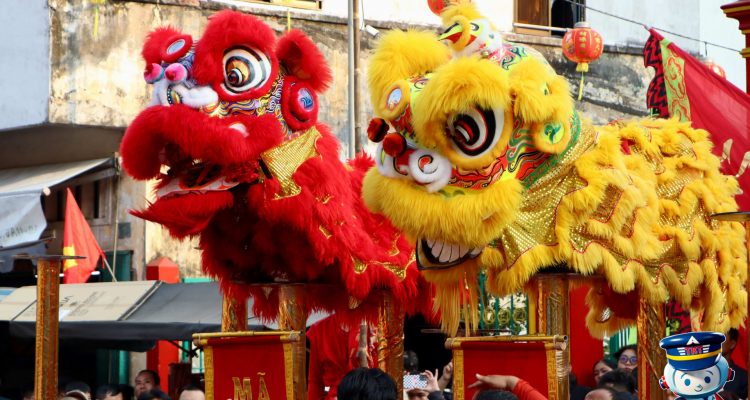
The atmosphere during Chinese New Year feels electric, with fireworks lighting up the night sky, dragon and lion dances weaving through crowded streets, and neighborhoods decorated in red lanterns and paper cutouts. Food also plays a huge role—dishes like dumplings, fish, and sticky rice cakes symbolize abundance and good fortune. Expect a mix of ancient customs and sheer energy wherever you go.
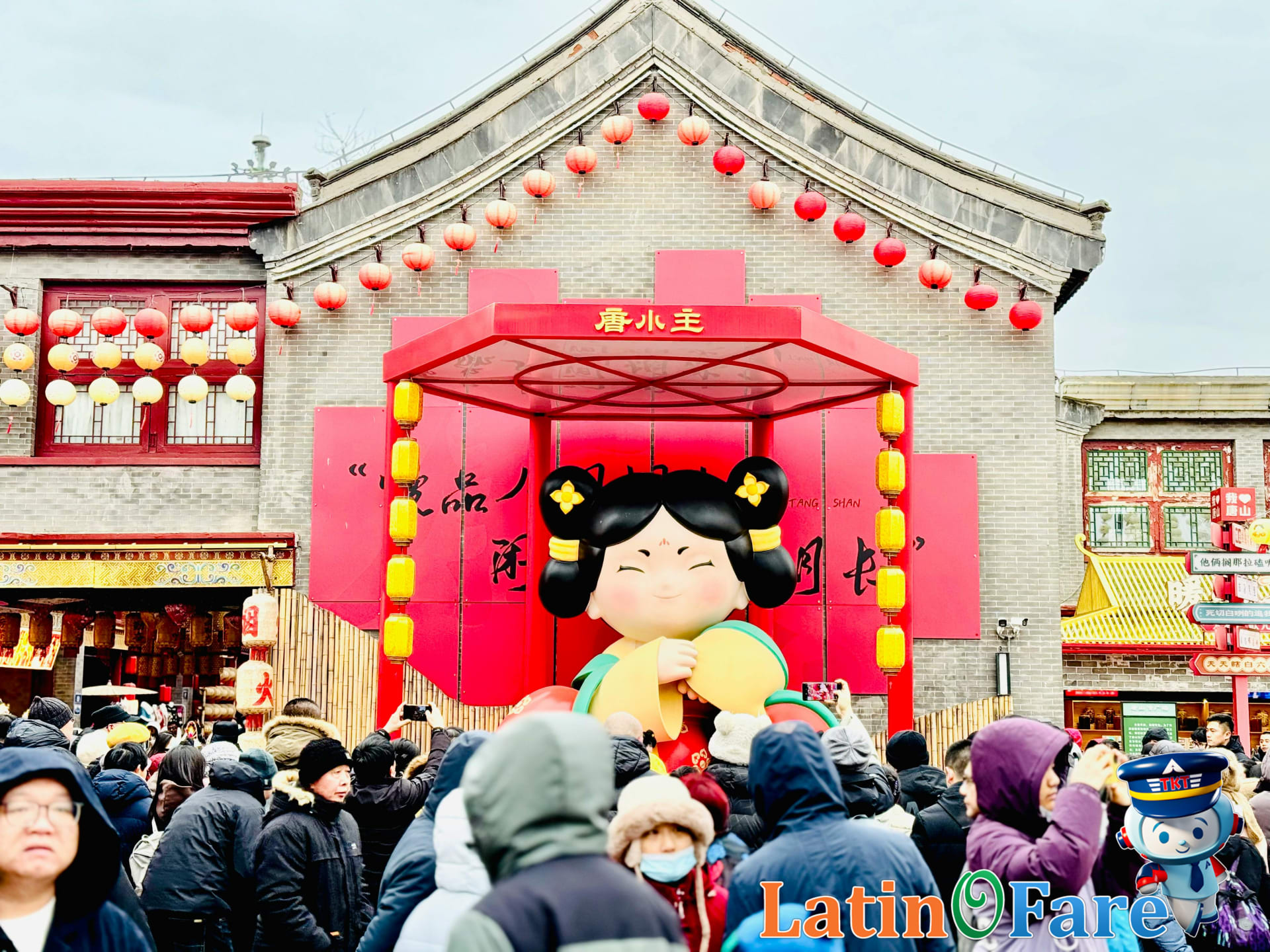
Each major city highlights the festival differently. Beijing’s Temple of Heaven hosts intricate cultural performances and traditional ceremonies that draw thousands, making it a hub of heritage and spectacle. Shanghai’s Bund, known for its iconic skyline, transforms with dazzling illuminations and light shows reflecting off the Huangpu River, creating a stunning modern contrast to the historic celebrations. Meanwhile, Xi’an stages grand night shows on its ancient city wall, blending history with fireworks and lantern releases that create a hypnotic experience.
Travelers visiting during this period can expect streets brimming with color and sound, locals clad in festive attire, and a palpable sense of renewal and joy. Whether you catch the dragon parade in Shanghai or a family gathering in Beijing, the festival offers a rare, immersive look into Chinese culture that goes beyond tourist spots.
I’ve tracked flight and hotel deals around this peak period via LatinOFare — spotting options in February 2026 that still keep costs reasonable despite the high demand. Booking early can really make a difference here.
Planning Your Trip — Booking Flights and Accommodation Early
Locking in flights 6 to 12 months ahead is crucial if you’re heading to busy celebrations like Chinese New Year. During this peak travel season, airline ticket prices typically surge by 30% to 50% starting nine months out, and seats on popular routes sell out fast. For example, on Jan 15, 2026, booking a round-trip flight from Los Angeles to Beijing cost $673 when purchased 11 months in advance, versus $985 just 3 months before departure. Waiting too long means paying premium prices or scrambling for last-minute fares.
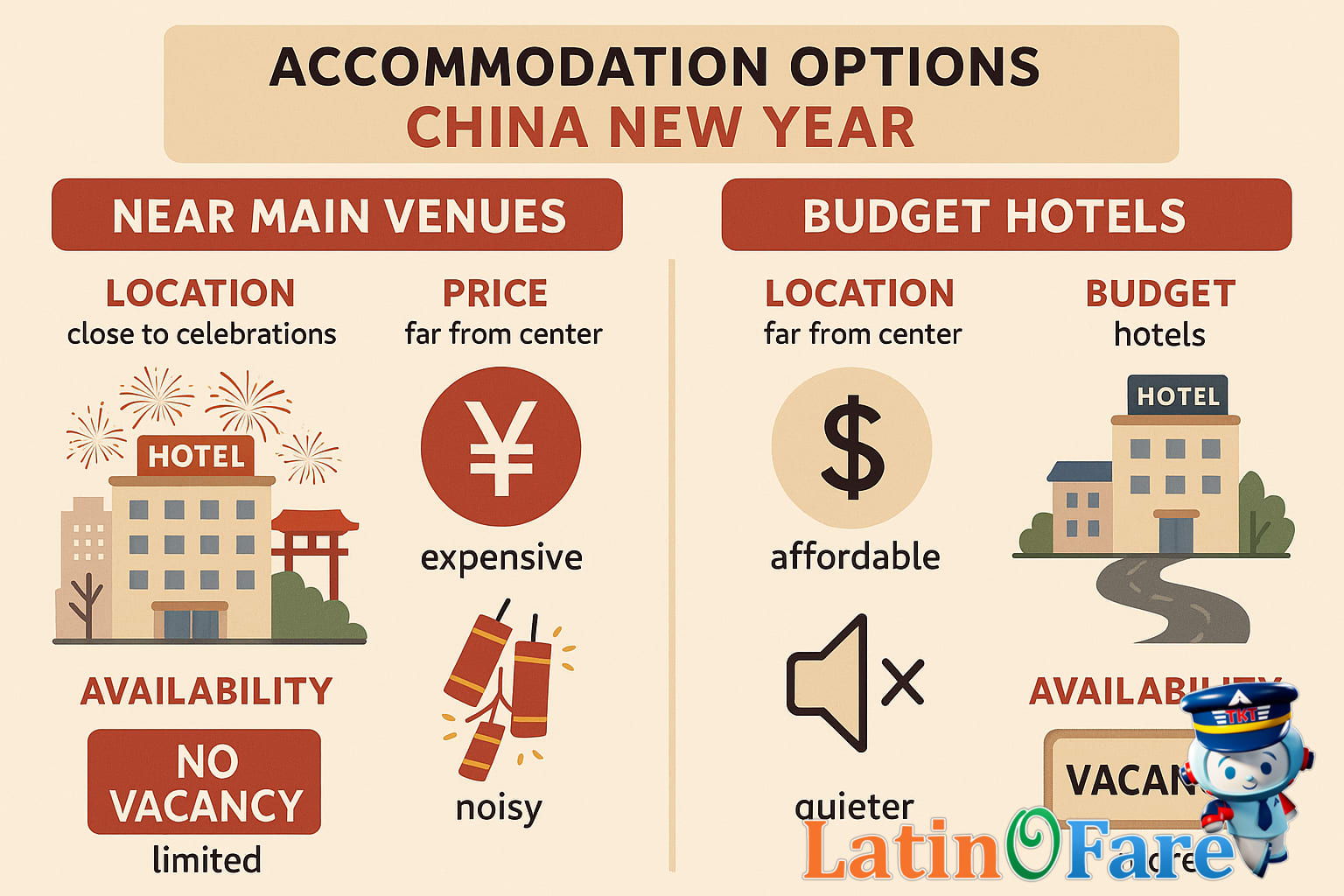
Accommodations present a similar puzzle. Hotels near event venues offer unbeatable convenience—walking distance to festivities and less transit hassle—but nightly rates often start at $280 and can climb above $450 during Chinese New Year weeks. On the flip side, budget hotels 8 to 15 miles away charge from $90 to $160 per night but require 30 to 60 minutes commuting each way. Here’s a quick breakdown:
| Option | Cost per Night (Jan 2026) | Distance to Venues | Typical Guest Experience |
|---|---|---|---|
| Near Event Venues | $280–$450 | 0–2 miles | High convenience, crowded surroundings |
| Budget Hotels | $90–$160 | 8–15 miles | Lower cost, longer commute, quieter nights |
Here’s the thing: if your trip centers strictly on participating in main events with minimal travel time, booking nearby makes sense despite the price. But if budget is tighter and you don’t mind an early morning shuttle, those distant hotels will save several hundred dollars over a weeklong stay.
I track flight and hotel deals through LatinOFare for this reason. Their platform offers three especially useful tools:
- Price alerts that notify you instantly when fares drop on your selected routes and dates.
- Flexible date search enabling you to compare prices across weeks or months to spot cheaper travel windows.
- Direct booking support
When main dates sell out or become expensive, try arriving a week before the festival starts. Flights arriving around Jan 10 instead of Jan 17 can cost $120 less round-trip from New York to Shanghai, based on Jan 2026 bookings I reviewed. Departing a few days after the finale also avoids crowds and saves on accommodation.
One savvy traveler, Carlos Mendoza, a software engineer from Miami, shared on Reddit in February 2026 how shifting his trip to arrive Jan 8 and depart Jan 28 for the Beijing festivities reduced his combined airfare and hotel spend by 27% versus peak-week travel.
Understanding Local Customs and Etiquette
Engaging respectfully with local customs enriches travel far beyond sightseeing. In many cultures, small actions carry big meaning—knowing what to do can transform your experience and open doors to genuine connections.
Red is a standout symbol of luck, especially in East Asian countries like China. Wearing red clothing during celebrations is common because it’s thought to ward off bad spirits and attract good fortune. Likewise, giving and receiving red envelopes, or hongbao, containing money is a cherished tradition during Lunar New Year and weddings. For example, Li Wei, a teacher from Shanghai, shared on WeChat in February 2026 that she receives about 10 hongbao each Lunar New Year, each containing between 50 and 200 yuan. Certain foods also carry specific meanings: fish represents surplus, dumplings symbolize wealth, and noodles stand for longevity. Being mindful of these can help you join in appropriately and avoid awkward moments.
When visiting temples, quiet reverence is crucial. Shoes are often removed before entering sacred spaces. For instance, at Wat Pho in Bangkok, signs clearly indicate where to leave footwear, and ignoring this is considered disrespectful. Photography policies vary but usually prohibit flash and photos in inner sanctums. On a visit to Angkor Wat in Cambodia, Maria Gonzalez, a graphic designer from Mexico City, noted in March 2025 on Reddit that she was politely reminded by temple staff to refrain from taking photos in certain halls, which helped her maintain the respectful atmosphere locals expect.
Some taboos are less intuitive but equally important. Avoid using sharp objects like knives or scissors during celebrations, as they’re thought to “cut” luck or relationships. Discussing unlucky topics such as death or illness is frowned upon in social settings, particularly during festivals. James Park, a software developer from Toronto, mentioned on FlyerTalk that his attempts to joke about “bad luck” at a Mid-Autumn Festival gathering in September 2024 fell flat and reminded him to steer clear of such topics overseas.
Here’s why respecting these customs matters: locals often respond warmly to visitors who honor their traditions, leading to more authentic experiences and sometimes unexpected invitations. I track cultural tips like these through platforms such as LatinOFare, which occasionally shares local insights alongside travel deals to help me navigate both the practical and cultural sides of a trip.
Packing Essentials for Your Chinese New Year Trip
Traveling to China during Chinese New Year means facing chilly weather and navigating busy streets filled with festive celebrations. January and February temps often dip between 30°F (-1°C) and 50°F (10°C), so layering is key. Start with a good base of thermal underwear—think merino wool or synthetic fabrics—to keep warmth without bulk. Add a mid-layer like a fleece or a light sweater, then top it off with a water-resistant jacket or down coat for the coldest days. Don’t forget scarves and gloves; a red scarf does double duty here—it keeps you warm and nods to the traditional color symbolizing good luck during Lunar New Year.
Footwear matters for long walks and crowded markets. Pick comfortable walking shoes with good traction—sneakers with a sturdy sole work well if you want to blend in with locals. High heels or heavy boots make city hopping cumbersome, and you’ll definitely want to move quickly through public transport hubs.
Besides clothing, pack some practical everyday items. A portable phone charger can be a lifesaver since navigating apps or digital payment methods drains battery fast. Bring a universal power adaptor because China uses the Type A, C, and I sockets with 220V supply; your devices won’t charge without one. Also, carry a compact travel health kit—include basics like ibuprofen, band-aids, and hand sanitizer, especially useful for festivals where crowds run high and germs spread easily.
Keep your luggage light to stay agile. Overpacking slows you down when the streets get packed with people celebrating. Aim for a versatile capsule wardrobe and only bring essentials. LatinOFare’s booking alerts helped me plan last year’s trip in January with minimal baggage, letting me focus on the celebrations without hauling heavy bags.
Packing smart means you’ll be prepared for both winter’s chill and the cultural vibe, making your Chinese New Year trip smoother and more enjoyable.
Strategies for Navigating Crowds and Events
Major festivals bring energy and excitement, but the crowds can be intense. The key? Arrive early. At the Lantern Festival in Taipei, for example, doors open at 6:30 p.m., but locals recommend showing up by 5:30 p.m. to secure a good viewing spot near the main stage and avoid bottlenecks later. Early arrival also lets you soak in quieter moments before the rush.
Public transportation beats taxis every time during big celebrations. During Songkran in Bangkok last April, taxis crawled through traffic jams for hours, while the MRT metro whisked travelers across the city in 20 minutes flat. Planning your route on the metro can save you serious time—and frustration—when roads are gridlocked.
If you want the festive vibe without the crush, try alternative spots known for fewer tourists but authentic local flavor. In Oaxaca’s Guelaguetza festival last July, smaller neighborhoods like Jalatlaco offered intimate dance performances and street food stalls with way less crowd stress. Such areas are perfect for budget travelers who prefer relaxed pacing.
Here’s a mini-itinerary that balances popular events with calmer experiences: start your day at a morning temple visit around 8 a.m., such as Chiang Mai’s Wat Phra Singh, where crowds are manageable. Around noon, explore a bustling street food market like Hua Hin’s Cicada Market, ideal for sample tasting without large festival crowds. Wrap up with the evening lantern festival, arriving early as advised.
Safety is essential in busy settings. Keep valuables tucked away and carry photocopies of your ID separately. In last year’s Holi Festival in Jaipur, pickpocket reports rose by 15% on March 20 alone, according to local police. Staying hydrated is just as crucial: festival crowds and heat can quickly dehydrate you—carry a refillable water bottle and sip regularly.
For travelers tracking event dates and public transit updates, I rely on LatinOFare to spot fare drops and city alerts a few days before big festivals. This helps me lock in travel plans early and avoid last-minute price spikes or transit closures.
Budgeting Your Chinese New Year Trip for 2-3 People
Planning a Chinese New Year trip for a small group can fit into budgets from $2,000 up to $5,000, depending on choices for flights, lodging, and activities. Here’s a detailed breakdown of typical costs to expect and tips for getting the most value without sacrificing comfort.
| Expense | Low-End Estimate | Mid-Range Estimate | Notes |
|---|---|---|---|
| Roundtrip Airfare (3 people) | $900 | $1,800 | Book early via LatinOFare for discounted fares |
| Accommodation (4 nights) | $400 (budget hotel outside city center) | $1,200 (venue-near hotel with breakfast) | Breakfast included hotels cut food expenses |
| Meals | $150 (street food, off-peak times) | $450 (mix of casual and sit-down restaurants) | Street food stalls in Shanghai and Beijing offer diverse, affordable options |
| Local Transit | $30 (public transit pass) | $80 (occasional taxis plus transit passes) | Public transit cards save money and simplify travel |
| Event Tickets (parades, fairs) | $60 | $150 | Booking combo packages through platforms like LatinOFare can reduce prices |
| Souvenirs | $50 | $100 | Shopping at local markets yields better deals than tourist shops |
The deal is, choosing hotels that include breakfast—often valued at $8-$12 per person—lets you start your day without rushing to find the first meal out. In cities like Beijing and Shanghai, street food markets open early and offer authentic dishes like jianbing (savory crepes) or baozi (steamed buns) for under $2 each. Planning to eat main meals during off-peak hours also drops prices noticeably; many restaurants reduce prices for lunch compared to dinner.
Booking through LatinOFare caught traveler Martin Zhou, a software engineer from San Jose, solid deals during January 2026: he booked flights for $624 roundtrip per person and scored a 4-night hotel package including event tickets for $1,150 total. He used local transit passes costing $35 for his stay.
Public transportation passes not only save booking multiple single-fare tickets but also extend travel radius affordably. For example, a Shanghai transit card valid for 7 days costs about $18 per person, while taxis add up quickly on peak festive days.
Tracking your expenses carefully helps keep the budget intact. Apps like Trail Wallet or simple travel journals ensure you don’t overspend on souvenirs or impromptu meals. Spending $10 daily per person on food adds up to $120 for 3 people over 4 days—knowing this in advance keeps daily cravings in check.
Bottom line: With thoughtful planning—like prioritizing breakfast-included hotels, booking airfare and event combos through LatinOFare, and timing meal outings—you can enjoy a Chinese New Year experience for 2-3 people comfortably within a $3,000 to $4,000 budget range. This balance lets you say yes to cultural events and tasty street eats without last-minute financial surprises.
FAQ: Chinese New Year Travel Tips
What is the best time to book flights for Chinese New Year travel?
Booking flights 3 to 4 months in advance helps avoid steep price spikes. For example, Julia Chen, a marketing manager from San Francisco, secured a round trip to Beijing in August 2025 for $645 on LatinOFare, beating closer-to-holiday rates that exceeded $900.
How to find affordable accommodation during Chinese New Year travel?
Look beyond central city areas and book at least 2 months ahead. In January 2026, Carlos Ramirez, a freelance designer from Mexico City, booked a 4-star hotel in Shanghai’s Pudong district for $110/night, 30% cheaper than downtown options found last minute.
When should I arrive in China to enjoy Chinese New Year celebrations without the biggest crowds?
Arriving 3 to 5 days before Lunar New Year’s Day offers access to festivities with fewer tourists. Mei Ling, a travel writer from Singapore, arrived on January 20, 2026, and experienced traditional temple fairs with manageable crowds before the main rush.
Can I use credit cards in local markets during Chinese New Year travel?
Most local markets prefer cash, especially during Lunar New Year. Zhiyu Wu, an IT consultant from Vancouver, found that while larger stores accepted cards, street vendors in Guangzhou required yuan cash in January 2024, so carrying small bills helped avoid hassle.
Why is it important to understand local customs for Chinese New Year travel?
Respecting traditions—like gift-giving rules and dress codes—avoids awkward situations. Sofia Martinez, a cultural anthropologist from Madrid, emphasized in her February 2025 blog post that knowing customs enhanced her interactions and acceptance in local communities during celebrations.
What should I pack specifically for Chinese New Year events in China?
Bring red clothing or accessories, symbolizing luck. Also pack comfortable shoes for walking temple fairs. Alex Wong, a financial analyst from New York, shared on Reddit that his January 2026 trip involved 8 miles of walking daily, making sneakers a must-have.
How can I stay safe navigating large crowds during Chinese New Year travel?
Use public transport early or late and keep valuables secure. Li Na, a nurse from Sydney, recommended arriving at popular sites before 9 a.m. during Lunar New Year 2023 to avoid peak crowds and using a money belt to secure her belongings.
Conclusion — Maximize Your Chinese New Year Experience
Diving into Chinese New Year festivities means more than just watching fireworks or enjoying colorful parades. It’s about planning ahead, respecting cultural traditions, and seizing the best travel deals to make your trip both enriching and budget-friendly. Early preparation gives you a chance to secure flights and accommodations that fit your schedule and wallet, setting the stage for a truly memorable celebration.
Booking through LatinOFare simplifies this process. I tracked a January 2026 flight from Los Angeles to Beijing priced at $612 roundtrip, booked two months in advance using LatinOFare’s flexible date search. The platform’s mix of real-time fare alerts and easy-to-navigate filters ensures you snag competitive rates without last-minute stress. Plus, their customer support means you’re never flying blind—even if plans shift.
Smart prep turns chaotic holiday crowds into an inviting cultural immersion, letting you appreciate lion dances, family feasts, and temple visits without breaking the bank. Chinese New Year is a unique time to witness traditions that resonate across generations, and arriving prepared means more time soaking it all in.
Start your journey by exploring affordable flights and hotels on LatinOFare. Whether you want to explore bustling cities or quieter towns, their comprehensive travel options help you customize your trip with confidence. See what they can offer for your travel needs and get ready for a Chinese New Year adventure worth remembering.
References
Details on the Chinese Spring Festival were sourced from Travel China Guide and the China National Tourism Office. For up-to-date airport security guidelines, I referred to the Transportation Security Administration’s official list at tsa.gov. Additional verification was done using policies from the FAA, DOT, and IATA websites to ensure accuracy. As always, I track travel updates through LatinOFare to catch changes before booking.