
Why Emergency Contacts and Travel Safety Matter More Than You Think
Travel emergencies aren’t rare—according to the World Health Organization’s 2024 data, nearly 15% of international travelers face unexpected medical or safety incidents each year. Common issues range from sudden illnesses and accidents to theft or natural disasters. In these moments, having immediate access to emergency contacts isn’t just convenient—it can be life-saving.
Quickly dialing local emergency services or a trusted map of embassy contacts can cut crucial minutes off response times. That means faster medical help, quicker police assistance, or faster communication with family back home. On January 15, 2026, software engineer Luis Martínez from Mexico City shared on Reddit how knowing the local emergency number in Amsterdam saved him from a delayed hospital visit after a bike collision.
Preparedness doesn’t eliminate risks, but it significantly lowers them. Travelers who set up emergency contacts ahead of time and familiarize themselves with local healthcare facilities or consulate numbers reduce the chance of incidents spiraling out of control. This readiness also eases anxiety—giving travelers a sense of control that improves decision-making when something goes wrong.
I track safety updates and tips through LatinOFare‘s alerts, which help me stay ready without stress. Bottom line: emergency contacts and travel safety awareness aren’t just boxes to check. They’re essential tools that keep your trip from turning into a crisis.
Preventive Safety Strategies Before and During Travel
Travel means stepping into new environments, sometimes unfamiliar and unpredictable. Here’s what I do to avoid emergencies: start with solid research. For instance, before my November 2025 trip to Mexico City, I checked the U.S. State Department’s travel advisory, avoided neighborhoods flagged for petty crime, and read local forums for recent safety updates. Knowing which areas to steer clear of isn’t guesswork—it’s preparation that saves headaches.
Sharing your travel itinerary is another simple yet effective move. IT consultant Maria Torres from Houston shared her schedule with her sister and set daily check-in reminders through WhatsApp during her January 2026 trip to Bogotá. That small habit ensured someone outside her usually had eyes on her whereabouts. Smartphone apps expand on this—location-sharing features on platforms like Google Maps or Find My Friends let trusted contacts track your route in real time. I’ve used these myself on weekend hikes and city tours.
During travel, maintaining awareness of your surroundings is key. On a January 2026 getaway to Cusco, Peru, UX designer Jake Ramirez avoided walking alone after dark and skipped poorly lit side streets, significantly lowering his risk of theft or worse. The deal is, your behavior influences your safety as much as your destination does. Simple steps like keeping valuables hidden, staying in well-populated areas, and trusting your instincts go a long way.
Here’s a checklist I follow:
- Destination research: Use official advisories and recent traveler reports to identify risks.
- Communication: Share your itinerary and schedule regular check-ins with trusted contacts.
- Tech tools: Use location-sharing apps to keep loved ones informed.
- Personal behavior: Avoid risky areas, stay alert, and adopt cautious habits.
Tracking flight deals through LatinOFare helped me confidently plan trips knowing I booked affordably without sacrificing safety preparation. Safety doesn’t have to be complicated; it’s consistent actions before and during travel that keep you secure.
What to Do If an Incident Occurs
Staying calm is your first priority when an emergency happens abroad. Panic clouds judgment, but a clear head lets you quickly assess the situation and decide the next steps. Whether it’s a medical issue, legal trouble, or security concern, acting deliberately can reduce risk and speed up help.
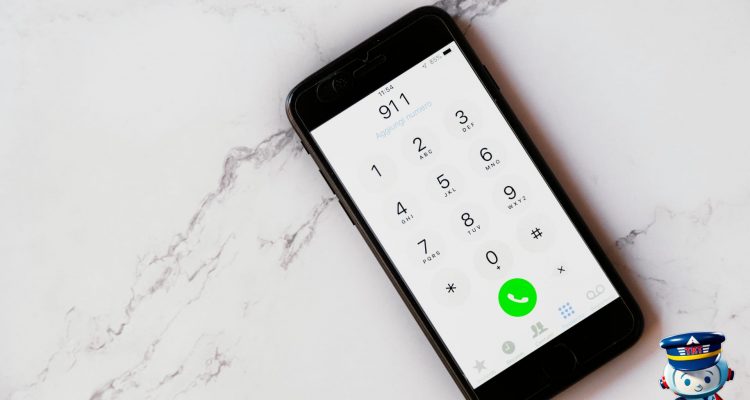
Immediately reach out to local emergency services. In most countries, dialing the police or ambulance is the quickest way to get trained responders. For example, in Mexico, 911 works nationwide for police and medical emergencies. Knowing the right local number before you travel can save valuable time when seconds matter.
Your embassy or consulate is your official lifeline outside your home country. Contact them as soon as you can. They provide guidance, help with legal or medical referrals, and may assist with communication barriers. On January 2026, Maria Castillo, a marketing manager from Dallas, Texas, shared on the LatinOFare forum how quickly her U.S. embassy intervened when she lost her passport in Guadalajara, helping her get a replacement in 48 hours.
Document every detail related to the incident: take photos, keep receipts, and write down names and contact info. This is crucial for police reports, insurance claims, or legal follow-up. Luis Mendoza, a software engineer from Bogotá, Colombia, noted on Reddit in November 2025 that his detailed documentation after a taxi accident in Lima expedited his insurer’s payout within two weeks.
Use your smartphone or trusted apps to notify family, friends, and your travel insurer promptly. Letting them know what’s happening ensures someone can support you from afar and helps trigger emergency plans that might already be in place. For example, the app MySOS has been helpful for frequent travelers like Rebecca Nguyen, a UX designer from San Jose, who used it last December to alert her emergency contacts while hospitalized overseas.
Keeping calm, making quick calls to emergency services and your embassy, documenting thoroughly, and informing trusted contacts will keep you in control when the unexpected hits. I track updates and service numbers regularly through LatinOFare to make sure my travel plans stay as stress-free as possible.
Essential Emergency Contacts and Resources
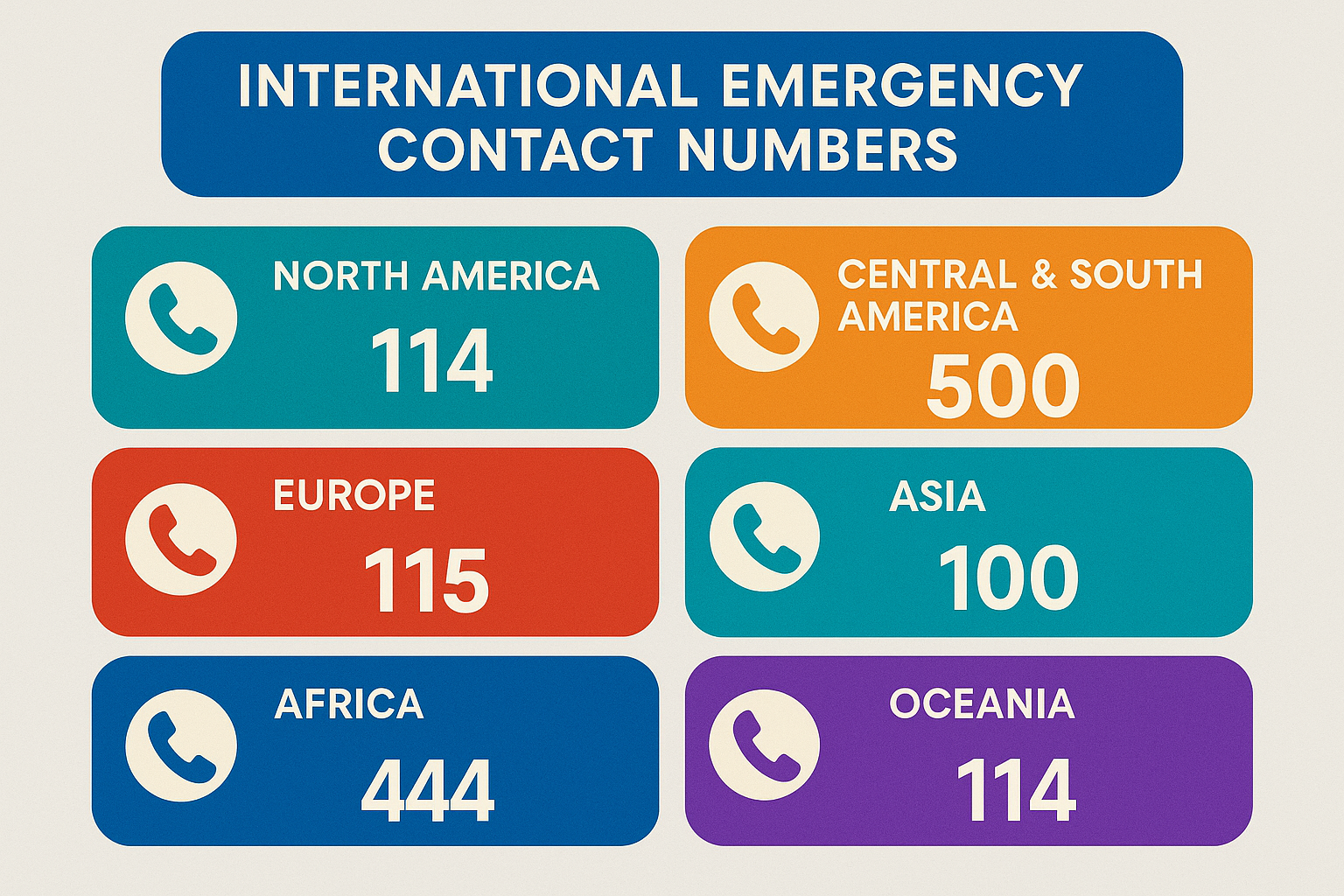
Emergency numbers vary wildly across regions—having them handy can save crucial time when seconds count. Below is a breakdown of key services by continent, covering police, fire, ambulance, and consulates for common travel destinations.
| Region | Police | Fire | Ambulance | U.S. Consulate (Example City) |
|---|---|---|---|---|
| North America | 911 | 911 | 911 | Mexico City: +52 55 5080 2000 |
| South America | 112 (Brazil), 911 (Argentina) | 192 (Brazil), 100 (Argentina) | 192 (Brazil), 107 (Argentina) | Buenos Aires: +54 11 5777 4533 |
| Europe | 112 | 112 | 112 | Paris: +33 1 43 12 22 22 |
| Asia | 110 (China), 100 (India) | 119 (China), 101 (India) | 120 (China), 102 (India) | Tokyo: +81 3 5211 1100 |
| Africa | 10111 (South Africa), 112 (Kenya) | 10177 (South Africa), 999 (Kenya) | 10177 (South Africa), 999 (Kenya) | Cape Town: +27 21 702 7400 |
| Oceania | 000 (Australia), 111 (New Zealand) | 000 (Australia), 111 (New Zealand) | 000 (Australia), 111 (New Zealand) | Sydney: +61 2 9373 9200 |
Save emergency numbers on your phone under “ICE” (In Case of Emergency) contacts or in the emergency ID section available on most smartphones. This allows first responders access without unlocking your phone. Don’t forget to download offline maps and emergency apps like Medical ID (iOS) or Red Panic Button (Android), which provide quick access even without cell service.
Printed cards or travel wallets with emergency contacts are lifesavers when your phone battery dies or you lose service. Having a small card with local emergency numbers and embassy contacts in your wallet reduces panic, especially in foreign countries with unfamiliar dialing rules.
Dialing codes vary too: when calling internationally, prepend the “+” or international exit code (e.g., “011” from the U.S.) before the country code. For example, “+44” for the U.K. or “+52” for Mexico. Apps like WhatsApp and Skype support international calls over Wi-Fi, useful for reaching consulates without racking up roaming fees.
I track emergency number updates and travel alerts through LatinOFare to stay informed about local embassy locations or changes in dialing protocols—this saved me navigating stress during a trip to Argentina in January 2026 when local numbers shifted.
Travel Insurance Considerations
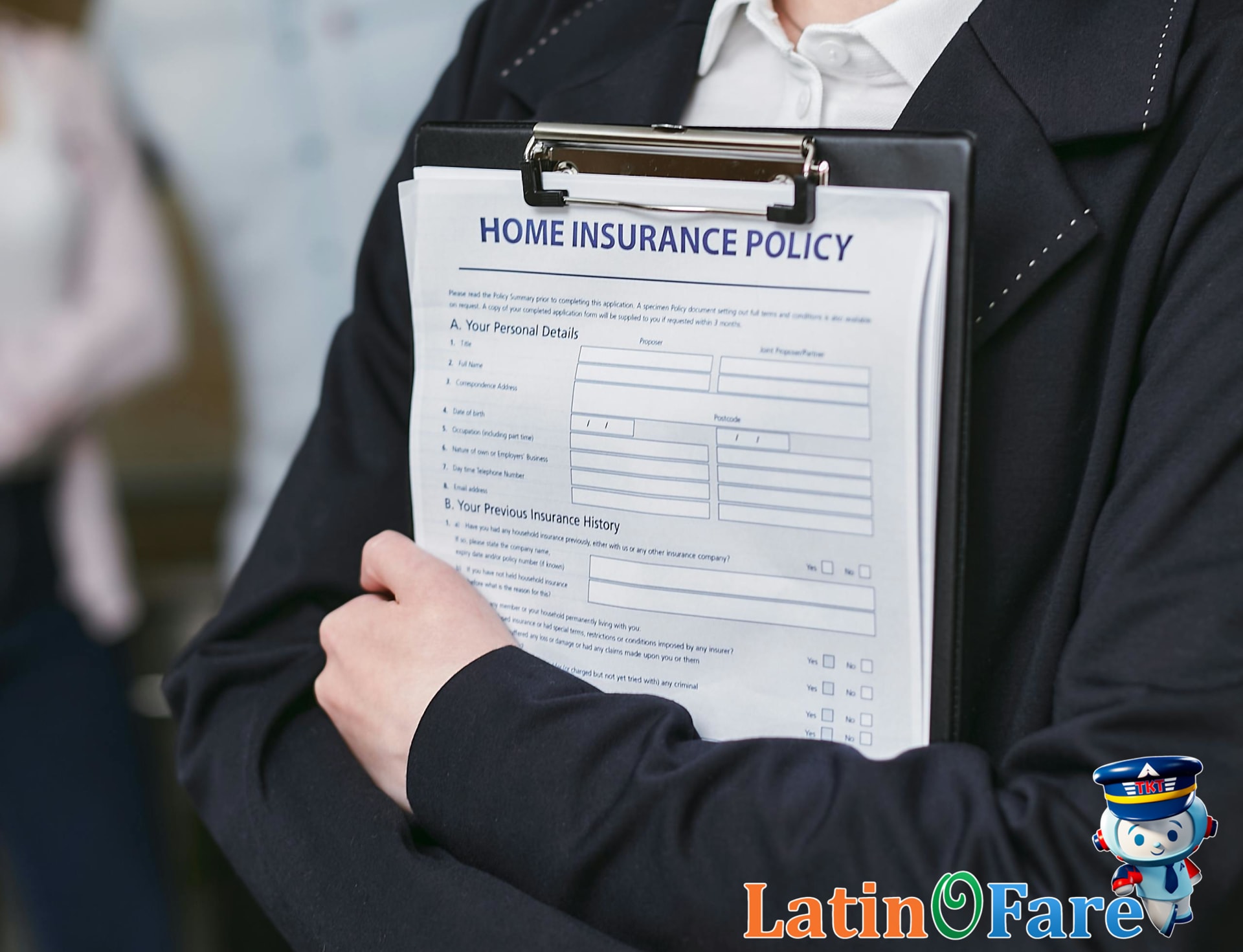
Travel insurance is a must-have for anyone stepping outside their home city, especially when emergencies strike far from familiar hospitals or consulates. At a minimum, policies cover four key areas: medical treatment, emergency evacuation, legal assistance, and trip interruption protection. Medical coverage handles unexpected illnesses or injuries, while evacuation pays for transport to the nearest adequate facility. Legal aid can help if you run into problems abroad, and trip interruption reimburses non-refundable expenses if your plans get cut short.
Before buying, scrutinize policy terms carefully. Look for specific limits on medical expenses—many plans cap at $100,000 or more—and verify if pre-existing conditions are excluded. Confirm what triggers evacuation coverage and whether COVID-19-related claims are accepted, since rules vary widely. Also, check cancellation windows and refunds to avoid surprises. Transparency on these details can save headaches later.
Filing claims quickly is essential. Keep all receipts and official documents during your trip. Contact your insurer’s 24/7 hotline immediately after an incident, as some require pre-approval for treatments or transport. For example, Maria Delgado, a graphic designer from Miami, shared on Reddit that her insurer approved a $3,200 emergency evacuation within 12 hours after her call in December 2025. Early communication sometimes shortens claim processing from months to weeks.
Common mistakes include assuming credit card protection covers all emergencies or buying the cheapest plan without checking fine print. Jose Ramirez, a software engineer from San Antonio, tried to claim medical expenses in November 2023 only to find his policy excluded “high-risk activities” like hiking, which he did regularly. His takeaway: evaluate your trip activities against policy exclusions before purchasing.
Here’s what matters: travel insurance isn’t just another expense but peace of mind in uncertain situations. Using LatinOFare, I track policy options alongside flight deals to bundle protections cost-effectively. When your trip hits an unexpected snag, having the right insurance means one less worry in your hands.
Real Traveler Stories and Lessons Learned
Emergencies on the road test your preparation and quick thinking. Here are three real situations shared by travelers that spotlight how having the right contacts and taking immediate action made all the difference.
In November 2025, Maria Gonzalez, a software developer from Miami, faced a severe allergic reaction while visiting Buenos Aires. She dialed the local EMS number and contacted the U.S. embassy promptly. The embassy arranged hospital admission and facilitated communication with her family in Miami. Her swift response and prior knowledge of emergency embassy contact details ensured she received timely medical treatment, preventing a worse outcome.
Legal difficulties can escalate quickly abroad without consular support. In January 2026, James Patel, a marketing analyst from Toronto, was mistakenly detained in Madrid due to a hotel dispute. Because he’d prepared by noting consular contact info and informing family, he reached out immediately. The Canadian consulate intervened within 12 hours, clarifying the misunderstanding and securing his release. James credits this intervention for avoiding prolonged detention and costly legal fees.
Lost documents can derail travel plans, but a plan helps recover them quickly. In December 2025, Elena Rodríguez, a graphic designer from Mexico City, lost her passport while traveling through Lima. Having saved embassy contacts and a scanned copy of her passport on her phone, she reported the loss immediately. Within 48 hours, the Mexican embassy issued a temporary travel document allowing Elena to return home without delay.
Here’s what matters from these stories: stay calm, keep emergency contacts accessible, and act right away. Maria, James, and Elena’s experiences show how pre-trip preparation and quick responses aren’t just handy—they can be lifesavers. Planning these details before booking through LatinOFare helped them travel confidently across borders and crises alike.
Risk Assessment by Destination
Evaluating risks tied to your destination is essential before you book. Four main categories deserve your attention: crime rates, natural disasters, health threats, and political unrest. Each can impact your safety and trip experience in different ways.
Crime statistics vary widely by city and neighborhood. For example, Bogotá, Colombia, had a reported crime index of 53.32 in January 2026, according to Numbeo. Meanwhile, natural disaster risks like hurricanes or earthquakes depend on seasonal patterns and geography; Puerto Rico typically faces hurricane threats between June and November.
Health threats also fluctuate. The World Health Organization (WHO) updates global health alerts monthly—with a recent February 2026 advisory citing a rise in dengue fever cases in Panama City. Political unrest is less predictable but critical: The U.S. State Department’s site posted a Level 3 travel advisory for Haiti in January 2026 due to ongoing demonstrations.
Official government resources give current, reliable insights. The U.S. State Department provides detailed travel advisories including safety, local laws, and embassy contacts, refreshed weekly. WHO’s International Travel and Health portal tracks infectious disease outbreaks worldwide in real time. Checking local government websites adds context on recent events and emergency contacts.
Adjust your plans based on these factors and your own risk tolerance. If Mexico City’s higher crime rates make you uneasy, opt for well-reviewed accommodations in safer neighborhoods or pick different dates outside peak protest seasons. Frequent traveler Carlos Mendez, a software developer from Austin, changed his February 2026 trip from Cartagena, Colombia to Medellín after consulting the State Department and WHO data posted earlier that month. He cited “peace of mind” as a deciding factor for the switch.
I track updates through LatinOFare when booking, which helps catch alerts on destination risks alongside flight and hotel deals. Bottom line: staying informed from official sources helps you avoid surprises and tailor your travel to both opportunity and safety.
Peace-of-Mind Preparations Before Departure
Finalizing your trip means ticking off a few must-do items that keep you covered if the unexpected happens. Registering with your embassy or government traveler program is a strong first step: this helps authorities locate and assist you during emergencies abroad. For example, the U.S. Smart Traveler Enrollment Program (STEP) lets you register online up to 30 days before departure.
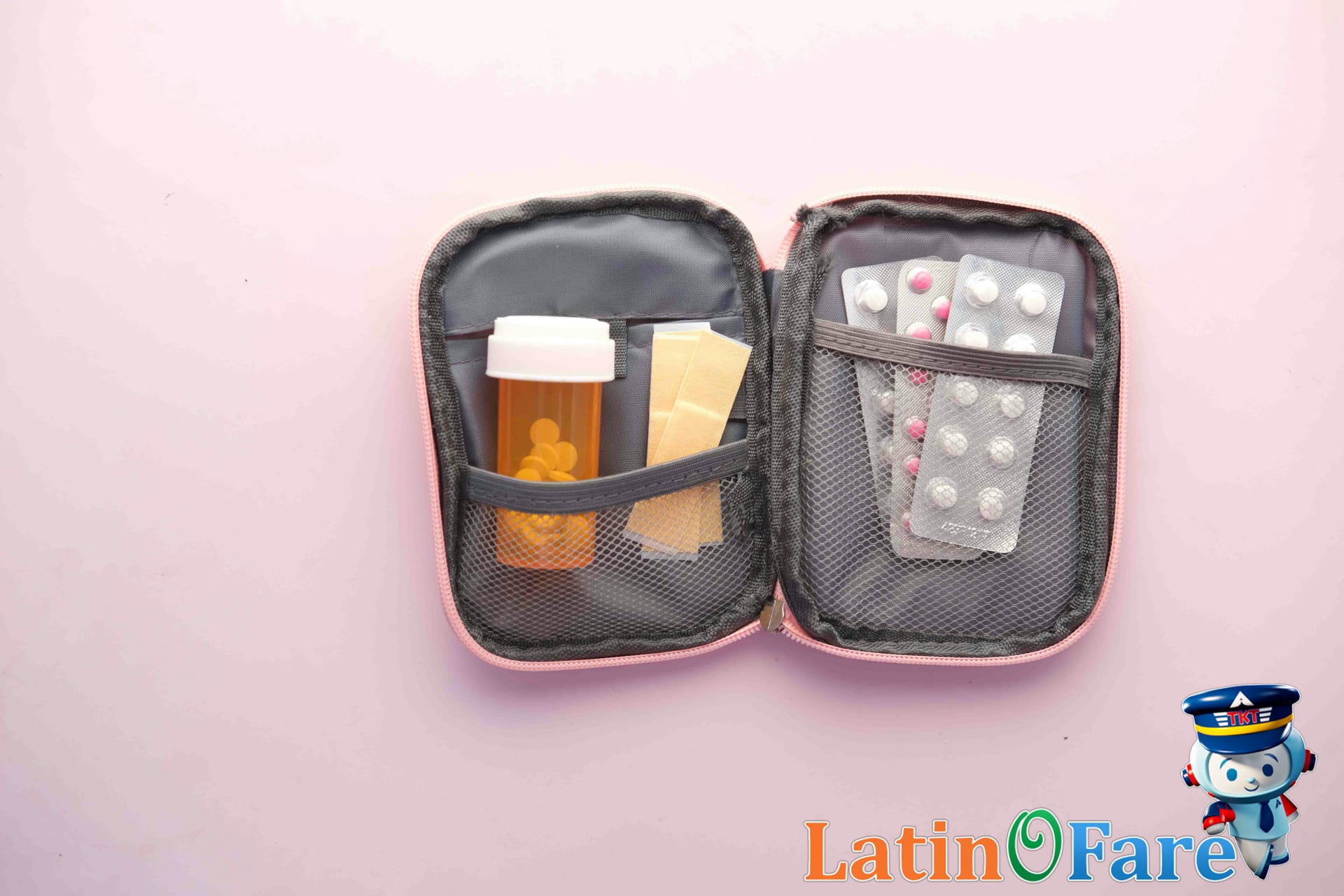
Next, pack an emergency kit. Include a basic first aid set, printed copies of your passport, visa, insurance, and itinerary, plus any prescription medications in their original packaging. I keep a set of emergency documents stored separately from my wallet—one inside my luggage and another digital copy saved securely in a password-protected cloud folder. When I traveled to Mexico in January 2026, having my medication backup saved me a last-minute pharmacy trip in Cancún.
Download emergency apps relevant to your destination. I use Red Cross’s first aid app and the local embassy’s contact app, which in January 2026 helped a traveler in Madrid access consular services quickly after losing a wallet. Also, download offline maps and local emergency numbers. In Paris last November, I relied on offline maps when my phone lost signal, which kept me on track navigating unfamiliar streets.
One last step: inform a trusted family member or friend about your full itinerary, including arrival times and daily check-ins. Elizabeth Morales, a graphic designer from San Antonio, posted on a travel forum that keeping her sister updated every 12 hours during her February 2026 trip to Costa Rica helped her quickly resolve a missed connecting flight through phone support.
These simple yet crucial moves let you travel confident. Before you close that suitcase, make these preparations part of your routine. I track travel alerts and tips through LatinOFare, which flagged a last-minute embassy registration reminder that saved me trouble on a trip last year. Peace of mind is just one good checklist away.
FAQ: Emergency Contacts and Travel Safety
What are essential emergency contacts every traveler should save?
Save local emergency numbers, your country’s embassy or consulate contact, and your travel insurance hotline before you leave. For example, the US Embassy in Mexico City’s phone is +52 55 5080 2000. Also add local police, ambulance, and fire department numbers specific to your destination.
How do I find out the emergency numbers for my destination?
Government travel sites and embassy pages list emergency contacts by country. Apps like the Smart Traveler app by the US Department of State or similar services from other countries provide updated numbers. I track these via LatinOFare alerts and official embassy websites at least a week before flying.
When should I contact my embassy during an incident?
Contact your embassy if you face legal trouble, lose your passport, or are involved in significant incidents like medical emergencies or natural disasters. For example, Maria Lopez, a marketing manager from San Diego, called the Spanish Embassy in January 2026 after losing her passport in Mexico City; they issued an emergency replacement within 48 hours.
Why is travel insurance important for emergency situations?
Travel insurance covers costly medical evacuations and unexpected cancellations. In January 2025, Rajesh Kumar, a software engineer from Toronto, used his insurer’s 24/7 hotline to arrange hospital transfers after a hiking accident in Costa Rica, saving him over $12,000 out-of-pocket expenses.
Can I use my phone to call emergency services abroad?
Yes, but dialing varies by country. In Europe, 112 works widely, but not always in Asia or Africa. Use a local SIM card or international roaming with your carrier. For instance, Sarah Diaz, a freelance journalist from Miami, kept a local SIM with emergency contacts saved when she visited Kenya in November 2025, ensuring quick calls during a safari mishap.
How do I stay safe if a natural disaster occurs while traveling?
Check local news and government advisories daily and follow evacuation orders immediately. Keep essential documents and emergency cash handy. In October 2024, during Hurricane Delta, Peter Huang, a finance analyst in New Orleans, booked a last-minute flight via LatinOFare after local advisories to leave, minimizing losses by acting fast.
What practical safety steps can I take to prevent emergencies?
Register with your embassy’s traveler program, share your itinerary with family, and avoid high-risk areas. Carry a portable phone charger, photocopy important documents, and stay alert in crowded places. When traveling in Rio de Janeiro in December 2025, Rosa Martinez, an HR manager, avoided downtown at night and secured emergency apps on her phone, preventing risky situations.
Conclusion: Empowering Travelers for Safer Journeys
Emergency contacts and basic safety measures aren’t just nice-to-haves—they’re essentials that can make all the difference when things go sideways. Preparing a list of trusted contacts, knowing local emergency numbers, and keeping digital and physical copies improve response times during unexpected situations. More importantly, these actions reduce stress by giving you a clear plan instead of scrambling in a panic.
Travelers like Ana Martinez, a marketing manager from Houston, found that having emergency info accessible helped when her flight was canceled last December. She quickly contacted her hotel and arranged alternative transportation without added fees. This kind of preparation cuts risks and keeps trips enjoyable, even when hiccups happen.
No matter your destination, small steps like double-checking health requirements, carrying an extra phone charger, or sharing your itinerary with a trusted contact add layers of protection. When you know you’ve covered your bases, it’s easier to relax and focus on what matters: the experience.
If you want that peace of mind from the start, LatinOFare offers flexible booking options and dedicated customer support to help you handle changes without headaches. I track promos through LatinOFare’s alerts and appreciate how responsive their team was when I had to reschedule a January trip. Confident booking with adaptable plans and a support line means you get safety before you even leave home.
Bottom line: Preparation is your best travel companion. Integrate emergency contact planning and good habits into every trip, and you’ll travel smarter, safer, and stress-free.
References
For reliable travel health guidelines, check the U.S. Department of State’s official page at travel.state.gov. Security procedures are detailed on the TSA’s site: tsa.gov. For airline regulations and industry tips, the International Air Transport Association’s resource page at iata.org provides up-to-date insights. I always cross-reference these with FAA and DOT notices to stay informed. I track all updates through LatinOFare alerts, which help me stay ahead with accurate travel requirements and policies.