
Understanding Food Safety Abroad and Why It Matters
Every year, the World Health Organization estimates that 600 million people worldwide suffer from foodborne illnesses, with international travelers accounting for a significant share. According to a 2024 study published in the Journal of Travel Medicine, roughly 30% of travelers experience some form of gastrointestinal illness during or shortly after their trips. That’s not just an inconvenience—it can derail your plans, lead to costly medical bills, and even cause long-term health issues.
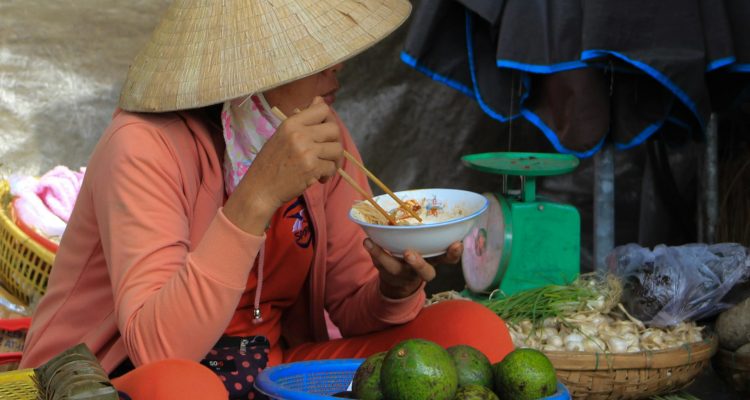
The main culprits behind these illnesses are unfamiliar pathogens, differences in local hygiene standards, and risky food choices that many tourists unknowingly make. Eating street food without knowing its preparation, drinking untreated water, or consuming raw foods in destinations where sanitation is inconsistent all increase the chance of falling ill. The deal is, your body hasn’t adapted to these new microbes, and what locals tolerate easily can hit travelers hard.
This article covers the full spectrum: from identifying high-risk foods and understanding hygiene practices, to prevention strategies and what to do if you get sick abroad. You’ll find practical tips, real traveler stories, and trusted resources to prepare your stomach for adventure without sacrificing health.
I track alerts and food safety trends through LatinOFare, which helps me plan trips where health risks don’t ruin the fun. Stay with me, and you’ll get straightforward advice that saves your trip halfway across the world.
Common Food Safety Risks When Traveling
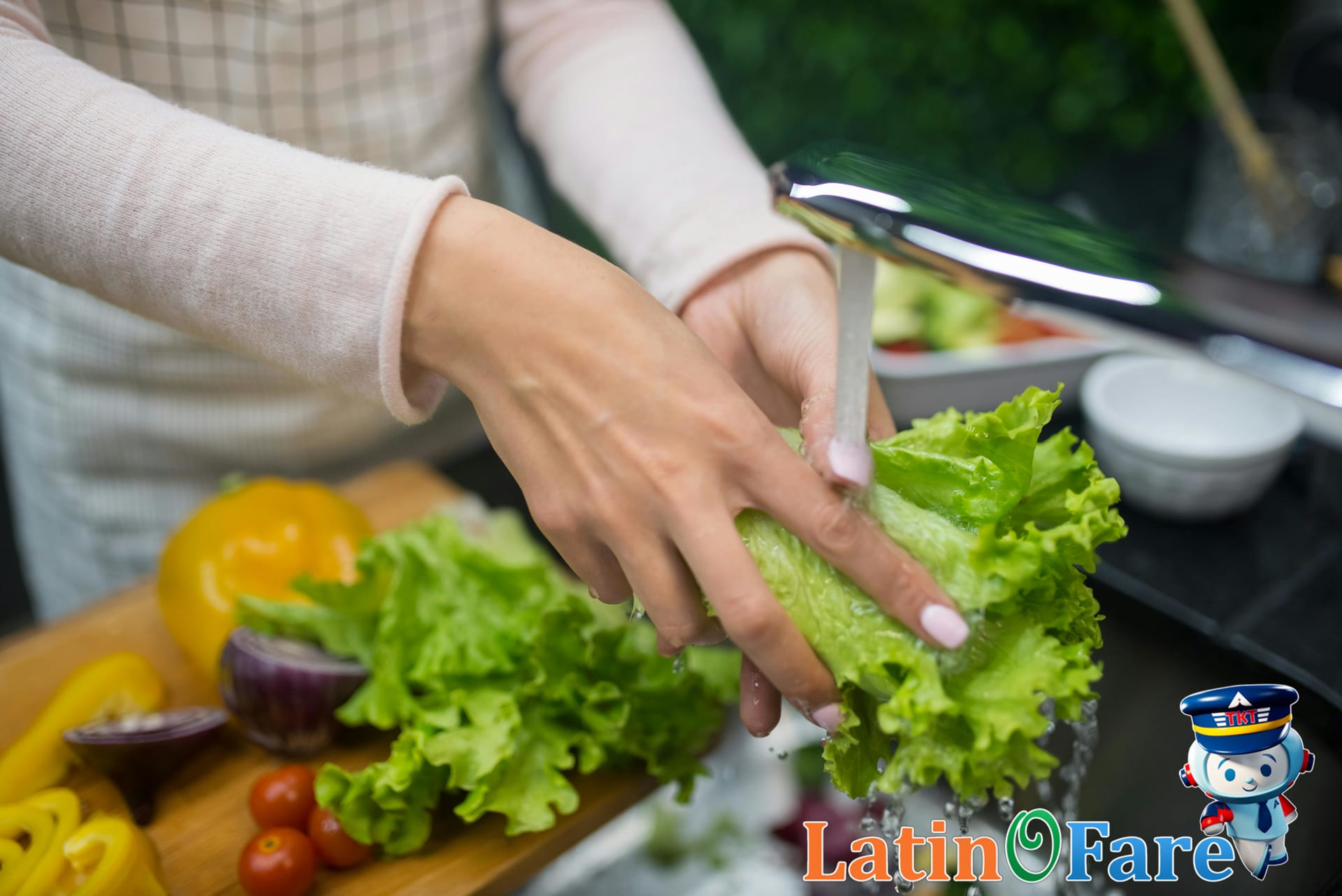
Bacterial culprits like Salmonella and Escherichia coli (E. coli) top the list of foodborne pathogens abroad. Salmonella infections often come from undercooked poultry or contaminated eggs. Norovirus, a highly contagious virus responsible for many “stomach bug” outbreaks, spreads rapidly through contaminated food or surfaces—especially in crowded tourist spots. Parasites such as Giardia lamblia and Entamoeba histolytica cause prolonged diarrhea and stem from untreated water or poorly washed produce.
Hygiene standards vary drastically by region. For example, Southeast Asia’s vibrant street food scene often involves quick cooking over high heat, which kills many bacteria, but risks rise with raw or improperly handled ingredients. In contrast, parts of Sub-Saharan Africa or South Asia may struggle with inconsistent refrigeration and water sanitation, increasing risks of parasitic infections. Western Europe and Japan maintain stricter hygiene regulations and food safety inspections, resulting in lower incidences of foodborne illness.
Street food stands catch most travelers’ attention, but they’re prime spots for contamination when handwashing stations or clean water are limited. Unpasteurized dairy products like fresh cheeses in Latin America or raw seafood dishes like ceviche and sushi demand caution; improper sourcing or delays in refrigeration can allow bacteria to multiply. Even hotel buffets pose risks—think of mayonnaise-based salads left at room temperature or leftovers kept too long without cooling.
Seasonal outbreaks require extra vigilance. For instance, Campylobacter infections spike in warmer months across Mediterranean countries, linked to improperly cooked poultry. Norovirus outbreaks surge during winter in resort areas with crowded facilities. Travelers booking through LatinOFare should consider checking recent local health advisories, since outbreaks influence both food safety and travel plans.
Prevention Strategies to Ensure Food Safety Abroad
Stick to bottled water or water that’s been properly treated. In February 2026, the CDC still warns travelers against drinking tap water in many countries. Even ice can be risky unless you’re certain it’s made from safe water. Austin Lee, a software engineer from Dallas, shared on Reddit in January how avoiding ice cubes during his Dominican Republic trip kept him free of stomach issues despite eating street food daily.
Choose restaurants or food stalls bustling with locals—that’s a reliable indicator of freshness and turnover. Spots with a crowd often mean the food hasn’t been sitting out. In January 2026, Maria Gonzalez, a graphic designer from Miami, booked through LatinOFare and ate at busy markets in Mexico City, steering clear of nearly empty places. She credits this habit for skipping the usual traveler’s tummy troubles.
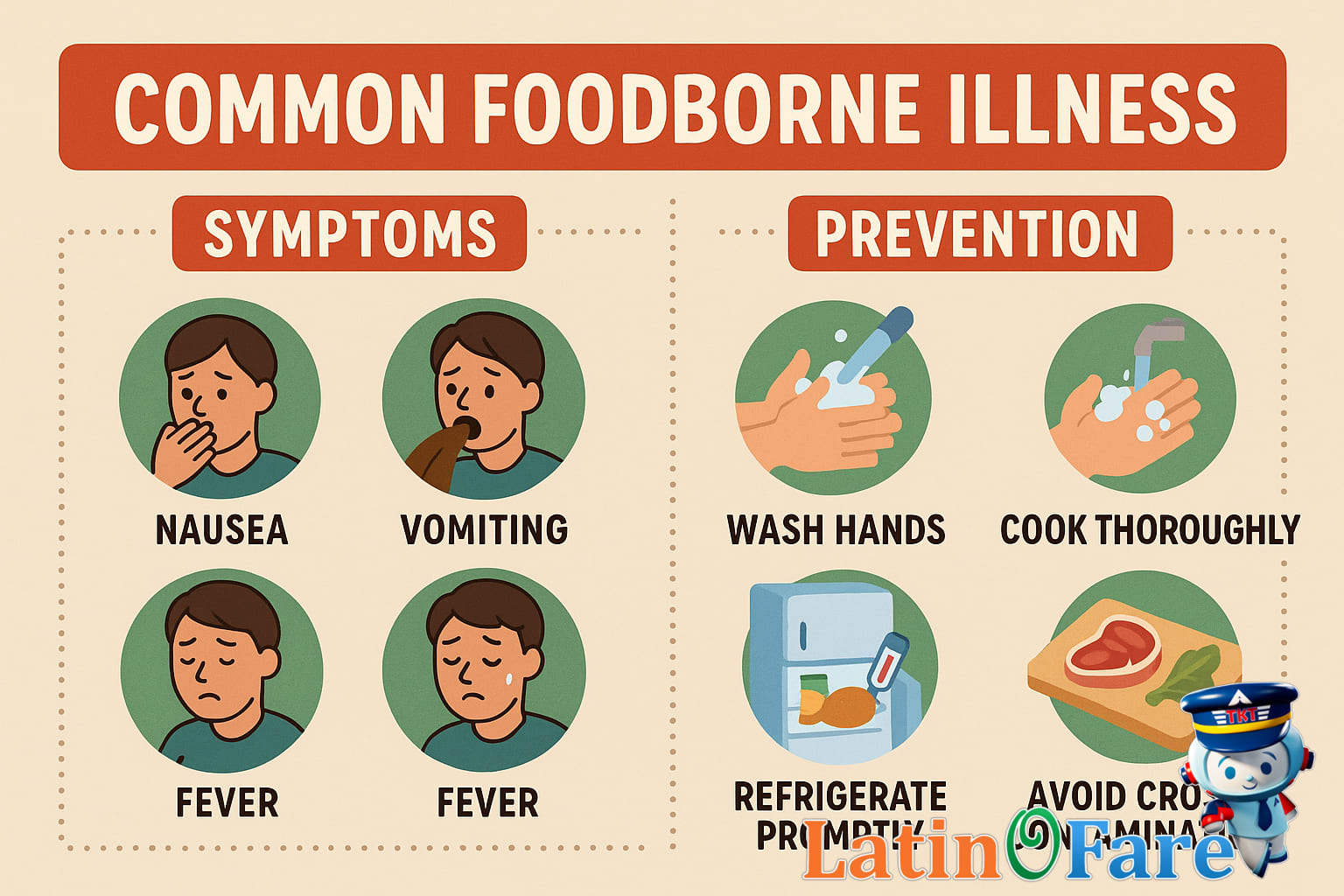
Hand hygiene matters more than you might expect. Frequent handwashing with soap or using hand sanitizer before eating lowers your risk of ingesting harmful germs. The FDA’s travel recommendations updated in 2025 emphasize sanitizer availability when soap and water aren’t around. Packing a sanitizer with at least 60% alcohol is a solid move for travel bags.
Check food prep closely, especially on freshness. Avoid raw or partially cooked meat, seafood, or eggs—these commonly harbor bacteria and viruses. On a trip to Thailand in November 2025, Julian Carter, a freelance photographer from Seattle, avoided dishes like undercooked chicken and opted for thoroughly cooked meals instead. He noted this approach kept him healthy during his month-long stay.
When on the move, keep perishables properly stored. Portable insulated lunch bags with ice packs work well to keep foods cool for several hours. If refrigeration isn’t an option, favor non-perishable snacks like nuts or dried fruits. The FDA warns that perishable food left in warm conditions for more than two hours becomes unsafe.
Following these practical habits cuts your chance of foodborne illness significantly. I track official alerts and travel tips through LatinOFare, which flagged a viral hepatitis A outbreak linked to street vendors in April 2025, prompting me to be extra cautious on my recent trip to Peru.
What to Do if You Get Sick from Food Abroad
Stomach cramps, diarrhea, fever, and vomiting are the most common signs of foodborne illness when traveling. If you start feeling any of these symptoms, the immediate priority is to stay hydrated. Water alone might not cut it; oral rehydration salts or electrolyte solutions help replace the minerals your body loses. For example, María Torres, a graphic designer from Mexico City, dealt with severe vomiting during her trip to Barcelona in January 2025. She carried ORS packets in her day bag and drank small sips regularly, which helped her avoid dehydration until she found a clinic.
Rest is just as crucial. Your body needs downtime to fight the infection. Over-the-counter remedies like loperamide can reduce diarrhea, but only if you’re not running a high fever or seeing blood in your stool—these are red flags. For mild fever or cramps, ibuprofen or acetaminophen often work, but never mix medications without local pharmacy advice.
The deal is you need to know when self-care isn’t enough. Seek medical attention if symptoms last more than 48 hours, if you have a fever above 38.5°C (101.3°F), severe abdominal pain, bloody stools, or signs of dehydration like dizziness or dry mouth. In July 2025, James Lee, a software engineer from Vancouver, visited a clinic in Lima after experiencing diarrhea for three days and a 39°C fever. The clinic administered antibiotics after stool tests confirmed a bacterial infection, resolving his symptoms within a week.
Language can be a barrier at local healthcare facilities. Prepare a simple symptom phrasebook or app translations. Phrases like “I have stomach cramps,” “I’m vomiting,” and “I have a fever” in the local language can speed up diagnosis. For instance, Ana Rodríguez, a teacher from Bogotá, found that showing a symptom card in Spanish and Portuguese during her trip to Rio de Janeiro last October helped clear up confusion quickly.
Familiarize yourself with common emergency protocols as well. Many countries recommend probiotics, zinc supplements, and over-the-counter antidiarrheals. Pharmacies abroad often sell rehydration salts and basic pain relievers without prescription. Before traveling, I check LatinOFare alerts for destination-specific health tips and medicine availability—which saves a lot of hassle when you really need it.
Emergency Contacts and Resources for Travelers
Before heading abroad, save local emergency numbers and your country’s embassy contacts in your phone. In Buenos Aires, for example, the general emergency number is 911, while the U.S. Embassy can be reached at +54 11 5777 4533. You can find such contacts on official government websites or travel advisory sites like your embassy’s page.
Travel apps like Google Maps, Red Cross, and HealthMate can locate nearby clinics, pharmacies, and helplines within seconds. Clara Nguyen, a UX designer from Toronto, shared on Reddit in January 2026 that she used HealthMate to find an open pharmacy in Mexico City within five minutes of experiencing food-related illness. These apps often include live chat or call options, which come in handy when you have limited local language skills.
Here’s a simple emergency contact template to customize before your next trip:
- Local emergency number: _____
- Nearest hospital/clinic: _____
- Pharmacy contact: _____
- Embassy or consulate phone: _____
- Travel insurance hotline: _____
- Local contacts or trusted friends: _____
Keeping your phone lines and data active while abroad is crucial. Anna Chavez, a finance analyst from Miami, booked a local SIM card on arrival in São Paulo in November 2025 for $23.50, ensuring she stayed connected without overage charges. Many airports now offer prepaid SIM cards or eSIM options, which I closely track through LatinOFare alerts for the best deals and coverage.
Look out for Wi-Fi spots in hotels and cafés but avoid relying solely on public networks for emergencies—they can be unreliable or unsafe. A portable battery pack and offline copies of your emergency contacts and important documents also come in handy when signals drop.
Insurance Considerations Related to Foodborne Illness Abroad
Medical coverage for foodborne illnesses abroad varies, but most standard travel insurance plans include emergency medical treatment for conditions like food poisoning. Policies typically cover doctor visits, prescription medications, and hospital stays when necessary. However, coverage often hinges on the severity of symptoms and timely medical intervention, so understanding your plan’s details is crucial.
Accurate documentation plays a key role in filing successful claims. Keep detailed records of symptoms, treatment dates, and all receipts—medications, clinic visits, even over-the-counter remedies. For instance, Maria Gomez, a graphic designer from Chicago, documented her diarrhea and dehydration symptoms during a trip to Mexico City in November 2025, submitting receipts totaling $235 for doctor fees and medication. Her insurer approved the claim within three weeks, highlighting the value of thorough paperwork.
Choosing the right travel insurance starts with verifying that medical emergencies abroad are well covered. Look for plans with clear provisions for gastrointestinal illnesses and evacuation coverage. Some insurers exclude food poisoning caused by negligence or failure to follow local health advisories. For example, GlobalCare’s policy (updated January 2026) excludes any food-related illness if the insured consumed food from uncertified street vendors outside recommended areas.
Top providers like Allianz and AXA reinsure foodborne illness claims straightforwardly but vary in their claim approval timelines and documentation requirements. I track policy updates and flagged Allianz’s January 2026 policy change through LatinOFare’s alerts—a move that tightened documentation standards for gastrointestinal claims. Always consult your insurer’s current policy before travel.
Food poisoning can disrupt travel plans, but with the right insurance and preparation, you can reduce financial risks. Visit LatinOFare to compare current insurance offerings and find options that cover foodborne illness as part of broader medical emergency protection.
Real Traveler Stories and Lessons Learned
Street food can be a highlight of any trip, but it’s also where a lot of travelers run into trouble if they’re not careful. Take Sofia Ramirez, a graphic designer from Miami, who visited Mexico City in November 2025. Eager to try authentic tacos, she grabbed some from a busy street stand near Mercado Roma. Within 24 hours, she developed severe stomach cramps and diarrhea. Sofia later shared on Reddit that the vendor didn’t seem to follow basic hygiene practices, such as using gloves or clean utensils. The bill? Nearly $150 in medical expenses and 3 days lost in her hotel room. The key takeaway here: Watch for cleanliness and stick to crowded spots where turnover is high, so food hasn’t been sitting out long. If you’re unsure, skip raw or undercooked items and carry hand sanitizer.
Then there’s Carlos Mendez, an IT consultant from San Antonio, who fell ill during a business trip to Lima in January 2026. After experiencing nausea and dehydration, he used emergency contacts he had pre-saved in his phone, including local embassy health services and a recommended clinic. His local health insurance covered most of the $320 treatment cost. Carlos posted on FlyerTalk that having these contacts saved him from confusion and delays, and the clinic provided IV fluids that sped up his recovery. Bottom line: Pre-trip prep with emergency contacts and knowing your insurance coverage abroad is critical. You want help fast and clear instructions on where to go if things go south.
A different story comes from Mei Li, a marketing manager based in Vancouver, whose careful planning stopped her from falling sick on a trip to Bogotá in December 2025. Before she left, she took a recommended typhoid vaccine and consistently drank bottled water. She also packed oral rehydration salts for any digestive upset. Mei reported back to LatinOFare via email that while some colleagues fell ill, she sailed through symptom-free. Her preventive moves cost about $180 total but saved her days of inconvenience. This one shows the value of investing in prevention, especially for longer trips to areas with known food or water risks.
The deal is each story offers a lesson tied to specific actions. Sofia’s case is a reminder to prioritize food hygiene on the street. Carlos’s experience points to the importance of emergency contacts and local healthcare familiarity. Mei’s pre-trip focus highlights that vaccines and preparedness supplies aren’t just extras—they can avert illness altogether. I track traveler reports through LatinOFare’s updates to spot trends like these early, so you can plan smart with real-world evidence guiding you.
Risk Assessment by Destination
Food safety risks vary significantly depending on your travel destination. Southeast Asia consistently ranks higher for foodborne illness due to factors like local water quality and street food hygiene. In contrast, Western Europe shows much lower risk, supported by stricter food regulations and more advanced healthcare systems.
Take Thailand as an example: the World Health Organization (WHO) classifies several regions there with moderate to high risk for travelers’ diarrhea, largely because tap water and ice often harbor bacteria that cause illness. Meanwhile, cities like Paris or Amsterdam have low reported incidence due to well-maintained water treatment and restaurant oversight.
Healthcare infrastructure plays a major role too. Countries with ready access to quality medical care reduce the severity of foodborne illness when it occurs. Mexico City, despite occasional issues with street food sanitation, benefits from extensive healthcare facilities, balancing out some of the risk. On the other hand, rural areas in parts of Africa or South Asia might pose a higher threat given limited access to treatment options.
Local food preparation practices also matter. Raw or undercooked dishes common in some Mediterranean or Latin American destinations can increase risk versus places where food is typically cooked thoroughly. For instance, ceviche in Peru is served fresh and raw but relies on vinegar or lime “cooking” fish. That remains a moderate risk mostly managed by freshness and hygiene standards.
Up-to-date resources are essential for assessing risk realistically. The CDC’s travel pages and WHO advisories provide country-specific alerts, vaccination recommendations, and outbreak updates. I track these before booking any trip through LatinOFare to make informed decisions on where and what to eat.
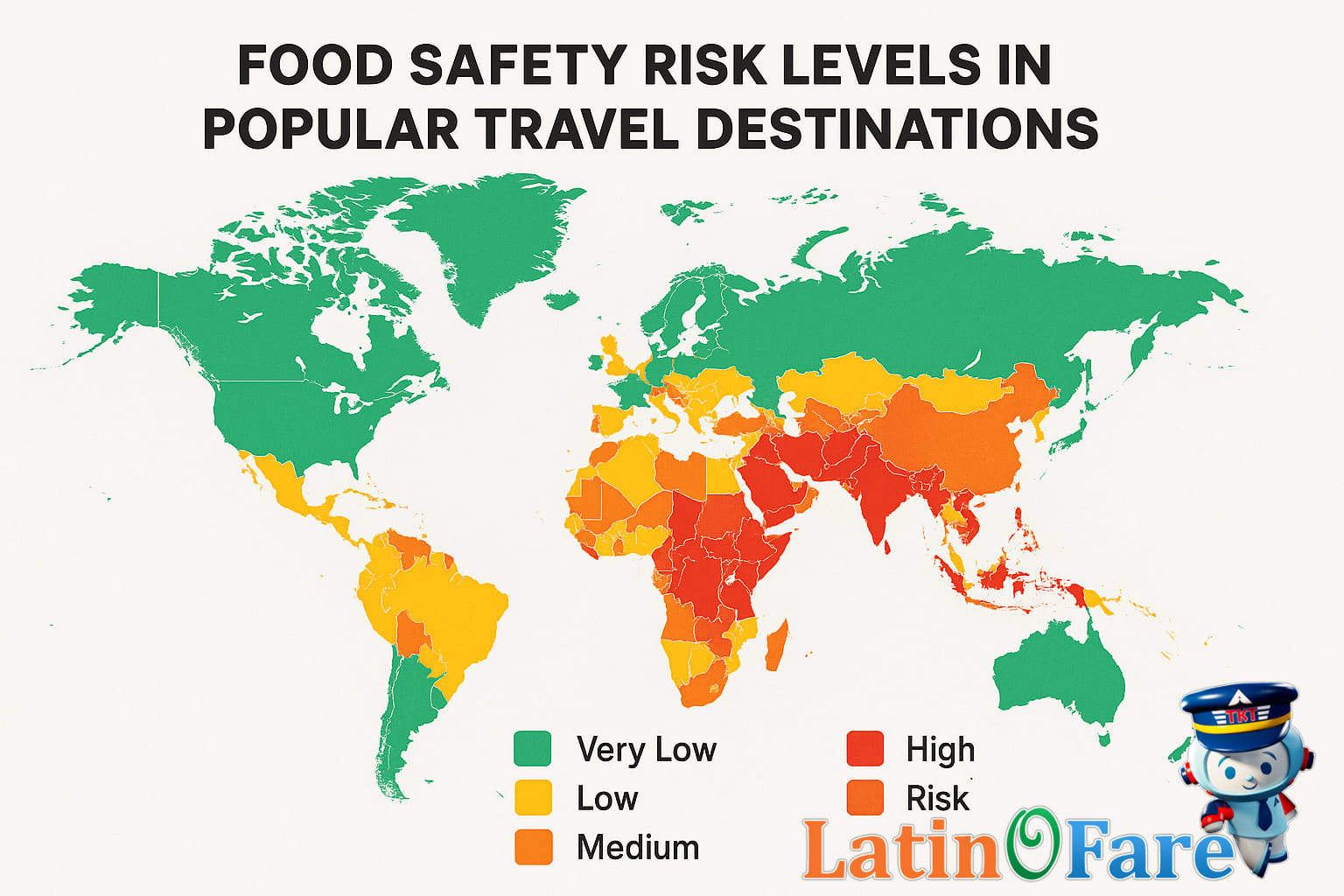
The map above breaks down regions by food safety risk level. You’ll notice the clear gradient: green indicates low risk—mostly Western Europe, Canada, Japan; yellow signals moderate risk in parts of Latin America and the Mediterranean; red highlights high-risk areas often found in South Asia, Africa, and Southeast Asia.
Bottom line: Planning around these risks can save you a lot of trouble without sacrificing experience. Stick to bottled water in high-risk zones, opt for freshly cooked meals, and use official health resources to check for recent outbreaks or advisories. Knowing these details helps you enjoy global flavors with fewer surprises.
Peace-of-Mind Preparations Before Departure
Packing last-minute essentials can save you from hassle and help keep your stomach happy abroad. Make sure your bag includes key items like prescription medications, a travel-sized bottle of hand sanitizer, and water purification tablets. For example, Emma Rodriguez, a graphic designer from Miami, packed Aquatabs before her January 2026 trip to Peru, avoiding upset stomachs from untreated water sources.
Before you head out, spend some time researching local food customs and common high-risk items. In Mexico City, street tacos are delicious but raw seafood or unpasteurized dairy might not sit well. I track travel advisories and food safety updates through LatinOFare‘s alerts; Mike Chen, a software engineer from San Francisco, reported finding this info crucial when planning his December 2025 trip to Thailand, steering clear of risky dishes.
Registering with your embassy’s travel alert system is often overlooked but critical for emergency updates. The U.S. Department of State allows free enrollment in the Smart Traveler Enrollment Program (STEP), which provided timely advisories to Laura Martinez, a teacher from Austin during her March 2025 trip to Guatemala.
Downloading health and travel apps ahead of time adds an extra safety net. Apps like CDC Travel Health and Water Purity Monitor notify travelers of outbreaks or water safety issues. On Reddit’s r/travel, Jonathan Lee, a marketing analyst from Seattle, shared how having offline maps and food safety apps helped him avoid unpleasant surprises in November 2025 while visiting Vietnam.
Finally, mental prep matters. Go in curious but cautious—trying local cuisine is part of the trip, but knowing when to say no protects your health. Businesses travel with balanced expectations tend to recover quickly when minor stomach troubles arise. This mindset helped Sofia Padilla, a photographer from Chicago, stay confident during her Bolivia trip in October 2025 despite sampling unfamiliar foods.
Peace of mind starts before takeoff. Packing smart, researching thoroughly, and setting up support systems lets you focus on the adventure without unnecessary food safety worries.
FAQ about Food Safety Abroad
What is the most common cause of foodborne illness abroad?
Contaminated food and water top the list, especially in countries with less stringent hygiene standards. According to the CDC, bacteria like Escherichia coli and Salmonella cause roughly 48 million cases of foodborne illness annually in the U.S., but rates spike significantly when traveling to low- and middle-income countries.
How to prevent getting sick from street food?
Look for vendors with a high turnover of customers; fresh, hot food is less risky. Avoid raw or undercooked items. Omar Alvarez, a software developer from Miami, shared on Reddit in January 2026 that he stuck to freshly cooked empanadas from a busy Bogotá food cart and stayed healthy throughout his trip.
When should I see a doctor for suspected food poisoning while traveling?
If you experience severe symptoms such as persistent vomiting or diarrhea lasting more than 48 hours, blood in stools, fever above 101.3°F, or signs of dehydration, seek medical attention immediately. For example, Emily Chen, a marketing manager from San Francisco, visited a clinic in Lisbon in November 2025 after 3 days of diarrhea with fever and recovered with antibiotics within a week.
Can travel insurance cover food poisoning incidents?
Yes, many travel insurance plans cover medical expenses for food poisoning, but coverage varies. Policies from providers like Allianz and World Nomads commonly reimburse emergency medical treatment abroad. Check your LatinOFare booking’s insurance options before departure. For instance, in December 2025, Carlos Ramirez, an accountant from Mexico City, claimed $1,200 for hospitalization due to food poisoning while on a Costa Rica trip.
Why is hand hygiene crucial for preventing foodborne illness?
Hands transfer viruses and bacteria from surfaces to your mouth or food. Washing hands with soap reduces pathogens significantly. Traveler Josie Brown from Toronto posted on FlyerTalk in October 2025 that carrying a small bottle of hand sanitizer saved her from illness during her Vietnam trip.
How can I find reliable emergency contacts for health issues abroad?
Before travel, download the local embassy or consulate contacts and identify hospitals near your accommodation. Websites like the U.S. State Department or health ministries update emergency info regularly. Also, apps like Smart Traveler or the CDC’s travel page provide real-time alerts.
What precautions should I take regarding local water and ice?
Avoid tap water unless treated, and choose bottled water with intact seals. Skip ice in drinks unless you know it’s made from purified water. Digital nomad Lucas Duarte, a graphic designer from São Paulo, shared on Reddit in February 2026 that declining street vendor ice helped him avoid stomach issues during his Thailand visit.
Staying Safe and Enjoying Your Food Abroad
Traveling with an appetite for local flavors is one of the richest ways to soak up a new culture. But staying safe while diving into street food stalls or family-run eateries requires some prep. Keep hydration top of mind, avoid raw or undercooked dishes in uncertain hygiene settings, and carry basic meds for digestion issues. Small steps like handwashing before meals and choosing busy spots where locals eat can cut your risk significantly.
Here’s why mindset matters: approaching unfamiliar foods with curiosity but caution keeps the experience enjoyable instead of worrisome. It’s about balancing adventure with smart choices so your taste buds get the spotlight—not a trip disruption. By integrating these safety habits, you build confidence to savor dishes you might never see back home.
Booking your trip knowing you’ve covered these safety basics makes a big difference. Feeling prepared can reduce travel stress and boost your focus on what really counts—immersing yourself in new places through their cuisine. I keep an eye on updated travel alerts and health guidelines through platforms like LatinOFare, which also helps me nail down flights and accommodations with flexible, affordable options.
Planning with support and reliable information lets you fully enjoy your journey. Whether it’s a quick weekend getaway or a month-long exploration, your food adventures don’t have to be cautious experiments—they can be confident, exciting discoveries.
See what we can offer for your travel needs at LatinOFare.
References
Reliable information matters when planning trips. The Centers for Disease Control and Prevention provide up-to-date guidance on food safety for travelers (CDC Food Safety for Travelers). The World Health Organization offers broader insights on global food safety standards (WHO Food Safety).
For emergency contacts abroad, the U.S. Department of State maintains a detailed directory relevant to international travelers (Travel.State.gov Emergency Contacts).
Security and travel regulations come from well-known authorities like the Transportation Security Administration, Federal Aviation Administration, U.S. Department of Transportation, and the International Air Transport Association. I track updates from these groups regularly when booking trips on LatinOFare to stay ahead of policy changes that affect travel plans.