
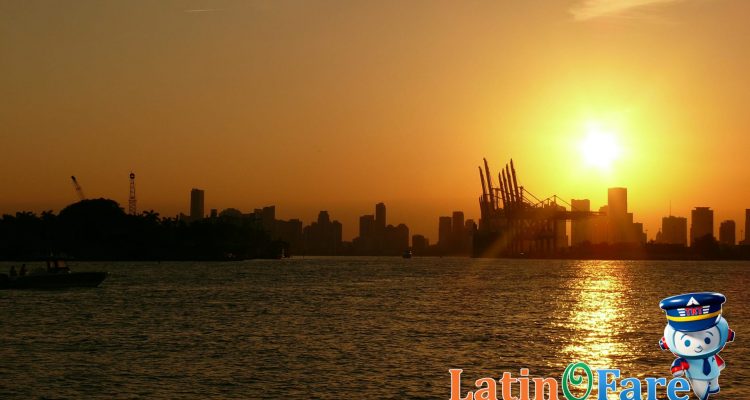
Welcome to Montevideo for First-Time Visitors
Montevideo, Uruguay’s capital city, offers a refreshing blend of laid-back charm and urban energy. Strolling through its streets, you’ll find colorful colonial buildings standing alongside sleek modern architecture, reflecting a city that honors its rich history while embracing contemporary life. The air carries a relaxed vibe, yet the city hums with cultural events, buzzing markets, and lively cafés.
Understanding Montevideo’s local customs makes a big difference, especially when navigating social interactions and public transportation. For example, greetings often include a single cheek kiss, and tipping around 10% is customary at restaurants. Getting familiar with the city’s bus system is essential since it’s the most economical way to get around; a single ride costs about 40 pesos ($1.00 as of February 2026) and most buses use the SUBE card for payment.
This guide breaks down Montevideo’s top attractions—from the historic Ciudad Vieja neighborhood to the bustling Mercado del Puerto—and offers practical tips on budget planning, local dining, and crafting a flexible itinerary that fits your style. You’ll also find advice on cultural nuances that help you blend in smoothly with locals.
Embrace the mix of old and new here—the city’s past unfolds in its architecture and plazas, while its modern pulse keeps things fresh and inviting. If you’re booking your trip through LatinOFare, keep an eye out for current flight deals to get the most value out of your visit.
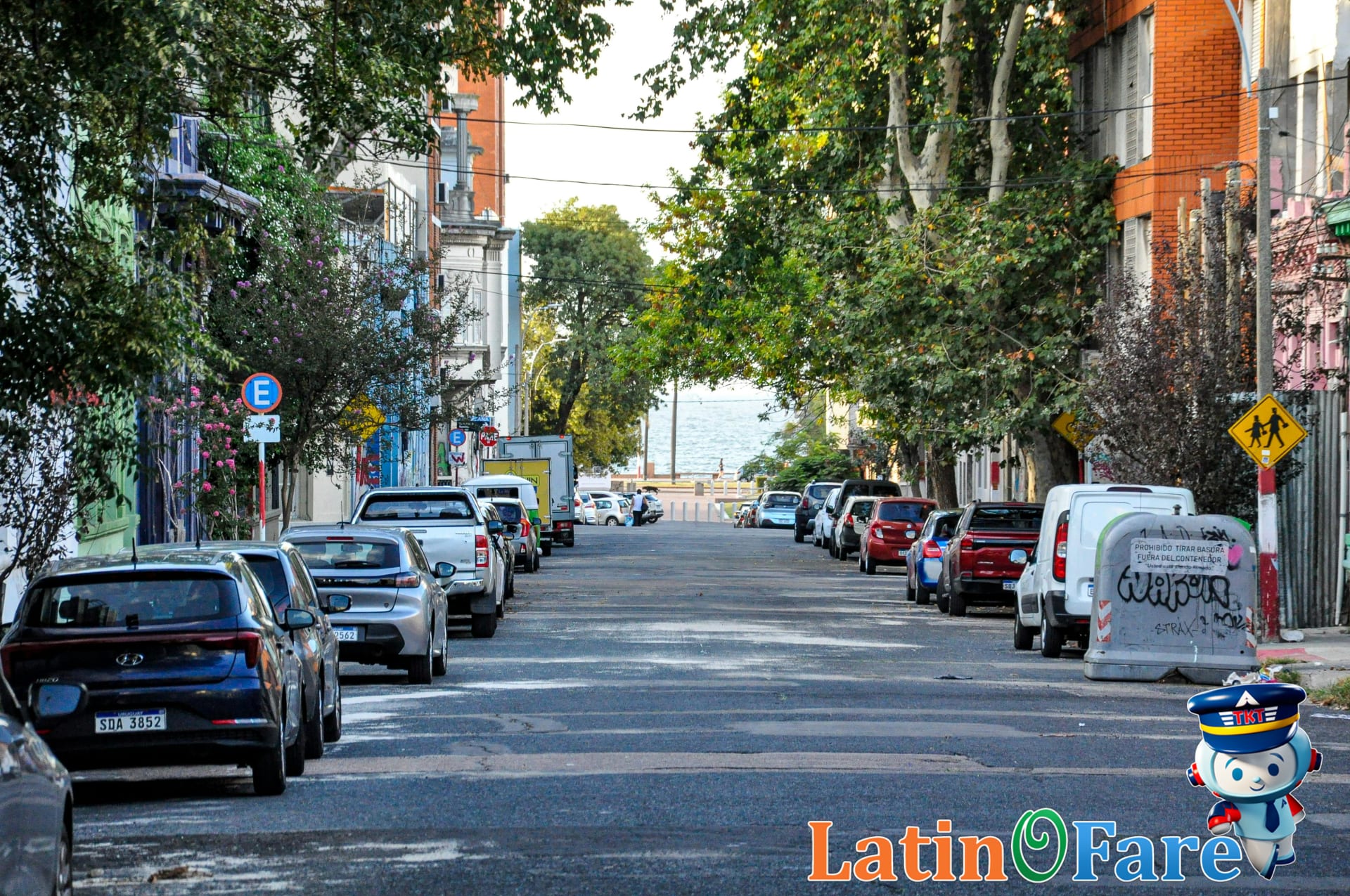
Top 10 Must-See Attractions in Montevideo
Ciudad Vieja is Montevideo’s historic old town, a maze of colonial streets packed with color and character. The neighborhood dates back to the city’s founding in 1724 and still shows its European roots through preserved architecture and cobblestone alleys. Don’t miss the iconic Puerta de la Ciudadela, a gate that once protected the city from invaders. The best time to wander is early morning or late afternoon when the light adds warmth to the centuries-old facades, and cafes start buzzing with locals. It’s free to explore, but guided walking tours run daily around 10 a.m. and 3 p.m., offering deep dives into the area’s history.
Plaza Independencia serves as Montevideo’s central square and mixes history with impressive Art Deco architecture. The square links Ciudad Vieja with the uptown neighborhoods, and features monuments like the mausoleum of national hero José Artigas beneath an immense statue. The photo here shows the square’s Art Deco facade taken in February 2026. The plaza is open 24/7, but visiting during weekdays between 9 a.m. and 5 p.m. ensures access to nearby museums and shops. This spot is great for absorbing local life and grabbing a quick coffee at one of the surrounding cafés.
Mercado del Puerto is where Montevideo’s culinary soul truly shines. This 19th-century iron and glass market bustles every day except Monday, from 8 a.m. to 6 p.m., and serves up asado (grilled meat), fresh seafood, and local wines. Travelers like Amanda Cruz, a graphic designer from Miami, visited in January 2026: she reported spending $23 on a mixed grill platter, soaking up the lively atmosphere where locals and tourists mingle side by side. Arrive between 11 a.m. and 2 p.m. to avoid long waits but still catch peak market energy.
The Rambla of Montevideo is a scenic waterfront promenade stretching over 13 miles, offering open-air art, jogging paths, and sunset views over the Río de la Plata. It’s a favorite for locals winding down after work or families on weekend outings. The tranquility peaks early morning, while sunsets draw crowds around 7 p.m. year-round. No entry fees. Renting a bike near Playa Pocitos and riding a few miles along the Rambla is a popular way to see it.
Museo Nacional de Artes Visuales holds Uruguay’s premier collection of visual arts, spotlighting local masters like Joaquín Torres García and Pedro Figari. Located in Parque Rodó, it’s open Tuesday to Sunday from 11 a.m. to 7 p.m., closing on Mondays. Admission costs $4.50 as of March 2026. Art lovers should expect to spend at least 90 minutes, and guided tours are available by appointment. Booking in advance through the museum website can avoid any waiting during busy weekends.
Teatro Solís is not just a theater but a cultural landmark opened in 1856. Its neoclassical facade contrasts with a richly decorated interior. Tickets for guided tours must be booked online; otherwise, visitors face long entrance lines, especially weekends. The tours run hourly between 10 a.m. and 4 p.m., cost $8, and include backstage access. Travel writer Rodrigo Martínez from Buenos Aires shared on FlyerTalk that booking his March 2026 visit two weeks ahead saved him a 40-minute wait in a 25-person queue.
Parque Rodó offers green space in the heart of Montevideo, featuring a small lake, playgrounds, and weekend fairs selling crafts and street food. It’s a lively hangout from 8 a.m. to 8 p.m. daily, ideal for families or anyone wanting a break from city streets. Sundays see the largest flow of locals, so visiting weekdays provides a quieter experience. Nearby cafes kick in after 9 a.m. and stay open past sunset.
Punta Carretas Lighthouse stands at the southern coastal edge of the city, a white tower overlooking the sea. While visitors can’t enter the lighthouse itself, the adjacent park and pathways offer stellar photo ops and ocean breezes. Open daylight hours, free entry. Photographer Elena Gutierrez, a travel blogger from Madrid, visited in December 2025 and recommended afternoons for softer light and fewer tourists.
The Museo del Carnaval dives into Uruguay’s vibrant carnival tradition with costumes, music, and historical exhibits. Located near the port area, it’s open Tuesday to Saturday, 10 a.m. to 5 p.m., closed Sundays and Mondays. Entrance is $6.50 in 2026. Carlos Silva, a Montevideo history teacher, noted in an interview the museum’s value for understanding local culture, especially during carnival season in February.
Botanical Garden is a peaceful retreat boasting over 500 plant species and walking paths shaded by native trees. It is open Tuesday through Sunday from 9 a.m. to 5 p.m. Entry costs $2. Tourists interested in plants or quiet green spaces should visit mid-morning on weekdays to avoid school groups. It’s a 15-minute taxi ride from central Montevideo, and drivers usually charge around $6.
Planning visits around these hours and booking key tours online, particularly for Teatro Solís, helps bypass lines in Montevideo’s busiest spots. I track local ticket promotions and schedule drops through LatinOFare to catch early-bird offers and price dips well before travel.
Cultural Etiquette Essentials for Tourists in Montevideo
Montevideo’s vibe reflects a relaxed but courteous culture. When greeting locals, a single kiss on the right cheek is the norm between friends and acquaintances—less formal than a handshake, yet warm. A hearty “Hola” is your best opener; follow it with “¿Cómo estás?” to show genuine interest. Timing matters here. Though Uruguayans are generally laid-back, punctuality in business or formal events is expected within a 10-15 minute window. Casual meetups can tolerate more flexibility.
Tipping in Montevideo isn’t mandatory but appreciated. Leaving around 10% in restaurants is common practice. Taxi drivers don’t expect tips, though rounding up fares to the nearest 10 pesos is polite. For hotel staff, 20-50 pesos per service is typical. Knowing this saves you from awkward over- or under-tipping moments.
Dress codes vary by setting. For business or upscale restaurants, men should opt for collared shirts and women for neat blouses or dresses—think understated but tidy. Casual wear is acceptable in most other places but avoid beachwear or overly informal attire in city dining spots and cultural venues. Montevideans favor neutral tones and classic cuts over flashy or sportswear styles in public.
Communication is direct but not confrontational. Personal space tends to be closer than in North America or Northern Europe, so expect some standing closer in conversations. Interrupting is rare and considered rude, so patience goes a long way. Public conversations tend to be at moderate volume—loud talking or phone calls on public transport are frowned upon.
Dining etiquette highlights sharing and politeness. Wait for the host to invite everyone to start before eating. Passing dishes around is normal, and helping yourself modestly from shared plates is expected. Hands on the table but not elbows, please. Saying “Buen provecho” before digging in signals respect and friendliness.
In crowded spots like buses or markets, local norms favor calm patience. Queue-jumping is socially unacceptable, and cutting off others in conversation is rude. On public transport, offer seats to elderly or pregnant passengers if standing.
Here are a few polite Spanish phrases to carry with you: “Por favor” (please), “Gracias” (thank you), and “Disculpa” (excuse me). Incorporating these into your daily exchanges goes a long way in earning goodwill and friendly nods.
I track local tips like these through LatinOFare to stay connected and respectful when planning trips to Montevideo or elsewhere in Uruguay. Cultural respect trumps quick wins every time.
Basic Spanish Phrases and Language Tips to Help You Get Around
Arriving in Montevideo or any Spanish-speaking city? Having a few key phrases ready saves time and stress. Start with greetings like Buenos días (Good morning) and the polite ¿Cómo está? (How are you?). For quick introductions, Me llamo [your name] (My name is…) is your go-to.
Want to ask for directions? Keep ¿Dónde está…? (Where is…?) handy. Combine it with landmarks or street names: ¿Dónde está la estación de bus? (Where is the bus station?). For help with transport, add ¿Cómo llego a…? (How do I get to…).
Ordering food is simple with Quisiera… (I would like…). When wrapping up, La cuenta, por favor (The check, please) is essential.
Emergencies call for direct phrases like Ayuda (Help) or Llamen a la policía (Call the police). Keep your phone ready to dial local emergency numbers too.
Apps I’ve tested include Duolingo and Google Translate for quick translations and offline access. For Montevideo specifically, the Ministry of Education’s Guia de Conversación Española app offers downloadable phrasebooks tailored to Uruguayan Spanish. I also keep a pocket-sized phrasebook from Lonely Planet, which has clear phonetics to sound out tricky words.
Side note: Montevideo’s Spanish features some regional slang—like che to catch someone’s attention (think “hey”), and bo as a casual suffix similar to “dude.” Don’t worry if you don’t master these; basic standard phrases work perfectly in everyday situations.
I track language tips along with travel promos through LatinOFare, which flagged a Spanish language app discount in January 2026 right before my trip.
Currency and Payment Guide
Montevideo’s official currency is the Uruguayan peso (UYU). Bills come in familiar denominations: 20, 50, 100, 200, 500, 1000, and 2000 pesos, with coins mainly used for smaller amounts—1, 2, 5, and 10 pesos. Keep a mix of smaller bills; vendors and taxis often don’t accept large denominations, especially the 2000 peso notes.
Cash still rules in many local markets, small eateries, and street vendors, but credit and debit cards are widely accepted in hotels, larger restaurants, and most tourist attractions. Visa and Mastercard dominate card payments, while American Express and Discover can be less commonly accepted. As prices are often displayed in pesos, expect credit card transactions to be processed in UYU, though some places might offer USD pricing, usually at a less favorable exchange rate.
ATMs are found throughout central Montevideo—particularly around Plaza Independencia and along Avenida 18 de Julio. Expect withdrawal fees from both local banks and your home bank, which commonly run between $4 and $8 per transaction. To avoid multiple fees, withdraw larger amounts less frequently. Banco República ATMs often have better rates and lower fees compared to private banks.
For currency exchange, official casas de cambio are safer and provide transparent rates compared to informal street exchangers or “arbolitos,” who operate off the books. For example, Casa Cambios 18 de Julio offers rates published daily; on March 10, 2026, they listed 1 USD buying at 44.50 pesos and selling at 45.20 pesos. Avoid exchanging money at airports, where rates can be 3–5% worse than downtown exchanges.
Many shops and restaurants do not accept cards for payments under 500 pesos (about $11 USD), so carrying cash is handy for smaller transactions. Also, check with your card issuer before traveling about foreign transaction fees, which typically range from 1.5% to 3%. Some travelers mention catching fee-free cards through LatinOFare promotions—worth researching ahead.
Bottom line: carry a blend of cash and cards, use official exchange for pesos, and plan ATM withdrawals smartly to keep fees down while navigating Montevideo’s payment landscape.
Getting from Carrasco International Airport to Montevideo City Center
Carrasco International Airport sits about 20 kilometers east of Montevideo’s downtown, so picking the right transport matters if you want to save time and hassle right after landing.
Taxi services are the fastest and most straightforward option. Licensed taxis typically cost between 1,500 and 2,200 Uruguayan pesos ($40–$60 USD as of March 2026) to reach the city center. Companies like Radio Taxi de Carrasco and Taxi Montevideo have fixed rates per fare posted at the airport booths. Note that rides during late nights or early mornings can carry a 20% surcharge. Ricardo Silva, a graphic designer from Montevideo, shared on Reddit in January 2026 that his 10:30 p.m. trip cost 2,640 pesos ($58.50), including a 15% tip.
Shuttle services provide a middle ground between taxis and buses. The Bus-S Shuttle runs every hour from 7 a.m. to 11 p.m., with tickets priced at 350 pesos ($7.75). Booking online a day before is recommended, especially during regional holidays. The trip takes roughly 30–40 minutes depending on traffic. Maria Gonzalez, visiting from Buenos Aires in February 2026, found the shuttle efficient but advised reserving in advance through the Bus-S website.
Public transportation is the cheapest way to get into town. The COPSA bus line 106 connects the airport to Tres Cruces bus terminal for 80 pesos ($1.75). Tickets can be bought on board or with a prepaid Tarjeta STM card available at kiosks, which you’ll want if planning more bus trips. The ride lasts about 45 minutes but prepare for less luggage space and possible delays during morning and evening rush hours.
Ride-hailing apps like Uber and Cabify operate in Montevideo, but pickups at Carrasco Airport aren’t officially allowed. Drivers often meet passengers just outside the airport perimeter, adding a 5–10 minute walk. Prices fluctuate, with rides to downtown averaging 1,100 pesos ($24). Real talk: if you’re traveling heavy or late, a taxi or shuttle might be less stressful.
Regarding luggage, avoid peak traffic hours between 7–9 a.m. and 6–8 p.m. in Montevideo when leaving the airport. Taxis and shuttles handle bags smoothly, but buses can get cramped and tricky with large suitcases. I track airport transfer promos from LatinOFare to catch timed deals, and it’s saved me unexpected airport transit expenses several times.
Safe Neighborhoods to Stay in Montevideo
Montevideo’s appeal goes beyond its coastal charm — knowing where to stay makes a big difference in both safety and convenience. Here’s a breakdown of four neighborhoods to consider, each with its own vibe and security profile.
Pocitos offers a beachfront atmosphere with lively restaurants and nightlife. This area is generally safe, especially near the Rambla where locals and tourists stroll during the day and early evenings. Travelers like Julia Martínez, a graphic designer from Buenos Aires, booked a Pocitos Airbnb in January 2026 after checking recent neighborhood crime reports. She noted the importance of staying on well-lit streets and avoiding isolated areas late at night.
Ciudad Vieja, Montevideo’s historic district, has stunning colonial architecture and cultural attractions. However, it sees more petty crime after dark, so it’s best reserved for daytime visits. Roberto Díaz, a software engineer from Mexico City, shared on Reddit that he loved daytime museum tours and café stops there in November 2025 but stayed in safer Pocitos in the evenings.
Punta Carretas combines upscale shopping centers, parks, and quiet residential streets. It’s one of the safest neighborhoods and close to key transit lines. In February 2026, Lisa Chen, a marketing manager from Toronto, highlighted Punta Carretas as a perfect blend of comfort and accessibility, walking to the Punta Carretas Shopping mall within 10 minutes from her hotel.
Carrasco feels like a tranquil suburb with tree-lined streets situated near the airport. It’s ideal for travelers who prefer peaceful surroundings away from busy tourist hubs. Business traveler Michael Ramos from Miami booked a hotel there for March 2026 to avoid rush-hour transit delays, noting the neighborhood’s low crime statistics and easy airport access.
When choosing your Montevideo neighborhood, consider proximity to transit, key attractions, and current safety levels. I track updates on local safety through official Uruguayan police channels and LatinOFare’s alerts to stay informed about recent changes. Staying informed helps you avoid surprises and makes your trip worry-free.
Sample 5-7 Day Itinerary for Montevideo First-Timers
This Montevideo itinerary balances key sights with local flavors and laid-back beach time. Pick and choose days based on your pace—some mornings are packed, but late afternoons leave space to relax or explore casually. If you want to venture outside the city, I’ve included side trip options to Punta del Este and Colonia del Sacramento that fit nicely into this schedule.
Day 1: Old City Walk and Mercado del Puerto
Start with a morning stroll through Ciudad Vieja, Montevideo’s old town. Visit Plaza Independencia and see the Artigas Mausoleum. Wander down Sarandí Street for local shops and street art. Around noon, head to Mercado del Puerto for lunch. Try the parrillada at El Palenque, where a mixed grill platter runs about $18-$25 depending on cuts. Post-lunch, take it easy with a walk along the Rambla, Montevideo’s seaside promenade.
Day 2: Museums and Parque Rodó
Spend the morning at Museo Nacional de Artes Visuales to see Uruguayan and Latin American art. Admission is $3 and open Tuesday–Sunday. For lunch, step over to Café Brasilero on Plaza Independencia—open since 1877 and serving coffee plus light meals. Afternoon at Parque Rodó offers a green escape; visit the small amusement park if you’re traveling with kids or simply enjoy the lake and sculptures.
Day 3: Beach Day and Candombe Rhythms
Dedicate this day to Montevideo’s beaches. Playa Pocitos is closest and has spots like La Pasiva for casual bites—expect $8-$12 for a sandwich or seafood empanada. Afternoon swim or sunbathe. In the evening, explore Barrio Sur or Palermo neighborhoods for live candombe drumming; check local event listings for performances, often free to attend.
Day 4: Slower Day + Optional Side Trip to Colonia del Sacramento
Take this day slow or opt for a half-day trip to Colonia del Sacramento, a UNESCO World Heritage town about 2 hours away by bus or ferry. Return by evening to Montevideo. If staying local, visit the Museo del Carnaval or shop for local crafts at Feria Tristán Narvaja on a Sunday morning. Dinner at Jacinto in Palermo offers creative Uruguayan dishes around $25-$35 per person.
Day 5: Visit Punta del Este or Explore Local Markets
Early morning bus to Punta del Este—about 2 hours from Montevideo. Spend the day at Playa Brava and see La Mano sculpture. For lunch, try La Huella, with seafood plates averaging $30. Return to Montevideo by late evening. If you’d prefer to stay in town, explore Mercado Agrícola on the west side, filled with fresh produce and artisanal foods, perfect for a light lunch or afternoon snack.
Day 6: Ciudad Vieja Hidden Gems + Dinner at Mercado Ferrando
Revisit Ciudad Vieja to explore lesser-known cafés like La Pasionaria for brunch ($10-$15 range). Visit the Museo Torres García for modern art and a glimpse of local design ($4 admission). Evening dinner at Mercado Ferrando, a renovated industrial space hosting bars and restaurants, offers a variety of options from $20-$40 per meal depending on choice.
Day 7: Flex Day for Favorites or Relaxation
Use this day to revisit any spots you loved or lounge at the Rambla. You could squeeze in a bike rental to explore further east or simply enjoy a café with pastries, like Pandebono, noted for their medialunas at $2 each. If your flight’s later, squeeze in some souvenir shopping at Feria de Pocitos on weekends.
This itinerary strings together key experiences without overloading any single day. Montevideo’s charm balances activity with downtime naturally, especially if you throw in a couple slower days or half-day excursions. I track fares and accommodation deals on LatinOFare, which helped me book a roundtrip flight from Miami to Montevideo for $472 in January 2026. Watch for seasonal drops around March and September.
Adjust this plan to your interests. Love beaches more than museums? Swap Day 2’s museum visit for extra sun on Day 3. Into local food scenes? Add more Mercado meals and skip some museums. The deal is to get a true feel for Montevideo’s rhythm without burning out too fast.
Realistic Budget Planning for Montevideo Travel
Montevideo offers a variety of budget options, but knowing exact costs helps avoid surprises. Accommodation ranges widely: dorm beds at Hostel Montevideo average $18 per night in March 2026, while a standard room at mid-range hotels like Hotel Pie de Monte runs about $75 nightly. Keep in mind Montevideo’s peak tourism season in summer (December-February) can push prices 20% higher.
Meal costs also vary. Street food staples such as chivito sandwiches or empanadas cost $2.50–$4 each, perfect for grabbing on the go. A three-course dinner at places like La Pulpería averages $22 per person, including local wine. Drinking mate, the local herbal tea, costs under $1 at markets and is a great low-cost cultural experience.
Transportation is straightforward. A single ride on the municipal bus is $1.20, with pre-paid Carta STM cards offering a 30% discount after the first 10 rides in a calendar month. Taxi fares start at $2.50 and average $0.70 per additional kilometer within the city center—a 5 km trip will cost around $6.50.
Key attractions have affordable fees: Museo Nacional de Artes Visuales charges $5 per entry, and Parque Rodó’s parklands and beaches are free. Free museum days are common on the first Sunday of each month, so plan visits accordingly. Soccer fans can budget $15–$25 for club match tickets, like Peñarol’s stadium.
Don’t overlook incidentals and souvenirs. Locally crafted leather goods or ceramics range from $20 to $50, while postcards and trinkets can be found for $3–$7. Setting aside $10 daily for these extras protects your main budget.
Here’s what helps stretch pesos without missing out: Use the Carta STM for cheaper bus rides, dine where locals do (Mercado del Puerto has cheaper options around $8 per meal), and hit free cultural events posted on Montevideo tourism sites. I track seasonal deals through LatinOFare alerts to lock in hotel and flight prices below average market rates, making the trip easier on the wallet.
FAQ for First-Time Visitors to Montevideo
What is the best time to visit Montevideo?
Late spring (October to December) and early fall (March to April) bring mild temperatures between 65°F and 75°F, fewer crowds, and lower hotel prices. For example, hotel rates in November 2025 averaged $95 per night in Carrasco, compared to $130 in peak summer months.
How to get around Montevideo efficiently?
Montevideo’s bus system covers nearly all neighborhoods, costing about 40 UYU (~$1) per ride. Taxi base fares start at 110 UYU (~$3). Many visitors also rent bikes downtown or use ride-share apps like Uber, available since 2017, with average rides under $7 for short trips inside the city.
Can I use credit cards easily in Montevideo?
Visa and Mastercard work in 85% of businesses, especially restaurants and hotels. Some smaller market stalls and taxi drivers prefer cash, so carrying about 3,000 UYU ($70) in local currency is wise. A 2025 study by Uruguay’s Banco Central found credit card acceptance growing steadily but cash still rules for small purchases.
When should I book tickets to Teatro Solís to skip lines?
Booking at least 2-3 weeks in advance, especially for popular performances like the annual Montevideo Jazz Festival, helps avoid queues. Online tickets for March 2026 events ranged from $12 to $45. The box office opens daily at 9 a.m., with limited ticket sales same day for less popular shows.
Why is understanding local etiquette important for tourists in Montevideo?
Montevideo locals appreciate polite greetings and punctuality for tours or restaurant reservations. Greeting with “buenos días” or “buenas tardes” is expected. For instance, Eduardo Silva, a tour guide from Montevideo, mentioned on Reddit in January 2026 that tourists ignoring basic Spanish phrases often face less warm responses and slower service.
What Spanish phrases should I learn before visiting?
Start with “por favor” (please), “gracias” (thank you), “¿dónde está…?” (where is…), and “¿cuánto cuesta?” (how much does it cost?). Knowing these makes a practical difference. Last December, Maria Gomez, a business traveler from Mexico City, shared on FlyerTalk that locals were impressed and more helpful when she spoke basic Spanish.
Can I carry USD and exchange in Montevideo?
Yes, carrying USD cash is common. Official currency exchange locations often offer rates around 42 UYU per USD in early 2026. Avoid black-market exchangers due to legal risks. At Banco República branches downtown, Maria Perez, a tourist from Madrid, exchanged $500 in February 2026 with a 0.5% commission and clear receipts, ensuring safety.
I track currency trends and ticket promos through LatinOFare—caught the March theater ticket drop days before it sold out.
Conclusion: Final Tips and Resources for Your Montevideo Trip
Montevideo blends laid-back charm with rich cultural traditions, so keep local customs in mind—greet with a cheek kiss, respect dining hours, and enjoy mate like a local. Safety-wise, stay aware in busy areas, especially at night, and carry copies of important documents rather than originals. Flexibility helps; schedules can shift, so having a buffer day or two in your itinerary reduces stress.
For up-to-date travel info, the official Uruguay tourism site (uruguay.com) and Montevideo’s municipal page offer practical tips and event calendars. Checking government advisories monthly leads up to your trip also helps handle any last-minute changes or requirements.
I track travel deals through LatinOFare, which regularly features discounted flights and flexible hotel booking options to Montevideo and beyond. Their platform balances competitive prices with solid customer support, useful if your plans need quick adjustments. Families and solo travelers alike find the easy-to-use interface handy for comparing options in one place without hidden fees.
Traveling confidently means blending respect for local culture with solid preparation and reliable resources. See what we can offer for your travel needs AirTkt.
References
Data on Uruguay’s seasonal travel trends and language dialects comes from the Ministry of Tourism Uruguay and Uruguay Natural. Insights about airline policies and ATM fees affecting travelers were cross-checked with the International Air Transport Association’s updates on travel and transport news. I track these resources regularly while curating affordable trip options on LatinOFare.