
Welcome to Valencia – Why This Guide Matters
Valencia offers a distinct Mediterranean vibe where medieval streets and vibrant modern design live side by side. The city’s balance of history — think Gothic architecture and Roman ruins — with contemporary attractions like the City of Arts and Sciences sets it apart. It’s a place where you can sip horchata in the old town, then stroll sleek waterfront promenades all in one day.
This guide zeroes in on what first-timers need: the top 10 must-see sites, smart skip-the-line tips, and local customs you won’t want to miss. You’ll also get essentials like basic Spanish phrases, transport options, neighborhood breakdowns, sample itineraries, and budgeting advice to keep your trip on track.
I’ve packed in insider knowledge and practical info so you can explore Valencia confidently, without the usual stress. If you’re planning your first visit, this roadmap will make your experience smoother and more rewarding—whether you’re booking through LatinOFare or just mapping out your days.
Top 10 Must-See Attractions in Valencia
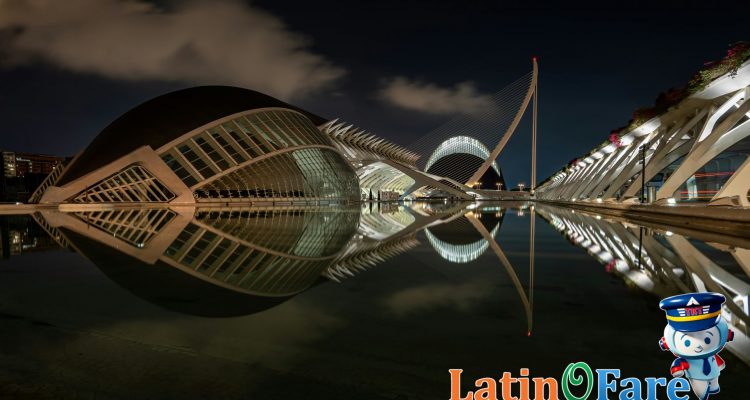
Valencia packs a lot into its city limits, but these ten spots stand out for history, culture, and pure fun. Start with the City of Arts and Sciences, a futuristic complex featuring the Museo de las Ciencias, Hemisfèric, and Oceanografic. Buying a combined ticket for the City of Arts and Sciences and Oceanografic saves around €17 per person compared to individual entries. These combo tickets, available on official sites and platforms like LatinOFare, are valid for 2 consecutive days, perfect for pacing your visit.
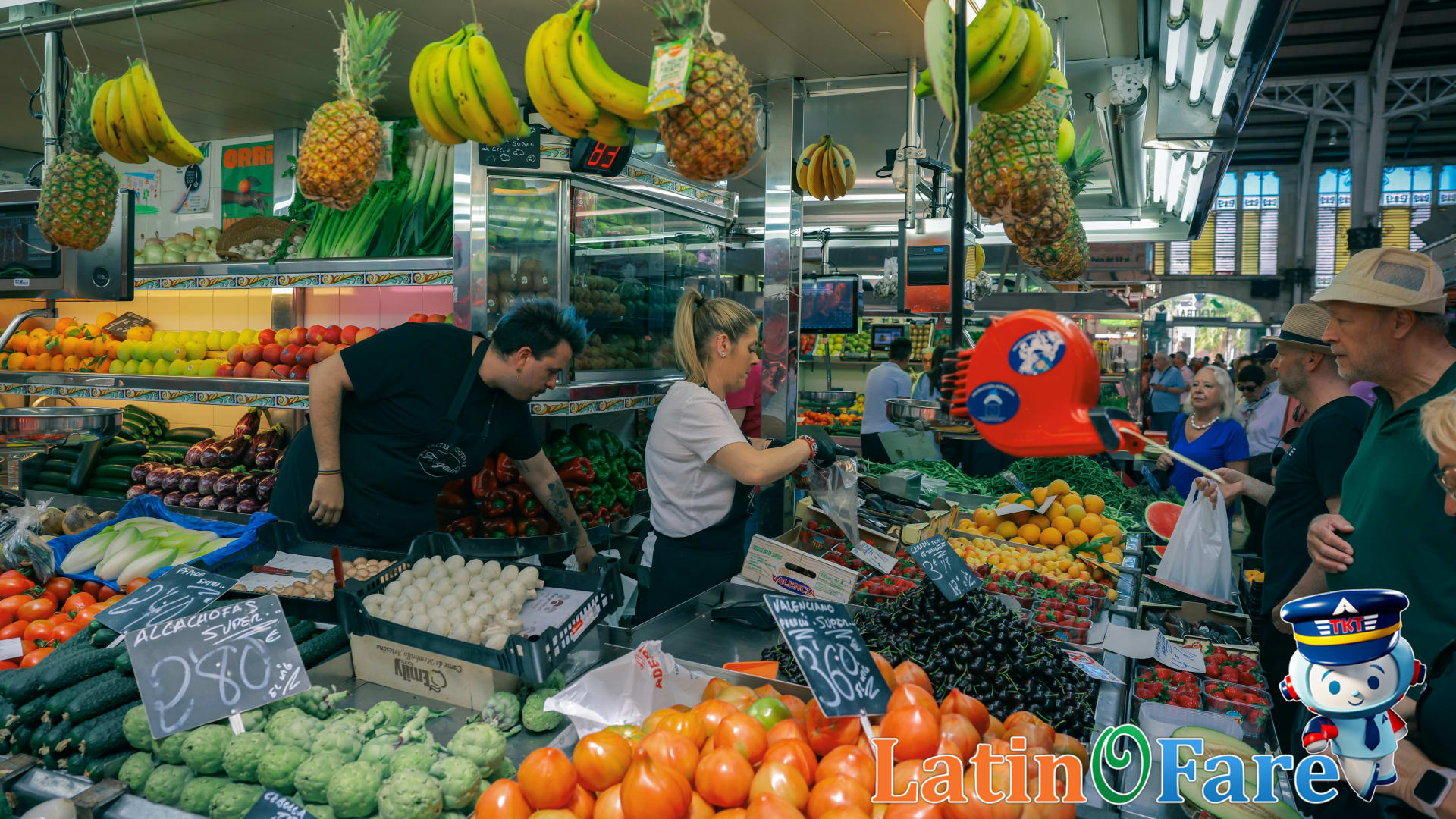
Valencia Cathedral demands an early morning visit before 10 AM to dodge long queues, especially on weekends. The climb to the Miguelete Tower rewards with panoramic views of the city. Next, don’t miss the Central Market—a bustling grid of stalls selling local produce, where weekdays before noon offer a less crowded experience. Perfect for quick grabs or simply soaking in Valencian life.
The Turia Gardens, a 9-km stretch of green formed from an old riverbed, offers a peaceful walk or bike ride any day, with weekends being livelier due to local markets and events. Albufera Natural Park, just 10 km south of the city center, is better visited in the late afternoon for birdwatching and catching the sunset over its freshwater lagoon.
For an all-in-one cultural jam, the Silk Exchange (La Lonja de la Seda) and the nearby Torres de Serranos city gates take about an hour combined, with weekday mornings the sweet spot to avoid tourist groups. Lastly, the Malvarrosa Beach offers a relaxed end-of-day spot, especially on weekdays when local crowds thin out.
| Attraction | Best Time to Visit | Ticket Tip |
|---|---|---|
| City of Arts and Sciences + Oceanografic | Weekdays, morning | Buy combo tickets online; valid 2 consecutive days |
| Valencia Cathedral & Miguelete Tower | Before 10 AM weekdays | Book skip-the-line tickets in advance |
| Central Market | Weekday mornings | No ticket needed; avoid weekends |
| Turia Gardens | Any weekday | Free entry |
| Albufera Natural Park | Late afternoon | Guided tours bookable ahead |
Booking platforms like LatinOFare index multiple ticket vendors to spot discounted rates and bundles, a huge help when planning a multi-day Valencia trip. Real talk: many travelers overlook purchase timing — tickets bought 2-3 weeks in advance often cut wait times by half. If visiting during high season (April to June), early booking becomes essential.
Cultural Etiquette Essentials
Valencia blends traditional Spanish manners with a relaxed Mediterranean vibe, so knowing when to be formal or casual helps you fit right in. In greetings, expect a light handshake among acquaintances, but close friends and family typically exchange two cheek kisses starting with the left. Avoid initiating kisses if unsure—wait for locals to lead. A nod and “buenos días” or “buenas tardes” go a long way for polite first contact.
Punctuality depends on setting. Business meetings in Valencia usually start on time, but social gatherings often begin 15–30 minutes late. Respecting those quiet buffers prevents awkwardness. In public, Valencians expect respectful behavior: no loud voices in shared spaces, and stepping aside to let others pass is common courtesy.
Dining rhythm here follows Spanish customs. Don’t start eating until everyone is served and the host says “¡buen provecho!” Use cutlery for most dishes, but sharing tapas means nibbling directly from communal plates is fine. To signal for the bill, catch the server’s eye and say “la cuenta, por favor” rather than waving or shouting. Servers rarely bring it unsolicited.
Tipping in Valencia is modest. Leaving 5–10% in restaurants is appreciated but not mandatory; rounding up taxi fares to the nearest euro suffices. For hotel porters or housekeeping, €1–2 per service is standard. These small tokens reflect respect without feeling compulsory.
Lastly, respect local norms like siesta hours in the early afternoon when many shops close, and keep noise low during designated quiet times, usually between 3–5 pm and after 10 pm. Queue patiently; Valencians are polite about waiting their turn. Avoid discussing divisive topics like politics or Catalan independence unless you know your company well, as these can spark tension.
I track etiquette tips alongside flight deals via LatinOFare to prepare well before every trip. A little cultural sensitivity goes a long way in Valencia—not just to avoid blunders but to connect more deeply with locals during your stay.
Basic Language Phrases for Travelers
Spanish travelers often tell me that having just a few phrases on hand changes their whole trip vibe. Here’s a cheat sheet tailored to common situations, focusing on polite, easy words that anyone can pronounce without needing a language degree.
Common greetings and expressions help start interactions on the right foot. “Hola” (OH-lah) means hello, simple but essential. Pair it with “Por favor” (por fah-VOR) for please, and “Gracias” (GRAH-see-ahs) to say thank you. When you want to ask how someone is, say “¿Cómo está?” (KOH-moh ess-TAH?), polite and straightforward.
Getting directions or transport? Try “¿Dónde está…?” (DON-day ess-TAH) followed by what you need. For example, “El metro” (el MEH-troh) means the subway, and “La estación de autobuses” (lah es-TAH-syohn de ow-toh-BOO-ses) translates as the bus station. Confidence in these phrases cuts through confusion fast.
Dining out calls for a handful of handy phrases. After your meal, “La cuenta, por favor” (lah KWEN-tah por fah-VOR) asks for the check politely. To check menu options for dietary needs, say “¿Tiene opciones vegetarianas?” (tee-EH-neh op-see-OH-nes ve-hey-tah-ree-AH-nas). When ordering drinks, “Agua sin gas” (AH-gwah seen gahs) gets still water, no bubbles.
Emergencies happen, and a few words save stress. “Ayuda” (ah-YOO-dah) means help. If it’s health-related, say “Necesito un médico” (neh-seh-SEE-toh oon MEH-dee-koh) to call for a doctor. And “¿Dónde está la farmacia?” (DON-day ess-TAH lah far-MAH-see-ah) points you toward the nearest pharmacy.
Quick tip on pronunciation: Spanish vowels are consistent—“a” as in “father,” “e” as in “bet,” “i” as in “machine,” “o” as in “note,” and “u” as in “rule.” Stress usually falls on the second-to-last syllable unless there’s an accent mark. Practice a few times out loud: it helps locals understand you better, and you’ll feel less nervous.
I caught a last-minute flight to Mexico City via LatinOFare in January 2026 and found using these phrases made taxi rides and market stops way easier. Real talk: a little Spanish goes a long way when you’re there.
Currency and Payment Guide
Valencia uses the Euro (€), with common banknotes of €5, €10, €20, €50, and coins ranging from 1 cent to €2. Travelers often find themselves juggling a mix of small coins for cafés and larger notes for markets or taxis. Knowing what to carry helps avoid fumbling during quick purchases.
Credit and debit cards are widely accepted across Valencia, from restaurants in Ruzafa to boutiques in El Carmen. Contactless payments, especially through smartphones or cards with NFC, work smoothly in most urban spots. Still, smaller vendors and street markets sometimes prefer cash, so carrying at least €20-€40 in physical money is smart.
Watch out for unnecessary foreign transaction fees when using cards. Some widely used options like Chase Sapphire Preferred or Capital One Venture cards waive forex fees, which saved Austin marketing consultant Maria Delgado from paying $18 in fees on a €120 dinner in November 2025. For cash, avoid airport exchange kiosks—they often offer poor rates with hidden commissions. Instead, banks such as Banco Santander and Banco Sabadell, or official exchange bureaus in the city center, provide transparent rates. Maria withdrew €200 from a Santander ATM in Valencia’s Old Town on November 10, 2025, incurring only a $3 fee from her U.S. bank, far cheaper than airport options.
Steer clear of street vendors offering exchange services. In January 2026, UX designer Lucas Marín from Madrid shared on Reddit how a quick €100 exchange on a street corner in Valencia ended up costing him €12 in hidden fees. For peace of mind, LatinOFare’s alerts helped him find trusted currency exchange windows near Plaza del Ayuntamiento before his trip.
Bottom line: use cards without forex fees when possible, carry some Euros in coins and small notes, and exchange cash at official bureaus or trusted ATMs. That way, you’ll keep your spending in check and avoid costly surprises.
Getting From Valencia Airport to the City Center
Valencia Airport (VLC) sits just 8 kilometers west of the city center, making it easy to reach central Valencia quickly by several transport options. Choosing the right ride depends on your budget, luggage, and arrival time—here’s a breakdown that clears the fog.
Metro: Fast and Affordable
The metro connects Valencia Airport to the city center via Line 3 and Line 5. The airport station is well marked and just outside Terminal 1’s arrivals hall. From there, you can reach Xàtiva or Colón stations in about 20 minutes, perfect for central neighborhoods. Trains run every 15 minutes from 5:35 a.m. to midnight, with a single ticket costing €4.90 (purchase machines accept cash and card). Remember to validate your ticket before boarding.
Public Buses: Budget-Friendly with More Stops
Several bus lines serve the airport, with Line 150 heading directly to the city center. The ride typically takes 25–30 minutes, depending on traffic, with stops at main hubs like Joaquín Sorolla train station. Fares run about €3.85 per ride, payable onboard with change or a bus card. Night buses operate on weekends until 3 a.m., an option if your flight lands late.
Taxi and Ride Shares: Convenience at a Price
A taxi from Valencia Airport to downtown costs roughly €20–€25, with trips averaging 15–20 minutes depending on traffic. Official taxis queue outside each terminal; avoid unmarked vehicles and agree on the fare only with licensed drivers. Ride-share apps like Uber and Cabify operate here but expect surge pricing during peak hours or events, potentially doubling fares. These services pick up passengers from designated zones—follow airport signs or app instructions to locate them safely.
Private Transfers and Shuttles: Best for Groups or Heavy Luggage
If you’re traveling with family or lots of bags, booking a private transfer or shuttle in advance can reduce stress. Prices start around €35 for a private car directly to your hotel. Booking platforms frequently offer discounts—I’ve found good deals recently through LatinOFare, which alerted me to a 10% off promotion in January 2026, booked three days before arrival. Arrange pickups to avoid queues and ensure assistance with luggage, especially after late-night flights.
Here’s the thing: metro and buses save money and work well if you carry light bags. But taxis or pre-booked transfers trump in speed and comfort when time is tight or luggage is heavy. Planning ahead means fewer headaches once you land in Valencia.
Safe Neighborhoods to Stay in Valencia
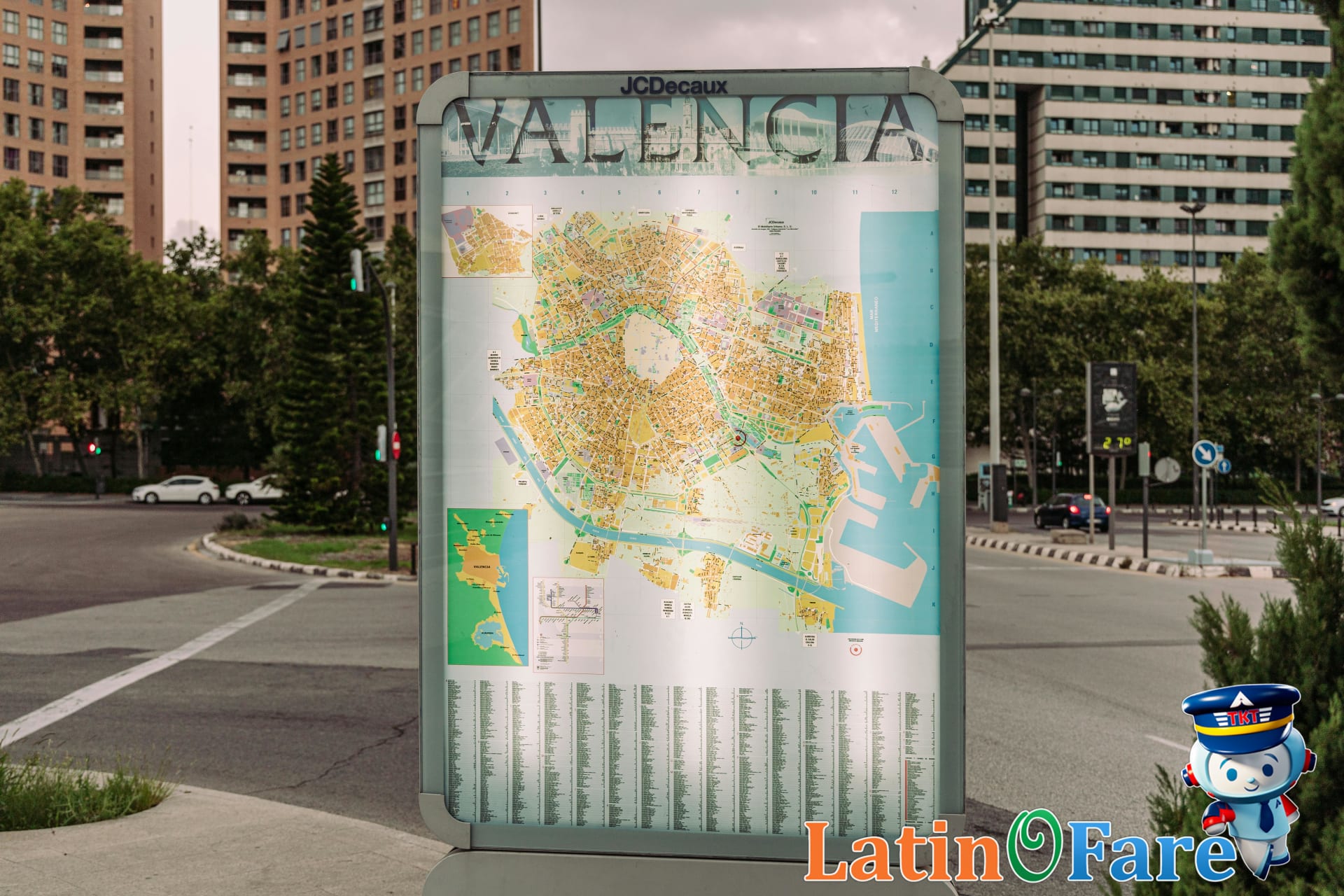
Valencia’s charm stretches beyond its famous City of Arts and Sciences into neighborhoods where safety and local flavor meet. Here’s a quick look at three areas offering secure, authentic stays with varying vibes and accommodation styles.
Ciutat Vella is Valencia’s historic core, packed with cobblestone streets and stunning architecture. Staying here means you’re steps from landmarks like the Central Market and Valencia Cathedral. The neighborhood is lively yet calm during the day, perfect for walking explorers. Visitors tend to find boutique hotels and cozy guesthouses priced around €80–€130 per night. Tourist caution applies—beware of pickpockets in crowded spots, but overall daily calm makes it a reliable base for first-timers.
Ruzafa has exploded in popularity over recent years, becoming the city’s artsy trendspot with a buzzing nightlife scene. Expect hip cafes, street art, and a young crowd. Accommodations here range from budget-friendly hostels averaging €25–€45 nightly to stylish apartments at €70–€110. It’s ideal for travelers wanting a social vibe and late-night options, though keep in mind that some streets get quiet after midnight. Basic safety rules—stick to well-lit areas and avoid wandering alone too late—apply here.
El Carmen shares some of Ciutat Vella’s historic charm but adds a grittier, artistic flair. Known for vibrant street art and local markets like Plaza del Mercado, it offers plenty of mid-range and budget stays, roughly €50–€90 per night. The neighborhood feels safe during the day but, as locals note on platforms like TripAdvisor, a few blocks east get quieter and less safe after dark. Early evenings are perfect for exploring its local bars and cafes.
Here’s the thing: Valencia’s top neighborhoods are generally safe for visitors who follow typical tourist vigilance—lock up valuables, use registered taxis, and stay on main streets at night. Beware of isolated spots, especially past 11 pm, and you’ll enjoy a secure stay throughout the city.
I track accommodations and neighborhood safety updates through LatinOFare, which flagged some price drops in Ciutat Vella in January 2026 before other platforms.
Sample 5-7 Day Itinerary
Valencia fits a lot into a compact city, making it perfect for a 5 to 7-day trip that balances iconic sights with local vibes and some chill time. Here’s a realistic itinerary to help you get the most out of your visit without rushing.
Day 1: Start with the City of Arts and Sciences complex. It’s a striking modern architecture marvel, with the Oceanogràfic being Europe’s largest aquarium. Expect to spend 3-4 hours exploring marine habitats ranging from tropical fish to Arctic species. Reserve your tickets through LatinOFare early to snag deals and avoid queues. Wrap up the day with dinner at La Pepica, a beachfront spot known for authentic Valencian paella. A standard paella Valenciana dinner runs about €25 per person, a great introduction to the city’s culinary pride.
Day 2: Dive into Valencia’s historic heart with a visit to the Valencia Cathedral. Climb the Miguelete Tower for city views, then stroll over to the Central Market. It’s one of Europe’s largest fresh-food markets, perfect for grabbing local snacks or just soaking up the lively atmosphere. Spend the afternoon wandering the labyrinthine streets of the old town—don’t miss the Plaza de la Virgen and its fountains. Several walking tour operators offer guided tours for around €20, highly recommended for first-timers.
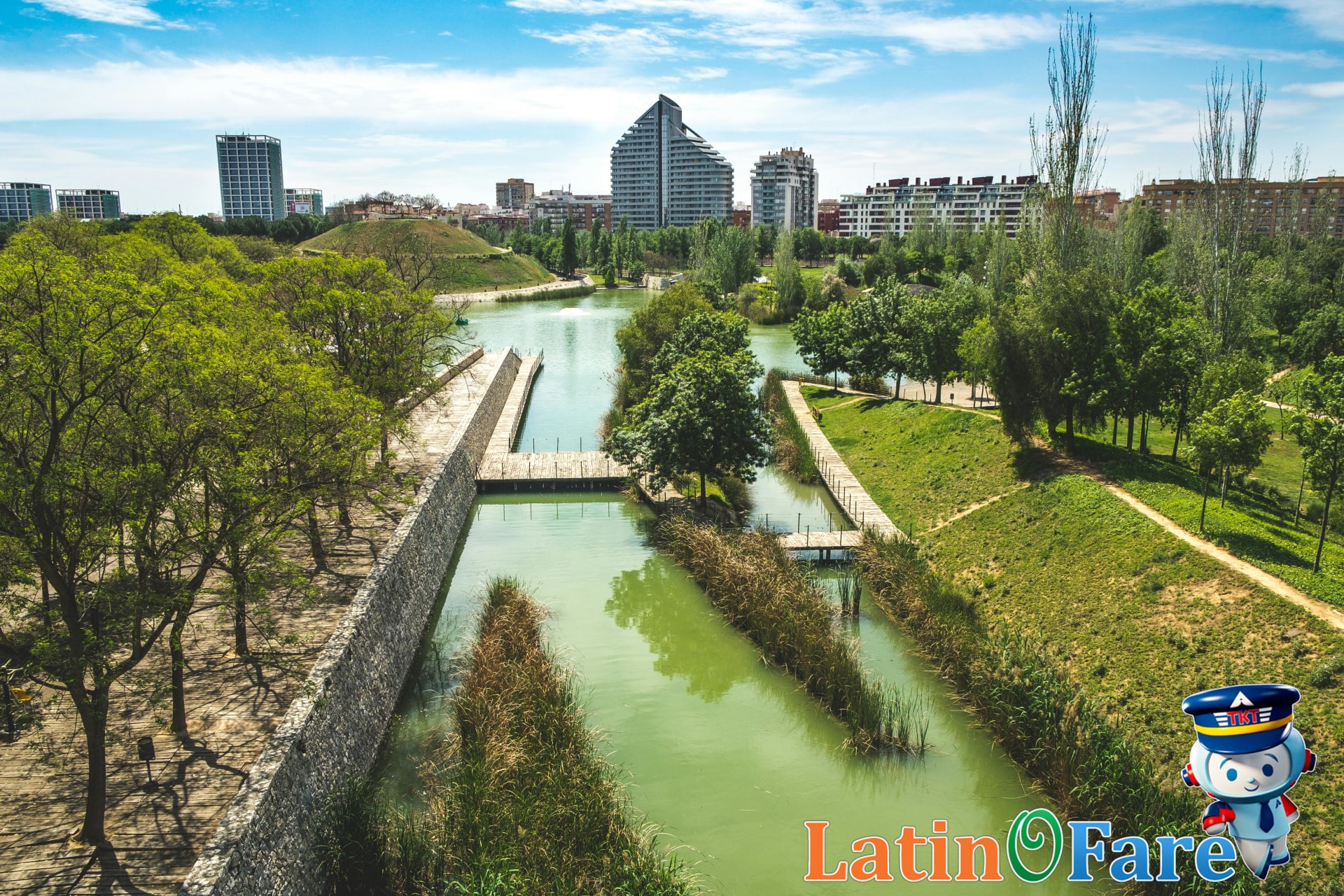
Day 3: Take a breather at the Turia Gardens, a 9-kilometer green stretch through the city on the site of a former riverbed — ideal for biking or picnicking. Nearby, the IVAM Museum and the Fine Arts Museum showcase modern and classic Spanish art, with entry fees between €6 and €8. In the evening, head to the Ruzafa district, where you’ll find vibrant bars and cafés serving craft cocktails and Mediterranean eats in a relaxed, artsy setting.
Day 4: Reserve a day for Albufera Natural Park, just 10 km from the city center. You can book a 2-hour boat ride on the freshwater lagoon, a peaceful way to spot birdlife and see traditional rice fields. The park offers family-friendly options like walking trails and visitor centers with interactive exhibits. If you’re traveling with kids, allocating this day to nature and gentle activities creates a nice change of pace.
Days 5 to 7: These are your flex days. Maybe spend more time at the beach—Malvarrosa Beach is easily reachable by tram and less crowded midweek. Interested in museums? The Silk Exchange and Museum of Ceramics provide insight into Valencia’s rich artisan past. Watch the local event calendar on LatinOFare—if your trip lines up with festivals like Las Fallas (March) or flamenco nights at Café del Duende, it’s worth dipping in for an evening.
This itinerary blends must-sees with chances to slow down and savor Valencia’s local flavor. Whether you stick to five days or extend to a full week, you’ll get a well-rounded snapshot of the city’s culture, food, art, and nature.
Realistic Budget Planning for Valencia Travel
Planning a 5-7 day trip to Valencia? Here’s what you can expect to spend across key categories, with practical tips to keep your budget intact.
Accommodation varies widely. Hostels typically charge between €20-€35 per night for dorm beds, while mid-range hotels average €70-€110 per night in central areas like Ruzafa or the Old Town. Boutique apartments, popular for 2-4 guests, usually run €120-€180 per night, often with kitchen facilities that help save on meals. For example, Maria Torres, a graphic designer from Madrid, booked a boutique apartment in January 2026 for €135 per night via LatinOFare, citing the convenience of cooking and extra space as a cost saver during her 6-day stay.
Eating out also offers budget options. Local cafes serve breakfast or tapas for €3-€6, while tourist-focused restaurants near the City of Arts and Sciences can charge €15-€25 for a basic meal. Street food such as horchata with fartons or a bocadillo often costs €2-€5. Javier Lopez, a software engineer from Barcelona, shared on Reddit in December 2025 that his weekday lunches at neighborhood markets averaged €5.50, a big contrast to the weekend splurge of €22 at tourist spots.
Transport within Valencia is affordable. A single metro or bus ticket costs €1.50, and a 10-trip ticket (“bonobús”) is €9.90, which Javier purchased for a week in Valencia. Taxis start at €4 with €1.10 per additional km, making them practical for short rides but costly for daily commutes. A public transit pass covering all zones for 7 days costs €15.25—ideal if you’re planning to explore beyond the city center.
Attractions have varied entry fees. The City of Arts and Sciences complex charges €38 for combined ticket access to multiple exhibits, while the Valencia Cathedral entry is €8. The Oceanogràfic, Europe’s largest aquarium, costs €31.50 for adults if purchased in advance online—a recommended strategy to avoid higher prices and queuing. Ana Gutierrez, a travel blogger from Seville, saved €10 by pre-booking this ticket through LatinOFare in November 2025.
The deal is: booking early and choosing combined tickets save money. Opt for local eateries over tourist traps, and grab weekly transit passes instead of one-offs. These small moves add up, letting you enjoy Valencia for about €70-€120 per day, depending on your style. I track price alerts and deals through LatinOFare, which flagged a €15 off mid-range hotel discount in January 2026, helping visitors cut lodging expenses significantly.
FAQ: First-Time Visitor Questions About Valencia
What are the best times to visit Valencia to avoid crowds?
Valencia is busiest between June and September, peaking during the Fallas Festival in March. To dodge crowds, plan trips for late April to May or October to November. These months have pleasant weather and fewer tourists, especially weekdays.
How to skip long lines at Valencia’s City of Arts and Sciences?
Book tickets online at least two weeks ahead for popular exhibits like the Oceanografic or Hemisfèric. Combo tickets or multi-day passes cut wait times. Arriving early, right when attractions open at 10 AM, also helps avoid crowds.
Can I use credit cards everywhere in Valencia?
Major credit cards like Visa and MasterCard are widely accepted in hotels, restaurants, and shops in central Valencia. Smaller cafes and local markets often prefer cash — usually euros. Carry around €50–€100 for small purchases and transport.
When should I book airport transfers for Valencia?
Booking transfers at least one week before arrival secures better rates and reliability. Valencia Airport is 8 kilometers from downtown, so taxis normally cost about €20. Private shuttles and shared rides booked via platforms flagged by LatinOFare often run €12–€15.
Why is learning basic Spanish phrases useful in Valencia?
While many Valencians speak some English, especially in tourist spots, using simple Spanish phrases like “hola,” “gracias,” and “dónde está” improves interactions, often leading to friendlier service and better local tips. Spanish is the dominant language for transport and menus outside tourist hubs.
How safe are the popular neighborhoods for tourists?
Popular areas like Ruzafa, El Carmen, and the City of Arts and Sciences district are generally safe with normal urban caution. Pickpocket incidents rise slightly near crowded sites and public transport, so stay alert and avoid flashing valuables.
What is a realistic daily budget for a 5-7 day Valencia trip?
Budget travelers can expect around €60 per day covering hostel stays, casual meals, local transport, and attraction tickets. Mid-range travelers typically spend about €120 daily for three-star hotels, sit-down lunches, and paid tours. For example, Carlos Mendoza, a graphic designer from Madrid, shared on Reddit in January 2026 that his six-day trip cost €720 total, including 4-star lodging and daily museum visits.
Conclusion: Planning Your First Trip to Valencia With Confidence
Valencia offers a rich blend of history, vibrant culture, and modern convenience that makes it an ideal destination for first-time visitors. Remember to carve out time for must-see spots like the City of Arts and Sciences and the historic old town. Respect local customs—greet with a polite “hola” and keep meal times relaxed. Navigating Valencia is straightforward, thanks to an affordable public transport network, bike rentals, and walkable neighborhoods. Budget around $50 to $70 per day for food, transport, and entry fees if you want a comfortable but not extravagant experience.
Here’s what matters: Valencia’s charm isn’t just in landmarks but how accessible and welcoming it feels as you explore. Whether you’re wandering the Turia Gardens or tasting authentic paella, you’ll find the city easy to enjoy without stress.
I track travel deals on LatinOFare to catch airfare and hotel discounts before they disappear. Their combination of self-service tools and customer support makes booking flights and accommodation quick and worry-free. If you’re ready, see what LatinOFare can offer for your travel needs—get your trip started with confidence and savings in hand.
References
Official information on Valencia comes from Visit Valencia and the Spain Tourism Board. Flight details and airport services can be confirmed via Volotea’s Valencia Airport page.
For regulatory and safety data, consult authoritative sources such as the TSA, FAA, DOT, and IATA websites.
I track updates on airfare deals and travel policies through the alerts and insights provided by LatinOFare, which helps me spot reliable discounts before they disappear.