
Introduction to Milan for First-Time Visitors
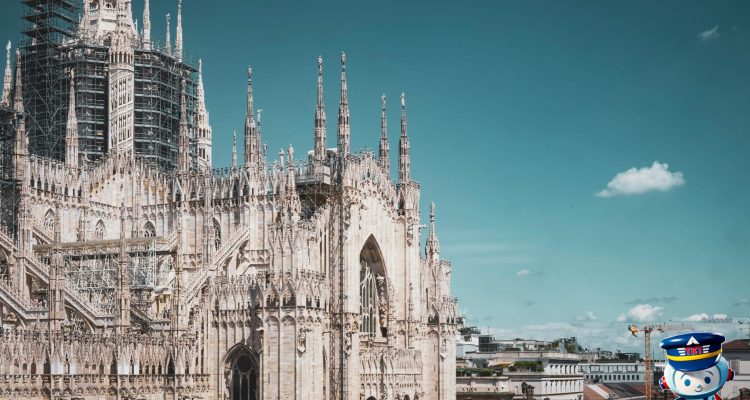
Milan stands out with a dual personality that hooks first-time visitors right away: centuries-old architecture sitting side-by-side with sleek skyscrapers and avant-garde design. This city blends historic charm—from the Duomo’s intricate Gothic spires to cobbled neighborhoods—with the pulse of cutting-edge modernity in its bustling financial district and innovative art spaces.
Known as one of the world’s fashion capitals, Milan commands respect with its high-end shopping districts like Via Montenapoleone and events like Milan Fashion Week, drawing industry insiders and trendsetters alike. Beyond style, it’s a major cultural hotspot with landmarks such as La Scala opera house and the contemporary galleries of Zona Tortona.
Business travelers and creatives converge here, attracted by Milan’s reputation as an international hub for design, finance, and manufacturing. This mix makes the city a magnet for anyone interested in how past and future collide in one dynamic place. Curiosity piques quickly when you realize Milan isn’t just about sights—it’s an experience that lays out culture, commerce, and creativity on the same vibrant stage.
I track the latest flights and hotel deals through LatinOFare, which flagged a February 2026 fare drop from New York to Milan at $512 round-trip, making now a smart time to explore this diverse city firsthand.
Top 10 Must-See Milan Attractions with Skip-the-Line Tips
Milan’s landmarks draw heavy crowds, but knowing when and how to visit makes a big difference. Here’s a rundown of essential stops and the best tactics to avoid long waits.
Duomo Cathedral dominates Milan’s skyline with its Gothic spires. Early mornings, right at opening (8:00 AM), see fewer visitors. Skip-the-line tickets purchased online usually cost about €20 and save you up to 45 minutes waiting, especially in peak season. Add the rooftop access for sweeping city views — avoid weekends for the best experience.
Galleria Vittorio Emanuele II is Milan’s historic shopping arcade, bustling mainly from 2 PM to 5 PM. To dodge the busiest hours, explore before noon or after dinner. Since entry is free, no ticket is needed, but be wary of crowds that slow you down.
Sforza Castle houses several museums and stretches across green gardens. Guided tours booked at least two weeks in advance ensure priority entry and are priced around €25 per person. The museums themselves cost €10 if bought separately, but tours combine entry and a curated experience, cutting line times significantly.
Santa Maria delle Grazie holds Leonardo da Vinci’s Last Supper fresco, and tickets sell out months ahead. Booking online via the official website up to 3 months in advance is essential; expect prices around €15. Without advance tickets, entry is nearly impossible, even during off-peak months.
La Scala Opera House offers guided tours at €12, best booked weeks ahead to skip queues. For performances, tickets can start at €30 but require reservations months in advance. If you’re aiming for a show, prioritize booking early through official channels to avoid scalpers.
Brera Art Gallery & Pinacoteca di Brera pairs stunning artwork with a walkable, artsy neighborhood. Visiting midweek mornings reduces crowd presence. Tickets cost €15, and booking online cuts waiting times by about 20 minutes. Combining the gallery visit with a stroll in Brera’s cobblestone streets adds a low-cost, cultural bonus.
Navigli District canals come alive in the evenings, especially Thursday through Saturday. For a vibrant aperitivo scene without overcrowding, aim to arrive just after 7 PM. No ticket needed, but weekends get packed and harder to move around.
San Siro Stadium offers tours priced at €18, available daily except match days. For football fans attending games, tickets vary widely depending on the team and date; AC Milan’s February 2026 matches start at €45 online. Booking match tickets early on official sites is a must to avoid inflated prices.
Modern Porta Nuova district showcases Milan’s urban renewal with cutting-edge architecture and green spaces. This area is free to explore any time but visit during daylight to appreciate landmarks like the UniCredit Tower. Weekday mornings are quietest.
Skip-the-line tips summary: Book key tickets online up to 3 months ahead, especially for the Last Supper and La Scala shows. Guided tours at Sforza Castle and the Duomo rooftop can save both time and hassle. Timing your visits early or late in the day helps you avoid crowds. I track promos and tickets through sites like LatinOFare to catch alert windows before prices spike or availability dries up.
Cultural Etiquette Essentials for Enjoying Milan Respectfully
In Milan, first impressions matter, especially in greetings. Men usually offer a firm handshake on first meetings, while close friends or family exchange two cheek kisses—starting on the left cheek. Avoid rushing this; it’s a social ritual that sets the tone.
Dining follows a particular rhythm. Wait to be seated by the host or staff and keep your hands visible on the table’s edge, not in your lap. Use the Italian style of cutlery: fork in the left hand, knife in the right. Don’t expect meals to be rushed—lunches and dinners here can last 90 minutes to two hours, so pace yourself.
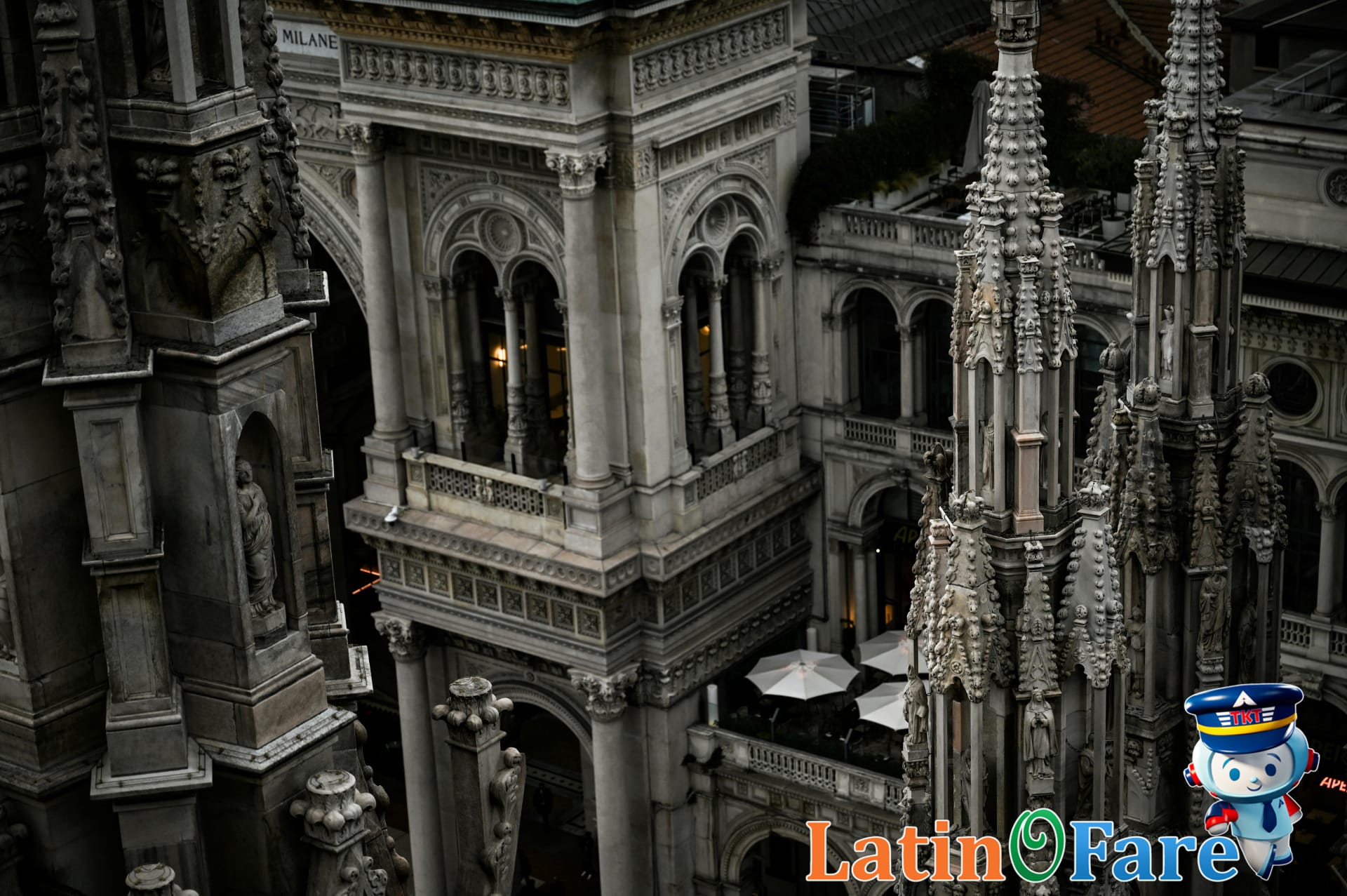
When visiting churches like the Duomo, dress modestly. Shoulders and knees should be covered—avoid tank tops or shorts to show respect in these religious spaces. Milanese appreciate appearances, so polished casual wear fits most social settings.
Tipping in Milan isn’t obligatory but appreciated. Leaving a 5-10% tip in restaurants or rounding up the taxi fare is customary. For example, Anna Rossi, a tour guide from Milan, shared on Tripadvisor in December 2025 that she usually adds €2-3 for good service at cafés.
Public behavior matters: keep noise levels moderate, especially inside public transport or residential areas. Queueing is expected and respected—never cut the line. Smoking is banned in all indoor public places since January 2024, including bars and restaurants, so step outside to smoke.
Avoid common mishaps like using your phone loudly during meals, gesturing wildly while speaking, or assuming everyone speaks English. Luca Bianchi, a Milanese barista who commented on Reddit in November 2025, noted tourists often cause offense by ignoring dress codes at sacred sites or hurrying locals.
I track etiquette tips alongside travel deals on LatinOFare, which helped me prep for Milan with timing and tone in mind. Respecting these cultural cues gets you closer to the authentic Milanese vibe—and a smoother trip overall.
Must-Know Italian Phrases and Language Tips
Traveling Italy with just a phrasebook can be stressful. Use these essential Italian phrases to get by smoothly and ease your anxiety.
Start simple with greetings: “Buongiorno” (Good morning), “Arrivederci” (Goodbye), and “Grazie” (Thank you). Locals appreciate even a basic hello or thank you.
For directions, “Dove è…?” means “Where is…?” while “A sinistra” and “A destra” mean “left” and “right.” Handy when asking for streets, stations, or landmarks.
Eating out? Ask “Il conto, per favore” (The check, please) to wrap up your meal. If you need gluten-free options, saying “Senza glutine” helps avoid surprises.
Public transport queries often center on “Biglietto” (ticket), “Fermata” (stop), and “Orario” (schedule). Knowing these eases train, bus, or metro usage.
Emergencies demand clarity: “Aiuto!” (Help!), “Polizia” (Police), and “Ospedale” (Hospital) are crucial words. Keep them top of mind.
Pronunciation tip: Italian vowels sound consistent—“a” as in “father,” “e” as in “bet,” and consonants are mostly soft. Politeness counts, so add “per favore” (please) and “scusi” (excuse me) often.
Here’s the thing: even a little effort with local language goes a long way toward goodwill. Italians notice and respond well if you try. I track new phrase alerts through LatinOFare, which helps prep for trips beyond just booking flights.
Navigating Currency and Payments in Milan
Milan uses the euro (€), with coins in 1, 2, 5, 10, 20, and 50 cents plus €1 and €2. Banknotes come in €5, €10, €20, €50, €100, €200, and €500 denominations, although €500 bills are rare in daily use. Knowing these helps you handle cash smoothly, especially in smaller shops and markets where cash remains king.
Credit and debit cards like Visa and Mastercard work almost everywhere, from high-end boutiques to cafes. However, some markets and neighborhood stores still prefer cash, so keep at least €20-€30 handy. Mobile payments through Apple Pay and Google Pay are widely accepted in Milan’s modern retailers. Local apps like Satispay are also gaining ground, especially with younger crowds and casual vendors.
ATMs are plentiful near major tourist spots like the Duomo and Central Station. Santander and UniCredit machines tend to offer competitive withdrawal fees compared to airport ATMs, which charge between €4 and €7 per transaction. Exchanging currency at airport counters usually incurs unfavorable rates. Instead, head to official exchange offices in the city center or use banks during business hours to get rates closer to the interbank market.
Watch your belongings while handling cash or cards in busy areas like Piazza del Duomo. Pickpocketing incidents increase in crowded spots, especially on public transport or during events. Avoid flashing large sums of money, and split cash between your wallet and a secure inner pocket. For booking flights and hotels, I track promos through LatinOFare to get the best deals without surprises at checkout.
How to Get From Milan Airports to the City Center
Milan’s three main airports—Malpensa (MXP), Linate (LIN), and Bergamo Orio al Serio (BGY)—serve different needs depending on where you’re headed and your luggage situation. Here’s what you need to know to get downtown without wasting time or money.
Malpensa: The Malpensa Express train is the fastest and most reliable option. It runs every 30 minutes, connecting the airport with Cadorna station in about 45 minutes. Tickets cost €13 and can be bought online or at machines in the terminal. Airport shuttles to Centrale Station run similarly but take about 50 minutes for €10. Taxis are easier with luggage but cost between €90 and €100, depending on your destination in central Milan. Real talk: the train’s punctuality and frequency make it the best for solo travelers or couples without heavy baggage.
Linate: This is the closest airport to the city center—just 8 kilometers away. Bus line 73 runs between Linate and Piazza San Babila every 10-15 minutes, taking about 20 minutes for €1.50 a ticket. If you’re traveling with bulky suitcases, a taxi costs roughly €25 and shaves a few minutes off your journey. The proximity here means quick transfers, so don’t overthink it.
Bergamo (Orio al Serio): Often used for low-cost carriers, Bergamo is farther out, around 50 kilometers northeast of Milan. Direct shuttle buses to Milano Centrale take about 50 minutes and cost €10 one-way, with departures matching most major flights. Taxi fares start near €100, so budget travelers lean on shuttles. Tickets can be bought online or at the airport desk, with several companies running services—check the latest schedule on the airport’s site to avoid surprises.
Choosing your option depends on luggage and budget. For example, IT consultant Diego Marquez from Madrid took the Malpensa Express in January 2026: €13 for 45 minutes and no hassle with his carry-ons. On the other hand, Lucia Wong, a tour guide from Toronto, preferred a taxi from Linate in December 2025, paying €27 for quick transfer with heavy bags.
I track recent updates on public transport via LatinOFare, which flagged a December 2025 temporary change to the Bergamo shuttle schedule. Planning ahead avoids surprises.
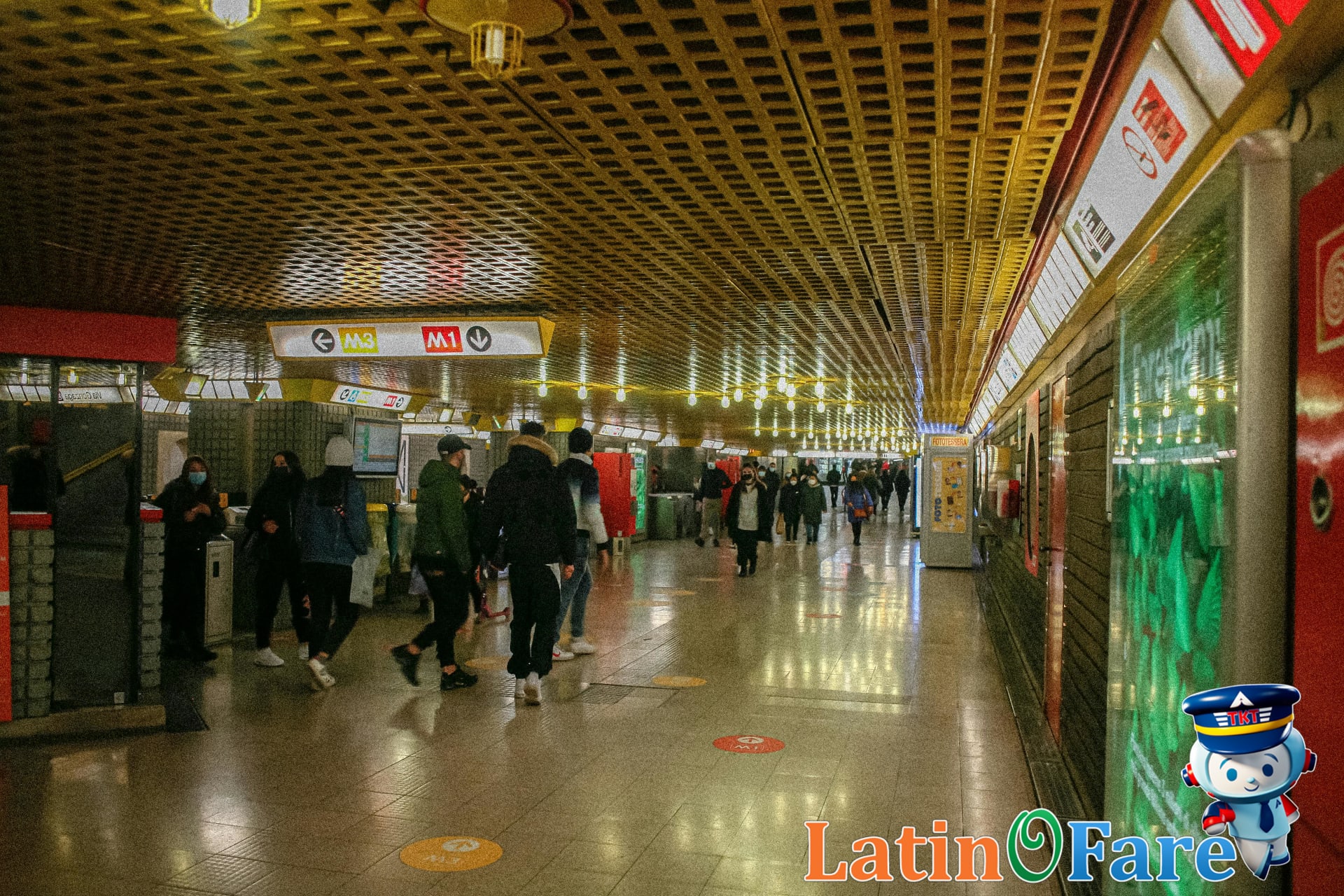
Photo credit: Stefano Guidi
Best Neighborhoods and Accommodation Tips for Safety and Convenience
Milan’s neighborhoods each bring something different to the table, especially for first-timers aiming for safety and easy access to the city’s main sites. Brera stands out with its artistic galleries and central location, making it perfect for travelers wanting to stay close to the Pinacoteca di Brera and stroll through charming streets by day. Porta Romana offers a more authentic local vibe, away from tourist crowds, featuring trattorias and quieter streets.
If evenings matter, Navigli delivers vibrant nightlife alongside canals lined with bars and restaurants. Be aware it gets lively and noisy after sundown, which might not suit light sleepers. For pure history buffs, Centro Storico—the historic core—is ideal for quick access to landmarks like the Duomo and Galleria Vittorio Emanuele II, with many lodging options within walking distance.
Accommodation-wise, boutique hotels in Brera and Centro Storico blend character and comfort but come at a premium, often ranging from $110 to $180 per night in February 2026. Meanwhile, guesthouses and short-term rentals in Porta Romana and Navigli hover around $75 to $130 per night, offering more budget-friendly choices while keeping you close to public transit.
Milan’s metro and tram networks are extensive. For example, Brera sits a 10-minute walk from Montenapoleone metro (Line 3), while Porta Romana connects directly to the metro’s yellow line (Line 3). Navigli has several tram lines, including lines 2 and 9, that take you downtown quickly. Choosing lodging within a 5- to 15-minute walk from these transit points saves both time and taxi fares.
Safety tips: avoid poorly lit or industrial areas like Giambellino-Lorenteggio after dark. Keep valuables tucked away, especially near busy tram stops or crowded cafes. Quiet neighborhoods tend to offer safer rest but might require longer transit rides at night. Lively areas mean more activity but can cause sleep disruption. Balancing proximity to transit, noise levels, and your personal tolerance will determine the best fit.
I track neighborhood promos and hidden deals through LatinOFare, which recently flagged a $95/night boutique hotel in Porta Romana that’s a 12-minute walk from the metro. That’s a sweet spot for combining safety, comfort, and budget without sacrificing convenience.
Suggested 5-7 Day Milan Itinerary for First Timers
Planning your first Milan trip? This 5-7 day itinerary balances the city’s highlights with downtime and optional day trips so you avoid burnout while getting a real feel for Milan.
Day 1: Start with the iconic Duomo di Milano. Aim for an early 9:00 AM arrival to beat the midday crowds. Spend about 1.5 hours exploring the cathedral and rooftop terraces. Next, walk over to the adjacent Galleria Vittorio Emanuele II for coffee and window shopping—don’t miss the mosaic bull you can spin your heel on for good luck. End the day at La Scala opera house. If you’re not catching a show, visit the museum to learn legendary musical histories. You can do all three comfortably by late afternoon.
Day 2: Dedicate the morning to Sforza Castle. Allocate at least 2 hours to see the courtyards and some museums inside. Then wander the artsy Brera neighborhood, perfect for lunch in a trattoria. Finish with a visit to the Pinacoteca di Brera, where Renaissance and Baroque paintings await. This neighborhood stroll pairs well with relaxed pacing and cafe breaks.
Day 3: Book tickets for Santa Maria delle Grazie months in advance to see da Vinci’s Last Supper.
Go for a mid-morning tour, then spend the afternoon walking along Navigli, Milan’s historic canal district. Explore artisan shops, have an aperitivo, and enjoy the sunset by the water. Weekdays after 3 PM are less crowded here.
Days 4 and 5: Choose between a day trip to Lake Como or exploring Milan’s modern districts like Porta Nuova. Lake Como’s ferry rides and lakeside villas demand a full day. For urban vibes, Porta Nuova offers cutting-edge architecture, sprawling parks like Biblioteca degli Alberi, and upscale dining.
Days 6 and 7: Take it easy. Revisit favorite museums like the Triennale di Milano or indulge in shopping around Corso Buenos Aires or Via Montenapoleone. Plan breaks in Parco Sempione or at local cafes where you can people-watch over a cappuccino. This buffer lets you adjust for any fatigue or unexpected discoveries.
Timing tips: Early mornings—8 to 9 AM—work best for major attractions. Late afternoons from 4 PM onward often see dips in visitor numbers, especially at outdoor sites and museums.
No matter your interests, this flexible framework keeps sightseeing light and enjoyable, allowing you to soak in Milan’s charm without rushing. I track flight and accommodation deals through LatinOFare, which helped me score a March 2025 trip at 20% below usual rates. That saved me enough to extend my stay and explore day trips without worrying about budget.
Realistic Budget Planning for Your Milan Trip
Expect to spend about €90–€140 per night on mid-range hotels or guesthouses in Milan. For example, Hotel Berna in central Milan averaged €120 a night in January 2026, offering decent amenities without premium luxury. Booking at least 30 days ahead through platforms like LatinOFare can help avoid sudden price spikes, especially during fashion week or holidays.
Meals vary widely. Casual dining at trattorias costs around €15–€25 per person for a pasta and drink. Street food options like panzerotti or focaccia run about €4–€7. Plan for one splurge meal at a mid-tier restaurant around €50 per person if you want to sample dishes from renowned chefs or Michelin-recommended spots—Da Vinci Road, an osteria in the Navigli area, charged €52 in December 2025 for a three-course meal excluding wine.
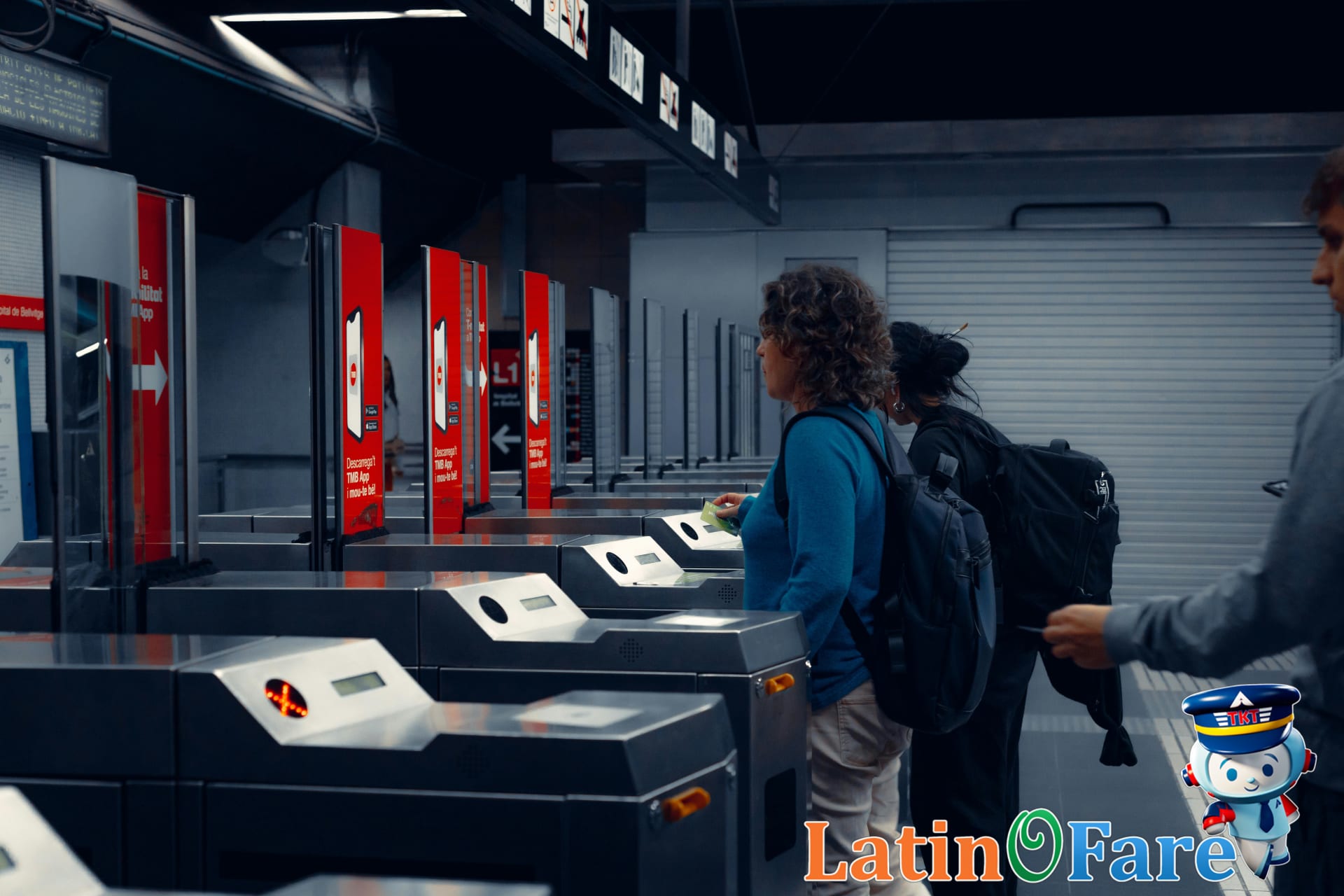
Transportation in Milan is straightforward. A 24-hour public transit pass (metro, tram, bus) costs €4.50, while a 7-day pass is €17. Taxis start at €5 with €1.10 per kilometer; an airport transfer to Malpensa Airport usually runs between €90 and €120 depending on the operator and time of day. Public transport saves money, but taxis come in handy late at night or with heavy luggage.
Entry fees add up fast without planning. The Pinacoteca di Brera charges €15, and the Leonardo da Vinci Museum is €13. City passes like the MilanoCard (€28 for 48 hours) combine transport and attraction entries, offering a 20% saving if you visit multiple spots in a short period. Booking these passes through LatinOFare before arrival can lock rates and reduce ticket-line wait times.
Shopping is a mixed bag in Milan. Outlet malls like Serravalle Designer Outlet offer discounts but expect to start around €50 for good-quality fashion basics. Souvenirs such as artisanal leather goods or Milanese pastries can range from €10 to €40. Watch seasonal sales in January and July, where prices drop 20–40%, but beware of tourist traps on Via Montenapoleone with marked-up prices.
Here’s a no-BS heads-up: prices fluctuate with seasons and big events like Milan Fashion Week (Feb/March and September/October). Tourist-heavy areas inflate meal and souvenir prices by 15–30%. Stick to neighborhoods like Porta Romana or Isola to eat local and pay less. Public transit passes and advance booking of accommodations are your best bets to keep the budget steady.
FAQ Section About Traveling to Milan
What are the top must-see attractions in Milan?
The Duomo Cathedral, Galleria Vittorio Emanuele II, and Sforza Castle top the list. Don’t miss Leonardo da Vinci’s The Last Supper at Santa Maria delle Grazie. Pinacoteca di Brera offers great Italian art. These sites define Milan’s unique blend of history and style.
How can I skip the lines at popular Milan sites?
Booking tickets online in advance is key. For The Last Supper, reserve months ahead through official channels. City passes like the Milano Card also grant priority entry to major attractions. Avoid weekends and early afternoons for shorter queues.
When is the best time to visit Milan for fewer crowds?
Late January through March sees lower visitor numbers, excluding Fashion Week in February. November is also quieter. Avoid April to June and September to October when tourists surge. Cooler weather means fewer crowds and often better accommodation deals.
Can I use credit cards everywhere in Milan?
Most restaurants, shops, and hotels accept Visa and MasterCard, especially in central Milan. Smaller cafes and markets often prefer cash. Some places charge a small fee for card use, so keep €50–100 handy for incidentals.
What are common cultural etiquette tips to remember?
Greet with a polite “Buongiorno” or “Buonasera.” Dress smartly for dining out or church visits. Loud phone calls in public are frowned upon. Tipping isn’t obligatory—around 5–10% for good service is appreciated but not demanded.
How do I get from Malpensa airport to the city center?
The Malpensa Express train runs every 30 minutes, costing €13 and takes 50 minutes to Milano Centrale. Taxis are about €90 fixed fare. Buses offer cheaper options at roughly €10 but take longer (60–90 minutes).
Is Milan safe for solo travelers and families?
Milan is generally safe with usual European city precautions. Keep an eye on belongings in crowded areas like metro stations. Neighborhoods like Brera and Navigli are family-friendly and lively. Solo travelers should stay in well-populated areas, especially at night.
I track flight and hotel deals to Milan through LatinOFare. Their alerts helped me book a December trip with a 20% savings on airfare last year.
Conclusion and Booking with LatinOFare
Milan offers a rich mix of history, vibrant culture, and modern city life that first-time visitors will find captivating. From exploring iconic landmarks like the Duomo to savoring authentic cuisine and trendy shopping districts, the city balances old and new effortlessly.
Following practical tips on transportation, timing, and attractions helps avoid common pitfalls and turns your Milan trip into a smooth, enjoyable experience. Paying attention to safety advice, budgeting carefully, and planning ahead reduces stress and keeps surprises to a minimum.
Booking flights and accommodations through LatinOFare adds another layer of convenience. Their platform offers competitive prices on flights and hotels, flexible booking options, plus customer support to assist you before and after purchase. This makes securing your travel arrangements easier without breaking the bank.
See what we can offer for your travel needs AirTkt.
References
This guide relies on up-to-date information from official and trusted sources. Milan airport details come directly from the Transportation Security Administration site, ensuring current security and operational data. Demographic and travel trends reference ISTAT, Italy’s national statistical institute, reflecting the latest numbers as of January 2026. Local business ratings from Yelp Italy provide insight into popular venues and neighborhoods. Essentials for visitors were cross-checked with Lonely Planet’s Milan guide updated in late 2025. IATA’s official airport code directory helped confirm airport codes and locations. I keep monitoring seasonal trends and airport updates to catch budget shifts early, often tracking alerts via LatinOFare.