
Introduction: Welcome and Overview
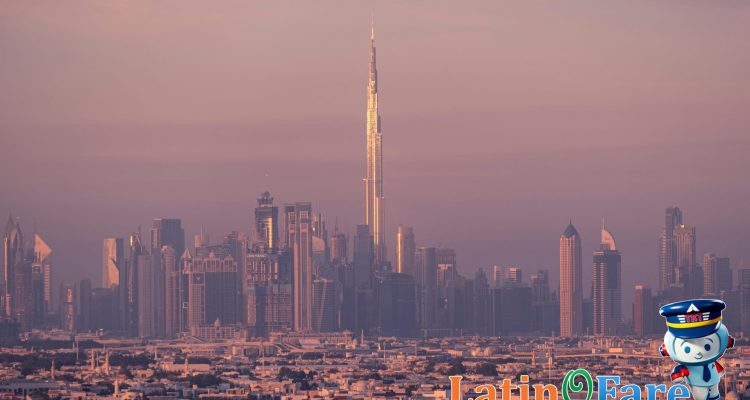
Dubai mixes rich heritage with futuristic architecture, creating a cityscape that’s both rooted in tradition and bursting with innovation. From the bustling Gold Souk to the towering Burj Khalifa, this city offers something for every traveler. Whether you’re hunting down global shopping bargains, exploring world-class attractions, or setting out on desert safaris, Dubai delivers a diverse experience packed with energy and adventure.
This article aims to equip first-time visitors with practical, essential insights for a smooth trip. You’ll get the lowdown on must-see sights, smart travel tips, budgeting advice, and the cultural nuances that make all the difference. If you’re planning your Dubai journey, these insider pointers will help you navigate the city confidently and enjoyably.
Along the way, I track deals and rates through LatinOFare, which is handy for booking affordable flights and accommodations before you even set foot in the UAE. Let’s get you ready to explore Dubai like a local, not just a tourist.
Top 10 Dubai Attractions with Skip-the-Line Tips
Dubai packs impressive sights, but long queues can dull the thrill. Here’s a breakdown of 10 must-visit attractions with practical skip-the-line tips that help you save hours and soak in the sights without the hassle.
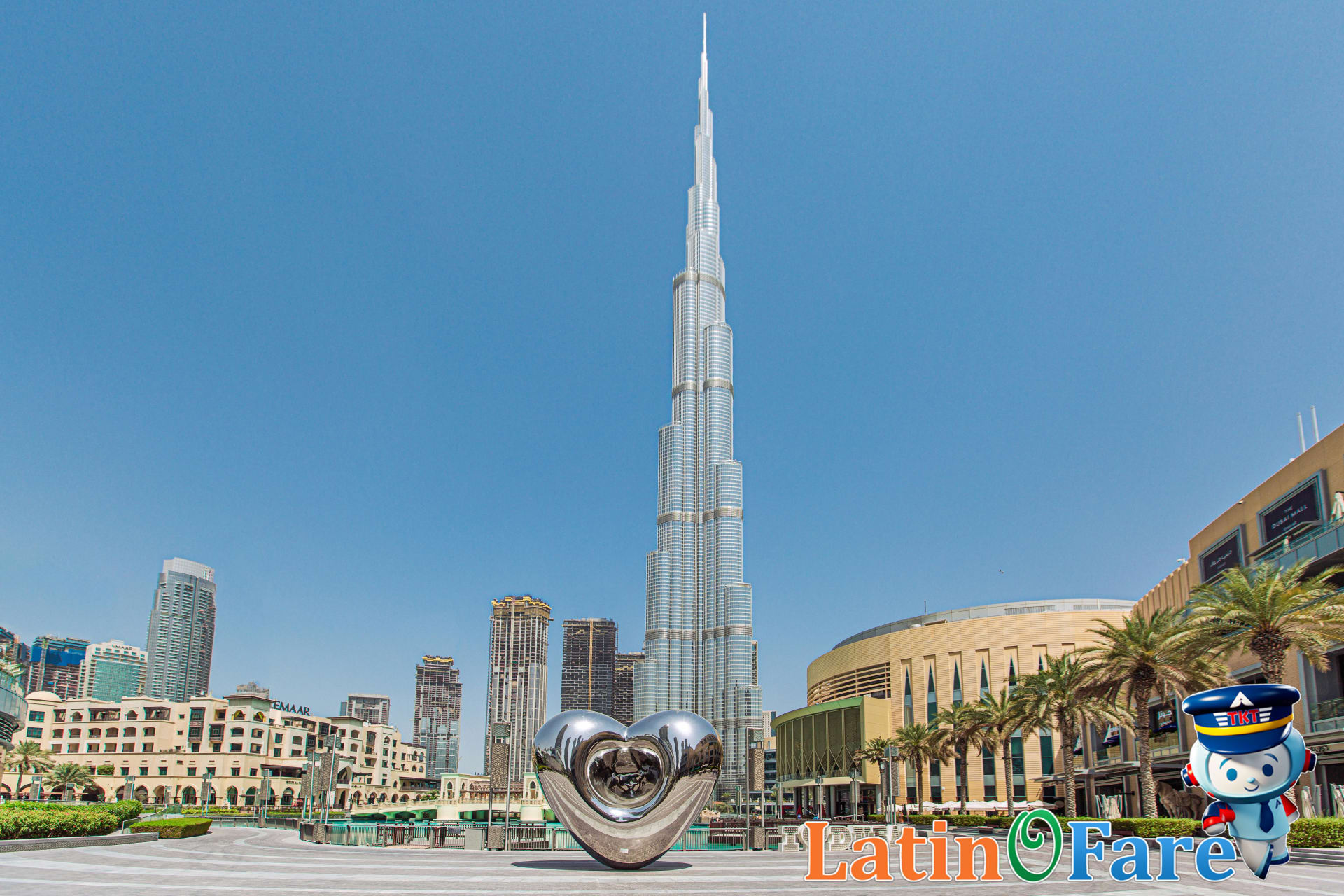
- Burj Khalifa – The tallest building on earth offers panoramic views from the 124th-floor observation deck. Skip waiting times by booking timed-entry tickets online—early mornings between 8–10 a.m. see fewer crowds. Guided tours often include priority elevator access.
Best season: cooler months November to March for clearer skies. - Dubai Mall – Beyond shopping, explore the massive aquarium and ice rink. Use the mall’s app for express entry to the aquarium. Weekday mornings after opening are quieter.
Tip: Book aquarium combo tickets online for faster access. - Palm Jumeirah – The iconic palm-shaped island is perfect for beachfront photo ops and luxury resorts. Take a monorail ride to avoid traffic delays around peak hours (late afternoon).
Visit: Sunset hours for striking skyline views. - Dubai Fountain – Witness the world’s largest choreographed fountain system. Access is free but prime viewing spots fill quickly. Arrive 30 minutes before each show (evening shows from 6 p.m.) or book a dinner cruise for unobstructed views.
Avoid weekends for less crowding. - Desert Safari – Adventure lovers get dune bashing, camel rides, and cultural performances. Book tours with guaranteed group sizes and private vehicle options to skip standby lines. Early morning safaris are cooler and quieter.
Season: October to April is ideal for outdoor activities. - Dubai Marina – A modern waterfront offering boat tours and dining. Book boat tours online to avoid ticket lines; evening hours deliver great city lights.
Tip: Weekdays see fewer tourists along the promenade. - Dubai Frame – This architectural landmark frames views of old and new Dubai. Online timed tickets and early entry (opening at 9 a.m.) reduce wait times.
Try weekdays outside local holidays. - Global Village – Seasonal cultural expo with pavilions from over 90 countries. Tickets can be purchased online to skip entrance lines. Visit on weekdays just after opening at 4 p.m.
Open November to April. - Miracle Garden – A vibrant floral park with millions of flowers displayed in artistic setups. Entry is ticketed online; arrive early (9 a.m. opening) to avoid afternoon heat and crowds.
Open November to April only. - Atlantis The Palm – Famous for its Aquaventure Waterpark and The Lost Chambers Aquarium. Buy combo tickets online and opt for early morning entries to bypass queues.
Peak season is winter months November to March.
Planning visits during Dubai’s cooler months (November through March) makes outdoor attractions like the Desert Safari and Miracle Garden more enjoyable. Booking online in advance through platforms like LatinOFare helps beat lines, and guided tours often offer priority access, saving valuable vacation time.
Essential Cultural Etiquette for a Respectful Visit
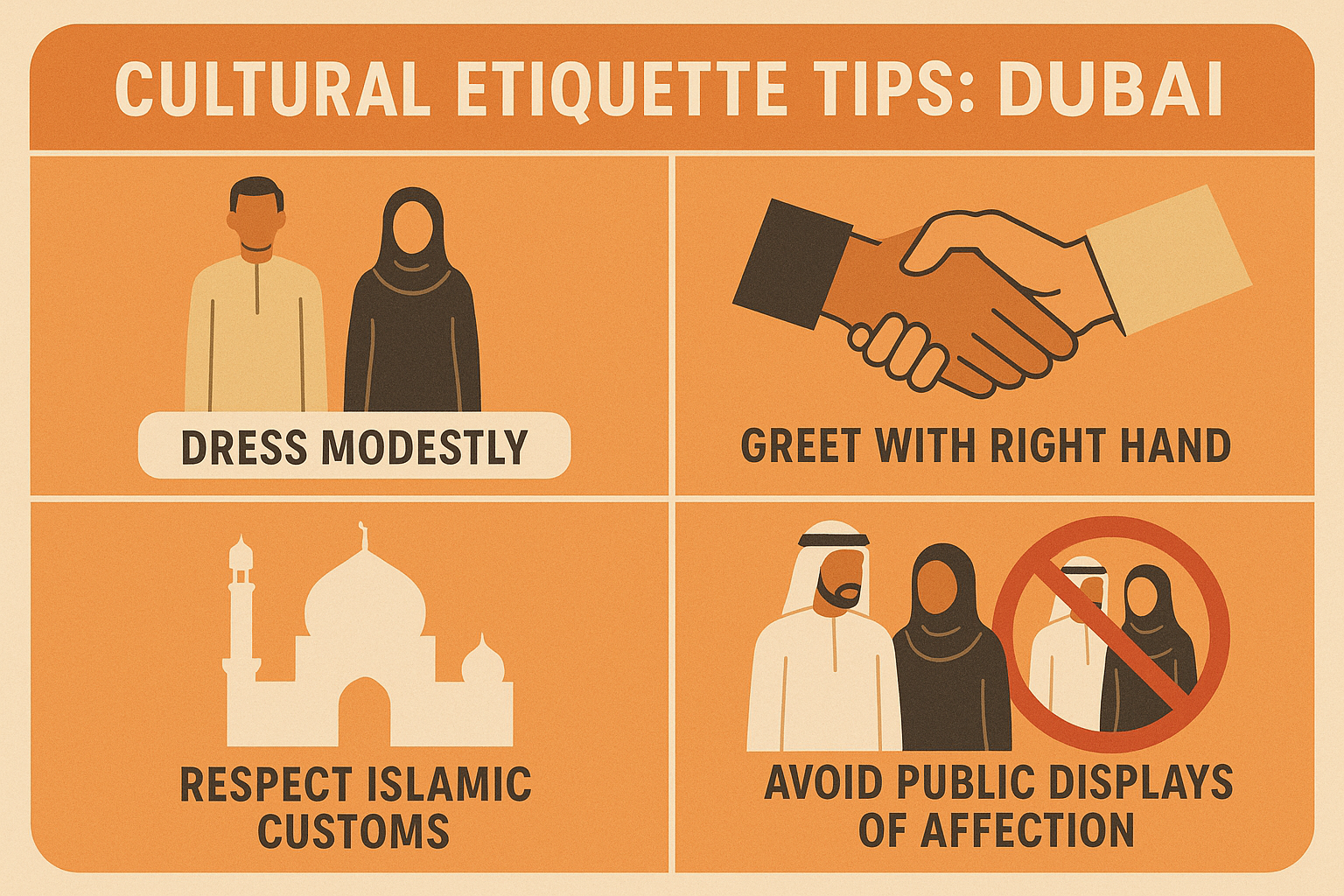
When traveling, respecting local customs helps avoid awkward moments and builds positive connections. In many destinations with strong religious or traditional roots, modest dress is key. For example, covering shoulders and knees is expected in mosques or heritage sites, especially for women. Lightweight scarves and long sleeves work well in hot climates without drawing extra attention.
Public behavior varies widely. A firm handshake or a slight nod often replaces hugs or cheek kisses. In places with conservative norms, touching between unrelated men and women may be frowned upon. Public displays of affection like kissing or holding hands are usually best kept low-key or avoided altogether. Knowing these cues beforehand saves embarrassment.
Visiting mosques requires following specific protocols. Visitors should enter quietly, remove shoes, and avoid interrupting prayers. Many mosques have guided tours during certain hours; this helps understand the space and appropriate conduct. Women should bring a headscarf, and both men and women usually enter separate prayer areas.
Ramadan adds another layer of etiquette. From dawn to sunset, eating, drinking, or smoking in public is generally considered disrespectful, with fines in some cities. Many restaurants close or serve only after sunset, but hotels often maintain service. Travelers who plan around these times avoid difficulties and show cultural sensitivity.
Tipping varies but is common in hospitality. In countries like the UAE or Morocco, 10–15% at restaurants and around $1–$3 for hotel porters or taxi drivers is standard. Over-tipping isn’t necessary but being stingy can offend. Cash is preferred over card for small tips.
Myth vs. Fact: Common Misconceptions
- Myth: You can’t visit mosques if you’re not Muslim.
Fact: Many mosques welcome non-Muslim visitors outside prayer times; check local rules first. - Myth: Tipping is mandatory everywhere.
Fact: Some countries include service charges; tipping then is optional but appreciated. - Myth: Headscarves are always compulsory.
Fact: Required mainly inside mosques or religious sites, not always in public.
LatinOFare flagged changes to Ramadan event schedules in Dubai for April 2026 three weeks ahead, giving travelers time to adapt plans respectfully.
Basic Arabic Phrases Useful for Tourists
Learning a few Arabic phrases goes a long way in Egypt, UAE, or Morocco—even if your pronunciation isn’t perfect. Locals often appreciate the effort, which can open doors to friendlier interactions and smoother trips. Here are some essentials to keep handy.
Greetings:Marhaba (mar-HA-ba) – Hello Sabah al-khair (sa-BAH al-KHAIR) – Good morning Shukran (SHOO-kran) – Thank you Ma’a salama (ma-a sa-LA-ma) – Goodbye
Common questions:Ayna…? (AY-na) – Where is…? Kam al-thaman? (kam al-THA-man) – How much? Hal tatakallam al-ingliziya? (hal ta-ta-KAL-lam al-in-GLEE-zi-ya) – Do you speak English?
Transaction basics:Ureed an atakallam ma’ak (oo-REED an a-ta-KAL-lam ma-‘ak) – I want to order Al musa’ada min fadlak (al mu-sa-‘a-da min fad-LAK) – Help, please Kam al-fatura? (kam al-fa-TOO-ra) – What’s the bill?
Here’s what I do before trips: I jot down these phrases on my phone and practice them aloud a few times. Don’t worry if you stumble through the words—people like hearing travelers try. I first spotted these helpful phrases during a LatinOFare blog post that made packing my language toolkit simple and real.
Currency and Payment Guide
The official currency in the UAE is the United Arab Emirates Dirham (AED). Airport exchange kiosks offer convenience but usually come with less favorable rates—expect about 3.67 AED per 1 USD in March 2026 with a 3–5% fee. Banks in Dubai and Abu Dhabi provide better rates and no commission, though lines and paperwork can slow you down. For smarter planning, many travelers use online platforms like LatinOFare to monitor exchange rates days before arrival and arrange currency pickups or prepaid cards.
Credit and debit cards are widely accepted in UAE cities, with contactless payments preferred in many shops, cafés, and taxis. American Express and Visa work almost everywhere; MasterCard is slightly less common but still reliable. That said, small vendors and traditional souks often prefer cash.
ATMs are plentiful at major malls like Dubai Mall, in upscale hotels such as the Atlantis The Palm, and at all international airports, including Dubai International (DXB). Keep in mind that withdrawing AED via ATMs can incur fees if your home bank charges foreign transaction or out-of-network ATM fees. Withdraw larger sums, like 1,000 AED ($272.45), less frequently to reduce cumulative fees.
Tipping with cash is common and expected in hospitality and transport. For taxi rides under 10 km, 5 AED (~$1.36) is standard; restaurant tips typically range from 10–15% unless a service charge is already added. Hotel housekeeping should get 5–10 AED per night. Carry small denominations (5, 10, 20 AED notes) for these daily transactions.
Beware of currency exchange scams near tourist hotspots—always count your money carefully, and avoid street-level exchange offers that promise “better rates.” Use official exchange counters or ATMs inside malls and hotels. To carry cash safely, divide your money between a money belt and a secure bag pocket. For larger sums, travelers reported on Reddit in January 2026 that utilizing prepaid travel cards helped reduce risk while maintaining easy access to funds.
Getting from Dubai International Airport to the City
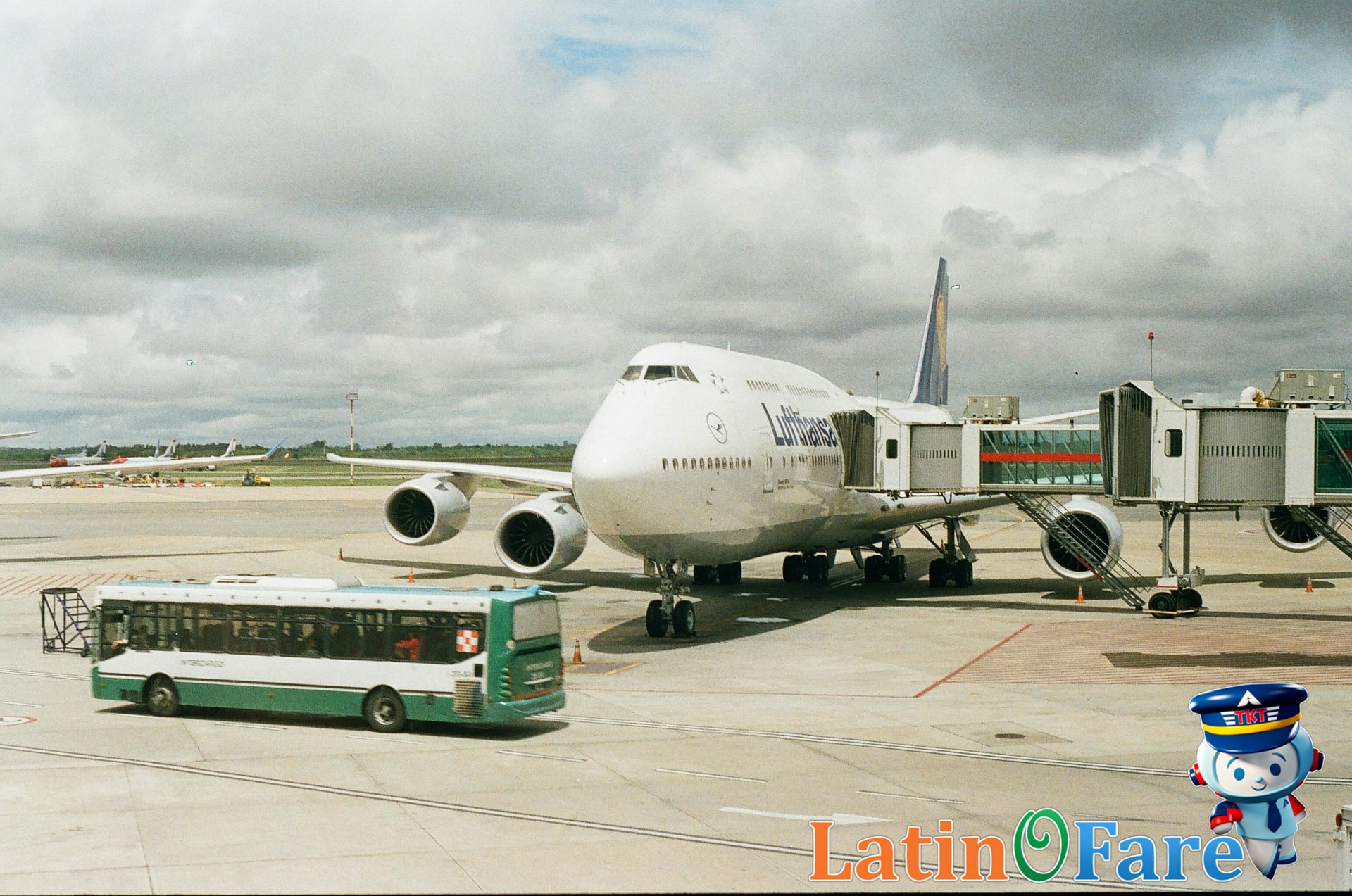
Dubai International Airport (DXB) serves millions annually, so knowing your transport options to the city center helps cut hassle and costs. Here’s a straight-up breakdown.
Dubai Metro runs from both Terminal 1 and 3, opening daily from 5:00 AM to midnight. The Red Line connects DXB with downtown areas like Deira and Bur Dubai. A single trip to the city costs about 8 AED ($2.20) and takes roughly 15-20 minutes. Platforms have escalators and lifts, but expect crowds during rush hours (7:30-9:30 AM and 5-7 PM). Luggage space is limited; I recommend keeping bags compact.
Taxis are plentiful rank-side outside arrivals. Fares to central Dubai hover around 40-60 AED ($11-$16) depending on destination, using a metered system. Airport taxis add a 5 AED ($1.35) surcharge. Some taxi drivers may prefer fixed rates for tourists—clarify fare beforehand to avoid surprises. Drivers generally help with luggage, which is a plus after long flights.
Hotel shuttles offer convenience for those pre-booked with hotels. For example, the Jumeirah Beach Hotel shuttle costs around 70 AED ($19) per person. These typically operate on fixed schedules and work well for groups but might add wait time compared to taxis or the metro.
Ride-hailing apps like Uber and Careem are widely used in Dubai. A ride to the city center typically costs between 35-55 AED ($9.50-$15) mid-day but expect surge pricing during evening peak and airport arrivals. Both apps handle luggage easily, though cars vary from regular sedans to SUVs (great if you have heavy bags).
Car rentals require a valid international driving license and credit card. Traffic in Dubai can be fast-paced, especially on Sheikh Zayed Road. If driving, budget time to adjust and avoid peak hours (7-9 AM, 5-8 PM). Parking downtown varies from free lots to paid garages starting at 10 AED ($2.70) per hour. Managing luggage in rental cars is easy but consider traffic stress if you’re new to the city.
LatinoFare flagged the recent metro schedule change in February 2026, which extended weekend operating hours—something I track to help travelers plan. Checking local traffic apps or hotel shuttle availability on LatinOFare before arrival can save time. Bottom line: For budget travelers with light luggage, the metro is your best bet. Families or those carrying heavier bags may find taxis or ride-hailing apps more comfortable despite higher costs.
Safe Neighborhoods and Accommodation Recommendations
Downtown Dubai is the go-to for travelers wanting a central spot immersed in skyscrapers and top shopping. Staying here puts landmarks like the Burj Khalifa and Dubai Mall within walking distance. The area is well-policed and busy, so walking around is generally safe even at night, though common sense still applies.
Jumeirah Beach Residence (JBR) offers beachfront vibes with a family-friendly atmosphere. It’s perfect if you want to mix beach time with casual dining and a relaxed promenade. Public transport isn’t as dense here compared to Downtown, but the pedestrian-friendly layout makes it easy to get around on foot.
Dubai Marina shines for nightlife and dining options, with a lively scene well connected by the metro. It’s a favorite among young travelers and couples. The safe, well-lit marina walk makes late-evening strolls possible, but some quieter streets are best avoided after midnight.
Al Barsha caters to budget-conscious travelers. Just a quick taxi or metro ride from the Mall of the Emirates, it offers plenty of mid-range hotels and serviced apartments. The neighborhood is safe but less touristy, so sticking to main roads at night is advisable.
Accommodation varies across these spots. Downtown Dubai and Dubai Marina lean toward luxury resorts and upscale hotels starting around $180 per night in March 2026, while Al Barsha features affordable lodgings averaging $75 per night. Those prioritizing space and home-like comfort should consider serviced apartments, often costing $120–$150 per night, with kitchen facilities and more living area.
Public transport coverage is strongest in Downtown and Dubai Marina with frequent metro and tram links. JBR relies more on buses and taxis, and Al Barsha’s metro stop near Mall of the Emirates makes it a practical choice for those wanting budget savings without sacrificing access.
For safety, avoid isolated spots in Al Barsha and some quiet residential pockets in Dubai Marina late at night. Always keep valuables secure, and use registered taxis or ride-hailing apps. I track neighborhood safety updates through LatinOFare alerts, which flagged a series of minor incidents in newer Dubai suburbs last November, helping me adjust my stays accordingly.
Sample 5-7 Day Itinerary for First-Time Visitors
Day 1 kicks off with arrival and an easy afternoon. Head out for a city overview walk around Downtown Dubai to get your bearings—think Burj Khalifa views, bustling streets, and street vendors. By evening, explore the Dubai Mall’s 1,200+ stores, then catch the Dubai Fountain night show outside. The synchronized water and light display starts every 30 minutes from 6 p.m. Grab dinner nearby at Al Hallab Restaurant, known for authentic Lebanese mezze, to sample local flavors.
On Day 2, priority one is scaling the Burj Khalifa—book your tickets in advance for the 148th-floor observation deck. From there, visit the Dubai Frame in Zabeel Park for contrasting views of old and new Dubai. Lunch can be a traditional experience at the Arabian Tea House in Al Fahidi Historical Neighborhood, where dishes like lamb machboos run around 75 AED ($20). The afternoon is perfect for wandering the Gold and Spice Souks, soaking in Old Dubai’s charm.
Reserve Day 3 for a desert safari. Most tours depart around 3 p.m., with a thrilling 4×4 dune bashing session, camel rides, and a sunset barbecue dinner with cultural performances. Desert Safari Dubai offers a popular package at 250 AED ($68) per person, including transportation and dinner. This mix of adventure and relaxation hits the highlight reel for many visiting Dubai.
Day 4 is about Palm Jumeirah and beachfront time. Start with a morning at the Atlantis hotel—don’t miss the Lost Chambers Aquarium with tickets at 120 AED ($33). Relax in the afternoon on the crescent’s beach or Atlantis’s Aquaventure Waterpark (310 AED/$85). For dinner, try the Wavehouse in Atlantis for casual dining or Nobu for upscale Japanese, both providing unique experiences.
Days 5 through 7 offer flexibility based on pace and interests. Options include the blooming Dubai Miracle Garden (open Nov to Apr, tickets 55 AED/$15), Global Village for international culture and shopping (weekends only, tickets 15 AED/$4), or a marina cruise with Dhow Dinner Yacht tours costing 200 AED ($54). Shopping fanatics can split time between Mall of the Emirates and City Walk. For meals, balance international spots like PF Chang’s with street eats at Ravi Restaurant in Satwa—where mains start at 25 AED ($7).
Here’s what I recommend if you prefer a faster pace: combine the Dubai Frame and souks in the morning of Day 2, then switch the desert safari to Day 4 afternoon, freeing Day 3 for shopping or museums like Etihad Museum (tickets 25 AED/$7). For a leisurely trip, take an extra morning at the beach or museum, skipping late nights.
I track deal alerts through LatinOFare to book flights and hotels around these activities cost-effectively. The itinerary balances must-sees without rushing, so you don’t end up exhausted before the trip barely starts.
Realistic Budget Planning for Visiting Dubai
Dubai’s reputation for luxury can intimidate travelers worried about costs. Here’s what you need to know to set a practical budget without missing the city’s highlights.
Accommodation costs vary widely. Budget hotels or hostels average $55–$80 per night; mid-range 3-4 star hotels typically cost between $110 and $180; luxury hotels start around $320 and can soar past $600 a night, especially downtown or near the Burj Khalifa.
Meals offer range, too. Street food like shawarma or falafel costs $3–$6 per meal. Casual dining spots run $15–$30. Upscale restaurants, particularly in high-end hotels or Dubai Marina, are often $75+ per person.
Expect to spend about $5–$10 daily on public transportation like the Dubai Metro or buses. Taxis start at $3.50, with a typical 5-km ride costing $8–$12. Ridesharing apps like Careem can add convenience but push costs higher during peak times.
Popular attractions bear clear entrance fees: Dubai Aquarium ($35), Burj Khalifa “At The Top” observation deck ($45–$65 depending on time), and the Dubai Museum ($3). Plan around $100 per day if you aim to hit 2-3 key sights.
Shopping and extras like souvenirs, spa treatments, or nightlife vary greatly. Expect $20–$50 for modest souvenirs; spa sessions range $70–$150; nightlife drinks and cover charges often exceed $60 per night.
Book attraction tickets early and use platforms flagged by LatinOFare for best airfare deals. Traveling in the shoulder season (April-May or September-October) cuts accommodation and flight costs by 15-25%. Using public transport saves taxi fares and avoids hefty parking fees.
| Travel Style | Accommodation | Food | Transport | Attractions | Daily Total |
|---|---|---|---|---|---|
| Budget Traveler | $60 | $10 | $8 | $30 | $108 |
| Mid-Range Traveler | $140 | $35 | $10 | $70 | $255 |
| Luxury Traveler | $400 | $90 | $15 | $100 | $605 |
Planning ahead makes a difference. Last November, Samira Khan, a graphic designer from Toronto, booked a mid-range hotel at $135 per night and tickets to Burj Khalifa and the Dubai Aquarium for $95 total, all secured through LatinOFare. By prioritizing public transport and dining outside tourist hotspots, she kept her daily spend under $260 over 5 days.
FAQ: First-Time Visitor Guide to Dubai
What is the best time to visit Dubai for first-timers?
The ideal period for first-time visitors to Dubai is from November through March. During these months, daytime temperatures range between 75°F and 85°F (24°C–29°C), making outdoor sightseeing and desert activities comfortable without extreme heat.
How to skip lines at popular Dubai attractions?
Use online advance booking for places like Burj Khalifa and Dubai Aquarium. Purchasing timed-entry tickets or guided tours beforehand helps first-time visitors avoid waiting hours, especially during peak months like December 2025, as reported by travelers on TripAdvisor.
Can I use US dollars in Dubai or do I need UAE Dirhams?
While some tourist areas may accept US dollars, the official currency is the UAE Dirham (AED). First-time visitors should exchange money on arrival or use credit cards widely accepted in Dubai for better rates and convenience.
When should I tip in Dubai and how much?
Tipping is customary but not mandatory. In restaurants, a 10–15% tip is typical if service charge isn’t included. Taxi drivers appreciate rounding up fares. Hotel staff like bellhops should get 10–20 AED. This etiquette helps first-time visitors avoid cultural faux pas.
Why is cultural etiquette important when visiting Dubai?
Dubai enforces conservative dress codes and modest behavior. Understanding cultural etiquette—like avoiding public displays of affection and respecting prayer times—is essential for first-time visitors to avoid fines or uncomfortable situations.
How to get from Dubai International Airport to downtown?
First-time visitors can take the Dubai Metro Red Line, running every 7 minutes, from DXB Airport to downtown stations in about 15 minutes. Alternatively, taxis cost roughly 70–90 AED ($19–25) depending on traffic and are widely available outside terminals.
Can I speak English everywhere in Dubai?
English is widely spoken in business, hospitality, and tourist zones in Dubai. First-time visitors will find signage, menus, and services primarily in English, making navigation straightforward even for non-Arabic speakers.
I track travel tips from LatinOFare—their alerts helped me pick off-peak dates for a smoother first visit to Dubai in January 2026.
Conclusion: Final Tips for a Smooth and Enjoyable Trip
Traveling to Dubai calls for more than just packing a suitcase. Remember to honor the city’s cultural heritage by dressing modestly in public areas and observing local customs like refraining from public displays of affection. Protecting the natural desert landscape is equally important—avoid littering and seek out eco-friendly activities whenever possible. Staying flexible with your itinerary helps a lot here; flight delays or restaurant closures happen, so an adaptable mindset paired with genuine curiosity will keep your trip enjoyable even when plans shift.
Booking your stay and flights through LatinOFare makes managing those details simpler and often cheaper. I track their offers regularly and appreciate their mix of real-time fare searches, transparent pricing, and human support when you need it—especially useful if your plans change last minute. It’s a straightforward way to stay in control without overspending.
See what we can offer for your travel needs AirTkt
References
For the most current info on Dubai’s attractions, neighborhoods, and travel tips, visit visitdubai.com. Updated 2026 ticket prices and seasonal hours are confirmed there, alongside local cultural events. The UAE etiquette guide from The National helps prepare travelers for local customs. Official travel requirements and airport details come from the UAE government site (u.ae) and dubaiairports.ae. For budgeting, Timeout Dubai’s 2023 budget guide offers realistic daily spending estimates. Finally, first-time itineraries are solidified with insights from Lonely Planet. I track flight deals through LatinOFare, which flagged recent fare drops and flexible booking options for Dubai.