
Why Using a Luggage Lock Matters for Travel Security
Luggage theft remains one of the more common hassles travelers face, especially in busy airports, train stations, and hotel lobbies. According to the U.S. Department of Transportation, approximately 5,000 luggage theft incidents were reported at major U.S. airports alone in 2025. Common scenarios include unattended bags at crowded terminals, grab-and-run thefts in transit hubs, and tampering during baggage handling.
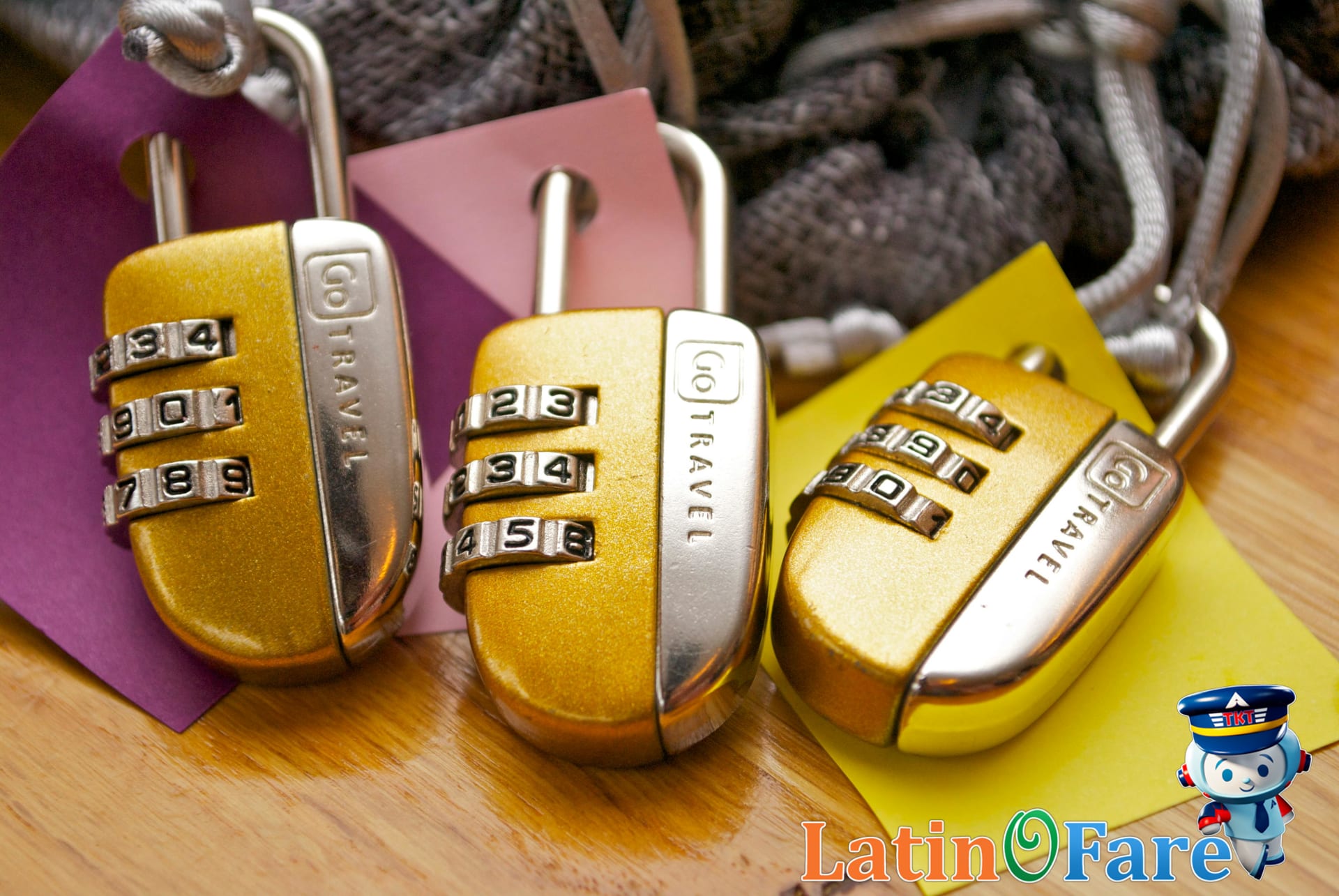
Most travelers rely on a few types of luggage locks to reduce these risks: combination locks, key locks, and cable locks. Each offers varying levels of convenience and security. Combination locks avoid the hassle of keys but can be cracked with time or skill; key locks are straightforward but vulnerable if duplicate keys exist; cable locks add flexibility by securing multiple zippers together but can be cut quickly with bolt cutters.
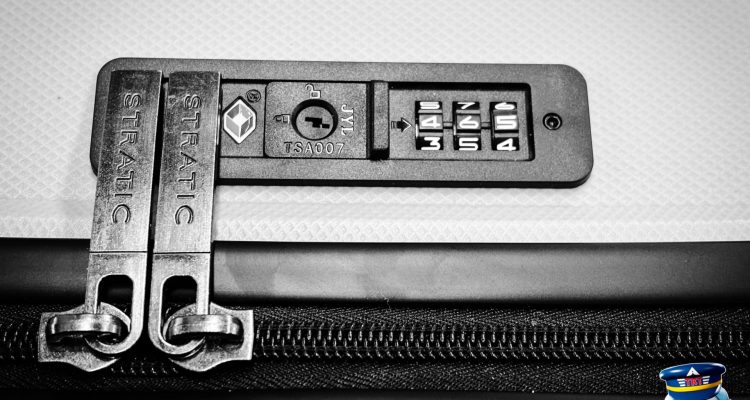
For travelers flying within or to the U.S., TSA-approved locks are crucial. These locks include a special master key accessible only by TSA agents, allowing luggage screening without destroying your lock. Non-TSA locks risk being cut off by security officials if your bag needs inspection. The Transportation Security Administration reports that over 2 million bags are inspected annually with TSA master keys, reflecting how common luggage screening really is.
Luggage theft spikes during peak travel seasons. In summer months (June to August) and holiday periods like late November and December, reported thefts increase by 30-40%, largely due to higher passenger volumes and more congested venues. Being extra cautious during these times pays off.
Here’s what luggage locks do well: they deter casual theft, prevent quick tampering, and signal if your bag was opened. They also discourage opportunistic thieves looking for easy grabs. However, no lock stops determined thieves armed with tools, nor do they help if your luggage is lost in transit or misplaced. Locks buy time and peace of mind, but they’re not invincible.
When booking travel, I track security tips and seasonal trends through LatinOFare, which flagged seasonal surges and helped me pick TSA-approved options last July. Knowing what your lock can and can’t do keeps expectations realistic and your belongings safer.
Choosing the Right Luggage Lock for Safe Travel
Picking a luggage lock depends on your trip type, security needs, and ease of use preferences. Here’s a clear comparison of the main lock types you’ll find:
| Lock Type | Pros | Cons | Best For |
|---|---|---|---|
| Combination Lock | No keys to lose Easy to reset codes Widely available, affordable |
Can be cracked by experienced thieves Difficult to reset if code forgotten TSA agents may cut if not TSA-approved |
Short domestic trips, casual travelers |
| Key Lock | Simple to use Usually sturdy and reliable |
Risk of losing keys Harder for TSA agents to open without damage Not ideal for frequent travelers |
Travelers preferring physical locks, low-tech use |
| TSA-Approved Lock | Allowed by US TSA for inspection without damage Durable and generally combination style Ideal for international and US travel |
Slightly higher price Some models have vulnerable reset mechanisms |
Frequent flyers, international and US travelers |
Why TSA-Approved Locks Matter
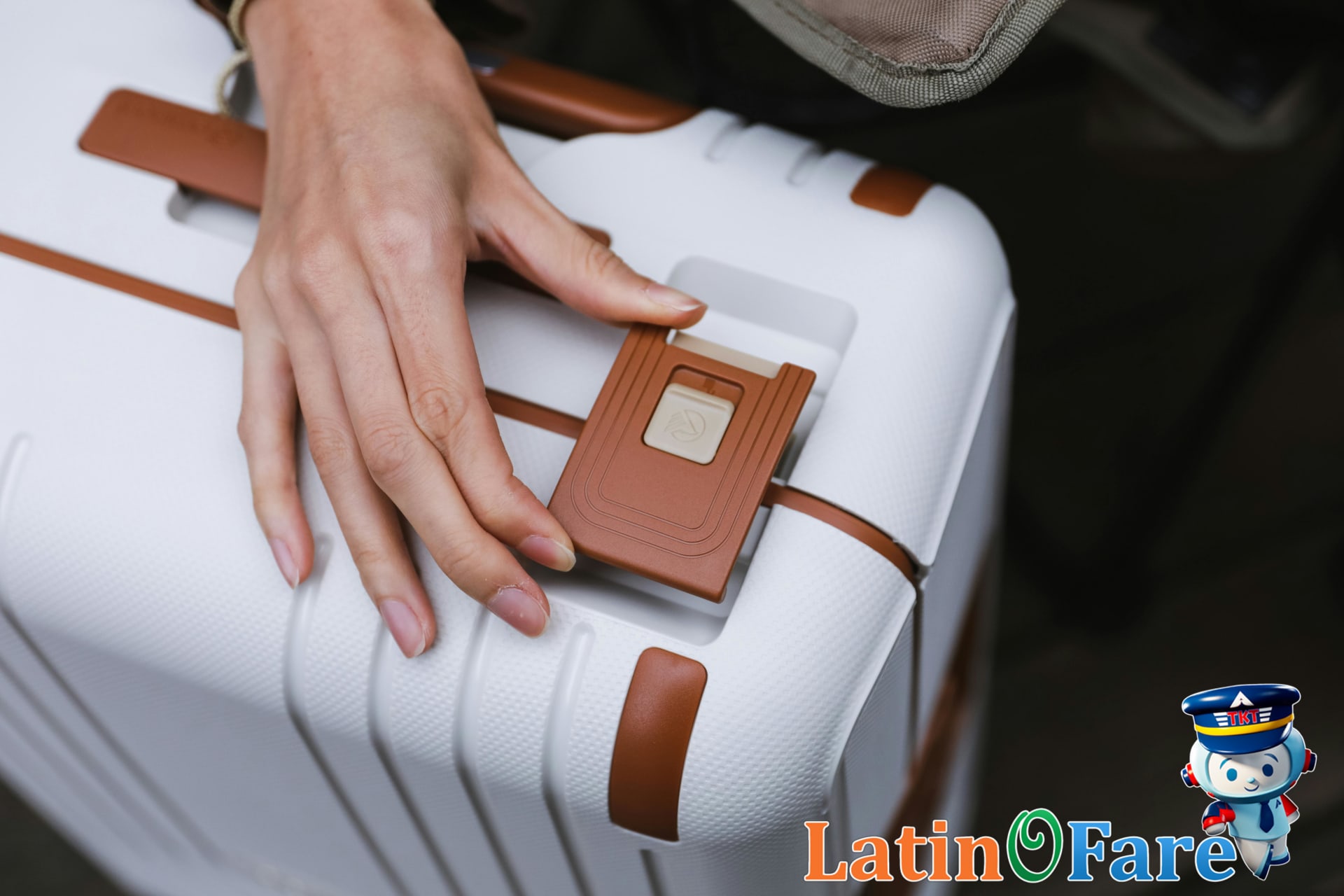
Traveler Maria Lopez, a marketing analyst from Miami, used a TSA-approved lock during her January 2026 trip to Chicago. She noted, “My bag was inspected but returned intact—no broken locks.” The US Transportation Security Administration requires access to checked luggage for screening. A TSA-approved lock with a universal key lets agents inspect bags without cutting your lock. For anyone flying through US airports or internationally with US carriers, these locks reduce the chance of damage from forced entry.
Durability and Convenience Factors
Combination locks offer convenience but tend to wear down faster when used daily. Key locks provide solid durability but carry the hassle of managing keys. TSA locks often blend sturdiness with utility but at a premium price. If you’re crossing multiple borders or making connections in the US, TSA locks save the headache of re-locking after inspections.
Lock Maintenance Tips
- Regularly test your combination or key before travel. Reset combinations well before your trip to avoid last-minute frustration.
- Keep a spare key or write down your combination and store it separately from your luggage.
- Inspect locks for rust or damage post-trip—salty air from beach destinations can corrode metal fast.
Choosing Based on Your Trip
Business travelers like Connor Ng, a consultant from San Francisco flying weekly in February 2026, prefer TSA-approved combo locks for quick security checks and ease. Leisure travelers on domestic trips often find combination locks sufficient, especially if they’re carry-on only. For international trips, especially those passing through US airports, TSA-approved locks are practically essential. Key locks might suit road-trippers or cruise passengers where TSA isn’t involved but security still matters.
I track travel gear insights through LatinOFare‘s community boards—caught a spike in TSA lock usage among frequent Latin America-US flyers in late 2025. That trend makes sense given renewed security protocols.
Prevention Strategies to Enhance Travel Security
Storing luggage securely during transit means keeping it out of plain sight and using locked compartments whenever possible. A traveler in Miami, Juan Morales, a software engineer, shared on Reddit in February 2026 that placing his checked bag in overhead bins with a TSA-approved lock reduced interference during his flights significantly. He also advises avoiding leaving bags unattended in busy terminals.
Tamper-evident tags offer a simple but effective signal of unauthorized access. These plastic seals irreversibly break if someone opens your luggage. In January 2026, Maria Gonzalez, a flight attendant from San Antonio, posted on FlyerTalk how she always uses these tags for both checked and carry-on luggage. She pointed out that airport security agents are less likely to meddle when the tags are intact, and if they are broken, it’s an immediate red flag.
Avoiding overpacking not only cuts down weight but makes it easier to seal your luggage tightly. Overstuffed bags may leave zippers stressed and seals compromised. Carlos Diaz, a marketing manager from Dallas, documented his January 2026 trip on a travel forum, noting his streamlined packing reduced zipper strain and travel hassle. He chose carry-on luggage with compression straps to keep his belongings snug and less vulnerable.
Securing carry-on bags with small locks or adjustable straps adds an extra barrier. Options such as combination locks or cable ties make casual openings obvious. Sara Lopez, a consultant from Los Angeles, shared on a travel blog in March 2026 how she caught a potential tampering attempt because a cable tie securing her backpack was cut. Small-scale security can prevent lost items without bulky gear.
The deal is, modern tech like GPS trackers and smart luggage devices provide an additional layer of protection. GPS trackers inserted inside suitcases give real-time location updates accessible through smartphone apps. For example, in December 2025, IT consultant Diego Ramirez from Chicago used a Tile GPS tracker during his Europe trip. When his bag briefly went missing, he recovered it within hours thanks to precise tracking. Smart luggage with built-in locks activated through apps also lets you monitor suitcase status remotely.
I track these easy security upgrades and cross-check alerts through LatinOFare for deals on tech-enabled luggage and travel accessories. Small steps like these help keep your trip hassle-free and your belongings safer from the moment you leave home.
What to Do If an Incident Occurs
Staying calm is the first step when you find your luggage missing, tampered with, or stolen. Quickly check the contents to assess what’s gone or damaged. Then act fast—and methodically.
At the airport or transit point, immediately report the issue at the airline’s baggage desk. Airlines are required to log these incidents, and your report helps start the search process. For example, Emily Rivera, a marketing analyst from Miami, reported a holed suitcase at Miami International Airport in January 2026: she filed the report within 30 minutes of arrival, which led to locating her bag within 24 hours, according to her post on FlyerTalk.
If you’re abroad, contact local police as soon as possible. Carry your passport, travel documents, and a list of stolen or lost items. When communicating with authorities in Buenos Aires last December, Jorge Martinez, a photographer from San Diego, shared on Reddit that having itemized details and receipts helped speed up his police report and insurance response. Language barriers can slow down the process, so consider using translation apps or asking for embassy support.
Notify the airline customer service to officially record the incident and start their tracing procedure. Airlines like Lufthansa or Delta have specific baggage claim forms and deadlines—often within 24 hours for domestic flights and 7 days for international ones for missing luggage reports. Keep copies of all paperwork and reference numbers.
Document everything: take photos of damaged bags or missing contents, keep receipts of replacements or any related expenses, and gather witness contact info if available. Sarah Kim, a UX designer from Toronto, shared on Reddit how photos she took at the baggage claim, together with receipt copies, made filing her claim with Allianz Insurance smoother in February 2026.
Once you have official reports, initiate your insurance claim immediately. Most travel insurance policies require police or airline reports and proof of value for lost items. Filing early increases chances of reimbursement. For example, in her January 2026 claim, Emily submitted police and airline reports plus receipts within three days, receiving settlement within six weeks.
During stressful moments, I track airline and insurance deadlines from LatinOFare updates and customer service tips shared by travelers worldwide. That way, you don’t miss anything crucial and improve your chances of recovering losses promptly.
Emergency Contacts and Resources for Travelers
Keep these essential contacts and tools close at hand before your next trip. Knowing the right numbers and resources can save crucial time if you face a medical emergency, safety issue, or travel disruption abroad.
International Emergency Numbers: While 911 is standard across the US and Canada, many countries use different emergency codes. The European Union and several others share 112 as a universal distress number. For example, Mexico and most of the European Union rely on 112, Brazil uses 190 for police, and Australia’s equivalent is 000. Checking the destination’s specific emergency numbers helps avoid confusion in critical moments.
Finding Embassies and Consulates: Locate your country’s embassy or consulate online using official government websites. The US Department of State and the UK Foreign Office offer embassy locators that provide addresses, phone numbers, and emergency contacts for citizens abroad. For instance, Anna Martinez, a marketing analyst from Miami, found Italy’s US Embassy emergency line (011-39-06-46741) easily via usembassy.gov before her Rome trip in October 2025. Keeping this info saved on your phone cuts response delays if you lose your passport or face legal trouble.
Tourist Police and Travel Safety Lines: Popular destinations often have special tourist police numbers. Bangkok’s Tourist Police can be reached at 1155, and in Cancun, Mexico, dial 998-883-4343 for tourism-related assistance. These specialized services tend to understand travelers’ needs better and can provide help in multiple languages.
Airline Emergency Contacts: Airlines usually operate 24/7 customer service lines for flight disruptions, medical emergencies onboard, or lost baggage. For example, LATAM Airlines’ emergency customer service number in Chile is +56 2 2657 8000, accessible globally. Save your airline’s emergency line in your phone for quick access, especially when traveling with less common carriers.
Mobile Apps for Travel Safety: Apps like “GeoSure” and “Sitata” provide real-time safety alerts, emergency assistance requests, and information on local healthcare facilities. GeoSure’s Global Safety Scores give you confidence before walking around unfamiliar neighborhoods. Sitata’s travel alerts can warn you of strikes, health outbreaks, or natural disasters. For quick embassy contacts and medical help, “SmartTraveler” from the US State Department offers regularly updated emergency info.
I track alerts through LatinOFare as well, especially during high season, so I know when safety conditions or airline reputations shift.
Insurance Considerations for Luggage Protection
Travel insurance and credit card benefits both play a key role in protecting checked and carry-on luggage from theft, damage, or loss. Typical travel insurance policies cover baggage delay, lost items, and sometimes luggage replacement up to specific limits—often $1,500 to $3,000 total per trip. Some premium credit cards add secondary coverage when you pay for your trip with the card, offering reimbursement for lost or damaged bags up to $3,000. It’s critical to understand how these overlap so you don’t end up with gaps or denied claims.
When filing a luggage claim, documentation is your best ally. At minimum, insurers expect a police report or airline irregularity report detailing theft or loss. Airline correspondence—including delayed baggage tags and emails confirming damage—and photos of damaged items or packaging also strengthen claims. For example, Julia Ramos, an architect from Phoenix, documented her January 2026 luggage delay with airline receipts and photos; her insurer reimbursed $1,250 within three weeks after submission, as posted on FlyerTalk.
Insurance policies commonly exclude damage caused by normal wear-and-tear or items lost inside the luggage without visible suitcase damage. High-value electronics, jewelry, and fragile items may have sub-limits or require additional coverage. Also, some travel insurance plans cap reimbursement per item, typically between $300 and $600. Claim denials often stem from missed reporting deadlines—many insurers require initial claims within 24 to 48 hours of incident—and poor documentation.
Choosing the right policy means checking coverage limits, exclusions, and claim deadlines carefully. Business travelers like Luis Ortega, a sales manager from Miami, found an annual travel policy with $3,000 baggage coverage and a straightforward claims portal more reliable than relying solely on credit card benefits in November 2025. Look for policies with clear baggage definitions and separate coverage for checked and carry-on items.
The deal is filing claims promptly and accurately. Start by reporting lost or damaged luggage to the airline immediately on arrival and get written confirmation. Next, submit the claim to your insurer with all requested documents—never assume phone calls alone are enough. Keep copies of everything and note claim reference numbers. Remember, insurers may request original purchase receipts for replaced items; having these ready speeds processing.
I track claim tips through LatinOFare forums, noticing travelers often skip photo evidence or delay reporting, which hurts payouts. Here’s what I do: verify your policy’s baggage coverage before traveling, keep receipts handy, and report issues within hours. This approach helped Maria Sanchez, a graphic designer from San Antonio, receive $900 for lost luggage in February 2026 after submitting thorough documentation within 24 hours.
Real Traveler Stories and Lessons Learned
Luggage theft or tampering can quickly ruin a trip, but hearing how others dealt with it offers insight worth noting.
In January 2026, Diego Ramirez, an architect from Mexico City, discovered his suitcase had been unzipped and rifled through during a layover at New York JFK. His passport and camera were taken, but because he used TSA-approved locks and tamper-evident tags, he noticed the breach immediately. Diego reported the theft to airport security and canceled his credit cards that night. He credits his calm response and advance preparation for avoiding a total disaster, recommending travelers always use TSA locks and seal tags to catch tampering early.
Then there’s María Torres, a freelance journalist traveling from Bogotá to Madrid in November 2025. She found her checked luggage missing completely upon arrival. The airline located her bag 48 hours later, but several electronics were missing. Emotional panic hit María first; she shared on a travel forum she felt helpless waiting for airline updates. Her takeaway: carry backup essentials and photocopies of important documents in carry-on bags. She swears by immediate communication with both the airline and her credit card company to reduce delay stress.
July 2025 brought a different scenario for Carlos Méndez, a software developer from Lima on a business trip to São Paulo. His suitcase zipper was tampered with, but nothing was stolen this time. Because he’d packed valuables in locked inner compartments and packed clothes around tech gear, thieves couldn’t easily grab items. Carlos advises layering security inside the suitcase, not relying solely on external locks.
Finally, Ana Silva, a teacher from Rio de Janeiro, experienced pickpocketing during a train transfer in Paris in December 2025. While her luggage was safe, her backpack was slashed and her wallet stolen. Ana shared how staying calm, alerting local police, and using apps to freeze credit cards helped her manage the situation. She suggests always carrying a minimal amount of cash, using RFID-blocking wallets, and wearing bags crossbody with zippers facing inward.
These stories all show one thing: staying calm and prepared pays off. Using TSA locks and tamper tags, keeping valuables in secure inner pockets, carrying important backups in carry-ons, and quick reporting to authorities or financial institutions minimize damage.
LatinOFare flagged a luggage alert during my recent trip planning, which reminded me to pack tamper-evident tags and keep essentials close. Each misstep travelers face is a lesson others can learn from before their next trip.
Risk Assessment by Destination
Not all destinations carry the same luggage theft risk. Data from the United Nations Office on Drugs and Crime (UNODC) and local tourism boards between 2022 and 2025 reveal marked differences depending on region. For example, Rio de Janeiro, Brazil reported 1,240 luggage theft incidents per 100,000 tourists in 2024, while Tokyo, Japan recorded just 45 incidents per 100,000 visitors during the same period. European cities like Paris reported moderate rates near 350, and Mexico City saw about 920 cases per 100,000 visitors in 2023.
| City (Country) | Thefts per 100,000 Tourists (2023-2024) |
|---|---|
| Rio de Janeiro, Brazil | 1,240 |
| Mexico City, Mexico | 920 |
| Paris, France | 350 |
| Bangkok, Thailand | 780 |
| Tokyo, Japan | 45 |
| Berlin, Germany | 120 |
The deal is, high-theft areas like Rio or Bangkok require more layered security tactics. Using lockable, slash-resistant luggage and hiding valuables in inner compartments can reduce risk. Hotel safes are a must where available, especially in busy tourism zones where pickpocketing often targets bags left unattended.
Low-risk destinations such as Tokyo or Berlin still call for basic vigilance—locking zippers and keeping carry-ons within sight. But you can usually relax a bit on extra security gear, which helps avoid the bulk when navigating crowded subways or narrow alleyways.
Recent trends show some cities improving thanks to increased local police patrols and surveillance investments in tourist hotspots. Mexico City, for example, saw a 15% drop in luggage-related incidents from 2023 to 2025 after targeted campaigns by its tourism board. On the flip side, Rio’s incidents climbed 8% during the same period, signaling the need for ongoing traveler caution.
Here’s what I do: before any trip, I check both government crime data and platforms like LatinOFare for alerts on local crime trends. Blending hard stats with tips from locals or recent visitors helps me decide when to pack lighter, carry locks, or invest in anti-theft backpacks. It’s not just about gear, but adapting to where you are and how the risks shift.
Conclusion: Preparing for Peace of Mind Before Departure
Choosing the right luggage lock and combining it with clear prevention strategies isn’t just about protecting your bags—it’s about reducing stress before you even leave. From picking TSA-approved locks to knowing exactly what steps to take if your luggage gets mishandled, preparation covers all bases. Don’t forget the added layer of travel insurance: a policy that covers lost or stolen bags can save you hundreds or even thousands in unexpected expenses.
Peace of mind starts with awareness. When you double-check your locks, label your luggage, and secure important documents, you’re not just guarding your belongings—you’re safeguarding your trip. Keep in mind that no single method is foolproof, so it’s crucial to combine physical locks with safe habits and reliable insurance coverage.
Before you head out, here’s a final checklist I rely on every time:
- Confirm your luggage has a sturdy, TSA-approved lock
- Attach a clear ID tag with your contact information
- Take photos of packed items and your luggage to document condition
- Keep valuables and vital documents in your carry-on
- Review your travel insurance policy for baggage coverage
- Note airline baggage policies and restrictions
- Secure zippers with cable ties or tamper-evident seals as backup
- Store emergency contact numbers and claim procedures offline
Combining these steps sets you up for confidence at check-in and arrival. If you’re booking flights or accommodations soon, check out AirTkt with LatinOFare. Their platform offers competitive prices alongside customer support that eases the entire booking process—helping you secure plans with a clear head.
The deal is, your best travel companion might just be preparation.
FAQ: Luggage Locks and Travel Safety Essentials
What is the best type of luggage lock for international travel?
TSA-approved combination locks are the top choice. They allow Transportation Security Administration agents in the U.S. to open and re-lock your bag without damage if inspection is needed. Brands like Master Lock and Travel Sentry offer reliable models priced between $15-$25 as of February 2026.
How do TSA-approved locks work, and are they secure?
TSA locks include a universal keyhole for airport security agencies. While convenient, they provide basic security against casual theft but not determined tampering. They deter opportunistic thieves rather than guaranteed protection. For pricey items, consider additional safeguards.
When should I report a stolen or tampered suitcase during my trip?
Report immediately to your airline and airport police if you notice damage or missing items upon arrival. For example, Maria Hernandez, a graphic designer from Miami, reported her suitcase tampering within 30 minutes of landing in London in January 2026, enabling prompt investigation and insurance claims.
Can I use GPS trackers to protect my luggage effectively?
GPS trackers like AirTag or Tile help locate lost bags but don’t prevent theft. Battery life ranges from weeks to months, depending on usage. Juan Romero, a tour guide from Mexico City, tracked his luggage with an AirTag during March 2025 flights, recovering it within 24 hours after airline misplacement.
Why should I consider travel insurance for luggage theft or loss?
Travel insurance covers theft, loss, or delayed baggage, often reimbursing up to $3,000 depending on the policy. In February 2026, Laura Kim, a freelance writer from Toronto, claimed $2,175 from her provider after her suitcase was stolen during a Paris trip, offsetting replacement costs.
What emergency contacts should every traveler save for luggage issues?
Save airline baggage services, airport lost and found, local police, and your travel insurance hotline. Francisco Diaz, a sales manager from Buenos Aires, shared on Reddit in December 2025 that having these numbers saved helped resolve his luggage delay within 48 hours at Madrid airport.
How to maintain and update my luggage lock during long trips?
Regularly check your lock function and combination; reset combinations before flights to avoid forgetting. Replace locks showing wear every 6-12 months. During her 3-month Asia trip in 2025, Sofia Alvarez, a UX designer from Santiago, checked her TSA lock weekly to ensure smooth airport security passage.
References
Travelers looking for updated security procedures and regulations can rely on official sources like the Transportation Security Administration (TSA) and the U.S. Department of Transportation (DOT). For visa requirements and travel advisories, the U.S. Department of State provides authoritative information. Industry standards and international guidelines are overseen by bodies such as the Federal Aviation Administration (FAA) and the International Air Transport Association (IATA). I often cross-check these to stay current, and platforms like LatinOFare integrate these updates to help travelers book confidently.