

Why US-Latin America Flights Are Booming

Flights from the US to Latin America are more accessible than ever, and it’s no surprise that more travelers are heading south for everything from quick getaways to extended adventures. Low-cost carriers, new nonstop routes, and competitive airlines have all helped open the door to affordable escapes, whether your sights are set on Mexico, Central America, or South America.
Personally, I remember how overwhelming it felt to search for deals at first—especially with prices jumping from one day to the next. Over time, I’ve learned that a little patience and flexibility can make a huge difference in finding those elusive bargains for flights to Latin America. It’s not always about luck; it’s about knowing where and how to look.
This guide will walk you through the essentials: which airlines and routes to consider, practical booking strategies, and the top tips for saving money on your next trip. If you want to dig deeper later, our section on How to Find Discounted International Flights will be worth bookmarking.
Key US Gateways and Latin Hubs
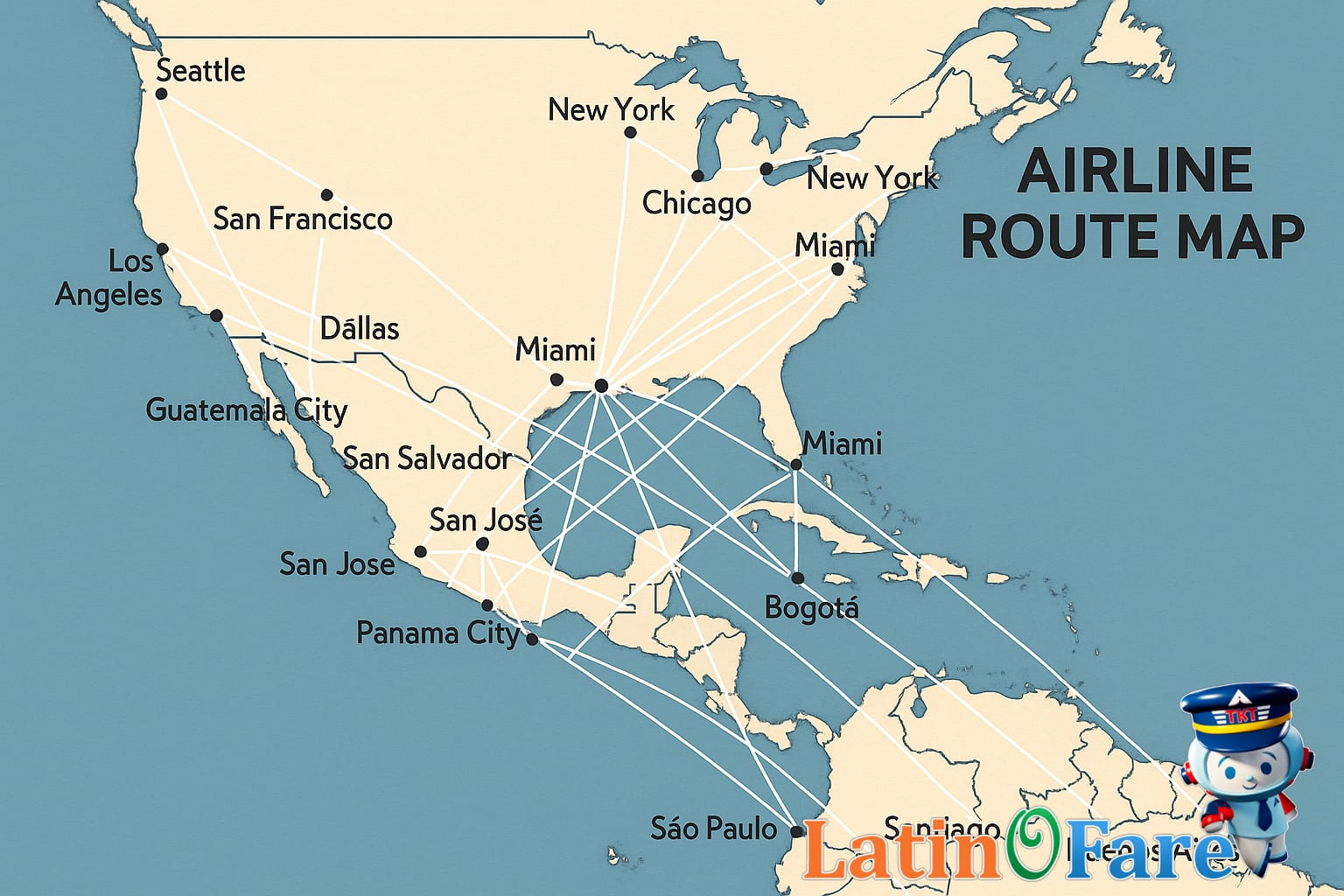
When it comes to flying between the US and Latin America, certain cities dominate the route maps. Miami, Houston, Los Angeles, New York, and Atlanta are the main US gateways, each offering frequent flights to destinations across Central and South America. On the Latin American side, major hubs like Mexico City, Bogotá, Lima, and São Paulo are key connection points, handling large volumes of international travelers every day. According to recent FAA and IATA data, these routes consistently rank among the busiest for transcontinental travel.
Nonstop flights are common on these major routes, but many travelers end up connecting through one of these hubs, especially if their final destination is a smaller city. For example, you might fly from New York to Lima direct, or connect in Panama City or Mexico City for onward travel. In my experience, using a secondary airport can make a surprising difference—on one trip, I was amazed by the cheaper fares flying out of Fort Lauderdale instead of Miami.
Don’t overlook alternate airports like Dallas-Fort Worth, Orlando, or even Baltimore for departures, or secondary Latin American airports such as Monterrey, Medellín, or Guayaquil. Smaller carriers and less obvious routes can sometimes shave a significant amount off your ticket. If you’re flexible, I’d recommend comparing both major and secondary options before booking. For a deeper look at airport options, check out our guide on the Best US Airports for International Flights.
Choosing the Right Airline for You
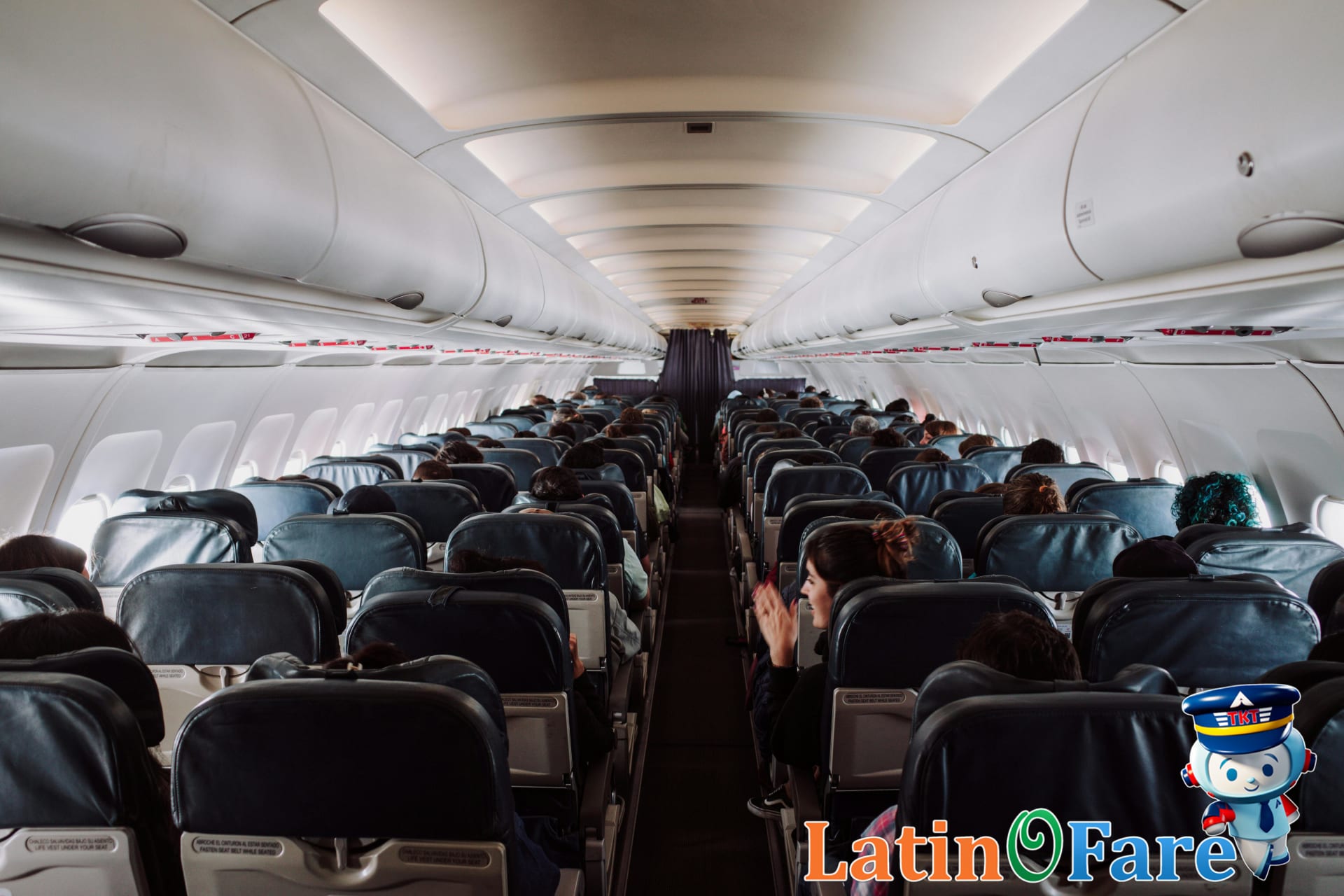
Deciding between US legacy carriers like Delta, United, and American or Latin American airlines such as Avianca, Copa, Aeromexico, and LATAM comes down to what matters most for your trip. US carriers usually offer more familiar cabin experiences, with consistent service, seatback screens, and established frequent flyer programs. However, Latin American airlines often shine with regionally inspired meals, bilingual crews, and direct routes to secondary cities that US airlines may not serve.
If you’re flying to Mexico or the Caribbean on a tight budget, discount and ultra-low-cost carriers like Volaris, Viva Aerobus, Interjet (when operating), and JetBlue are worth considering. These airlines keep fares low by charging extra for checked bags, seat selection, and onboard meals. In my experience, if you travel light and value price over frills, these can be a smart pick—just read the baggage policies carefully before booking.
Frequent flyer programs also differ. US airlines partner with global alliances, making it easier to earn and redeem miles worldwide. Latin American carriers have their own loyalty schemes, sometimes with unique perks for regional travelers. Personally, I tend to prefer Copa for Latin America routes because their hub in Panama City offers smooth connections and the onboard service feels reliably friendly.
For a deeper dive into regional options, check out our Guide to Major Latin American Airlines.
How To Research And Track Deals

Finding the lowest airfare is all about using the right mix of tools and keeping an eye on price changes. I usually start with latinofare.com because it lets me compare lots of discounted flights in one place. Then I’ll check Google Flights and Kayak, which both offer flexible date calendars and easy fare comparisons. Setting up price alerts is a must—these let you know when fares drop, so you don’t have to keep searching manually. Here’s a practical guide on how to set up fare alerts and watchlists if you want step-by-step help.
Most comparison sites let you track specific routes and dates. On Google Flights, for example, you can click the “Track prices” toggle (see their help guide) to get notified of drops. I once caught a sudden $80.00 fare dip on a Miami–Lima route just by having alerts set up—it really pays off. Don’t forget to sign up for flash sale notifications from your favorite booking sites, since these deals often disappear fast.
Booking Strategies for Affordable Flights

Getting the lowest airfare isn’t just luck—it’s about timing and flexibility. Most recent travel industry studies suggest booking international flights about 2–5 months in advance for the best fares. If you’re flying to Latin America, I’ve noticed that prices often drop for departures outside high-demand seasons like summer and major holidays. Booking midweek, especially on Tuesdays or Wednesdays, can also reveal lower fares; I used to book on weekends, but after seeing higher prices, I now always check midweek before making a purchase.
Direct airline bookings can offer perks like easier changes or upgrades, but online travel agencies (OTAs) such as latinofare.com often have exclusive deals or bundled savings. I’d compare both options before committing, since some OTA fares can be lower, but check the terms carefully—changes and refunds may be stricter. Finally, using flexible date search tools can quickly highlight the cheapest travel days, sometimes saving you quite a bit if your schedule allows.
Baggage Rules, Fees, and Add-ons

Baggage policies can be tricky, and the rules often change depending on the airline and route. Most US legacy carriers include one free carry-on and a personal item, but checked bags usually cost about $35.00 each way. Latin American airlines sometimes offer slightly larger weight limits for checked bags, but you’ll need to check the details for your specific route. Discount airlines—both in the US and Latin America—are stricter: some only allow a small personal item for free, and even a carry-on may cost about $20.00 if you don’t prepay online.
One thing I learned the hard way: paying for bags at the airport is almost always pricier than adding them online during booking. I once got hit with a surprise fee at check-in because I assumed my small roller counted as a free carry-on. Now, I double-check each airline’s rules and use the latinofare.com “Understanding Airline Baggage Policies” guide before finalizing a ticket. Some airlines offer bundle options that include bags and seat selection for a lower total price, so it’s worth comparing add-ons before you pay.
If you want to see official details, check out American Airlines’ baggage policy for a clear example of what’s included and what’s extra.
Must-See Destinations and Hotspots

If you’re looking for energy, culture, and great airfare options, Mexico City, Lima, Bogotá, and São Paulo are always at the top of my list. Mexico City dazzles with its food and museums, while Lima’s coastal vibe is a big draw. Bogotá’s street art scene is exploding, and São Paulo mixes urban buzz with diverse neighborhoods. For more details on affordable picks, check out our guide to Top Destinations in Latin America for Budget Travelers.
But don’t overlook rising stars like Medellín, Quito, and Oaxaca. These cities often have lower fares and fewer crowds, plus you’ll find authentic markets, lively plazas, and friendly locals. I’ve got my eye on Medellín next—it’s known for its innovation, mountain views, and year-round spring climate. Booking into secondary cities can mean saving money and discovering unique experiences you’d miss in bigger hubs. For more inspiration, the Bogotá Tourism Authority is a great resource for planning.
Latin America Trip Budget Breakdown
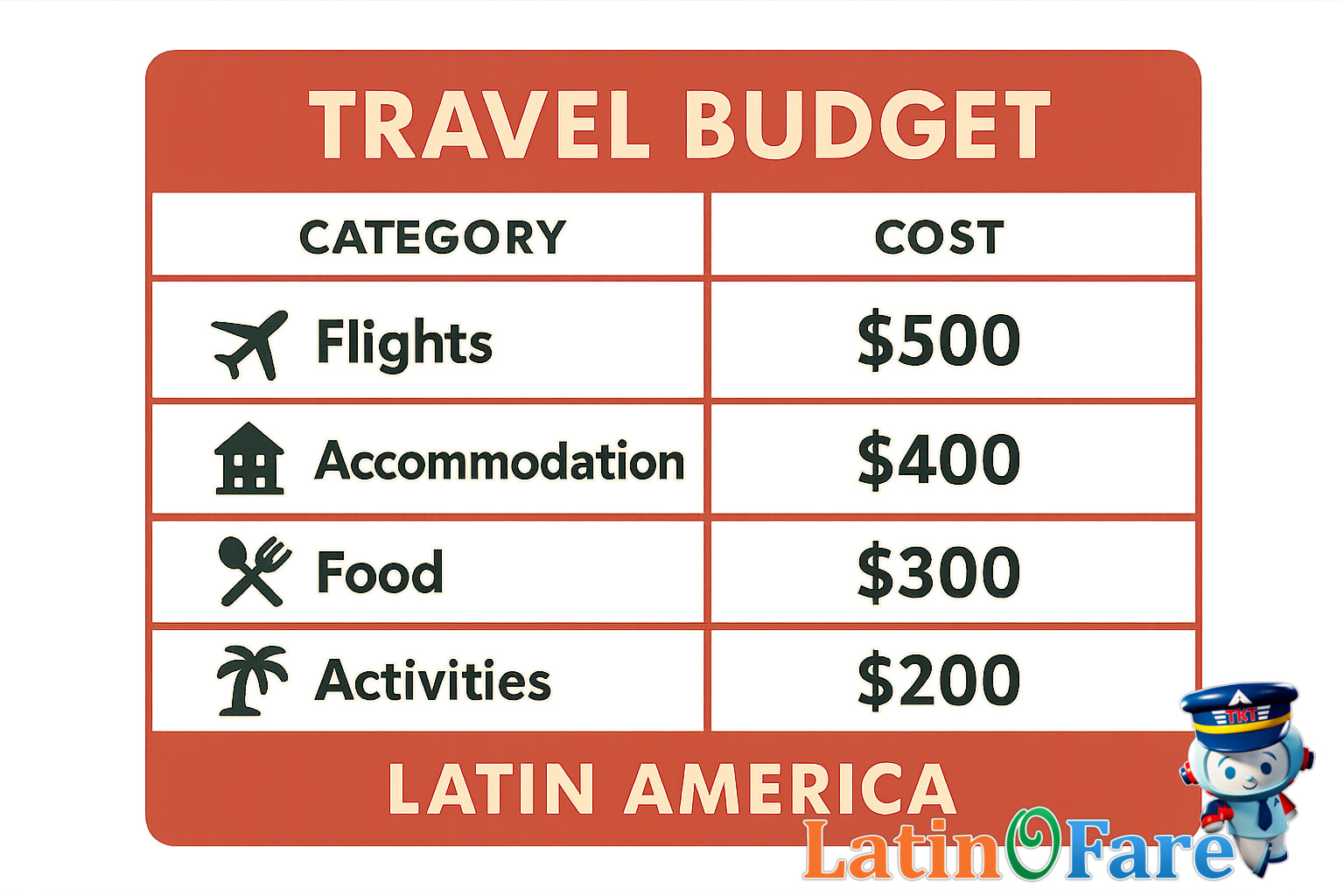
| Budget | Mid-range | Luxury | |
|---|---|---|---|
| Flights | $350.00 | $700.00 | $1,500.00 |
| Accommodation | $30.00 | $80.00 | $250.00 |
| Food | $10.00 | $35.00 | $100.00 |
| Activities | $15.00 | $50.00 | $150.00 |
Costs in Latin America can swing quite a bit depending on your comfort level and travel style. Budget travelers can get by with hostels and street food, while mid-range options include boutique hotels and sit-down restaurants. Luxury travelers will find plenty of high-end stays and guided tours. Setting my budget up front always helps me stay on track while booking flights, since airfare is usually the biggest single expense.
If you’re looking for practical ways to stretch your dollars, check out our Affordable Latin America Travel Itineraries for sample trips that fit a range of budgets. For current average costs by country, you can also consult the latest data from the World Bank’s Latin America tourism statistics.
How To Get Booking Support Fast

One of the biggest differences I’ve noticed between latinofare.com and many self-service OTAs is the level of hands-on help available. With latinofare.com, you can call and speak to a real agent before or after booking—whether you need help finding the right fare, want to confirm baggage rules, or need to make a last-minute change. Their team is ready to assist with flexible changes, cancellations, and any unexpected travel hiccups.
Self-service OTAs often push you through automated online forms or chatbots, which can feel frustrating if your plans suddenly change. I once had to reroute a flight after a schedule change, and reaching a live person at latinofare.com made the process less stressful. What I learned: don’t wait until you’re stuck—save the agency’s support info and reach out early if something seems off.
If you’re unsure how to get help, check out their guide on How to Contact LatinoFare for Flight Help. I’d recommend keeping both the airline and agency numbers handy in your phone or email just in case.
FAQ: US to Latin America Flights
- What documents do I need for flights from the US to Latin America?
Most travelers need a valid passport, and some countries require a visa or tourist card. Requirements can change, so I always recommend checking official government resources or reviewing this guide on Latin America Visa and Entry Requirements before you book your flight.
- How early should I book flights to Latin America for the best price?
Booking about two to three months before departure is typical for finding lower fares, especially for popular destinations. In my experience, waiting until the last minute often means higher prices, so I try to plan ahead when possible to save money.
- Are there direct flights from the US to Latin America?
Yes, many major US airports offer direct flights to cities like Mexico City, Bogotá, and Lima. However, smaller destinations may require a connection. Always double-check routes and layovers when comparing options on sites like latinofare.com or airline websites.
- What’s the baggage policy for US to Latin America flights?
Baggage policies vary by airline and ticket class. For example, basic economy fares may only include a carry-on, while full-service tickets often allow one checked bag. Always review your airline’s baggage rules before packing to avoid unexpected fees at the airport.
- Do I need travel insurance for flights to Latin America?
Travel insurance isn’t always required, but it’s wise to have coverage for medical emergencies, trip cancellations, or lost luggage. Some countries may ask for proof of insurance at entry, so check requirements on government travel sites like travel.state.gov before your trip.
- Can I find cheap last-minute flights from the US to Latin America?
Last-minute deals are possible, but they’re not guaranteed. I’ve noticed that prices usually rise closer to departure, especially during holidays or busy seasons. If you’re flexible with dates and airports, you might spot a lower fare, but booking early is often safer for your budget.
- What are common entry requirements for US travelers to Latin America?
Entry requirements differ by country. Most require a passport valid for at least six months; some ask for proof of onward travel or sufficient funds. For the latest, consult official embassy websites or the U.S. Department of State’s travel page before your departure.
Wrapping Up Your Next Flight Adventure
As you wrap up your search for that next flight, remember the key themes we’ve covered: plan ahead, use the right tools, and stay flexible. Scoring a great airfare isn’t just luck—it’s about knowing where to look and being ready to act when the right deal pops up. I always keep deal alerts active so I’m the first to know about new offers, and it’s helped me snag some surprisingly low fares over the years.
Don’t underestimate the value of subscribing to fare newsletters or exploring new routes in Latin America—sometimes the best adventures start with a spontaneous deal. With a bit of preparation, and by using resources like latinofare.com, affordable travel is absolutely within reach. Happy travels—and may your next booking be your best yet!