
What Hurricane Season Means For Travelers
I remember feeling uncertain the first time I considered booking a Caribbean vacation during hurricane season. The official Atlantic hurricane season runs from June through November, according to the National Oceanic and Atmospheric Administration (NOAA). This period brings the highest risk of tropical storms, especially to islands like the Bahamas, Puerto Rico, and the Dominican Republic. Lesser Antilles such as Aruba, Bonaire, and Curaçao tend to see fewer direct hits, so some travelers prefer them for added peace of mind.
Despite the risks, many people—including myself—are tempted by lower prices and quieter beaches. Resorts and airlines often offer significant discounts during these months, making the Caribbean much more affordable. You’ll also find fewer crowds, which can make even popular spots feel relaxed and personal. That said, I always weigh the potential for weather disruptions before booking and check forecasts regularly leading up to the trip.
If you want more strategies on staying safe and flexible, check out our seasonal travel tips and weather safety guide on latinofare.com.
Weather Risks During Hurricane Season
Caribbean travel during hurricane season brings a set of real risks that can quickly change your plans. Flight delays and cancellations are common as airlines reroute or ground planes for safety. Some resorts may close entirely if a storm is on the horizon, and evacuation protocols can go into effect with little warning. I once watched the forecast nervously as my departure date approached, feeling genuine relief when the storm shifted course at the last minute. That experience made me realize just how unpredictable these storms can be—one day you’re packing for sunshine, the next you’re reading emergency updates instead of beach menus.
Storm paths evolve rapidly, and even a system that looks harmless can intensify and reroute within hours. This unpredictability means hotel and airline policies can change just as fast. Many properties update their cancellation terms in real time, and some airlines may offer waivers for affected routes, but you need to check the fine print. I’d suggest reading up on travel insurance or booking guarantees—see our advice on travel insurance and booking guarantees—and always monitor a reputable weather tracker like the National Hurricane Center for the latest updates.
The Sweet Spot for Deals
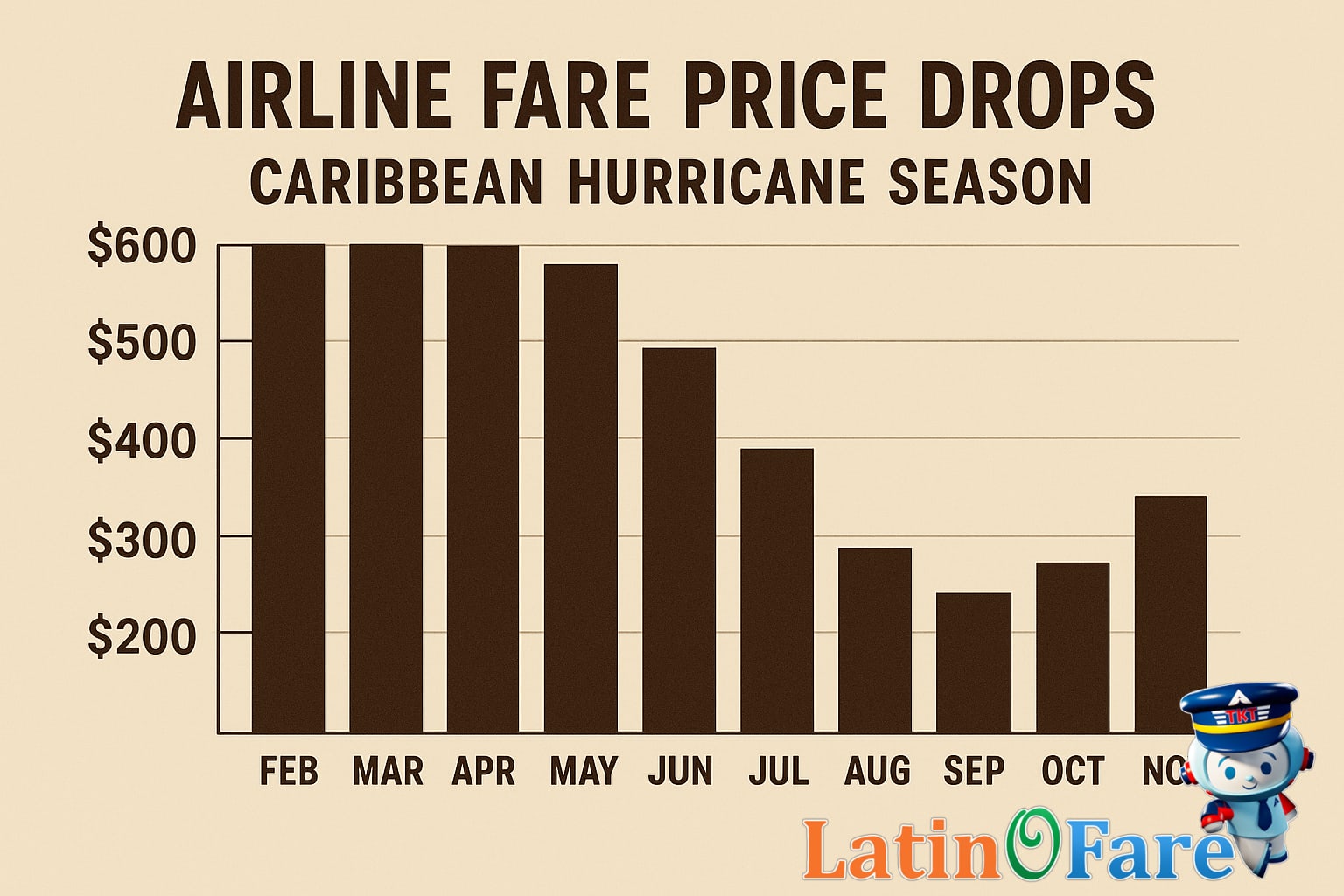
If you’re willing to take a chance on the weather, hurricane season in the Caribbean is when airlines and hotels roll out their steepest discounts. From late summer into early fall, demand slows dramatically—so carriers lower fares and resorts offer enticing perks just to fill rooms. According to airfare trend trackers like Hopper, average flight prices to the Caribbean can drop noticeably during September and October compared to winter peaks.
I couldn’t believe the flight price I found last October—about $180.00 roundtrip from Miami to San Juan, a fraction of what I’d seen in January. Not only did I score a cheap fare, but the hotel upgraded my room for free, likely because there were so few guests. In my experience, this is the time when you can stretch your travel budget the furthest, especially if you’re flexible on dates and watch for flash sales.
If you’re hunting for more strategies, I’d check out the latinofare.com blog for tips on saving money and finding last-minute flight deals.
Smart Booking Strategies For Hurricane Season

Booking travel during hurricane season calls for extra flexibility and a few smart tactics. I’ve learned firsthand how valuable it is to book refundable flights and hotels—because I booked a refundable fare, I was able to change my itinerary without stress when a storm threatened my original dates. Refundable or flexible bookings let you adjust plans if weather disrupts your trip, which is especially important for the Caribbean and Gulf Coast.
Using latinofare.com makes it easier to stay flexible. Their team can help you compare flexible fare options or even switch your reservation by phone or live chat if a storm pops up. If you want to dig deeper into how flexible booking works, check out our guide on flexible booking tools and policies for more tips and details.
When a hurricane warning forced me to consider new travel dates, having quick access to customer support made a big difference. latinofare.com staff walked me through rebooking, so I didn’t lose out on my trip—or my money.
Choosing Islands And Best Travel Timing
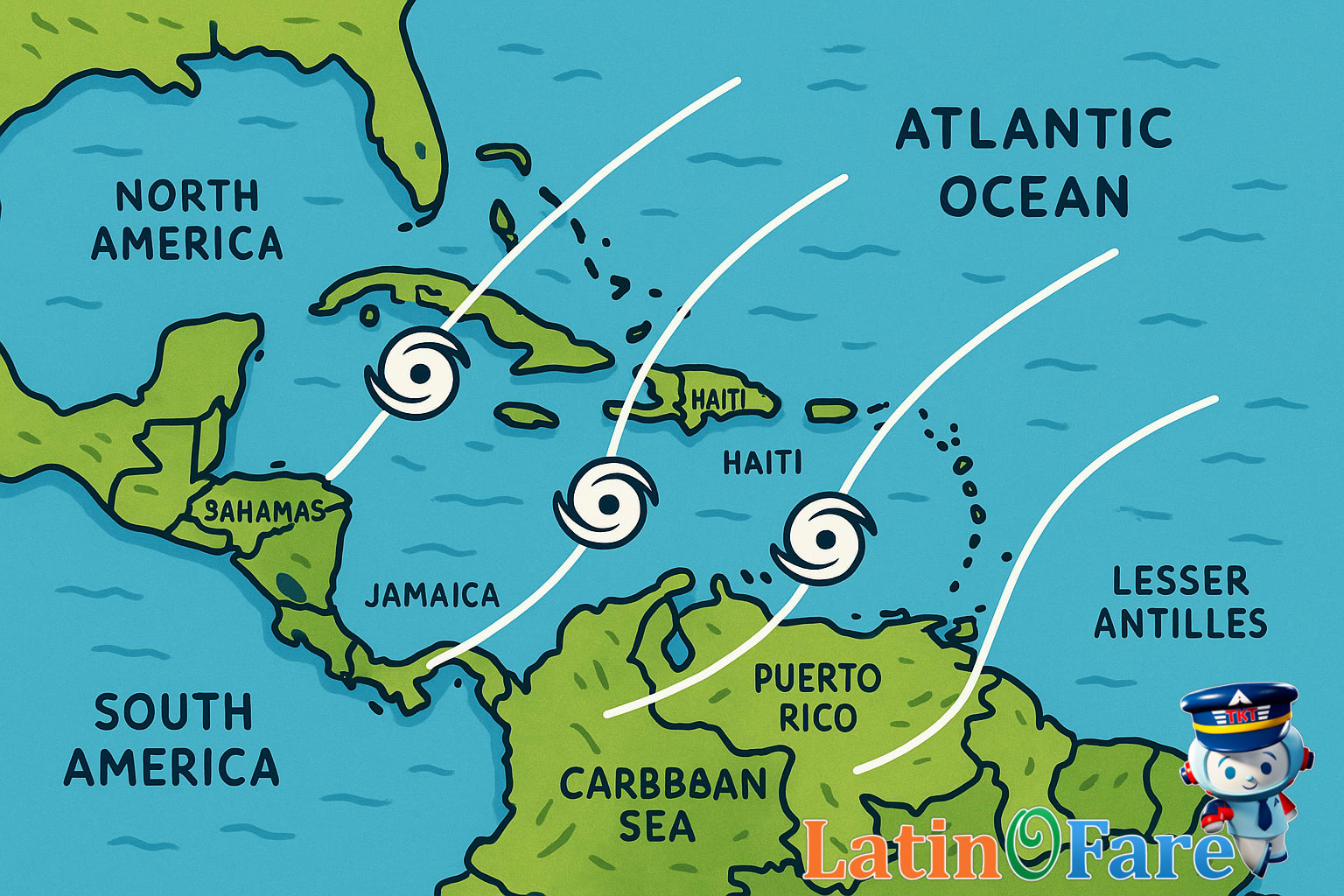
When planning a Caribbean trip during hurricane season, I always look for islands that sit outside the main storm belt. Aruba, Bonaire, and Curacao—often called the “ABC Islands”—are great picks because they’re rarely in the path of hurricanes (you can check with regional agencies like the Caribbean Institute for Meteorology and Hydrology for reassurance). These islands give you a lot more peace of mind if you’re traveling between June and November.
Timing matters just as much as location. Early June and late November usually see fewer storms and smaller crowds, so you can enjoy quieter beaches and easier hotel bookings. I picked Curacao last September and felt much more relaxed about weather uncertainties, especially after weighing the risks with a quick check of seasonal forecasts.
If you want more destination ideas, the latinofare.com Caribbean destination guide is a handy resource for comparing islands and planning your route.
Packing Smart for Unpredictable Weather
When you’re heading to the Caribbean during hurricane season, packing smart can make all the difference. I’ve learned the hard way that a simple rain jacket can turn a potential washout into just another adventure—mine kept me dry when sudden downpours hit, while others scrambled for shelter. Here’s a checklist I rely on for unpredictable weather:
- Waterproof bags or dry sacks for electronics and important items
- Lightweight, breathable rain jacket or poncho
- Portable phone charger (bringing one kept me connected even during a storm-induced blackout)
- Printed emergency contact card with at least two numbers
- Hard copies of travel documents (passport, insurance, itinerary)
For more practical tips, check out our guide to packing for travel safety, or reference the REI travel packing checklist for additional gear ideas.
Budget Breakdown for Hurricane Season
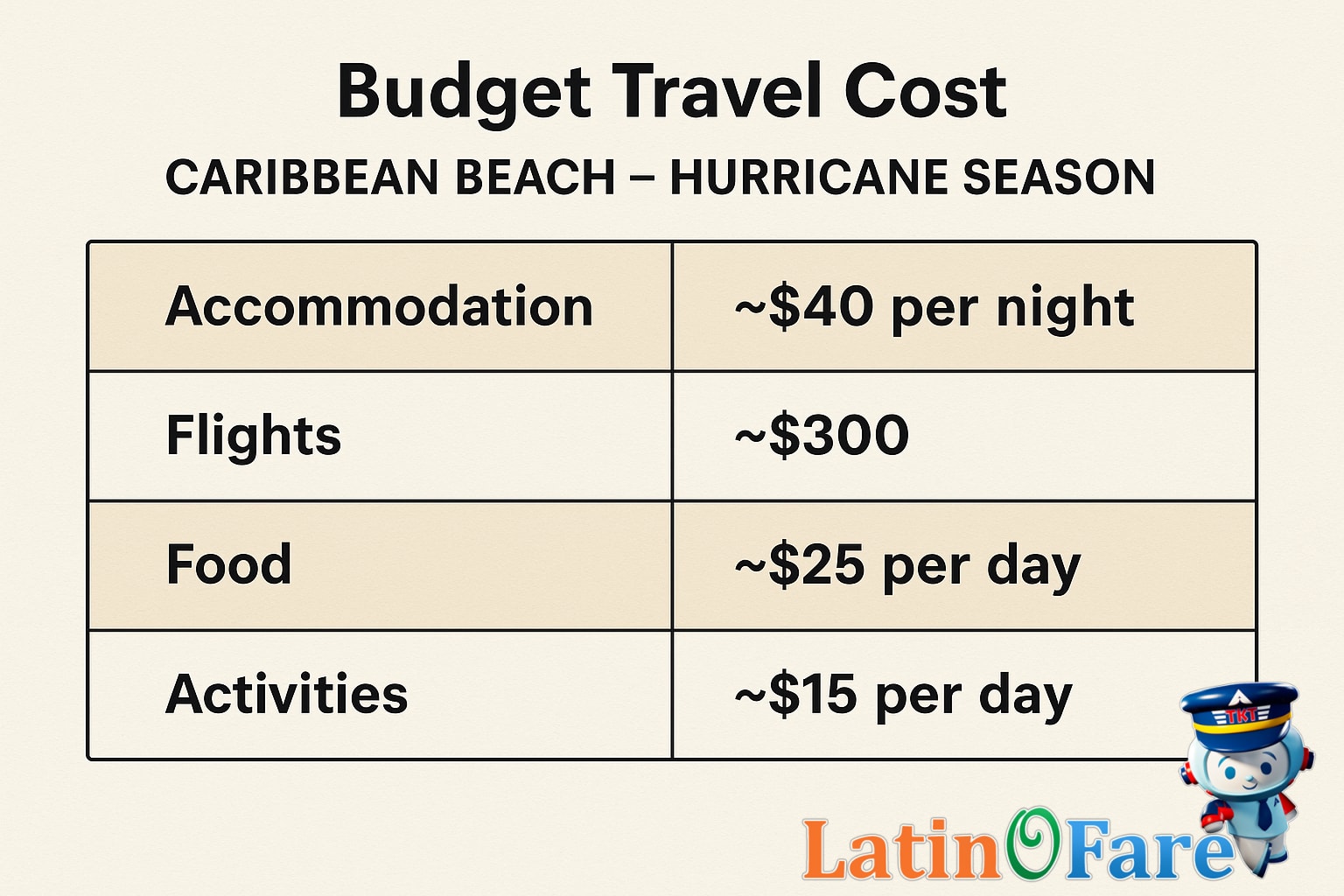
Traveling to the Caribbean during hurricane season can mean big savings, but it’s important to watch for hidden fees that can sneak up on you. Here’s a clear breakdown of typical daily costs for three travel styles, so you can plan smarter:
| Budget | Mid-range | Luxury | |
|---|---|---|---|
| Accommodation | $45.00 | $110.00 | $260.00 |
| Food | $15.00 | $40.00 | $90.00 |
| Transport | $10.00 | $35.00 | $70.00 |
| Activities | $20.00 | $55.00 | $130.00 |
While off-season rates can be a bargain, I didn’t expect extra resort fees until check-out reminded me to always double-check. Watch for hidden costs like resort fees, foreign transaction charges, or mandatory service fees—they can add up fast. For more tips, check out this latinofare.com guide to saving money and avoiding hidden fees in the Caribbean.
Trusted Travel Resources And Support

Before any trip, I always check a few official resources for safety and weather updates. The National Hurricane Center (nhc.noaa.gov) is my go-to for storm forecasts in the Caribbean and Gulf regions, while the U.S. State Department’s travel advisories help me stay aware of any emerging risks or entry changes. It’s worth bookmarking these sites for quick access.
If you ever run into issues with your booking or need urgent travel changes, latinofare.com offers several support channels. You can reach customer service by phone, use the live chat on their website, or browse their FAQs and support portal for quick answers. I once had to reschedule a flight due to a tropical storm warning, and the support team guided me through my options so I could adjust plans without extra stress.
Common Questions About Hurricane Season
- Is it safe to travel the Caribbean during hurricane season?
Traveling to the Caribbean during hurricane season does carry some risks, but many travelers still visit with careful planning. I recommend monitoring weather updates closely and signing up for travel advisories from the U.S. State Department. Flexible bookings and travel insurance can help you adjust plans if a storm is forecasted.
- How can I find the best travel deals in hurricane season?
Airfare and hotel rates are often lower from June through November, when hurricane season peaks. Flexible dates and last-minute bookings can lead to savings. I usually recommend checking latinofare.com for discounted flights, and setting fare alerts to catch sudden drops in price.
- What happens if my flight is canceled because of a hurricane?
If your flight is canceled due to a hurricane, airlines typically offer rebooking on the next available flight at no extra charge. When my flight was canceled, I quickly contacted my airline for rebooking and checked their website for official weather waivers. Having your airline’s app can speed up the process.
- Which Caribbean islands are safer during hurricane season?
Islands in the southern Caribbean—like Aruba, Bonaire, and Curacao—are generally considered less prone to hurricanes. While no island is completely immune, these destinations see fewer direct hits. Always check recent weather records and current advisories before booking, especially if you want to minimize disruption risk.
- What should I pack for unpredictable weather?
Pack a compact rain jacket, waterproof shoes, and extra zip-lock bags for electronics. Quick-drying clothes and a small umbrella are also helpful. I suggest bringing a portable charger, since power outages can occur during storms. Always keep important documents in a waterproof pouch in your carry-on bag.
- Does travel insurance cover hurricane issues in the Caribbean?
Most travel insurance policies cover trip cancellations or interruptions due to hurricanes, but you must buy coverage before a storm is named. Carefully review your policy for “weather-related events” and consider reading our guide to booking disruption and travel insurance for more details on what’s included.
Wrapping Up Your Hurricane Season Plans
Traveling to the Caribbean during hurricane season really comes down to staying flexible, preparing ahead, and keeping your plans adaptable. Weather patterns can shift quickly, so I always recommend double-checking booking conditions and travel insurance right up until departure. If you’re proactive, you’ll be ready to pivot if needed, instead of scrambling at the last minute. For the latest deals and updates, I’d suggest keeping an eye on latinofare.com—it’s a reliable spot for both booking and up-to-date information. I’ve learned that staying flexible helps me enjoy the best parts of Caribbean travel, even in hurricane season.