

Know Your Rights as a Passenger
I know how stressful unexpected delays can be from my own recent flights. When your travel plans get thrown off by cancellations, long waits, or lost bags, knowing your rights as an airline passenger matters more than ever. In the U.S., the Department of Transportation (DOT) sets rules that protect you when things go wrong—whether it’s a denied boarding, a lengthy tarmac delay, or a flight cancellation. If you’re not familiar with these protections, it’s easy to miss out on care or compensation you might be owed. I always remind friends that a little knowledge here can make a big difference when travel doesn’t go as planned.

What Airlines Owe for Delays
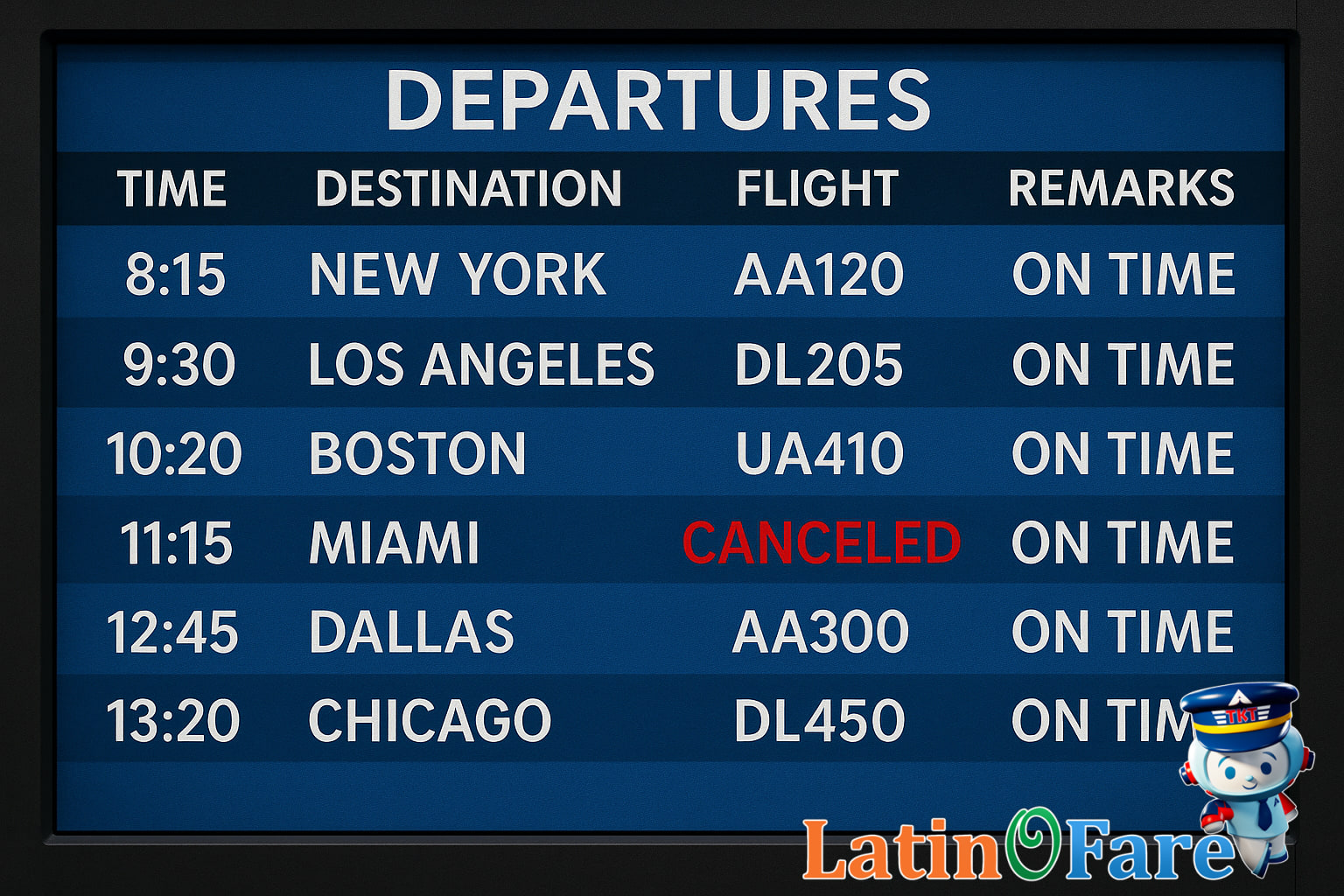
Flight delays and cancellations are frustrating, but knowing your rights can make a big difference. Under U.S. Department of Transportation (DOT) rules, airlines have clear obligations when your flight is delayed or canceled. The level of care or compensation you’re owed depends on the cause of the disruption and the length of the delay.
The DOT requires airlines to provide full refunds if your flight is canceled or significantly changed, and you choose not to travel. For controllable delays—those within the airline’s power to prevent, like maintenance or crew issues—most major U.S. airlines now promise meal vouchers for delays of three hours or more, and hotel accommodations if you’re stuck overnight. Transportation to and from the hotel is typically included as well. However, these benefits aren’t always automatic, so it pays to know what to ask for.
I once had a flight canceled late at night, and by going directly to the airline counter and asking about hotel vouchers, I avoided spending extra money on last-minute lodging. In my experience, being proactive and politely inquiring about your options can save you both time and cash during stressful situations.
Eligibility for care depends on whether the delay is considered “controllable” or “uncontrollable” (like weather). For uncontrollable delays, airlines are less likely to offer compensation, but you’re still entitled to a refund if the flight is canceled and you don’t accept a rebooking. For the latest details, always check the DOT’s official website for airline delay and cancellation rules to ensure you have the most accurate information.
If you’re looking for strategies to stretch your travel budget after a disruption, latinofare.com has a helpful guide on finding flight deals after cancellations.
Denied Boarding: Know Your Entitlements
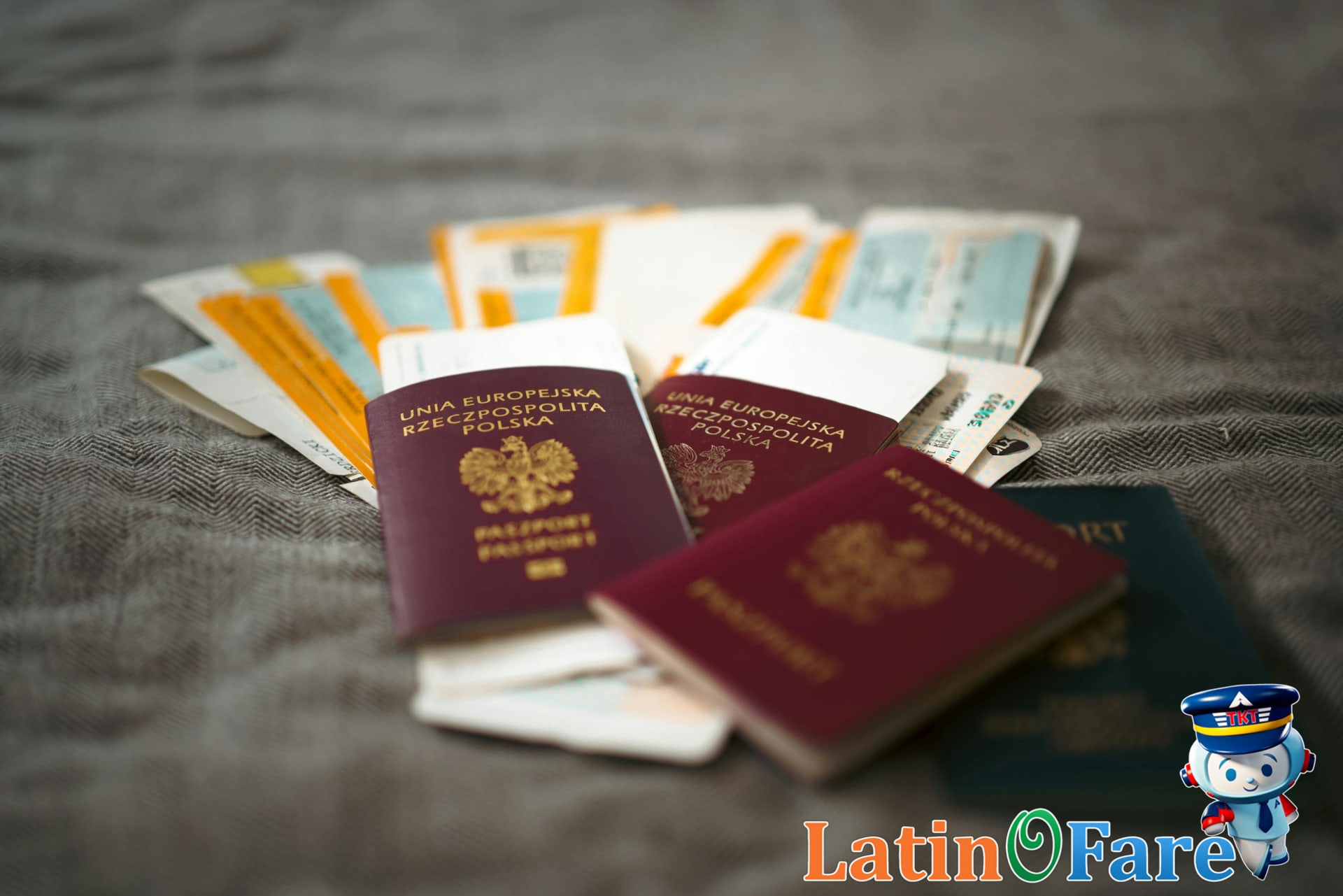
Watching a fellow passenger get bumped from a packed flight a few years ago made me rethink how I approach overbooked flights. Denied boarding happens when airlines sell more tickets than seats, hoping some travelers won’t show up. Common reasons include overbooking, aircraft changes, or operational needs. Sometimes, travelers miss check-in deadlines or don’t have proper documents, but when you’ve done everything right and are still told you can’t board, that’s where your rights matter.
There’s a big difference between volunteering to give up your seat and being involuntarily denied boarding. If you volunteer, airlines typically offer incentives—these might start as vouchers or miles, but if not enough people step up, they often sweeten the deal with higher-value offers or even cash. I’ve considered volunteering when my schedule was flexible, but I always wait to see if the offer increases closer to departure.
If you’re involuntarily bumped, U.S. Department of Transportation rules require airlines to provide written notice of your rights and, in many cases, cash compensation. For example, you might receive about $275.00 or more, depending on the delay to your final destination. Airlines must also reroute you and, if necessary, provide meals or hotel accommodations. Don’t settle for vouchers unless you’re sure they fit your needs—cash is often the better option.
To maximize your entitlements, stay informed and never accept the first offer without asking if additional incentives are available. Gate agents can sometimes authorize more, especially if they’re struggling to find volunteers. If you want to avoid getting caught off guard, read more on avoiding common travel mistakes before your next trip.
Requesting Compensation Efficiently

When your flight gets delayed, canceled, or you’re denied boarding, acting quickly and staying organized can make a big difference in how smoothly your compensation claim goes. I learned the hard way that keeping every single document—especially after a lost bag—makes it so much easier to prove your case later.
Step-By-Step Claim Process
1. Get Written Documentation: As soon as you know there’s a disruption, ask the airline for a written notice. This could be a delay confirmation, cancellation statement, or a denied boarding slip. You’ll need this as proof when you file your claim.
2. Gather Your Records: Collect your photo ID, boarding pass, receipts for any extra expenses (like meals or hotels), and all correspondence with the airline. Having digital copies is smart—snap photos with your phone so you can attach them easily to your claim.
3. Submit Your Claim: Contact the airline’s customer service team, either through their website or by phone. Clearly state your situation, attach your documents, and keep a record of every message you send. If you don’t get a timely response, escalate by asking for a supervisor or using the airline’s official complaint form.
4. Track and Follow Up: Note the date you submitted your claim and any responses you receive. If you haven’t heard back in a reasonable time, follow up with the airline. Keeping a simple log (I use a notes app) helps you stay on top of deadlines and responses.
Always file your claim as soon as the disruption is confirmed—waiting can make it harder to get a quick resolution. If you need help with the process, check our FAQ for detailed steps on getting support from latinofare.com.
How LatinoFare Supports Disruptions
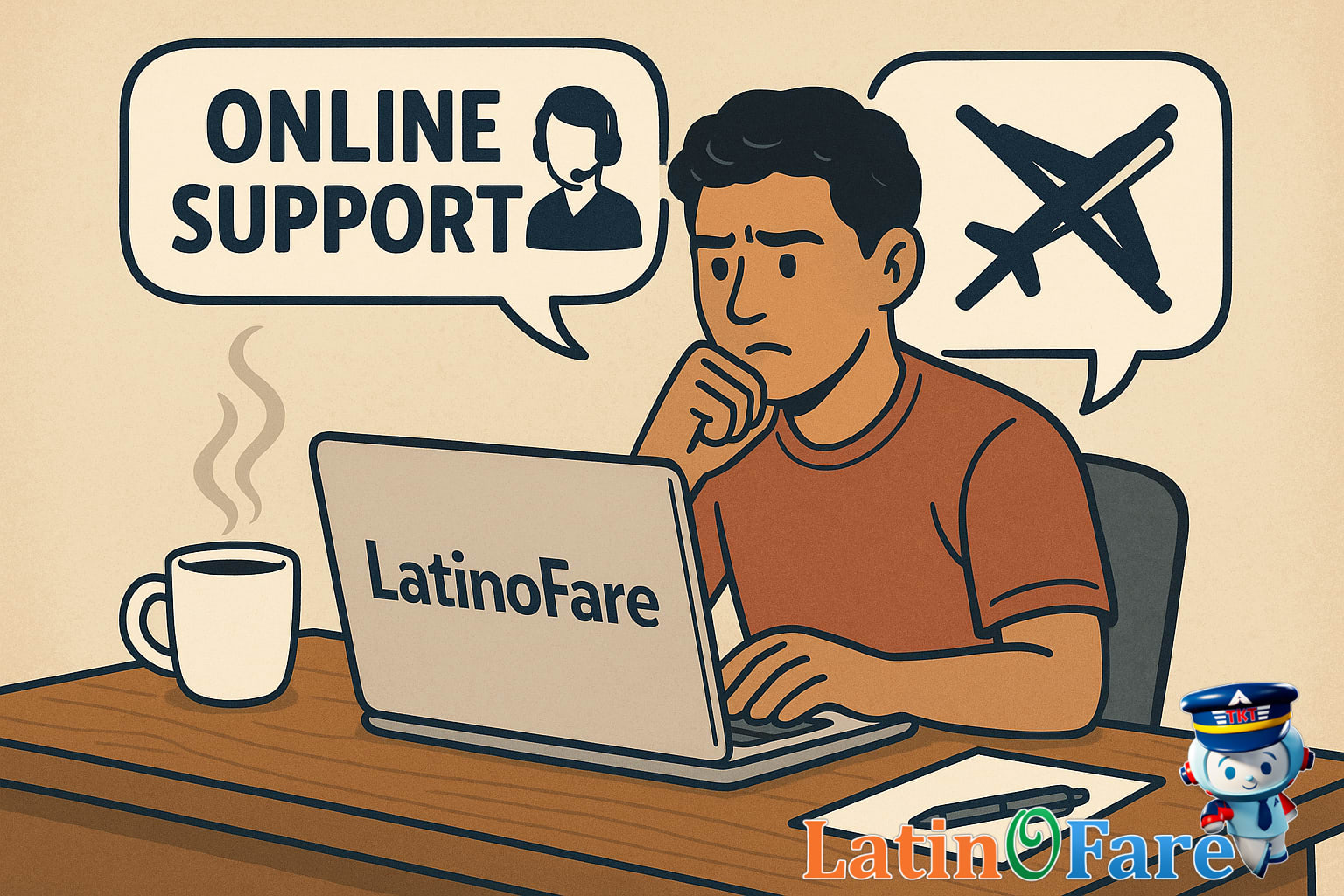
Flight delays, cancellations, or even denied boarding can happen to anyone, and having a responsive support team makes all the difference. If you run into trouble, you can reach latinofare.com support through live chat, phone, or email—whichever is fastest for your situation. I’ve personally used their live chat during a last-minute cancellation, and the agent quickly helped me understand my options and started looking for alternative flights right away.
Besides rebooking, their team can assist with official documentation for insurance or airline claims, which is a relief when you’re already stressed. I’d recommend keeping all your communication in one place and noting down your case or ticket number for easy follow-up. For urgent help, visit our support center for immediate assistance.
Baggage Rights and Compensation Explained

If your checked bag is lost, delayed, or damaged, you have rights under U.S. Department of Transportation (DOT) rules and most airline policies. The first thing you should do is report the issue at the airline’s baggage office before leaving the airport. You’ll need to fill out a written report, and it’s smart to request a copy for your records. I’ve found that having pre-trip photos of my suitcase and receipts for key items made my claim process much smoother—airlines often ask for proof of what was in your bag.
Airlines typically reimburse reasonable expenses for essentials like emergency clothing and toiletries if your bag is delayed. Be sure to keep all receipts for anything you buy while waiting for your luggage. Claim deadlines and documentation requirements vary, but most airlines require you to file a written claim within a few days. The DOT’s official site has clear rules on what airlines owe you, so it’s worth checking their latest guidance if you’re unsure.
For documentation, take photos of your bag (including unique features and the airline bag tag) before every trip. Also, keep receipts for anything valuable you pack. If you need more packing tips, review our full packing guide for more tips to help protect your belongings on future trips.
How to Make Effective Complaints

If your flight goes wrong, the first place to start is always the airline’s own complaint channels. Most airlines let you submit complaints online, by phone, or at their airport desk. In my experience, being persistent and organized with a complicated case is key—after a frustrating back-and-forth, I finally escalated my own complaint when the airline stopped responding.
Start by gathering all necessary documentation: boarding passes, receipts, correspondence, and any photos. Submit your complaint clearly and politely, and keep records of every interaction. If you don’t get a satisfactory response after a reasonable wait, or if your claim for reimbursement isn’t resolved, it’s time to escalate.
The U.S. Department of Transportation (DOT) is your next step for flights to, from, or within the U.S. You can file a formal complaint through the DOT Air Consumer Protection website. The DOT reviews cases and often prompts airlines to resolve issues faster. Most travelers see better results when they provide clear written evidence and a timeline of their efforts.
Sample Airline Compensation Budget Table
Airline compensation after disruptions usually covers only essential, out-of-pocket expenses—think of basics like hotel, meals, and transport, not your full vacation package. In my experience, I found it helpful to estimate my costs and compare to what was reimbursed, so I could set realistic expectations before making a claim.

| Budget | Mid-range | Luxury | |
|---|---|---|---|
| Accommodation | $60.00 | $120.00 | $250.00 |
| Food | $15.00 | $35.00 | $70.00 |
| Transport | $10.00 | $25.00 | $60.00 |
| Activities | $0.00 | $20.00 | $40.00 |
These figures reflect what airlines typically reimburse for basic needs. Compensation for activities is rare and usually only applies to prepaid, non-refundable events directly affected by the disruption.
Common Passenger Rights FAQs Answered
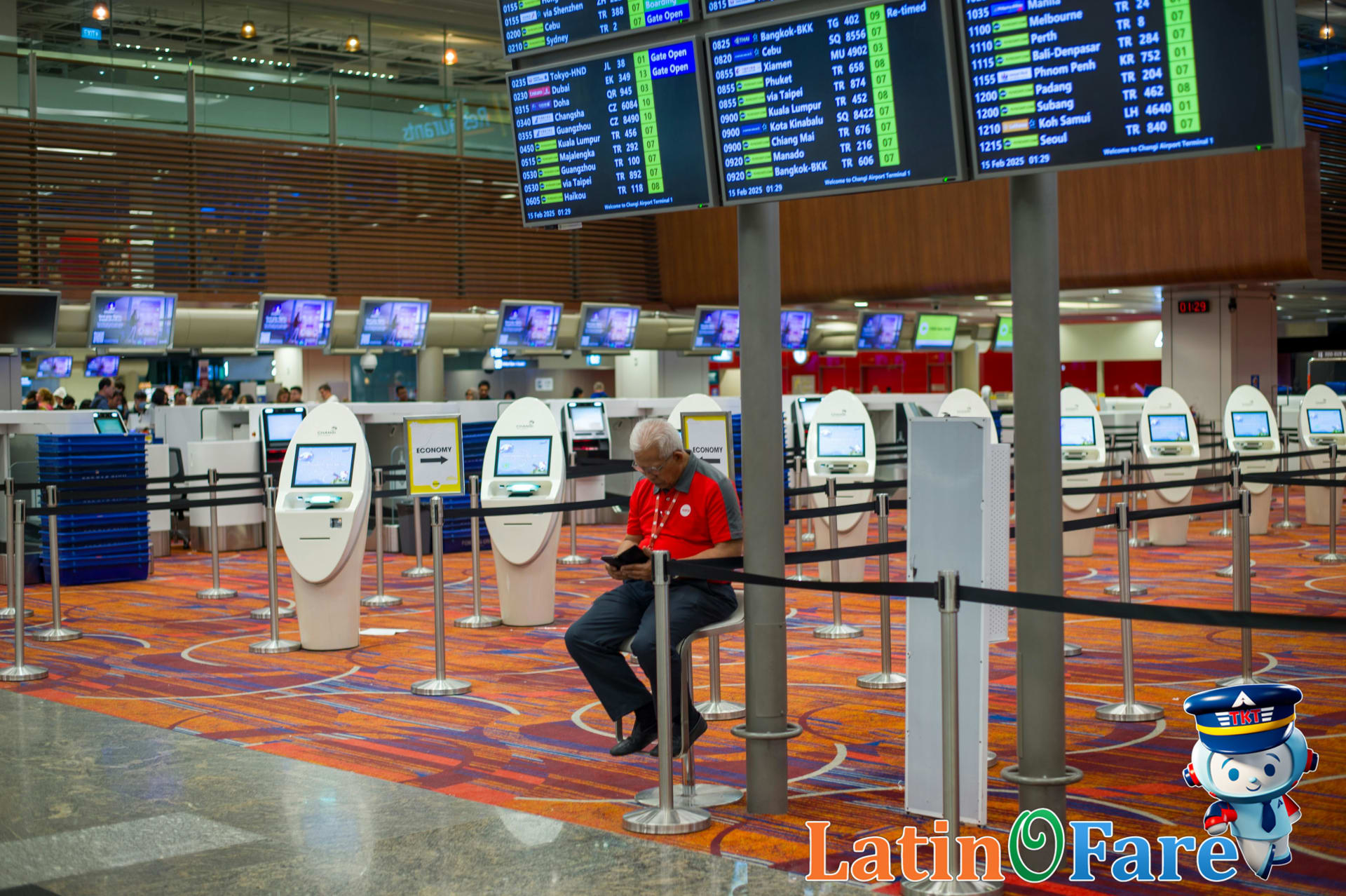
Over the years, I’ve fielded countless questions about what airlines really owe you in case of delays, cancellations, or lost bags. Here are the most common passenger rights FAQs I see, along with practical answers to help you navigate your next trip with less stress.
- What are my rights if my flight is delayed or canceled?
If your flight is significantly delayed or canceled, U.S. Department of Transportation (DOT) rules require airlines to provide a refund if you choose not to travel. Some airlines may also offer meal vouchers or hotel accommodations, but these extras aren’t always guaranteed. Always ask at the airport for your specific options.
- How do I claim compensation for a delayed or canceled flight?
To claim compensation, start by contacting your airline’s customer service, either at the airport or online. Provide your booking details and explain your situation. Keep boarding passes, receipts, and any written communication. If you’re not satisfied, you can file a complaint with the DOT for further review. Learn more about DOT policies in our extended guide.
- What documents do I need when filing a passenger rights claim?
You’ll typically need your ticket confirmation, boarding pass, government-issued ID, and any receipts for extra expenses. I recommend saving all emails or texts from the airline about your delay or cancellation. Having organized documentation speeds up the claims process and helps you make a stronger case if you escalate the issue.
- Are passenger rights different on international flights?
Yes, passenger rights can differ for international flights. Protections depend on the country of departure, airline’s home country, and where your ticket was purchased. For complex cases, I usually point travelers to the official DOT website or the relevant country’s aviation authority for the most accurate, up-to-date rules.
- What if my checked baggage is lost or delayed?
If your checked bag doesn’t arrive, report it to the airline’s baggage desk before leaving the airport. Airlines are typically required to reimburse reasonable expenses for essentials like toiletries or clothing. Keep all receipts and file a claim as soon as possible. Compensation limits and timelines will vary by airline and route.
- How can latinofare.com help with flight issues?
If you booked through latinofare.com, you can reach out to their customer support for help with rebooking, cancellations, or questions about your rights. They can guide you through airline processes or provide documentation for claims. Having a support team can make handling unexpected problems a bit easier.
- Do I need travel insurance to claim compensation for delays?
Travel insurance isn’t required to claim basic compensation for delays or cancellations, but it can cover additional costs like hotels or meals if your airline doesn’t provide them. I always check the policy details before buying, as coverage and exclusions vary between insurance providers and plans.
Final Takeaways for Air Travelers
To protect your rights as an air traveler, always review airline and Department of Transportation policies before your trip. Save all receipts, boarding passes, and correspondence in case you need to file a claim or request compensation. If issues arise, contact customer support promptly and escalate your case if you’re not getting results. I’ve found that knowing what I’m owed makes travel problems feel much less overwhelming.