
The Hidden Cost Of ATM Fees
I’ll never forget the first time ATM fees chipped away at my holiday budget—watching my cash shrink after every withdrawal was a real eye-opener. ATM fees are one of those hidden costs that quietly add up, especially when you’re traveling abroad and not paying close attention. It’s easy to focus on airfare and hotels while overlooking the small charges that sneak in when you need local currency.
What makes ATM fees so “hidden” is how they’re often revealed only at the last moment—right before you confirm a withdrawal. Sometimes, you’re in a rush or just relieved to see a working machine, so you tap “accept” without thinking twice. But those fees, which can be about $5.00 or more per transaction, can really eat into your daily spending money. In my experience, it’s one of the most common ways travelers lose track of their budget.
That’s why I always recommend checking the ATM’s fee disclosure screen before finalizing any transaction. It’s a small habit that can save you from unnecessary charges over the course of your trip. At latinofare.com, the mission is to help travelers avoid these kinds of hidden expenses, whether it’s through smarter booking or practical money tips. For more advice on stretching your travel budget, I’d check out their blog homepage for the latest updates and strategies.
Why ATM Fees Add Up Fast
ATM withdrawals abroad can quietly drain your travel budget faster than you might expect. Here’s a breakdown of the main fees you’ll encounter:
- Local ATM/operator fee: Charged by the foreign bank or ATM owner, usually added per transaction.
- Home bank fee: Your own bank may tack on a foreign ATM usage fee, sometimes even for partner ATMs.
- Network surcharge: Some global ATM networks add a processing or conversion fee, especially if your card isn’t part of their group.
- Currency conversion fee: Many banks charge a percentage-based fee for converting your withdrawal into U.S. dollars.
Let’s say you withdraw cash three times during a week-long trip. If each withdrawal triggers about $5.00 in local fees, another $3.00 from your home bank, and a $2.00 network charge, that’s $10.00 per withdrawal—or $30.00 gone just for accessing your own money. I was honestly shocked when I added up my ATM fees after just one week abroad. Those “just a few dollars” here and there can snowball quickly, especially if you’re making multiple small withdrawals instead of planning ahead.
How To Check Overseas ATM Fees
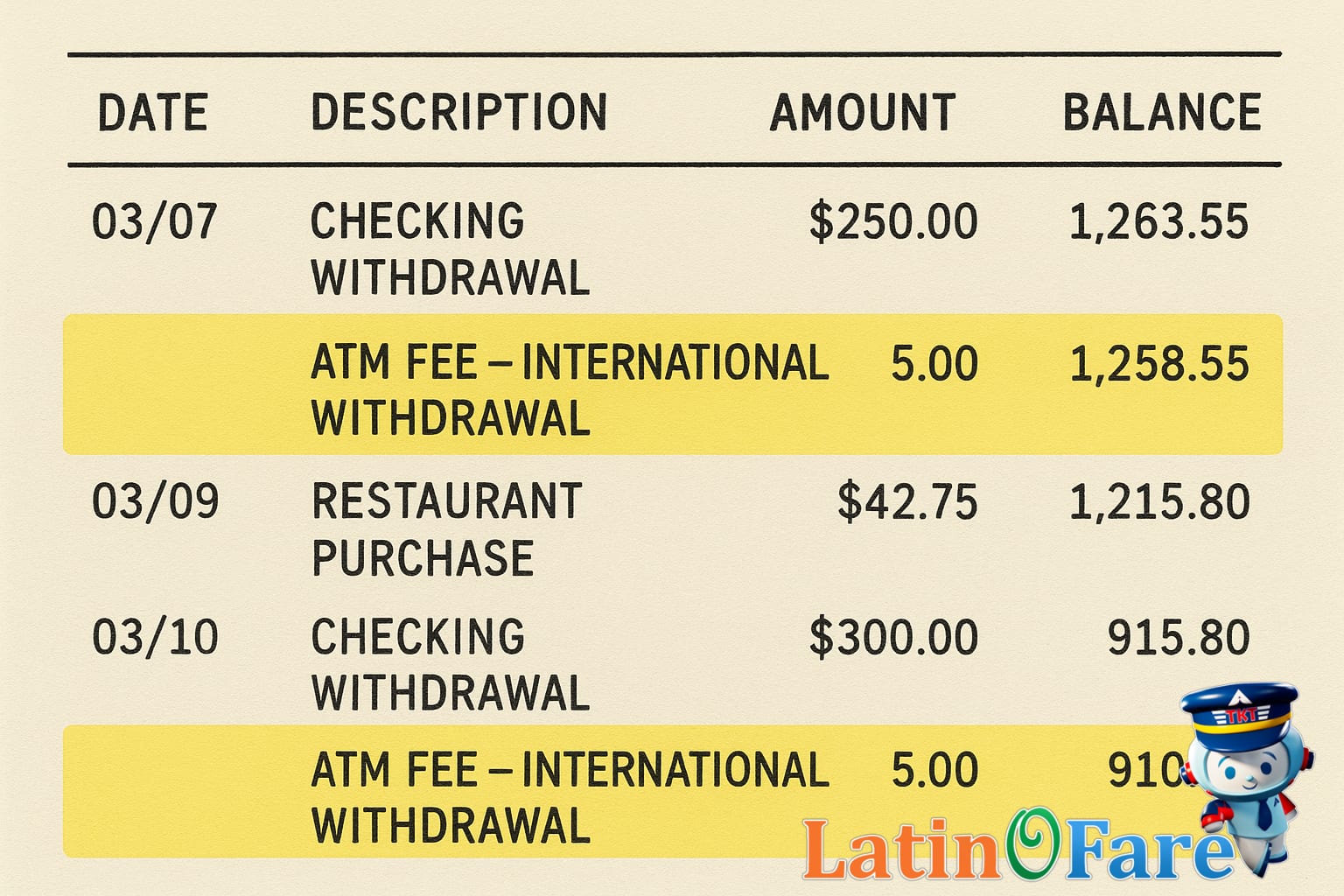
Before heading abroad, it’s smart to get clear on your bank’s overseas ATM and card fees. I learned the hard way on my first international trip—my bank charged about $5.00 per withdrawal, which definitely added up. Here’s how I’d suggest researching your own bank’s policies step-by-step:
Find Fee Details Online
Start by logging into your online banking portal or app. Look for sections labeled “Account Services,” “ATM Locations,” or “Fee Schedule.” Most banks post detailed tables showing international ATM withdrawal fees, foreign transaction charges, and partner network information. If you’re not sure where to click, search for “international fees” in the app’s help section.
Read FAQs and Contact Support
Bank FAQ pages often explain which ATMs abroad are fee-free and what to expect in terms of currency conversion charges. If anything is unclear, call customer service and ask directly about costs for foreign transactions. I’ve found that a quick call can also reveal special offers or accounts that reduce these fees.
Set Up Travel Notices and Alerts
Many banks let you set a travel notice through your app or website, which helps prevent card blocks. While you’re there, enable notifications for international ATM withdrawals—this way, you’ll get an instant alert if any extra fee is charged. For more detailed advice on international banking prep, check out our latinofare.com guide to planning trips abroad.
For an example of how banks present these fees, see the Chase ATM & international fee policy page.
Use Fee-Free or Partner ATMs
One of the best ways to avoid unnecessary bank fees abroad is to use ATMs that are part of your bank’s global partner network or a fee-free alliance. Many major banks participate in networks like the Global ATM Alliance or Allpoint, allowing you to withdraw cash without extra charges at specific machines around the world. These partnerships can save you around $5.00 per withdrawal compared to non-partner ATMs.
Before traveling, I always check my bank’s official ATM locator—either on their website or through their mobile app—so I know exactly where to find partner or fee-free ATMs in my destination city. Most banks offer interactive maps or search tools that list locations and even provide directions. For example, Bank of America customers can look up Global ATM Alliance machines, while Allpoint has a dedicated app for finding participating ATMs worldwide.
To make things easier, I recommend downloading your bank’s ATM locator app before your trip. This way, you can quickly find the closest partner ATM as soon as you arrive, even if you don’t have reliable internet. For more destination-specific tips on saving money while traveling, check out the latinofare.com city guides for practical advice tailored to your location.
Choosing The Right Travel Cards
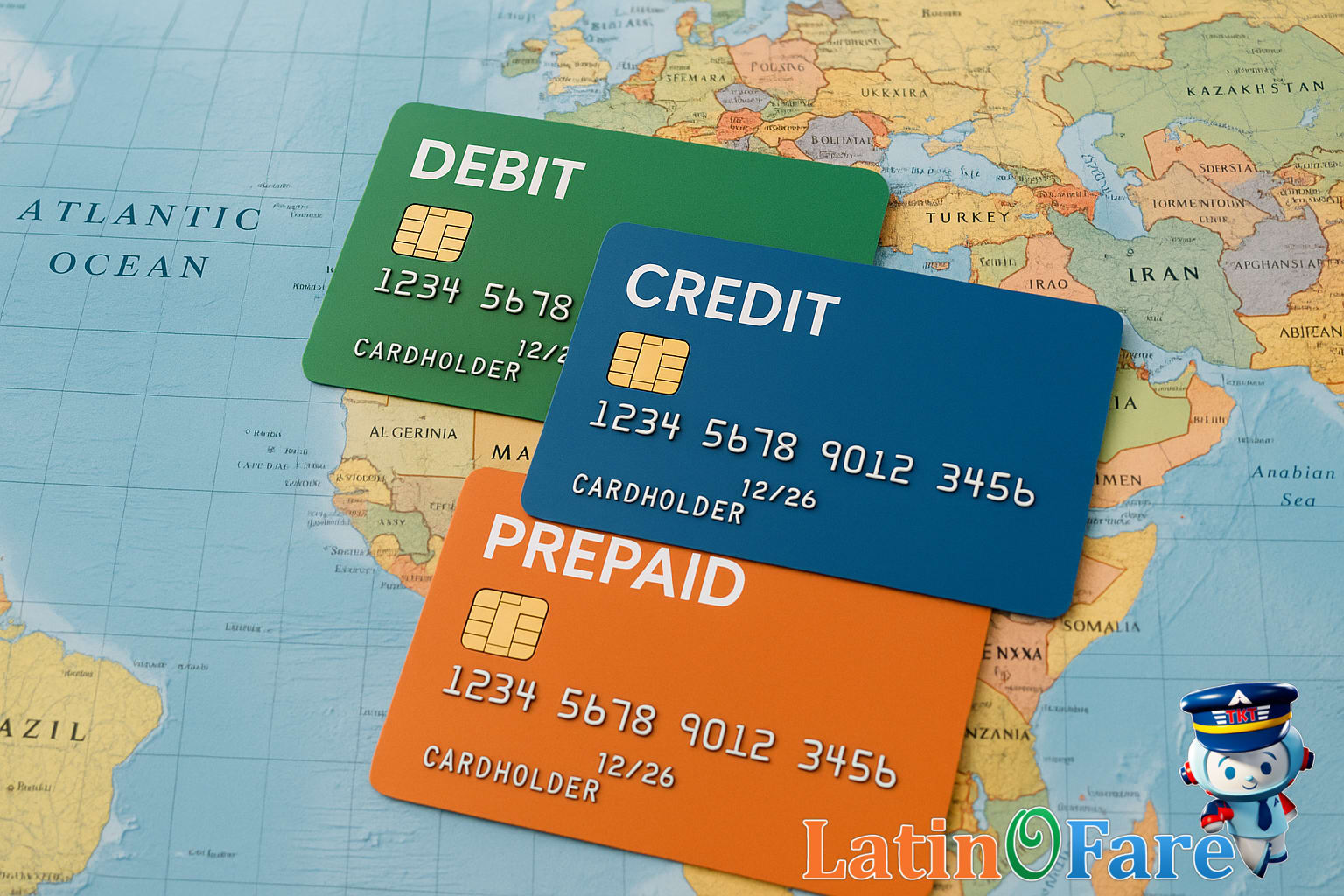
Picking the right travel card can save you money and stress at international ATMs. Here’s how debit, credit, and prepaid cards stack up for overseas use:
| Card Type | Typical ATM Fee | Withdrawal Limit | Perks & Drawbacks | Best Use-Case |
|---|---|---|---|---|
| Debit Card | About $5.00 per withdrawal | Around $300.00 daily | Direct from checking, but high foreign fees and sometimes blocked abroad | Everyday cash needs |
| Credit Card | About $10.00 per cash advance | Typically $500.00 daily | Higher fees, interest starts immediately, but good for emergencies | Backup for cash emergencies |
| Prepaid Card | About $3.00 per withdrawal | Usually $250.00 daily | Budget control, limited acceptance, reload fees possible | Fixed budgets or backup |
Card Issuer Policies Compared
Major issuers like Visa and Mastercard generally offer global acceptance, but fees and security vary by bank. I’ve found that some banks refund international ATM fees, while others charge extra for currency conversion. Always check your card’s travel policies on the issuer’s official site or consult a reputable source like NerdWallet’s card comparison tool before you go.
Security, Activation, and Backups
Set up PINs, enable transaction alerts, and notify your bank of travel dates to avoid blocks. If your card is lost or stolen, most issuers have 24/7 hotlines—store these numbers separately. After once forgetting a backup card and getting stuck with a blocked debit card in Spain, I now always carry a spare in a different bag.
For more on safe card use while traveling, check out latinofare.com’s travel safety tips. And for official information on card acceptance, see the Visa travel FAQ or Mastercard’s travel benefits page.
Choosing Local ATMs Over Exchange Booths
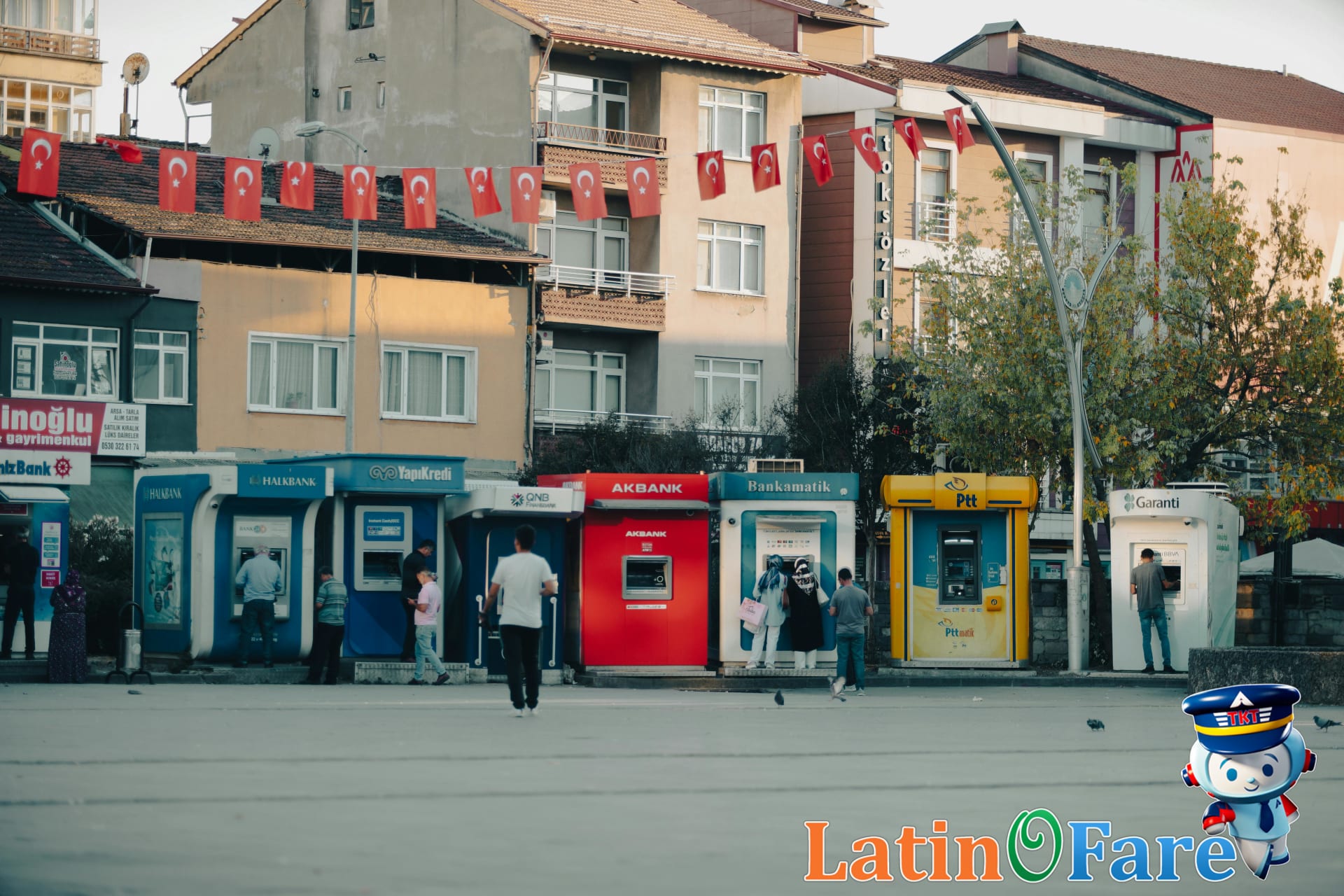
When you land in a new country, it’s tempting to use the airport currency exchange booth for quick cash. However, I’ve found that withdrawing local currency directly from a reputable bank ATM usually gives me a noticeably better exchange rate and lower overall fees. Exchange booths, especially at airports or tourist crossings, often charge extra commissions and offer less favorable rates than what you’ll get from your bank’s network.
To get the best value, look for ATMs inside or just outside major bank branches—these are typically well-lit, clearly branded, and located in secure areas. I avoid stand-alone machines in tourist zones, since they’re often run by independent operators who tack on high withdrawal fees and may use unfavorable conversion rates. A good rule is to stick with machines from well-known banks, ideally during business hours when staff are nearby if you need help.
If you want more details on finding trusted ATMs and reputable banks in specific destinations, see our Barcelona city guide for recommended banks and ATM locations. For broader advice on currency conversion fees and your rights abroad, the U.S. Consumer Financial Protection Bureau is a reliable resource.
Plan Withdrawals To Reduce Fees
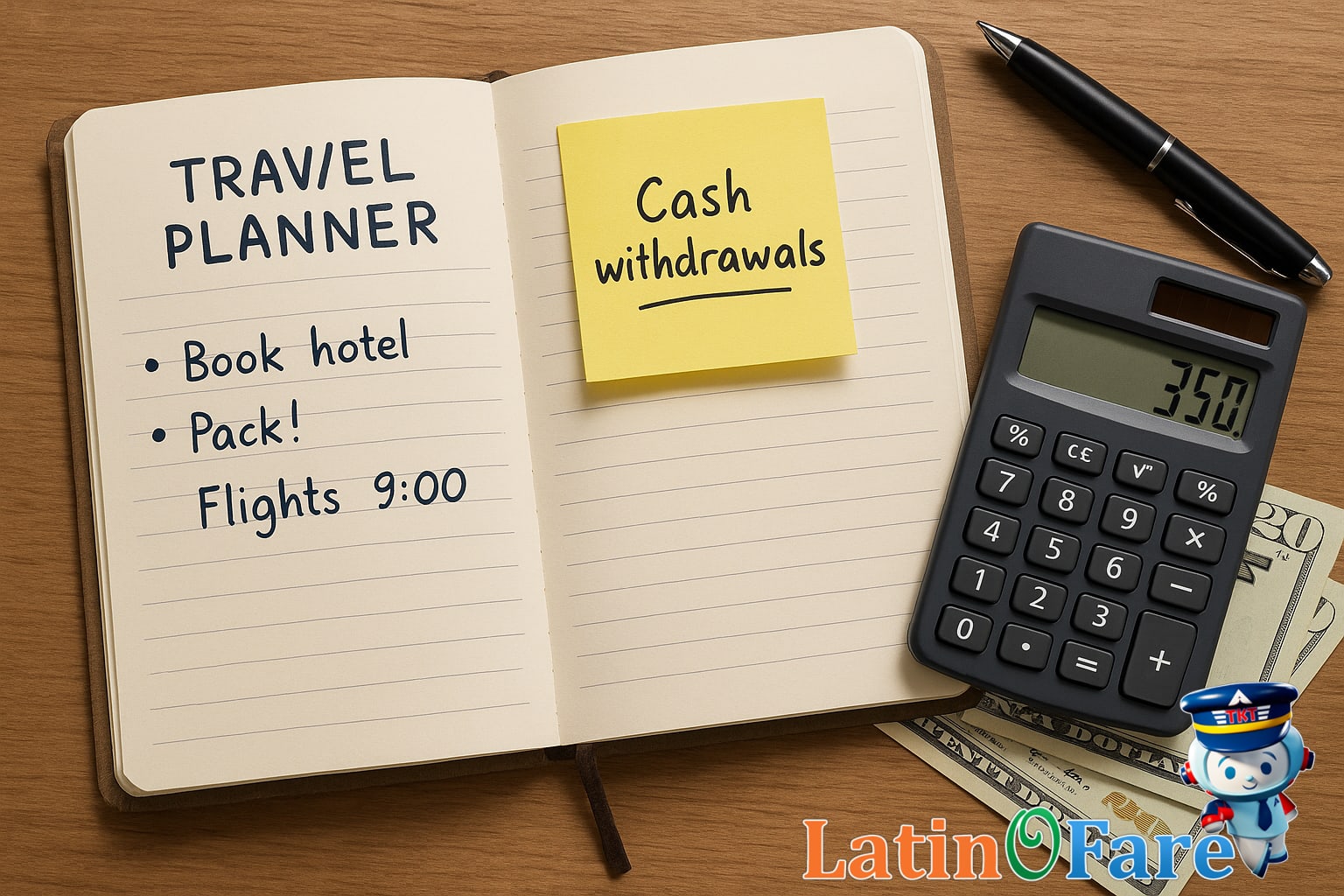
ATM fees can add up fast, especially if you’re making frequent, small withdrawals abroad. I’ve learned to estimate my cash needs for a week, then withdraw a larger amount at the start of my trip, which helps me avoid those last-minute, high-fee ATM runs. Before I leave my hotel, I think through my daily expenses—meals, transport, and a bit extra for surprises—so I’m not caught off guard.
Consolidating ATM withdrawals means you pay fewer transaction fees overall. It also gives you more control over your travel budget, since you’re not constantly dipping into your account. I always split my cash: some goes in a secure money belt, the rest in a locked bag back at my accommodation. My ATM card stays hidden until I need it, and I never carry all my cash at once.
If you want a deeper dive into travel money management, check out the comprehensive budgeting guide on latinofare.com—it’s packed with practical tips for every destination.
Safe And Secure ATM Practices
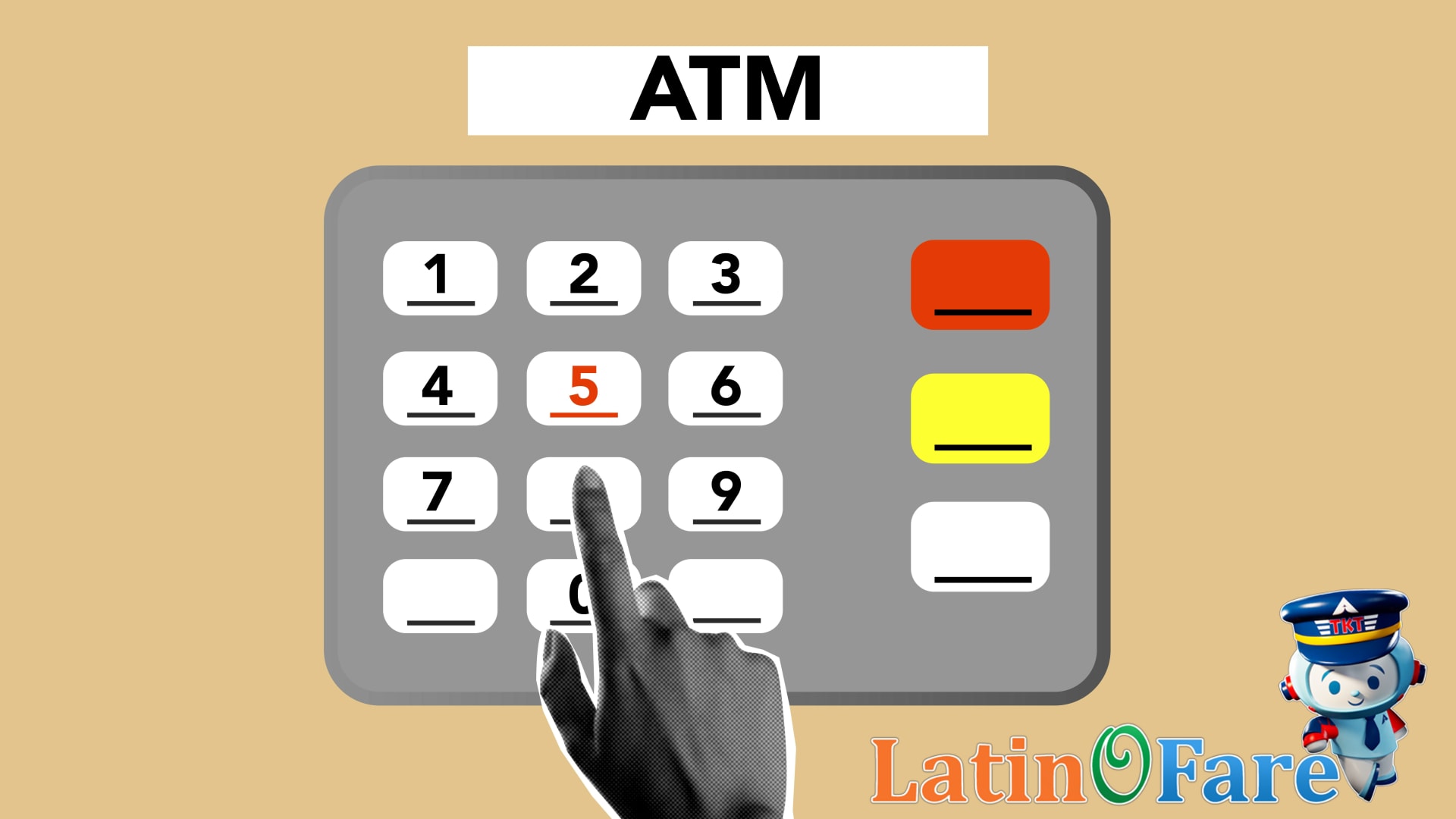
Staying vigilant when withdrawing cash abroad is just as important as saving on ATM fees. Here’s my go-to checklist for using ATMs safely in any country:
- Choose ATMs inside bank lobbies or well-lit, busy areas—never isolated spots.
- Cover the keypad with your hand while entering your PIN.
- Inspect the card slot and keypad for unusual attachments or loose parts (possible skimmers).
- Retrieve your card and cash promptly, and don’t let anyone distract you during the process.
- Shield your transaction from prying eyes and avoid help from strangers.
- Check your account activity regularly and report any issues to your bank immediately.
I never skip using indoor ATMs during daylight hours, especially in tourist-heavy destinations. This habit has kept my withdrawals stress-free and secure. If you want more tips on avoiding scams while traveling, I recommend reading our latinofare.com guide on travel safety.
Comparing Daily Costs With ATM Fees
ATM fees can quietly eat into your travel budget, especially if you’re making frequent small withdrawals. To see the impact, here’s a table comparing typical daily costs—including ATM fees—across three travel styles. I found that when I added up my own ATM charges from a past trip, the total made me rethink which bank card to use and how often to withdraw cash.
| Accommodation | Food | Transport | Activities | ATM Fees | |
|---|---|---|---|---|---|
| Budget | $30.00 | $15.00 | $8.00 | $10.00 | $6.00 |
| Mid-range | $80.00 | $30.00 | $18.00 | $30.00 | $8.00 |
| Luxury | $200.00 | $60.00 | $40.00 | $80.00 | $10.00 |
Even for budget travelers, ATM fees can add up to a few dollars per day—enough to cover an extra meal or museum ticket over a week. Choosing a bank that reimburses international ATM fees, or planning fewer, larger withdrawals, can shift your true daily cost. I recommend integrating ATM fees into your travel budget from the start, so you’re not caught off guard. For more help, check out the budgeting tools and guides at latinofare.com to plan smarter for your next trip.
Frequently Asked ATM Fee Questions
- What is the best way to avoid ATM fees abroad?
The most effective way to avoid ATM fees abroad is to use ATMs operated by your bank’s global partners. Many large U.S. banks have international alliances that waive fees for withdrawals, so check your bank’s website or app before your trip to find participating banks.
- Can I use my U.S. debit card at a foreign ATM?
Most U.S. debit cards work at international ATMs displaying Visa, Mastercard, Cirrus, or Plus logos. However, you may face foreign transaction fees or out-of-network charges. I always notify my bank of my travel dates to avoid any card blocks or unexpected issues while abroad.
- Are credit cards a better choice for withdrawing money than ATMs?
Using a credit card for cash advances at ATMs typically involves higher fees and immediate interest charges. Debit cards are usually more affordable for cash withdrawals. If you must use a credit card, check your card’s cash advance rate and consider it a last resort for emergencies only.
- How can I find fee-free ATMs when traveling?
To locate fee-free ATMs, use your bank’s ATM locator tool or try the Visa and Mastercard global ATM locator websites. Some banks also have mobile apps with ATM maps. Plan ahead by searching for partner ATMs near your hotel or major tourist areas before you leave.
- Does my bank refund ATM fees overseas?
Certain U.S. banks and online banks reimburse international ATM fees, but many do not. Check your account terms or contact your bank directly to confirm their policy. If your bank offers refunds, keep all ATM receipts to make the reimbursement process easier when you return home.
- What should I do if my card is swallowed by an ATM abroad?
If an ATM keeps your card, stay calm and note the bank name, location, and time. Contact your bank immediately using the number on their website or app. If the ATM is inside a bank branch, ask staff for assistance. Always carry a backup card as a precaution.
- Are ATM fees abroad higher at airports and hotels?
ATMs at airports, hotels, and tourist hotspots often charge higher fees and may have less favorable exchange rates. Whenever possible, use ATMs at reputable local banks in city centers. I usually avoid airport ATMs unless it’s an emergency or I have no other options available.
Stretch Your Travel Budget Farther
Minimizing ATM fees may seem like a small detail, but it can make a real difference in how far your travel budget goes. Reviewing bank and ATM fee policies before each trip, and making smart withdrawal choices, means more of your money stays in your pocket. I still remember being able to splurge on a special local meal in Lisbon—something I could do because I wasn’t losing extra cash to surprise ATM charges.
Don’t forget: fee structures and partner networks change, so it’s worth checking your bank’s terms every year before you travel. The less you spend on unnecessary fees, the more you’ll have for the experiences that matter. For more ways to stretch your travel budget, check out flight deals and travel tips on the latinofare.com homepage and blog.