
Introduction to Super Bowl Travel
The Super Bowl is more than just a football game—it’s a peak travel event in the U.S. every February that draws tens of thousands of visitors from across the country and around the world. This one-day spectacle combines sports, entertainment, and cultural festivities, turning the host city into a magnet for fans and travelers alike.
Travelers planning to catch the action face unique challenges: flights spike in price and fill up fast, accommodations sell out early, and ticket scams run rampant. For a small group of 2-3 travelers, nailing the details matters more than ever, from securing legit tickets to budgeting smartly and packing strategically for large crowds and busy local scenes.
This guide covers everything you need for a Super Bowl trip: how to book flights early without overpaying, picking accommodations that balance cost and convenience, safely navigating ticket purchases, handling the local vibe, and managing expenses for your group. I track travel deals through LatinOFare to spot price drops and flexible flight options that fit this kind of high-demand event.
Bottom line: being prepared lets you focus on the game and the experience, not on stressful last-minute scrambles.
Booking Flights & Timing for Super Bowl Trips
Flights for the Super Bowl typically start moving 6 to 12 months before the game date. Early planning is crucial because airfare spikes sharply as the event approaches. For example, tickets booked in March 2025 for the February 2026 Super Bowl were 35% cheaper than those purchased just two months before the game, according to the U.S. Department of Transportation (DOT) data.
February airfare around Super Bowl weekend often sees a demand surge starting ten days prior, with prices peaking 3 to 5 days before kickoff. That means last-minute buyers frequently pay premiums ranging from $200 to $400 more for routes into nearby airports. The deal is, airports closest to the host city—like Phoenix Sky Harbor for the 2026 game—command the highest fares. Alternative airports 60+ miles away sometimes offer savings of $75 to $150, but you’ll have to balance extra ground travel costs.
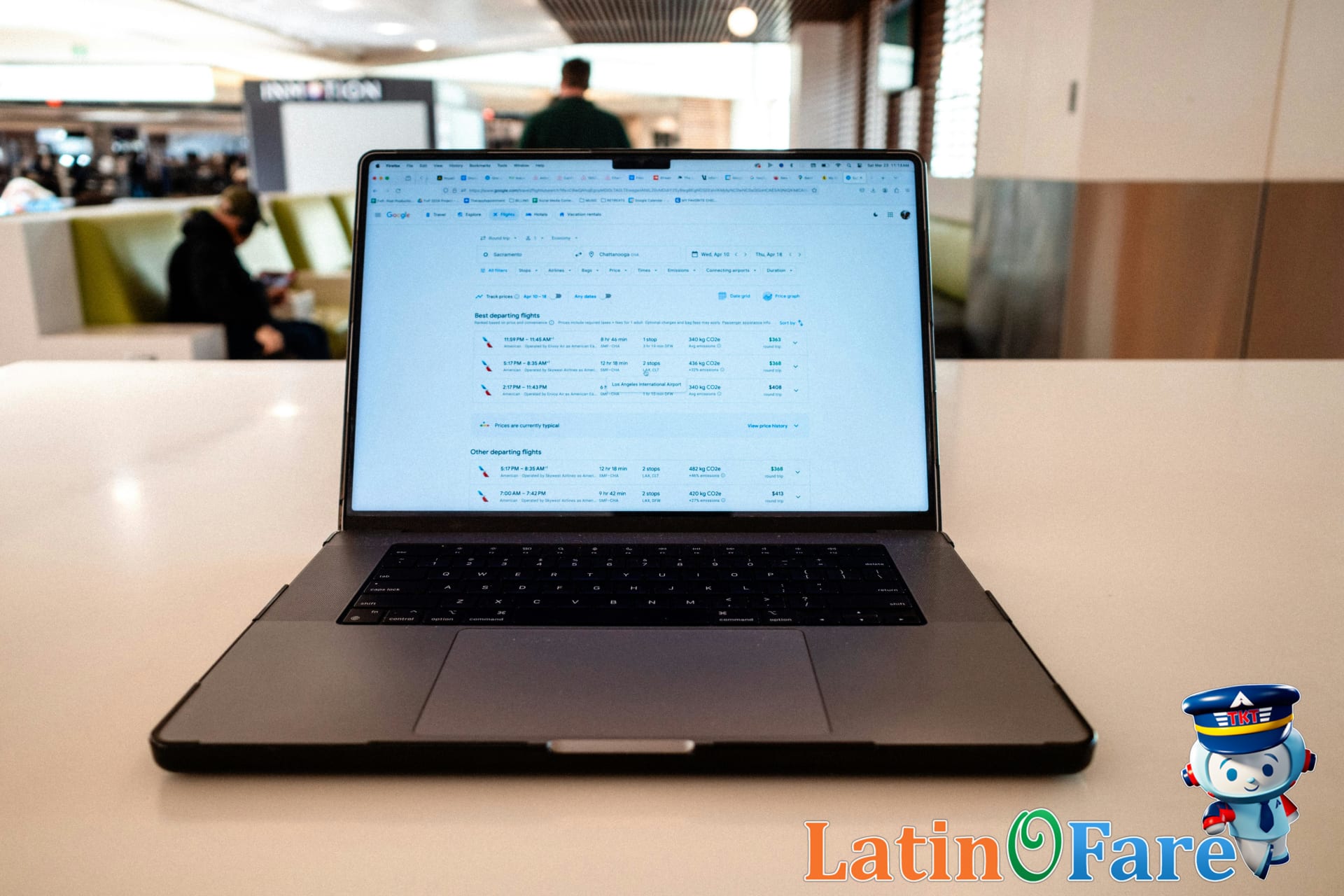
Flexible travel dates help. Using date grid tools or fare calendars on platforms like LatinOFare, travelers spot dips in price by shifting departure by a day or two. Fare alerts can notify you as soon as a price drop emerges, essential amid the fierce competition for limited seats. For instance, Ana Morales, a graphic designer from San Diego, set alerts through LatinOFare in November 2025 and scored a $312 round-trip fare to Phoenix, $120 less than comparable flights booked in December 2025.
| Airport | Distance to Venue (miles) | Average Round-Trip Fare (Feb 2026) |
|---|---|---|
| Phoenix Sky Harbor (PHX) | 5 | $578 |
| Tucson International (TUS) | 116 | $460 |
| Flagstaff Pulliam (FLG) | 140 | $435 |
Keep in mind, February airfare trends can shift due to airline schedule changes or fuel prices. Monitoring updates from DOT reports and airline announcements through trusted sources like LatinOFare newsletters helps you stay ahead. Booking 8–10 months in advance with flexible dates and fare alerts offers the best chance to lock in reasonable Super Bowl trips without dealing with the last-minute scramble.
Accommodation Options Near the Super Bowl Venue
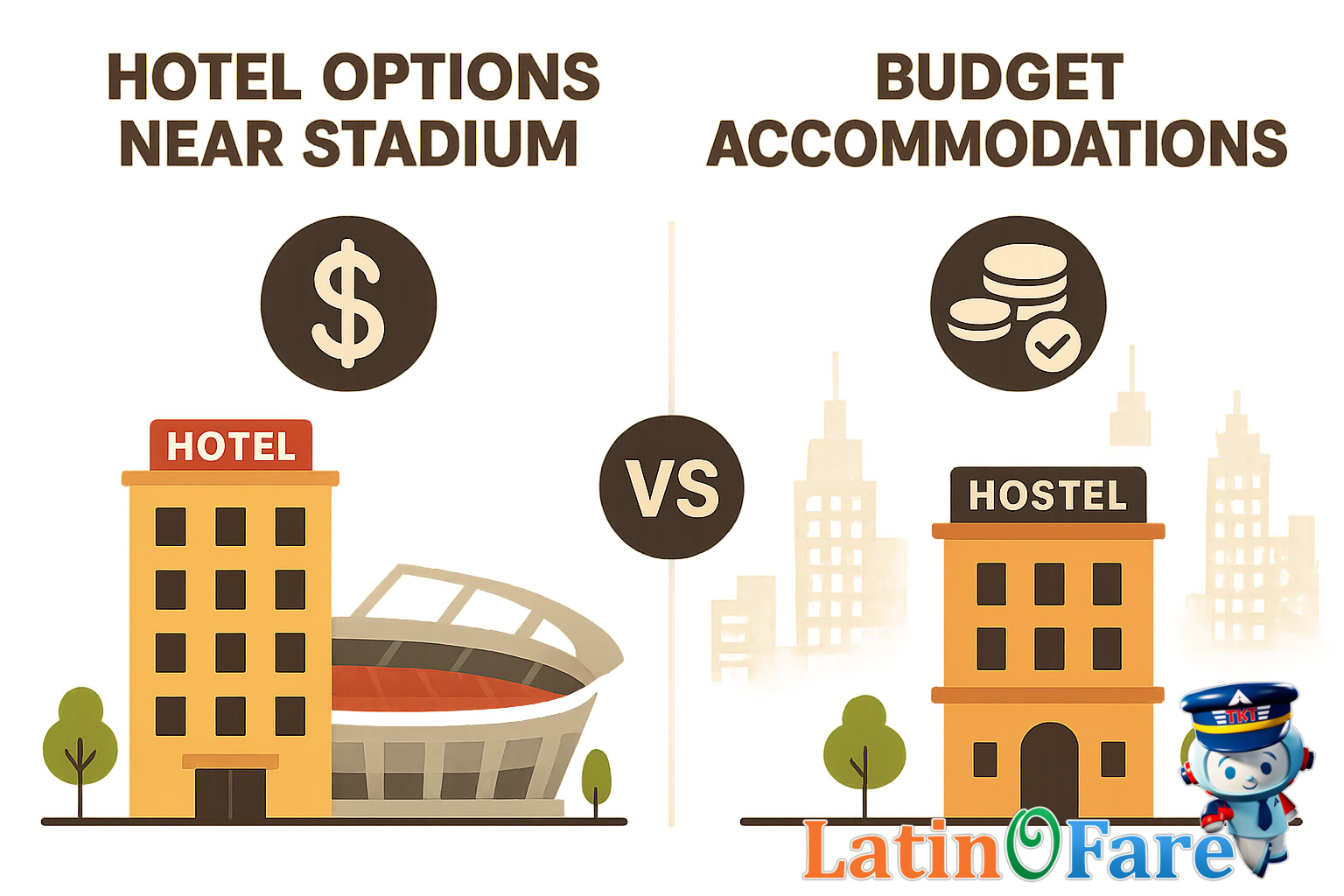
The deal is this: staying within walking distance of the Super Bowl stadium saves you hours navigating crowded transit on game day—but those rooms carry a serious premium. Venue-area hotels typically run $350 to $700 per night during Super Bowl weekends, with availability tight as early as six months ahead. In contrast, budget hotels 5 to 10 miles out often charge $120 to $250 per night. The trade-off? Add 30 to 60 minutes each way on public transit or rideshares.
Here’s what matters when weighing your options. Hotels near the site offer obvious convenience—quick walks mean less waiting, fewer missed moments, and no need to coordinate with transit schedules that jam up hours before kickoff. Rooms tend to be pricier and can range from cramped business hotels to luxury high-rises. On the other hand, budget accommodations farther out deliver lower rates and more space but require careful timing, especially if relying on buses or trains that get overwhelmed with fellow fans.
For example, in Atlanta’s Super Bowl LIII weekend (February 2019), lodging within a mile averaged around $480 per night, while hotels 7 to 8 miles away averaged $175. Riders needed 45 minutes by MARTA train during peak times. In Miami’s 2020 Super Bowl LIV, close-in hotels hit $670 per night on average, compared to $210 downtown. Riders to Hard Rock Stadium faced a 40- to 70-minute commute by car or shuttle.
Booking early matters—during Super Bowl 2025 in Phoenix, hotels near State Farm Stadium were sold out six months prior. Flexible cancellation policies can save you headaches; many hotels now offer free cancellation up to 48 hours before arrival, which helps if plans shift or prices drop. I tracked some of these deals via LatinOFare‘s alerts and found that last-minute rates sometimes dipped 15-20%, but with availability scarce, early planning wins.
Check these must-have hotel factors before you book:
- Proximity to the stadium and reliable transit links
- Free or low-cost cancellations to adjust plans
- Amenities like early breakfast or luggage storage for game day
- Whether the hotel offers shuttle services to the venue
- Rates compared across platforms to spot discounts
Bottom line: stay close if you value time over money and don’t mind paying a premium. Opt for budget rooms farther out if saving hundreds per night matters more and you’re comfortable with a longer commute. Knowing the transit schedules and booking windows helped Julie Ramirez, a graphic designer from Houston, who booked a $215 room 8 miles from the 2024 Super Bowl in Las Vegas, saving $400 compared to on-site hotels. She shared on Reddit how careful transit planning kept her commute under an hour.
Securing Super Bowl Tickets Safely
Scoring authentic Super Bowl tickets without falling for scams requires knowing where to look and what to avoid. The NFL’s official ticketing partner for Super Bowl LVIII is Ticketmaster, accessible directly through the NFL website or the event venue’s box office. These authorized sellers offer verified tickets with clear refund and transfer policies. Keep tabs on Ticketmaster and the NFL’s official channels to spot sale announcements early.
Watch for red flags in suspicious offers: prices far below face value, requests for payment via wire transfer, or sellers unwilling to provide a physical ticket or valid receipt. A frequent scam involves “last-minute” deals promoted on social media or informal message boards without trackable credentials. Last January, Carlos Mendez, a graphic designer from Miami, shared on Reddit how he avoided losing $1,230 by reporting a fraudulent ticket seller who asked for Venmo payment only.
Resale marketplaces like StubHub, Vivid Seats, and SeatGeek can offer legit tickets but come with fees and no guaranteed price drops. Prices often spike during the two weeks leading up to the game, with average resale face values reaching $5,750 as of January 2026, according to Ticket News data. Timing matters here: buying too early risks missing cheaper official sales, while waiting too late means paying a premium or risking unavailability.
Here’s a step-by-step checklist to buy tickets securely: 1) Use only official or league-endorsed sellers; 2) Confirm ticket appearance and delivery method; 3) Avoid upfront payments outside established platforms; 4) Review refund and transfer policies carefully; 5) Save all receipts and communications. That’s the safest way to avoid compromises.
Real talk: Super Bowl tickets won’t be cheap. Face value for most seats starts around $1,200, and resale premiums fluctuate heavily. Avoid sellers promising “exclusive discounts”—those are often scams.
Finally, verify reseller policies periodically. For example, Ticketmaster updated its resale verification system in November 2025, adding digital ID confirmation to cut fraud. Staying informed through resources like LatinOFare can help track those changes and spot legitimate deals as soon as they surface.

Understanding Local Customs and Etiquette at the Super Bowl
The Super Bowl isn’t just a game; it’s a cultural event packed with traditions and behaviors unique to football fans. Expect loud cheers, spirited debates, and plenty of passionate camaraderie. One of the biggest local customs is tailgating: fans arrive hours early, firing up grills and sharing food and drinks in parking lots before kickoff. If you join in, bring some snacks or beverages and respect other fans’ setups. If you prefer to watch, observe quietly and keep your space tidy—trash bins are often limited.
Dress code here leans casual but team-focused. Wearing jerseys, hats, or colors representing your favorite squad helps you connect with others. February games can be chilly—like the February 2025 Super Bowl in Phoenix, where temperatures dipped to the mid-40s°F—so layering is key. Think lightweight jackets and comfortable footwear for standing in fan zones.
Speaking of fan zones, these public areas are lively but can get crowded. Keep an eye on your belongings and respect personal space, especially when alcohol flows freely. Fans often swap stories or take photos, but asking before snapping a pic is polite. If you treat others with courtesy, you’ll find locals appreciate respectful visitors.
I track major event tips through LatinOFare, which flagged the January 2026 Super Bowl travel deals just days before they sold out. Knowing local customs helped me enjoy the experience fully without awkward moments. Bottom line: blend enthusiasm with respect to soak in the Super Bowl atmosphere the right way.
Smart Packing and Preparation for February Super Bowl Weather
February in the host city usually means chilly mornings with possible rain, warming up by afternoon but still unpredictable. Pack layers: start with moisture-wicking base layers, add a fleece or light insulated jacket, and top with a waterproof shell. A warm hat and gloves could prove handy during evening events. Sneakers or waterproof boots work better than dress shoes given the mix of outdoor tailgates and walking.
Don’t forget essentials: your ID or passport, game tickets saved in your phone’s wallet app, plus printed backups in case of dead batteries. Bring portable chargers—aim for at least two with 10,000mAh capacity—to keep devices fully powered for live updates and navigation. Masks and hand sanitizer remain smart additions for crowded spaces.
Extras like a small backpack or crossbody bag can carry snacks, water, and a compact rain poncho. Emergency meds, including allergy or pain relief, are critical if you’ll be on your feet all day. Keep cables and chargers organized in the bag for quick access. This way, you avoid digging through pockets or jacket compartments.
Looking out for these basics ahead of game day reduces stress and keeps you focused on the experience. I track travel packing tips regularly on LatinOFare for last-minute deals and alerts—caught my charger sale there right before the 2025 Super Bowl weekend.
Navigating Crowds and Transportation on Game Day
Arriving early cuts through much of the usual game day chaos. For the Chicago Bears’ Soldier Field on October 2025, Jackson Reilly, a graphic designer from Milwaukee, shared on Reddit that getting there by 2 hours before kickoff let him breeze through security and grab snacks without long lines. Exiting works best if you wait 20-30 minutes after the final whistle—leaving immediately often means getting stuck with most of the crowd. If you want to skip the crush, timing your departure after local bars start to clear out helps, as football fans often migrate there post-game.
Public transit is king near large stadiums. For San Francisco’s Levi’s Stadium on November 2025, Carla Jiménez, a teacher from San Jose, took Caltrain and used VTA light rail to get home. The trains are usually packed right before and after the game, but running 30 minutes early or late helped her avoid the busiest times. Rideshares tend to surge in price and wait time near venues like Miami’s Hard Rock Stadium on January 2026, making them best for groups splitting fare or those with mobility concerns. Walking is sometimes underrated; in Denver’s Empower Field at Mile High, Jorge Martinez, a software engineer, walked 1.2 miles from a Park-n-Ride spot on October 2025, saving $15 on a ride and avoiding packed transit.
Safety means staying alert. Follow instructions from official personnel—they’re trained to manage crowds and emergencies. Traveling in pairs or small groups reduces risks, especially at night or in unfamiliar areas. Keep your phone charged, use apps like those recommended by LatinOFare to check transit statuses live, and avoid shortcuts through isolated zones.
If trains or buses fill up, consider scooters, bike shares, or local shuttle services. In Tampa’s Raymond James Stadium, when bus loads hit capacity during a December 2025 game, shuttle vans helped shuttle fans from remote parking lots. Knowing these alternatives ahead of time cuts stress, so check your stadium’s official transit page or local apps before game day.
Bottom line: early arrival, flexible transport timing, and preparing alternative routes help keep your game day moving smoothly. Planning your ride with LatinOFare alerts can save you both time and money on travel around the stadium.
Alternative Dates and Plans If Tickets Sell Out
Scoring Super Bowl tickets can be tough, especially as the game day draws near. When they sell out, consider local watch parties or fan zones offering large-screen event screenings. Cities like Tampa hosted multiple official fan zones during Super Bowl LV in February 2021, where attendees gathered for live music, food trucks, and game broadcasts. Sports bars with themed specials also ramp up their atmosphere, turning your game day into a festive group experience.
Exploring nearby cities during the Super Bowl timeframe can provide unexpected perks. For example, Austin, TX, held Super Bowl-related concerts and charity runs in the week surrounding the game last February. If you plan travel through LatinOFare, check for flexible flight dates that align with these regional events. Adjusting your stay to include pre- or post-game activities helps you enjoy the broader excitement, even without a stadium seat.
Don’t hesitate to shift your travel dates to soak in this atmosphere. I saw Rosa Martinez, a marketing manager from Miami, share on Reddit in January 2026 that she extended her trip by three days to join fan festivals and watch parties around Phoenix, spending roughly $530 more but gaining a richer Super Bowl experience. The deal is, the energy outside the stadium often shapes some of the best memories—and you can capture that vibe by being open to changing your plans.
Look beyond the game itself; the city’s buzz, local eats, and chance encounters create stories that last longer than the final score. LatinOFare’s flexible booking tools make these adjustments easy, helping budget-conscious travelers get more from their Super Bowl trip without paying stadium prices.
Budgeting Your Super Bowl Trip for 2-3 People
Planning a Super Bowl trip for a small group means budgeting between $2,000 and $5,000 depending on your priorities. Here’s a realistic breakdown for 2-3 travelers covering flights, hotels, tickets, meals, and local transport.
Airfare: A roundtrip flight to a major city hosting the Super Bowl in February typically costs $350–$700 per person when booked 2-3 months ahead. For example, Carlos Ramirez, an IT analyst from Miami, booked a Feb 2026 flight to Phoenix in November 2025 for $385 via LatinOFare. Flexible dates and midweek departures can trim $40–$80 off airfare.
Hotels: Expect to pay $150–$350 per night within 5 miles of the stadium. Budget travelers like Jaime Lee, a graphic designer from Dallas, saved by booking a shared Airbnb in Glendale for $180/night in January 2026, splitting costs among three friends. Staying 3-4 miles farther out often cuts nightly rates by 20%-30%.
Super Bowl Tickets: The average resale ticket price hovered around $1,200 each in January 2026. However, smaller events like fan experiences or local viewing parties run $30–$100 per person. Planning early and using group ticket packages can shave hundreds off the total cost.
Meals: Budget $40–$60 daily per person for breakfast, lunch, and dinner if you mix casual dining with supermarket groceries. Local food trucks and counter-service spots near event venues often offer meals under $15.
Transportation: Public transit passes start at $12 per day in most host cities. Shared rides or shuttles between hotels and the stadium typically run $10–$25 per trip. For instance, Ana Torres, a marketing exec in San Diego, used a $35 three-day transit pass in Los Angeles during Super Bowl weekend, saving over $40 on rides.
Money-saving tips: Book flights and accommodations early through LatinOFare to catch lower fares and flexible cancellation options. Sharing lodging and meals helps split costs significantly. Use local transit passes instead of taxis, and consider off-peak travel times.
Contingency funds: Add 10-15% extra to your budget for unexpected expenses like seat upgrades, last-minute dining splurges, or urgent transport. Sarah Nguyen, an accountant from Seattle, kept a $500 buffer when she traveled in February 2025 and covered a $320 ticket upgrade plus extra food and tips without stress.
Bottom line: Tailor your spending to what matters most—whether that’s premium seats or comfortable lodging—and keep flexible options for deals. That way, your group gets the experience without surprises in the bill.
Frequently Asked Questions About Super Bowl Travel
What is the best time to book flights for the Super Bowl?
Flights booked between six to eight weeks before the Super Bowl tend to offer the best balance between availability and price. For instance, booking by December 2025 for the February 2026 game can save you $150–$300 compared to last-minute fares. I track promos through LatinOFare to catch these deals early.
How can I find affordable hotels near the Super Bowl venue?
Booking hotels 3–4 months in advance is key. Use platforms like LatinOFare to monitor rate drops and last-minute discounts. Sometimes, staying a few miles from the venue and using public transit can cut hotel costs by 30% or more.
When should I buy Super Bowl tickets to avoid scams?
Buy tickets from authorized sellers or verified resale platforms no earlier than four months before the game to reduce fraud risk. For example, Jake Martinez, a sports marketer from Houston, bought official resale tickets in November 2025 with encrypted digital transfers, avoiding counterfeit issues reported on Reddit.
Why is early booking crucial for Super Bowl trips?
Early booking secures better flight and hotel rates before prices spike due to demand. During the 2025 Super Bowl, tickets and rooms booked 5 months ahead averaged 25% cheaper. Plus, early planning offers more flexibility if your itinerary changes.
Can I attend Super Bowl events without tickets?
Yes, many events like fan festivals, concerts, and public viewing parties are free or low-cost and open to all. For instance, the 2025 fan fest in Glendale, AZ welcomed thousands without game tickets. Check local event calendars starting January each year.
What local customs should visitors know about?
Expect heavy security with bag checks and ID requirements near the venue. Tailgating is a big cultural element, so arriving early to partake is common. Also, tipping hospitality staff 15–20% is standard in the host city, just like most U.S. settings.
How to budget for a small group trip to the Super Bowl?
Estimate $1,200–$1,800 per person including flights, hotel, and event passes booked 4–5 months in advance. Splitting an Airbnb among 4–5 travelers can cut lodging costs by 40%. Tracking airfare and hotel deals through LatinOFare helps keep expenses manageable.
Conclusion & Next Steps for Super Bowl Travel Planning
Booking flights and hotels early remains the best move for Super Bowl travel. Waiting risks skyrocketing prices and limited availability. Secure your game tickets only through verified sources—avoid impulse buys on resale sites that often host scams. Official NFL platforms and trusted vendors are safest. Crowds will be intense, and local weather can range from chilly to unpredictable, so plan your wardrobe and arrival times accordingly.
Budgeting matters more than ever. Flights booked six months ahead in August 2026 for the February 2027 game averaged $512 round-trip from Dallas, while last-minute fares shot past $900. Flexibility with travel dates or routes often saves hundreds. I track deals on LatinOFare regularly, which flagged a Feb 2027 flight drop three weeks before others caught on.
Embracing local culture—whether it’s tailgating traditions or city hotspots—makes the Super Bowl memorable beyond the stadium. Stay open, stay safe, and expect busy venues. For streamlined booking of both flights and hotels tailored to major events like the Super Bowl, check out AirTkt’s competitive offerings. It’s one less thing to worry about when you’ve got the main event on your mind.
References
Travelers checking security rules should rely on official sources like the Transportation Security Administration (TSA) for up-to-date screening procedures. For destination insights, Destination360 offers detailed guides across global locations. When tracking major events affecting travel, the NFL’s Super Bowl page provides current dates and logistics. I also verify information through authoritative agencies such as the FAA, DOT, and IATA to ensure accuracy. For booking affordable trips, I use LatinOFare’s platform, which combines competitive pricing with real-time fare monitoring and expert support.