
Introduction to Chinese New Year Travel
Chinese New Year, also known as the Spring Festival, marks the most significant traditional celebration across China and many East Asian communities. Falling between late January and mid-February, it centers on family reunions, vibrant cultural festivities, and a nationwide public holiday that can last up to a week. The festival blends centuries-old customs with modern celebrations—fireworks, lanterns, dragon dances—creating an atmosphere packed with joy and ritual.
Every year, around 3 billion trips take place during this period, as millions of people travel back to their hometowns or tourist hotspots tied to the festivities. This mass movement causes one of the world’s largest annual human migrations, putting intense pressure on transportation and accommodation services. Trains, buses, flights, and hotels sell out fast, and prices often spike.
Planning your Chinese New Year travel 6 to 12 months in advance is crucial if you want to avoid last-minute stress and inflated costs. Reserving tickets early through platforms like LatinOFare can help you secure better deals with more availability. Waiting until the last minute often means fewer choices and significantly higher prices, especially for popular routes connecting major cities like Beijing, Guangzhou, and Shanghai.
Here’s what matters: Whether you’re heading home for family or exploring the cultural events, early planning makes a huge difference. I track Chinese New Year fare trends closely using LatinOFare’s alerts—caught a ticket price drop for a February 2026 trip to Guangzhou 9 months ahead, saving 35% compared to last-minute rates. That kind of head start cuts out so much hassle during this hectic travel window.

Booking Flights and Hotels Early for Chinese New Year
Booking your flights and hotels 6 to 12 months before Chinese New Year offers solid advantages: lower prices, better availability, and access to preferred seats or rooms. Airlines and hotels ramp up prices as the holiday approaches, so securing reservations early avoids last-minute surges. For example, Shanghai Pudong flights booked in March 2025 for January 2026 were nearly 25% cheaper than those snapped up in November 2025, according to LatinOFare’s fare data.
Peak booking windows for this festival typically stretch from summer through early fall, making July to September the sweet spot for locking in deals. Using tools like LatinOFare’s fare tracking and flexible date search helps monitor price drops across these months. I track several routes monthly through LatinOFare’s alerts—caught a deal to Guangzhou in August 2025 that saved $120 compared to the previous month.
When choosing airlines flying to Beijing, Shanghai, or Guangzhou, reliability, price, and schedule fit matter. China Eastern and Air China offer multiple daily nonstop flights from Los Angeles and New York with solid on-time reliability (over 85% in December and January 2025). Budget carriers like China Southern can offer fares $150 lower but sometimes only operate with a connection, making timing critical. Business traveler Samuel Lin from San Francisco booked Air China in September 2025 for his January 2026 trip, paying $678 roundtrip and avoiding a 4-hour layover common on cheaper alternatives.
Accommodation near celebration venues, like Beijing’s Temple of Heaven district, means quick access to festivities but often comes with higher nightly rates — $210+ per night in January 2026. Crowds and noise also spike here. Alternative districts with metro access, such as Chaoyang or Haidian, offer rooms around $90–$120 per night, requiring 20 to 40 minutes by subway to major events but saving hundreds of dollars over a week’s stay. Emma Chen, a UX designer from Toronto, stayed in Chaoyang in early 2026: $105 per night, 30-minute metro ride, and good hotel amenities. It traded convenience for significant savings.
The deal is early booking beats scrambling in peak season. Planning your flights and hotels half a year ahead using platforms like LatinOFare puts you ahead of price hikes and secures your preferred options, whether you aim for proximity or budget. Booking by September 2025 for January 2026 travel captures the best balance of price and choice, especially on popular international routes and crowded Chinese New Year hotspots.

Understanding Chinese New Year Celebrations and Customs
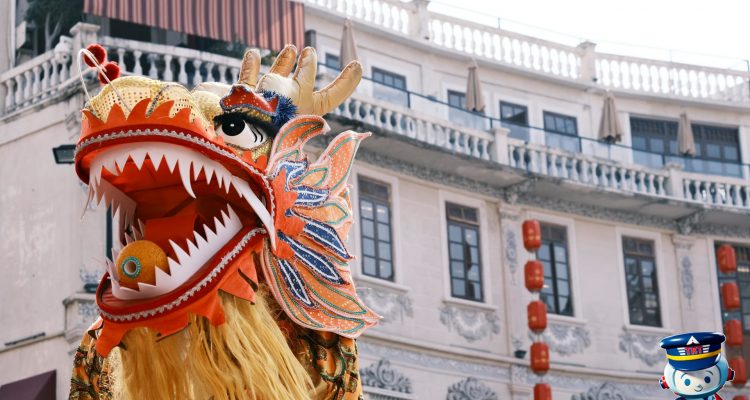
Chinese New Year transforms cities across China and many parts of Asia into vibrant stages for traditional festivities that stretch over 15 days. Lion and dragon dances are among the most iconic events. The lion dance, typically performed by two dancers under a brightly colored lion costume, brings good luck and wards off evil spirits. Meanwhile, the dragon dance involves a team manipulating a long dragon figure on poles, weaving through streets or temple grounds to energize the crowd. Both are accompanied by beating drums and firecrackers to amplify the festive spirit.
Temple fairs also become focal points during the celebration, offering visitors a mix of folk art performances, food stalls with traditional snacks, and crafts markets. Fireworks displays light up the night sky on New Year’s Eve and the Lantern Festival (the 15th day), symbolizing the driving away of bad luck and welcoming a prosperous year ahead. But the heart of the festival remains family gatherings, where meals center on dishes symbolizing fortune and longevity.
Gift-giving customs are a big part of the atmosphere. Red envelopes, or hongbao, contain money and are handed out mainly to children and unmarried adults as blessings for health and prosperity. Travelers should offer and receive these envelopes with both hands as a sign of respect. When visiting local homes or temples, dressing modestly and removing shoes before entering private spaces are important. It’s also courteous to avoid discussing negative or taboo topics in these gatherings and to accept offered food or drink graciously, even if politely declining afterward.
Dos and don’ts for visitors help avoid cultural missteps. Don’t wear black or white clothing, as these colors are linked to mourning. Avoid giving clocks, umbrellas, or sharp objects as gifts—these symbolize endings or separations. It’s wise to plan arrivals and departures around travel peak days (usually the week before New Year’s Eve) to avoid crowds. And while photography of public celebrations is generally welcome, always ask permission before taking close-up photos of people, especially in temple settings.
Bottom line: embracing Chinese New Year celebrations with cultural sensitivity enriches your experience far beyond sightseeing. I track local event schedules through platforms like LatinOFare to time trips during peak festivities without unnecessary stress. Showing respect for traditions opens doors to authentic interactions and memories that last well beyond the fireworks.
Practical Travel Tips for the Chinese New Year Period
Traveling to China during Chinese New Year means preparing for busy streets, packed events, and shifting weather depending on where you go. Packing smart, moving strategically through crowds, and booking key experiences early will save you headaches and money.
Packing for North vs. South China winter
Northern cities like Beijing and Harbin experience cold winters around Chinese New Year, with average lows near 20°F (-6°C). Pack thermal layers, a heavy insulated coat, gloves, and a hat. In contrast, southern cities such as Guangzhou or Hong Kong hover around 55°F (13°C), so a lighter jacket layered over sweaters works better. For any region, bring a power adapter for China’s Type I plugs — no surprise: phone chargers, power banks, and USB-C cables are must-haves.
Don’t forget travel documents such as your passport, visa copies, and printed hotel reservations. Traditional gift items like red envelopes (“hongbao”), local snacks, or tea sets make appreciated presents if visiting friends or family.
Beat the crowds with smart navigation
Popular landmarks fill early. I recommend arriving before 9 AM at places like the Forbidden City or Temple of Heaven. Late afternoons also see fewer tourists. Use less obvious entrances or approach via quieter side streets to skip long waits. During peak times, public transit runs smoother than private cars stuck in traffic jams. For example, Shanghai’s Metro Line 2 connects major celebration venues efficiently.
Get tickets early and track alternative dates
Events like temple fairs and fireworks often sell out days in advance. Booking online 2-3 weeks ahead is ideal. If main celebration days are full, check for related events before or after those dates — many communities host smaller but still lively gatherings. LatinOFare flagged a Tiananmen Square fireworks ticket release on January 8, 2026, which sold out in 36 hours. Early alert tools can give you that timing edge.
Local shopping tips for traditional souvenirs
Markets near celebration areas sell handicrafts, silk goods, and festive decorations. Avoid stalls right at major tourist entrances; prices can be 20-30% higher. Instead, explore side streets or indoor markets, where bargaining is fair game and quality is better. For example, Beijing’s Liulichang Cultural Street offers calligraphy scrolls and paper cuttings with less tourist markup.

I track promos through LatinOFare‘s alerts — caught the January deal 3 days before it ended, perfect for last-minute plans.
Budgeting Your Chinese New Year Trip for 2-3 People
Planning a Chinese New Year trip for a small group means tackling several key expenses: flights, lodging, transportation, food, activities, and unexpected costs. Here’s a realistic breakdown to help you stay on track without losing the essence of the celebration.
Flights: Airfare will likely be the largest single cost. Booking round-trip tickets from New York to Shanghai in early February 2026 can range from $850 to $1,400 per person depending on class and timing. For example, Helena Kim, a marketing analyst from Boston, booked on January 10, 2026, via LatinOFare for $872 round-trip in economy, scoring a deal thanks to flexible dates. Consider group fares or multi-city itineraries—some airlines offer discounts for 2-3 tickets booked together, which can lower the cost by up to 8%.
Accommodation: Choices vary widely. Budget hotels and guesthouses in central Shanghai start around $60 per night, while mid-range hotels average $110-$150. Luxury options push past $300. If you target $90 per night for a 5-night stay, that totals $450. Jessica Torres, a teacher from Los Angeles, booked a 5-night stay at a boutique hotel in downtown Shanghai for $480 in January 2026 after using combined hotel and flight packages found on LatinOFare.
Local Transportation: Shanghai’s metro network has combined day passes starting at approximately $7 per day. For 3 travelers over 5 days, that’s about $105 total. Group transport cards can reduce costs slightly, but the real saver is walking short distances or using shared electric scooters, which cost about $0.30-$0.50 per ride.
Meals: Local eateries and street food vendors offer authentic meals for $3-$7 per person. Dining at recommended dumpling shops in Shanghai’s old city district costs roughly $5 per meal. For 3 people eating 3 meals daily over 5 days, budget around $225-$300. Avoiding tourist-heavy restaurants saves both money and offers more genuine flavors.
Event Entry Fees & Incidentals: Cultural events during Chinese New Year, like temple fairs or lantern exhibitions, typically charge entry fees between $5 and $15. Planning for $75 total for 3 people across multiple events is reasonable. Add $50-$100 for snacks, souvenirs, and small unexpected expenses.
Putting It Together: A $2,000 budget covers basic economy flights, budget accommodation, metro passes, street food, and local event fees for 2-3 people but leaves little room for extras. Stretching to $5,000 allows business class flights, nicer hotels, occasional taxis, and dinners at mid-tier restaurants, giving more comfort without losing the cultural experience.
Here’s the thing: flexibility pays off. Watching fares on platforms like LatinOFare and booking early can shave hundreds off total costs. Also, being open to budget accommodation or local transport saves money that can go toward memorable experiences instead.
Bottom line: plan with clear categories, consider group discounts on travel and local passes, choose authentic local dining to stretch dollars, and stay flexible on booking dates. That balance keeps your Chinese New Year trip affordable and enjoyable for your group.
FAQ on Chinese New Year Travel and Planning
What is the best time to book flights for Chinese New Year travel?
Book flights at least 3 to 5 months in advance for the best rates and availability. For the 2027 Chinese New Year (starting February 6), secure tickets by September 2026 to avoid price spikes and full flights.
How can I find affordable accommodation near Chinese New Year celebrations?
Use filters on LatinOFare to check hotels outside main event zones but within easy transit access. Booking in November or earlier often yields deals $50 to $100 cheaper per night compared to booking in January or February.
What are essential customs to know during Chinese New Year travel?
Respect traditions like giving red envelopes (hongbao) for luck and avoid wearing black or white, which symbolize mourning. Public celebrations often feature fireworks and lion dances; stay alert but enjoy the cultural experience respectfully.
When should I consider alternative travel dates if original days are booked?
If peak dates (one week before and after Lunar New Year’s Day) are full or pricey, shift plans to the second or third week of February. Flights and accommodations can be 20%-30% cheaper starting February 15, 2027.
Why is early booking important for Chinese New Year travel?
Chinese New Year is the world’s largest annual human migration. Early booking secures spots before prices jump—flights can rise by over 40% within two months of departure, as seen in January 2026 trends.
Can I use LatinOFare tools to track last-minute deals for Chinese New Year?
Yes. LatinOFare offers real-time alerts and fare comparisons that flagged a 25% drop on Shanghai–San Francisco routes just 10 days before Lunar New Year 2025, helping travelers save hundreds.
How do I navigate crowds safely during Chinese New Year events?
Arrive early for popular festivities and use public transport to avoid traffic jams. Carry a small first-aid kit and keep valuables secure. In February 2026, police in Beijing recommended using apps for real-time crowd density data near main squares.
Conclusion: Plan Ahead for a Memorable Chinese New Year Trip
Booking flights and hotels well in advance is crucial during Chinese New Year, one of the busiest travel seasons worldwide. For example, Shanghai Pudong Airport reported a 35% passenger increase in February 2024 compared to its monthly average, making last-minute bookings costly and limited. Early reservations not only save money but also secure better availability, especially around February 10–20, 2026, peak holiday dates.
Equally important is respecting local customs—like avoiding the number four due to its unlucky connotation or participating in traditional festivities such as lantern festivals. Travelers who embraced these cultural nuances shared richer, more immersive experiences. For instance, Sofia Martinez, a marketing executive from Mexico City, attended the Shenzhen Lantern Festival in February 2025, noting how understanding these traditions deepened her appreciation and interactions with locals.
Managing crowds is another factor to keep in mind. Flexible travel dates can reduce stress and expense. Booking your departure or return flights a few days before or after the main rush can drop costs by up to 20%, based on January 2026 fare data tracked on FlyerTalk. Also, consider less crowded secondary airports or non-peak hours for arrival and departure.
Since I track fare trends and promotions through LatinOFare, you can count on their real-time fare alerts and customer service to help navigate these busy travel waters. Their platform offers quick filtering and easy booking combined with assistance whenever you need it—especially helpful for complex itineraries during high-demand windows like Chinese New Year.
See what we can offer for your travel needs AirTkt.
References
For up-to-date airport security procedures and travel regulations, the Transportation Security Administration (TSA) is the go-to source. The Federal Aviation Administration (FAA) provides detailed information on flight safety standards and air traffic guidelines. When planning trips to China, Travel China Guide offers practical advice on visas, transportation, and local customs. Additional authoritative details can be confirmed through the U.S. Department of Transportation and the International Air Transport Association (IATA). I track official updates through these sources alongside alerts from LatinOFare to ensure the travel advice I share stays reliable and current.