
Landing in Bogotá: First Impressions
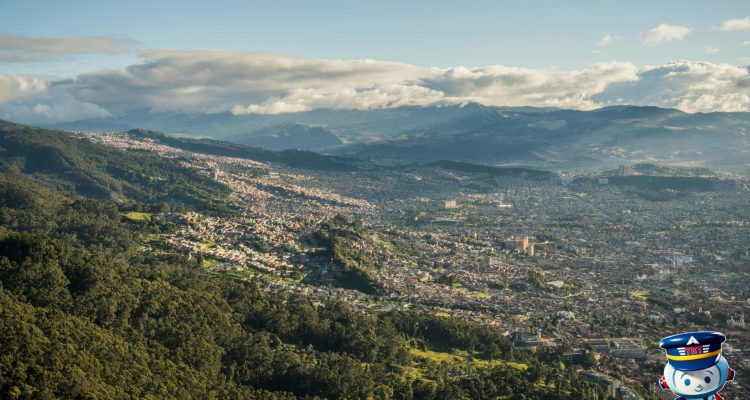
Clearing customs at El Dorado International Airport is the first real taste of Bogotá’s energy. Once you collect your bags and step into the arrivals hall, you’ll find a flurry of activity—currency exchange booths, taxi counters, and travelers connecting to airport Wi-Fi. I always like to take a moment to get my bearings before heading outside, especially since the mountain backdrop surprised me the moment I left the terminal. Bogotá sits high in the Andes, and you can feel the altitude and the city’s pulse right away.
When it comes to getting into the city, you’ve got a few solid options. Airport taxis are the most straightforward for newcomers. Official taxi stands are located just outside arrivals—look for the yellow cabs and ignore anyone offering rides inside. Fares are regulated, and you’ll pay about $12.00 to most central neighborhoods. It’s a safe and reliable choice, especially if you’re carrying luggage or arriving late at night.
If you’re feeling adventurous, TransMilenio is Bogotá’s rapid bus system. The stop is a short walk from the terminal, and it’s budget-friendly at about $1.00 per ride. However, it can get crowded, and navigating the routes takes some patience if you’re new to the city. Ride shares like Uber and DiDi are also available, though pickups are sometimes restricted to specific zones—check your app for exact instructions before you exit the terminal.
For cash, I usually recommend exchanging a small amount at the airport for taxis or snacks, since rates are slightly higher here than in the city. The airport Wi-Fi is reliable, so I always use it to arrange my first ride and double-check my hotel address before heading out. For the latest transport details, it’s worth checking the official airport website.
If you’re still planning your trip, don’t miss our guide on how to book affordable international flights for more tips.
Bogotá’s Neighborhoods and How To Navigate
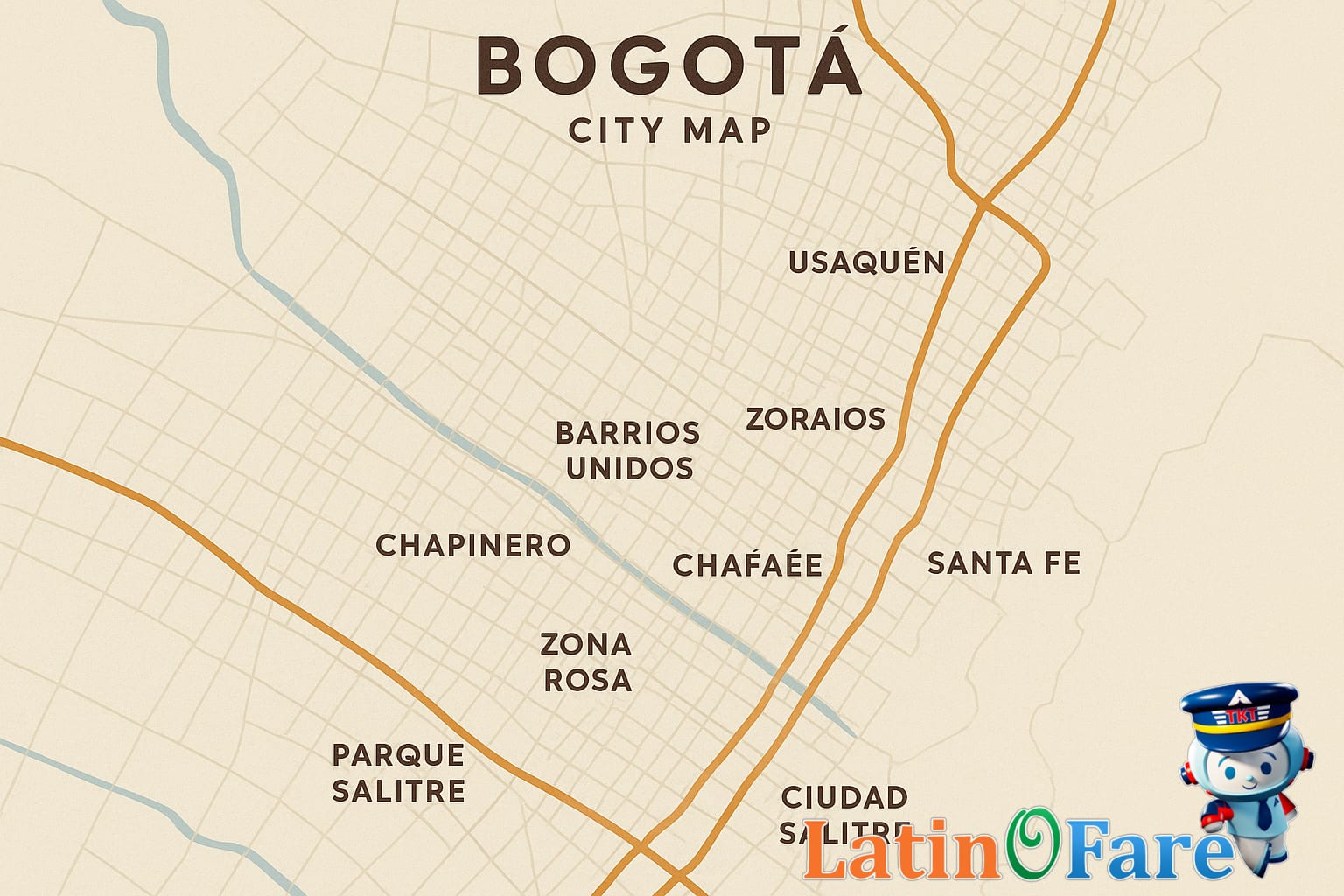
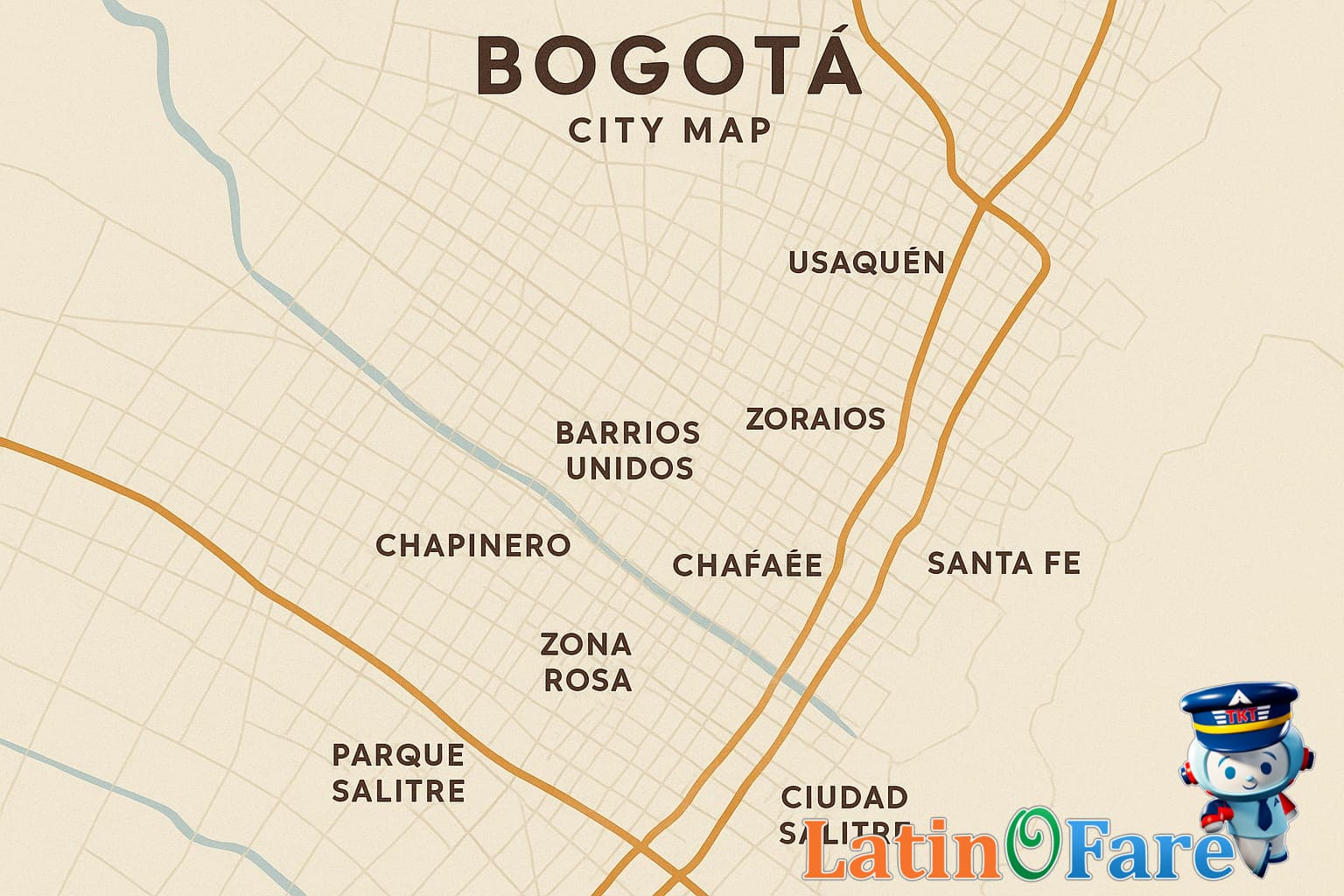
Bogotá is a city of contrasts, and where you stay can shape your entire experience. Here’s a quick breakdown of the city’s main neighborhoods for travelers:
La Candelaria District Guide
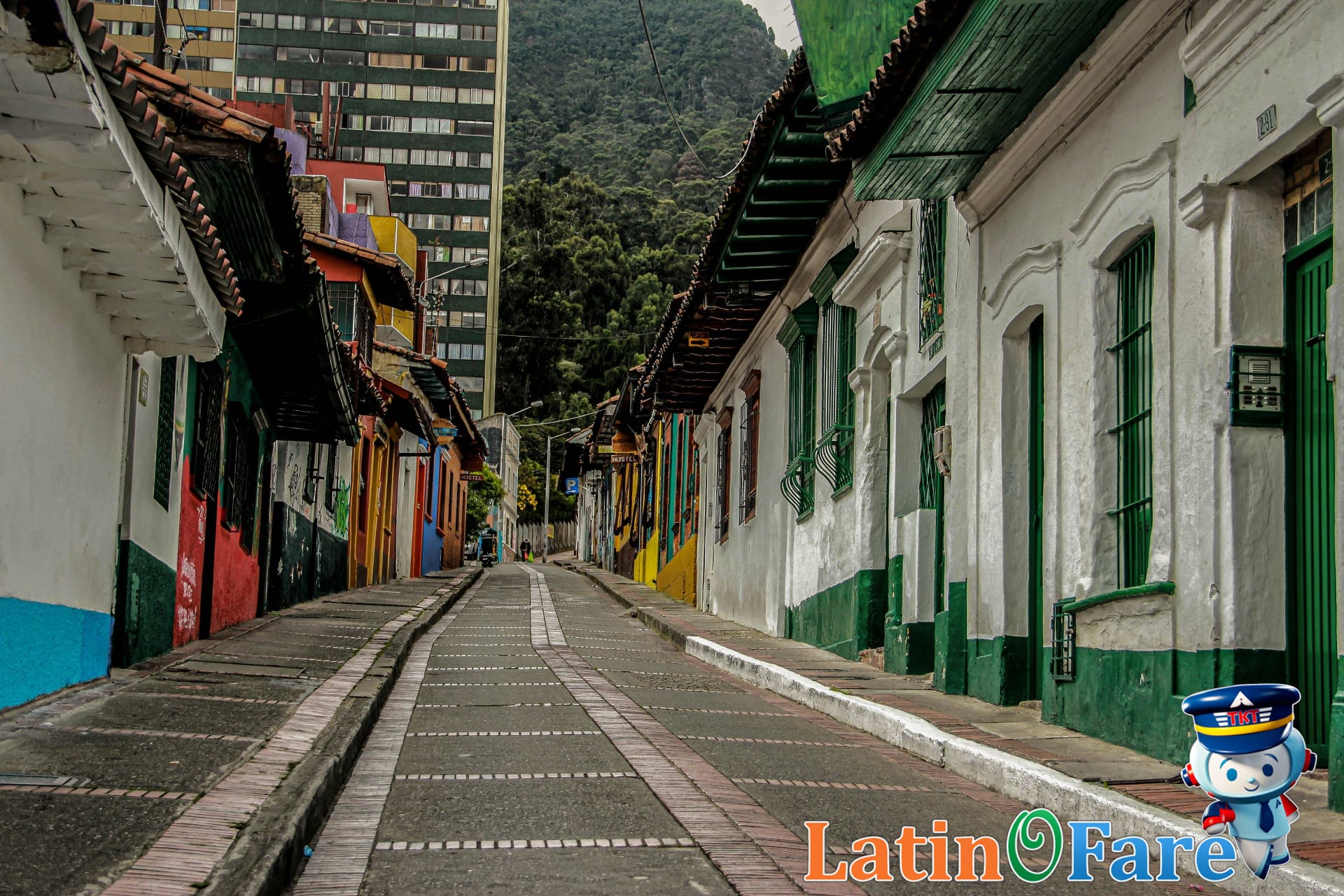
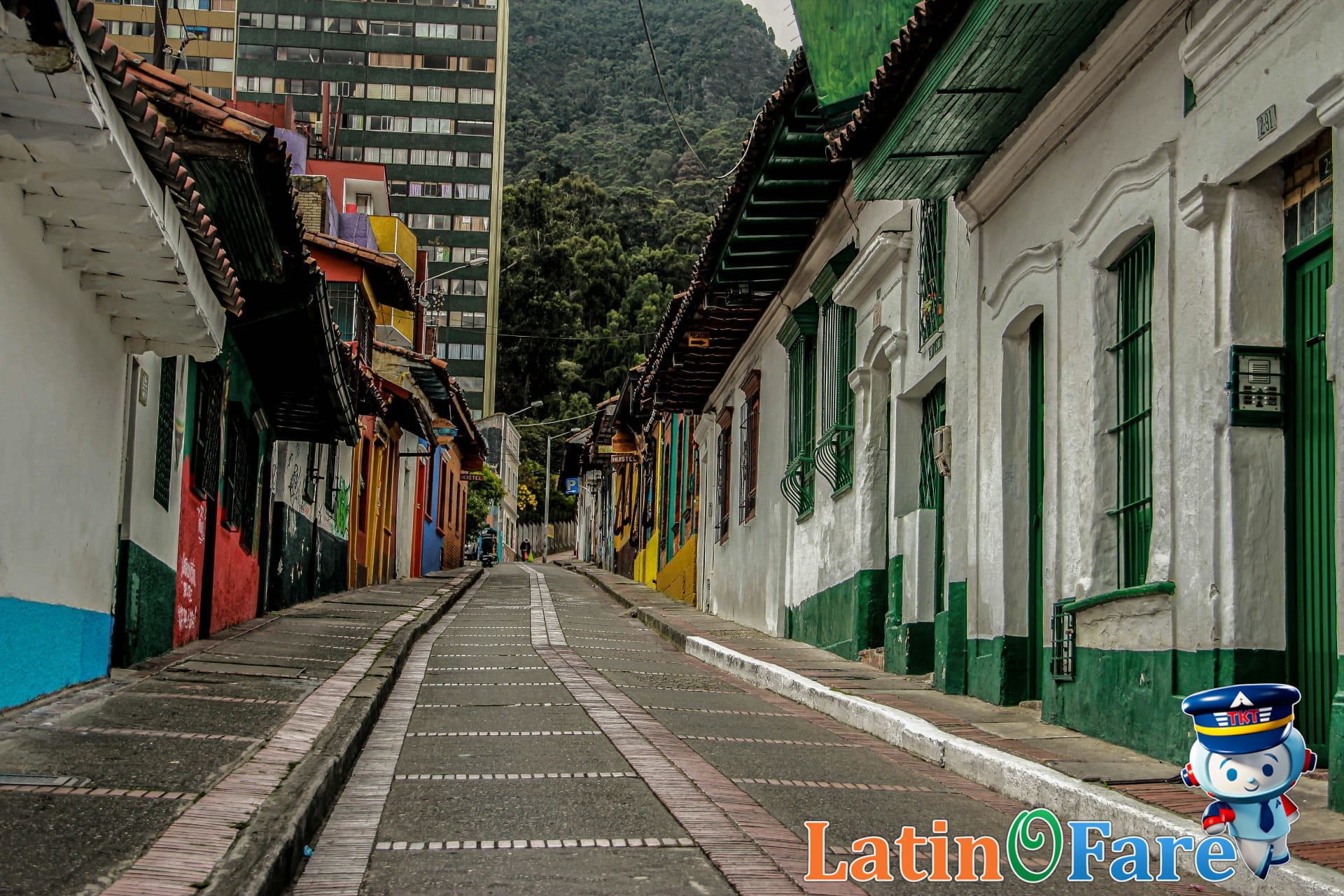
La Candelaria is Bogotá’s historic center, filled with colorful colonial buildings, museums, and cobblestone streets. It’s a favorite for first-timers and budget travelers, with plenty of hostels and affordable guesthouses. The area is walkable by day, but I’d recommend taking a taxi or rideshare at night as streets can get quiet after dark.
Zona Rosa and Nightlife
If you’re after shopping, dining, and nightlife, Zona Rosa is your spot. This district is more upscale, with modern hotels and a lively atmosphere. Prices are higher, but you’ll find international restaurants and clubs within walking distance. Safety is generally good, especially around the main entertainment areas.
Chapinero: Local Flavor and Access
Chapinero offers a blend of trendy cafés, LGBTQ+ friendly venues, and a youthful vibe thanks to its student population. I found that staying in Chapinero offered a great mix of local flavor and easy access to nightlife, without the premium prices of Zona Rosa. It’s also well-connected by public transit.
Usaquén: Quiet and Upscale
Usaquén is a little further north, known for its quieter, more residential feel and weekend flea markets. It’s a solid choice if you want boutique hotels or cozy B&Bs and don’t mind a commute to the city center. The area feels safe and is popular with families and couples looking for a slower pace.
Getting Around: TransMilenio and Buses
Bogotá’s main transit system is the TransMilenio, a rapid bus network running along dedicated lanes. It’s fast during rush hours, but stations can get crowded. To use TransMilenio or city buses, you’ll need a rechargeable “Tullave” fare card, which you can buy and top up at main stations. I usually pick one up on my first day to avoid fumbling for cash. For real-time routes and updates, the city’s official transit app or TransMilenio website is handy. Taxis and rideshares are widely available if you’re traveling late or prefer door-to-door service.
If you’re new to booking hotels in unfamiliar cities, it’s worth reviewing this guide on how to avoid booking mistakes in unfamiliar cities to help you choose the right neighborhood for your style and budget.
Bogotá’s Gold Museum: Can’t-Miss History
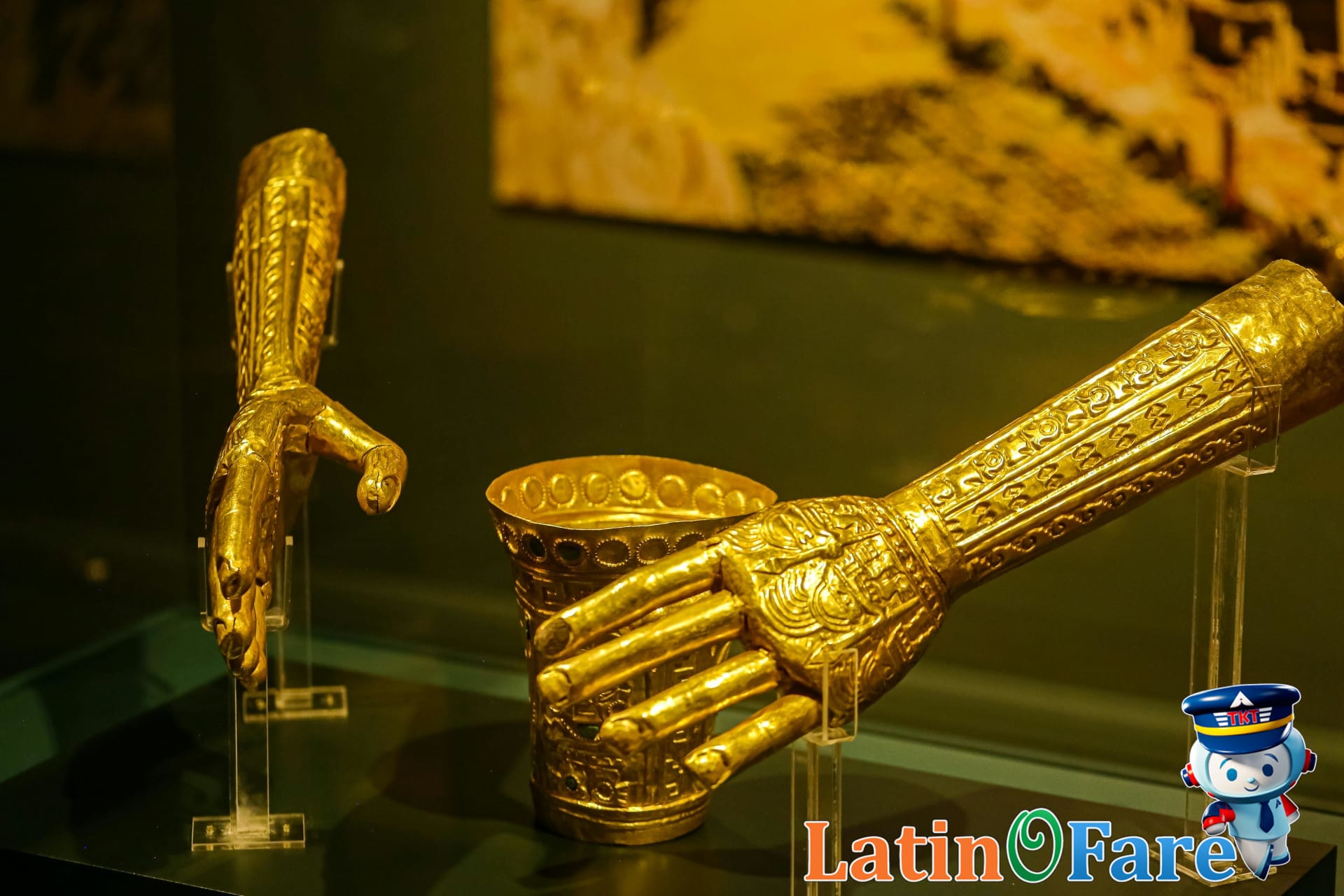
If you’re interested in Colombian history, the Museo del Oro (Gold Museum) in Bogotá is one stop you can’t skip. The museum is famous for its dazzling collection of pre-Hispanic gold artifacts, with over 50,000 pieces on display. Walking through the main hall, I was amazed by the intricate craftsmanship of the gold pieces—especially the Muisca raft, a delicate golden sculpture that’s tied to the legend of El Dorado. It’s easy to see why this artifact is a symbol of Colombia’s indigenous heritage.
Another standout is the “Offering Room.” Here, you’re immersed in a circular chamber surrounded by gold objects, with dramatic lighting and sound that recreates ancient rituals. It’s a powerful experience that really gives you a sense of how gold was more than just a precious metal for Colombia’s indigenous cultures—it was deeply spiritual. The museum also does a great job with English descriptions, so you won’t feel lost if your Spanish is limited.
For practical details, admission is straightforward. You can buy tickets at the door, but I usually recommend booking online, especially on weekends when lines can get long. Sundays are popular because entry is free, but expect bigger crowds. The museum is open most days, but it’s best to check the official website for the latest opening hours or special events. If you’re carrying a backpack or larger bag, there’s a secure storage area near the entrance—something I found helpful after a morning exploring Bogotá’s markets.
For more on what to expect from museum visits, you might want to read up on understanding museum policies when traveling in Colombia before you go. The Museo del Oro is not just about gold—it’s a fascinating window into Colombia’s past and a highlight of any Bogotá itinerary.
Top Bogotá Neighborhoods For Street Art
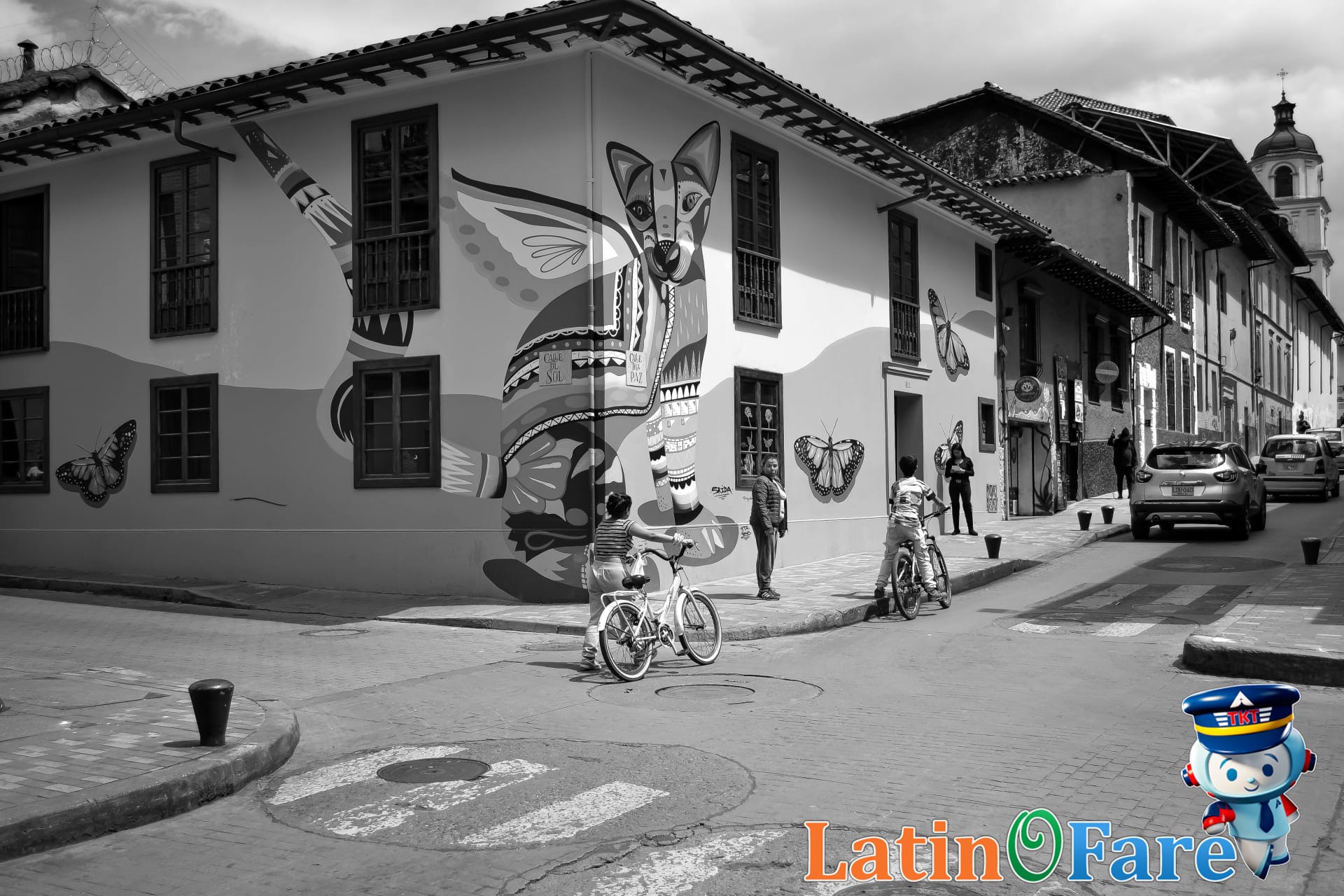
Bogotá’s street art scene is both legendary and ever-evolving, with entire neighborhoods transformed into open-air galleries. If you want to immerse yourself in the city’s creative pulse, start in La Candelaria. This historic district is covered in vibrant murals, from massive political pieces to playful, intricate designs tucked along narrow alleys. Calle 26, Chapinero, and the Avenida Caracas corridor are also packed with bold artwork and worth exploring for their distinct styles and themes.
On my first walk in La Candelaria, the scale and detail of the murals made the city feel like an open-air gallery. I remember turning a corner and being floored by an enormous, colorful jaguar mural—its eyes practically glowing in the afternoon light. These works aren’t just decorations; they tell stories of Bogotá’s social struggles, indigenous heritage, and the artists’ personal visions.
For travelers, joining a local graffiti walking tour is the best way to go deeper. I’d compare wandering on your own versus joining a guided tour—there’s really no substitute for hearing the stories behind the art directly from locals. Groups like Bogotá Graffiti Tour and recommendations from the official Bogotá tourism board offer well-organized walks that introduce you to both famous murals and hidden gems. Plus, these tours support local artists and help foster respect for the city’s creative community.
Many travelers combine a street art walk with other cultural stops, making it an ideal highlight for inspiring South American city breaks—if you’re planning your next adventure, check out our guide to inspiring South American city breaks for more ideas.
Must-Try Dishes in Bogotá Markets
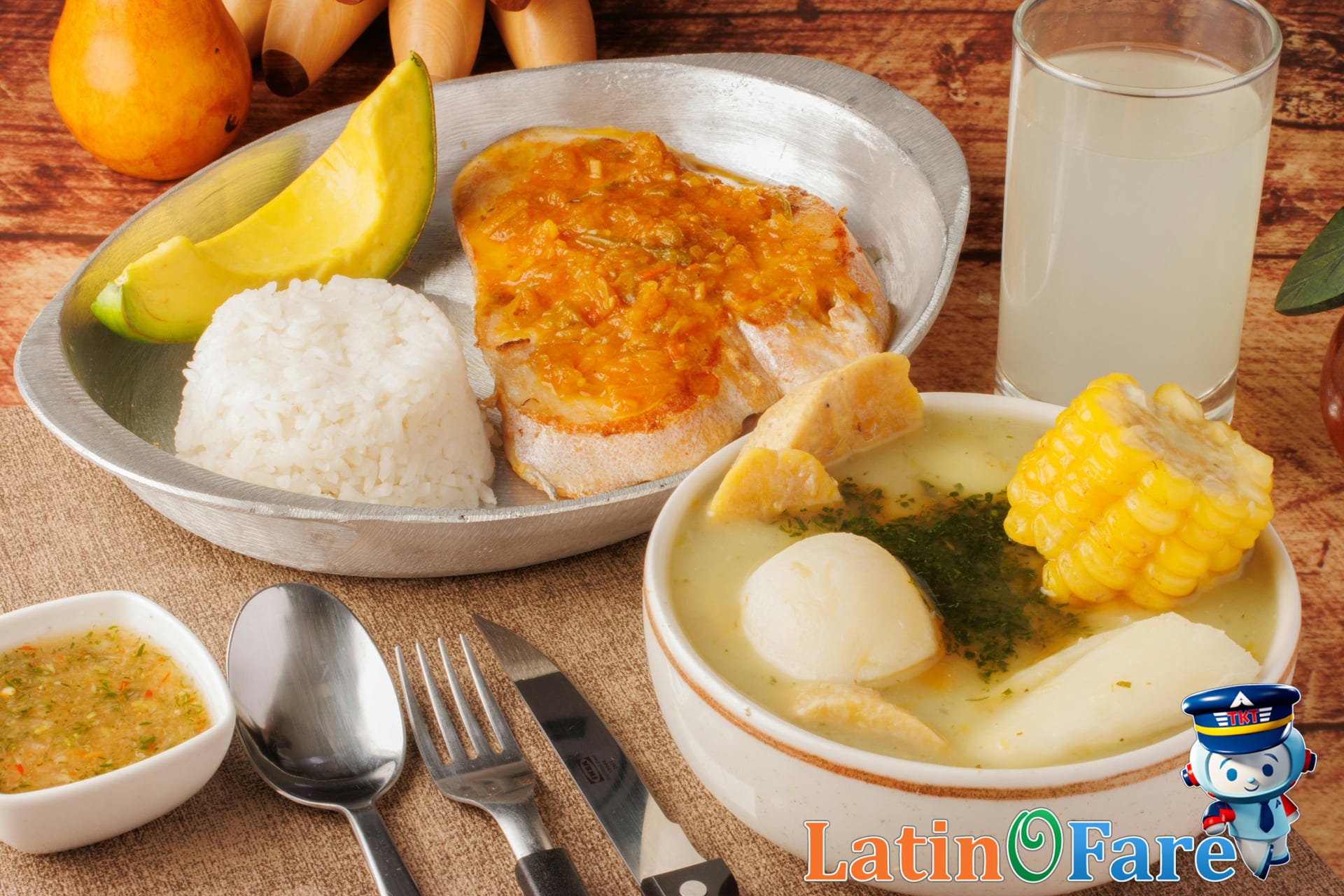
Bogotá’s food scene is a feast of flavors, and first-timers will want to dive right in. If you’re looking for an authentic introduction, start with a steaming bowl of ajiaco. This chicken and potato soup, loaded with corn and herbs, is Bogotá’s comfort food. Sampling my first bowl of hot ajiaco in a bustling market instantly warmed me up and gave me a taste of Bogotá’s soul. For a classic experience, head to Paloquemao Market (Calle 19 #25-04), where vendors serve it fresh to locals and travelers alike.
Next up is the arepa, a versatile corn cake you’ll find everywhere from market stalls to trendy cafés. At the Paloquemao Market, the aroma of griddled arepas fills the air. I found the cheese-stuffed variety to be especially satisfying—crispy on the outside, gooey within. For a modern twist, Andrés Carne de Res offers inventive takes on this staple in a lively setting.
Don’t miss empanadas, deep-fried pastries typically filled with beef, potatoes, or chicken. I was surprised by the burst of flavor from the ají sauce that comes on the side—spicy, tangy, and downright addictive. Try them at La Puerta Falsa, a historic eatery in La Candelaria that’s been serving locals for generations.
For dessert, look for obleas—thin wafers sandwiched with sweet spreads like arequipe (Colombian caramel), jam, or grated cheese. Street vendors near Plaza de Bolívar make these fresh, and the combination of caramel and cheese was unexpectedly delicious.
Food safety is always on my mind when exploring local eats. I usually stick to stalls in busy markets like Paloquemao, where high turnover keeps ingredients fresh and you can see your food prepared right in front of you. Cleanliness is easy to spot—look for vendors wearing gloves and using tongs, and avoid anything that looks like it’s been sitting out.
Adjusting To Bogotá’s High Altitude
Bogotá sits at 8,660 feet above sea level, and that elevation can catch even seasoned travelers off guard. Altitude effects are real—think headaches, mild nausea, fatigue, and shortness of breath. Most visitors notice at least one of these symptoms, especially if they fly in from lower elevations without time to acclimate. On my first trip, I underestimated the altitude and quickly learned to keep a water bottle handy at all times.
Checklist: Spotting And Managing Symptoms
- Headache or dizziness
- Nausea or loss of appetite
- Trouble sleeping
- Shortness of breath, especially on stairs
- Unusual fatigue
To minimize these effects, start hydrating before you land—sip water on the plane and avoid caffeine or alcohol. Once you arrive, take it easy on your first day. I’d suggest skipping strenuous sightseeing and opting for light walks instead. Eating smaller, lighter meals helps your body adjust, too. I found that sticking to soups and fresh fruit made a big difference in my energy levels.
Local Remedies And Foods
Colombians often turn to herbal teas like agua de panela con limón (a hot drink made with raw cane sugar and lime) or mate de coca, which is popular in Andean regions for easing altitude discomfort. While coca tea isn’t always available in Bogotá, many cafes serve herbal infusions that help with hydration and digestion. You’ll also see locals snacking on light, starchy foods like arepas, which are easy on the stomach while you acclimatize.
If you want more guidance, the CDC has a helpful altitude travel resource with tips for staying healthy above 8,000 feet.
Top Parks and Scenic Viewpoints In Bogotá

Bogotá’s altitude gives its parks and viewpoints a truly memorable edge. If you want to see the city in all its sprawling glory, start with Monserrate. You can reach the summit by hiking a steep, well-marked trail or by taking the cable car or funicular—just double-check the official schedule before you set out, since hours can shift for maintenance or weather. I still remember standing at the top at sunrise, watching Bogotá spill across the valley as the first rays caught the red-tiled roofs and distant mountains. The air was crisp, and the city felt endless from up there.
For a more relaxed day outdoors, Simón Bolívar Park is the city’s green heart. Locals flock here for jogging, picnics, and paddle boating on weekends. It’s easy to reach by taxi or TransMilenio bus, and you’ll find plenty of open space to unwind. Parque 93, meanwhile, is a smaller, stylish park surrounded by cafes and restaurants—perfect for a leisurely afternoon or people-watching after lunch. I usually recommend bringing a light rain jacket and dressing in layers, since Bogotá’s weather can switch from sunny to chilly in an hour, especially in the late afternoon.
Safety-wise, I’d stick to daylight hours and keep valuables tucked away. Parks like Simón Bolívar and Parque 93 are generally safe and family-friendly, but it’s always smart to stay aware of your surroundings. If you plan to hike Monserrate, start early to avoid crowds and the midday fog. The views are worth every step, but the weather at that altitude can be unpredictable, so I always check the forecast before heading out.
Nightlife, Safety, and Getting Around After Dark
Bogotá’s nightlife is as vibrant as its daytime energy, with something for everyone from lively dance clubs to cozy cocktail bars. Zona Rosa is the go-to district for most first-time visitors—it’s busy, well-lit, and packed with upscale bars, nightclubs, and international restaurants. The crowd here is a mix of locals and travelers, and the vibe feels both energetic and relaxed. Chapinero, on the other hand, offers a more alternative scene. You’ll find trendy clubs, LGBTQ+ friendly venues, and live music spots that attract a younger, creative crowd. I loved joining locals in Zona Rosa, where the nightlife felt both welcoming and electric without ever feeling unsafe.
After dark, getting around Bogotá safely is all about planning your transport. I always recommend using authorized taxi stands or trusted ride apps like Beat or DiDi—never hail a cab off the street late at night. Most clubs and bars in popular districts will gladly call a secure taxi for you. If you’re heading out solo or with friends, stick to main streets and well-lit areas, and keep valuables tucked away. Bogotá’s tourism board also shares updated safety recommendations, which you can check before your trip for peace of mind.
Culturally, dress codes can be a bit more polished at night—think smart-casual rather than beachwear. People tend to go out a bit later, with clubs getting busy after 10 p.m. I found that locals are open and friendly, especially if you show respect for the city’s customs and neighborhoods. Whether you’re dancing in Zona Rosa or catching a live band in Chapinero, Bogotá’s nightlife is best enjoyed with a little extra awareness and a willingness to try something new.
Bogotá Trip Costs by Budget Tier
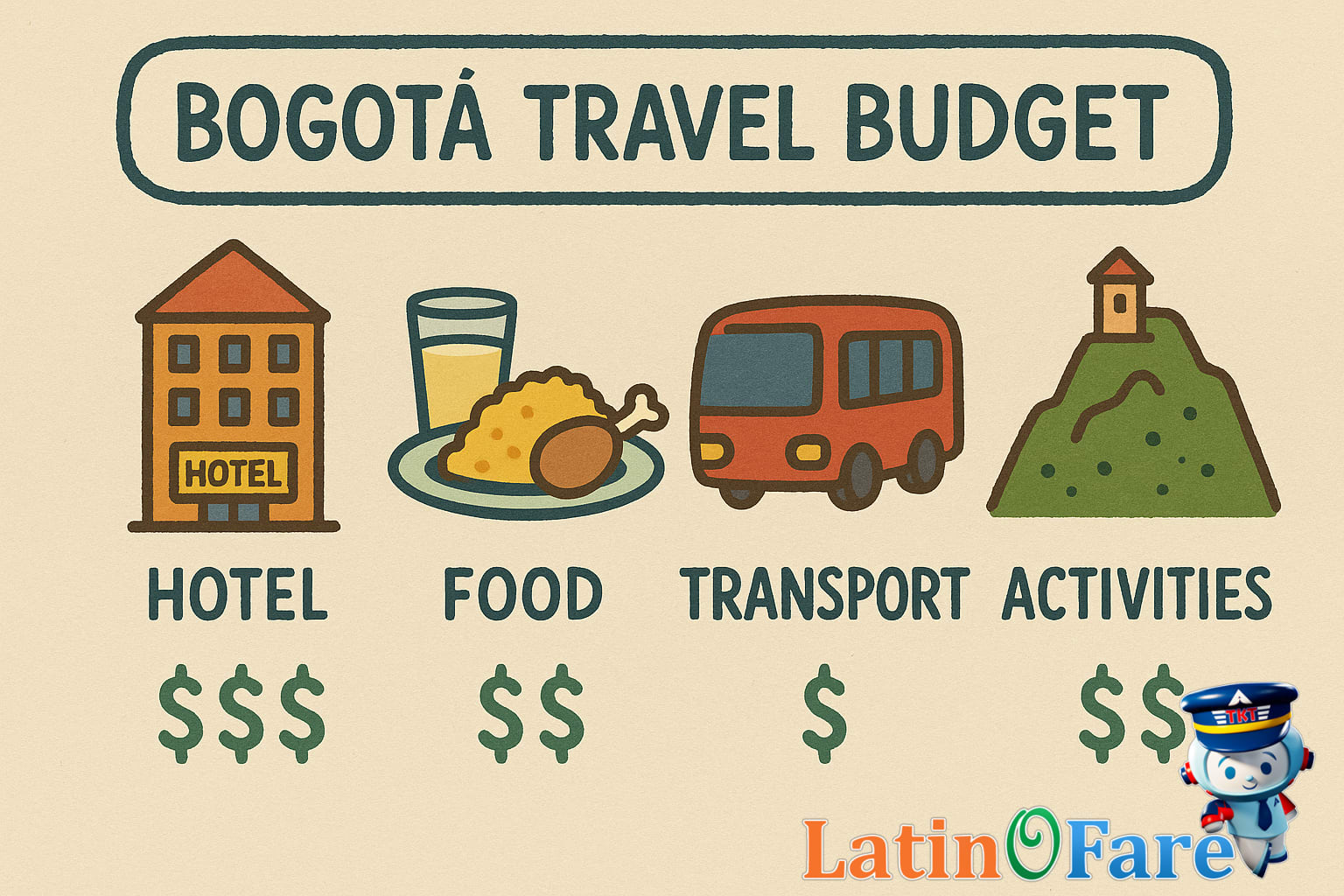
Planning your Bogotá trip budget is much easier when you can see daily costs broken down by travel style. Whether you’re backpacking, looking for comfort, or ready to splurge, this table shows what you might spend each day. I’ve also included a personal tip about stretching your dollar in Bogotá, since costs can add up quickly if you’re not careful.
| Budget | Mid-range | Luxury | |
|---|---|---|---|
| Accommodation | $20.00 | $70.00 | $200.00 |
| Food | $10.00 | $30.00 | $70.00 |
| Transport | $4.00 | $15.00 | $40.00 |
| Activities | $8.00 | $25.00 | $60.00 |
Looking back, I found that booking with latinofare.com helped me stay on budget for my entire Bogotá trip. If you’re flexible with your travel dates, you can often grab lower airfares or hotel deals on their site, which leaves more room for memorable experiences, like a guided bike tour or a special meal in La Candelaria. Personally, I try to save on accommodation and transport, then splurge on one or two activities I know I’ll remember.
Bogotá First-Timer’s FAQ Guide
- What are the must-sees for a first-timer in Bogotá?
First-timers in Bogotá should visit La Candelaria’s colorful streets, the Gold Museum, and the Botero Museum for a taste of local art. Monserrate offers panoramic city views, while the Plaza de Bolívar is perfect for people-watching and soaking up local history. Based on my visits, these details make a big difference for newcomers.
- How safe is Bogotá for solo travelers?
Bogotá is generally safe in tourist zones during the day, but it’s best to stay alert and stick to well-lit, busy areas at night. Avoid flashing valuables and use registered taxis or rideshare apps after dark. I always recommend checking local safety updates before heading out, especially if you’re exploring alone.
- How do I get to Monserrate from the city center?
To reach Monserrate, walk or take a short taxi ride to the base station on Calle 26. From there, you can use either the cable car or funicular railway to ascend the mountain. I’d compare both options before choosing, as the funicular is especially popular on weekends and holidays.
- What is a typical daily food budget for visitors?
A typical daily food budget in Bogotá is around $20.00, which covers breakfast at a bakery, lunch at a casual eatery, and a modest dinner. Street snacks like arepas or empanadas are affordable and filling. If you dine at higher-end restaurants, expect to pay more for each meal.
- What travel documents are needed for Colombia?
Most travelers need a valid passport to enter Colombia. U.S. citizens do not need a visa for short tourist stays, but you may be asked for proof of onward travel. Always check the latest entry requirements with official government sources before your trip, as rules can change unexpectedly.
- Is English widely spoken in Bogotá?
English is not widely spoken in Bogotá outside major hotels or tourist attractions. It’s helpful to learn basic Spanish phrases for ordering food, asking directions, or using public transit. I usually carry a translation app, which makes navigating daily interactions much easier for first-time visitors.
- What’s the best way to get around the city at night?
At night, it’s safest to use registered taxis or rideshare services like Beat or Uber instead of public buses. I avoid walking long distances after dark, especially in less crowded neighborhoods. For extra peace of mind, ask your hotel to call a taxi for you when heading out late.
Final Thoughts for Your Bogotá Adventure
Bogotá has a way of surprising even seasoned travelers with its vibrant neighborhoods, rich museums, and welcoming locals. Each time I visit Bogotá, I leave with new perspectives and a deeper appreciation for its people. If you’re planning your first trip, remember that flexible booking tools like latinofare.com can make adjusting your plans much less stressful if things change unexpectedly.
Before you book, take a moment to double-check the latest entry and visa requirements for Colombia. Supporting local businesses—whether it’s a family-run café or a neighborhood artisan—adds something special to your experience and helps the community. Approach the city with an open mind and cultural respect, and you’ll find Bogotá has plenty to offer.