

Why Manila Captivates First-Time Visitors
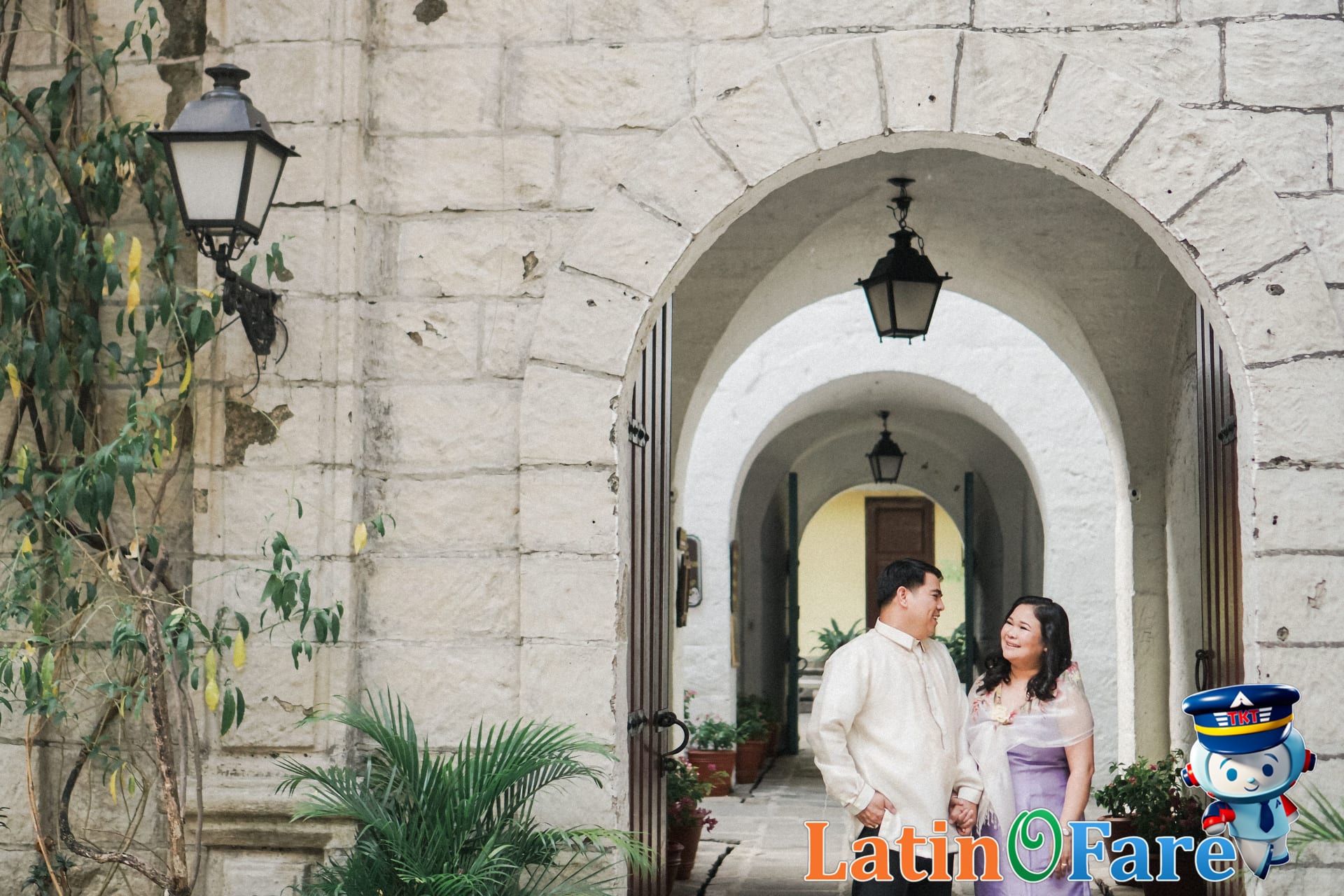
Manila has a way of surprising newcomers with its electric mix of old and new. When I first landed in Manila, the collision of Spanish-era architecture and modern skyscrapers instantly stood out. The historic walls of Intramuros sit just steps away from lively shopping centers and neon-lit streets, making it clear this city doesn’t fit into a single box.
What makes Manila truly unique is its energy—there’s a constant buzz, fueled by street vendors, jeepneys, and a blend of cultures from around the Philippines and beyond. The city’s diversity hits you right away, whether you’re wandering through centuries-old churches or sipping coffee in a trendy café. For me, discovering Intramuros was a highlight: walking its stone paths, I felt the layers of Manila’s history come to life amid the pulse of a cosmopolitan capital.
This guide will walk you through Manila’s essential sights, neighborhoods, and practical tips for first-time visitors. You’ll find advice on everything from navigating the city to getting the most value on your trip—including where to find the best airfare tips on our flight deals page.
Exploring Manila’s Multicultural Identity
Manila’s story is woven from centuries of indigenous heritage, Spanish colonial influence, and a dynamic modern spirit. The old walled city of Intramuros is the best place to start—its cobblestone streets and churches reveal how Spanish rule shaped Manila’s architecture, religion, and traditions. Just a short walk away, the National Museum complex brings Filipino art, history, and natural wonders together, offering a deeper look at the country’s roots and resilience.
If you want to get your bearings, I’d recommend an orientation walk through Intramuros, then heading to the National Museum. The free galleries at the museum helped me realize how Manila’s identity is layered: Spanish cathedrals sit beside pre-colonial artifacts, and contemporary Filipino artists share space with centuries-old relics. For current hours and any closures, it’s worth checking the National Museum’s website before you go.
Essential Etiquette And Language
Respect is key in Filipino culture. Greet elders with a polite “po” or “opo,” and a friendly “Magandang araw” (“Good day”) goes a long way. Dress modestly in churches and always ask before taking photos of people. If you’re curious about local customs, our article on cultural etiquette in the Philippines covers more do’s and don’ts for visitors.
How To Get Around Manila Easily
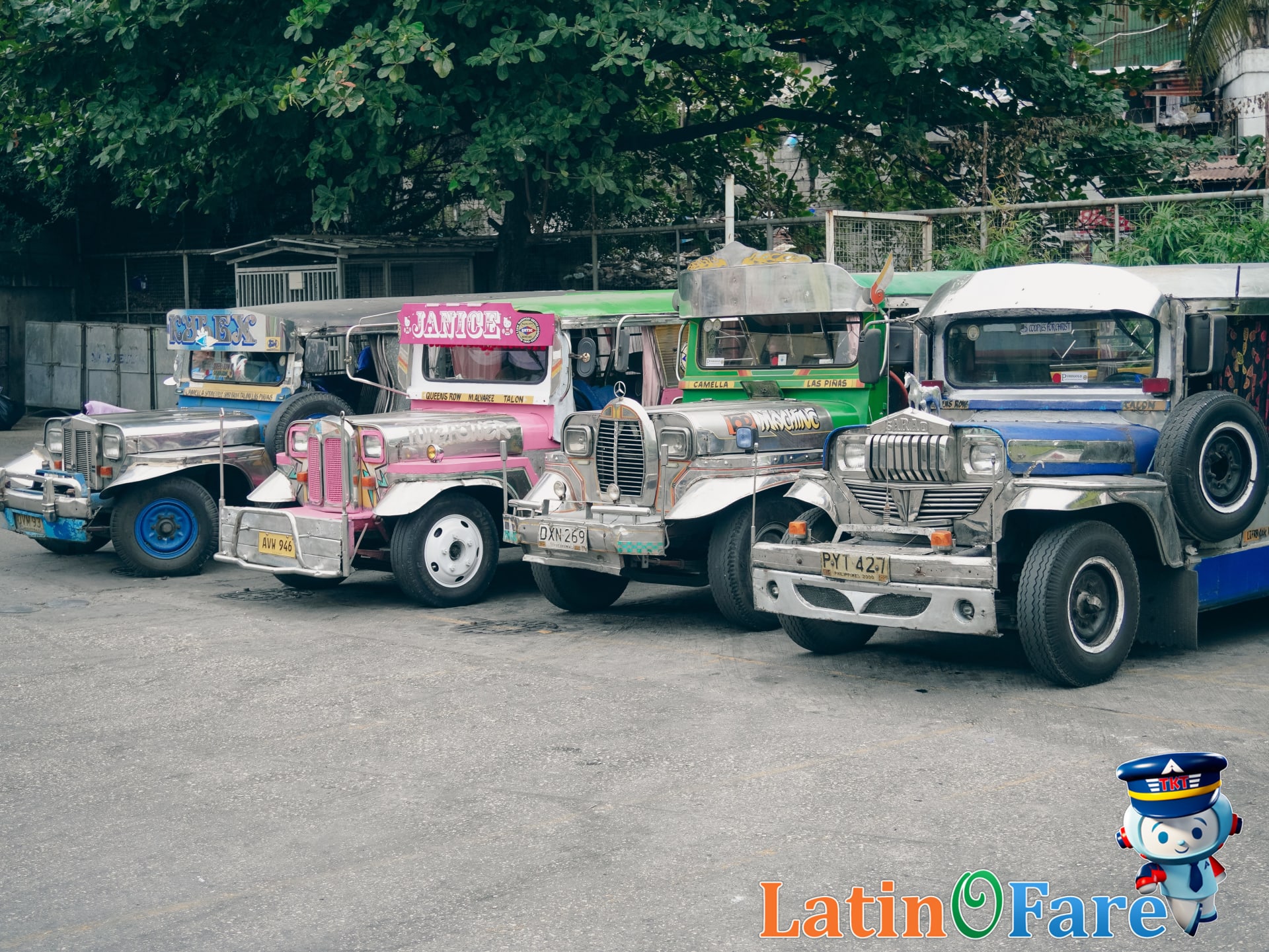
Manila’s transport scene can feel overwhelming at first, but knowing your options makes all the difference. Jeepneys are the city’s classic, colorful buses—rides typically cost about $0.25, but routes can be confusing if you’re new. The LRT and MRT trains are efficient for main corridors, with fares around $1.00 per trip, but expect crowds during rush hours. Grab (the local ride-hailing app) and metered taxis are the most convenient for door-to-door trips, though Grab fares from the airport usually start at about $7.00, while taxis can be slightly cheaper but less predictable in terms of safety and pricing.
On my first visit, I underestimated the traffic and quickly learned to plan around peak hours. If you’re arriving at NAIA Airport, here’s how to use Grab: connect to airport Wi-Fi, download or open the Grab app (see the official Grab site for details), set your pickup point at the designated Grab area (look for signs outside each terminal), and confirm your ride in the app. For more detailed arrival guidance, check out our airport transfer tips post.
First-timers often get tripped up by unclear jeepney routes, crowded train stations, or hailing unregistered taxis. I’d recommend sticking to official apps and always confirming the fare before you get in. Manila’s traffic can be intense, so patience—and a little planning—goes a long way.
Must-See Sights In Metro Manila
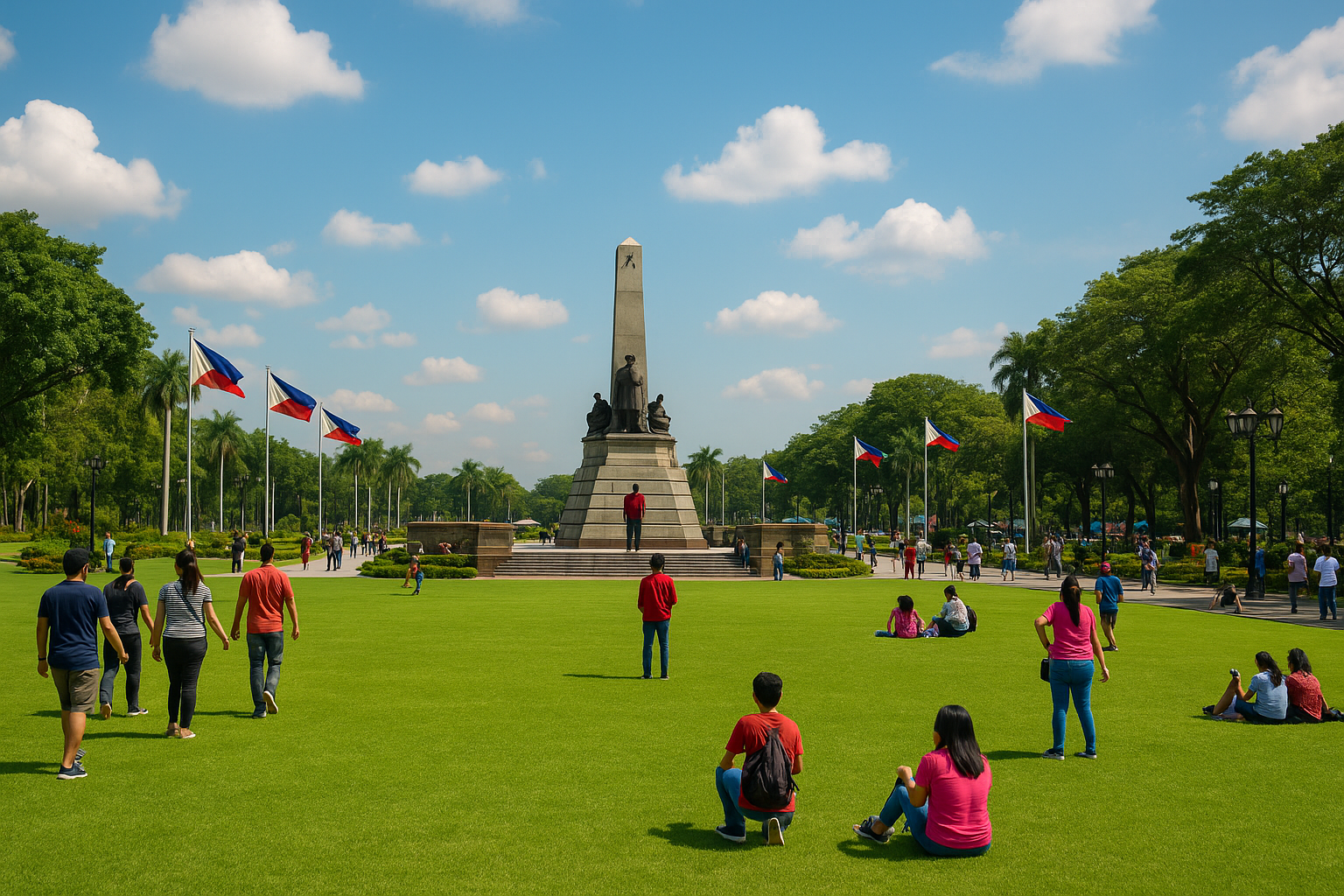
Metro Manila’s mix of history, green spaces, and urban energy means there’s never a dull moment for first-timers. Intramuros, the old walled city, is a fascinating place to start—its Spanish-era walls, Fort Santiago, and cobblestone streets give a real sense of Manila’s past. Just a short ride away, Rizal Park is a lush urban oasis and a patriotic landmark, perfect for a midday stroll or picnic. The National Museum Complex nearby is a must for art and history lovers, with impressive galleries and Filipino masterpieces.
If you want a taste of modern Manila, Bonifacio High Street in BGC offers open-air shopping, dining, and people-watching. I personally love ending the day at Manila Bay—watching the sunset paint the sky over the water is a classic Manila experience, and the evening promenade buzzes with food stalls and music. For a well-paced day, I’d suggest starting at Intramuros in the morning, then moving to Rizal Park and the museums by midday, and wrapping up with Bonifacio High Street before catching the Manila Bay sunset. Nighttime brings city lights and a lively vibe along the bay, making it a memorable finish.
Where To Eat And Drink In Manila
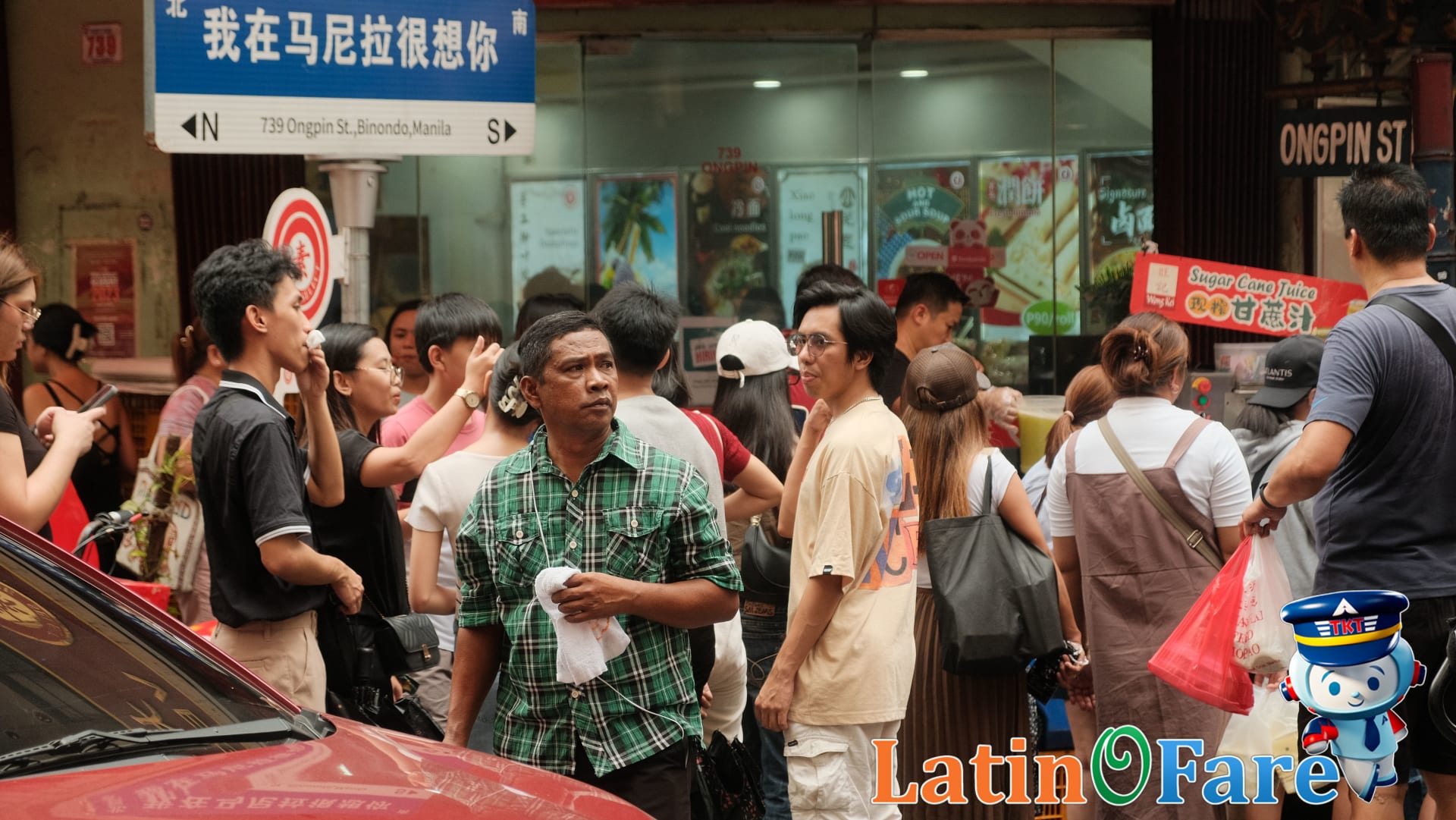
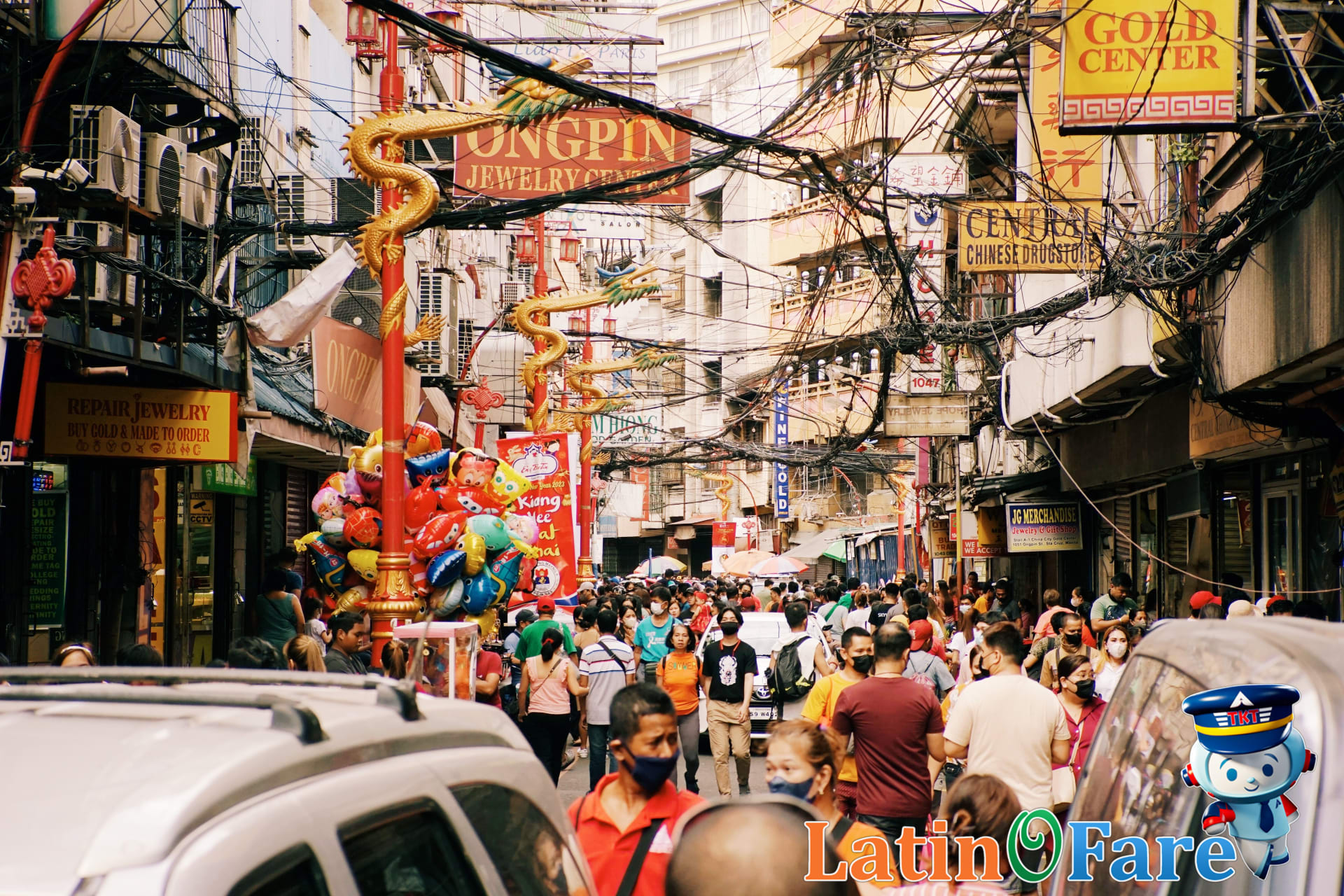
Manila’s food scene is a true adventure, especially for first-timers. Classic dishes like adobo, lechon, and the colorful halo-halo dessert are everywhere, but the real magic happens when you explore the city’s neighborhoods. Binondo, Manila’s historic Chinatown, is a must for food lovers—walk its busy streets and you’ll find everything from fresh lumpia to savory siopao. I still remember my first taste of halo-halo in a crowded Binondo café: the mix of creamy leche flan, sweet beans, and shaved ice was unlike anything I’d ever tried before.
If you’re curious about street food, Quiapo Market is a great place to start. Here, you can sample kwek-kwek (deep-fried quail eggs), fish balls, and taho (sweet silken tofu) from local vendors. For a more modern vibe, the neighborhoods of Poblacion and Kapitolyo have hip cafes and bars serving inventive Filipino dishes alongside craft cocktails.
Food safety is generally good in established eateries, but I always recommend sticking to busy stalls with high turnover. Carry small bills—about $2.00 or $5.00 notes—since most vendors don’t have change for large denominations. If you want more details on essential dishes, check out this top local food guide for Manila.
Top Shopping Hotspots For Newcomers
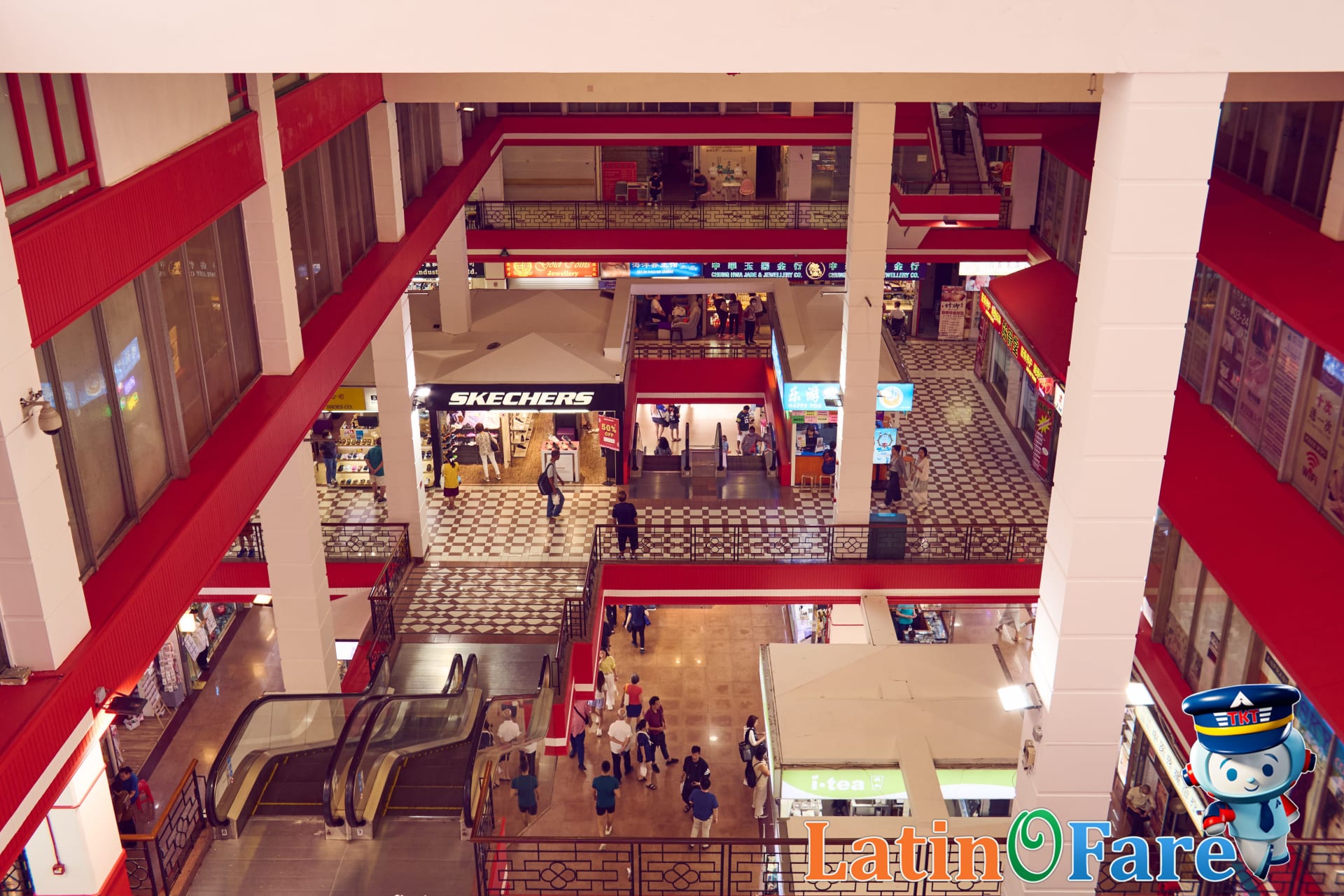
Manila’s shopping scene covers everything from luxury malls to bustling bargain markets. Greenbelt is a polished, upscale mall in Makati, known for designer brands and tranquil garden spaces—great for picking up branded clothing or unique Filipino crafts in air-conditioned comfort. Over in Divisoria, the vibe is the total opposite: open-air stalls, crowded alleys, and a dizzying array of goods. This is where you’ll find affordable souvenirs, textiles, and local trinkets. My favorite Manila souvenir actually came from a Divisoria stall after a bit of friendly haggling.
SM Mall of Asia is one of the largest malls in Asia, offering everything from electronics to homeware and a huge selection of local and international food. If you’re after branded goods, Greenbelt and Mall of Asia are your best bets. For handmade crafts and bargain finds, Divisoria is the place to explore. I usually recommend checking hotel deals near these shopping districts through travel booking platforms like latinofare.com—it’s a smart way to stay close to the action and save time on transport.
Safety Tips For Visiting Manila
Staying safe in Manila mostly comes down to being alert and making smart choices in unfamiliar neighborhoods. Areas like Makati, Bonifacio Global City (BGC), and Ermita are generally considered safer for tourists, especially at night, thanks to better lighting and visible security. However, I quickly learned to be extra vigilant in crowded markets and transit stations, where pickpocketing can happen if you’re distracted.
For payments, I avoid withdrawing cash from isolated ATMs—those inside shopping malls or banks feel more secure. Stick to official taxis or book rides through Grab, especially after sunset, and avoid accepting unsolicited offers for rides. I always stuck to official taxis after dark and felt more secure getting around the city this way.
Before heading out, I download Google Maps for offline use and save local emergency numbers in my phone. It’s also wise to review your latinofare.com travel insurance policy for coverage details, and you can check the U.S. State Department Philippines travel page for updates on local safety conditions.
Manila Travel Budget Breakdown Guide

| Budget | Mid-range | Luxury | |
|---|---|---|---|
| Accommodation | $15.00 | $70.00 | $220.00 |
| Food | $10.00 | $30.00 | $70.00 |
| Transport | $4.00 | $18.00 | $45.00 |
| Activities | $8.00 | $35.00 | $90.00 |
If you’re planning your first Manila trip, here’s what you can expect from each budget tier. Budget travelers often stay in hostel dorms, eat at street food stalls, use jeepneys or the LRT, and join free or low-cost walking tours. Mid-range travelers usually opt for comfortable hotels, enjoy sit-down meals, use taxis or rideshares, and pay for guided experiences. Luxury visitors book upscale hotels, dine at top restaurants, use private cars, and splurge on private tours or spa days.
During my last Manila trip, I spent about $6.00 on a great local lunch—proof that affordable options abound. I’d also recommend using latinofare.com to compare flight and hotel packages; it’s a good way to spot discounts, especially if you’re flexible with your dates.
Top Day Trips Near Manila
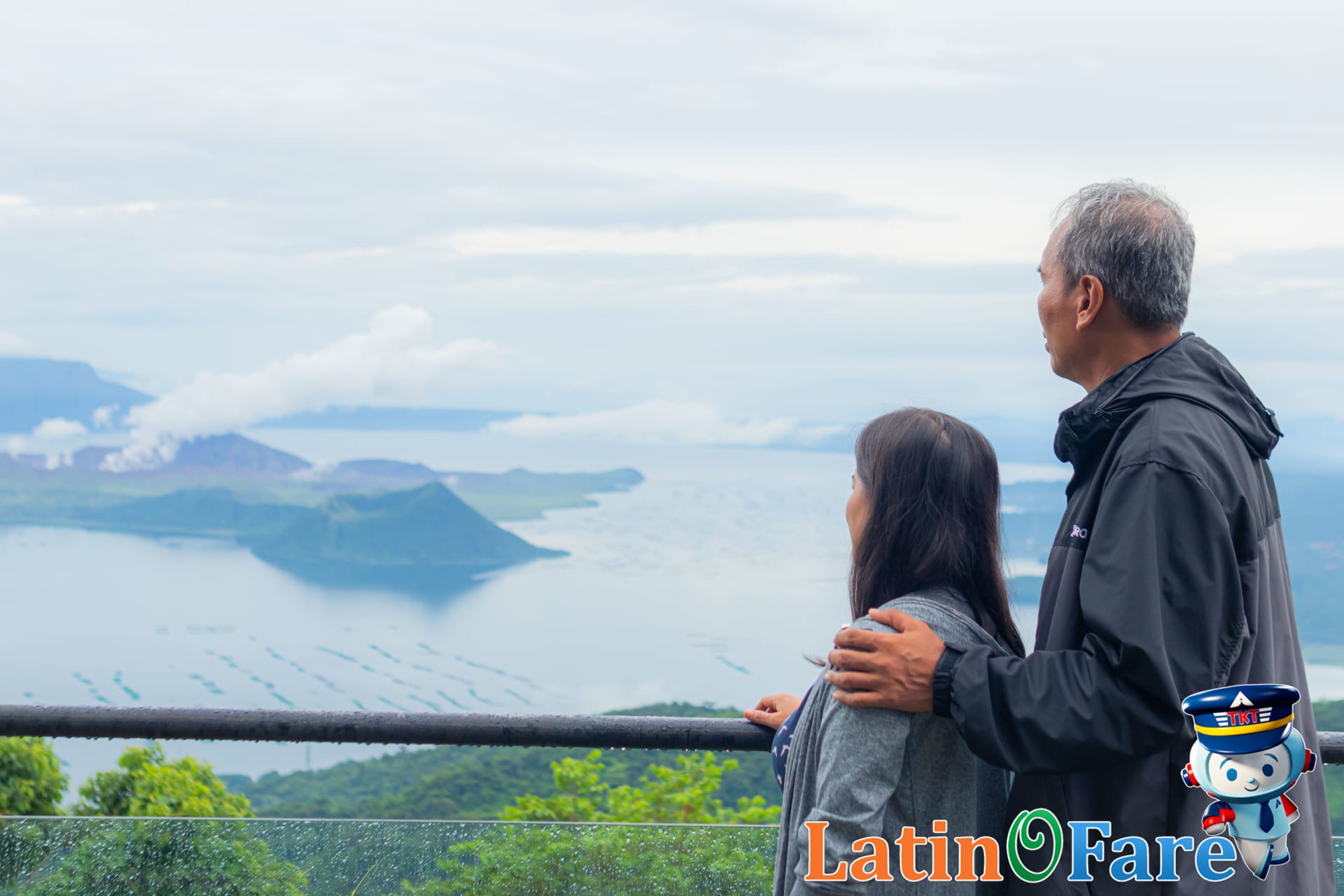
If you’re looking to escape Manila for a day, three destinations really stand out: Tagaytay and Taal Volcano, Corregidor Island, and Pagsanjan Falls. Each offers a unique experience and is within a few hours’ reach from the city, making them ideal for quick adventures.
Tagaytay is about two hours south, famous for its cool climate and the stunning Taal Volcano view. You can take a bus from Manila or book a private car for more flexibility. I still remember my most unforgettable view—the sunrise over Taal’s crater lake was absolutely worth the early wake-up. For the best experience, consider joining a guided day tour that handles boat transfers and volcano access.
Corregidor Island, steeped in World War II history, is reached by ferry from Manila Bay. Organized tours are the easiest way to visit since they include roundtrip ferry rides and a guided tram tour of the island’s historic sites. It’s a moving, educational trip—one I’d recommend for history buffs.
Pagsanjan Falls, about two and a half hours from Manila, is best reached by car or on a group tour. The highlight here is the thrilling canoe ride upriver through lush scenery to the base of the falls. Book your boat ride in advance, especially on weekends, to avoid long waits.
Frequently Asked Questions About Manila
- When is the best time to visit Manila?
The best time to visit Manila is typically from December to February when the weather is cooler and drier. These months are ideal for sightseeing and exploring outdoor attractions, as you’ll avoid the heavy rains and humid heat that arrive later in the year.
- What are must-see highlights for first-timers?
First-time visitors should check out Intramuros, Manila’s historic walled city, and Rizal Park. The National Museum Complex is great for culture lovers, while a sunset stroll along Manila Bay is popular. I always recommend trying the bustling markets for a real taste of local life.
- How much do taxis or jeepneys cost in Manila?
In Manila, a typical taxi ride starts at about $2.00, with additional charges per kilometer. Jeepneys, the colorful local minibuses, usually cost around $0.25 for a short ride. Always carry small bills and coins, as drivers may not have much change for larger notes.
- Is Manila safe for solo travelers?
Manila is generally safe for solo travelers, but it’s best to stay aware of your surroundings, especially in crowded areas. Petty theft can occur, so keep valuables secure. I find that using common sense—like avoiding poorly lit streets at night—goes a long way in staying safe.
- What local foods should I not miss in Manila?
Don’t leave Manila without trying adobo, halo-halo, and lechon. Street food like isaw (grilled chicken intestines) is a local favorite. In my opinion, the best street food is found in Quiapo, where vendors offer freshly cooked snacks and a lively atmosphere that’s hard to beat.
- Are there easy day trips near Manila?
Yes, there are several easy day trips from Manila. Popular options include Tagaytay for views of Taal Volcano, the heritage town of Taal, and the nearby beaches of Batangas. Organized tours are readily available, or you can hire a private car for more flexibility.
Final Thoughts For First-Time Visitors
Manila is a city that thrives on contrasts—historic sites, bustling markets, vibrant street life, and surprisingly peaceful green escapes. If you use the practical tips we’ve covered, you’ll find it easier to navigate, enjoy local food, and discover both the city’s energy and nearby nature. Don’t forget, latinofare.com can help simplify your trip planning if you want more options.
Take time to balance city adventures with day trips to beaches or mountains nearby. I always leave Manila inspired by its contrasts and unforgettable energy—it’s a place that rewards curiosity and openness.