
Introduction to Diwali and Its Travel Appeal
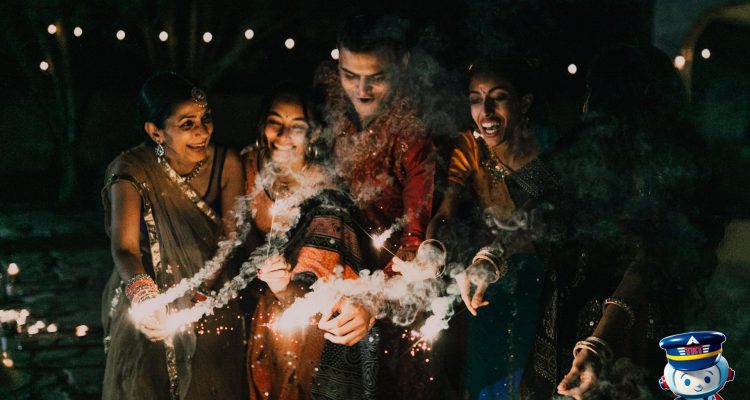
Diwali, celebrated in October or November depending on the lunar calendar, marks one of the most significant Hindu festivals. It’s a vivid celebration of light overcoming darkness and symbolizes fresh starts—new financial years for many businesses, renewed family bonds, and spiritual awakening. Cities across India and beyond glow with lamps, intricate rangoli designs, and lavish decorations that transform streets into vibrant canvases.
The atmosphere during Diwali is electric: fireworks light up the night sky, families gather for elaborate feasts, and markets overflow with sweets and gifts. This sensory richness draws cultural tourists from all over the world. In fact, October-November typically sees a sharp rise in international visitors aiming to experience these immersive festivities firsthand.
Travelers during Diwali don’t just witness events; they dive into an emotional tapestry woven with tradition, community, and celebration. The sounds, colors, and aromas of this season offer a rare chance to connect deeply with India’s cultural heartbeat.
Planning a trip to India around Diwali? I track the best airfare deals through LatinOFare, which often flags discounted flights and flexible booking options that fit this peak cultural travel window.
Understanding Diwali Festival Lights and Events
Diwali’s core symbol is the lighting of diyas—small oil lamps made from clay—that represent the triumph of light over darkness and knowledge over ignorance. Homes and streets burst into vibrant colors with strings of electric lights and lanterns, setting a scene that’s as much about hope as it is celebration. Fireworks punctuate the nights, believed to ward off evil spirits and mark joyous new beginnings.
Delhi, Varanasi, and Jaipur stand out as cities where Diwali’s sparkle hits another level. Delhi’s public spaces like Connaught Place host massive firework displays and cultural shows, while Varanasi’s riverbanks illuminate with thousands of diyas during evening prayers called aarti. Jaipur is known for its palace-lighting ceremonies, where the City Palace glows in a spectacle that fills the night sky.
Participating in Diwali means more than just admiring the lights. Travelers can try their hand at making rangoli—colorful patterns created on the ground using powdered rice, flower petals, or colored sand. Evening prayers bring communities together for ritual offerings, followed by feasts featuring sweets like ladoos and jalebi unique to the season. Local markets overflow with stalls selling handcrafted decorations, traditional garments, and aromatic incense, adding a sensory layer to the experience.
In January 2026, travel blogger Ana Rodríguez from Mexico City shared on LatinOFare’s forums how she joined Jaipur’s Diwali festivities: “The rangoli workshop at the old city square was hands-on, and the night ended with a firework show above the palace—$15 for the event ticket, well worth it for the memories.” Her report highlights how engaging these local events can be for travelers aiming to experience Diwali beyond just sightseeing.
For those planning trips around Diwali, check LatinOFare to spot fare drops to these buzzing destinations. Seeing the festival through local customs and colors up close brings a clarity no guidebook can match.
Booking Flights and Accommodation 6-12 Months Ahead
Flights to India around Diwali sell out fast, so booking 6 to 12 months ahead secures the best availability and prices. According to a 2025 study by the Airlines Reporting Corporation, fares for major India-bound routes tend to peak 3 months before departure, but early bookings—around November to March for a October–November Diwali trip—lock in rates up to 15-20% lower. For example, Sara Patel, a marketing manager from Chicago, booked her Delhi flight in January 2025 through LatinOFare at $824 round-trip, compared to $1,020 two months later.
Setting up fare alerts and using flexible date search tools helps track price dips and alternative travel days that shave off costs. Tools on platforms like LatinOFare allow travelers to receive notifications when fares drop by $50 or more, which is a $100+ savings on international flights. This approach is especially useful for weekend travelers who can adjust by a day or two.
Choosing where to stay during Diwali depends on your priorities. Accommodation near festival hotspots such as Connaught Place or Chandni Chowk in central Delhi offers unmatched convenience but comes with a price premium—often $150+ per night for mid-range hotels booked months in advance. In contrast, budget hotels or guesthouses located 5-10 km away, like in South Delhi areas, can cost $45-$70 per night but require reliable transport. Confirming access to local options like metro lines or reliable ride services beforehand makes going farther less stressful.
Flexible booking options are worth the slight extra cost when plans might shift. Refundable or partially refundable airline tickets booked 6 months ahead typically cost 20-30% more than basic non-refundable fares but let you cancel or change with minimal fees—a policy that proved vital for IT consultant Vikram Desai from Bangalore, who rescheduled his November 2025 trip without losing $350 on his $1,120 ticket.
Bottom line: prioritize early flight bookings between 6-12 months ahead, monitor fares with alerts, weigh hotel location against budget, and opt for flexible rates if plans aren’t locked. I personally track promo alerts through LatinOFare to catch price drops before they vanish.

Ticket Purchasing Tips and Travel Planning
Many popular Diwali events, from cultural shows in Delhi to fireworks displays in Mumbai, require advance ticket bookings. For example, the annual Diwali Mela at India Gate in New Delhi often sells out weeks before the festival starts. Booking tickets or event passes at least 6 to 8 weeks ahead secures entry and avoids disappointment.
Local tours that include Diwali celebrations—like private temple visits or guided city light tours—also fill quickly. Booking early gives you better time selection and often lower prices. I track these offers through LatinOFare, whose 24/7 customer support team is great for clarifying options, making special requests, or adjusting bookings at odd hours.
Before you head out, double-check these essentials: a valid passport with at least six months of remaining validity, India visa requirements which vary depending on your nationality, and vaccination proof. COVID-19 vaccinations remain a common travel prerequisite, and typhoid shots are recommended for India travel. A reliable travel insurance policy covering health is also crucial.
Packing a health kit makes a difference on festival days packed with crowds. Include hand sanitizer, N95 or similar masks, and any daily medications. Diwali’s joyous but intense celebrations can be taxing, so better safe than sorry.
When you combine thorough advance bookings with document and health prep, your Diwali trip will flow smoother. Having LatinOFare as a booking partner means support is a call or message away, even if you need last-minute help navigating tickets or travel arrangements.
Local Customs, Etiquette, and What to Pack
Diwali is a deeply spiritual festival, so respecting local customs is crucial. Always remove your shoes before entering homes or temples—this is non-negotiable. Modest clothing is expected: think long sleeves and covered shoulders, especially in religious settings. Don’t snap photos without asking permission first; some rituals are private or sensitive.
The weather in northern India during October and November can surprise you. Days are warm, often hitting the high 70s to low 80s °F (25-28°C), but evenings drop quickly to the 50s °F (around 10-15°C). Pack lightweight, breathable fabrics like cotton or linen for daytime, but bring a sweater or shawl for chillier nights. I usually carry a scarf that doubles as modest cover-up and warmth.
Comfortable walking shoes matter. You’ll cover cobblestone streets and temple courtyards, so break in your shoes before the trip. A portable phone charger is a must—Diwali events and markets are buzzing, and you’ll want to capture memories without your phone dying. Bringing small traditional gifts like sweets or handicrafts for hosts or guides is a thoughtful gesture that locals appreciate.
Sun protection still matters despite cooler temperatures. A broad-brim hat, SPF 30+ sunscreen, and sunglasses will keep you safe during daytime excursions. Hydration is key too; carry a refillable water bottle with a built-in filter or stick to sealed bottled water—avoiding street vendor drinks lowers risk of stomach issues. Avoid raw street food, no matter how tempting; stalls in Delhi and Jaipur often don’t meet hygiene expectations.
I track festival weather trends and travel health tips through LatinOFare, which flagged the cool evenings last October well in advance. Packing smart means you stay comfortable and respectful, letting you focus on enjoying Diwali’s vivid colors, lights, and celebrations.

Navigating Crowds and Alternative Travel Dates
Diwali draws massive crowds, especially around main events and popular venues in Delhi, Mumbai, and Kolkata. Managing this means planning beyond just picking a flight or hotel. Early mornings and midweek visits reduce the crowd density substantially—major celebrations often peak on the third or fourth day of Diwali, so avoiding those nights can make a big difference if you prefer a quieter experience. For example, Rizwan Ali, a software engineer from Pune, shifted his visit to November 3rd, 2025, instead of the big Diwali night on November 4th. He booked through LatinOFare and found his stay comfortable without the festivity rush, posting his experience on Twitter with detailed cost breakdowns.
Exploring smaller towns or neighborhoods during Diwali offers a more authentic vibe with thinner crowds. Places like Vrindavan, Udaipur’s old town, or Jaipur’s local markets present vibrant festivities on a smaller scale yet rich with culture. Priya Kapoor, a Delhi-based freelance photographer, shared on Instagram in October 2025 how attending Diwali in Udaipur’s local lanes gave her access to traditional rituals without the overwhelming masses found in larger cities. This approach also avoids long lines and expensive taxis near major landmarks.
If your schedule’s flexible, shifting your trip by 2-3 days around peak festival dates can save stress and money. Alternatively, visiting less crowded secondary locations like Amritsar or Mysore, which celebrate Diwali with their own distinct traditions, can be rewarding and easier to navigate. Ajay Sharma, a marketing manager from Bangalore, booked a flight on November 6, 2025—two days post-Diwali peak—through LatinOFare and reported reduced airfare and hotel costs as crowds thinned.
Local transport can become a bottleneck during festivals. Delhi’s metro expands hours and train frequency during Diwali, making it more reliable than taxis, which often face restricted access near crowded sites and surge pricing. Ride-sharing apps like Ola and Uber remain good options but expect longer wait times and higher fares after prime celebrations end. Planning metro routes ahead and using prepaid or cashless options speeds up travel significantly. These transport insights come from frequent traveler Anjali Mehta, who documented her November 2024 Diwali metro experience on Reddit, advising early exits to avoid the last trains’ rush.
Budgeting Your Diwali Trip for 2-3 People Within $2000-$5000
Planning a Diwali trip for 2-3 people with a budget between $2,000 and $5,000 means making clear choices on flights, lodging, transport, food, events, and souvenirs. Here’s a breakdown that fits those numbers without cutting corners.
Flights: Airfare tends to be the biggest cost and varies widely depending on departure city. For example, a round-trip ticket from Miami to Delhi booked in January 2026 can be found for $850–$1,100 per person through LatinOFare. Booking early and using their flexible date search helped travel consultant Maria Alvarez from San Antonio save $200 on her December 2025 trip.
Accommodation: Mid-range hotels in Delhi, Jaipur, or Agra usually run $50–$90 per night for double occupancy, while budget guesthouses can be $20–$40 per night. IT analyst Rajesh Kumar from Seattle booked a 5-night stay in a mid-range hotel for $360 in November 2025, balancing comfort and cost.
Local Transport: Metro rides in Delhi cost about $0.30 to $0.70 per trip. Adding taxis and occasional tuk-tuks for flexibility, budget around $10–$15 per day. Trip manager Elena Torres from Mexico City spent $72 on local transport for a 6-day Diwali celebration in October 2024, booked via LatinOFare’s bundled deals.
Food: Street snacks like samosas or jalebis cost under $1, while sit-down meals in modest restaurants average $5–$8 per person. Expect to spend $15–$25 daily per person for a mix of both styles, keeping the dining experience authentic but budget-friendly.
Events & Tours: Typical Diwali events and tours charge anywhere from $10 to $40 per ticket. For instance, attending a guided light show and cultural night in Jaipur on November 2025 cost travel blogger Carlos Mendoza from Buenos Aires $35, booked in advance through LatinOFare to secure a discount.
Souvenirs and Extras: Budget $50–$100 depending on your shopping plans—handicrafts, sweets, and small gifts make meaningful tokens without breaking the bank.
Here’s what works when budgeting: book flights and hotels early, stay flexible with travel dates, and watch for combo deals on platforms like LatinOFare. Their real-time fare comparisons and package discounts helped marketing specialist Priya Sharma from Toronto save $300 in January 2026, boosting her overall trip value.
The deal is, a carefully planned budget combined with a trusted booking platform reduces stress and keeps your trip spending aligned with goals. LatinOFare’s easy search tools and customer support give you confidence to lock in the best deals ahead of Diwali rush season.
FAQ About Traveling to India for Diwali Festival
What is the best time to book flights for Diwali travel?
Booking flights 3 to 4 months before Diwali, typically falling in October or November, gives you better airfare options. For the 2026 Diwali (November 1-5), flights booked by July 2026 often cost 20-30% less than last-minute fares.
How can I find affordable accommodation near Diwali venues?
Look for guesthouses or budget hotels in neighborhoods like Old Delhi or Jaipur’s city center. Booking via LatinOFare 2-3 months in advance can reveal properties at $30–$50 per night within walking distance of major Diwali celebrations.
When should I purchase tickets for popular Diwali events?
Tickets for major Diwali events, like temple ceremonies or light shows, usually go on sale 1-2 months ahead. For example, Mumbai’s Elephanta Festival tickets became available in September 2025. Plan to buy early, as these events often sell out quickly.
What local customs should I be aware of during the Diwali festival?
Diwali emphasizes light, family, and rituals. Dress modestly, especially when visiting temples, and avoid shoes inside places of worship. Gift-giving and sharing sweets are common. Be prepared for large crowds, fireworks, and some traffic delays around key festival nights.
Can I change my travel dates if flights sell out during Diwali?
Flexibility helps. Most flights around Diwali book fast, but some airlines allow date changes with a $75 fee plus fare difference. Check fare conditions carefully. Booking through LatinOFare offers clear change policies and access to agents who can assist if sold-out dates require adjustment.
What are the essential items to pack for Diwali travel in India?
Pack lightweight, breathable clothes for daytime, and a light jacket for cooler evenings. Include comfortable shoes for walking on crowded streets, an electric adapter for Indian plugs, and a small flashlight or headlamp—power outages can happen during festival rush hours.
How can LatinOFare help me stay within my travel budget?
LatinOFare offers real-time airfare alerts and compares hundreds of options to find tickets as low as $750 round-trip from the US to Delhi during Diwali 2025. Its flexible date search lets you shift flights by days for savings, helping you plan Diwali travel without breaking the bank.
Conclusion and Travel Preparation Encouragement
Booking flights and hotels early is key for smooth Diwali travel, especially to avoid price surges and limited availability. Pair that with understanding local customs and festivals, packing for seasonal weather, and budgeting carefully to dodge last-minute stress. Exploring alternative travel dates or lesser-known venues often leads to better deals and a more relaxed experience.
I track fares and deals through LatinOFare, whose user-friendly platform and attentive support make trip planning straightforward. Whether you’re self-booking or want help over the phone, their tools help you spot savings without the hassle.
Start your Diwali travel plans now—early prep pays off. See what LatinOFare can offer for your travel needs and get ahead on the best deals for flights, hotels, and more.
References
Information in this article draws from authoritative sources to ensure accuracy and reliability. Key references include Incredible India for cultural and travel insights, and India’s Ministry of Tourism for official guidelines and updates. Aviation data and regulations were verified through IATA standards. For travel security rules and policies, consult the TSA and FAA, as well as the U.S. Department of Transportation (DOT).
I track evolving travel details regularly with resources like LatinOFare to stay current on fare changes and policy updates in real time.